
Reviewed · POLISH FOOD TOURS
Krakow: Pierogi Home Cooking Class
The best part of this Krakow experience happens before the first dumpling reaches the table. You start at a local market, pick out fresh produce, and learn a few Polish phrases to use with the sellers. Then you take public transport to a local home and make three Polish dishes, including pierogi, with an English-speaking guide.
I like the small group of six or fewer, which gives you real time at the kitchen table instead of a spot at the back of a cooking studio. I also like the family feel: Polish music, pickled cucumbers, sauerkraut, kabanos, oscypek cheese, and beer turn the meal into a cultural visit, not just a recipe lesson.
The main consideration is the price, $108 per person. That is a serious outlay for a four-hour activity, so it makes the most sense if you value the market visit, host-led meal, transport, drinks, and cooking instruction as one package. The class is also not suitable for wheelchair users.
Key points to know before booking
- Market first, kitchen second: Shop for fresh ingredients with your guide and practice simple Polish phrases while buying them.
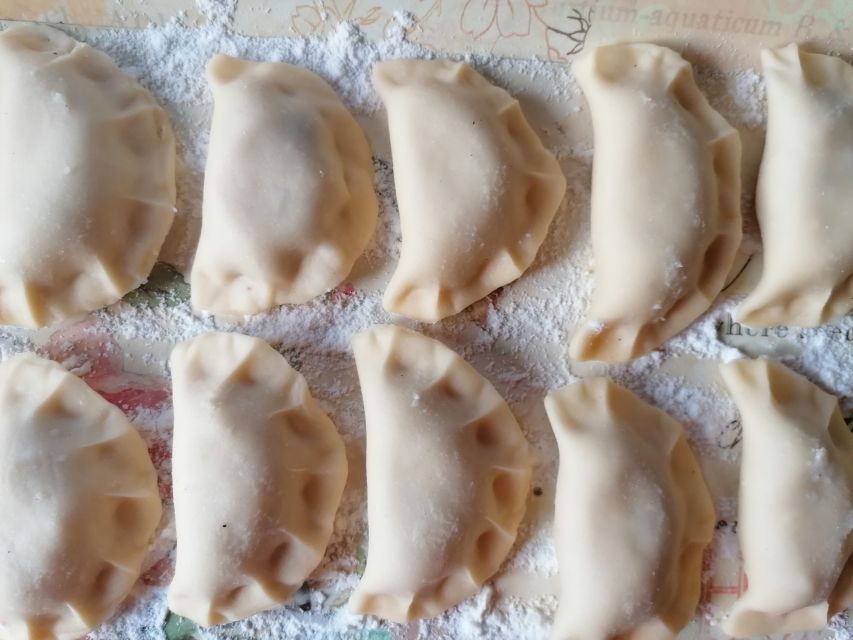
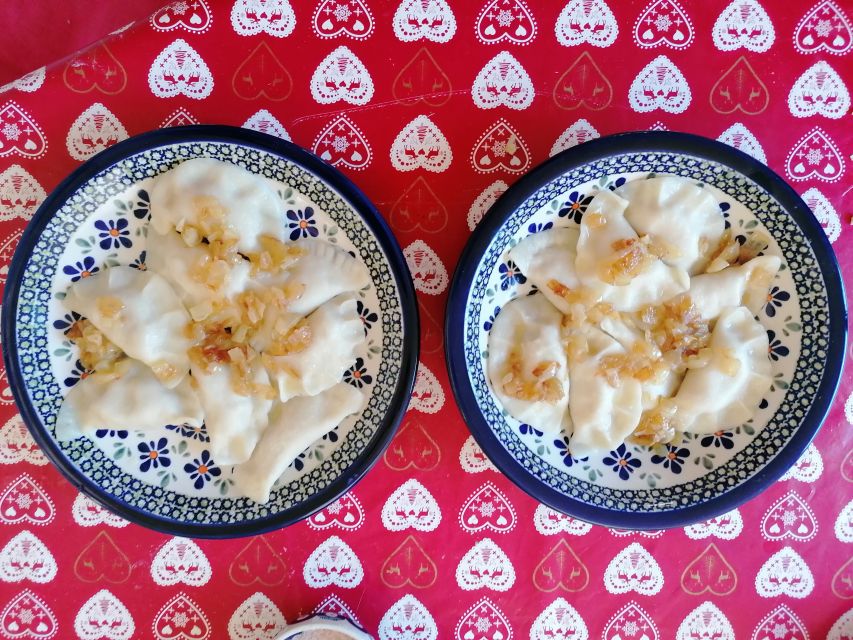
- Pierogi are the star dish: You make the dough and filling with hands-on help, then eat what you prepare.
- Three Polish recipes: The class includes three authentic dishes and ends with a three-course meal.
- A true small-group setting: The group is limited to six participants, making it easier to ask questions and get help.
- Food and drink are included: Snacks, Polish beer, water, tea, and coffee are provided.
- A four-hour local visit: Meet near Pod Globusem, use public transport to reach the guide’s home, and return to the same meeting point.
Why this class feels different from a standard cooking lesson
Many cooking classes begin with ingredients already measured and arranged on a counter. This one begins with the shopping. That small change matters because food becomes part of daily Krakow life rather than a polished demonstration prepared for an audience.
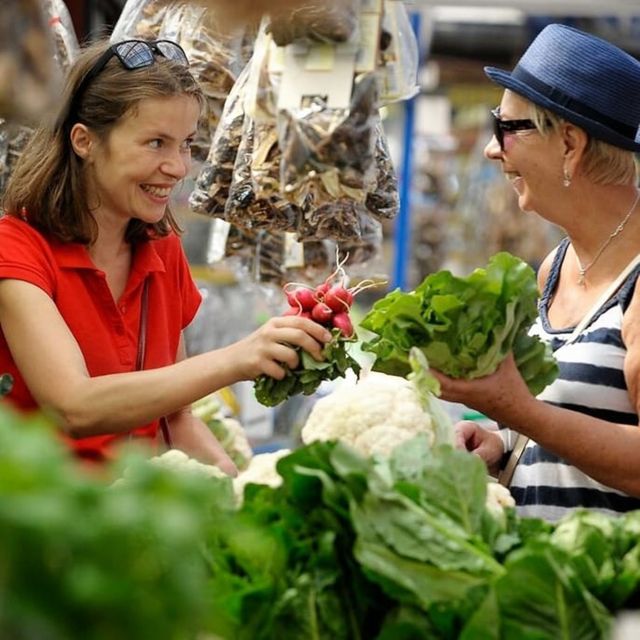
You meet your guide outside the Pod Globusem bookshop, at the corner of Dluga and Basztowa. From there, the class heads to a local food market. You will see the produce used by local cooks and learn what your guide considers fresh and useful for the day’s meal.
The market stop also gives you a reason to speak a little Polish. Your guide teaches phrases for buying ingredients and helps you try them with the sellers. You do not need to arrive with language skills. The point is to have a go, perhaps with a little help and a smile when your pronunciation goes sideways.
That market visit is one of the strongest reasons to choose this experience. It shows you a part of Krakow that a sightseeing walk may skip, and it helps connect the food on your plate to the way it is bought and prepared.
More Polish Food Tours in Krakow
- Pierogi Cooking Class with Market Shopping and Local Snacks
★ 5.0 · 343 reviews - Krakow Pierogi Cooking Class with Market Visit & Home-Cooked Meal
★ 5.0 · 212 reviews - Krakow: Food Tour of 10 Tastings with Pierogi, Vodka & More
★ 5.0 · 169 reviews
From Dluga and Basztowa to a local Krakow home
The meeting point is easy to identify: outside Pod Globusem, near the corner of Dluga and Basztowa. This is not the final cooking location. You will travel by public transport with your guide to the guide’s home, so allow for a change of scene after the market.
The transport is included, which keeps the outing simple. You are not left to find an unfamiliar apartment on your own, and the guide can continue explaining local life along the way. The experience ends back at the original meeting point, making it easier to plan the rest of your day.
The home setting is important. You are not cooking in a large commercial classroom with several teams working at once. The class takes place in a local kitchen, where the guide can explain how the dishes fit into Polish food traditions and how the ingredients are handled at home.
This format may feel less formal than a professional kitchen. That is part of its appeal, but it also means you should expect a personal household setting rather than restaurant-style service. Wear comfortable clothes and shoes, since the activity includes a market visit, public transport, standing, and hands-on preparation.
Making pierogi without treating them like a souvenir
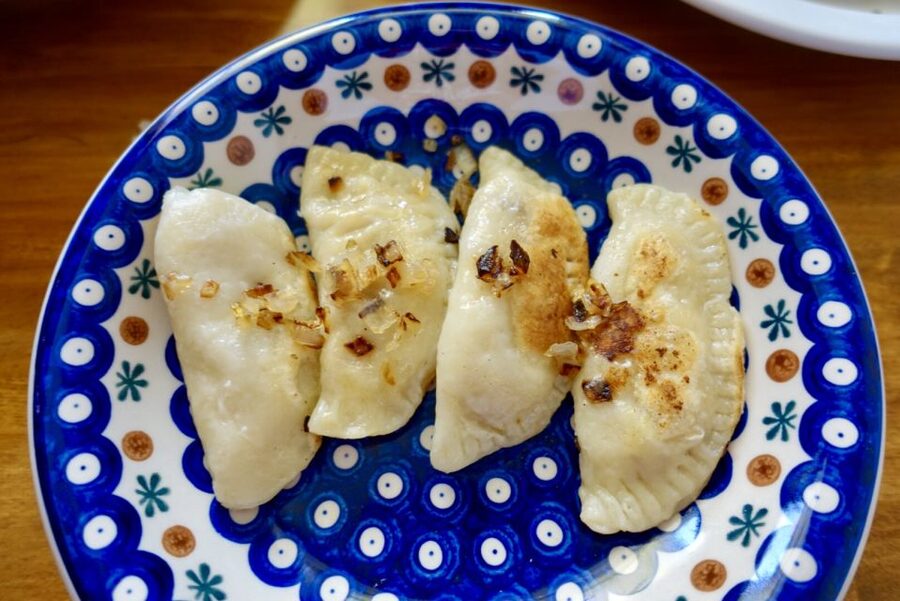
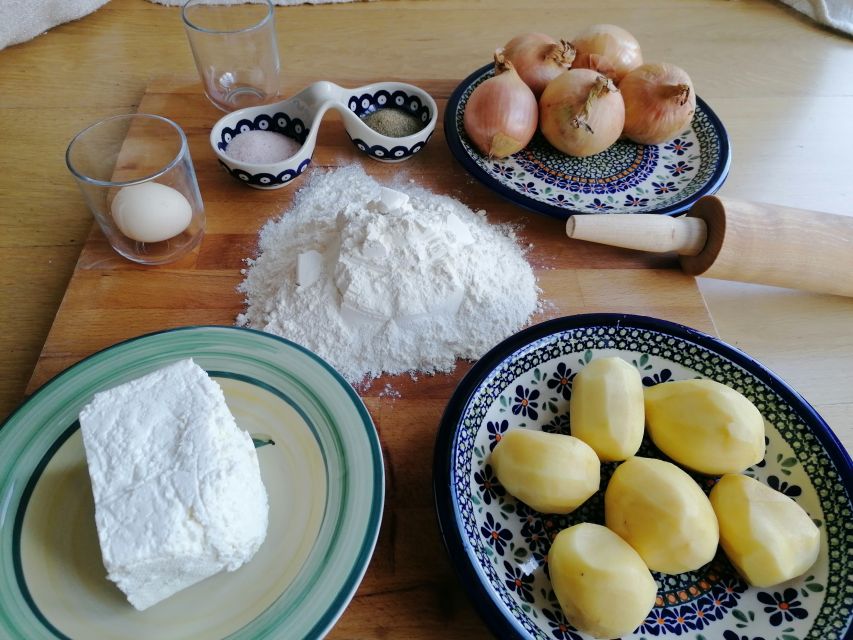
Pierogi are the main event. These Polish dumplings are made by preparing dough, adding filling, shaping the pieces, and cooking them. The supplied description does not specify the filling or cooking method, so you should not book expecting one particular recipe. Instead, expect your guide to teach the version planned for that day.
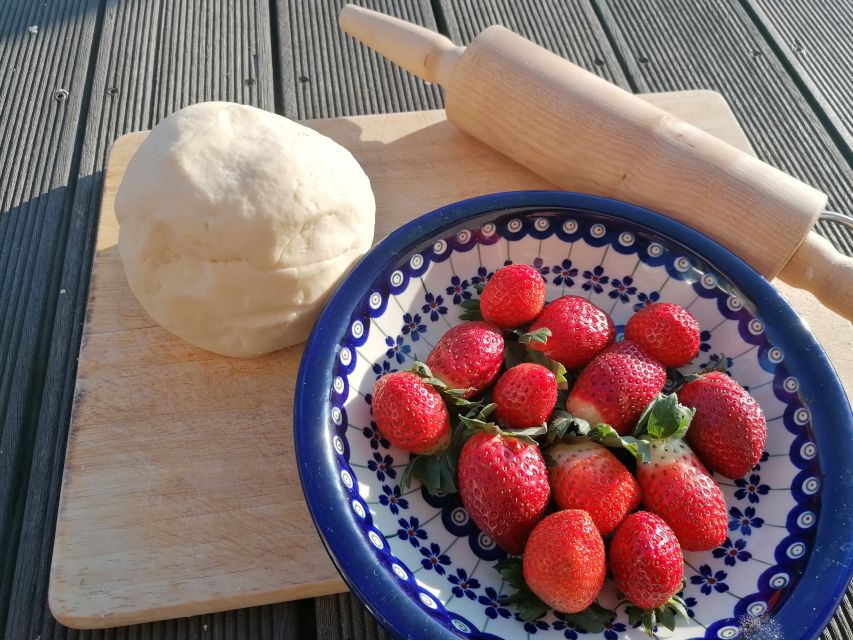
The class is designed to let you do the work. You roll, shape, and prepare the dumplings with guidance rather than simply watching a host make them. That is especially useful if you want to repeat the dish at home, because the practical problems usually appear in the dough and shaping, not in reading a recipe afterward.
Your guide shares the small tricks that make the process easier. The instruction is aimed at home cooking, with fresh ingredients and methods that do not depend on complicated equipment or elaborate technique. That makes the class more useful for a normal kitchen.
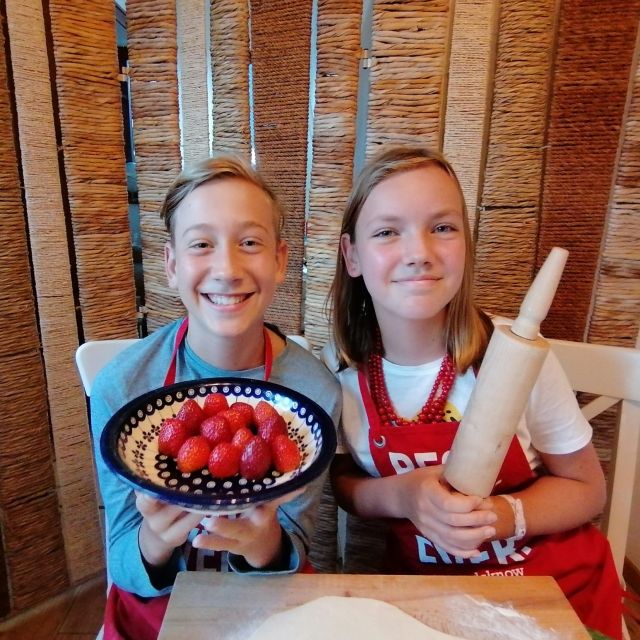
The atmosphere is relaxed. Polish music plays while you work, and you taste food as you cook. If you are cooking with children, the hands-on format can work well. Paula, one of the hosts associated with the experience, has coached nine-year-old twins through pierogi making, so families can expect patient help for younger cooks. Children still need to be comfortable taking part in a kitchen activity, but they are not expected to have adult cooking skills.
Three recipes and a Polish table
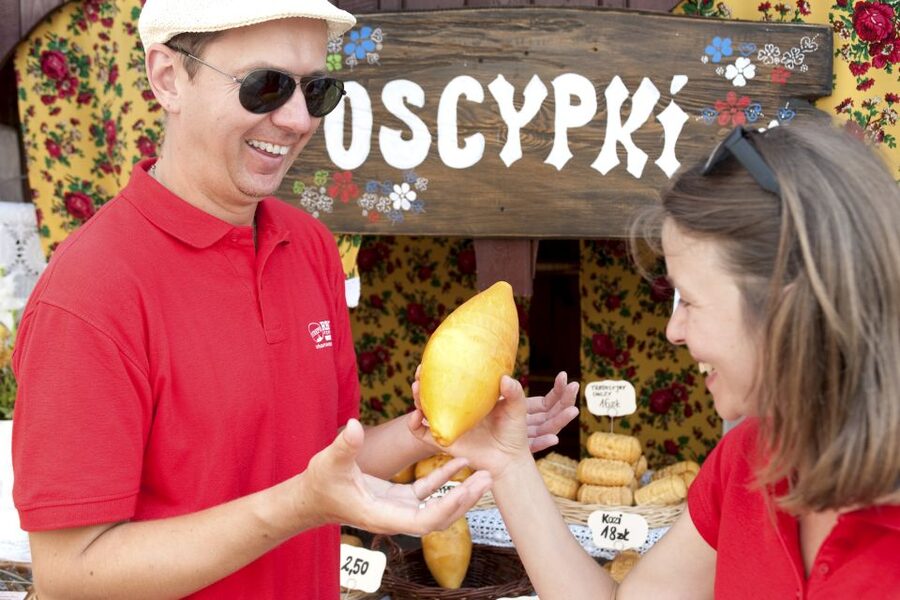
Pierogi are only one part of the meal. You learn three authentic Polish recipes, then sit down to eat the three-course meal you have prepared. The exact dishes beyond pierogi are not specified, so the menu can vary with the class and available ingredients.
That flexibility is worth keeping in mind. If you have allergies, strong dislikes, or a strict diet, ask about the menu before booking. The available information confirms the ingredients and dishes are selected for the cooking class, but it does not promise vegetarian, vegan, gluten-free, or other special arrangements.
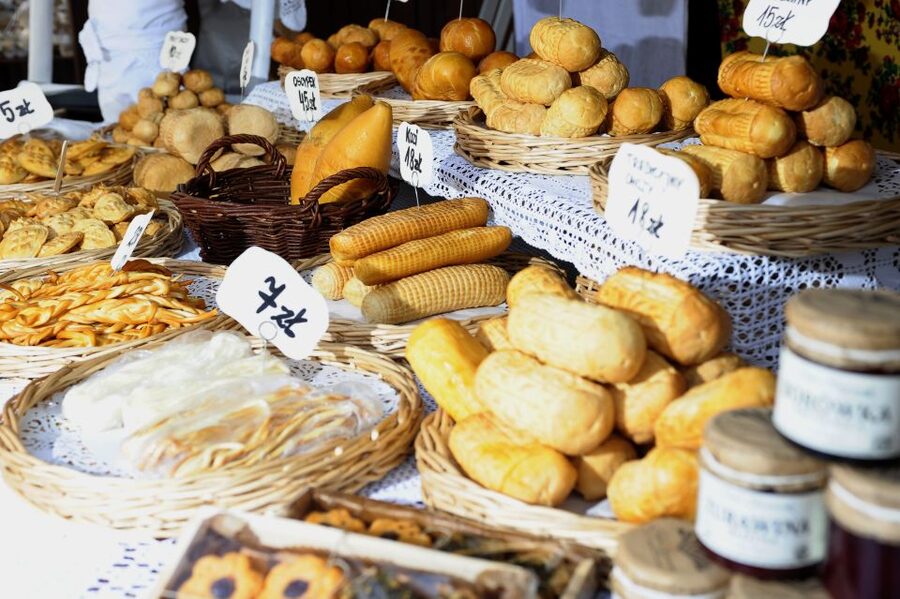
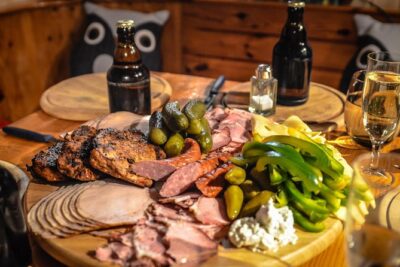
Before the meal, you receive a selection of Polish snacks. These include pickled cucumbers, sauerkraut, kabanos, which is a dried sausage, and oscypek cheese. Together, they give you a quick introduction to several familiar Polish flavors: sour pickles, fermented cabbage, smoky sausage, and firm cheese.
Polish beer is served with the meal. Water, tea, and coffee are also included, so you are not limited to alcohol. The beer fits the social side of the visit, but you can still take part comfortably if you prefer a nonalcoholic drink.
The meal is shared with the family. That is the cultural heart of the experience. You are not just eating food made during a lesson. You are sitting down with your host and hearing about Polish customs and traditions in a setting connected to everyday life.
Same country, a completely different kind of day:
- From Krakow: Auschwitz-Birkenau Guided Tour & Hotel Pickup
★ 4.5 · 33,358 reviews - From Krakow: Auschwitz-Birkenau Guided Tour & Hotel Pickup
★ 4.5 · 29,340 reviews - Krakow: Auschwitz Guided Tour with Optional Hotel Pickup
★ 4.5 · 15,280 reviews - Krakow–Zakopane: Cable Car, Chocholow Baths, Cheese & Vodka
★ 5.0 · 10,720 reviews
What the small group changes
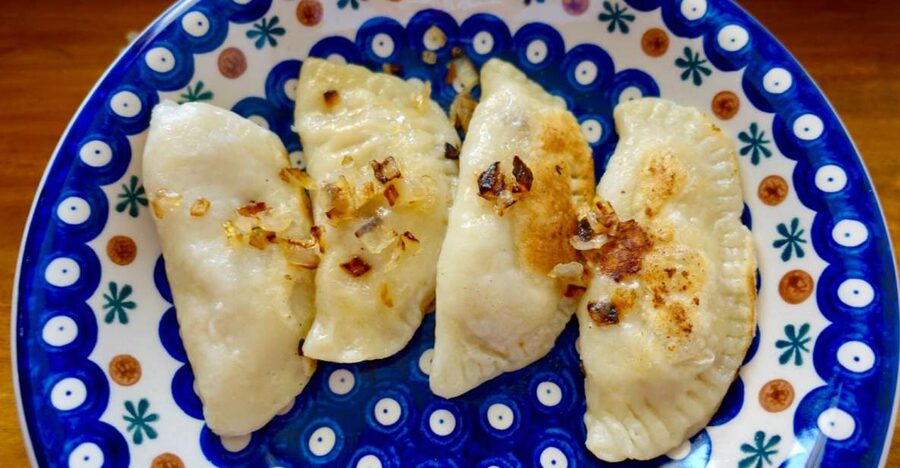
The class is limited to six participants. That is a major advantage for a hands-on activity, especially when several people need help with dough, filling, or shaping at the same time.
In a large class, you may spend much of the lesson waiting for a rolling pin or trying to see a demonstration from across the room. Here, you have a better chance to ask about texture, timing, and technique as you work. The guide can also give more direct help to children or first-time cooks.
A small group does not guarantee a private class. You will share the kitchen and meal with other participants, and the total number can be as high as six. Still, it is intimate enough for conversation and practical instruction.
This group size also supports the social part of the meal. You can talk with the host and the other cooks without shouting across a crowded room. If you prefer quiet sightseeing or do not enjoy group activities, this is still a social experience, not a private appointment.
The hosts and the human side of the lesson
The guides connected with this class include Aneta, Alicja, and Paula. Their roles go beyond giving directions. They lead the market visit, teach Polish phrases, explain the ingredients, coach the cooking, and sit down for the meal.
Alicia’s approach includes practicing phrases at the market and helping you buy ingredients in a local way. Aneta’s part of the experience includes shopping together before taking the ingredients back to her apartment. Paula has experience helping children make pierogi, with a patient and supportive approach.
Your exact guide depends on the date you book. That means the personality of the class may vary, but the basic structure remains the same: market shopping, transport to the home, three Polish recipes, and a shared meal.
The best way to approach the host is as a local cook, not as a celebrity chef. You are coming for practical home food and personal contact. The value lies in learning how a Polish meal is put together and sharing the table afterward.
Is $108 a fair price?
At $108 per person, this is not a budget meal. You need to compare it with what is included rather than measuring the price against the cost of a plate of pierogi in a Krakow restaurant.
The fee covers four hours, an English-speaking guide, public transport to the guide’s home, market shopping, all cooking products and utensils, Polish snacks, the pierogi, a three-course meal, beer, and nonalcoholic drinks. It also buys you instruction you can use after the trip.
The market visit adds value because it gives the class a clear local connection. The small group adds value because you get more direct help. The shared meal adds value because it turns the cooking into a social and cultural experience.
Still, you should be honest about what you want. If you only want to taste pierogi, you can eat more cheaply elsewhere. If you want to learn three recipes, practice shaping dumplings, shop with a local, and leave with cooking skills, the price is easier to justify.
This is especially good value for people who would otherwise book both a food tour and a cooking lesson. It will appeal to families, couples, and food-focused visitors who prefer participation over a formal sightseeing program.
Who should book this Krakow cooking class?
I would choose this class if you want an activity that gets you into a local home and lets you work with your hands. It suits people who enjoy food, conversation, and small cultural details such as market language and family recipes.
Families can also consider it. Paula’s experience with nine-year-old twins shows that children can take part with patient coaching. Comfortable clothing and shoes are essential, and parents should remember that this is a real cooking activity, not a show designed only for children.
The class also works well for anyone who wants to recreate a Polish dish after returning home. You receive instruction in three recipes and learn how the ingredients are prepared without complicated methods. Take notes if your guide shares measurements or techniques you want to remember.
I would skip it if you dislike group meals, do not want to use public transport, or want a fixed menu with clearly listed recipes. The class is also unsuitable for wheelchair users, and people with dietary restrictions should confirm what can be accommodated before reserving.
Timing, meeting details, and practical preparation
The activity lasts four hours, but starting times depend on availability. Check the available time before making plans around it, especially if you have a museum booking, train, or evening reservation.
Meet outside Pod Globusem at the corner of Dluga and Basztowa. The class begins there and returns there at the end. Public transport to the guide’s home is included.
Wear comfortable clothes and comfortable shoes. You will visit a market, travel across town, stand in a kitchen, handle ingredients, and eat afterward. You do not need to bring cooking products or utensils, since those are provided.
The experience is conducted in English. A small group makes it easier to follow the instructions, but it is still worth telling the guide at the start if you need a slower explanation or extra help with a particular step.
You can cancel up to 24 hours before the activity for a full refund. The reserve-now, pay-later option also helps if your Krakow schedule is still taking shape.
Should you book the pierogi home cooking class?
Book it if you want more than a restaurant meal. The market, Polish phrases, home kitchen, three recipes, and shared table give you several ways to connect with Krakow food culture in four hours.
The strongest reason to go is the combination of hands-on pierogi making and a local market visit. The most useful bonus is the small group, which gives you a fair chance to learn instead of simply watch.
At $108, it is best viewed as a full cultural outing that includes food, drinks, instruction, transport, and a host-led visit. It is not the cheapest way to eat Polish food, but it is a practical choice if you want to take the cooking home with you.
FAQ
How long does the Krakow pierogi cooking class last?
The activity lasts four hours.
Where do I meet the guide?
Meet the guide outside the Pod Globusem bookshop at the corner of Dluga and Basztowa.
Where does the cooking class take place?
After meeting and visiting the market, you travel by public transport to the guide’s home for the cooking class.
How many people are in the group?
The class is limited to six participants.
What language is the class conducted in?
The live guide speaks English, and the activity language is English.
What food do I make?
You learn three authentic Polish recipes, including pierogi. The specific recipes beyond pierogi are not listed.
What food and drinks are included?
The experience includes Polish snacks, pierogi, a three-course meal, Polish beer, water, tea, and coffee. Snacks include pickled cucumbers, sauerkraut, kabanos, and oscypek cheese.
Do I need to bring cooking equipment or ingredients?
No. All products and utensils needed for cooking are included. You should bring comfortable shoes and comfortable clothes.
Can I cancel the activity?
Yes. You can cancel up to 24 hours in advance for a full refund. You can also reserve now and pay later.
More Workshops in Krakow
- Gdansk: Jewelry Making Workshop with Amber
★ 5.0 · 5 reviews - Warsaw: Pottery Decorating Ceramic Workshop
★ 3.7 · 4 reviews
More Cooking Classes in Krakow
- Pierogi Cooking Class: Mastering the Art of Polish Dumplings
★ 5.0 · 129 reviews - Warsaw’s No 1 cooking class-Polish dumplings with liqueur tasting
★ 5.0 · 576 reviews - Warsaw: Polish Dumplings Cooking Class
★ 4.8 · 151 reviews
Just added around Krakow
- Tour to Wadowice: Hometown of Pope Saint John Paul II★ 4.6 · 12 reviews
- The Jewish Quarter – Walking Tour★ 5.0 · 4 reviews
- From Kraków; to Białka Thermal Baths private tour★ 5.0 · 5 reviews
- St. Mary’s Basilica and more – a short walk with a guide★ 4.7 · 56 reviews
- Krakow: Auschwitz-Birkenau and Wieliczka Salt Mine Day Trip★ 4.7 · 84 reviews
- Krakow: Skip-the-Line Wawel Castle & Old Town Guided Tour★ 4.9 · 23 reviews
- Krakow: Schindler’s Factory Guided Tour★ 4.2 · 12 reviews
- Shooting Range Experience!★ 4.8 · 66 reviews
Polish Food Tours, compared.
Half-Day Polish Food Walking Tour with Guide and Dinner
Read our review →
Pierogi Cooking Class with Market Shopping and Local Snacks
Read our review →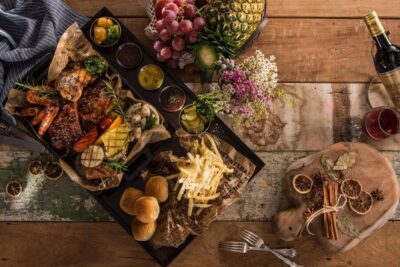
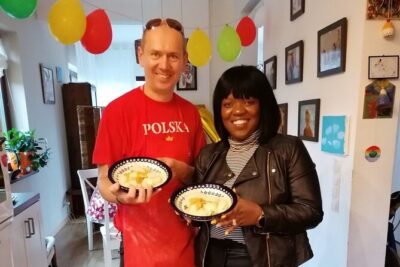
Krakow Pierogi Cooking Class with Market Visit & Home-Cooked Meal
Read our review →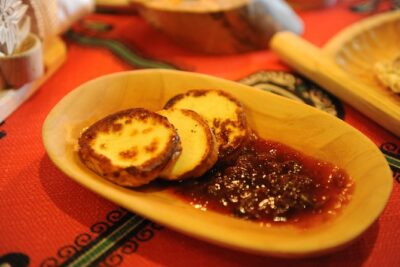
Food Tour of 10 Tastings with Pierogi, Vodka & More
Read our review →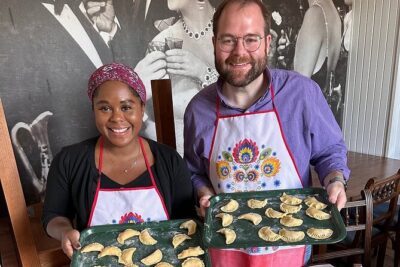
Pierogi Cooking Class: Mastering the Art of Polish Dumplings
Read our review →
6-Course Full Polish Food Tour with Vodka Tasting
Read our review →
Browse the lists this tour appears in