Reviewed · KRAKOW TOURS
Nowa Huta: Steelworks Administration Buildings/Shelters Tour
The most unusual part of this Nowa Huta visit is the chance to enter former steelworks offices that still feel caught in the 1950s. You walk through grand halls, directors’ rooms, radio-control spaces, and an underground shelter built for Cold War danger. I like the original interiors and the way the tour links them to everyday life in Communist Poland. I also like the personal storytelling, especially when Mateusz leads the visit.
The main drawback is that this is a specialist tour, not a general Krakow sightseeing trip. You do not enter the operating part of the steelworks, and some areas are partly abandoned, dim, or reached by stairs. If mobility is limited, this experience is not suitable.
Key points before you book
- A rare look inside former steelworks offices: See spaces that are not part of the usual Krakow route.
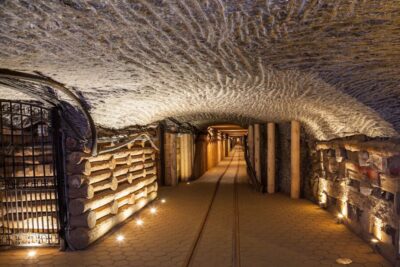
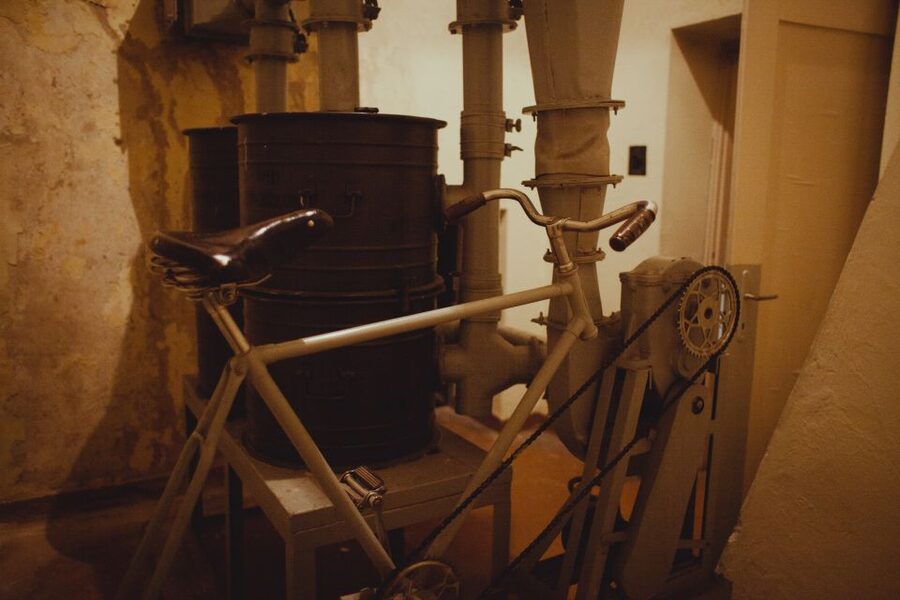
- Underground Cold War shelters: Walk through tunnels, communications rooms, and an underground command area.
- Ornate Communist-era design: Directors’ offices use costly decorative stone and formal architectural details.
- Personal English-language guiding: Mateusz is one guide associated with the tour, and his stories and humor add plenty of life.
- A short, focused visit: The tour lasts about 1.5 hours, making it an easy add-on to a Krakow stay.
- Optional vintage-car experience: Choose the upgraded option for a presentation and ride in a period car.
Why Nowa Huta feels so different from central Krakow
Krakow’s Old Town is a city of medieval lanes, churches, and royal history. Nowa Huta offers a sharp change of mood. It was planned in the 1950s as an ideal socialist city under strong Soviet influence, and its steelworks formed the economic and political heart of the district.
That setting matters because the buildings are not simply old offices. They show how a Communist industrial city presented power, order, and modernity. The steel plant needed directors, engineers, radio operators, and workers, so the administrative buildings were designed to serve both practical and symbolic roles.
I like this tour for that reason. It gives you a physical way to understand the era. Instead of hearing only about state industry and Cold War planning, you see the offices where decisions were made and the shelters built for a possible attack.
Nowa Huta is also a useful choice if you have already seen Krakow’s main sights. It takes you beyond the postcard version of the city and into a district with its own identity. The tour does not pretend that the past was simple or attractive, but it does show why this place still matters.
Other Krakow days people book alongside this one:
- From Krakow: Auschwitz-Birkenau Guided Tour & Hotel Pickup
★ 4.5 · 33,358 reviews - From Krakow: Auschwitz-Birkenau Guided Tour & Hotel Pickup
★ 4.5 · 29,340 reviews - Krakow: Auschwitz Guided Tour with Optional Hotel Pickup
★ 4.5 · 15,280 reviews
Meeting at the Kombinat gate
You meet the guide at the main gate of the steel mill, at the building on the left with the information point. From central Krakow, you can reach the area by tram or bus and get off at the Kombinat stop.
Allow time to find the correct entrance. The meeting point is not in the Old Town, and the steelworks area is large enough that arriving at the last minute could create needless stress. Once you meet the guide, the tour begins on foot and ends back at the same point.
The return to the starting gate is handy. You do not need to arrange a second pickup point, and you can decide afterward whether to explore more of Nowa Huta or head back toward central Krakow.
The tour is offered in English. If Mateusz is your guide, expect a lively presentation with local stories, jokes, and explanations of how the district and factory changed. His personal connection to the area, including stories about his grandmother’s experience during the Communist period, gives the history a human scale.
Two near-twin buildings with different roles
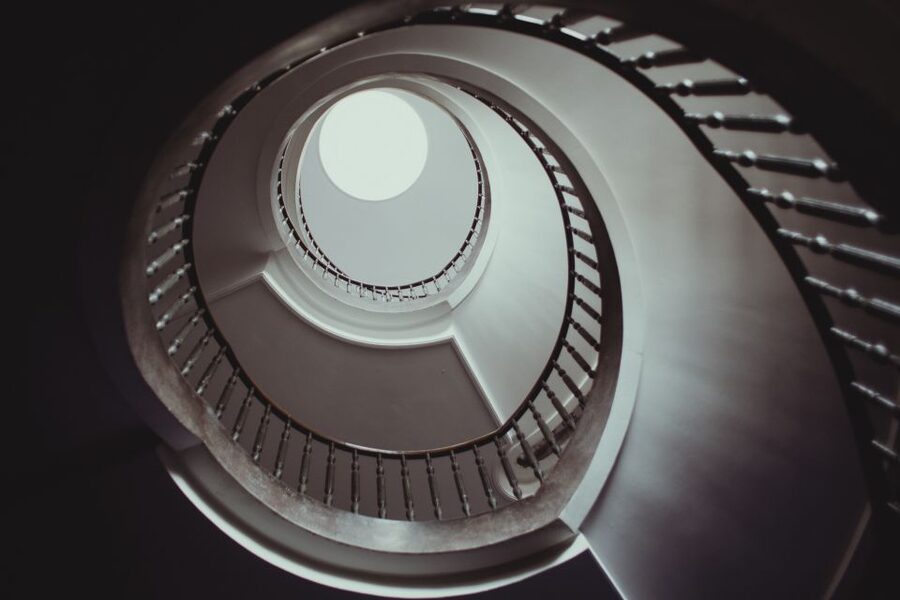
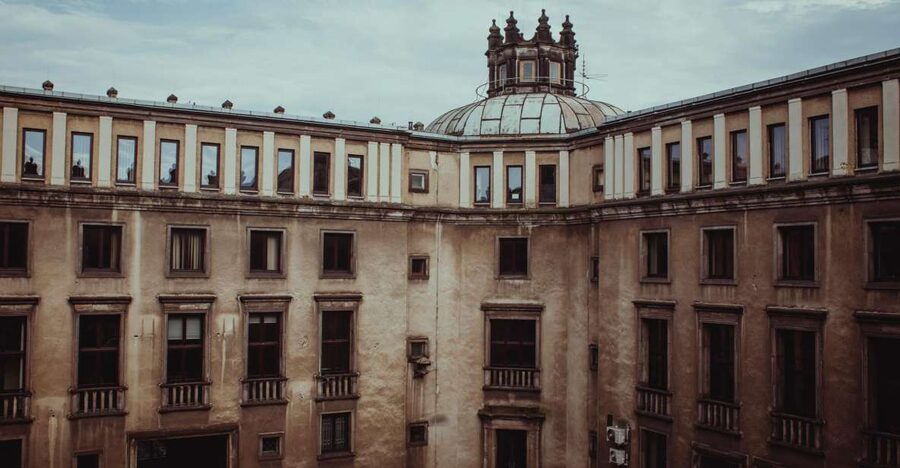
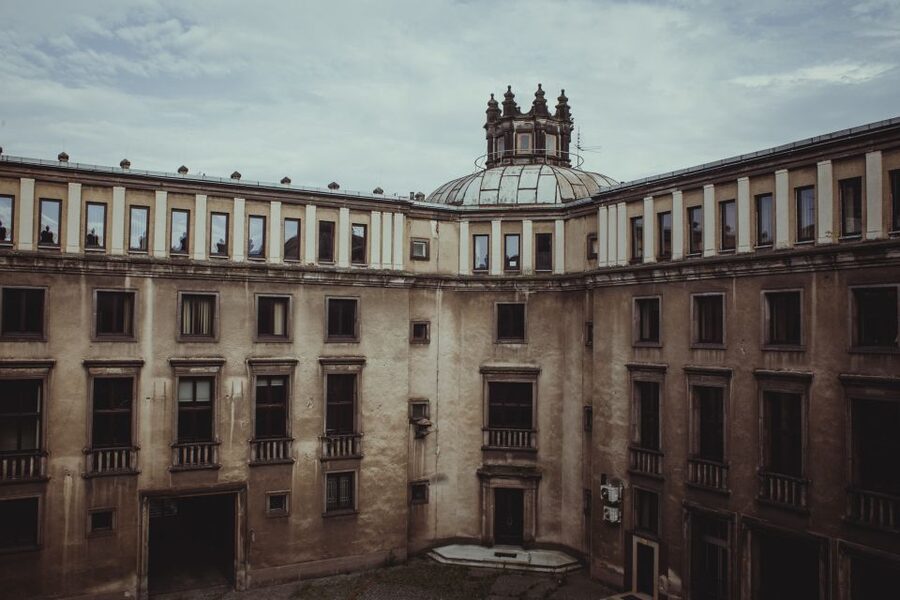
The visit starts with two almost twin administration buildings. At first, their similar forms may seem like a small architectural detail, but the guide uses the comparison to show how the buildings worked and where their functions differed.
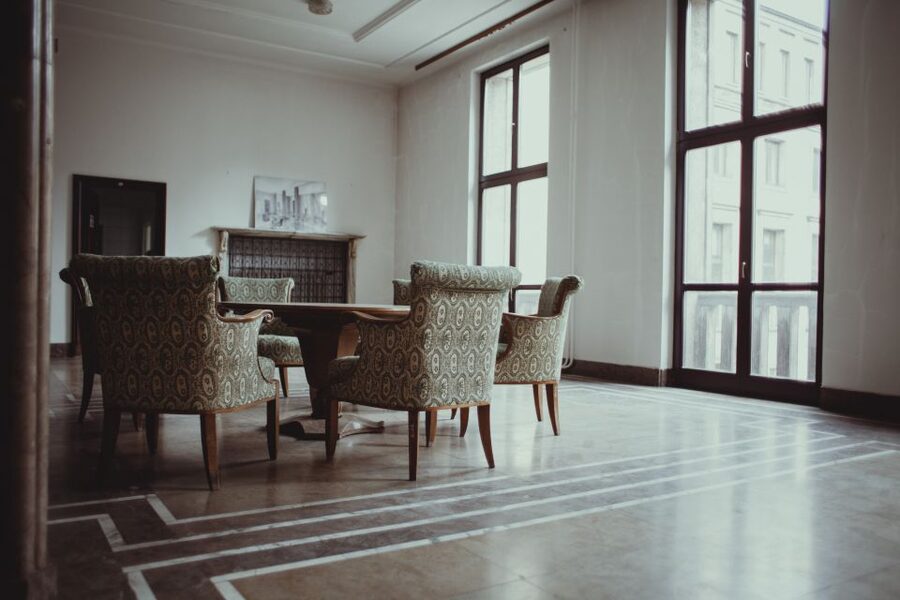
You move through former administrative spaces, including the directors’ executive offices and corner rooms used by engineers. The arrangement gives you a feel for the layers of authority inside the steelworks. Directors had formal rooms for business and representation, while engineers worked in offices tied more directly to the plant’s technical needs.
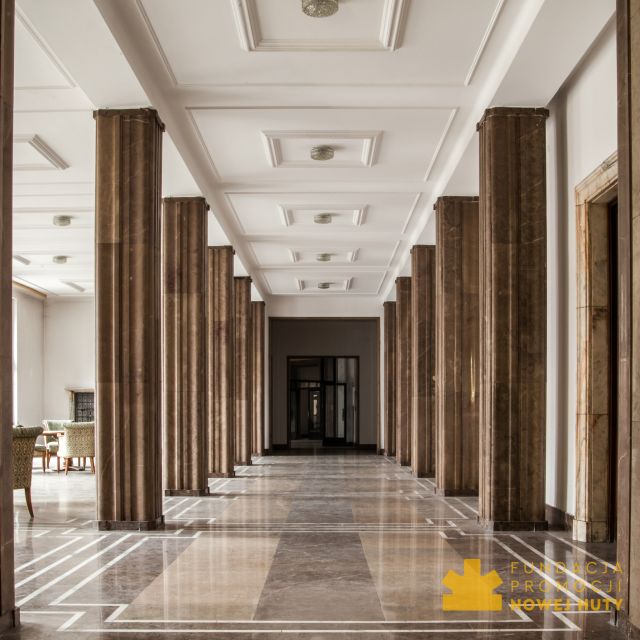
The buildings are especially interesting because much of the interior character remains. The offices were not designed as bare industrial rooms. Expensive and solid ornamental stones appear in areas meant to impress, including the grand entrance hall.
That entrance hall is one of the tour’s visual rewards. Its design resembles a Renaissance staircase, an unusual choice for a place associated with heavy industry and Communist administration. The contrast tells you something about the period. The state wanted industrial power, but its senior officials still worked in surroundings meant to signal status and importance.
You should bring a camera if you enjoy architectural detail. The tour allows time for photographs and questions, though the pace can feel quick in places. Ask when a room catches your attention, especially if you want more context about an office or a particular feature.
Going underground into the bomb shelter
The two buildings are connected by an underground tunnel. This passage leads to the bomb-shelter areas, where the mood changes from formal and ceremonial to practical and tense.
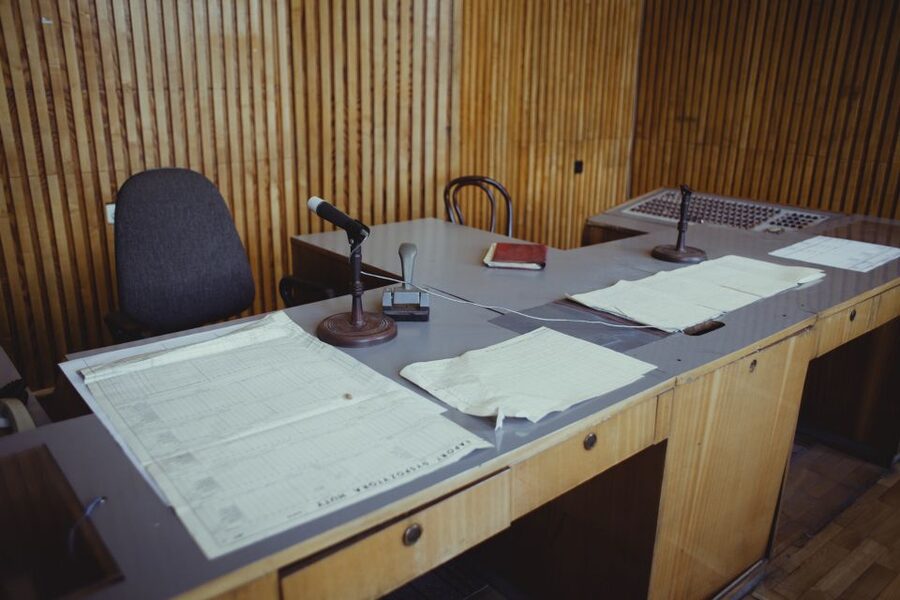
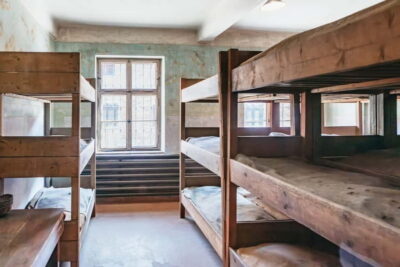
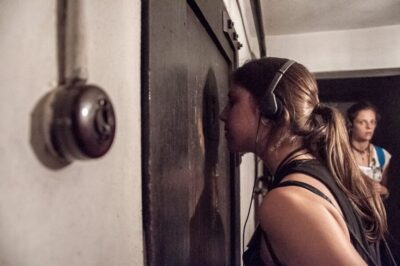
The shelter shows how the steelworks prepared for the risks of the second half of the 1950s. You see spaces connected with communications, emergency control, and daily survival below ground. The underground command center and radio facilities are among the strongest parts of the visit for anyone interested in the Cold War.
I find these spaces more revealing than a polished museum display would be. The shelter is not just a collection of objects behind glass. You move through the rooms and get a sense of how staff might have communicated and kept the plant running during a crisis.
The radio control room and radio station add another useful layer. You can hear authentic tapes recorded there, which makes the visit feel tied to the building rather than to a distant textbook account. Sound can bring a place back to life in a way that walls and labels cannot.
The underground portion is also where practical comfort matters most. You may encounter stairs, narrow routes, and dim sections. The tour is specifically not suitable for wheelchair users or people with mobility impairments, so consider this carefully before booking.
Same country, a completely different kind of day:
- Krakow–Zakopane: Cable Car, Chocholow Baths, Cheese & Vodka
★ 5.0 · 10,720 reviews - Krakow: Auschwitz-Birkenau Guided Tour with Pickup & Lunch
★ 4.5 · 9,800 reviews - From Krakow: Wieliczka Salt Mine Tour
★ 4.6 · 9,393 reviews - Krakow: Auschwitz-Birkenau Guided Tour Pickup/Lunch Options
★ 4.5 · 9,057 reviews
Offices, theaters, and the design of Communist power
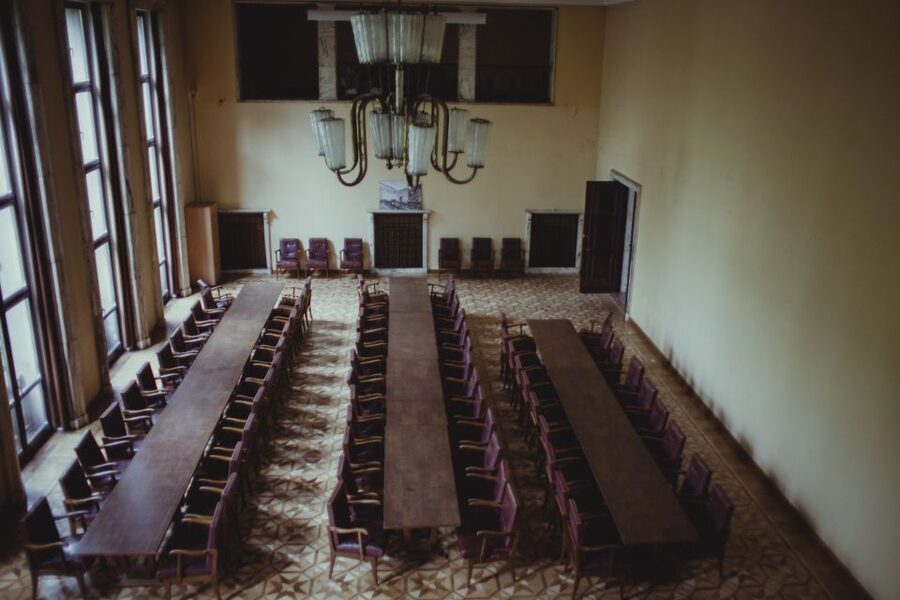
The administration buildings were not only about paperwork. The tour includes a theater hall in the workers’ building, a space that is still used today. That detail helps you see the steelworks as a complete social system, not merely a factory.
A large industrial complex needed places for meetings, performances, announcements, and organized community life. The theater reflects the idea that work and culture belonged within the same planned environment. It also gives the tour a welcome change of scale after the offices and shelter rooms.
You also visit one of the eight oval corner staircases found across the two buildings. This is the kind of feature that can be easy to miss if you walk through alone. The guide points out how the architects used repeated forms and formal materials to make administrative buildings feel important.
The result is a curious mix of austere Communist planning and decorative ambition. You may see rooms that feel plain and functional beside spaces designed to impress directors and officials. That contrast is part of the appeal. The buildings reveal hierarchy without needing a long lecture about it.
Some interiors are partly abandoned, and that is both a strength and a limitation. The worn condition creates a genuine sense of time passing. At the same time, this is not a restored palace or a fully equipped museum. Expect an authentic, unfinished site rather than perfect lighting, polished displays, or a carefully controlled visitor route.
What makes the guiding work
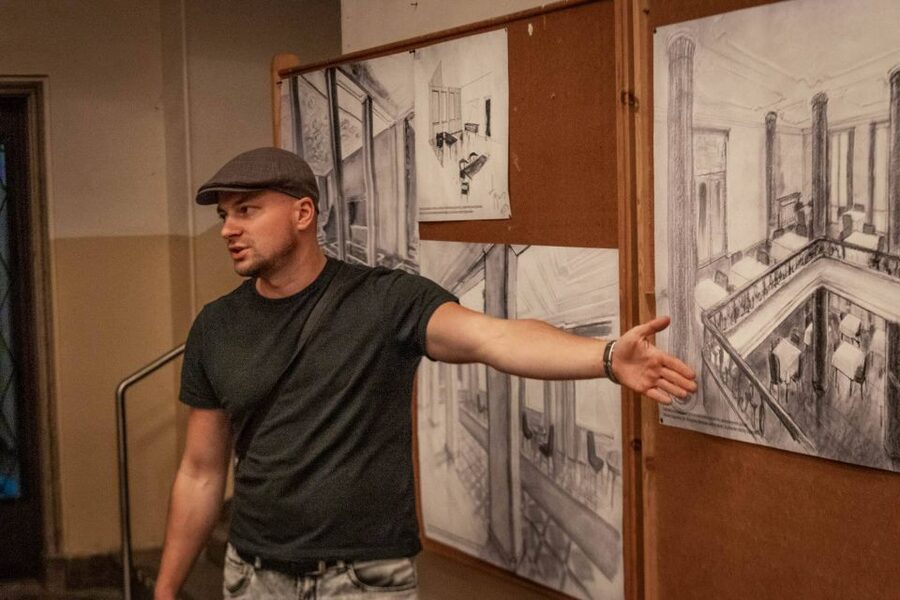
The buildings need a guide. Without context, an office is just an office, and a concrete shelter can quickly become a series of similar rooms.
A good guide explains how the steelworks developed, how Nowa Huta changed, and why the administration buildings were built with such care. The strongest guiding also connects large political events with local life. Mateusz is praised for doing this with enthusiasm, humor, and clear English.
I appreciate the balance of explanation and time to look around. You can ask questions and take photographs rather than being pushed from one room to the next. Still, one part of the experience can feel fast, particularly if you want to study every architectural detail. Speak up if you need clarification. The guides are prepared to answer questions and add more detail.
This is a good tour for history enthusiasts, but you do not need to be an expert in Poland’s Communist period. The guide explains enough to make the buildings understandable, while the setting provides much of the atmosphere on its own.
Adding the vintage Communist-era car
You can choose an option that includes a vintage car presentation and tour. The car adds a visual link to the period and gives you a distinctive way to begin or extend the experience.
I would consider this add-on if you enjoy historic vehicles, photography, or themed sightseeing. It also works well if you want a more memorable introduction to Nowa Huta than a standard tram ride. The car is not essential to understanding the buildings, so visitors mainly focused on architecture and Cold War history may prefer the basic option.
The vehicle presentation is included with the selected car option, not with every booking. Check the exact choice when reserving so you know what you are paying for.
Is $24 good value for 90 minutes?
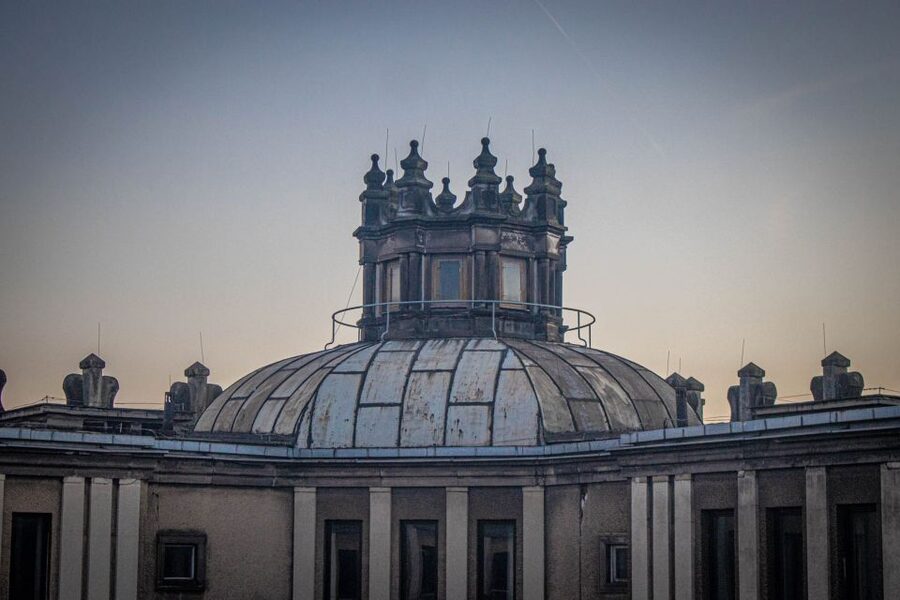
At $24 per person, this is fairly priced for a guided visit to restricted and partly abandoned steelworks administration buildings. You are paying for access, an English-speaking guide, and the interpretation that makes the offices, shelters, and radio rooms meaningful.
The value is strongest if you have already seen the main Krakow sights and want something more unusual. You are not simply touring a public museum with standard exhibits. You are entering original spaces connected to a working industrial site, though the operating part of the steelworks is not included.
The 1.5-hour length is another advantage. It is long enough to cover both buildings, the tunnel, shelter, offices, radio areas, and theater without taking up an entire day. If you want a full tour of the wider district, ask about extending the experience with private Nowa Huta sightseeing. That option is separate from this focused buildings-and-shelter visit.
Free cancellation up to 24 hours before the start and the reserve-now, pay-later option make planning easier. Book at least a day ahead, especially if your Krakow schedule is tight.
Who should book this Nowa Huta tour?
I would recommend it to you if you enjoy:
- Cold War history and Communist-era Poland
- Industrial architecture and unusual interiors
- Local stories rather than only major city monuments
- Historic vehicles and period atmosphere
- Short tours with a clear subject
- Visiting places that may later become more formal museum spaces
It is less suitable if you want a polished museum, a broad tour of all Nowa Huta, or a fully accessible attraction. It is also not the best choice for someone who has little interest in 20th-century history and prefers Krakow’s medieval sights.
Families with older children may find the shelters and radio rooms engaging, but the tour is not designed as a children’s attraction. The underground sections and historical subject matter may suit curious older youngsters better than very young children.
A small dog was allowed on at least one visit, but confirm this when booking rather than assuming it is always possible.
Final verdict: book it for a different side of Krakow
Book this tour if you want to see Krakow beyond the Old Town and understand how Nowa Huta’s steelworks shaped the district. The bomb shelters and command spaces give the visit its strongest sense of place, while the executive offices and grand entrance hall show the surprising formal side of Communist industry.
I would choose the basic tour for history and architecture, then add the vintage car if the period setting appeals to you. Give yourself enough time to reach the Kombinat gate, wear shoes suited to stairs and uneven areas, and ask questions when the guide pauses. For $24 and 90 minutes, this is a practical, unusual addition to a Krakow itinerary.
FAQ
How long does the Nowa Huta steelworks tour last?
The tour lasts 1.5 hours. Starting times vary, so check availability when booking.
What language is the tour offered in?
The live guided tour is offered in English.
Where does the tour start?
Meet your guide at the main gate of the steel mill, at the building on the left with the information point. The nearest stated public transport stop is Kombinat.
Where does the tour end?
The activity ends back at the same meeting point.
Does the tour enter the operating part of the steelworks?
No. Entry to the operating part of the steelworks is not included.
What will I see underground?
You will go through the tunnel connecting the two administration buildings and visit bomb-shelter areas, communications rooms, and an underground command center.
Is the tour suitable for wheelchair users?
No. The activity is not suitable for wheelchair users or people with mobility impairments.
Can I cancel the booking for a refund?
Yes. You can cancel up to 24 hours in advance for a full refund. You can also reserve now and pay later.
Just added around Krakow
- Tour to Wadowice: Hometown of Pope Saint John Paul II★ 4.6 · 12 reviews
- The Jewish Quarter – Walking Tour★ 5.0 · 4 reviews
- From Kraków; to Białka Thermal Baths private tour★ 5.0 · 5 reviews
- St. Mary’s Basilica and more – a short walk with a guide★ 4.7 · 56 reviews
- Krakow: Auschwitz-Birkenau and Wieliczka Salt Mine Day Trip★ 4.7 · 84 reviews
- Krakow: Skip-the-Line Wawel Castle & Old Town Guided Tour★ 4.9 · 23 reviews
- Krakow: Schindler’s Factory Guided Tour★ 4.2 · 12 reviews
- Shooting Range Experience!★ 4.8 · 66 reviews
Krakow Tours, compared.
Auschwitz-Birkenau Guided Tour & Hotel Pickup
Read our review →Auschwitz-Birkenau Guided Tour & Hotel Pickup
Read our review →
Auschwitz Guided Tour with Optional Hotel Pickup
Read our review →
Zakopane: Cable Car, Chocholow Baths, Cheese & Vodka
Read our review →
Auschwitz-Birkenau Guided Tour with Pickup & Lunch
Read our review →
Auschwitz-Birkenau Guided Tour Pickup/Lunch Options
Read our review →