Reviewed · KRAKOW TOURS
Nowa Huta Steel Mill Administration Buildings and Shelters with local NGO
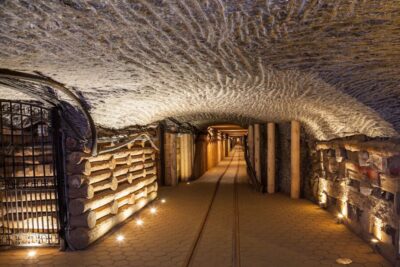
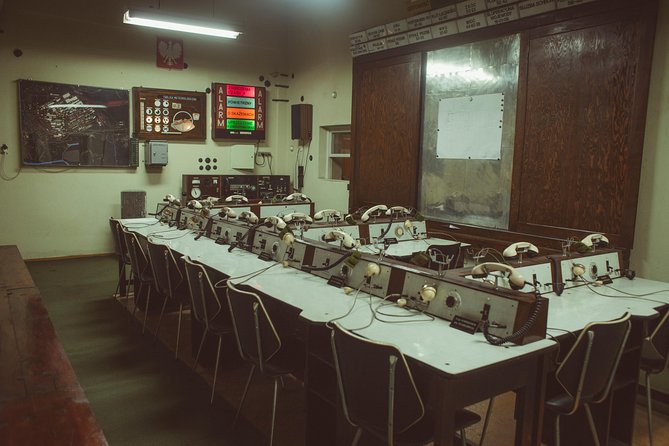
The strangest and most rewarding part of this Nowa Huta tour is entering an almost untouched steelworks administration complex, then walking below it into a Cold War bomb shelter. This is not a polished museum. It feels more like an urban exploration trip through offices, meeting rooms, corridors, and rooms left behind by a major industrial era.
I like the access to the Socialist Realist architecture, and I like the way the tour connects grand rooms with ordinary working life. Historic tapes from the steelworks radio station add a strong sense of place. The main drawback is that the buildings are aging and the collected displays are not always original to the room where you see them, so you should come for atmosphere and context rather than a perfectly arranged museum.
Key points to know before you go
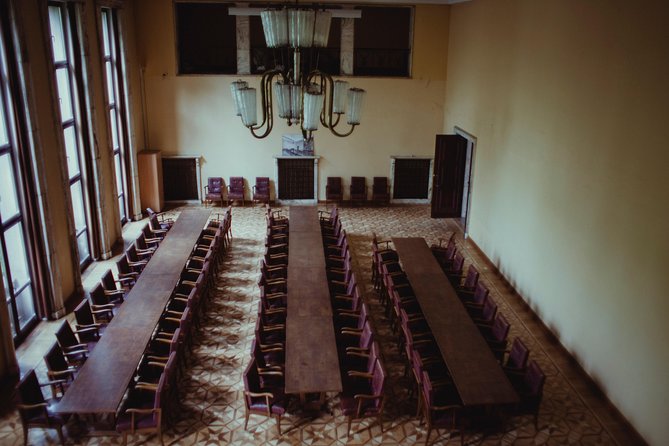
- Nearly untouched administration buildings: Walk through former offices and meeting rooms in the steelworks complex, with furnishings and objects from several decades.
- Underground Cold War shelter: Go below ground through tunnels and bunker spaces that give the tour its most unusual setting.
- A guide-led history of communist Poland: Learn how Nowa Huta, its steelworks, and Socialist Realist planning fit together.
- Historic steelworks radio recordings: Hear old broadcasts that bring the factory’s daily life closer.
- Small English-speaking group: The maximum group size is 15, which leaves room for questions and a more personal tour.
- A strong choice for industrial history: The experience suits you best if you enjoy abandoned buildings, political history, architecture, and places that still show their working past.
Why these steelworks offices tell Nowa Huta’s story so well
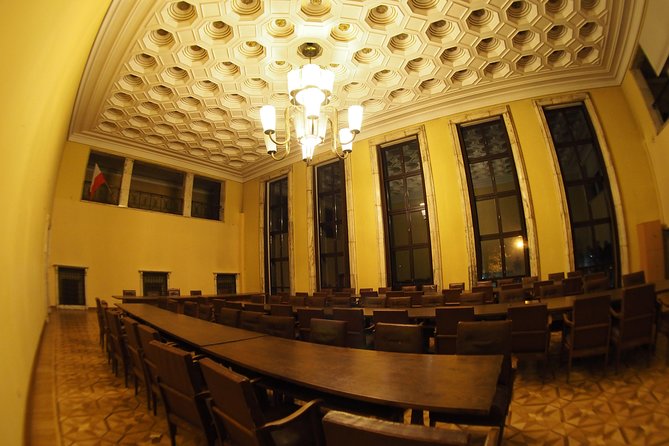
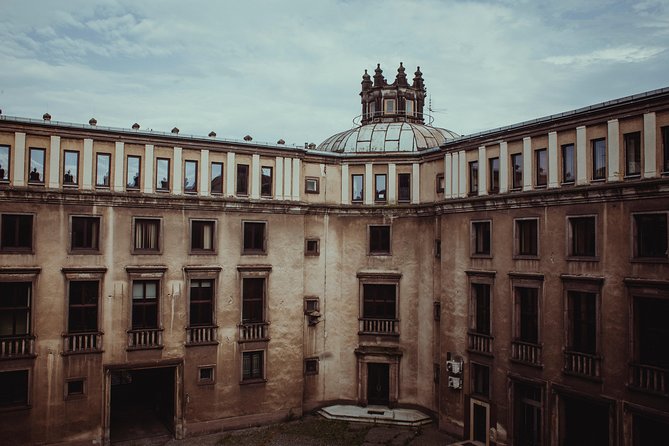
Nowa Huta was planned as a model industrial city beside Krakow, and its steelworks were central to the communist vision of postwar Poland. The administration buildings reveal the official face of that project: formal rooms, carefully planned interiors, and architecture shaped by Socialist Realism.
The tour focuses on the former Lenin Steelworks, later associated with the Sendzimir steelworks name. You are not simply looking at a factory from the outside. You enter the administrative side, where decisions were made, workers were managed, and the state’s industrial ideals were put into practice.
That distinction matters. A giant steel plant can seem remote when viewed only through dates and political labels. Offices, meeting rooms, stairways, and leftover objects make the system easier to picture. You can think about the people who worked there, the managers who used these rooms, and the changing role of the plant after the communist period ended.
The buildings also show how different parts of the same industrial world could feel. The administrative interiors were designed to project authority and order. The worker-focused parts of the complex had a different purpose and tone. A good guide helps you notice those contrasts rather than treating every room as a simple symbol of communism.
Other Krakow days people book alongside this one:
- From Krakow: Auschwitz-Birkenau Guided Tour & Hotel Pickup
★ 4.5 · 33,358 reviews - From Krakow: Auschwitz-Birkenau Guided Tour & Hotel Pickup
★ 4.5 · 29,340 reviews - Krakow: Auschwitz Guided Tour with Optional Hotel Pickup
★ 4.5 · 15,280 reviews
Entering the S and Z administration buildings
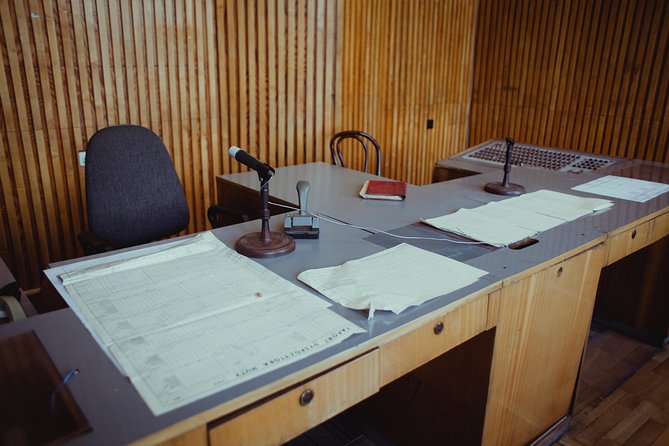
The visit may include both the S and Z administration buildings, giving you more than a quick look at one abandoned office block. You move through a series of rooms that have survived from different periods, with objects and fittings connected to the site’s long working life.
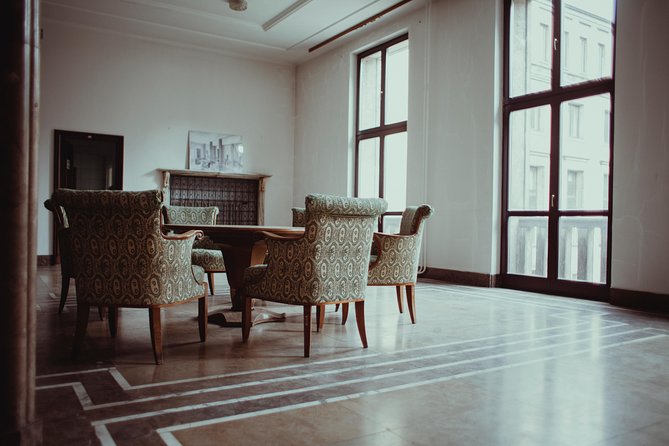
Some spaces still feel architectural rather than museum-like. You may see old offices, meeting rooms, corridors, and rooms that retain the atmosphere of a working institution. Several have also been used as settings for films, which adds a slightly eerie quality without turning the visit into a movie-themed attraction.
Expect signs of age. The building has been unused for more than a decade, and its condition is part of the experience. Peeling surfaces, worn rooms, and old fittings make the place feel real, but they also mean you should not expect the comfort or finish of a conventional cultural venue.
The displays require a little care in how you read them. The local nonprofit has gathered objects and arranged some as an exhibition. Not every item was necessarily used in the exact room where it appears, and the objects span the 1950s through the 2000s. That is not a reason to skip the tour. It is simply useful to know that the building is a historical setting with an assembled collection, not a room-by-room time capsule.
Socialist Realism without a dry architecture lecture
The architecture is one of the strongest reasons to book this experience. Socialist Realism was not just a decorative style. In a place like Nowa Huta, architecture helped express ideas about the state, industry, labor, and power.
Your guide explains why the buildings look the way they do and how design reflected the period. Look for the formal scale and carefully planned spaces, then compare them with the practical needs of a steelworks. The tension between grand presentation and industrial routine is central to understanding the site.
I would pay close attention to the guide’s explanations here. Without context, you might simply see old rooms and impressive details. With context, the architecture becomes evidence of how communist Poland wanted its institutions to appear.
The experience is strongest when it avoids a simple good-versus-bad story. One point raised during the visit is that differences between management and worker spaces should not automatically be blamed on communism alone. Industrial plants in capitalist countries also created sharp divisions between offices, production areas, and worker facilities. That is a useful caution, and it helps you treat the tour as history rather than a one-sided political display.
Below ground in the Cold War shelter
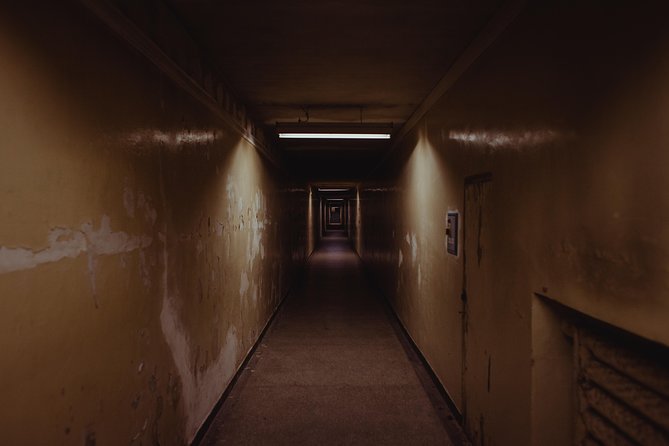
The underground shelter is the tour’s most memorable physical section. You leave the formal administrative rooms and enter tunnels and bunker spaces built for Cold War fears.
This change in setting is important. Upstairs, the buildings present power in a controlled and public way. Below ground, the shelter reflects fear, secrecy, and preparation for possible attack. The contrast gives the tour a clear rhythm and keeps it from becoming a long walk through similar offices.
The shelter is not merely a small extra room. It is one of the main reasons this experience feels different from a standard city history tour. You can see how a major industrial complex prepared for danger and how the Cold War shaped even workplaces far from the front line.
You should have moderate physical fitness for the tour. The route includes buildings, tunnels, and bunker areas, and the full visit takes about one hour and 30 minutes to two hours. Wear sensible shoes and be prepared for an old site rather than a fully modern visitor center.
Same country, a completely different kind of day:
- Krakow–Zakopane: Cable Car, Chocholow Baths, Cheese & Vodka
★ 5.0 · 10,720 reviews - Krakow: Auschwitz-Birkenau Guided Tour with Pickup & Lunch
★ 4.5 · 9,800 reviews - From Krakow: Wieliczka Salt Mine Tour
★ 4.6 · 9,393 reviews - Krakow: Auschwitz-Birkenau Guided Tour Pickup/Lunch Options
★ 4.5 · 9,057 reviews
Hearing the steelworks through its radio station
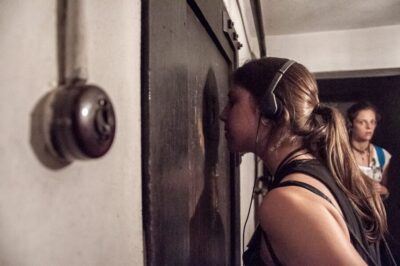
Historic recordings from the steelworks radio station give the tour an important human layer. Architecture can show how an institution wanted to look, but sound can suggest how it operated day to day.
The recordings help you imagine information moving through the plant and the relationship between workers and the institution around them. They also make the tour more than a silent inspection of rooms. Listen for the tone, language, and sense of authority in the broadcasts. Even without understanding every detail, you can hear how the radio formed part of the working environment.
This is a good feature for anyone interested in social history. The steelworks was not just a production site or a political symbol. It was also a place where people spent their working lives, received information, and took part in a large industrial community.
A passionate local guide makes the difference
The quality of this tour depends heavily on the guide, and the experience is built around guided explanation rather than labels on walls. The English tour is offered with a local and professional guide, and the strongest guiding comes from someone who can connect the buildings with family and local experience.
Mateusz is specifically associated with especially strong tours of the site. If he is available, you can ask whether he is leading your visit. He has family ties to the steelworks and can explain the plant’s story with unusual personal connection. His background also helps with the small details that turn an abandoned room into a place with meaning.
A good guide should be passionate without becoming overbearing. You will hear about the plant, the architecture, the way life in Nowa Huta changed across several decades, and the place of the steelworks in communist Poland. There is plenty of information, but the best moments come when the guide lets the rooms do some of the work.
The small group limit helps. With no more than 15 people, you can usually hear the explanations and ask questions without the visit feeling like a large procession. Group discounts are available, so the price can make more sense for a small party than for a solo visitor.
What the $27.63 price buys you
At $27.63 per person, this is not the cheapest way to spend two hours in Krakow. It is also not a standard museum admission. You are paying for access to an unusual site, an English-speaking guide, historical interpretation, and entry into areas that are not part of the usual Krakow sightseeing route.
I consider the price fair if you have a real interest in communist history, industrial architecture, Cold War sites, or abandoned buildings. The experience offers something difficult to reproduce on your own. You could travel to Nowa Huta and look around the district, but without access and explanation, you would miss the administration interiors, shelter spaces, and the meaning behind the design.
The value is weaker if you prefer polished museums, quick photo stops, or famous landmarks. The buildings are old, some objects have been collected for display, and the tour spends time explaining political and architectural context. You should want a serious historical visit, not just an unusual backdrop for pictures.
Souvenir photos are not included, though they may be available to buy. Hotel pickup and drop-off are also not included, so you need to arrange your own way to the meeting point.
Getting to Ujastek 1 in Nowa Huta
The tour begins and ends at Ujastek 1, Krakow, near public transportation. The meeting information notes the opposite side of the street, so check the exact map position carefully before setting out. This is a practical detail worth taking seriously because industrial areas can be less intuitive than Krakow’s central streets.
There is no hotel pickup. Plan enough time to reach the site without rushing, especially if you are staying in the Old Town or another part of Krakow. Since the tour starts and ends at the same place, you will not need to arrange a second pickup after the visit.
Confirmation arrives when you book. Children must be accompanied by an adult, and the group can include a maximum of 15 people. Free cancellation is available up to 24 hours before the start time. Changes or cancellations made inside that 24-hour window are not accepted for a refund.
Who will enjoy this unusual Krakow experience
I would put this tour high on the list for you if you enjoy:
- Communist-era Poland and Eastern European political history
- Industrial sites and working-class history
- Socialist Realist architecture
- Cold War shelters and civil defense
- Film locations and abandoned interiors
- Guided visits where local knowledge matters
It also works well for repeat visitors to Krakow. If you have already seen the main Old Town sights, Nowa Huta offers a different side of the city and a much stronger sense of postwar planning.
Families with older children may enjoy the shelter and tunnels, but the political and architectural material is best suited to anyone ready to listen. Because the tour requires moderate physical fitness, it may not be comfortable for people who find old buildings, underground routes, or extended walking difficult.
You should also be comfortable with a place that is not fully restored. Its rough condition is part of its character, but it can feel stark. The tour is most satisfying when you accept the building as an aging historical site rather than expecting a finished attraction.
Should you book the Nowa Huta steelworks tour?
Book it if you want to see communist Poland through a real industrial institution, not just through a museum display. The preserved administrative buildings, underground shelter, old radio recordings, and guide-led explanations create a focused two-hour look at how architecture, work, and state power met in Nowa Huta.
I would skip it if your Krakow schedule is very short or your main interests are medieval churches, art, and traditional city sights. For everyone else, especially anyone drawn to abandoned buildings and political history, this is one of the more distinctive outings in Krakow.
If you book, arrive ready for an old building, wear practical shoes, and check the meeting point on Ujastek 1 carefully. If Mateusz is available, requesting him may add a personal and local dimension to the visit.
FAQ
Where does the Nowa Huta steelworks tour begin?
The tour begins at Ujastek 1, 31-752 Krakow, Poland. The meeting information places the start on the opposite side of the street, so check the map details before arriving.
Where does the tour end?
The tour ends at Ujastek 1, the same location where it begins.
How long does the experience last?
The visit lasts approximately one hour and 30 minutes to two hours. The listed stop is planned for about two hours.
What language is the tour offered in?
The experience is offered in English.
What will I see during the tour?
You will visit the Nowa Huta steelworks administration buildings, including offices and meeting rooms, and enter an underground Cold War-era shelter. The experience also includes a worker’s theater and historic tapes from the steelworks radio station.
Is hotel pickup included?
No. Hotel pickup and drop-off are not included. You need to make your own way to Ujastek 1.
How large is the group?
The tour has a maximum of 15 travelers. Group discounts are available.
Is the tour suitable for children?
Children must be accompanied by an adult. Participants should also have a moderate level of physical fitness.
Can I cancel for a refund?
Yes. You can cancel up to 24 hours before the experience begins for a full refund. Cancellations or changes made less than 24 hours before the start time are not accepted for a refund.
Just added around Krakow
- From Krakow: Zakopane and Dunajec River Rafting Tour★ 4.6 · 31 reviews
- From Krakow: Zakopane and Gubałówka Cable Car Private Tour★ 4.3 · 12 reviews
- From Krakow: Zakopane Full-Day Tour with Lunch Option★ 4.4 · 62 reviews
- From Krakow: Zalipie and Painted Village Guided Tour★ 4.0 · 4 reviews
- From Krakow: Zakopane Tatra Mountains & Hot Springs Tour★ 3.0 · 29 reviews
- From Krakow: Zakopane and the Tatra Mountains★ 4.7 · 36 reviews
- From Krakow: Hot Springs and Zakopane with Gubałówka★ 4.7 · 25 reviews
- Zakopane & Tatra Mountains Private Full-Day Tour from Krakow★ 4.5 · 33 reviews
Krakow Tours, compared.
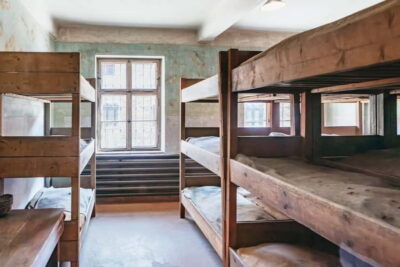
Auschwitz-Birkenau Guided Tour & Hotel Pickup
Read our review →Auschwitz-Birkenau Guided Tour & Hotel Pickup
Read our review →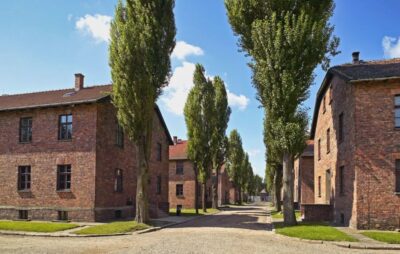
Auschwitz Guided Tour with Optional Hotel Pickup
Read our review →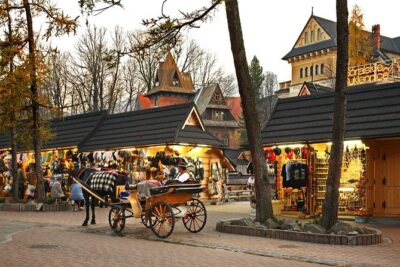
Zakopane: Cable Car, Chocholow Baths, Cheese & Vodka
Read our review →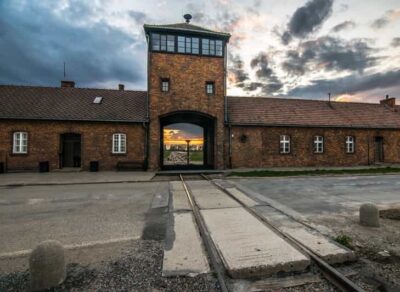
Auschwitz-Birkenau Guided Tour with Pickup & Lunch
Read our review →
Auschwitz-Birkenau Guided Tour Pickup/Lunch Options
Read our review →