
Reviewed · POLISH FOOD TOURS
Pierogi Cooking Class with Market Shopping and Local Snacks
The best part of this Krakow experience is that pierogi making starts before you reach the kitchen. You’ll shop for ingredients at the city’s oldest marketplace, taste local cheese and other Polish snacks, then walk to Olga’s apartment to make dumplings from scratch. I like the small maximum of six people and the way every participant gets involved, from kneading dough to sealing each pierogi.
I also like the generous food portion and the useful local advice woven into the class. You may eat more than 100 pierogi as a group, along with sausage, smoked cheese, pickles, and regional alcohol. The main drawback is simple: three hours can pass quickly, and the class takes place in a private apartment, so it may feel less polished than a purpose-built cooking school.
Key points to know before booking
- Market first, kitchen second: Shop for fresh cheese and other ingredients at Krakow’s oldest marketplace before cooking.
- Olga teaches every step: You make the dough, prepare the potato and cottage cheese filling, shape the dumplings, boil them, and eat them.
- Small-group setting: The class accepts no more than six people, with plenty of hands-on time.
- A full Polish tasting: Expect seasonal snacks such as sausage, smoked cheese, sour cucumbers, or sour cabbage, plus regional alcohol.
- Sunday exception: Sunday departures do not include the food-market visit.
- Good for families: Children have taken part successfully, and the activity suits mixed-age groups.
Why pierogi are a smart way to meet Krakow
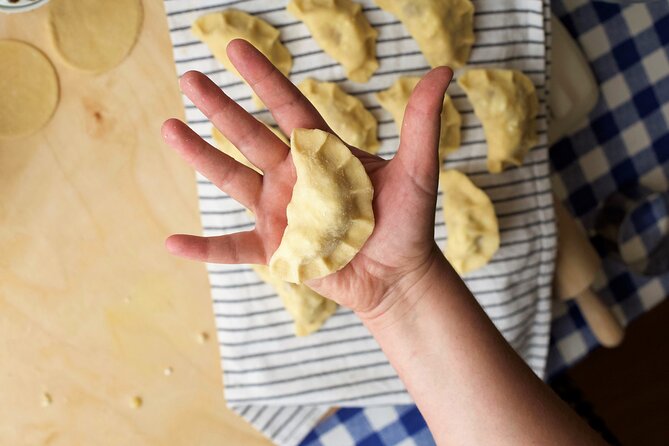
Pierogi are Poland’s best-known comfort food, but eating them in a restaurant tells you only half the story. This class shows you the work behind the dish: how soft the dough should feel, how much filling belongs inside, and how to pinch the edge closed without losing the filling in the cooking water.
I like that the experience treats pierogi as part of daily Polish food culture, not as a novelty reserved for visitors. The filling is traditional and vegetarian, made with potatoes, fresh cottage cheese, and caramelized onions. That makes the recipe easy to understand and useful at home, especially if you want to repeat the lesson for family or friends.
The social side matters, too. You are not simply standing at a counter while an instructor demonstrates. You work alongside a small group, chat over snacks, and sit down together for the finished meal. If you enjoy meeting people while learning something practical, this format has more warmth than a large commercial class.
More Polish Food Tours in Krakow
- Krakow Pierogi Cooking Class with Market Visit & Home-Cooked Meal
★ 5.0 · 212 reviews - Krakow: Food Tour of 10 Tastings with Pierogi, Vodka & More
★ 5.0 · 169 reviews - Pierogi Cooking Class: Mastering the Art of Polish Dumplings
★ 5.0 · 129 reviews
Meeting at the Grunwald Monument
The experience begins at the Grunwald Monument on plac Jana Matejki, near public transportation in central Krakow. This is a useful starting point because it gives you a clear landmark rather than asking you to find a private residence from the outset.
You should arrive ready to walk. The first part leads to the market, and the route then continues on foot to Olga’s apartment. The walk from the market to her home is described as less than 10 minutes, so comfortable shoes are sensible, though this is not a strenuous activity.
The meeting point also makes the class easy to add to a day in central Krakow. Still, allow a little breathing room around the start time. The class depends on a group meeting together, and the market visit is part of the experience rather than a quick transfer.
Shopping for cheese, sausage, and Polish snacks
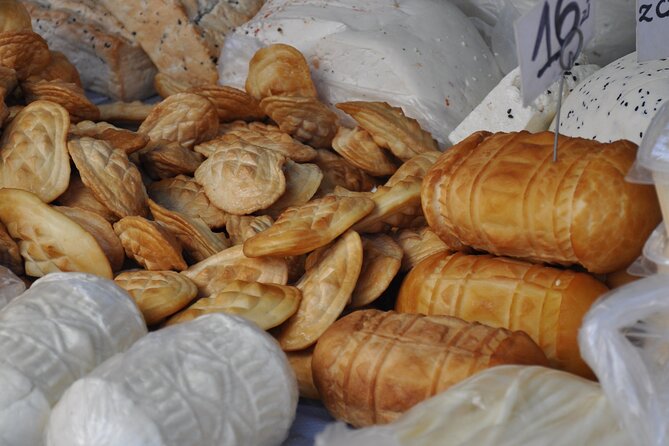
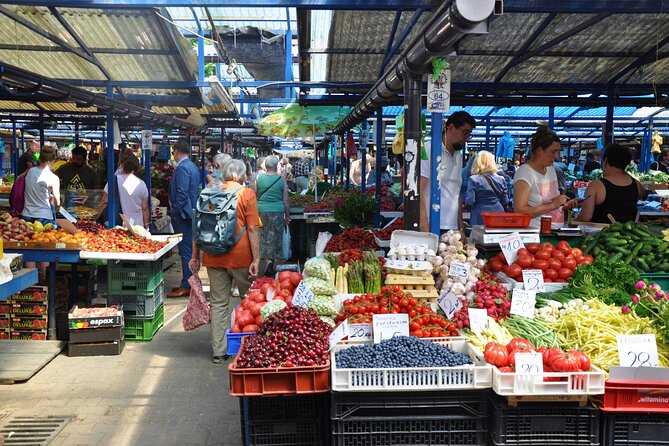
The market visit gives the class its strongest sense of place. Instead of beginning with ingredients already measured on a kitchen counter, Olga introduces you to the products used in ordinary Polish cooking. Fresh cheese is especially important because it forms the heart of the filling.
You may taste several types of cheese and learn which one works best for pierogi. Depending on the season, the market stop can also include fresh vegetables, mushrooms, Polish sausage, and other local products. The exact selection changes, which is a plus if you enjoy food that follows the calendar.
This is also a practical stop for anyone planning to cook after returning home. Olga points out products worth buying for later and can suggest items such as a pierogi mold. One family even used her advice to buy a mold for making fruit pierogi in summer.
The market is not simply a place to gather supplies. It gives you a chance to ask what Polish cheese tastes like, how sour vegetables fit into local meals, and which ingredients are worth seeking out during the rest of your stay. I would pay attention here, since this may be the most useful part of the class for building your own food list in Krakow.
On Sundays, the market visit is omitted. The cooking class still takes place, but you should book with the shorter format in mind. If shopping and food tasting are a major reason you are interested, choose another day when possible.
Entering Olga’s apartment kitchen
After the market, you walk to Olga’s apartment for the main lesson. The home setting is central to the character of the experience. You are welcomed into a real kitchen, with snacks set out before the cooking begins, rather than entering a restaurant classroom designed for large groups.
The apartment has been described as clean, comfortable, and spacious enough for small classes. One class had four people, leaving room for everyone to work. The group limit of six helps explain why the instruction can stay personal. Olga has time to correct your dough, show you a better fold, or explain why a filling needs different treatment.
A private home also brings a few practical considerations. This is an informal setting, so do not expect the equipment, layout, or service style of a professional culinary studio. You are also entering someone’s home, which calls for ordinary courtesy and flexibility.
The payoff is conversation. Olga shares Polish food traditions, family cooking habits, and suggestions for places to eat and visit in Krakow. Several participants used the class early in their stay so they could apply her advice during the rest of their trip. I think that is a smart use of the activity.
Same country, a completely different kind of day:
- From Krakow: Auschwitz-Birkenau Guided Tour & Hotel Pickup
★ 4.5 · 33,358 reviews - From Krakow: Auschwitz-Birkenau Guided Tour & Hotel Pickup
★ 4.5 · 29,340 reviews - Krakow: Auschwitz Guided Tour with Optional Hotel Pickup
★ 4.5 · 15,280 reviews - Krakow–Zakopane: Cable Car, Chocholow Baths, Cheese & Vodka
★ 5.0 · 10,720 reviews
A table of sour flavors, smoked cheese, and sausage
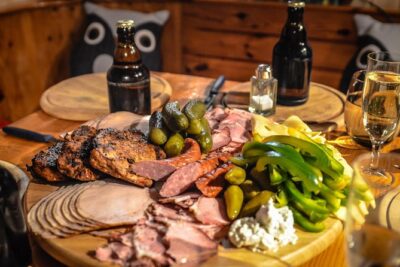
Before making the dumplings, you are served seasonal Polish snacks. The examples include fresh and smoked cheeses, Polish sausage, sour cucumbers, and sour cabbage. Another traditional bite is bread with lard and a pickle topping, which may be unfamiliar to some people but gives you a direct taste of old-fashioned Polish snack food.
The snacks make the class feel like a meal from the beginning. They also provide context for the pierogi. Polish cooking often balances creamy, salty, sour, and smoky flavors, and the snack table gives you a small tour of those tastes before you work with the milder potato and cheese filling.
Regional alcohol is included as part of the meal. You might receive homemade liquor or a selection of Polish spirits, including bison-grass-infused vodka. One distinctive serving involved bison vodka poured from a fish-shaped container. The presentation adds humor, but the alcohol is still worth treating seriously.
If you do not drink, the supplied information does not specify a replacement beverage. Consider asking about this when booking or at the start of the class. You should also avoid making dinner reservations immediately afterward. The food is substantial, and the class may include a large shared batch of pierogi.
Kneading dough the Polish way
The hands-on lesson covers the full process. You make the dough, roll it out, add the filling, shape the dumplings, and cook them. This is where the small group earns its keep, since you are not reduced to watching one demonstration from the back of a room.
Dough is often the part that separates homemade dumplings from disappointing ones. Olga explains how to knead it, how to judge the texture, and what to avoid. You then roll it thin enough for a tender wrapper while keeping it strong enough to hold the filling.
The shaping looks easy until you try it. You cut or portion the dough, place the filling inside, fold it over, and pinch the edge closed. Beginners may need several attempts to get a neat seal. That is normal, and the class is designed to let you practice rather than expect perfect dumplings on the first try.
You also learn special shapes and pleating methods. The technique is simple once your fingers understand the movement, but it takes a little patience. Children as young as seven have taken part successfully, and older children and adults can handle the whole process with guidance.
Making the potato, cottage cheese, and onion filling
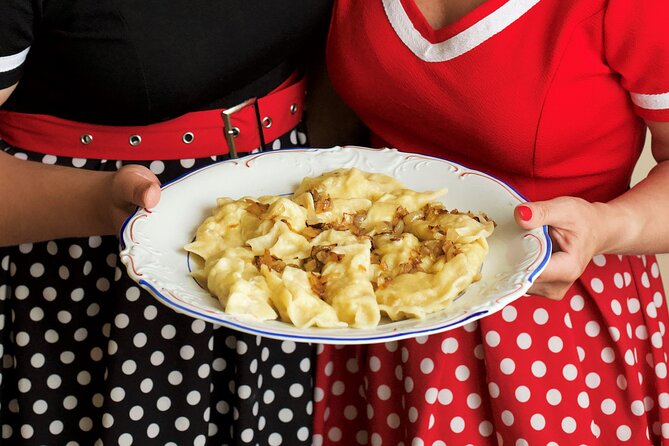
The filling uses fresh cottage cheese, potatoes, and caramelized onions. It is a classic combination: creamy, mild, and satisfying, with sweetness from the onions. Because it contains no meat, it works well for vegetarians, though the snack course includes sausage and other products that may not be vegetarian.
The lesson covers more than mixing ingredients together. Olga explains how the potatoes should be cooked, cooled, and prepared for the filling. That small detail matters. Watery or overly hot potatoes can change the texture and make the filling difficult to handle.
You also learn how the cheese affects the result. The market stop helps here because you have already seen and tasted the cheese selected for the dish. Instead of treating ingredients as anonymous items, the class connects the finished food with the place where it came from.
I appreciate that the recipe is practical rather than showy. You are not asked to prepare an elaborate modern version with hard-to-find ingredients. The method can be repeated in an ordinary home kitchen, and the vegetarian filling is flexible enough to adapt to your own cooking.
Boiling, topping, and eating the finished pierogi
Once the dumplings are folded, they are boiled and arranged for the shared meal. You finally see which seals held and which pierogi need a little more care. The cooking stage also shows why correct dough thickness and careful pleating matter.
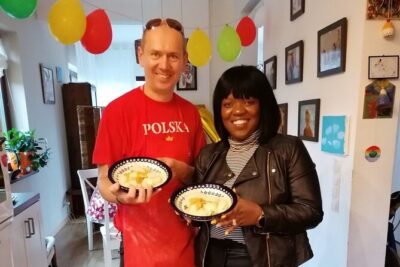
The finished dumplings are served with toppings, including sour cream. The exact presentation may vary, but the meal is meant to be eaten together at Olga’s table. Some classes have made more than 100 pierogi, so you should expect a hearty portion rather than a small tasting plate.
This final meal is not an afterthought. It is the reward for the work and a chance to compare techniques with the other people in the class. The table becomes a natural place to talk about Krakow, Polish traditions, and the rest of your trip.
Extra pierogi may sometimes be available to take home, but this is not presented as a guaranteed inclusion. Treat it as a welcome possibility, not something to count on when planning your meals.
What the $83.48 price includes in practical terms
At $83.48 per person, this is not the cheapest way to eat pierogi in Krakow. A restaurant meal will cost less, and a market visit on your own costs nothing beyond your purchases.
The value comes from combining several activities in one three-hour experience. You get a guided market visit, ingredient tasting, a cooking lesson, a substantial meal, local alcohol, and personal suggestions for Krakow. You also receive a recipe method you can use at home, which makes the activity more useful than a one-time meal.
The six-person limit is important to the price. You are paying for access to direct instruction and a private home setting, not just a seat at a communal demonstration. If you like food but do not care about making it yourself, the cost may feel high. If you want a social lesson with a local host, the price is easier to justify.
I would consider this especially good value early in a Krakow visit. Olga’s advice about restaurants, markets, and Polish foods can help shape the rest of your stay. Book well ahead if your schedule is fixed, since the experience is often reserved about 46 days before the date.
Who should book this cooking class
I would recommend the class to several kinds of visitors:
- First-time visitors to Krakow who want food advice and cultural context early in the trip.
- Families looking for an activity that gives children a real task rather than asking them to sit and watch.
- Couples and solo visitors who enjoy meeting a small group over a shared meal.
- Vegetarians who want to learn the traditional potato, cottage cheese, and onion filling, while remembering that some snacks include meat.
- Home cooks who want a recipe they can repeat without unusual equipment.
- Food lovers who prefer a market and kitchen experience to another restaurant meal.
It may be less suitable if you want a formal cooking school, a quick activity, or a fully private tour for just your own party. The apartment setting is personal and welcoming, but it also means the experience depends on conversation and group chemistry.
The activity is offered in English. Service animals are allowed, and the meeting point is near public transportation. Confirmation is sent within 48 hours of booking, subject to availability. Free cancellation is available up to 24 hours before the start time, while the experience may be rescheduled or refunded if its minimum number is not reached.
Final call: book it for the process, not just the pierogi
I would book this class if you want to understand how Polish food fits into everyday life. The market, the apartment kitchen, the sour snacks, the careful dough work, and the shared meal create a fuller picture than ordering pierogi from a menu.
Choose a non-Sunday date if the market matters to you, and leave your evening open for the food. Families should expect children to enjoy the shaping stage, while serious cooks should arrive ready to practice rather than simply watch.
For a lower-cost meal, eat at a milk bar or pierogi restaurant. For a warm, practical introduction to Krakow’s food culture, this small-group class with Olga is a strong choice.
FAQ
Where does the pierogi class begin?
The experience begins at the Grunwald Monument on plac Jana Matejki, 30-001 Kraków, Poland.
Where does the activity end?
The activity ends back at the meeting point.
How long does the experience last?
The cooking class and market experience last approximately three hours.
How many people can join the class?
The activity has a maximum of six participants.
Is the market visit included every day?
The food-market visit is not included on Sundays. Sunday sessions take place without that stop.
What kind of pierogi will I make?
You will make traditional pierogi filled with fresh cottage cheese, potatoes, and caramelized onions.
What food and drinks are included?
The experience includes seasonal local snacks, the pierogi meal, and regional alcohol such as homemade liquor or selected Polish spirits. Snack examples include cheese, sausage, sour cucumbers, and sour cabbage.
Is cancellation free?
Yes. You can cancel at least 24 hours before the local start time for a full refund. Cancellations or changes made less than 24 hours before the start time are not accepted for a refund.
More Workshops in Krakow
- Gdansk: Jewelry Making Workshop with Amber
★ 5.0 · 5 reviews - Warsaw: Pottery Decorating Ceramic Workshop
★ 3.7 · 4 reviews
More Cooking Classes in Krakow
- Krakow: Pierogi Home Cooking Class
★ 5.0 · 23 reviews - Warsaw’s No 1 cooking class-Polish dumplings with liqueur tasting
★ 5.0 · 576 reviews - Warsaw: Polish Dumplings Cooking Class
★ 4.8 · 151 reviews
Just added around Krakow
- Tour to Wadowice: Hometown of Pope Saint John Paul II★ 4.6 · 12 reviews
- The Jewish Quarter – Walking Tour★ 5.0 · 4 reviews
- From Kraków; to Białka Thermal Baths private tour★ 5.0 · 5 reviews
- St. Mary’s Basilica and more – a short walk with a guide★ 4.7 · 56 reviews
- Krakow: Auschwitz-Birkenau and Wieliczka Salt Mine Day Trip★ 4.7 · 84 reviews
- Krakow: Skip-the-Line Wawel Castle & Old Town Guided Tour★ 4.9 · 23 reviews
- Shooting Range Experience!★ 4.8 · 66 reviews
- Krakow: Schindler’s Factory Guided Tour★ 4.2 · 12 reviews
Polish Food Tours, compared.
Half-Day Polish Food Walking Tour with Guide and Dinner
Read our review →
Krakow Pierogi Cooking Class with Market Visit & Home-Cooked Meal
Read our review →
Food Tour of 10 Tastings with Pierogi, Vodka & More
Read our review →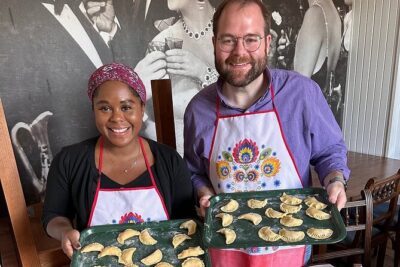
Pierogi Cooking Class: Mastering the Art of Polish Dumplings
Read our review →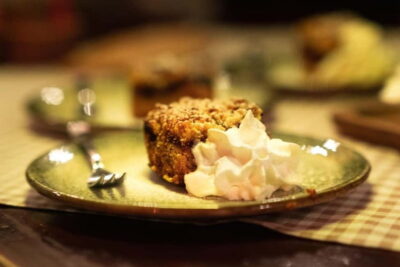
6-Course Full Polish Food Tour with Vodka Tasting
Read our review →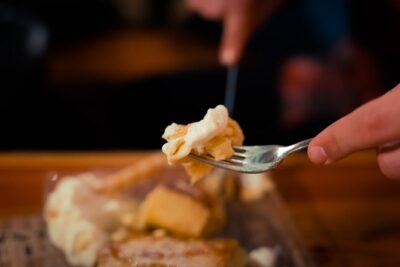
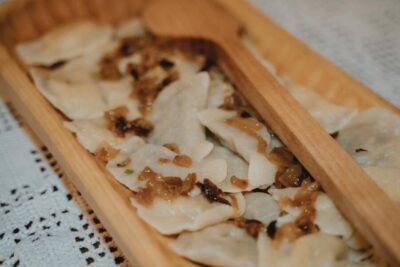
Traditional Polish Food and Drinks Tasting Tour
Read our review →Browse the lists this tour appears in