
Reviewed · WORKSHOPS
Warsaw: Polish Dumplings Cooking Class
Polish dumplings are more than a tasty plate of food. At this Warsaw class, you learn how dough, filling, shape, and topping come together in one of Poland’s best-known comfort foods. I like the small group of up to 10, which gives the instructor room to help with tricky folds, and I like that you eat a proper, filling meal rather than a token sample. The main consideration is timing: the class can run from two to two and a half hours, so do not squeeze it between tight sightseeing plans.
You meet at Pierogi & More on Stawki Street, where the street entrance is marked by a large sign. English is the working language, and the class suits beginners, solo visitors, couples, and families with children aged eight and older. Evening bookings include the Polish liqueur tasting, while morning participants should expect to pay separately for any drinks they order.
Key points at a glance
- Four filling styles may be prepared: meat, vegetarian, and vegan choices are available, with several combinations served for tasting.
- Five folding methods can be demonstrated: learn more than one edge pattern, including a tortellini-style shape.
- A full family-style meal follows the lesson: you eat the pierogi made during the class, with toppings such as onion oil.
- Hosts give hands-on help: Daria, Maria, Ben, Marysia, and other instructors have led classes praised for clear guidance and patience.
- The practical extras are useful: recipes arrive by email, and you receive a link to photographs taken during the class.
- The class is accessible and compact: it is wheelchair accessible, taught in English, and limited to 10 people.
Why pierogi make a smart Warsaw food experience
You can order pierogi all over Poland, but a cooking class gives you something a restaurant meal cannot. You learn how the dumpling is built, how thin the dough should be, and how a neat seal keeps the filling inside the pot instead of floating away.
The short introduction at the beginning puts the food in its Polish setting. Arrive on time, because this is not just a quick safety briefing before the cooking starts. You hear about the origins of pierogi and their place in Polish culinary culture, then move straight into the preparation.
I especially like this format for a first visit to Warsaw. The dish is familiar enough to feel approachable, but the folding styles and fillings make it distinctly Polish. You get a little food lesson, a little cultural background, and a social activity without spending an entire day away from the city.
The class also offers a useful souvenir. Your recipe booklet or emailed recipes can help you recreate the meal at home, and the photo link gives you a record of the session. That is better value than an experience that ends when you leave the table.
A few more Warsaw trips to weigh up
- Warsaw’s No 1 cooking class-Polish dumplings with liqueur tasting
★ 5.0 · 576 reviews - Pierogi Cooking Class with Market Shopping and Local Snacks
★ 5.0 · 343 reviews - Krakow Pierogi Cooking Class with Market Visit & Home-Cooked Meal
★ 5.0 · 212 reviews
Arriving at Pierogi & More on Stawki Street
The meeting point is Pierogi & More, 3 Stawki Street, 00-193 Warsaw. Enter from the street and look for the large Pierogi & More sign. Since the directions depend on spotting the venue rather than meeting a guide at a major landmark, give yourself enough time to find the door.
You should also plan around the full stated length. The activity is described as two hours, with the duration also listed as up to 150 minutes. The exact start times vary, so check the available session before booking. A class that runs close to two and a half hours needs a comfortable place in your schedule, especially if you have a museum reservation or evening concert afterward.
The venue is described in the class feedback as clean and professionally arranged. That matters here. Dough work can become messy, and a well-organized setup lets you focus on shaping dumplings rather than waiting for tools or ingredients.
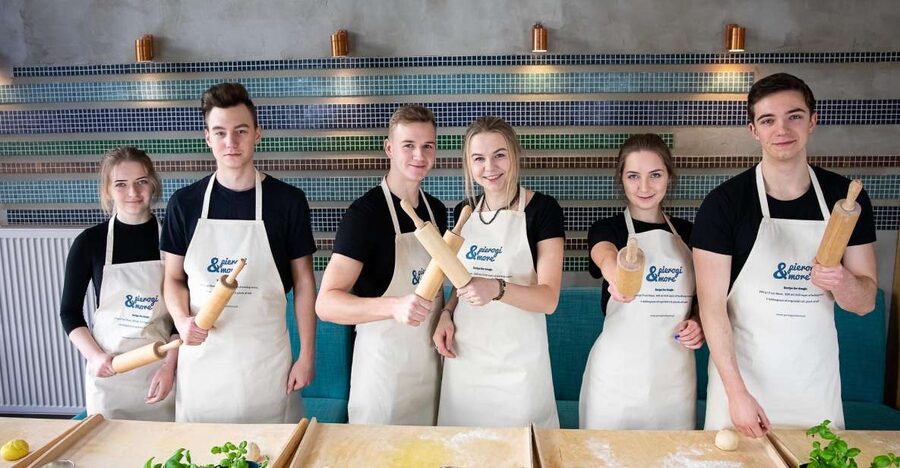
The small group limit is one of the strongest practical features. With no more than 10 participants, you are not likely to be lost at the back of a large demonstration. You can watch the instructor’s hands, ask for help, and receive individual attention when your first few folds look less like pierogi and more like small pasta experiments.
Mixing and kneading the pierogi dough
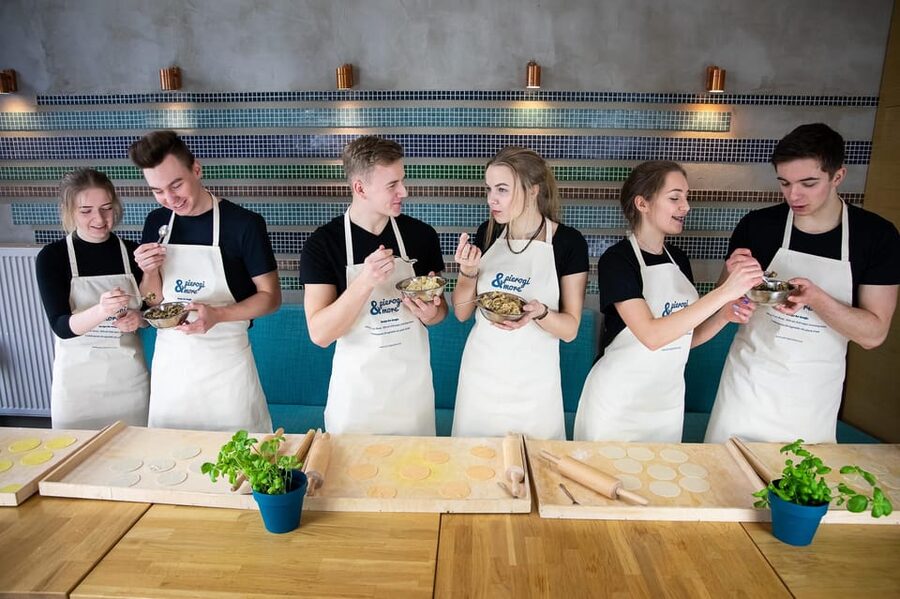
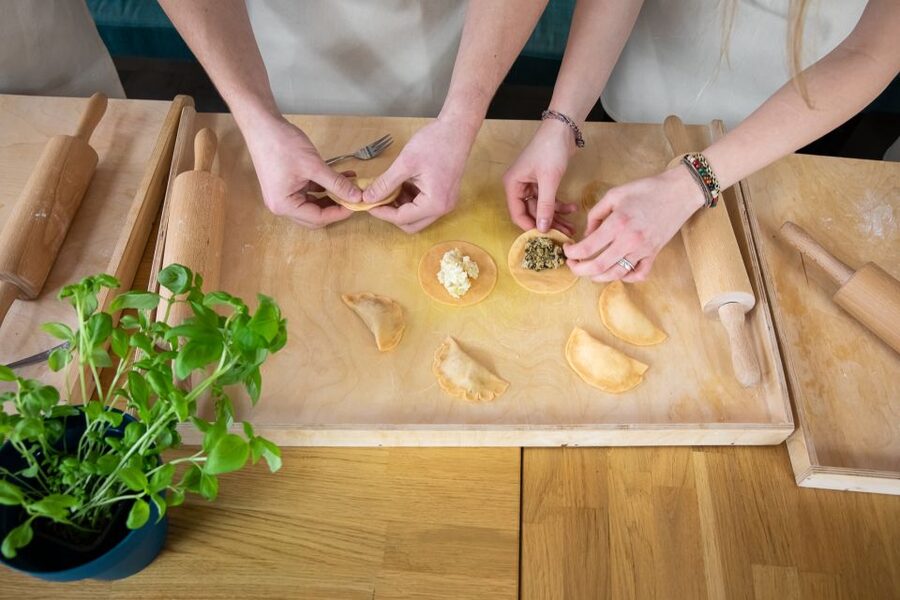
The hands-on work begins with the dough. You mix and knead it, then roll it out ready for filling. This sounds simple, but dough is where many first-time cooks need the most help. Too thick, and the dumpling feels heavy. Too thin, and it may split when filled or cooked.
The instructor shows you the basic process and offers tips for getting a workable dough. The goal is not to turn you into a professional cook in one afternoon. It is to give you a method you can repeat in your own kitchen.
This part rewards patience. You might be tempted to rush toward the fillings, but learning how the dough responds is a major part of the lesson. The class is designed for beginners, and the instructions are presented step by step, so you do not need previous cooking experience.
English is used throughout the session. The hosts have included Daria, Maria, Ben, Marysia, Nina, and other members of the Pierogi & More team. The teaching style can vary by instructor, but the strongest pattern is personal help at the table, with instructors keeping an eye on each group so nobody falls behind.
Choosing meat, vegetarian, or vegan fillings
Once the dough is ready, you choose your filling. Meat, vegetarian, and vegan options are available, making this a flexible class for mixed groups. That is particularly useful if one person in your party eats plant-based food while others want a traditional meat filling.
The meal may include several kinds of pierogi. One detailed class experience included vegan, vegetarian, and two meat varieties, allowing participants to compare the results rather than make only one recipe. You should confirm the available choices when booking if you have a serious allergy or a strict dietary need, since the supplied information confirms options but does not list every ingredient.
The filling stage gives the class its creative side. You learn how much filling to use and how to place it so the dough closes properly. Too much can force the edges apart. Too little leaves you with a disappointing bite. Simple kitchen tips like these are what make the recipe useful after your trip.
Toppings matter, too. Onion oil has been served with the pierogi, adding a savory finish to the dumplings. The class also leaves room for ideas about different fillings, designs, and toppings, though the exact menu may change.
Same country, a completely different kind of day:
- Warsaw: Chopin Concert in the Old Town
★ 4.8 · 2,287 reviews - Warsaw: Traditional Galar Cruise on The Vistula River
★ 4.6 · 1,640 reviews - Warsaw: Old Town Highlights Walking Tour in English
★ 4.7 · 1,516 reviews - Warsaw Concert: Chopin – Painted by Candlelights with Wine
★ 4.8 · 1,442 reviews
Five ways to fold a Polish dumpling
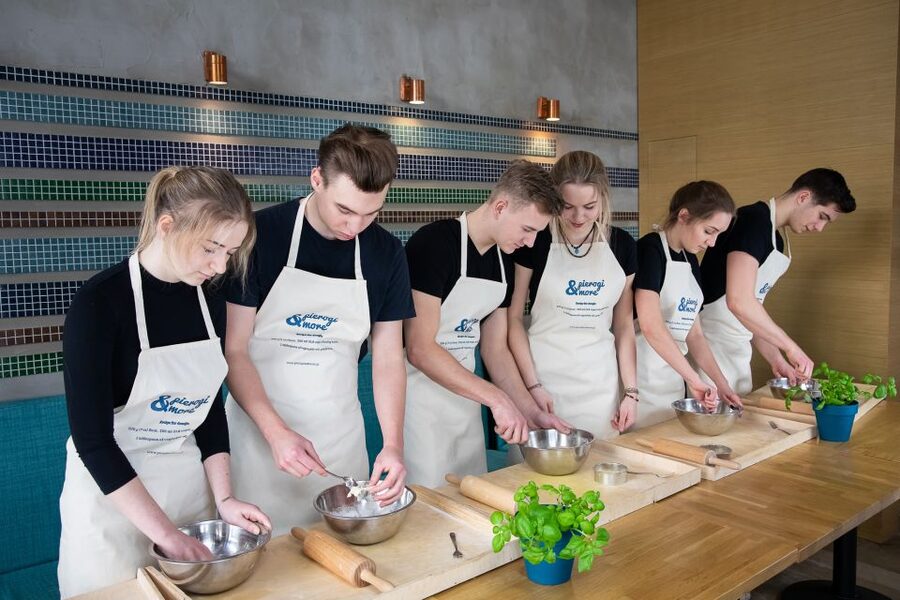
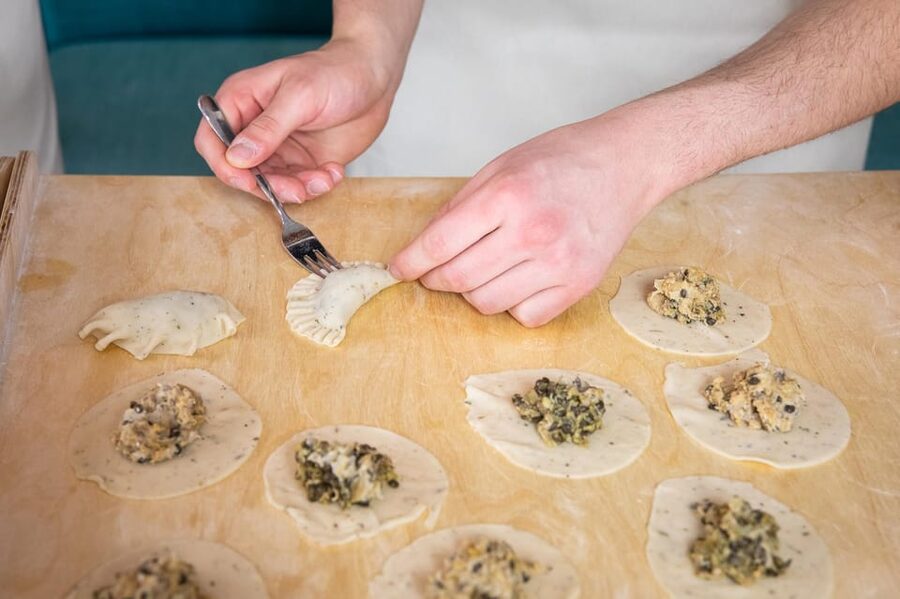
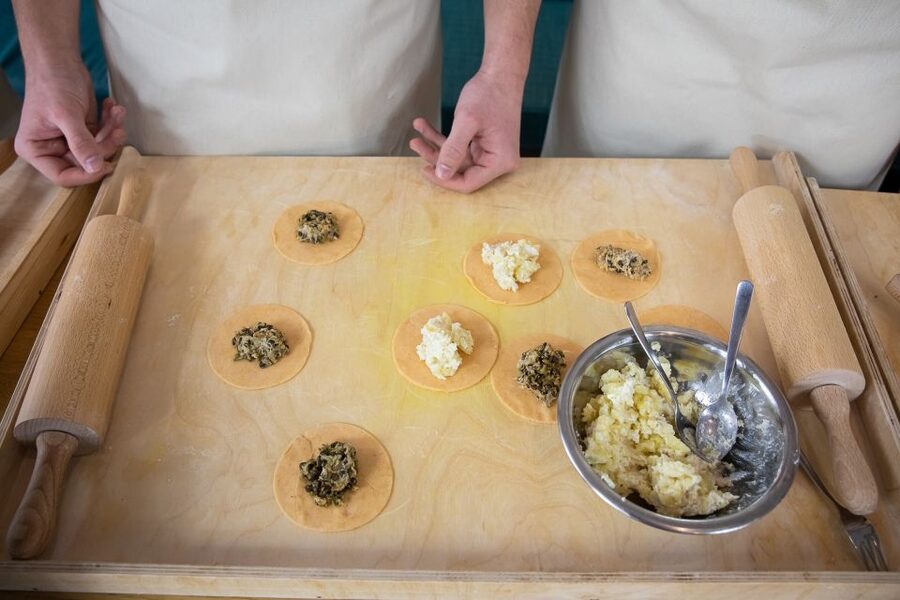
Folding is the most playful part of the class. You learn several ways to seal and decorate the edge, with five techniques demonstrated in at least one session. A tortellini-style fold is among the more challenging shapes, so do not worry if your first attempt looks uneven.
The ordinary half-moon seal is the basic skill. From there, the instructor can show more decorative edges and shapes. These designs are not just for looks. A secure edge keeps the filling contained and gives each type a slightly different appearance on the plate.
I like that the class treats imperfect dumplings as part of the process. You are not watching a chef produce identical pieces while you stand aside. You make your own, compare techniques, and get help when the seal needs fixing. For children aged 8 and older, this can be a fun practical task, although younger participants will need to work with an accompanying adult.
If you want to repeat the class at home, take mental notes during this section. The emailed recipes cover the ingredients and process, but your hands will remember the pressure and motion of the folds better than any printed instruction.
Eating the dumplings you made
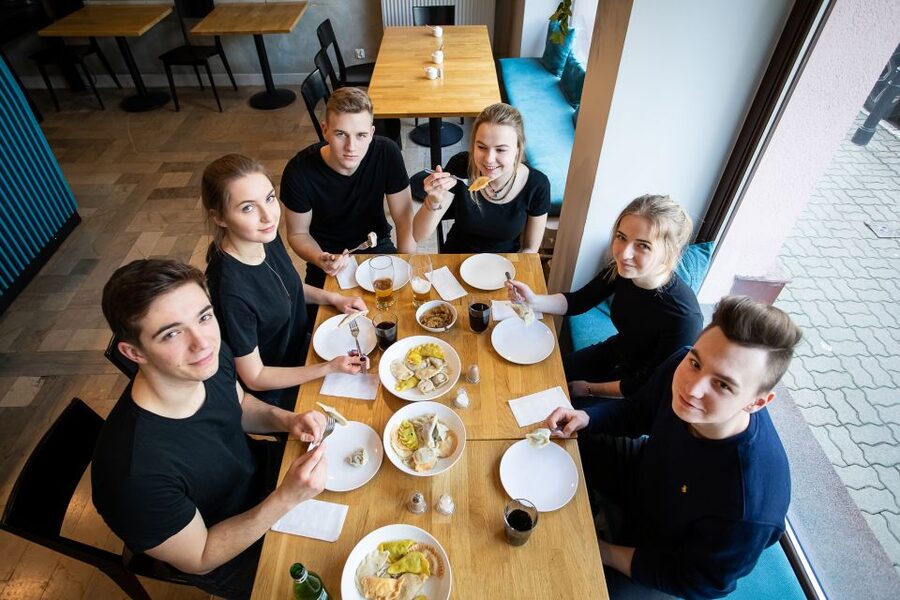
At the end, the class becomes a meal. You sit down to eat a generous plate of pierogi, often served family-style so the group can try the different fillings. The portion is intended to fill you, not merely provide a taste.
That makes the $75 price easier to assess. You are paying for instruction, ingredients, a full meal, water, recipes, photographs, and a liqueur tasting in the evening session. It is not the cheapest way to eat dumplings in Warsaw, but it offers a lesson and a social experience alongside the food.
The meal also lets you judge your work. You can see how the dough and filling behave after cooking and notice which shape holds together best. If you are planning to cook pierogi at home, this final plate turns the class from a craft project into a useful test kitchen.
The food has earned especially strong praise for taste and variety. Still, remember that this is a group class. You may not control every filling or topping, and the menu can depend on the session. If you want a highly customized private meal, this is not that sort of experience.
Polish liqueurs and the morning versus evening difference
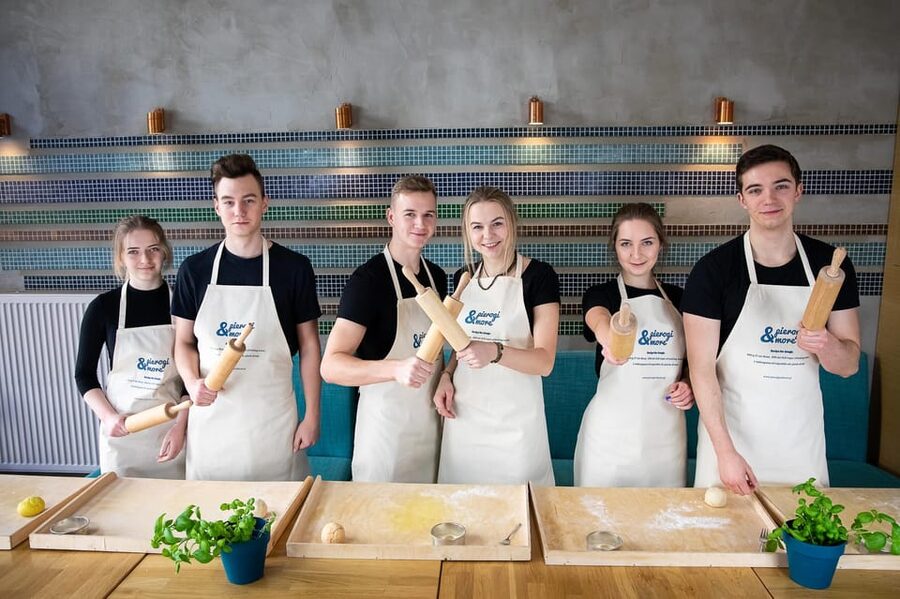
A Polish liqueur tasting is the closing treat for evening classes. The tasting gives you one more small introduction to local food and drink, and cherry liqueur has been a particular favorite in class feedback.
Read the drink terms carefully. The class includes water, and evening sessions include the liqueur tasting. The general information also says alcoholic beverages are not included, while the specific note clarifies that drinks are included in the evening class only. The safest reading is that the scheduled liqueur tasting is part of the evening experience, but extra alcoholic drinks are not.
Morning classes do not include drinks beyond what is specified. You may order beverages at your own cost. If the drink element matters to you, choose an evening time and check the current booking details before paying.
This distinction is small, but it can affect the value. The class is already food-centered, so a morning session may suit you perfectly. An evening class works better if you want the tasting and a relaxed dinner activity.
Recipes and photographs you can keep
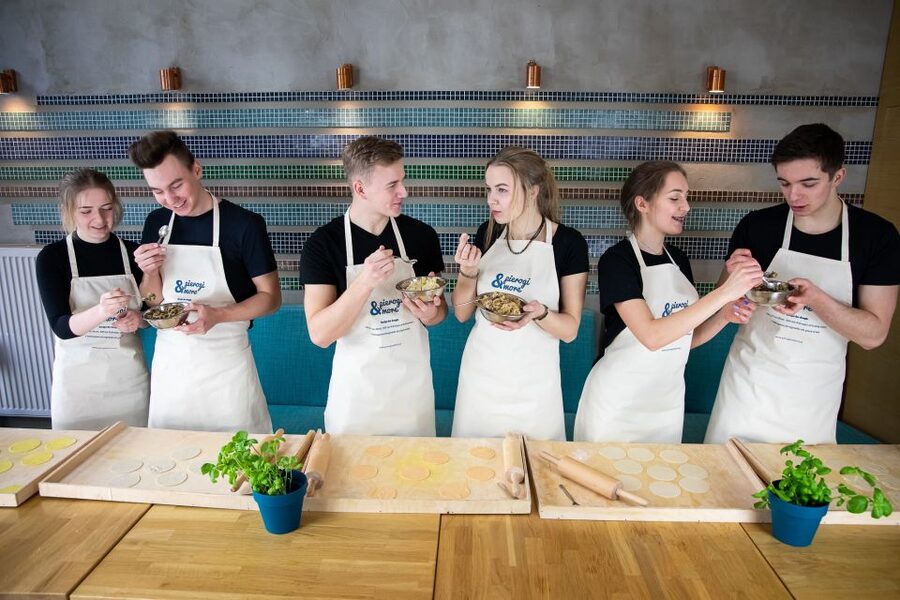
The recipes are sent by email after the class. That is more convenient than trying to write notes while your hands are covered in flour, and it gives you a way to repeat the dough and filling at home.
You also receive a link to photographs taken by the host during the session. These pictures add a personal record of the class and can be useful if you want to remember the folding techniques or share the experience with friends.
The extras are modest, but they improve the long-term value. A meal disappears quickly. A recipe and photographs give you something to use after Poland, especially if you want to make pierogi for family or friends.
Who will enjoy this class most
This is a strong choice for solo visitors because the small group creates an easy setting for conversation without requiring you to arrange a private activity. Couples can work side by side, and families with older children can turn the lesson into a shared project.
It also suits people who collect cooking classes during international trips. You learn a dish strongly tied to Poland rather than a generic pasta or baking recipe. The format is active but not exhausting, and the class length leaves room for other Warsaw plans.
Vegetarians and vegans have confirmed options, though you should still raise any allergy or dietary concern before the class. Beginners are welcome. You do not need to arrive knowing how to knead dough or fold a dumpling.
Children under eight are not suitable for this activity. The class is wheelchair accessible, which is an important practical point, but you should still confirm any specific access needs when booking.
You may want to skip it if you dislike group cooking, do not want a substantial meal, or have only a narrow gap in your schedule. The activity can last 150 minutes, and the class works best when you arrive ready to participate rather than rush through the steps.
What the $75 price buys you
At $75 per person, this is a midrange food activity rather than a cheap meal. You receive the cooking class, ingredients, water, a large meal with vegetarian or vegan options, recipes by email, class photographs, and the scheduled Polish liqueur tasting for evening sessions.
The value depends on what you want from Warsaw food. If you only want to sample pierogi, restaurants will give you a cheaper route. If you want to learn the process, eat several types, meet a small group, and take home a repeatable recipe, the price is easier to justify.
The teaching is the key value. Multiple instructors have been praised for patient, friendly guidance, including Maria, Daria, Ben, Marysia, and Patrycja. The best part is not simply getting a plate of dumplings. It is the individual correction when your dough is too thick, your filling is too generous, or your edge refuses to stay closed.
The high 4.8 rating from 151 reviews also fits the activity’s clear strengths: friendly hosts, easy-to-follow instructions, tasty food, and a satisfying amount of hands-on work. Ratings do not remove the need to check your own priorities, but this is a strong record for a short cooking class.
Practical details before you book
Meet at Pierogi & More, 3 Stawki Street, 00-193 Warsaw, and look for the large street sign. The guide speaks English, and the class is limited to 10 participants.
The advertised duration is two hours to 150 minutes. Starting times vary, so check availability and leave a little extra space around the session.
The activity is non-refundable. Make sure your Warsaw plans are firm before booking.
For drinks, evening classes include the stated tasting, while morning participants can order drinks at their own cost. Alcoholic beverages beyond the included tasting are not part of the price.
The class is wheelchair accessible. It is not suitable for children under eight.
Should you book the Warsaw pierogi class?
Book it if you want more than a restaurant meal and like the idea of learning a Polish dish you can make again at home. The combination of a small group, several filling choices, multiple folding styles, a full meal, recipes, and class photos gives the experience practical value.
I would choose an evening class if the Polish liqueur tasting matters to you, and a morning class if you mainly want the cooking lesson. Arrive early enough to find the entrance and stay for the introduction.
Skip it if your schedule cannot spare up to 150 minutes or if you prefer quiet dining to hands-on group work. For most visitors who enjoy food, culture, and a bit of flour on their hands, this is a sensible Warsaw activity with a clear payoff: you leave full, better informed, and able to try pierogi again in your own kitchen.
FAQ
Where does the Polish dumpling cooking class meet?
Meet your guide at Pierogi & More, 3 Stawki Street, 00-193 Warsaw. The entrance is from the street. Look for the large Pierogi & More sign.
How long does the class last?
The activity is listed as lasting two hours to 150 minutes. Starting times vary, so check availability when choosing a session.
What language is the class taught in?
The class is taught in English.
How many people can join the class?
It is a small-group activity limited to 10 participants.
What types of pierogi can I make?
You can choose meat, vegetarian, or vegan options. The exact combination of fillings may vary by class.
Is a meal included?
Yes. A large meal of pierogi is included, with vegetarian and vegan options available.
Are drinks included?
Water is included. Drinks are included in the price of the evening class only. In a morning class, you may order drinks at your own cost. The scheduled Polish liqueur tasting is included for evening sessions.
Do I receive recipes after the class?
Yes. Recipes are sent to you by email.
Is the class suitable for children and wheelchair users?
The class is wheelchair accessible. It is not suitable for children under eight.
Just added around Warsaw
- Taste of Poland, food tour and guided walk with 12 tasting★ 5.0 · 3 reviews
- Skip-the-Line Warsaw Royal Castle Private Guided Tour★ 5.0 · 4 reviews
- Secrets of Warsaw 4-hour Bike Tour★ 5.0 · 25 reviews
- Warsaw: Live Show at Sabat Theatre★ 4.5 · 11 reviews
- Private Warsaw City Tour★ 4.9 · 4 reviews
- Warsaw: WWII Private Tour by Retro Minibus with Hotel Pickup★ 5.0 · 7 reviews
- Private Tour From Warsaw: Łowicz Mazovian Countryside★ 5.0 · 10 reviews
- Packrafting kayaking guided tour Vistula river Warsaw Poland★ 4.5 · 14 reviews
Workshops, compared.
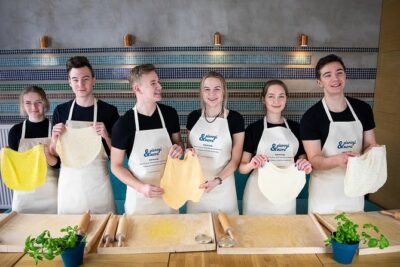
Warsaw’s No 1 cooking class-Polish dumplings with liqueur tasting
Read our review →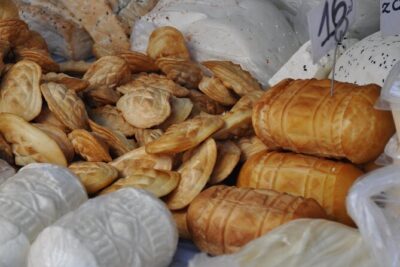
Pierogi Cooking Class with Market Shopping and Local Snacks
Read our review →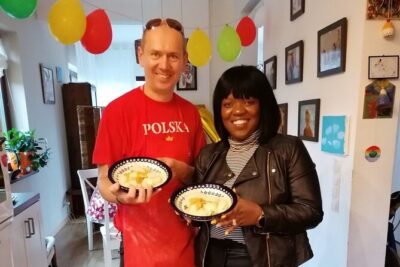
Krakow Pierogi Cooking Class with Market Visit & Home-Cooked Meal
Read our review →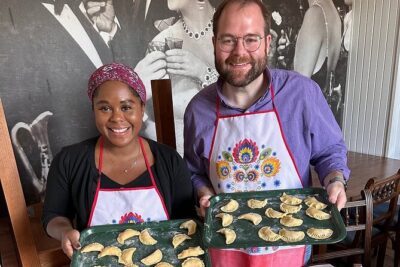
Pierogi Cooking Class: Mastering the Art of Polish Dumplings
Read our review →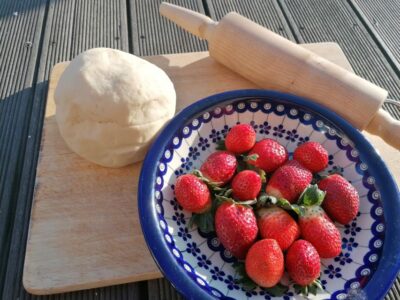

Browse the lists this tour appears in