Reviewed · KRAKOW TOURS
From Krakow: Lagiewniki Sanctuary of The Divine Mercy Tour
The heart of this outing is not simply a church visit. It is a guided look at Krakow’s modern Catholic identity, tied to Saint Faustina, Divine Mercy, and the city’s long religious story. You move between an observation tower, a small museum, and a major pilgrimage site without having to arrange transport yourself.
I like the continuous transportation, especially because the guide keeps talking through Krakow’s churches, Christianity, and older pagan traditions from the moment you leave town. I also like the generous time for prayer and reflection, something Oleksandra handled well for one visitor who wanted to pause at the shrine. The main consideration is timing: the short version can take 3 to 4 hours, but adding the John Paul II Sanctuary may stretch the outing to 4 to 6 hours.
Key points to know before you book
- Three distinct stops: See the observation tower, Saint Faustina Museum, and Divine Mercy Sanctuary rather than spending the whole visit inside one church.
- Guides praised for care and detail: Oleksandra and Luca are named guides associated with warm, informed service.
- Transport is covered throughout: You are picked up in Krakow and driven between stops, with no need to coordinate local connections.
- Time for prayer is built in: The visit is not only a fast sightseeing circuit. You can allow time for confession, prayer, or quiet thought.
- Optional John Paul II Sanctuary: Add this nearby sanctuary for the longer version, or keep the shorter route if your day is tight.
- Good practical flexibility: Tours run daily at 9:00 and 13:00, with free cancellation up to 24 hours ahead and reserve-now, pay-later booking.
Why the Divine Mercy visit feels different from a standard church tour
Many Krakow church tours focus on art, royal history, or famous architecture. This one follows a more personal religious path. The focus is Divine Mercy and the life of Saint Faustina, a Polish nun whose work has shaped modern devotion far beyond Krakow.
That gives the outing a clear purpose. You are not just checking off another sanctuary. You are learning why this place matters to pilgrims and believers, and how Saint Faustina’s life connects to a wider message about mercy in daily life.
The guide also sets the scene before you arrive. During the drive, you can hear about Krakow’s churches, Christianity in Poland, and the links and tensions between Christian traditions and older pagan culture. That early explanation matters because it turns the ride into part of the tour rather than dead time.
The tone is lively. The description promises a charming, talkative guide, and the named guides Oleksandra and Luca fit the pattern of a personal tour rather than a silent transfer. If you prefer quiet travel, this may feel like a lot of commentary. If you enjoy asking questions and want context right away, it is a useful feature.
Other Krakow days people book alongside this one:
- From Krakow: Auschwitz-Birkenau Guided Tour & Hotel Pickup
★ 4.5 · 33,358 reviews - From Krakow: Auschwitz-Birkenau Guided Tour & Hotel Pickup
★ 4.5 · 29,340 reviews - Krakow: Auschwitz Guided Tour with Optional Hotel Pickup
★ 4.5 · 15,280 reviews
The observation tower gives you a wider view first
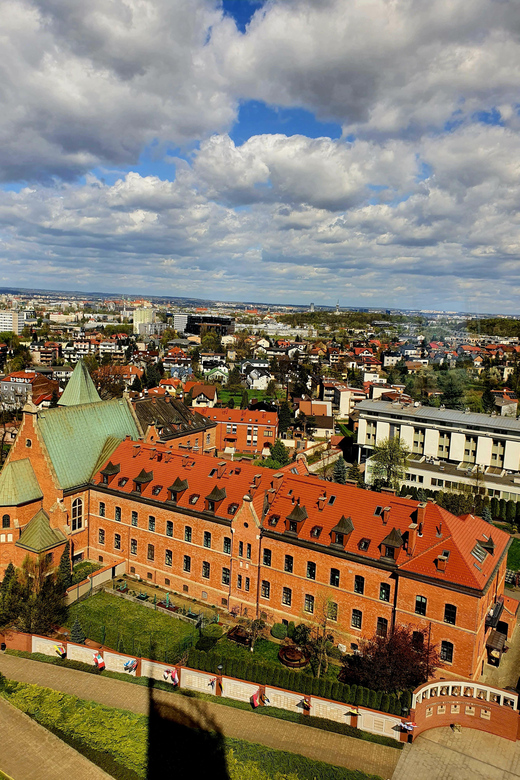
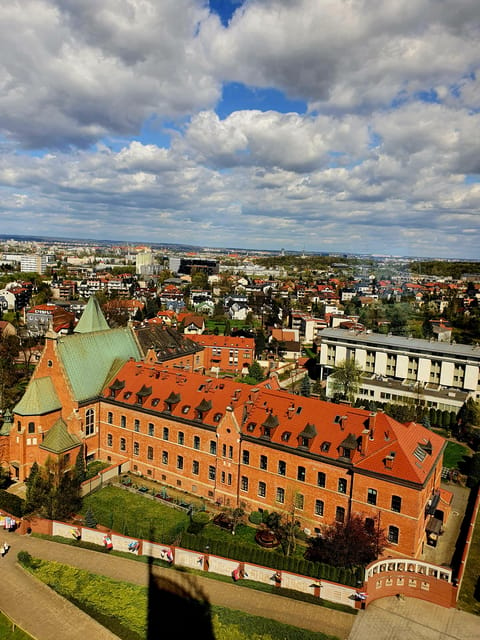
The tour begins at the observation tower. This is a smart first stop because it gives you a visual sense of the area before you move into the more focused religious sites.
You climb to the top for views across the surrounding area. The exact panorama depends on weather and visibility, but the point is to see the setting from above rather than treating the sanctuary as an isolated building. The view helps you get your bearings and gives the visit a calmer opening.
The tower also adds variety. A three-hour religious excursion could otherwise feel like a sequence of interiors and explanations. Here, you begin with open views, movement, and a chance to look outward before turning toward Saint Faustina and Divine Mercy.
Wear comfortable walking shoes. The experience includes walking and ascending to the tower, and the tour also asks you to dress suitably for sacred places. That means modest, respectful clothing is the sensible choice.
Saint Faustina Museum puts a human face on the story
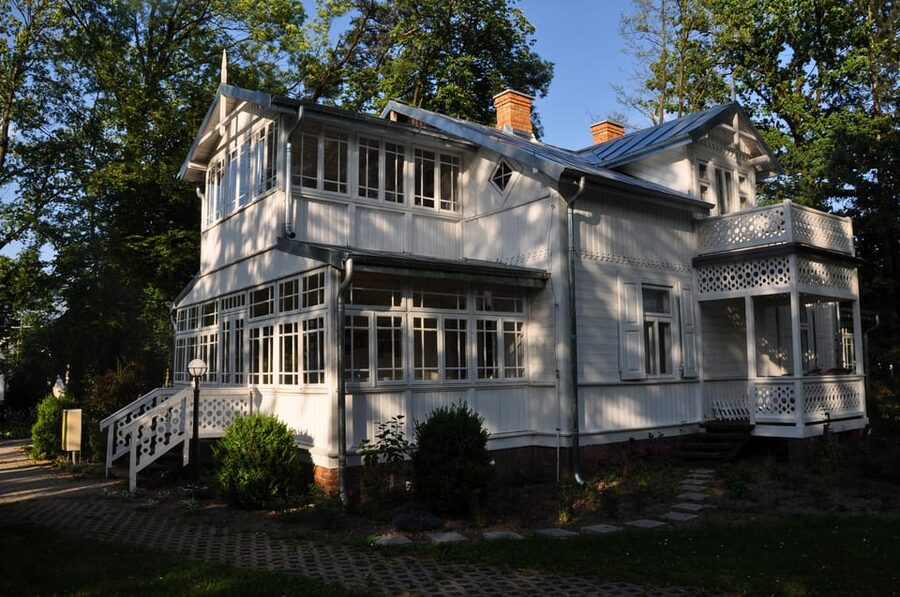
The next stop is the Museum of Saint Sister Faustina. This is where the tour moves from broad religious background to one person’s life and legacy.
Your guide explains Saint Faustina’s story and her influence in religious and social settings. The museum offers a more focused way to understand why Divine Mercy has such importance here. Rather than hearing only a general description of the sanctuary, you get the personal figure at the center of the devotion.
This part should appeal to you even if you are not deeply familiar with Catholic history. The guide can connect the museum to the larger story of Krakow and Poland, helping you understand the subject without assuming that you already know the details.
A private or small guided experience is useful here because the meaning of the exhibits may not be obvious on its own. A guide can explain connections, answer questions, and keep the museum from becoming a quick walk past displays. Oleksandra was specifically praised for explaining religious history and answering questions at the shrine, which suggests that this tour works best when you speak up and ask what interests you.
At Divine Mercy Sanctuary, the pace slows down
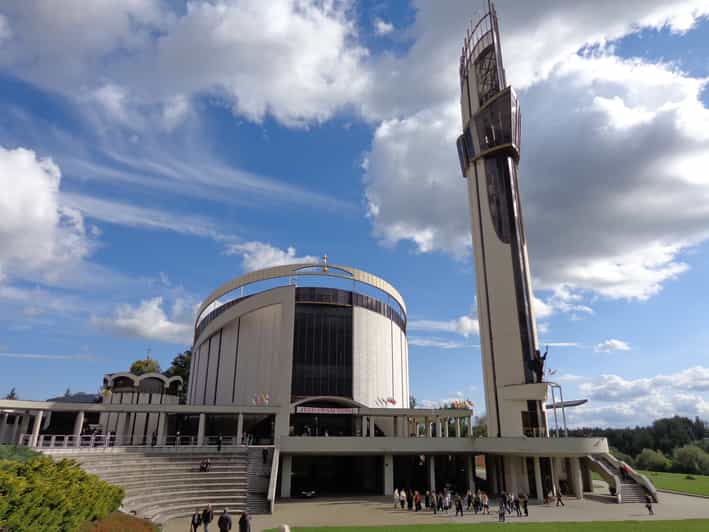
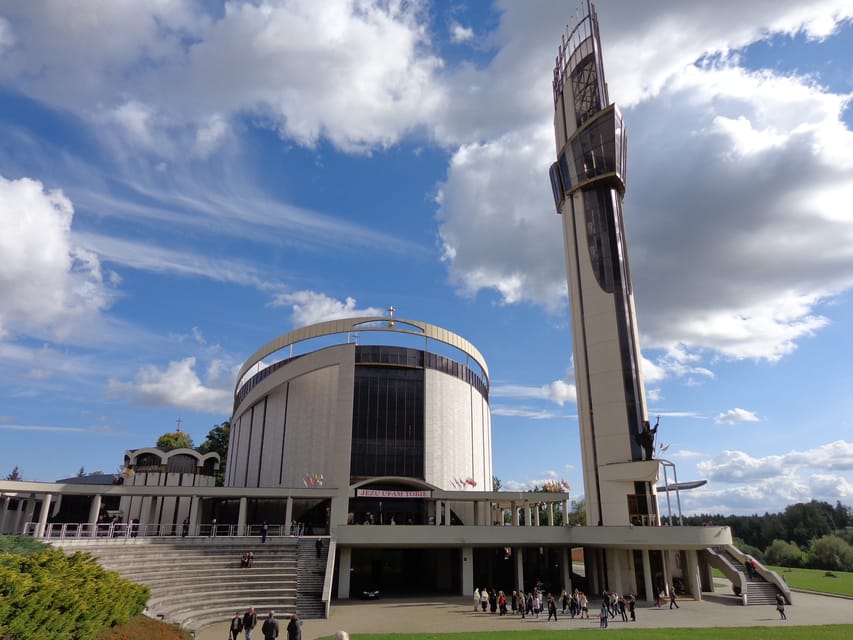
The final main stop is the Sanctuary of Divine Mercy. This is the spiritual center of the outing and the place where you have time to consider what you have heard.
The guide shares the sanctuary’s background and explains the meaning of Divine Mercy in everyday life. You can also take time for prayer, reflection, and confession if you choose. This is important: the tour is not designed as a constant stream of facts. It allows the religious purpose of the site to shape the pace.
One visitor specifically valued having as much time as needed to pray and reflect. That detail tells you how to use the tour well. Tell your guide if you need quiet time. The guide remains present for support and explanation, but the sanctuary visit does not have to feel rushed.
The atmosphere may be especially meaningful for practicing Catholics and pilgrims. It can also work for anyone interested in Polish religious culture, even if you approach the site as a cultural or historical visit. You should simply be comfortable entering a sacred place respectfully and allowing others their own quiet moments.
Same country, a completely different kind of day:
- Krakow–Zakopane: Cable Car, Chocholow Baths, Cheese & Vodka
★ 5.0 · 10,720 reviews - Krakow: Auschwitz-Birkenau Guided Tour with Pickup & Lunch
★ 4.5 · 9,800 reviews - From Krakow: Wieliczka Salt Mine Tour
★ 4.6 · 9,393 reviews - Krakow: Auschwitz-Birkenau Guided Tour Pickup/Lunch Options
★ 4.5 · 9,057 reviews
Choose between the short route and the John Paul II addition
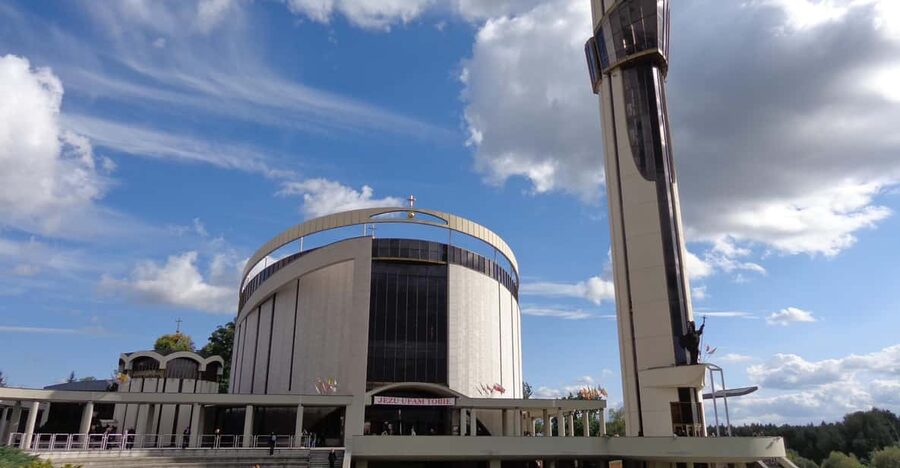
You can keep to the shorter experience or add a visit to the nearby Sanctuary of Blessed John Paul II. The John Paul II option is described as the most popular addition, but it changes the shape of the day.
The standard version usually runs 3 to 4 hours. The advertised duration is 3 hours, while the main itinerary also describes a guided visit lasting 4 hours. In practice, pickup location, traffic, time at the sites, prayer, and confession can all affect the finish time.
The extended version usually takes 4 to 6 hours. Choose it if Catholic history is a main reason for your Krakow visit and you want a fuller religious itinerary. Keep the shorter version if you have an afternoon train, another booked activity, or simply want a compact half-day outing.
Ask about the preferred version when booking. The supplied information says you can enhance the tour, but the exact timing depends on how much time you spend at each place. That flexibility is useful, though it means you should not treat the advertised three hours as an exact return time.
What the private transport adds to the experience
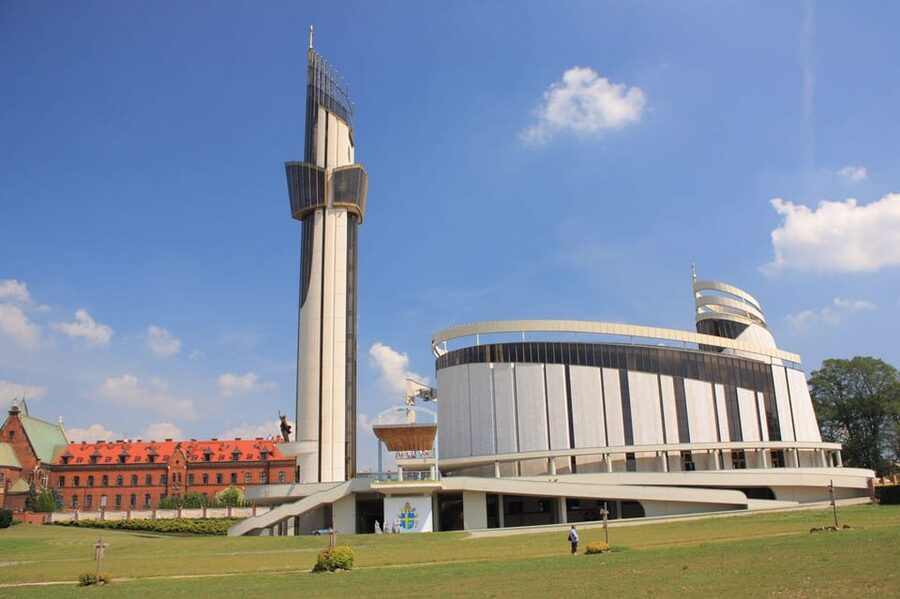
Transportation is included from pickup in Krakow through the return. You are not left to work out how to reach the sanctuary, switch between nearby sites, or find your way back after the visit.
That is a real part of the $84 value. The price is not only paying for entry and commentary. You are also paying for a guide who remains with you and transport throughout the outing. For a short visit outside central Krakow, that can save time and reduce the chance of a confusing connection.
The guide begins explaining Krakow before you reach the first stop. Topics include the city’s churches, Christianity in Poland, and the relationship between Christian and pagan traditions. If you like a tour with a steady flow of information, this makes the drive useful. If you want a silent ride to rest, say so early, since the style is clearly conversational.
The minimum group requirement is two people. That means the tour needs at least two participants to operate, so solo bookers should pay attention to availability. The experience is wheelchair accessible, though the tower includes an ascent, so it is sensible to confirm how that portion works for your own mobility needs before paying.
Is $84 a fair price?
At $84 per person, this is not the cheapest way to see a single Krakow church. The value improves if you want all three main stops, guided explanations, hotel or Krakow pickup, and transport between locations.
I would compare it with the cost and effort of arranging separate transport, finding the museum, reaching the sanctuary, and hiring a guide only for part of the visit. The continuous service makes the price easier to justify, particularly for first-time visitors or anyone with limited time.
The value is also personal. If you want a fast photo stop and little commentary, you may find the tour more involved than necessary. If you care about Saint Faustina, Polish Christianity, or the spiritual meaning of the sanctuary, the guide’s explanations and the chance to pause can make the fee worthwhile.
Food and drinks are not included. Since the tour lasts only a few hours, this is not a major issue, but eat beforehand if you choose the early departure and do not expect a meal stop to be part of the plan.
Guides, languages, and the tone of the visit
Live guiding is available in English, Polish, Russian, and Ukrainian. The English-language experience is a good fit if you want clear background on Krakow’s religious past rather than only directions between buildings.
Oleksandra is named as a guide who picked up a visitor from a hotel, explained Krakow’s religious history from the start, answered questions at the shrine, and allowed plenty of time for prayer. Luca is also named as a helpful and well-informed guide. These details point to a service built around personal attention, not just a fixed speech.
The guides are present throughout for safety and explanations. That is useful at a place where the right conduct and quiet moments matter. You can ask about the sanctuary, Saint Faustina, or the connections between Krakow’s churches, and you should expect a talkative style rather than a bare transfer.
Who should book this Krakow sanctuary tour?
I would recommend it most to:
- People interested in Catholic pilgrimage sites and Polish religious culture
- Visitors who want transport handled from Krakow
- First-time visitors who prefer a guide to explain the setting as they go
- Anyone who wants time for prayer, confession, or personal reflection
- Visitors who enjoy combining a viewpoint, museum, and sanctuary in one outing
- People who may benefit from an accessible tour arrangement
It is less suited to you if you want a self-guided visit with total control over timing. The guide talks throughout much of the journey, and the longer version can take up to six hours. It may also be a poor fit if your schedule cannot absorb traffic or an extended period at the sanctuary.
Booking details worth keeping in mind
Tours operate every day at 9:00 and 13:00. The minimum is two people, and pickup is in Krakow. Check the start time carefully if you have a same-day departure or another fixed booking.
Free cancellation is available up to 24 hours before the tour for a full refund. You can also reserve now and pay later, which helps if you are still arranging the rest of your Krakow schedule.
Wear comfortable shoes and clothing appropriate for sacred places. Bring the right mindset as well: this is a guided religious and cultural visit, not simply a sightseeing drive.
Should you book it?
Book this tour if you want a thoughtful introduction to Divine Mercy, Saint Faustina, and Krakow’s religious setting, with transport and a guide taking care of the practical work. The combination of the observation tower, museum, and sanctuary gives the short outing enough variety, while the optional John Paul II Sanctuary lets you build a longer visit.
I would choose the standard version if you want a focused three to four hours, and the extended version if the religious sites are a major reason for your Krakow trip. The strongest reason to book is the guide-led context and the freedom to spend real time in prayer or reflection. The main caution is the uncertain finish time, especially if you add the second sanctuary or confession.
FAQ
How long does the tour take?
The advertised duration is 3 hours. The standard version usually lasts 3 to 4 hours, while the extended version with the nearby John Paul II Sanctuary usually takes 4 to 6 hours.
What sites are included?
The main route includes the observation tower, the Museum of Saint Sister Faustina, and the Sanctuary of Divine Mercy.
Can I visit the Sanctuary of Blessed John Paul II?
Yes. You can add the nearby Sanctuary of Blessed John Paul II, described as the most popular optional addition.
Where does the tour start?
Pickup is provided in Krakow, with the tour returning to Krakow afterward.
What time does the tour operate?
The tour operates every day at 9:00 and 13:00.
Is transportation included?
Yes. Transportation is provided throughout the entire tour, including travel between the planned destinations.
Which languages are available?
Live guides are available in English, Polish, Russian, and Ukrainian.
Is the tour wheelchair accessible?
Yes, the activity is listed as wheelchair accessible.
Are food and drinks included?
No. Food and drinks are not included in the price.
Can I cancel for a full refund?
Yes. You can cancel up to 24 hours in advance for a full refund. Reserve-now, pay-later booking is also available.
Just added around Krakow
- Tour to Wadowice: Hometown of Pope Saint John Paul II★ 4.6 · 12 reviews
- The Jewish Quarter – Walking Tour★ 5.0 · 4 reviews
- From Kraków; to Białka Thermal Baths private tour★ 5.0 · 5 reviews
- St. Mary’s Basilica and more – a short walk with a guide★ 4.7 · 56 reviews
- Krakow: Auschwitz-Birkenau and Wieliczka Salt Mine Day Trip★ 4.7 · 84 reviews
- Krakow: Skip-the-Line Wawel Castle & Old Town Guided Tour★ 4.9 · 23 reviews
- Krakow: Schindler’s Factory Guided Tour★ 4.2 · 12 reviews
- Shooting Range Experience!★ 4.8 · 66 reviews
Krakow Tours, compared.
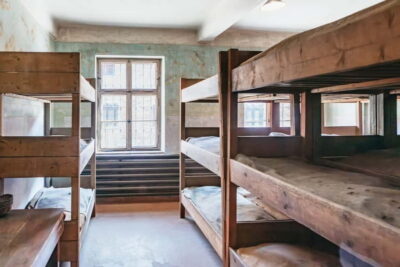
Auschwitz-Birkenau Guided Tour & Hotel Pickup
Read our review →Auschwitz-Birkenau Guided Tour & Hotel Pickup
Read our review →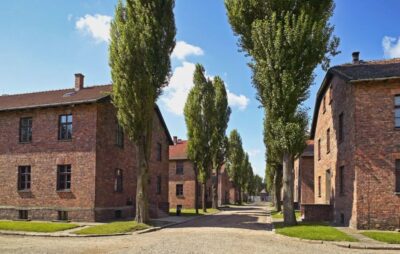
Auschwitz Guided Tour with Optional Hotel Pickup
Read our review →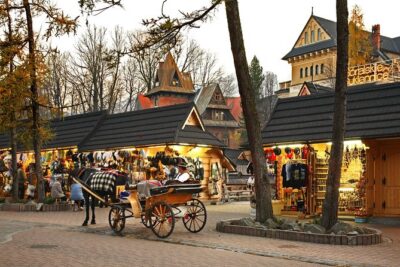
Zakopane: Cable Car, Chocholow Baths, Cheese & Vodka
Read our review →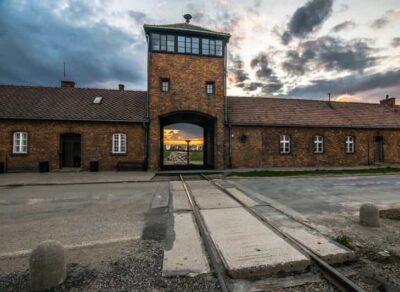
Auschwitz-Birkenau Guided Tour with Pickup & Lunch
Read our review →
Auschwitz-Birkenau Guided Tour Pickup/Lunch Options
Read our review →