Reviewed · KRAKOW TOURS
Jewish Krakow in German
Krakow’s Jewish story is written across two neighborhoods: Kazimierz, the old Jewish quarter, and Podgórze, the former wartime ghetto. This German-language walk connects the two, moving from synagogues and Jewish culture to the places marked by wartime death and destruction.
I like the careful balance between Jewish life before the war and the small but active community here today. I also like the guides’ strong command of German and their ability to explain difficult facts clearly. The main drawback is pace: one guest wished for more time at some stops, so this is a broad introduction rather than a slow study of every site.
Key points at a glance
- Seven old synagogues: Kazimierz preserves an unusual group of historic Jewish houses of worship that survived World War II and the Holocaust.
- Two neighborhoods, one story: The walk links the former Jewish quarter in Kazimierz with the former Jewish ghetto in Podgórze.
- German-speaking local guide: Guides such as Max lead the tour in German and explain the area with plenty of historical detail.
- History and present-day life: You hear about prewar Jewish culture, wartime destruction, and the modest revival of Jewish life in modern Krakow.
- A serious subject in 150 minutes: The route covers difficult material without being only a Holocaust tour.
- Good value at $26: Your payment covers the reservation and guide payment, with no need to arrange hotel transport.
Starting beside the Old Synagogue in Kazimierz
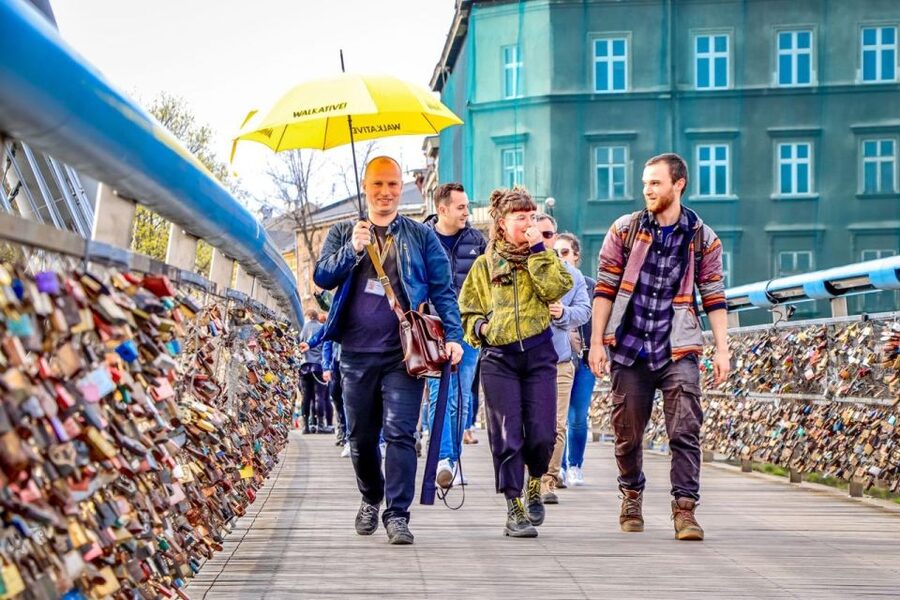
Meet on the stairs in front of the Old Synagogue, on the main street of Krakow’s Jewish district. Arrive 10 minutes early. This is a useful meeting point because you begin in the heart of the story, not at a generic city-square meeting place.
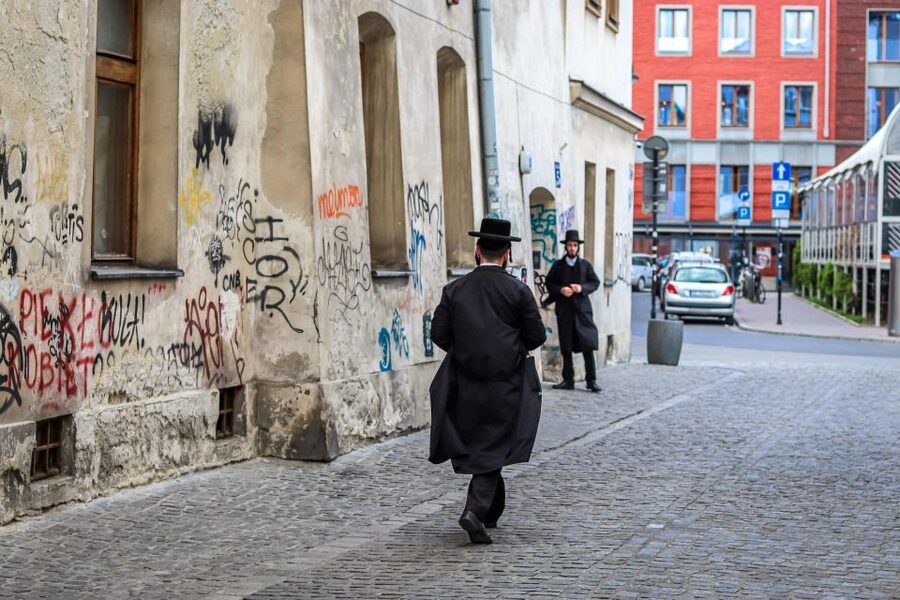
Kazimierz was once a separate town and became Krakow’s historic Jewish quarter. The tour uses its streets, buildings, and synagogues to explain how Jewish life developed here. You are not simply being shown attractive old facades. The guide’s job is to explain what these places meant to the people who prayed, worked, studied, and raised families in this part of Krakow.
The Old Synagogue is an especially fitting place to begin. The meeting point is outside, and the information provided does not promise entry into the synagogue or any other building. Keep that distinction in mind when deciding what you want from the tour. This is a walking history lesson through the district, not a ticketed museum visit.
The route is also in German, which matters more than it may first appear. Krakow’s Jewish history includes many names, dates, religious terms, and painful events. A guide who can explain those details naturally in German gives you a better chance of following the story without constantly translating in your head.
Other Krakow days people book alongside this one:
- From Krakow: Auschwitz-Birkenau Guided Tour & Hotel Pickup
★ 4.5 · 33,358 reviews - From Krakow: Auschwitz-Birkenau Guided Tour & Hotel Pickup
★ 4.5 · 29,340 reviews - Krakow: Auschwitz Guided Tour with Optional Hotel Pickup
★ 4.5 · 15,280 reviews
Kazimierz and the seven surviving synagogues
One of Kazimierz’s most striking features is its group of seven old synagogues. Their survival through World War II and the Holocaust gives the district a physical link to a community that was almost destroyed. The buildings are not just architectural sights. They help you understand the scale and importance of Jewish Krakow before the war.
Expect the guide to put the neighborhood into historical context rather than treating each synagogue as an isolated stop. Jewish culture in Krakow was varied, and the tour’s emphasis on diversity helps prevent an overly simple picture of one uniform community. You hear about the local community, its religious and cultural life, and the meaning of the buildings around you.
I find this part of the walk especially useful early in a Krakow visit. It gives names and context to the streets you may otherwise see as a pleasant old district filled with cafes and restaurants. Modern Kazimierz is now one of Krakow’s cultural centers, but the tour asks you to look past its present-day atmosphere and remember the community that shaped it.
The subject can be emotionally difficult. A good guide needs to move between ordinary life and catastrophe without turning the experience into a list of grim facts. The strongest guide feedback points to exactly that quality. One German-speaking guide was praised for presenting substantial information in a compelling way, while another was described as informative, varied, and good at interaction.
Do not expect a long stop at every synagogue. The full route lasts 150 minutes and also includes Podgórze. If you want to study architectural details or enter several buildings, you will need extra time on your own before or after the walk.
From living culture to wartime destruction
The tour does not stop with the prewar past. It also explains the destruction of the Second World War and the Holocaust in Krakow. That movement is essential because it shows both what was lost and how the city remembers it.
You will hear about the places where the Holocaust took place in Krakow. The wording is broad, and no detailed list of individual sites is supplied, so you should not book this expecting a fixed museum itinerary or a visit inside every memorial location. Instead, expect the guide to connect streets and districts with the events that happened there.
This is where the local guide matters most. A short label on a building can tell you a date. A guide can explain why the location mattered, how the district changed, and how Kazimierz relates to Podgórze. The German tour is designed around a carefully structured story, so the route should feel connected rather than like a collection of unrelated facts.
The tone is serious, but the tour is not described as unrelentingly bleak. Its purpose is to explain Jewish Krakow before, during, and after the war. That wider frame gives the difficult sections more meaning.
Podgórze and the former Jewish ghetto
The walk continues to Podgórze, the area of Krakow’s former Jewish ghetto during World War II. Here, the focus shifts from a historic Jewish quarter to a place shaped by forced removal, confinement, death, and destruction between 1941 and 1943.
The most valuable part of this section is the link between original buildings and historical events. Podgórze still contains places connected with the wartime ghetto, and the guide explains what happened there. You are not merely looking at a district that has changed over time. You are being asked to understand how ordinary urban spaces were transformed by persecution.
This part can be moving because the physical setting is still part of the modern city. The tour description presents Podgórze as a place where the buildings themselves tell a tragic story. That makes the walk different from reading about the ghetto in a museum exhibit. At the same time, the supplied information does not promise entry to a museum, a specific former factory, or any one memorial, so keep your expectations focused on an outdoor guided route.
The two neighborhoods also make a useful contrast. Kazimierz introduces the long story of Jewish life and culture. Podgórze shows the machinery and consequences of wartime persecution. Seeing both areas in one outing helps you understand that the Holocaust was not an abstract event far from daily life. It happened in identifiable streets and districts.
Because the walk covers both areas, wear comfortable shoes and expect a steady pace. The activity lasts two and a half hours, and one person wanted more time at some locations. If you need long pauses for photographs, reflection, or note-taking, you may feel rushed.
Same country, a completely different kind of day:
- Krakow–Zakopane: Cable Car, Chocholow Baths, Cheese & Vodka
★ 5.0 · 10,720 reviews - Krakow: Auschwitz-Birkenau Guided Tour with Pickup & Lunch
★ 4.5 · 9,800 reviews - From Krakow: Wieliczka Salt Mine Tour
★ 4.6 · 9,393 reviews - Krakow: Auschwitz-Birkenau Guided Tour Pickup/Lunch Options
★ 4.5 · 9,057 reviews
The revival of Jewish Krakow today
A major strength of this experience is its final point of view: Jewish Krakow did not end in 1945. Modern Kazimierz is a cultural center, and a small but lively Jewish community remains connected with the district.
The tour presents this revival alongside the losses of the war. That balance matters. It keeps Kazimierz from becoming only a memorial area, while also avoiding the shallow idea that present-day cafes and cultural events erase what happened here.
You will gain more from this part if you pay attention to the difference between historical continuity and modern revival. The Jewish community in Krakow today is small, according to the activity information, but its presence has meaning. The guide can help you see how Jewish culture remains part of the city’s identity even after the destruction of the prewar community.
This section may also make the rest of your Krakow visit more rewarding. After the tour, you can return to Kazimierz and look at its streets with a sharper sense of place. The district’s current cultural life becomes easier to understand when you know the story beneath it.
German guides and the quality of the storytelling
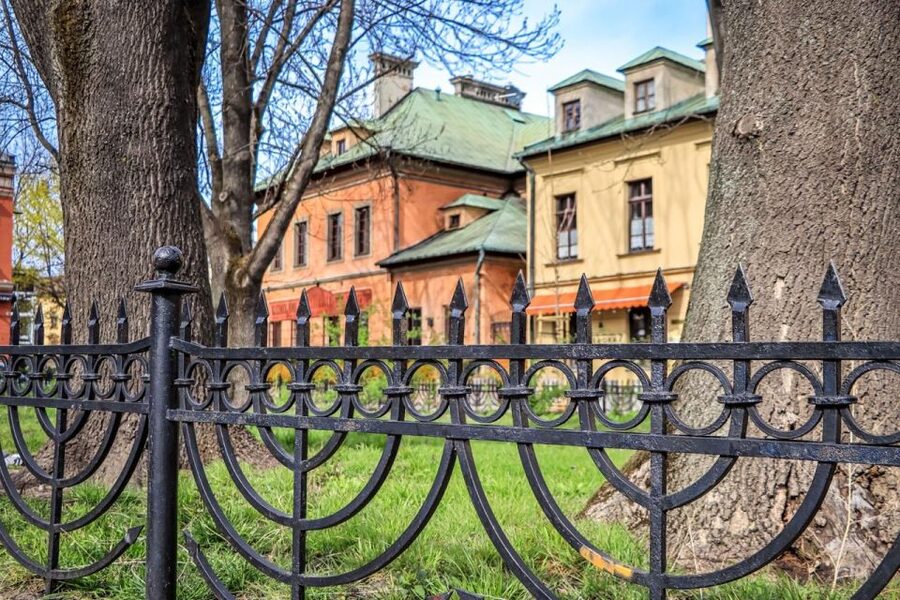
The tour’s clearest selling point is the German-language guiding. The experience is led by a local expert, and named feedback gives useful clues about the standard you can expect. Max received praise for guiding the group through several locations and explaining the area with a strong command of facts. Another guide was praised for excellent German, a well-grounded presentation, and an ability to hold attention.
The German delivery is not a minor convenience. For a subject this complex, clear language helps you distinguish between the Jewish quarter, the former ghetto, the war years, and the postwar revival. The tour also includes interaction with the group, rather than only a memorized speech.
The score is 4.8 from 114 reviews, which supports the idea that the guide quality is usually strong. Still, guide-led experiences can vary by person. One guide was called amusing and informative, while another visitor found the stops too brief. That is a fair warning: the tour’s quality depends partly on how much detail your particular guide gives and how quickly the group moves.
The activity is described as a general pay-as-you-wish tour. In this booking arrangement, the $26 payment covers both the reservation fee and the guide’s payment. That wording can be confusing, so read it as a prepaid version of the tour’s usual tipping structure rather than as a separate paid entry to museums or synagogues.
Is $26 good value for 150 minutes?
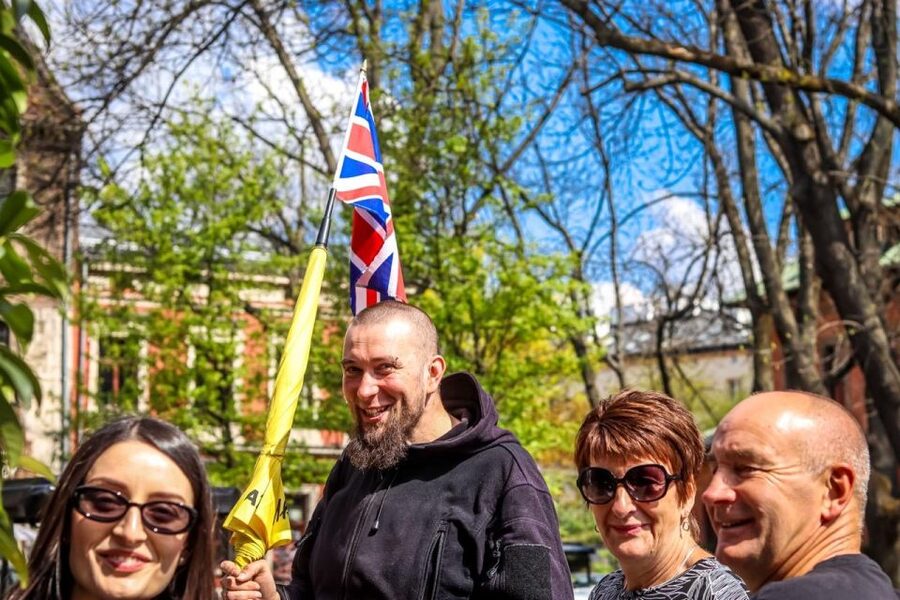
At $26 per person, this is a reasonable price for a two-and-a-half-hour guided walk in German, especially if you want historical context rather than only a self-guided stroll. You are paying for a local guide and a planned narrative that links Kazimierz with Podgórze.
The value is strongest for you if you would otherwise spend time trying to work out which buildings and streets matter. The tour gathers the main themes into one outing: Jewish culture, synagogue history, wartime destruction, Holocaust locations, the former ghetto, and present-day Jewish life.
The value is weaker if you want extended access to interiors, a snack, or hotel transport. Neither a snack nor hotel pickup and return transport is included. The walk is the product, and the guide’s explanation is its main benefit.
You should also allow time for your own follow-up. Since the tour covers a large story in 150 minutes, it cannot give every synagogue or wartime site the same attention. I would treat it as a strong orientation, then return to the places that matter most to you.
Practical advice before you go
Arrive at least 10 minutes early at the stairs in front of the Old Synagogue. The meeting point is on the main street of Kazimierz, so do not leave your arrival until the last moment.
Wear shoes suited to a long city walk. No special equipment is listed, but the route covers two historic districts and includes a serious amount of information. Bring water if you need it, since no snack is included.
Expect the subject matter to be emotionally heavy. You will discuss death, destruction, the Holocaust, and the wartime ghetto. The experience also covers Jewish culture before the war and its revival today, so it is not only a memorial walk.
German is the only language listed. If you are booking for a mixed-language group, confirm that everyone is comfortable following a live tour in German.
The tour offers free cancellation up to 24 hours before the start time, and you can reserve now while paying later. Starting times depend on availability. Those options are useful if your Krakow schedule is still taking shape.
Who should book this Krakow walk?
I would recommend it to you if you want a clear first introduction to Jewish Krakow, prefer German guiding, and are comfortable spending 150 minutes walking through difficult history. It suits visitors who want to understand how Kazimierz and Podgórze fit together rather than seeing either neighborhood as a collection of pretty streets.
It is also a good choice if you value explanation over admission tickets. The local guide, structured story, and connection between the two districts are the main reasons to book.
I would choose something else, or add a separate visit, if you need a slow architectural tour, long photography stops, or guaranteed entry to several synagogues and museums. The pace is purposeful, and the route has a lot to cover.
Should you book Jewish Krakow in German?
Book this tour if you want a serious, well-organized introduction to Krakow’s Jewish quarter and former ghetto in German. The strongest features are the clear historical structure, the guides’ spoken German, and the effort to explain both the destruction of Jewish Krakow and its present-day revival.
At $26, it offers solid value for 150 minutes, as long as you understand that the payment covers the guided walk rather than snacks, transport, or a series of included museum entries. Go in ready to walk, listen, and leave some time afterward for the sites that deserve a closer look.
FAQ
How long does the Jewish Krakow in German tour last?
The tour lasts 150 minutes, or two and a half hours.
What language is the tour conducted in?
The tour is conducted in German by a live German-speaking guide.
Where is the meeting point?
Meet on the stairs in front of the Old Synagogue, on the main street of Krakow’s Jewish district.
Which parts of Krakow does the tour cover?
The tour covers Kazimierz, Krakow’s historic Jewish quarter, and Podgórze, the area of the former Jewish ghetto during World War II.
Is hotel pickup or a snack included?
No. Hotel collection, return transport, and a snack are not included.
Can I cancel the booking?
Yes. You can cancel up to 24 hours before the activity for a full refund. You can also reserve now and pay later.
Just added around Krakow
- Tour to Wadowice: Hometown of Pope Saint John Paul II★ 4.6 · 12 reviews
- The Jewish Quarter – Walking Tour★ 5.0 · 4 reviews
- From Kraków; to Białka Thermal Baths private tour★ 5.0 · 5 reviews
- St. Mary’s Basilica and more – a short walk with a guide★ 4.7 · 56 reviews
- Krakow: Auschwitz-Birkenau and Wieliczka Salt Mine Day Trip★ 4.7 · 84 reviews
- Krakow: Skip-the-Line Wawel Castle & Old Town Guided Tour★ 4.9 · 23 reviews
- Krakow: Schindler’s Factory Guided Tour★ 4.2 · 12 reviews
- Shooting Range Experience!★ 4.8 · 66 reviews
Krakow Tours, compared.
Auschwitz-Birkenau Guided Tour & Hotel Pickup
Read our review →Auschwitz-Birkenau Guided Tour & Hotel Pickup
Read our review →
Auschwitz Guided Tour with Optional Hotel Pickup
Read our review →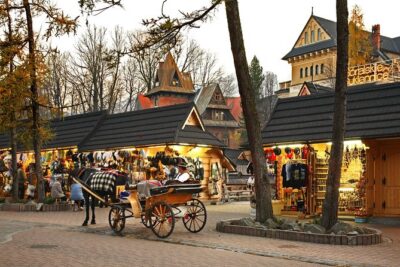
Zakopane: Cable Car, Chocholow Baths, Cheese & Vodka
Read our review →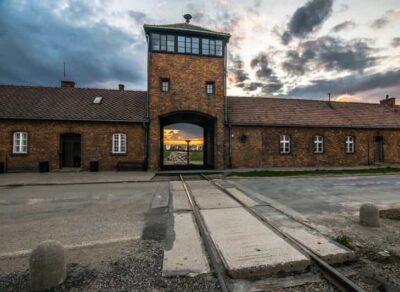
Auschwitz-Birkenau Guided Tour with Pickup & Lunch
Read our review →
Auschwitz-Birkenau Guided Tour Pickup/Lunch Options
Read our review →