
Reviewed · CYCLING TOURS
Highlights of Krakow Bike Tour – Small group
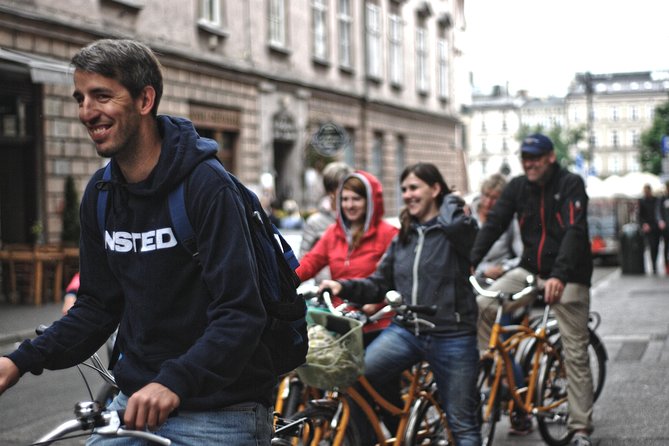
Krakow reveals itself quickly from a bicycle. In about four hours, you can move from the grand Main Square to Wawel Castle, follow the Vistula River, and reach the former Jewish quarter and wartime ghetto without spending the day on foot. The flat route and comfortable beach cruisers make this a practical way to get your bearings fast.
I especially like the mix of famous sights and less obvious corners, plus the guides’ personal style. Mike, Zoe, and Chris are praised for clear English, humor, stories, and useful restaurant and bar tips. I also like that the route includes a proper pause for lunch rather than one long push through the city.
The main tradeoff is time. The tour covers a lot, but many stops are short, so you will often hear the story, take a picture, and move on instead of going inside every building. The lunch is extra, and the tour depends on good weather.
Key points at a glance
- Around eight miles of easy riding: The route is mostly flat and broken into short stretches between stops.
- A small group of no more than 15: This makes it easier to hear the guide and keep the group together.
- Old Town, Wawel, the river, ghetto, and Kazimierz: You see several distinct parts of Krakow in one outing.
- Comfortable bikes and rain ponchos: Bike rental is included, with a poncho available if the weather turns.
- A useful first-day tour: You finish with a clear map of where to return for museums, meals, and evening walks.
Why a bike is a smart first look at Krakow
Krakow’s center is compact, but the major sights are spread across several districts. Walking from the Main Square through the university area, Wawel, the riverfront, Podgórze, and Kazimierz would take time and energy. A bicycle lets you cover that same ground while still stopping often.
This is not a race. The route is described as non-strenuous, with most riding on flat roads and cycle tracks. There are short sections on regular roads, but the pace is kept together and the riding has generally felt safe. Some outings cover roughly eight miles, though the exact distance can vary.
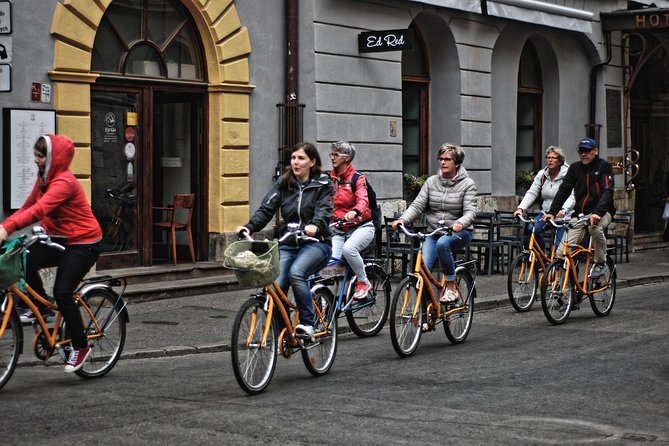
The bikes are beach-cruiser style, with comfortable seats. That matters on a four-hour ride, especially when cobblestones enter the route. The tour also supplies a basket and a rain poncho when needed. Families with children should note that the bikes suit children over 128 centimeters tall. Helmets have been offered for children, but the supplied information does not list a helmet as a standard inclusion for every participant.
A few more Krakow trips to weigh up
- Complete Cracow Bike Tour (small group of maximum 15 people!)
★ 5.0 · 1,322 reviews - Krakow: Bike Tour of Old Town, Jewish Quarter and the Ghetto
★ 4.9 · 1,155 reviews - Full Bike Tour – the Old Town, Jewish Qtr & the Ghetto NEW BIKES
★ 5.0 · 437 reviews
Starting at Krakow’s enormous Main Square
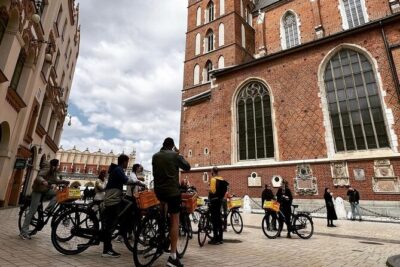
Meet by the Adam Mickiewicz Monument in Rynek Główny, Krakow’s central square. This is a convenient start because you are already at the heart of the Old Town, surrounded by the Cloth Hall, St. Mary’s Basilica, and centuries of civic life.
The opening explanation is brief, then you ride to the tour office, where the bikes are prepared. The first impression is scale. Rynek Główny is one of Europe’s great medieval squares, and seeing it from a bicycle gives you a quick sense of how the Old Town fits together.
From here, the tour enters Planty Park. This four-kilometer green belt follows the line of the old city walls and wraps around the historic center. It is a pleasant transition from the open square to the quieter streets around the Old Town.
Planty, the Barbican, and Krakow’s university quarter
The Barbican and old defensive walls offer an early look at Krakow’s military past. The stop is short, so think of it as a guide-led orientation rather than a museum visit. You will hear how the fortifications protected the city, then continue toward the university district.
The Jadwiga and Jagiello Monument introduces the Polish-Lithuanian Commonwealth and the royal figures tied to it. The nearby University Collegiate Church of St. Anne adds another layer, linking the university quarter to religious and academic life.
Jagiellonian University was founded in 1364 and is one of the oldest universities in Europe. The route includes the university buildings and Collegium Maius, where the courtyard and clock are key sights. These stops are useful because they show that Krakow is more than a collection of pretty streets. It has long been a center of learning, church life, and political power.
You should expect short explanations at several of these locations. One useful feature of the route is that the guide can give you a connected story while you see the buildings in place. The limitation is that you are not booking a full university or museum tour. If you want to inspect Collegium Maius in detail, plan a separate visit.
Wawel Castle and the Vistula River
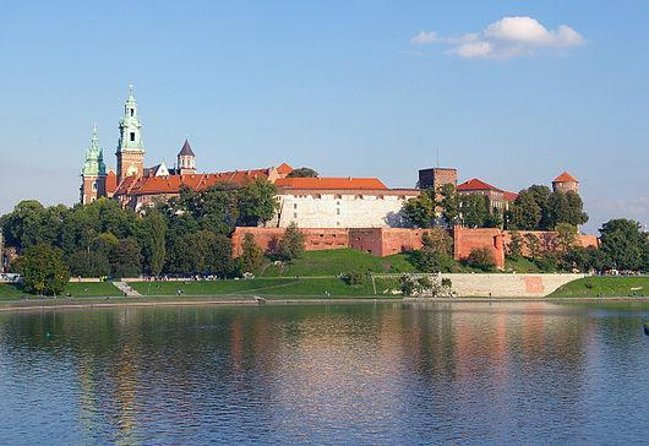
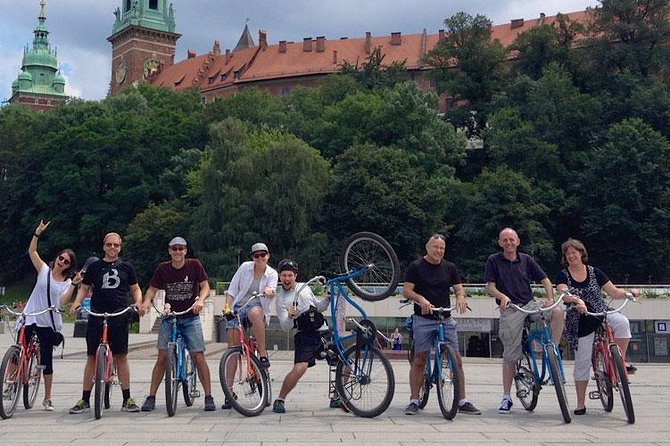
The ride continues to Wawel Castle, the former seat of Polish royalty and now one of Poland’s leading art museums. The castle complex sits above the Vistula and is one of Krakow’s essential sights, so even a short stop helps you place the city’s royal center.
The tour also reaches the Monument of the Wawel Dragon. Krakow’s fire-breathing dragon is one of the city’s best-known legends, and the stop adds a lighter moment after the formal royal story. Nearby, the Church on the Rock brings the mood back to Poland’s religious and political past, including the story of St. Stanislaus and the years of occupation.
The river section is one of the tour’s most enjoyable changes of pace. You leave the tight streets behind and get a more open ride along the Vistula. It is also a welcome breather before the heavier wartime material in Podgórze.
Same country, a completely different kind of day:
- From Krakow: Auschwitz-Birkenau Guided Tour & Hotel Pickup
★ 4.5 · 33,358 reviews - From Krakow: Auschwitz-Birkenau Guided Tour & Hotel Pickup
★ 4.5 · 29,340 reviews - Krakow: Auschwitz Guided Tour with Optional Hotel Pickup
★ 4.5 · 15,280 reviews - Krakow–Zakopane: Cable Car, Chocholow Baths, Cheese & Vodka
★ 5.0 · 10,720 reviews
The former ghetto in Podgórze
The route then crosses toward Plac Bohaterów Getta in the Podgórze district, the site of the Krakow Ghetto during the Second World War. This part of the tour needs attention and respect. The square and remaining section of ghetto wall point to the forced confinement of Krakow’s Jewish population and the boundaries imposed on the district.
The stop at Oskar Schindler’s Enamel Factory adds another important connection. The factory is associated with Schindler and the people saved through his efforts, later made famous by the film Schindler’s List. The exterior stop is brief, so you should not expect admission to the museum as part of this bike tour.
That distinction matters. The guide provides context and helps you connect the places, but this is not a substitute for a dedicated visit to the Schindler museum or a longer Holocaust history tour. If that subject is central to your Krakow plans, set aside extra time afterward.
The New Jewish Cemetery continues the story of Jewish Krakow. Together, the ghetto square, wall fragment, factory, and cemetery create a sober section of the route. A bicycle makes it possible to link these places in one afternoon, though the short stops mean you will need to do some quiet reading and reflection on your own later.
Entering Kazimierz through Szeroka Street
After the ghetto district, the route heads into Kazimierz, Krakow’s historic Jewish quarter. Szeroka Street is the main stop here, with its old buildings, synagogues, restaurants, and strong sense of place. The district has also become one of the city’s popular evening areas, but the tour keeps your attention on its Jewish past as well as its newer social life.
The Old Synagogue receives the longest listed stop, about 40 minutes. That gives the guide time to explain Jewish Kazimierz and the changes the district has seen. It is still a focused overview, not a full museum visit, but this is one place where you have more time to look around.
The Remuh Cemetery is another important stop. It is the old Jewish cemetery and carries a quieter mood than the cafés and bars nearby. The contrast is part of what makes this section valuable. You see both the historic religious quarter and the modern, bohemian side of Kazimierz without treating them as the same thing.
The route also reaches Plac Nowy, known for its food stalls and nightlife. The famous pizza baguettes are a local snack reference, and the square gives you a chance to note places you may want to return to later. The tour does not include food, so bring money if you want something during the break.
Lunch, pacing, and what four hours really means
Lunch is taken at an authentic Polish restaurant, with food and drinks paid separately. The exact venue may vary, but the pause is a useful part of the day. It gives you a chance to sit down, cool off in hot weather, and ask the guide for recommendations.
Several outings have used a lunch break at a cozy bar or restaurant, and the guides are happy to suggest places for later meals and drinks. Do not count on a long culinary experience, though. The tour is designed to see the city, not to build an afternoon around food.
The pace is generally easy, with riding broken into short spells and frequent stops. This works well for families and for anyone who wants stories without a hard workout. Children aged eight and eleven have managed the route, and older teenagers have enjoyed it too, but the 128-centimeter minimum for the bikes is important.
You should also allow for the possibility that the number of stops feels high. One useful criticism of this format is that you may stop just as you are beginning to study a building, then move on to the next one. That is the price of covering so much ground in one half-day.
Finishing near the Old Town
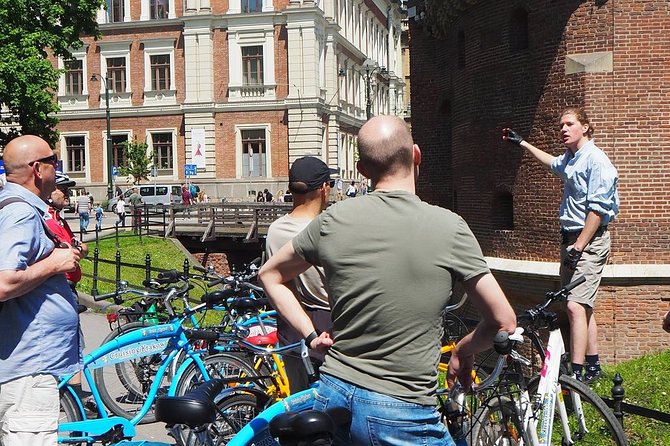
The return route includes Little Market Square, or Mały Rynek, another historic space with a much smaller scale than Rynek Główny. The final stop is the Słowacki Theatre, admired for its architecture and its place in Krakow’s cultural life.
Ending near the original departure area is convenient. By then, you will have a practical mental map of the Old Town, university quarter, Wawel, river, Podgórze, and Kazimierz. I would use the rest of your day to return to one or two places that received only a brief stop.
The tour is particularly useful at the start of a Krakow stay. You can mark restaurants, squares, museums, and streets for later. It also saves your feet for the parts of the city that deserve a slower look.
Guides who make the route personal
The guide can make or break a sightseeing ride, and this tour has several named guides associated with strong experiences. Mike is described as friendly, funny, and fluent in English, with a Canadian-Polish background that helps him explain Krakow clearly. He adds historical detail, personal anecdotes, and practical suggestions for bars and restaurants.
Zoe is praised for giving the right amount of information and for adapting to questions. Chris brings humor and personal stories to the historical material. A guide dog named Ramsey has occasionally joined the ride, adding a memorable touch for families and animal lovers, though you should not assume the dog will be present on every departure.
The strongest pattern is clear English, a steady pace, and explanations that do not feel like a lecture. With a maximum of 15 people, the guide can usually keep the group together and respond to individual questions more easily than on a large coach tour.
Is $36.28 good value?
At $36.28 per person, the tour is priced fairly for a four-hour guided outing that includes the bicycle, guide, and a rain poncho if needed. You are paying for transport between districts as well as interpretation, which is more useful than a simple bike rental if you have limited time.
The value is strongest for a first visit or a short stay. In one afternoon, you see enough of Krakow to understand its layout and choose where to return. The price is less attractive if you want long museum visits, extended time inside the castle, or a slow food tour, since admissions and lunch are not included.
Group discounts may be available, which can help families or larger parties. Free cancellation is allowed up to 24 hours before the start time. The tour needs good weather and a minimum number of participants, so a cancellation for either reason brings the choice of another date or a full refund.
Who should book this Krakow bike tour?
I would choose this tour if you have one day in Krakow, want a broad introduction, or prefer cycling to walking. It suits families with children tall enough for the bikes, couples, friends, and active older visitors who want an easy ride rather than a demanding cycling trip.
It is also a good choice on a hot day. One family found cycling more pleasant than walking in 32-degree heat, and the lunch break offered welcome shade and rest. The flat route, comfortable seats, and short riding sections keep the physical effort modest.
I would look elsewhere if you dislike group schedules, want to spend an hour inside every major sight, or prefer a dedicated Jewish history tour. The route touches many important places, but it gives you an overview rather than exhaustive time at each one.
Should you book it?
Book it for efficient orientation, easy cycling, and a human guide who can connect Krakow’s royal, academic, Jewish, and wartime stories. The tour covers far more ground than you could comfortably walk in four hours, and the bikes leave you with energy for the evening.
Go in with the right expectations: bring money for lunch, accept that some stops are brief, and save your favorite places for a return visit. For most first-time visitors, especially families and anyone staying only a short while, the combination of price, coverage, and relaxed pace makes this a strong introduction to Krakow.
FAQ
How long does the Krakow bike tour last?
The tour lasts approximately four hours. Some outings have taken about three and a half hours, depending on the pace and stops.
Where does the tour begin?
The meeting point is by the Adam Mickiewicz Monument in Rynek Główny, Krakow’s Main Market Square.
What does the tour price include?
The price includes bike rental, a city guide, and a rain poncho if necessary. Food and drinks are not included.
Is lunch included?
No. The route includes a stop at a Polish restaurant, but you pay separately for lunch and drinks.
Are children allowed to join?
Yes. The bikes are suitable for children over 128 centimeters tall, and most participants can take part. Service animals are also allowed.
What happens if the weather is poor?
The tour requires good weather. If it is canceled because of poor weather, you can choose another date or receive a full refund.
Just added around Krakow
- Tour to Wadowice: Hometown of Pope Saint John Paul II★ 4.6 · 12 reviews
- The Jewish Quarter – Walking Tour★ 5.0 · 4 reviews
- From Kraków; to Białka Thermal Baths private tour★ 5.0 · 5 reviews
- St. Mary’s Basilica and more – a short walk with a guide★ 4.7 · 56 reviews
- Krakow: Auschwitz-Birkenau and Wieliczka Salt Mine Day Trip★ 4.7 · 84 reviews
- Krakow: Skip-the-Line Wawel Castle & Old Town Guided Tour★ 4.9 · 23 reviews
- Krakow: Schindler’s Factory Guided Tour★ 4.2 · 12 reviews
- Shooting Range Experience!★ 4.8 · 66 reviews
Cycling Tours, compared.
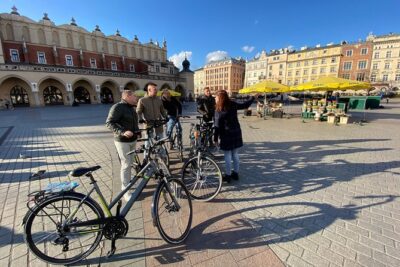
Complete Cracow Bike Tour (small group of maximum 15 people!)
Read our review →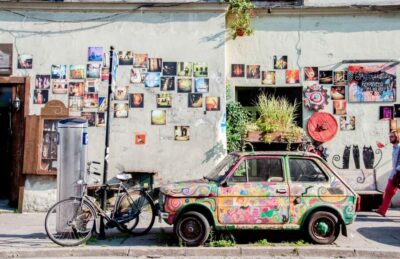
Bike Tour of Old Town, Jewish Quarter and the Ghetto
Read our review →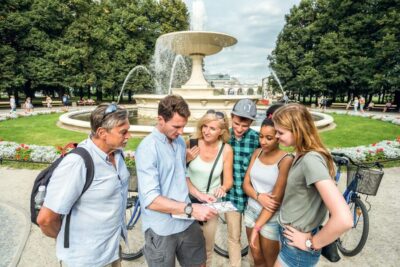
Full Bike Tour – the Old Town, Jewish Qtr & the Ghetto NEW BIKES
Read our review →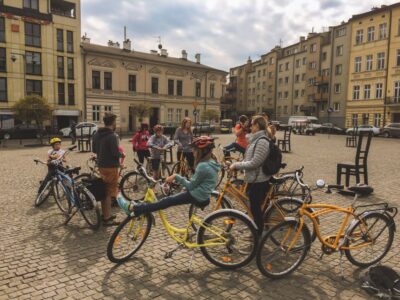
Bike Tour of the Old Town, Kazimierz, and the Ghetto
Read our review →
Half-Day Warsaw City Sightseeing Bike Tour for Small Group
Read our review →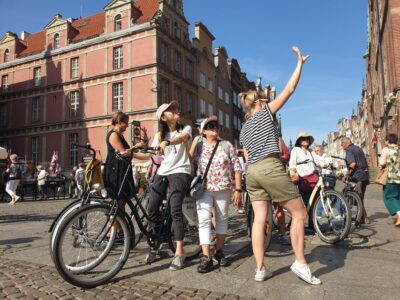
Browse the lists this tour appears in