
Reviewed · AUSCHWITZ-BIRKENAU MEMORIAL TOURS
Krakow to Auschwitz Birkenau Guided Tour with Transfer and Ticket
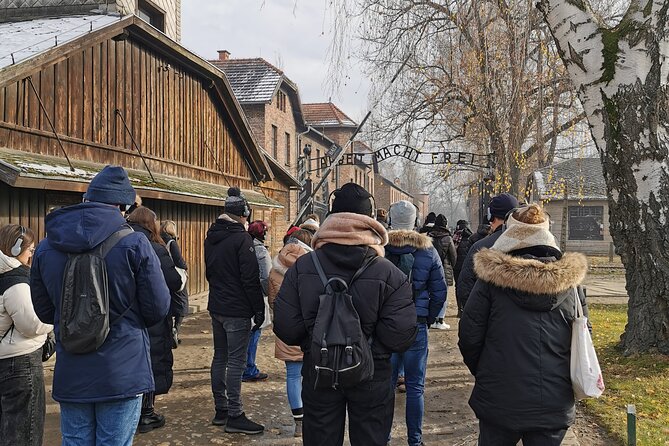
Auschwitz-Birkenau is not a sightseeing stop in the usual sense. It is a place of evidence, grief, and difficult questions, where suitcases, shoes, photographs, barracks, and the remains of crematoria make the scale of Nazi crimes painfully real. This tour gives you a licensed museum guide, transport from Krakow, and entry to both camp sites in one demanding day.
I like the clear transport plan and the headsets used at Auschwitz I, where a guide such as Marta can explain the exhibitions without shouting across the group. I also like the practical support: drivers such as Norbert and Daniel have been praised for punctual pickups and careful assistance. The main drawback is pace. You follow a set route and timetable, so you may not have as long as you want with every display.
Key points to know before you book
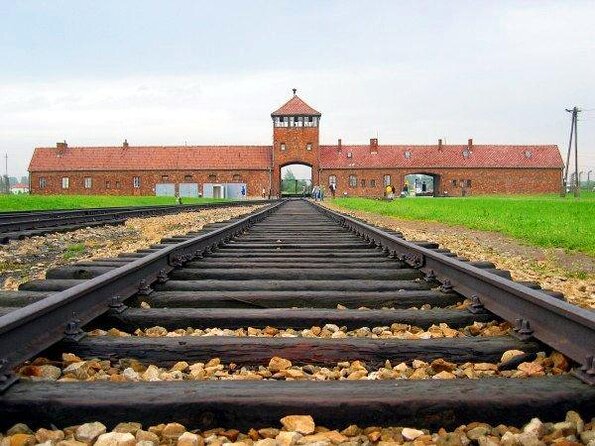
- Two memorial sites in one day: Visit Auschwitz I and the much larger Birkenau camp, only a short transfer apart.
- About 65 kilometres from Krakow: The drive takes roughly 1 hour 15 minutes each way, depending on traffic.
- English-speaking licensed guide: Museum-approved guides explain the camps, exhibitions, selections, medical experiments, and liberation.
- Groups of up to 30 people: Headsets help at Auschwitz I, though the Birkenau section may not use them.
- Mostly outdoor visiting: Around 70 percent of the day at the museum is outside, often on uneven ground.
- Bring identification and food: Every person needs the ID or passport used during booking, and lunch is not included.
Leaving Krakow for Oswiecim
The day begins in Krakow, either with a hotel pickup on the limited-to-15-person option or at an assigned meeting point. People staying near the Main Square are usually directed to a nearby pickup location, while those outside the central area may need to reach a designated point.
This part requires a little patience. The final departure time depends on the museum’s available entry slot and is confirmed the day before, so do not plan a tight afternoon appointment in Krakow. Roadworks in western Krakow have also made pickups there unavailable, and the meeting point at Floriana Straszewskiego 19 is temporarily closed. The operator says it will arrange an alternative nearby point when needed.
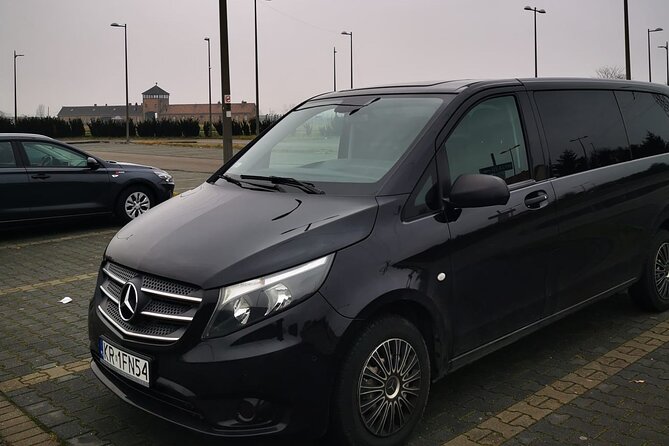
Once everyone is aboard, the drive to Oswiecim takes about 1 hour 15 minutes. The vehicle is an air-conditioned van or minibus, and the route gives you a quiet transition from Krakow’s cafes and medieval streets to one of Europe’s most serious memorial sites.
That contrast matters. You are not simply hopping off a bus at a museum. The journey gives you time to prepare yourself for a place where the tone must change. A short break after arrival allows you to get coffee, visit outdoor displays, or simply collect your thoughts before the guided visit begins.
The break is useful, but do not expect a full meal. Food and drinks are not included, there is no time for a proper restaurant lunch between the two camp visits, and food facilities on the museum grounds are limited. Bring a snack and water. Optional lunch boxes have been available on some departures, but bringing your own food gives you more control.
More Auschwitz-Birkenau Memorial Tours in Krakow
- From Krakow: Auschwitz-Birkenau Guided Tour & Hotel Pickup
★ 4.5 · 33,358 reviews - From Krakow: Auschwitz-Birkenau Guided Tour & Hotel Pickup
★ 4.5 · 29,340 reviews - Krakow: Auschwitz Guided Tour with Optional Hotel Pickup
★ 4.5 · 15,280 reviews
Auschwitz I and the meaning behind the gate
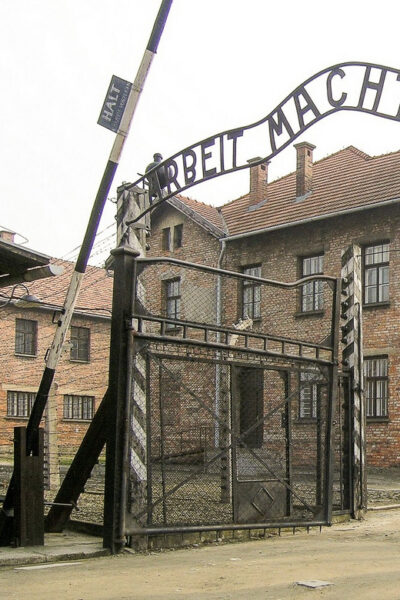
The first camp, Auschwitz I, is the more enclosed and museum-focused part of the visit. You enter through the famous gate marked Arbeit Macht Frei, a cruel slogan that promised freedom through work. The original brick buildings, walls, watchtowers, and wire make the setting feel painfully close and contained.
A licensed Auschwitz-Birkenau Museum guide leads this section, which normally lasts around two hours. This is where the headsets are especially helpful. The group can move through the buildings without forcing the guide to raise their voice, and you can hear the explanation while preserving the subdued atmosphere.
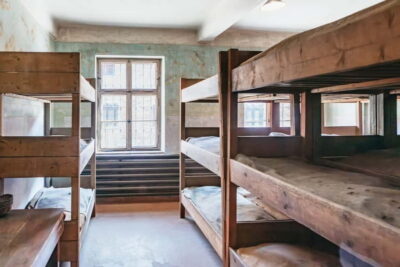
The exhibitions use objects recovered from the camp and displayed with great care. You may see piles of shoes, glasses, suitcases, clothing, photographs, and personal belongings taken from people on arrival. One of the most upsetting displays concerns human hair. These are not abstract statistics. They are ordinary objects linked to individual lives.
The guide also explains how Auschwitz I began as a concentration camp and detention centre, particularly for Polish people arrested after Germany annexed the country in 1939. The story then broadens to show how the camp system became part of the Nazi plan to murder Europe’s Jewish population.
You will hear about forced labour, starvation, punishment, selections, medical experiments, gas chambers, and crematoria. The subject matter is severe, and the guide’s manner matters. The strongest guiding here is factual, calm, and respectful rather than theatrical. Guides including Marta have been praised for combining precise information with empathy.
The main limitation is the group timetable. You cannot set your own pace or linger indefinitely over a photograph, information panel, or personal object. Some people find the guide moves too quickly, especially when the museum is crowded. The fixed schedule is partly a result of museum entry rules and the need to keep groups moving, but it can still leave you wishing for more quiet time.
Expect stairs in some buildings, though much of the route is fairly level. The walk is manageable for many people, but this is not a short indoor museum visit. Wear shoes that can handle uneven or muddy ground, especially after wet weather.
The short transfer to Birkenau
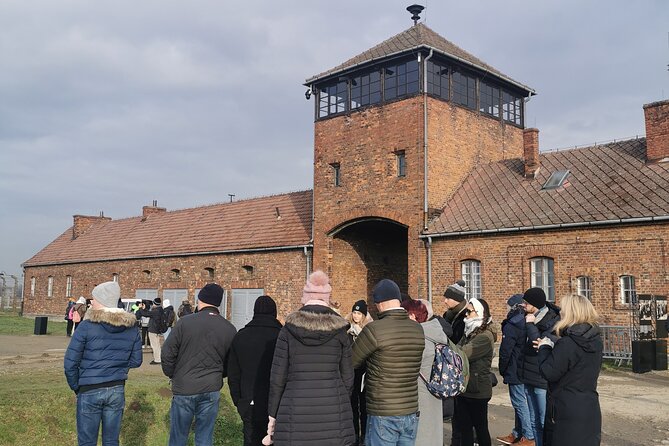
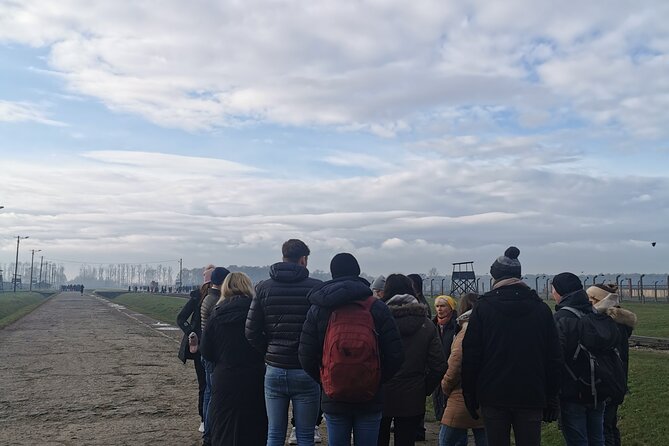
After Auschwitz I, there is usually a break of up to 15 minutes. You then travel about three minutes to Birkenau, also known as Auschwitz II. This second site is enormous compared with Auschwitz I, and its open scale is one of the most powerful parts of the day.
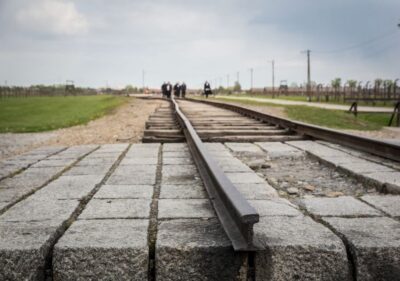
Birkenau was built in 1941 on the order of Heinrich Himmler. It could hold about 90,000 prisoners and was constructed primarily as a killing centre within the Nazi camp system. The familiar railway entrance, rows of barracks, watchtowers, fences, and distant ruins show how an industrial system of imprisonment and murder was designed across a huge area.
The guide continues the explanation here, covering the living conditions, selections carried out after trains arrived, and the role of Nazi doctors in pseudo-scientific experiments. Josef Mengele is among the figures discussed. The guide also explains the final period of the camp and the liberation by soldiers of the 60th Army of the First Ukrainian Front on January 27, 1945.
Birkenau is largely outdoors, and that changes the feel of the visit. At Auschwitz I, you spend more time inside exhibitions. At Birkenau, you walk through open space, often exposed to wind, rain, snow, or intense sun. Bring warm layers in winter, a waterproof outer layer when needed, and water in hot weather.
The site can be extremely cold. One account describes temperatures between minus 10 and minus 25 degrees Celsius, with the weather making the walking and waiting harder. Even in milder conditions, you should plan for a long outdoor visit. Comfortable footwear is essential.
Headsets may not be available during the Birkenau section. That is worth knowing before you book. The open site and group movement can make it harder to hear every word, particularly when the wind is strong or other groups are nearby. Stay close to the guide and pay attention to the meeting instructions.
Why the guided format works, and where it can frustrate
A guide adds essential context here. Without one, you might recognize the gate, railway tracks, barracks, and fences but miss how each part fitted into the machinery of persecution and murder. A good guide explains what you are seeing without turning the visit into a list of dates.
The guides on this operation are licensed by the museum, and English is the tour language. Several guides have been described as engaging, passionate, and respectful. The quality of spoken English can vary slightly from one departure to another, but the overall focus is on clear historical explanation.
I appreciate the headsets at Auschwitz I because they allow the group to hear the guide while keeping voices low. They also help when the museum is busy. The tradeoff is that the route can feel brisk. A guide must keep everyone together, meet the museum’s schedule, and cover a large amount of difficult material.
This is not the right tour for someone who wants a private, reflective walk with unlimited time at each exhibit. It is a good fit if you want the major sites explained by a trained guide and prefer not to manage museum tickets, transport, and timing yourself.
The maximum group size is 30, which is not tiny. If you want a more personal feel, the option limited to 15 people is worth considering if the price difference fits your budget. It also includes hotel pickup, unlike the lower-priced meeting-point option. The smaller group may make it easier to hear instructions, stay together, and ask brief questions.
Same country, a completely different kind of day:
- Krakow–Zakopane: Cable Car, Chocholow Baths, Cheese & Vodka
★ 5.0 · 10,720 reviews - Krakow: Auschwitz-Birkenau Guided Tour with Pickup & Lunch
★ 4.5 · 9,800 reviews - From Krakow: Wieliczka Salt Mine Tour
★ 4.6 · 9,393 reviews - Krakow: Auschwitz-Birkenau Guided Tour Pickup/Lunch Options
★ 4.5 · 9,057 reviews
Seven hours that demand practical planning
The advertised duration is about seven hours. That includes the Krakow transfers, the break on arrival, roughly two hours at Auschwitz I, the short break between sites, around one hour at Birkenau, and a final rest stop before returning to Krakow.
The schedule is efficient, but it is still a long day. One early departure around 6:00 AM returned to Krakow at about 1:00 PM, which left the afternoon free. Early departures can be useful if you have limited time in Krakow, though the exact time depends on museum scheduling.
Do not skip breakfast. You may not get a proper meal until you return, and the emotional weight of the visit is easier to manage when you are warm, hydrated, and fed. Pack a sandwich or snack, water, tissues, and any personal medication you may need.
Dress for the season, but think beyond the forecast for Krakow. You will be outside for much of the museum visit, and conditions at Birkenau can feel harsher than they do in the city. In winter, wear several warm layers, gloves, a hat, and shoes with good grip. In summer, use sun protection and carry water.
An airport-style security check is required before entry. Photography is allowed in most places, but not in marked areas, and flash photography is not permitted inside buildings. The expected dress is smart casual, and eating, smoking, and loud behaviour are not allowed on the memorial grounds.
Transport, communication, and the value at $36.28
At $36.28 per person, this is a low-cost way to visit Auschwitz-Birkenau from Krakow. The price includes transport, entry fees for both sites, insurance, taxes, the licensed guide, and headsets at Auschwitz I. Buying the components separately would take more planning and could cost more, especially once transport and timed admission are considered.
The real value is convenience. You do not need to work out the route to Oswiecim, find a bus, reserve museum entry, or coordinate the transfer between Auschwitz I and Birkenau. A group leader and driver handle the moving parts, while the museum guide handles the historical visit.
The lower price comes with compromises. You may have a group of up to 30, a meeting point rather than hotel pickup, and less freedom to choose your pace. If you value quieter logistics and a smaller group, compare the 15-person option before booking.
Communication is one of the strongest practical features. You receive a welcome message with the booking confirmation, then the confirmed departure details the day before. Pickup instructions are usually specific, and the coordinator may contact you if you are late or if the meeting arrangement changes.
Still, treat the pickup as a real appointment. Central Krakow streets can be busy, some hotels sit inside restricted traffic zones, and roadworks can affect access. Arrive early at the stated point rather than assuming the vehicle will stop directly outside your hotel.
The return journey includes at least a 20-minute break. You can rest, visit a bookstore or grocery store, and use the time to regroup before the drive back to Krakow. After another roughly 1 hour 15 minutes on the road, you are dropped at the predetermined address or meeting point.
Who should book this Auschwitz tour
You should book this experience if you are staying in Krakow and want a structured, guided visit to both Auschwitz sites without arranging the transport yourself. It suits first-time visitors who want historical explanation, timed entry, and help with the practical details.
It also suits people with only a few days in Krakow. An early departure can return you in time for an afternoon or evening in the city, though traffic and museum scheduling mean you should avoid nonrefundable plans immediately afterward.
This is less suitable if you need a slow pace, dislike group touring, or want to study every exhibition panel. The visit is emotionally intense, physically tiring, and often exposed to difficult weather. Children and people with mobility concerns should be considered carefully, since the day includes substantial walking, uneven ground, stairs in some buildings, and a large outdoor site.
You must provide the full names of everyone during booking, matching the names on their identification. Every person needs a passport or ID, and it will be checked at entry. No ID means no admission, so place this requirement at the top of your preparation list.
Free cancellation is available up to 24 hours before the start time. Changes or cancellations inside that window are not accepted for a refund. The activity also requires a minimum number of participants, and if the operator cancels for that reason, you are offered another date or experience, or a full refund.
Should you book it?
I would book this tour if you want an affordable, well-organized way to reach Auschwitz-Birkenau from Krakow and you accept the limits of a group schedule. The combination of transport, museum entry, a licensed English guide, and headsets at Auschwitz I removes most of the day’s logistical strain.
Choose the smaller 15-person option if you can pay more and want hotel pickup with a less crowded feel. Whichever option you choose, eat breakfast, bring food and water, wear serious outdoor clothing, and allow the visit the time and respect it demands.
FAQ
How long does the Krakow to Auschwitz-Birkenau tour take?
The experience lasts about seven hours, including transportation from Krakow, the visits to Auschwitz I and Birkenau, breaks, and the return journey.
How far is Auschwitz from Krakow?
The museum is about 65 kilometres from Krakow. The drive takes roughly 1 hour 15 minutes each way, though traffic can affect the timing.
Are admission tickets included?
Yes. Entry fees for Auschwitz I and Auschwitz II Birkenau are included, along with insurance and taxes.
Is hotel pickup available?
Hotel pickup is available only with the tour option limited to 15 people. Other options use a meeting point and provide drop-off at a predetermined address or meeting point.
Do I need to bring a passport or ID?
Yes. Full names must be provided during booking, matching each person’s ID or passport. Identification is mandatory and checked before entry.
Is lunch included?
No. Food and drinks are not included, and there is no time for a full meal between the two camp visits. Bring a snack and water. Some departures offer an optional packed lunch.
Is the tour suitable in bad weather?
The tour runs in all weather, and around 70 percent of the museum visit is outdoors. Dress for the conditions, bring water on warm days, and wear warm layers and sturdy shoes in cold or wet weather.
More Private Drivers in Krakow
- From Krakow: Auschwitz Birkenau Tour with Transfer
★ 4.0 · 6,134 reviews - Krakow: Auschwitz-Birkenau Guided Tour with Ticket and Transfer
★ 4.5 · 3,784 reviews - Krakow to Wieliczka: Salt Mine Guided Tour with Ticket & Transfer
★ 4.5 · 3,193 reviews - Krakow to Auschwitz Birkenau Guided Tour with Ticket and Transfer
★ 3.5 · 3,062 reviews
Just added around Krakow
- Tour to Wadowice: Hometown of Pope Saint John Paul II★ 4.6 · 12 reviews
- The Jewish Quarter – Walking Tour★ 5.0 · 4 reviews
- From Kraków; to Białka Thermal Baths private tour★ 5.0 · 5 reviews
- St. Mary’s Basilica and more – a short walk with a guide★ 4.7 · 56 reviews
- Krakow: Auschwitz-Birkenau and Wieliczka Salt Mine Day Trip★ 4.7 · 84 reviews
- Krakow: Skip-the-Line Wawel Castle & Old Town Guided Tour★ 4.9 · 23 reviews
- Shooting Range Experience!★ 4.8 · 66 reviews
- Krakow: Schindler’s Factory Guided Tour★ 4.2 · 12 reviews
Auschwitz-Birkenau Memorial Tours, compared.
Auschwitz-Birkenau Guided Tour & Hotel Pickup
Read our review →Auschwitz-Birkenau Guided Tour & Hotel Pickup
Read our review →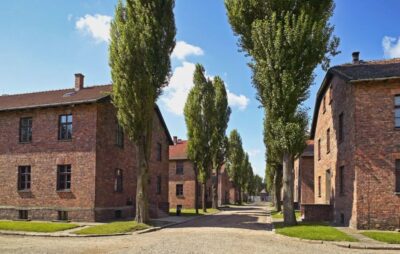
Auschwitz Guided Tour with Optional Hotel Pickup
Read our review →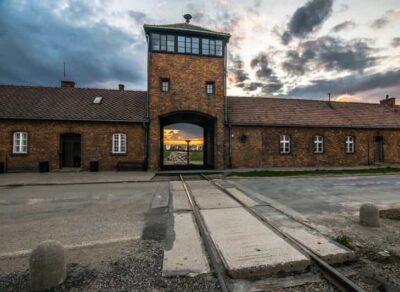
Auschwitz-Birkenau Guided Tour with Pickup & Lunch
Read our review →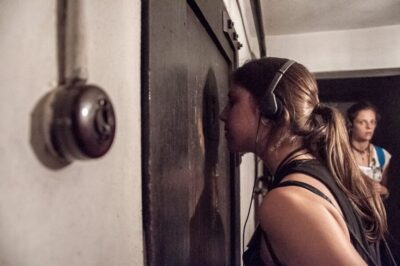
Auschwitz-Birkenau Guided Tour Pickup/Lunch Options
Read our review →
Browse the lists this tour appears in