
Reviewed · WAWEL CASTLE TOURS
Krakow: Wawel Castle & Cathedral Guided Tour
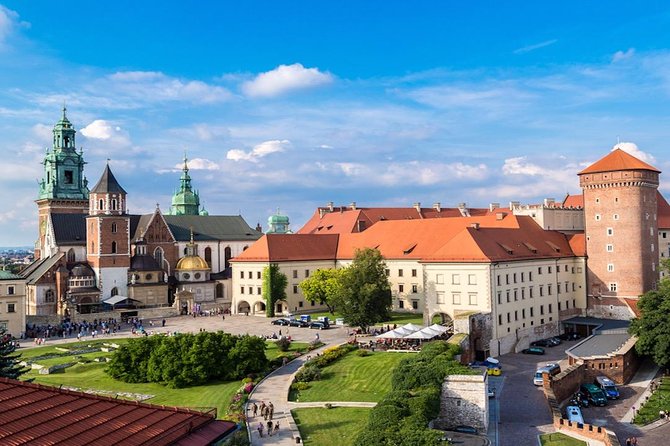
Wawel Castle and Cathedral tell Poland’s story in two very different voices: one through royal rooms, art, and military treasures, the other through coronations, funerals, faith, and national memory. The best part of this tour is the way a guide links those grand rooms to real people and turning points, rather than leaving you to guess what you are looking at.
I like the two-hour format, which gives you a strong introduction without taking half your day. I also like the chance to climb the cathedral tower and touch the Sigismund Bell for luck, an unexpectedly memorable moment. The main consideration is pace: you cover a lot, and a busy day may leave little time to linger in favorite rooms.
Key points to know before you book
- One castle exhibition is included: You enter the State Rooms, Royal Private Apartments, or Crown Treasury, depending on availability.
- The cathedral visit goes beyond the nave: You see chapels, royal tombs, the crypts, and the tower holding the Sigismund Bell.
- Guiding is the main value: Guides such as Helena, Anna, Jadwiga, and Alexandra, also called Ola, are praised for clear storytelling and strong command of Polish history.
- The meeting point is in the Old Town: Find the Piotr Skarga Monument on St. Mary Magdalene Square, not on Wawel Hill.
- Expect a fair amount of walking and stairs: Comfortable shoes matter, especially if you climb the bell tower.
- Dress modestly: Knees and shoulders must be covered in the cathedral and selected museum areas.
Why Wawel Hill matters to Krakow
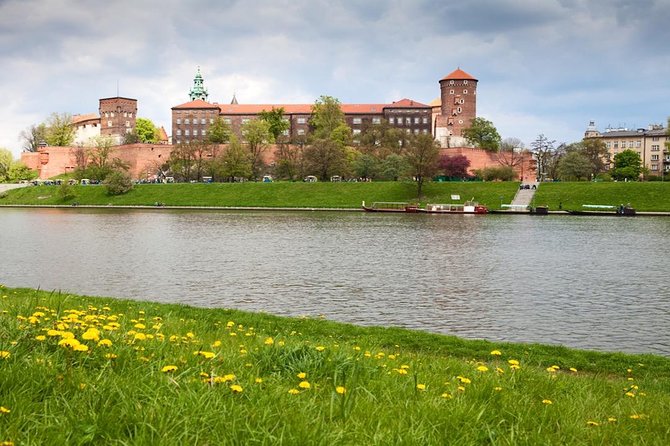
Wawel is not simply a handsome castle on a rise above the Vistula River. For centuries, it was the seat of Polish kings and one of the central places where the country’s political and religious life unfolded.
That gives the hill a special weight. You are not moving between unrelated sights. The castle represents royal power, administration, ceremony, and collecting. The cathedral represents worship, national ritual, and the memory of monarchs, poets, and heroes.
I especially like this pairing because it prevents Wawel from becoming just another palace tour. You see how a royal court worked, then move into the cathedral where kings were crowned, married, buried, and remembered.
The whole complex is part of Krakow’s UNESCO World Heritage setting. It also has a strong connection to Polish identity, which helps explain why the site can feel both like a museum and a living national symbol.
More Wawel Castle Tours in Krakow:
- Old Town Krakow & Wawel Castle Walking Tour
★ 5.0 · 1,508 reviews - Krakow: Wawel Royal Hill with Optional Castle and Cathedral
★ 4.2 · 1,220 reviews - Krakow: Wawel Castle and Cathedral Guided Tour
★ 4.6 · 595 reviews
Meeting your guide in St. Mary Magdalene Square
The tour begins at the Piotr Skarga Monument on St. Mary Magdalene Square. Look for the guide holding an excursions.city sign.
This detail matters because the meeting point is not on Wawel Hill. If you walk directly to the castle entrance and wait there, you may miss the group. Arrive at least 10 minutes early, since late arrivals cannot join once the tour has started and their tickets are not refundable.
The square is in a central part of Krakow, but give yourself enough time to find the monument and identify the correct group. The tour is offered in English, Polish, Spanish, French, German, and Italian. Each group uses one chosen language, so select carefully when booking.
Groups can reach 30 people, the limit set by the museum. That is not an intimate private walk, but headsets are supplied for groups of nine or more. This is useful inside the castle, where thick walls, crowds, and hard surfaces can make a guide difficult to hear.
Inside the castle’s royal chambers
Your castle visit includes one permanent exhibition. The specific choice is made according to availability and may be the State Rooms, Royal Private Apartments, or Crown Treasury.
That point is worth understanding before you pay. The tour does not promise all castle interiors in one visit. Wawel Castle has several separate museum sections, and this experience gives you access to one of them. If you want every exhibition, you will need additional time and possibly separate tickets.
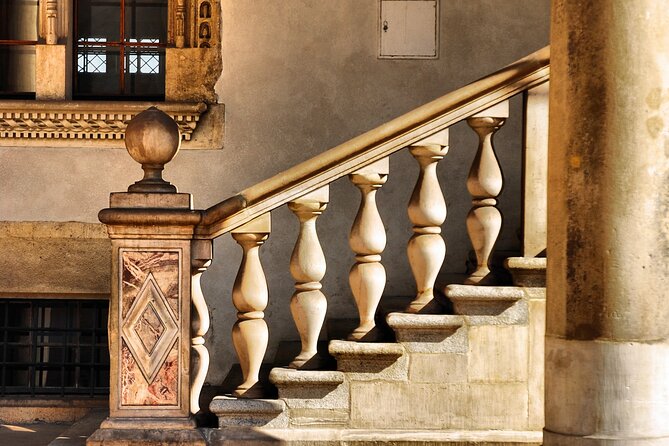
The State Rooms are the most obvious choice for visitors interested in royal ceremony. Expect grand interiors, period furnishings, paintings, sculpture, porcelain, and details designed to show how monarchy presented itself.
The Royal Private Apartments offer a more personal angle. Instead of focusing only on public display, they suggest how members of the royal household lived and moved through the castle. The boundary between official life and private life becomes easier to picture.
The Crown Treasury takes you toward royal objects, symbols, and military pieces. These displays help explain how a crown, weapon, or ceremonial item could carry political meaning far beyond its material value.
Your guide provides the thread that ties these collections together. The rooms can be beautiful enough to distract you, but the useful questions are why the object mattered, who commissioned it, and what it reveals about the court.
Flemish wall hangings and Renaissance art
Among the castle’s most important treasures are the large Flemish wall hangings commissioned by King Sigismund II Augustus. They were not merely decorative. Such costly works helped display the king’s wealth, taste, and links with European artistic centers.
You will also see Italian Renaissance works from the Lanckoroński collection. These pieces add another layer to Wawel’s identity. This was a Polish royal residence, but its art and furnishings belonged to a wider European world.
The collection also includes an unusual group of Eastern art, with the largest set of Ottoman tents in Europe. That is a useful reminder that Poland’s past was connected to trade, diplomacy, conflict, and cultural exchange far beyond the castle walls.
Pay attention to small details as well as grand paintings. One visitor specifically noticed tortoiseshell cabinets and enormous furniture weighing more than 300 kilograms. A guide can point out craftsmanship and practical features that you might otherwise walk past.
This is where the tour earns much of its price. You could read labels on your own, but a good guide tells you what deserves your attention and helps you remember it later.
A few more Krakow trips to weigh up
- From Krakow: Auschwitz-Birkenau Guided Tour & Hotel Pickup
★ 4.5 · 33,358 reviews - From Krakow: Auschwitz-Birkenau Guided Tour & Hotel Pickup
★ 4.5 · 29,340 reviews - Krakow: Auschwitz Guided Tour with Optional Hotel Pickup
★ 4.5 · 15,280 reviews - Krakow: Auschwitz-Birkenau Guided Tour with Pickup & Lunch
★ 4.5 · 9,800 reviews
Wawel Cathedral, where ceremony became history
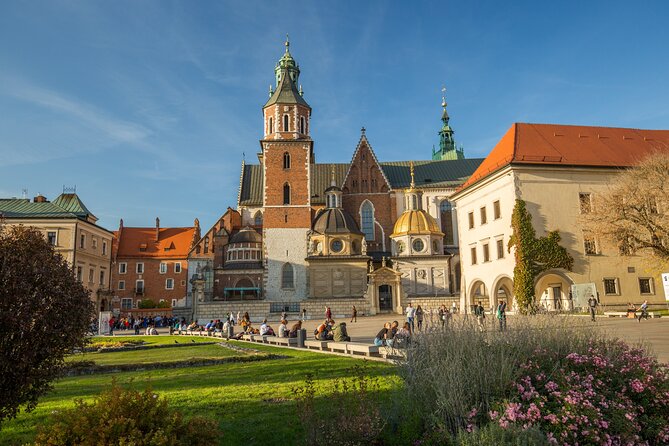
The cathedral is a Gothic church with a different mood from the castle’s formal rooms. It has witnessed royal coronations, weddings, and funerals, and its chapels and altars carry centuries of religious and national meaning.
I would give the cathedral your full attention. Several people find it more affecting than the castle because the building feels less like a display and more like a place where major events actually happened.
A guide can explain how the cathedral functioned in royal life, then help you read the layers of architecture and decoration. The visit is not only about identifying chapels. It is about understanding why this particular church became the setting for ceremonies that shaped the Polish state.
The cathedral can be very busy, especially in high season. That may limit how long you can stop in one area, and worship or museum operations can affect the route. Still, the guided structure helps you see the main spaces without losing time.
Dress is important here. Shorts and sleeveless tops are not allowed, and both men and women must cover their knees and shoulders. This is a place of worship, not just another stop on a sightseeing circuit.
Climbing to the Sigismund Bell
The bell tower is one of the tour’s most memorable details. You climb to see the mighty Sigismund Bell, and tradition says that touching it brings good luck.
Do not treat this as a throwaway photo stop. The climb adds a physical sense of scale to the cathedral. You leave the polished rooms and chapels, move upward through the tower, and encounter an object built for sound, ceremony, and public meaning.
You should wear comfortable shoes. The full tour involves walking, and the tower adds stairs and tighter movement. If you prefer a slow museum visit with long pauses, this portion may make the schedule feel brisk.
The bell is also a good example of why a guide matters. Its size and place in Polish culture are easier to appreciate when someone explains the tradition and connects it to the cathedral’s wider role.
Crypts beneath the cathedral
The final part takes you below ground to the crypts, where kings, queens, poets, and national heroes are buried.
This changes the tone again. The castle showed how rulers lived and displayed authority. The cathedral showed public ritual. The crypts bring the story down to burial, remembrance, and national grief.
Your guide shares stories of power, devotion, and legacy, helping you connect names and events to the spaces beneath your feet. If you are interested in Poland’s political struggles and its relationships with neighboring powers, this is one of the places where the country’s past feels most concentrated.
The crypts also make clear why Wawel is more than a palace museum. It is a place where generations of Polish public figures remain part of the country’s memory.
How much can fit into two hours?
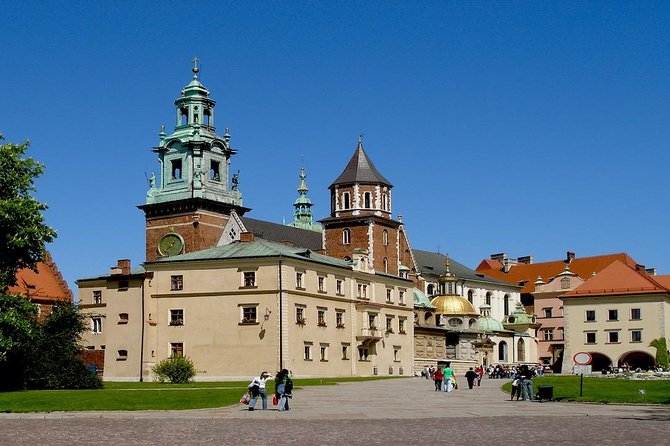
A lot, but not everything. In two hours, you can cover one permanent castle exhibition, the cathedral, the bell tower, and the crypts with a guide leading the way.
That is a sensible length for a first visit. You get the main ideas, see important interiors, and avoid spending an entire day trying to organize a large complex on your own.
The tradeoff is limited free time. One visitor found the schedule slightly tight and would have liked more time to look around independently. Another appreciated that the guide covered both buildings without making the group feel rushed.
Crowds also affect the pace. In July, the cathedral was particularly busy, and time inside was shorter than ideal. On quieter dates, the experience may feel more relaxed. Some groups are small, while others approach the 30-person museum limit.
If you want detailed study of every painting, furniture piece, or architectural feature, book this as an introduction and return later. If you want a clear route and the main stories in one efficient visit, two hours works well.
The guide makes the difference
The strongest part of this experience is the guiding. The best guides do not simply recite dates. They explain why an object matters, answer questions, and make the castle and cathedral feel connected to people rather than only to buildings.
Helena receives especially strong praise for her passion, clear explanations, humor, and ability to connect Polish history with the country’s struggles and relationships with its neighbors. Anna is described as considerate, amusing, professional, and helpful with questions about both Wawel and Krakow.
Jadwiga is praised for storytelling and smooth organization. Alexandra, also called Ola, is noted for explaining not only the castle’s history but also its paintings, furniture, and wall hangings. These names are not a guarantee of your particular guide, but they give you a sense of the standard this tour is aiming for.
A good guide also helps families. One parent found the tour engaging for children, while another group found that children talking and fidgeting disrupted the experience. If you are booking with young children, consider how well they handle a two-hour walking tour with sustained listening.
The headsets help, especially in larger groups. Still, this is a shared tour, not a private conversation. You may need to stay close and save some questions for natural pauses.
Is $57 a fair price?
At $57 per person, this is not the cheapest way to see Wawel. You are paying for the guide, a skip-the-line ticket to one permanent castle exhibition, entry to the cathedral, and the organization required to move a group through a busy museum complex.
I think the price is reasonable if you value interpretation and have only a short time in Krakow. The castle’s collections are varied, and the cathedral has enough layers to make a self-guided visit feel scattered. A strong guide can help you focus on the furniture, art, royal ceremonies, bell, and crypts in the right order.
The value is weaker if you want to wander slowly or visit every castle exhibition. You may prefer to arrange separate entries and spend more time in the areas that interest you most.
Skip-the-line access is useful, but it does not mean you will have empty rooms. Wawel can be crowded, and museum rules still shape the route. Think of the benefit as saving ticket-line time, not receiving a private castle.
The option to reserve now and pay later adds flexibility, and free cancellation is available up to 24 hours before the tour for a full refund. Those terms are useful when your Krakow schedule is still changing.
Who should book this Wawel tour?
I would recommend it to a first-time Krakow visitor who wants the essential Wawel story without spending hours planning separate museum entries.
It suits you especially well if you:
- Want a licensed local guide rather than a self-guided audio visit
- Enjoy stories about kings, art, religion, and national identity
- Have only two or three hours for Wawel
- Want to see both the castle and cathedral in one outing
- Appreciate clear explanations of art and furnishings
- Are comfortable walking and climbing stairs
You may want another option if you have limited mobility, need long pauses, or already know Wawel well. The tour includes walking through a large complex and climbing the bell tower, while the two-hour schedule leaves little room for lingering.
After the tour, you can continue exploring Wawel Hill independently. One useful suggestion is to seek out the dragon-related site after the main visit, since the guide may mention the Krakow dragon legend but the tour itself is focused on the castle and cathedral.
FAQ
Where does the Wawel Castle and Cathedral tour meet?
It meets at the Piotr Skarga Monument on St. Mary Magdalene Square. The guide holds an excursions.city sign, and the meeting point is not on Wawel Hill.
How long does the tour last?
The tour lasts two hours. Starting times vary, so check availability when choosing your date.
Which castle exhibition will I visit?
You enter one permanent exhibition at Wawel Castle. It may be the State Rooms, Royal Private Apartments, or Crown Treasury, subject to availability.
Is Wawel Cathedral included?
Yes. The cathedral ticket is included, along with access to its chapels, the bell tower with the Sigismund Bell, and the crypts included in the guided route.
What languages are available?
The tour is offered in English, Spanish, French, Polish, German, and Italian. Each group operates in one language selected at booking.
Is there a dress code?
Yes. Shorts and sleeveless tops are not allowed in places of worship and selected museum areas. Knees and shoulders must be covered for both men and women.
Can I cancel the tour?
You can cancel up to 24 hours in advance for a full refund. You can also reserve now and pay later.
Should you book it?
Book this tour if you want Wawel explained, not simply entered. The combination of royal rooms, Renaissance and Baroque art, the Gothic cathedral, the Sigismund Bell, and the crypts gives you a strong picture of Krakow’s royal and national past.
The main compromise is time. You will see a great deal in two hours, but you will not have the freedom to study every room at leisure. For most first visits, that is a fair trade, especially when the guide brings the building to life with stories and context.
Arrive early at the correct square, dress for the cathedral, wear good shoes, and expect a busy route in high season. If those conditions suit you, this is a practical and worthwhile way to begin your visit to Wawel.
Just added around Krakow
- Tour to Wadowice: Hometown of Pope Saint John Paul II★ 4.6 · 12 reviews
- The Jewish Quarter – Walking Tour★ 5.0 · 4 reviews
- From Kraków; to Białka Thermal Baths private tour★ 5.0 · 5 reviews
- St. Mary’s Basilica and more – a short walk with a guide★ 4.7 · 56 reviews
- Krakow: Auschwitz-Birkenau and Wieliczka Salt Mine Day Trip★ 4.7 · 84 reviews
- Krakow: Skip-the-Line Wawel Castle & Old Town Guided Tour★ 4.9 · 23 reviews
- Krakow: Schindler’s Factory Guided Tour★ 4.2 · 12 reviews
- Shooting Range Experience!★ 4.8 · 66 reviews
Wawel Castle Tours, compared.
Wawel Royal Hill with Optional Castle and Cathedral
Read our review →
Old Town & Wawel Castle Walking Tour in English
Read our review →
Krakow’s Essential Tour of the Old Town and Wawel Castle
Read our review →
Historic Krakow : Old Town & Wawel Castle Walking tour
Read our review →Browse the lists this tour appears in