Reviewed · KRAKOW TOURS
Krakow: Zalipie Village Tour
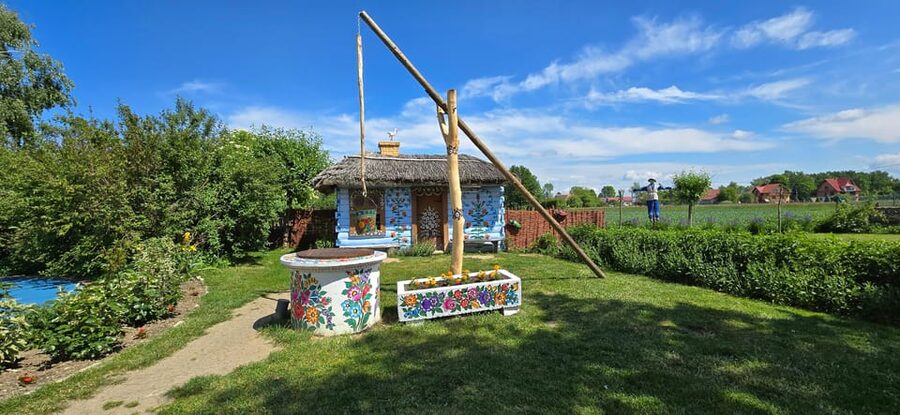
Zalipie is the Polish village where flowers escape the vase and land on almost everything: houses, fences, wells, stables, chicken coops, and church walls. The tradition began in the late 19th century and still gives this corner of Lesser Poland a look found nowhere else in Poland.
I like two things right away: the private format lets you set the pace, and a guide can help you find painted details spread across a wide village. I also like the chance to see the work as a living tradition, not just a display in a museum. A possible drawback is the six-hour round trip from Krakow, with about three hours in Zalipie, so this is best for travelers who enjoy folk art more than a packed list of major sights.
Key points to know before you book
- Floral art covers more than houses: Look for painted wells, fences, stables, chicken coops, and other small village structures.
- Dom Malarek keeps the tradition alive: The House of the Female Painters is a center for Zalipie’s folk art.
- Felicja Curyłowa Cottage adds a personal story: Visit the home of the artist who helped bring wider attention to Zalipie.
- The private car matters: Zalipie is broad and spread out, so driving between sites saves time and energy.
- St. Joseph’s Church has floral interiors: The local style reaches into a place of worship, linking village faith and art.
- Guide Damian may add useful local help: His role has included translating, finding lesser-seen spots, and introducing visitors to artists.
Why Zalipie is unlike a standard day trip from Krakow
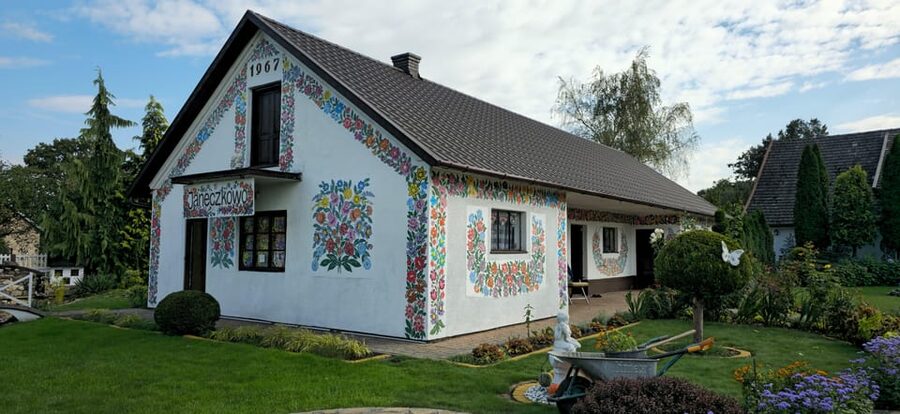
Many excursions from Krakow lead to castles, old towns, or dramatic scenery. Zalipie offers something quieter and more specific. Its appeal comes from repeated small details, often tucked onto ordinary buildings rather than placed behind glass.
You may see floral patterns around doors and windows, then find the same idea repeated on a fence or a well. The art is decorative, but it also tells you something about local life. People carried the custom beyond the main house, turning useful farm buildings into part of the village’s visual identity.
The painting tradition dates back more than a century, to the late 19th century. Over time, Zalipie became known for its floral folk art in Poland and beyond. Felicja Curyłowa played an important part in spreading its reputation, which is why her cottage is an important stop rather than a minor add-on.
I would not come expecting a large museum complex or a tightly packed sightseeing district. Zalipie is a real village, and its attractions are scattered. That makes the place feel more personal, but it also means you benefit greatly from having a car and someone who knows where to go.
Other Krakow days people book alongside this one:
- From Krakow: Auschwitz-Birkenau Guided Tour & Hotel Pickup
★ 4.5 · 33,358 reviews - From Krakow: Auschwitz-Birkenau Guided Tour & Hotel Pickup
★ 4.5 · 29,340 reviews - Krakow: Auschwitz Guided Tour with Optional Hotel Pickup
★ 4.5 · 15,280 reviews
Leaving Krakow for Lesser Poland
The tour begins with pickup at your Krakow hotel. For an apartment, the driver meets you at the front of the building, while hotel guests are collected in the lobby. The transfer is made by air-conditioned car, with an English-speaking driver and licensed guide included.
The journey takes you east from Krakow into Lesser Poland. The exact departure time depends on availability, so check the schedule before booking. Since the full activity lasts six hours, you still have room in your Krakow day, but you should treat this as a substantial half-day outing rather than a quick morning stop.
The private setup is especially useful here. In a large group, a village made up of scattered houses could feel slow or disjointed. In a private car, you can ask questions, spend more time at a favorite building, and avoid being tied to the pace of strangers.
Guide Damian is associated with this experience and has helped with translation and finding places that are easy to miss. That matters in Zalipie, where the most interesting decoration may not be at the first obvious stop. Guide quality can shape this outing, so having an English or Polish-speaking guide is a real part of the value.
Three hours among Zalipie’s painted homes
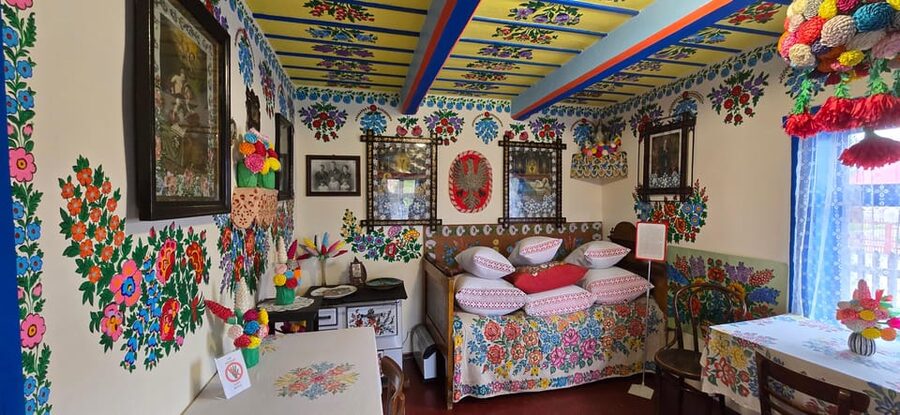
You have about three hours for sightseeing in Zalipie. That is enough time to visit the main cultural stops and see a good range of decorated buildings, though it is not an unlimited amount of time for slow photography.
The village’s floral designs are the main event. You can expect to see painted homes along with fences, wells, stables, and chicken coops. The effect is charming, but the best way to appreciate it is to look closely rather than rush from one painted facade to the next.
Notice how the artwork changes from building to building. The supplied information does not promise one fixed route through every house, and village properties can differ in what is open or visible. A local guide can help you focus on buildings that are worth your time and explain what you are seeing.
Some tours have also included visits to homes where artists still live and paint. That possibility gives the trip a more direct connection to the tradition. You are not simply viewing old decoration. You might see how the craft remains part of village life today.
Photography is a natural part of the visit. Bring comfortable clothes and shoes, since you may move between several stops and spend time outdoors. A camera or phone will get plenty of use, but remember that this is a lived-in village, not a purpose-built photo set. Be considerate around private homes and follow your guide’s direction.
Dom Malarek and the three-house museum setting
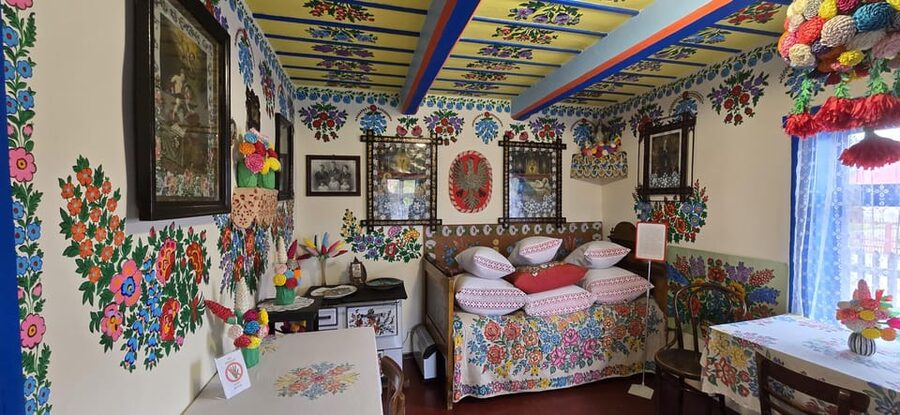
The House of the Female Painters, known in Polish as Dom Malarek, is devoted to protecting and passing on Zalipie’s floral painting tradition. It gives you context before or after you see the artwork in the village itself.
This stop helps answer a useful question: Why paint a well, stable, or chicken coop? In Zalipie, the floral style grew beyond the main home and became a broad form of local decoration. Dom Malarek makes that idea easier to understand.
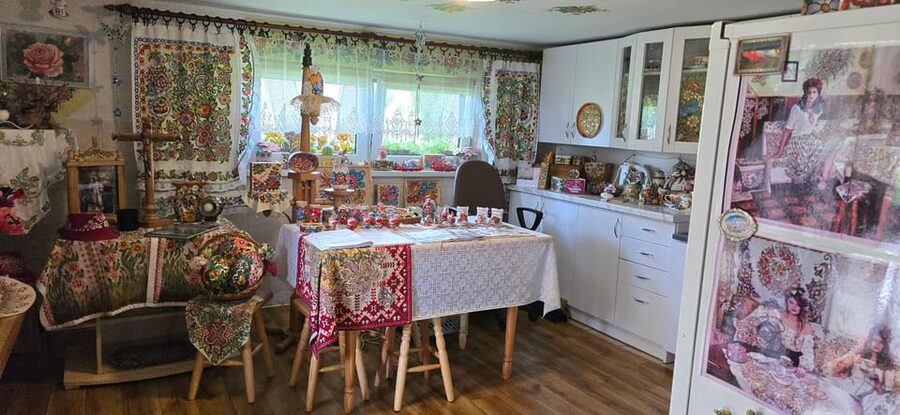
The museum area includes three typical village houses, giving you a look at traditional domestic buildings as well as painted motifs. I like this kind of stop because it connects the patterns to the setting where people lived and worked. A gallery can show you the art, but an old village house shows you how the art fit into daily surroundings.
Do not expect a huge collection that takes hours to see. The value is in the setting, the local story, and the connection between the museum and the buildings outside. If your interest is Polish folk art, this is one of the most important stops of the day. If you mainly want grand architecture, it may feel modest.
Same country, a completely different kind of day:
- Krakow–Zakopane: Cable Car, Chocholow Baths, Cheese & Vodka
★ 5.0 · 10,720 reviews - Krakow: Auschwitz-Birkenau Guided Tour with Pickup & Lunch
★ 4.5 · 9,800 reviews - From Krakow: Wieliczka Salt Mine Tour
★ 4.6 · 9,393 reviews - Krakow: Auschwitz-Birkenau Guided Tour Pickup/Lunch Options
★ 4.5 · 9,057 reviews
Felicja Curyłowa Cottage and the artist’s story
Felicja Curyłowa Cottage gives the village a human focus. Curyłowa was the artist who helped popularize Zalipie’s floral painting, and her former home helps explain why the village became known outside its immediate area.
A visit here is more meaningful if you have already looked at the painted houses. You can then see the cottage not just as another decorated building, but as part of the story of how a local custom gained recognition.
The cottage is also a useful reminder that Zalipie’s art is not anonymous decoration. Individual artists shaped the style and kept it going. Some outings may include contact with artists who still live and paint in the village, though the exact encounters can depend on the day.
This stop rewards curiosity. Ask your guide about the patterns, the artists, and the difference between a preserved home and a current residence. An English-speaking guide can translate when needed, which is particularly helpful if you meet local painters.
St. Joseph’s Church and floral folk art

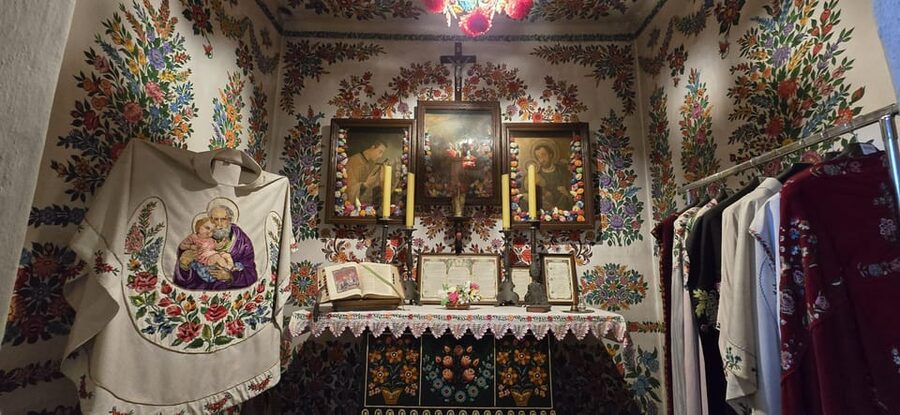
St. Joseph the Betrothed Church is a small but memorable stop. Its interior includes traditional floral motifs, showing how the village style extends into religious space.
The church matters because it puts Zalipie’s decoration in a different setting. Painted flowers are not limited to private homes or farm buildings. Here they share space with worship, connecting the village’s artistic habits with its spiritual life.
You should expect a modest local church rather than a grand European basilica. That is part of the appeal. The visit is short enough to fit comfortably into the three-hour village stop, yet it adds variety after seeing painted homes and museum buildings.
The church also makes a good comparison point. Outside, flowers brighten practical structures. Inside, the motifs become part of a sacred environment. Your guide can help explain the local meaning and point out details you could easily overlook.
Other village sights can include a decorated fire brigade station and additional artist homes. These details show why driving with a local guide helps. Zalipie is not a single monument with a clear entrance and exit. Its character is spread across the village.
What the private format adds
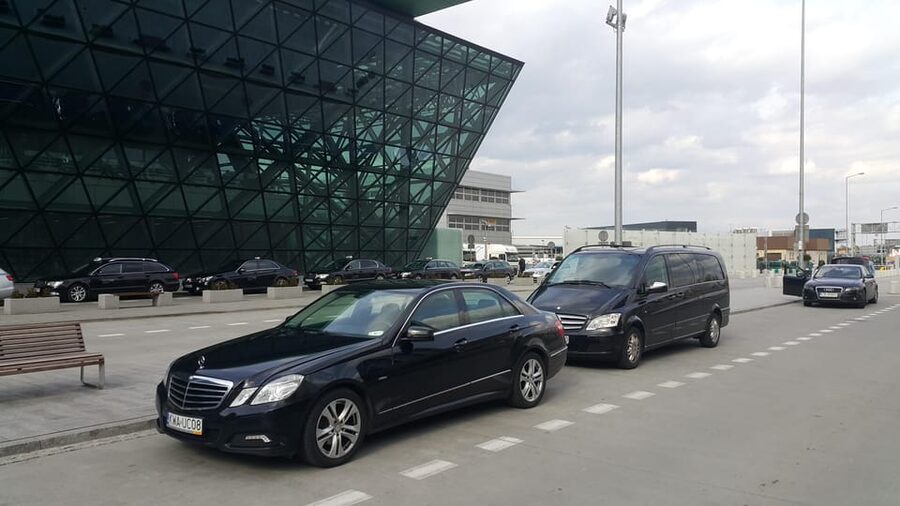
This is a private-group tour, with hotel pickup and drop-off included. The car is air-conditioned, and both the driver and guide speak English, with Polish also available.
The private format does not make the village larger or the drive shorter, but it gives you flexibility. You can ask for more explanation at Dom Malarek, spend longer photographing a painted structure, or move on when you have seen enough.
It also helps with the geography. One of the strongest practical points about Zalipie is that the village is broad and spread out. Walking between every stop would not be the most efficient use of a three-hour visit. Having a car lets you see more without turning the day into a long march.
There is one detail to clarify when booking: the information names both a live guide and an English-speaking driver. That means you should expect communication during the trip, but the exact division between driving and guiding may vary. If you want a particular guide, such as Damian, ask the provider when arranging the tour.
Is $128 a fair price?
At $128 per person, this is not the cheapest way to take a short Polish village outing. The price includes private transportation from Krakow and back, hotel pickup and drop-off, entrance tickets, a licensed English-speaking guide, and an English-speaking driver.
That package changes the calculation. You are not paying only for admission to a small museum. You are paying to avoid working out transport to a spread-out village, to have someone locate the main painted sites, and to receive explanations in English.
The value is strongest if you want a comfortable private trip and have limited time in Poland. It is also more appealing if you care about the cultural background behind the paintings. Someone who only wants a few colorful photographs may find the price harder to justify.
I would compare the cost with your alternative. If reaching Zalipie independently would require several transport changes, uncertain local connections, or arranging separate tickets and navigation, the included car and guide may make the price reasonable. The tour also removes the need to plan the route yourself.
The experience has a 4.6 rating from eight verified bookings, including several five-star assessments. That is a positive signal, though the sample is small. I would place more weight on the specific strengths of the outing: guide service, careful driving, translation, access to scattered village sights, and the chance to meet artists when timing allows.
Who will enjoy this tour most?
I would recommend Zalipie to you if you like folk art, small communities, photography, and cultural traditions that still have a place in everyday life. It suits couples, families, and small private groups who prefer a calm day outside Krakow.
It is also a good choice for anyone who wants something different from Poland’s most famous historic attractions. You will not get a long list of major monuments. Instead, you get one strong theme explored through homes, farm buildings, a museum, an artist’s cottage, and a church.
You may want to skip it if you have only one day in Krakow and want to focus on the city’s essential sights. The six-hour duration takes a sizeable part of your schedule. The village is also not the best match if you dislike small museums, rural settings, or repeated visual motifs.
Wear comfortable shoes and clothes. You do not need special equipment, but you should be ready to move between stops and spend part of the visit outside.
Should you book the Zalipie tour?
Book this trip if you want to see Polish folk art in the place where it developed, with a guide who can connect the paintings to local people and daily life. The private car is a major advantage because Zalipie’s sights are spread out, and the included tickets and pickup make the day simple.
I would be more cautious if your priority is maximum sightseeing variety. Zalipie is a focused outing, not a broad tour of Lesser Poland. Its reward comes from looking carefully at an unusual village tradition and hearing the story behind it.
For the right reader, $128 buys more than a ride to painted houses. It buys access, context, and a practical way to see a rural place that is difficult to handle efficiently on your own.
FAQ
Where does the Zalipie tour begin and end?
The tour begins with pickup in Krakow and returns you to Krakow after sightseeing in Zalipie.
How long does the tour last?
The full activity lasts six hours, including transportation from Krakow and back. The sightseeing portion in Zalipie lasts about three hours.
Is hotel pickup included?
Yes. Hotel pickup and drop-off are included. The driver meets hotel guests in the lobby and apartment guests at the front of the building.
What language is the tour offered in?
The tour is available in English and Polish. The experience includes an English-speaking guide and an English-speaking driver.
Is this a private tour?
Yes. The tour is organized for a private group.
What places will I visit in Zalipie?
The tour includes Dom Malarek, also called the House of the Female Painters, Felicja Curyłowa Cottage, painted village buildings, and St. Joseph the Betrothed Church.
What should I bring?
Bring comfortable shoes and comfortable clothes. You may also want a camera or phone for photographing the village’s painted homes and smaller decorated structures.
Just added around Krakow
- Tour to Wadowice: Hometown of Pope Saint John Paul II★ 4.6 · 12 reviews
- The Jewish Quarter – Walking Tour★ 5.0 · 4 reviews
- From Kraków; to Białka Thermal Baths private tour★ 5.0 · 5 reviews
- St. Mary’s Basilica and more – a short walk with a guide★ 4.7 · 56 reviews
- Krakow: Auschwitz-Birkenau and Wieliczka Salt Mine Day Trip★ 4.7 · 84 reviews
- Krakow: Skip-the-Line Wawel Castle & Old Town Guided Tour★ 4.9 · 23 reviews
- Krakow: Schindler’s Factory Guided Tour★ 4.2 · 12 reviews
- Shooting Range Experience!★ 4.8 · 66 reviews
Krakow Tours, compared.
Auschwitz-Birkenau Guided Tour & Hotel Pickup
Read our review →Auschwitz-Birkenau Guided Tour & Hotel Pickup
Read our review →
Auschwitz Guided Tour with Optional Hotel Pickup
Read our review →
Zakopane: Cable Car, Chocholow Baths, Cheese & Vodka
Read our review →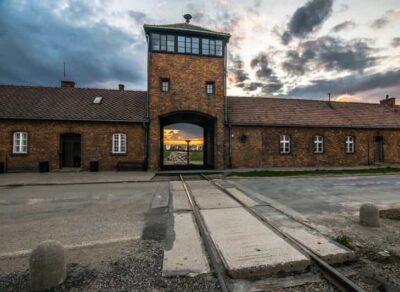
Auschwitz-Birkenau Guided Tour with Pickup & Lunch
Read our review →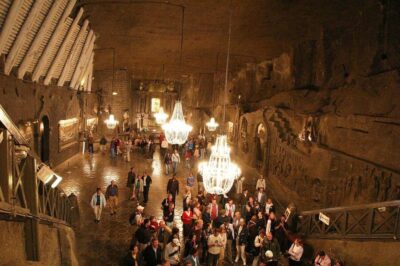
Auschwitz-Birkenau Guided Tour Pickup/Lunch Options
Read our review →