Reviewed · KRAKOW TOURS
TOUR AL CAMPO DE CONCENTRACIÓN DE PLASZOW. El campo de la Lista de Schindlert.
Plaszow is not a polished museum. It is an open site of former barracks, quarries, execution grounds, cemetery ruins, and memorials spread across the southern edge of Krakow. This four-hour Spanish-language walk helps you read the ground and understand the camp’s role in Schindler’s List without reducing the visit to movie scenery.
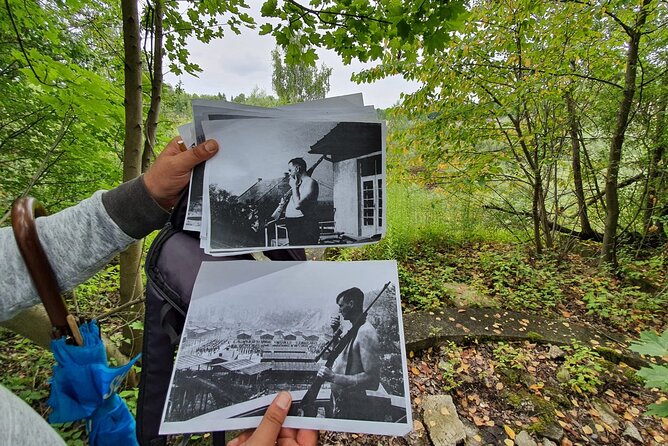
I like the small maximum group of 20, and I like that guides such as David bring old photographs to show how the site once looked. The main drawback is that you must pay for public transport separately, and the tour can be canceled in bad weather.
Key points at a glance
- Just 3 km from Krakow’s center: The camp is close enough for an easy half-day visit.
- A serious, open-air historical site: Expect ruins, memorials, execution locations, and uneven emotional weight rather than a formal museum.
- Native Spanish-speaking guide: David is specifically named as the guide, and he can arrange a nearby meeting point in some cases.
- Historic photos add vital context: They help you understand where buildings and camp areas once stood.
- Four hours on foot: Most of the route is easy to walk, but comfortable shoes and weather-ready clothing matter.
- Strong value at $40.49: The cost covers the guide, while public transport costs about $2 extra.
Why Plaszow feels different from a typical Krakow tour
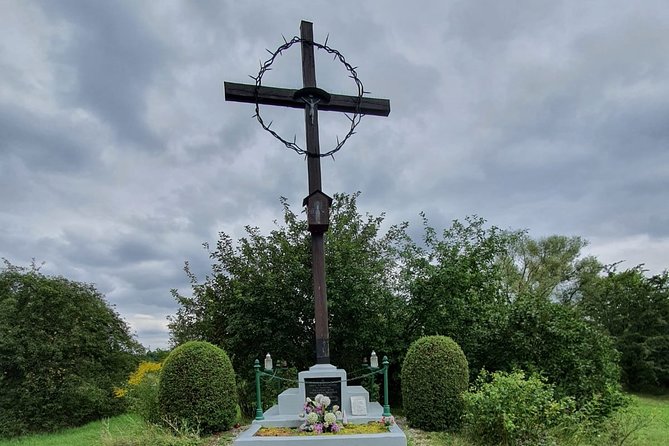
Plaszow was one of the largest and most grim concentration camps connected with Krakow during the Second World War. Today, much of the site is open ground, ruins, roads, and memorial spaces. Without guidance, you might see a quiet area and struggle to understand what stood there.
That is the reason I see this tour as more than a simple walk around a film location. The guide points out the former camp zones and explains how they fit together. You visit the administrative areas, prisoner barracks, forced-labor quarry, Jewish cemetery ruins, and places linked to mass executions.
The site also became known to a wider audience through Steven Spielberg’s Schindler’s List. The film recreated parts of Plaszow, and the tour includes the location used for the camp in the movie. Still, the real value is the history beneath the film connection. The movie offers a doorway into the subject, but the visit needs to move beyond cinema.
I would set aside four hours for this experience. That gives the guide time to explain the place without racing from one stop to the next. It also means you should not book it as a quick add-on between tightly scheduled Krakow activities.
Other Krakow days people book alongside this one:
- From Krakow: Auschwitz-Birkenau Guided Tour & Hotel Pickup
★ 4.5 · 33,358 reviews - From Krakow: Auschwitz-Birkenau Guided Tour & Hotel Pickup
★ 4.5 · 29,340 reviews - Krakow: Auschwitz Guided Tour with Optional Hotel Pickup
★ 4.5 · 15,280 reviews
Starting at Sienna 2a at 10:30 in the morning
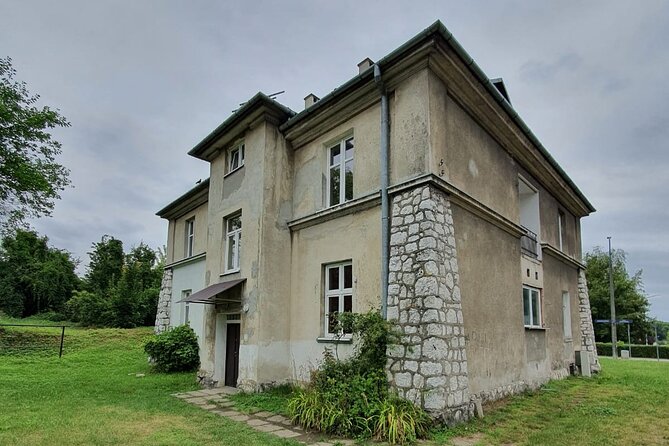
The tour starts at Sienna 2a, 31-041 Krakow, at 10:30 am, and returns to the same meeting point. Public transport is not included, so allow about $2 for the journey.
The meeting point is near public transportation, which keeps the logistics simple. One useful detail is that David has sometimes suggested a point closer to a participant’s hostel. You should not assume this will happen automatically, but it is worth asking after booking if reaching Sienna 2a is difficult.
A mobile ticket is included, so you can keep the booking confirmation on your phone. Confirmation is sent when you reserve. I would save it before leaving your accommodation, especially if you plan to rely on your phone during the day.
The morning start works well for a half-day plan. You can visit Plaszow first and still have the afternoon for Krakow’s old town, Kazimierz, or another museum. The four-hour length is also useful because this is not a site you should try to understand in a rushed hour.
Reading the Grey House and the camp administration
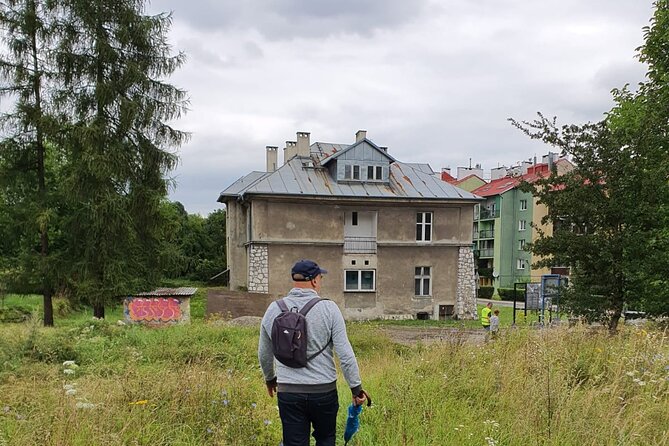
One of the first important areas is the Grey House, identified as the office of Amon Göth. Göth was the camp commandant, and placing his office within the wider camp layout helps you understand how authority was organized.
The route also includes the central telephone office, SS headquarters, and SS barracks. These stops may not look dramatic today, but they give the camp a structure. You are not only seeing where prisoners lived. You are also seeing the offices and facilities that supported the system controlling them.
This is where a guide matters most. A ruined wall or patch of ground cannot explain its original use on its own. David’s approach, based on the supplied tour information and experience described in the material, includes careful explanation and historic photographs. Those images can help you compare the present-day site with its wartime appearance.
The group limit of 20 is a practical advantage here. A guide can usually speak to a group of that size without the walk becoming a large crowd. If your group is small, you may get more space for questions. The tour information does not promise a private visit, but a small group gives the experience a more personal feel than a big coach excursion.
The Jewish cemetery ruins and the memorial for September 10, 1939
The tour visits the ruins of the Jewish cemetery and the remains of the Jewish mortuary. These are not just broken structures. They point to the destruction and reuse of places connected with Jewish life in Krakow.
You also see the monument for victims of September 10, 1939. This adds another layer to the visit because Plaszow is not only about the camp’s prisoner population and later operations. The memorial connects the site to earlier wartime violence and to the people killed there.
I recommend slowing down at these locations. The schedule allows four hours, so you should have time to listen rather than treating every stop as a photo opportunity. Photography may be possible in parts of the site, but the subject calls for restraint. The tour description does not set specific photography rules, so follow the guide’s instructions and the tone of the memorial spaces.
Same country, a completely different kind of day:
- Krakow–Zakopane: Cable Car, Chocholow Baths, Cheese & Vodka
★ 5.0 · 10,720 reviews - Krakow: Auschwitz-Birkenau Guided Tour with Pickup & Lunch
★ 4.5 · 9,800 reviews - From Krakow: Wieliczka Salt Mine Tour
★ 4.6 · 9,393 reviews - Krakow: Auschwitz-Birkenau Guided Tour Pickup/Lunch Options
★ 4.5 · 9,057 reviews
The Polish prisoner camp and Jewish prisoner barracks
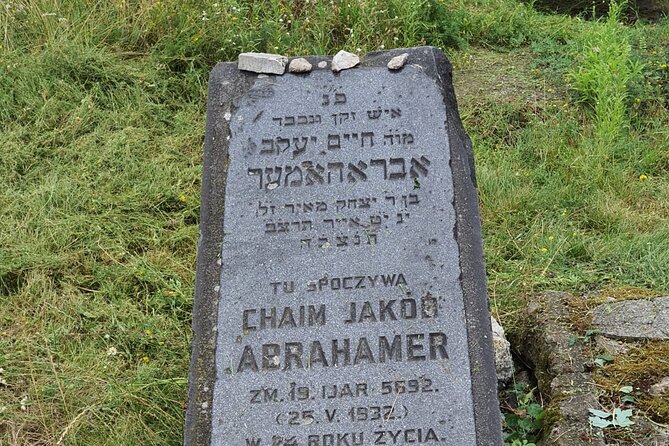
Plaszow included areas for Polish prisoners and Jewish prisoners. The route points out the Polish prisoner camp, the central camp square, Jewish prisoner barracks, and the camp’s functional buildings.
These stops help you see the difference between a single camp entrance and a working camp complex. The central square and barracks areas were part of daily control, movement, and confinement. Functional buildings served the practical needs of the camp system, even though many are no longer intact.
Do not expect a fully reconstructed camp. That is both the strength and the challenge of Plaszow. The lack of preserved buildings makes the site less immediately legible than a museum with rooms, signs, and objects. In return, the guide can help you imagine the scale and organization without pretending the ruins are complete.
This is also why I would not recommend visiting alone if you want a serious historical understanding. You can walk through the area independently, but a guided route links the scattered locations. The film connection may draw you there, while the explanations give the visit its real purpose.
The forced-labor quarry and Amon Göth’s residence
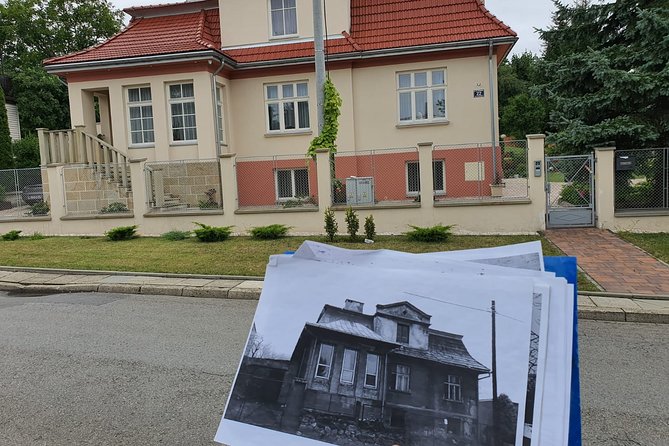
The route includes the quarry, where prisoners were used for forced labor. The quarry is an especially important stop because it shows how the camp exploited people for physical work, not simply confinement.
You also visit the site of Amon Göth’s residence. Seeing the commandant’s home as part of the wider route places private life and camp power in close relation. The tour information identifies this as his residence, but it does not promise an intact interior or a museum-style visit.
The quarry may require more attention to footing than the main paths. Most of the tour is described as easy to walk, but this is still an outdoor site. Wear sturdy, comfortable shoes rather than city sandals. In wet weather, ground conditions can change, and the experience itself may be canceled if conditions become poor.
Two mass-execution sites and the weight of the visit
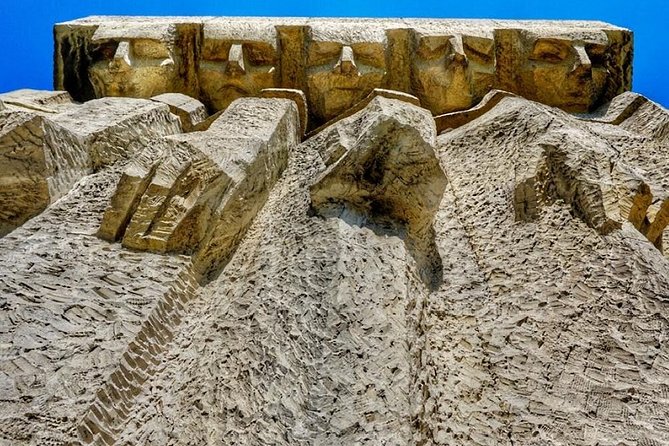
The itinerary includes the main place of mass executions, Hujowa Gorka, and a second location described as another mass-execution site. These are among the most difficult parts of the tour.
A visit here is not light sightseeing. The minimum recommended age is 14, and that guidance makes sense. Young people who have studied the period may find the tour meaningful, but parents should consider the subject matter and the four-hour length before booking.
The guide’s role is especially important at these locations. A careful explanation can prevent the site from becoming a series of shocking names and grim facts. At the same time, you should expect a sober tone. This is not a theatrical reenactment, and the tour should not be treated as entertainment.
The memorial for the camp’s victims provides a place to reflect after the execution sites. The route moves between historical explanation and physical remains, which can make the scale of the crimes easier to grasp. You may find the open setting emotionally demanding because ordinary Krakow is close by, yet the history of the place is so severe.
Seeing the movie location without confusing film and history
Schindler’s List recreated the Plaszow camp for the screen, and the tour includes the location used for the camp in the film. For anyone interested in Spielberg’s work, this is a useful part of the route.
Still, I would keep your expectations clear. You are not visiting a permanent movie set, and the tour does not promise props, costumes, or recreated scenes. You are walking through the real historical area and learning where the film’s camp sequences were produced.
The distinction matters. A movie can make a site familiar, but it can also simplify it. The guide helps connect the cinematic version with the actual camp areas, including the Grey House, barracks, quarry, cemetery ruins, and execution grounds.
Historic photographs are particularly helpful here. They let you compare the present terrain with earlier images and understand why some parts were recreated for filming. If you come mainly for the movie, you will get that connection. If you come for the history, the movie remains a useful but limited part of the experience.
What $40.49 buys you, and where the value lies
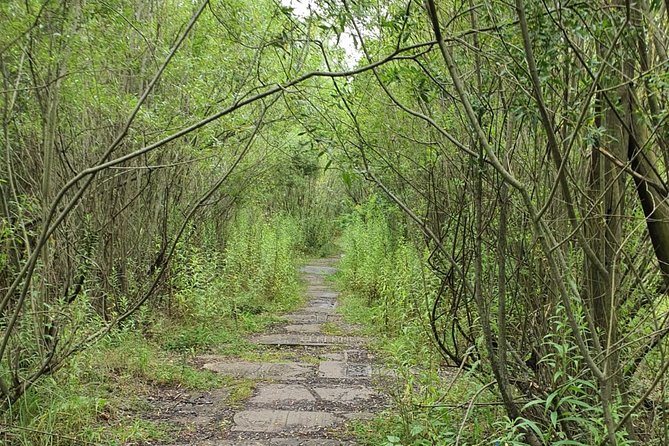
The price is $40.49 per person. Admission to the site is listed as free, and public transport costs about $2 extra. So the main thing you are paying for is the Spanish-speaking guide and the organized four-hour interpretation of a difficult, scattered place.
That can be good value if you want context. A free walk through Plaszow may save money, but it may also leave you unsure about the locations and their significance. Here, the guide connects a long list of sites into one story and gives you a route through the camp’s different sections.
The value is strongest for Spanish-speaking visitors who want to ask questions and follow a detailed explanation in their own language. It is also useful if you have already seen Schindler’s List and want to understand the real places behind the film.
The price may feel high if you want only a short film-location stop or a casual walk. This is a serious four-hour visit, not a quick photo outing. I would compare it with the cost of other guided historical experiences in Krakow, but the decision comes down to how much explanation you want.
The maximum group size is 20. That is not a private tour, but it is modest enough to keep the guide’s commentary manageable. In some cases, you may find yourself in a much smaller group. David is described as willing to spend extra time and answer questions when the group size allows, but that should be treated as a possibility rather than a guarantee.
Practical advice for clothing, age, and mobility
Plaszow is mostly easy to walk, but it is an outdoor historical site. Wear comfortable shoes and clothing suited to the day’s weather. You should check the forecast before leaving because poor weather can lead to cancellation.
The tour is not wheelchair accessible. The information says most participants can take part, but anyone with mobility concerns should consider the open terrain and the four-hour walking time before booking.
It is not recommended for pregnant women. The tour also gives a minimum recommended age of 14. That is not a legal age limit in the information provided, but it is useful guidance because the subject matter includes imprisonment, forced labor, and mass executions.
Bring water and keep your phone charged for the mobile ticket. The tour details do not list food, drinks, or transportation as included, so plan those separately. Since the activity returns to the starting point, you can arrange the rest of your day from the same part of Krakow.
Free cancellation is available if you cancel at least 24 hours before the 10:30 am start. Cancellations made less than 24 hours in advance are not refunded, and changes in that period are not accepted. If bad weather forces the operator to cancel, you are offered another date or a full refund.
Who will get the most from this Plaszow visit
I would recommend this tour if you want a focused look at one of Krakow’s most difficult historical sites and prefer to learn in Spanish. It suits people interested in the Holocaust, wartime Krakow, Jewish history, or the real locations connected with Schindler’s List.
It is also a strong choice if you dislike trying to decode a large open site on your own. The route covers the camp’s administrative buildings, prisoner areas, cemetery ruins, quarry, residence, memorials, and execution sites, so the guide gives you a useful framework.
I would think twice if you have limited time, dislike walking outdoors, or want a light movie-themed excursion. The material is serious, the visit lasts about four hours, and the site can be canceled in poor weather.
Should you book the Plaszow concentration camp tour?
Book it if you want the history explained carefully and you can give the site a full morning. The Spanish guide, small group limit, historic photographs, and broad route make the $40.49 fee reasonable for someone seeking context rather than a quick stop.
Skip it if you want a polished museum, indoor comfort, or a short Schindler’s List filming tour. Plaszow asks for attention and respect. For the right visitor, that is precisely its value.
FAQ
Where does the Plaszow tour start?
The tour starts at Sienna 2a, 31-041 Krakow, Poland.
What time does the tour begin?
The start time is 10:30 am.
How long does the experience last?
The tour lasts approximately four hours.
Does the tour return to the starting point?
Yes. The activity ends back at the meeting point.
Is public transportation included?
No. Public transport is not included. The estimated extra cost is about 2 euros.
Is admission to Plaszow included?
The tour information lists admission as free.
What language is the tour in?
The tour includes a native Spanish-speaking guide.
Is the tour wheelchair accessible?
No. The experience is not accessible for people who use wheelchairs.
Is there a recommended minimum age?
The recommended minimum age is 14.
What happens if bad weather cancels the tour?
If poor weather causes cancellation, you are offered an alternative date or a full refund.
Just added around Krakow
- From Krakow: Zakopane and Dunajec River Rafting Tour★ 4.6 · 31 reviews
- From Krakow: Zakopane and Gubałówka Cable Car Private Tour★ 4.3 · 12 reviews
- From Krakow: Zakopane Full-Day Tour with Lunch Option★ 4.4 · 62 reviews
- From Krakow: Zalipie and Painted Village Guided Tour★ 4.0 · 4 reviews
- From Krakow: Zakopane Tatra Mountains & Hot Springs Tour★ 3.0 · 29 reviews
- From Krakow: Zakopane and the Tatra Mountains★ 4.7 · 36 reviews
- From Krakow: Hot Springs and Zakopane with Gubałówka★ 4.7 · 25 reviews
- Zakopane & Tatra Mountains Private Full-Day Tour from Krakow★ 4.5 · 33 reviews
Krakow Tours, compared.
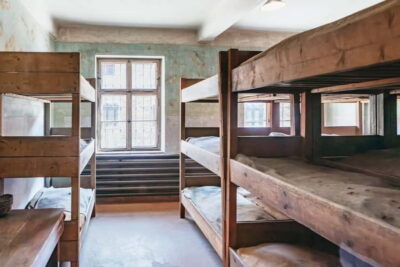
Auschwitz-Birkenau Guided Tour & Hotel Pickup
Read our review →Auschwitz-Birkenau Guided Tour & Hotel Pickup
Read our review →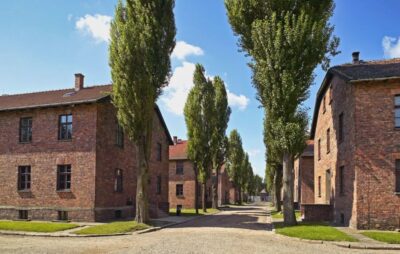
Auschwitz Guided Tour with Optional Hotel Pickup
Read our review →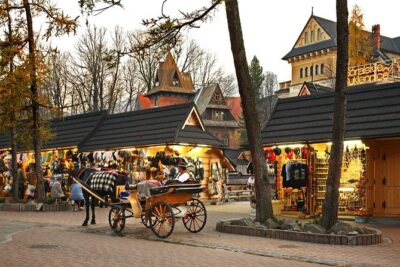
Zakopane: Cable Car, Chocholow Baths, Cheese & Vodka
Read our review →
Auschwitz-Birkenau Guided Tour with Pickup & Lunch
Read our review →
Auschwitz-Birkenau Guided Tour Pickup/Lunch Options
Read our review →