
Reviewed · POLISH FOOD TOURS
Warsaw: 4-Hour Polish Food Tour
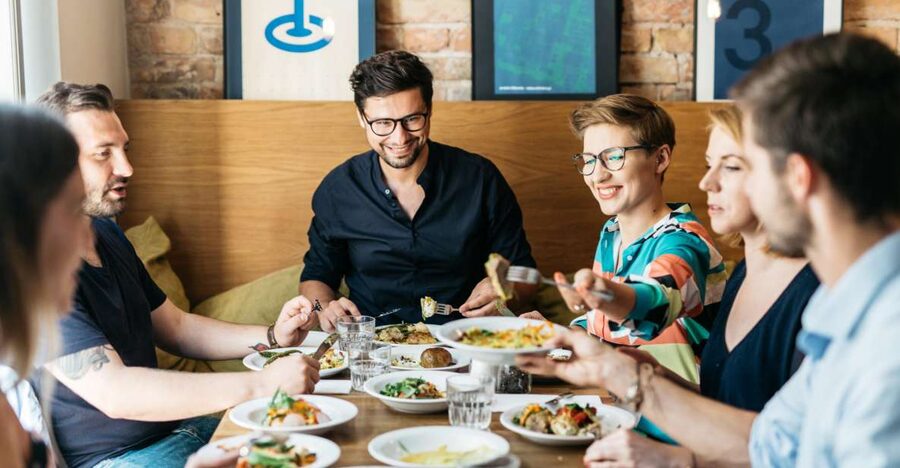
Warsaw’s best food lesson is not a single plate of pierogi. It is the full Polish table: soup, cheese, bread, pork, dumplings, cabbage, a serious main course, and dessert. This four-hour walking tour takes you through 4 to 6 carefully selected places and feeds you the equivalent of a full meal along the way.
I like the small group, limited to eight, because it gives you room to ask questions and hear the guide. I also like the range, from familiar pierogi to Polish cheeses, street food, sit-down dishes, and newer interpretations of local cooking. The main drawback is simple: at $115 per person, it is not a cheap snack tour, and vegetarians may find much of the menu difficult.
Key points to know before booking
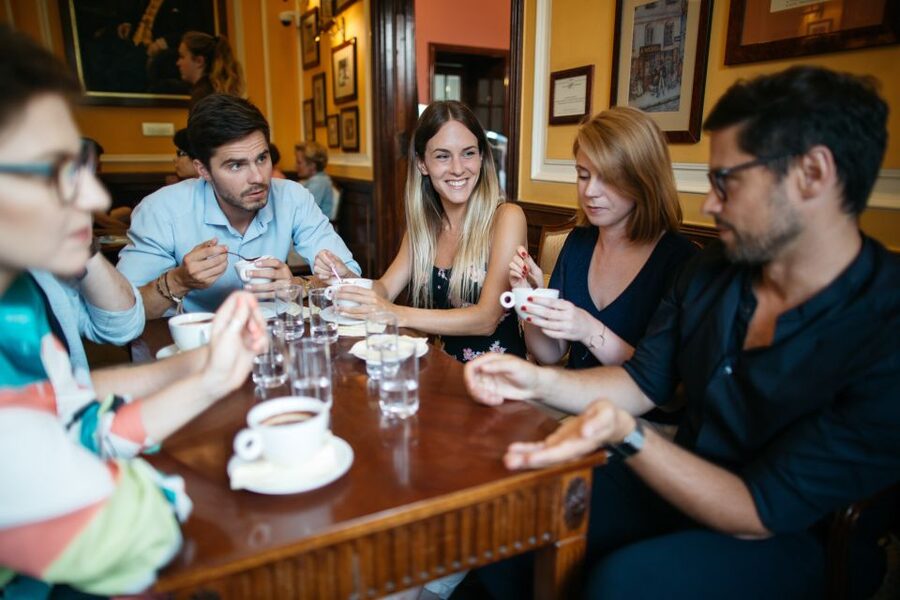
- About 10 tastings make this a full meal: Plan on starters, appetizers, soup, main courses, and dessert.
- The food goes beyond pierogi: You learn about gołąbki, schabowy, Polish cheeses, bread, drinks, and traditional customs.
- The group is capped at eight: That suits anyone who wants a personal guide rather than a large procession.
- Guides add Warsaw context: Michal, Michael, Anna, Ana, and Agata have led tours, with food and local history woven together.
- The walking is useful but modest: You move between eating places, so comfortable shoes matter.
- Polish pork is central: Vegetarians should contact the operator about adjustments before arriving.
Why this tour is more than a pierogi stop
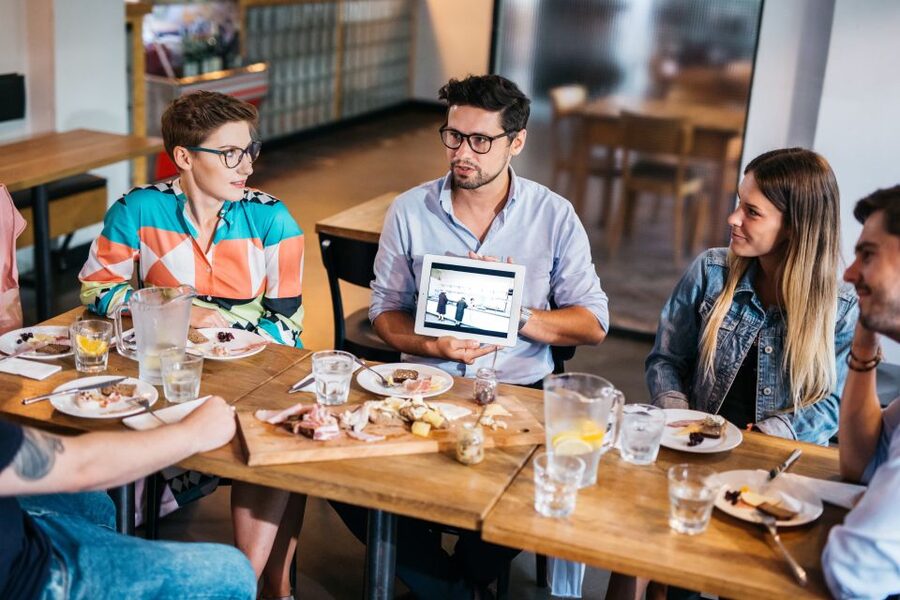
Polish food is often reduced to pierogi on English-language menus. Those dumplings deserve their fame, but they are only one part of the story. This tour uses food to explain how Polish people eat at home, what they expect from a host, and why certain everyday products can stir up strong memories.
You will learn what pierogi, gołąbki, and schabowy actually are, rather than simply hearing their names on a menu. You also get the useful context that makes each dish easier to understand. A plate of cabbage rolls means more when you know where it fits into a traditional meal. A pork cutlet becomes more interesting when you can compare it with the way similar dishes appear in other countries.
The guides also talk about ordinary food matters that visitors might otherwise miss. Why do Poles complain about bread quality? Why can some people still long for food made in the 1970s? Why should you be careful when someone invites you for just a cup of coffee?
These details make the tour feel like a conversation about Polish life, not simply a parade of restaurant samples.
More Polish Food Tours in Warsaw:
- Half-Day Polish Food Walking Tour with Guide and Dinner
★ 4.5 · 381 reviews - Warsaw: Polish Food Tour
★ 4.1 · 216 reviews - Pierogi Cooking Class with Market Shopping and Local Snacks
★ 5.0 · 343 reviews
Meeting at the palm tree in central Warsaw
The meeting point is the Charles de Gaulle roundabout at 1:00 PM. Look for the large palm tree in the middle of the roundabout, then walk to the green square beside it.
Your guide waits near the monument of a woman holding a wounded soldier on her lap, at the corner of Nowy Świat, Smolna, and Al. Jerozolimskie. This is a busy central location, so give yourself a little time to identify the correct monument and square.
The tour lasts four hours and is conducted in English. There is no hotel pickup or drop-off, so you need to reach the starting point yourself. After meeting the guide, expect to walk between the selected food places rather than sit in one restaurant for the entire afternoon.
That format matters. You get movement, changing settings, and a sense of how the food fits into the city. It also means you should wear comfortable shoes. The walking is not presented as a strenuous hike, but you will be on your feet between tastings.
Four to six places, with the equivalent of dinner
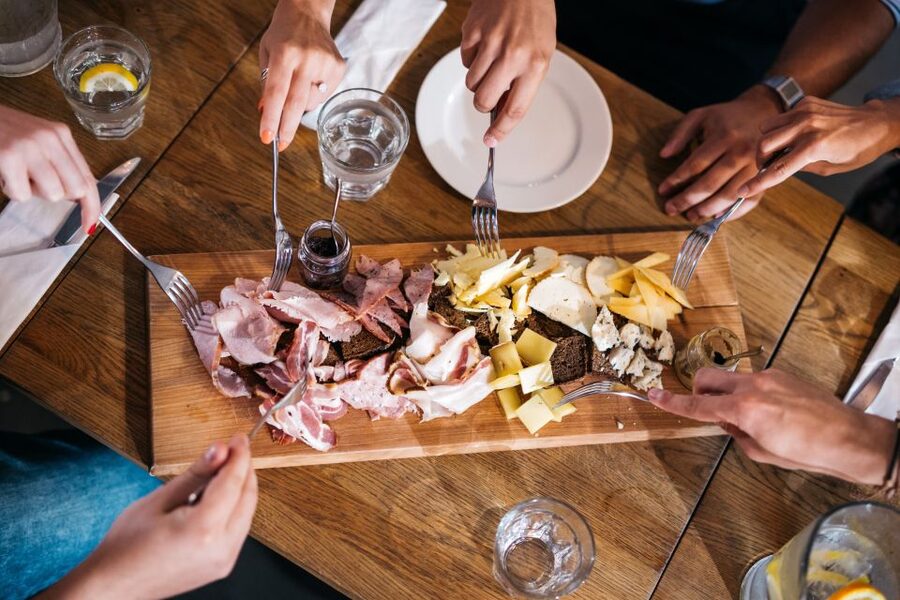
The exact establishments and order can vary, but the plan is clear: you visit 4 to 6 places and try approximately 10 tasting plates. The portions together equal a full meal, and dessert is included.
That is a generous amount of food. The operator gives sound advice: eat breakfast, skip lunch, and arrive hungry. If you eat a normal lunch first, you may spend the second half of the tour wishing the portions were smaller.
The variety is the point. Instead of judging Polish cooking by one dumpling, you can compare textures, flavors, and styles across several courses. The meal may include starters, appetizers, soup, main courses, and sweets. Water is provided at most places.
Some stops are sit-down restaurants, while others may feel more casual or street-food oriented. That mix keeps the afternoon from becoming repetitive. It also lets you see how Polish food works in different settings, from traditional dishes to newer versions of local cooking.
One useful feature is the written summary provided after the tour. It includes tips on recommended places, giving you a practical list for the rest of your stay. That can be worth more than another plate on the day itself, especially if you want to continue trying Polish food on your own.
Pierogi, gołąbki, and schabowy explained properly
Pierogi are the obvious starting point, but the tour does not treat them as the finish line. You learn what the classic fillings and preparations mean in Polish cooking, including the familiar cheese-and-potato version that appears on many restaurant menus abroad.
Gołąbki are cabbage rolls, usually associated with a filling wrapped in cabbage leaves. They show how Polish cooking turns simple ingredients into a filling, home-style dish.
Schabowy is a breaded pork cutlet. It is an important traditional dish, but one point deserves honesty: it may remind you of schnitzel or similar cutlets found elsewhere in Europe. One person specifically felt this was the least distinctive tasting and would have preferred something more uniquely Polish.
That is a fair consideration. The dish still helps explain a classic Polish dinner, but if you want every bite to be unusual, schabowy may not be the most exciting plate of the afternoon. The broader menu helps balance that familiar course with Polish cheeses, soups, cabbage dishes, desserts, and local drinks.
A few more Warsaw trips to weigh up
- Warsaw: Polish Vodka Museum Tour with Tasting
★ 4.6 · 788 reviews - Warsaw’s No 1 cooking class-Polish dumplings with liqueur tasting
★ 5.0 · 576 reviews - Warsaw Food Tasting Tour with Delicious Poland
★ 5.0 · 277 reviews - Warsaw Traditional Food Tour with Adrian
★ 5.0 · 113 reviews
The Polish dinner table, from soup to dessert
A traditional Polish dinner is not just a main course. The structure often includes several stages, and this tour gives you a chance to experience that rhythm in a condensed form.
You may begin with starters or appetizers, then move to soup, followed by a substantial main dish. The generous portions reflect a Polish hosting custom: serve enough food to make the table feel overloaded. That is why the meal can feel bigger than the word tasting suggests.
Soup has a proper place in this progression. It is not merely a warm extra before the main dish. Along with bread, cheese, cabbage, meat, and dumplings, it helps show the balance of everyday Polish meals.
Dessert closes the experience, and one of the tour’s more unusual lessons connects a traditional Warsaw sweet with a bridge. The supplied information does not name the dessert, so you will need to hear the story from the guide on the day. That mystery is part of the appeal, but do not book this expecting a pastry class or a detailed cooking demonstration. This is an eating and explanation tour.
Cheese, bread, and memories of the 1970s
The cheese tastings are a strong reason to choose this experience over a standard pierogi meal. You get to try several Polish cheeses and learn how they fit into local eating habits.
Bread receives its own cultural discussion. The fact that Poles complain about bread quality tells you something useful: bread is important enough to inspire strong standards. Visitors often notice only famous dishes, while locals may care just as much about the quality of an everyday loaf.
The talk about food from the 1970s adds another layer. Polish food memories are tied not only to recipes, but also to availability, nostalgia, and changing standards. You may hear why some people still miss products from that period, even when modern shops offer more choice.
This is where a food tour can teach more than a menu. You learn what people value, what they criticize, and what food can remind them of.
Drink pairings and dietary limits
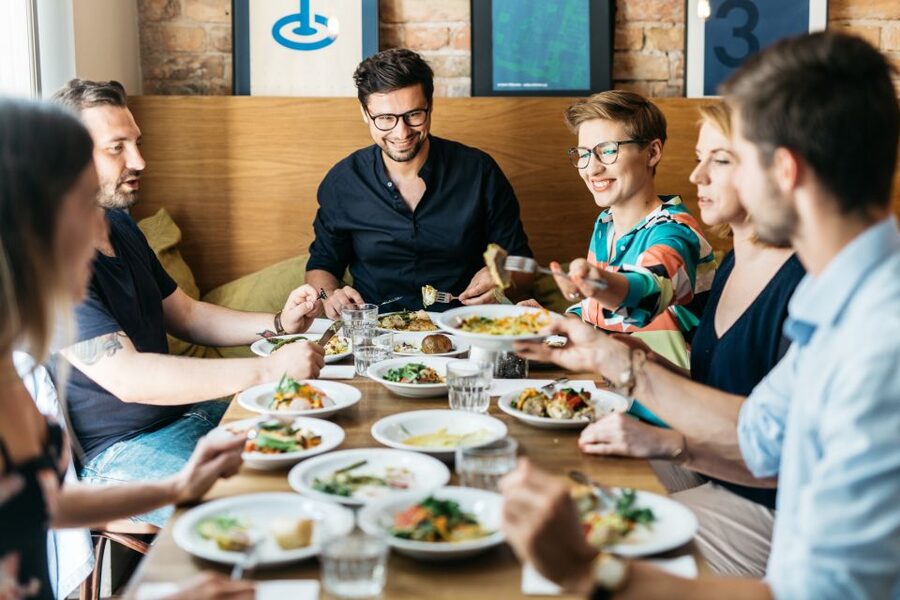
Three Polish drink pairings are included only if you select the option with pairings. Additional drinks are not included, so check the booking choice carefully if you want the beverage portion of the experience.
A non-alcoholic option is available, and minors can join. That makes the tour workable for families, provided everyone is ready for a long, food-heavy afternoon.
Vegetarians need to plan ahead. Polish cuisine is based heavily on pork, and many dishes served on the tour may not be suitable. You should advise the operator about allergies so the menu can be adjusted where possible.
Do not assume every dish can be replaced. The tour is built around traditional Polish food, and pork is part of that tradition. If you are vegetarian, have serious allergies, or follow a strict diet, ask before booking rather than hoping the guide can solve everything at the table.
What the guides add to the meal
The guide is a major part of the value. Named guides have included Michal, Michael, Anna, Ana, and Agata. The strongest feedback about the experience centers on guides who explain food and Warsaw with patience, humor, and enthusiasm.
That combination matters. A guide who only names dishes gives you a pleasant meal. A guide who explains customs, history, and local habits gives you a useful key for the rest of your visit.
The tour also suits mixed-age groups. It has worked for a family with two older parents and a teenager, and the four-hour duration was considered manageable by people who wanted a good amount of walking without turning the day into an exhausting march.
Still, the experience depends on group chemistry and the guide assigned that day. The small maximum helps, but it does not turn the tour into a private outing. You should expect to share the meal and questions with up to seven other participants.
Is $115 a fair price?
At $115 per person, this tour costs more than simply ordering pierogi and a main dish at a Warsaw restaurant. But the comparison is not quite fair. You are paying for about 10 tastings, four hours of guiding, several food stops, cultural explanation, and a written list of places to try later.
The amount of food is a clear part of the value. You are not paying $115 for three bites and a short walk. You receive enough food to replace lunch and dinner, with dessert included. Water is provided at most venues, and drink pairings add value if you choose that option.
The price may feel high if your only aim is to taste one famous dish. It makes more sense if you are new to Polish cuisine, want help ordering later, or value an informed guide who can explain what you are eating.
One useful way to judge it is to ask how much trial and error you want. You could spend several meals finding Polish dishes on your own, with no guarantee that you will choose well. This tour gives you a broad first lesson in one afternoon, then sends you off with recommendations.
Who should book this food tour?
I would choose this tour early in a Warsaw visit. The information about dishes, customs, bread, drinks, and recommended restaurants can shape your choices for the rest of your stay.
It suits you best if you:
- Want a full introduction to Polish food, not only pierogi
- Like hearing stories about everyday customs
- Prefer small groups to large food walks
- Enjoy both traditional dishes and newer Polish cooking
- Want enough food to replace a full meal
- Are comfortable walking between 4 to 6 establishments
It is less suitable if you want a cheap tasting, dislike pork, or prefer to choose every dish yourself. It may also feel too filling if you want to dine normally afterward.
The cancellation terms are traveler-friendly: you can cancel up to 24 hours ahead for a full refund, and reserve now while paying later. If you book, put the tour on a day when you can take it easy afterward. You will likely need it.
Should you book the Warsaw Polish Food Tour?
Book it if you want Polish food explained by a local guide, not simply placed in front of you. The strongest reasons are the small group, the generous meal, the broad range of dishes, and the practical advice for eating around Warsaw afterward.
At $115, the price requires an appetite and a real interest in food. Vegetarians and anyone with allergies should contact the operator first. If you arrive hungry, wear sensible shoes, and treat the afternoon as both lunch and dinner, this is a well-rounded way to get acquainted with Warsaw through its table.
FAQ
How long does the Warsaw Polish Food Tour last?
The tour lasts four hours.
What time and where does the tour begin?
It begins at 1:00 PM at the Charles de Gaulle roundabout, beside the large palm tree. The guide waits near the monument of a woman holding a wounded soldier on her lap, in the green square near Nowy Świat, Smolna, and Al. Jerozolimskie.
How many food places will I visit?
You will visit 4 to 6 carefully selected establishments.
How much food is included?
Approximately 10 tasting plates are included, covering starters, appetizers, soups, main courses, and dessert. The portions together equal a full meal.
Are drinks included?
Water is provided at most venues. Three Polish drink pairings are included only when you choose the option with pairings. Additional drinks are not included.
Is the tour offered in English?
Yes. The tour has a live English-speaking guide.
How large is the group?
The group is limited to eight participants.
Can vegetarians join?
Vegetarians can ask about joining, but many dishes are based on pork and may not be suitable. Contact the operator in advance so the menu can be adjusted where possible.
Can people with food allergies take the tour?
Yes, but you should advise the operator about your allergies before the tour so adjustments can be considered.
Can minors join the tour?
Yes. A non-alcoholic option is available, so minors are welcome.
Is hotel pickup included?
No. You must make your own way to the meeting point, and hotel drop-off is not included.
Can I cancel for a refund?
You can cancel up to 24 hours in advance for a full refund. You can also reserve now and pay later.
More Food in Warsaw
- Taste of Poland, food tour and guided walk with 12 tasting
★ 5.0 · 3 reviews - From Krakow: Polish Folk Show with All-You-Can-Eat Dinner
★ 4.5 · 1,593 reviews - Krakow Food Tasting Tour with Delicious Poland
★ 5.0 · 1,032 reviews - Krakow: Street Food Walking Tour
★ 4.8 · 285 reviews
Just added around Warsaw
- Taste of Poland, food tour and guided walk with 12 tasting★ 5.0 · 3 reviews
- Skip-the-Line Warsaw Royal Castle Private Guided Tour★ 5.0 · 4 reviews
- Secrets of Warsaw 4-hour Bike Tour★ 5.0 · 25 reviews
- Warsaw: Live Show at Sabat Theatre★ 4.5 · 11 reviews
- Private Warsaw City Tour★ 4.9 · 4 reviews
- Warsaw: WWII Private Tour by Retro Minibus with Hotel Pickup★ 5.0 · 7 reviews
- Private Tour From Warsaw: Łowicz Mazovian Countryside★ 5.0 · 10 reviews
- Packrafting kayaking guided tour Vistula river Warsaw Poland★ 4.5 · 14 reviews
Polish Food Tours, compared.
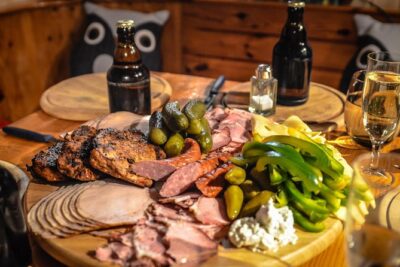
Half-Day Polish Food Walking Tour with Guide and Dinner
Read our review →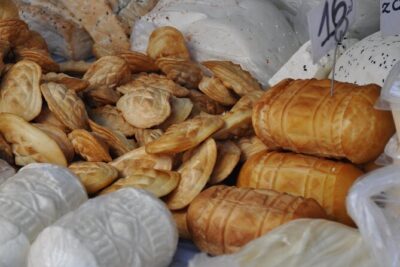
Pierogi Cooking Class with Market Shopping and Local Snacks
Read our review →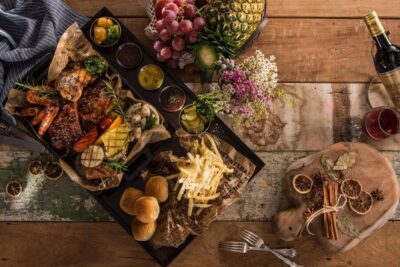
Krakow Pierogi Cooking Class with Market Visit & Home-Cooked Meal
Read our review →
Food Tour of 10 Tastings with Pierogi, Vodka & More
Read our review →
Pierogi Cooking Class: Mastering the Art of Polish Dumplings
Read our review →
6-Course Full Polish Food Tour with Vodka Tasting
Read our review →
Browse the lists this tour appears in