
Reviewed · AUSCHWITZ-BIRKENAU MEMORIAL TOURS
Auschwitz – Birkenau Private, 6-hr Study Tour
Auschwitz-Birkenau is not a quick sightseeing stop. The six-hour study visit takes you through Auschwitz I and Auschwitz II-Birkenau, where barracks, fences, watchtowers, prisoner belongings, and execution sites make the history painfully physical. You are not simply looking at buildings. You are trying to understand a system built to destroy human beings.
I like two things right away: door-to-door transport from Krakow, and the long time allowed at the memorial. You do not have to work out a train, bus, or transfer, and the six-hour visit gives an educator room to explain the Nazi extermination plan, medical experiments, and daily life inside the camp.
The main drawback is the fixed start. Pickup begins at 7:30 a.m., and the tour is not flexible if you arrive late. One participant missed the visit after traffic caused a delay and received no refund, so you need to treat the pickup time as firm.
Key points to know before booking
- Six hours at the memorial: This is a serious study tour, not a short photo stop.
- Two separate camp sites: You visit Auschwitz I and Auschwitz II-Birkenau during the same outing.
- Private Krakow transport: Your group has a car at its disposal, with pickup and return included within the stated service area.
- English-language service: Drivers speak very good English, and the visit includes an educator.
- A physically and emotionally demanding day: You will see victims’ belongings, execution areas, prison cells, barracks, and evidence of medical experiments.
- Strict timing matters: The 7:30 a.m. start is important, and late arrival can mean losing the full booking.
Why this Auschwitz tour needs a full day
The numbers tell you what kind of outing this is. The total day runs about nine to ten hours, with around six hours at the Auschwitz-Birkenau Memorial and Museum. That leaves time for the drive from Krakow, pickup, return, and the practical business of moving between the two camp sites.
I think that length is justified. Auschwitz is not a place where you can absorb everything in an hour. The displays require time, and the two sites have different characters. Auschwitz I gives you the original camp buildings and museum blocks. Auschwitz II-Birkenau spreads across a much larger area, with the unloading platform, barracks, fences, watchtowers, and the stark remains of the extermination camp.
The day can be especially valuable for families with older children or teenagers who are ready for difficult material. One strong response to the experience focused on the importance of learning about the murdered people before today’s children become tomorrow’s leaders. That is the right way to frame this outing. It is an educational visit first, and a sightseeing excursion only in the broadest sense.
Do not book it because you want a pleasant day out. Book it because you want time, context, and direct contact with one of the most important memorial sites in Europe.
More Auschwitz-Birkenau Memorial Tours in Krakow
- From Krakow: Auschwitz-Birkenau Guided Tour & Hotel Pickup
★ 4.5 · 33,358 reviews - From Krakow: Auschwitz-Birkenau Guided Tour & Hotel Pickup
★ 4.5 · 29,340 reviews - Krakow: Auschwitz Guided Tour with Optional Hotel Pickup
★ 4.5 · 15,280 reviews
Leaving Krakow at 7:30 a.m.
Pickup is offered from your hotel or another address in Krakow, as well as locations within 15 kilometers of Krakow city center. You should provide the exact address when booking so the driver can arrange the morning collection.
The private car matters here. You avoid navigating public transport with an early start, changing routes, or finding the memorial on your own. After the visit, you can return to your hotel or another place in Krakow. The vehicle is exclusively for your group, not a shared transfer with unrelated passengers.
The company says its drivers are licensed for tour and transport services and speak very good English. That does not mean the driver replaces the museum educator. It means you have English-language help for the road, pickup, and return, while the historical presentation takes place during the guided visit.
Build in a safety margin before 7:30. The one serious negative experience connected with this outing came from arriving late because of traffic. The group could not join after the visit had begun, and the fare was lost. The policy is blunt, but the lesson is useful: be ready before the pickup time, and do not assume the car can wait.
Entering Auschwitz I through Arbeit Macht Frei
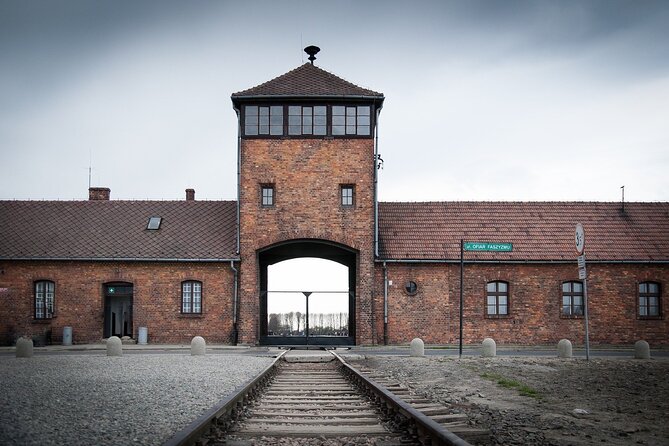
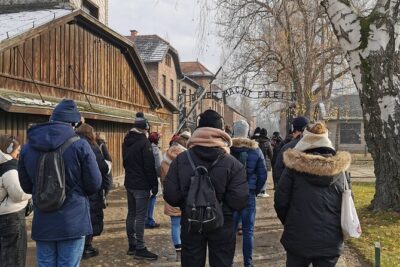
The visit begins at Auschwitz I, the site reached through the infamous gate carrying the words Arbeit Macht Frei. The entrance is familiar from photographs, but seeing it in person changes the scale of the story. It is a physical threshold into a camp complex that the Nazi authorities used for imprisonment, forced labor, punishment, and murder.
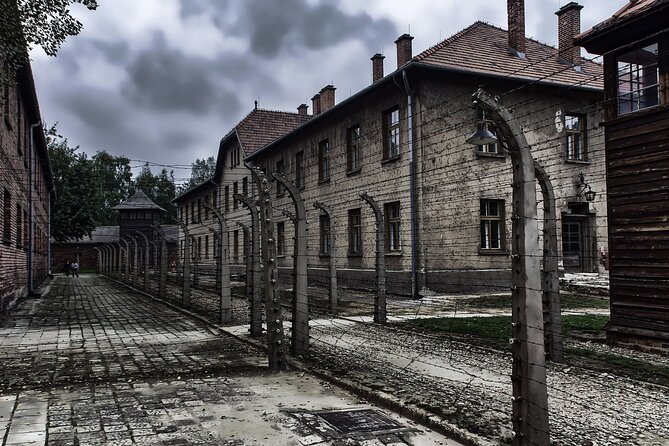
The camp is described as being largely preserved as it was when the Nazis left in January 1945. Trees have been planted at many street corners, but the basic arrangement remains: numbered blocks, roads, fencing, watchtowers, and buildings that now hold museum exhibits.
An educator guides you through the site. Blocks have numbers and specific functions, with explanation panels, signs, and photographs helping you follow what happened there. The value of a guide is clear at this point. Without context, a row of brick buildings can look almost ordinary. The explanations connect each block and object to the people who were held, abused, experimented on, or killed there.
You should expect a quiet, formal setting. This is not a place for casual conversation or playful photos. The best way to prepare is to give the visit your full attention and allow the educator to set the pace.
Museum blocks and the evidence left behind
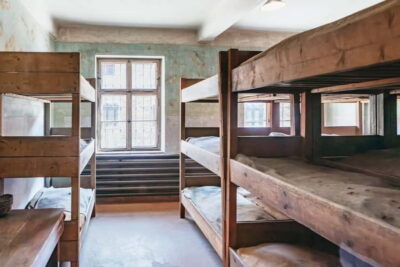
The museum displays are difficult because they contain ordinary objects tied to extraordinary crimes. You will see clothes, suitcases, shoes, and other belongings taken from victims. The sight of unpaired, worn-out shoes is especially powerful because it turns a vast historical crime into a collection of individual lives.
These objects also explain why the preserved blocks matter. Documents can tell you how a camp functioned, but belongings show that the people sent here arrived with plans, families, names, and the expectation of survival. The museum presentation gives those facts a human scale.
The educator also covers the extermination plan and the medical experiments conducted by Dr. Josef Mengele. The subject matter is severe, and you should not expect every room to be easy to enter. The six-hour format gives the guide time to explain rather than rush from display to display, but it also means the emotional weight accumulates over the day.
A particularly meaningful part of the visit can be the Book of Names, where you can touch the names of victims. That detail was singled out in a deeply positive account of the day, along with hearing the voices of innocent people through the site’s interpretive material. If you want a visit centered on individual lives rather than only military or political facts, this is one of the tour’s strongest features.
Same country, a completely different kind of day:
- Krakow–Zakopane: Cable Car, Chocholow Baths, Cheese & Vodka
★ 5.0 · 10,720 reviews - Krakow: Auschwitz-Birkenau Guided Tour with Pickup & Lunch
★ 4.5 · 9,800 reviews - From Krakow: Wieliczka Salt Mine Tour
★ 4.6 · 9,393 reviews - Krakow: Auschwitz-Birkenau Guided Tour Pickup/Lunch Options
★ 4.5 · 9,057 reviews
Prison cells, the execution wall, and the camp bathhouse
The route includes jail cells, the camp bathhouse, the wall used for executions, and other sections of the Auschwitz I complex. These places show how imprisonment and murder were built into the camp’s daily operation.
The prison cells are not simply old rooms. They help explain the punishments imposed on prisoners and the camp’s use of confinement as a tool of control. The execution wall points to the direct violence carried out inside the camp, while the bathhouse and related facilities connect to the broader system of deception and extermination.
You will also see watchtowers and fences. They may appear repetitive, but that repetition is part of the point. The camp was organized to prevent escape, separate people from the outside world, and make mass imprisonment possible. A guide can help you read the layout rather than seeing it as a series of disconnected structures.
The tour description includes many sites, and exact order can depend on the educator and museum arrangements. You should expect a substantial amount of walking through outdoor areas and historic buildings. Specific accessibility details are not provided, so contact the provider before booking if you have mobility needs or require special arrangements.
Auschwitz II-Birkenau and the scale of the killing center
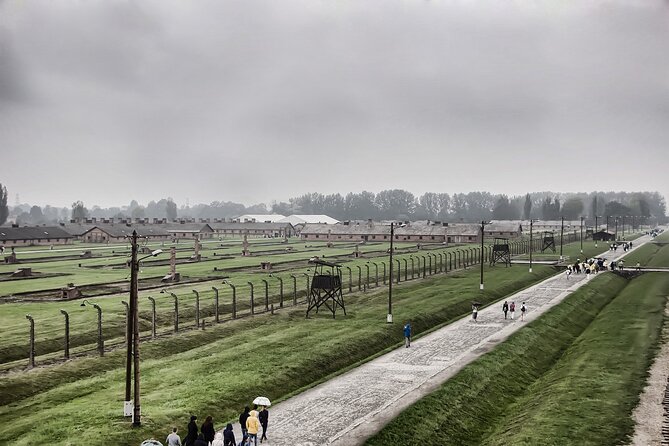
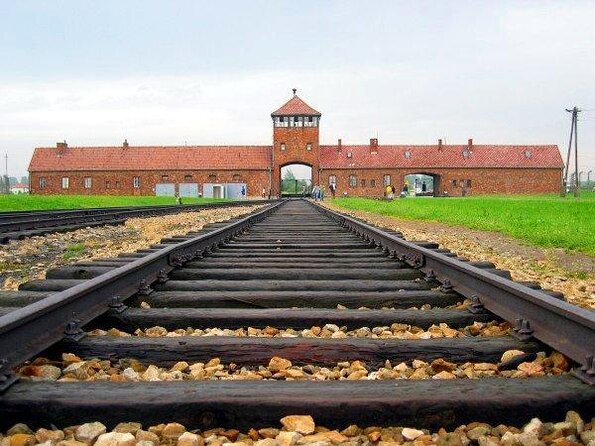
Auschwitz II-Birkenau is the second major site, and its size changes your understanding of the camp system. Auschwitz I feels like a contained prison complex. Birkenau spreads outward with barracks, fences, watchtowers, and the unloading platform where deportees arrived.
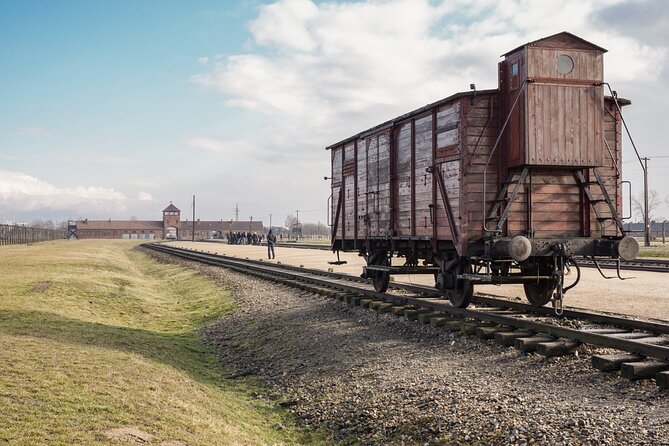
The platform is one of the most important places on the route. It helps you picture the first moments after arrival, when people were forced off trains and sorted. The broad open space also shows the industrial scale of the operation. The camp was not a single building hidden away. It was a large, organized system designed to process human beings.
You will see barracks and the camp bathhouse, along with other structures connected to daily prisoner life and mass murder. The site is nearly untouched in many areas, which gives the visit a directness that no modern reconstruction could match.
The open setting can make the second half of the day feel physically tiring. Weather may affect your comfort, and the overall duration requires stamina. The supplied information does not list a specific clothing or equipment requirement, so plan practical outdoor wear and shoes suitable for walking.
A private tour with a guided group element
The wording around group size deserves attention. The booking is private, meaning only your own group participates in the activity and the car is exclusively at your disposal. At the memorial, however, the description also refers to a guided group tour with an educator.
In practical terms, you should understand this as private Krakow transport and a private booking for your party, combined with the museum’s guided educational visit. The information does not promise a one-to-one historian dedicated only to your group, nor does it name the educator. Do not expect a personal lecture tailored to every member of your party.
That arrangement can still be a good fit. You get the comfort and control of private transfers without having to arrange the difficult transport yourself, while the on-site explanation follows the memorial’s professional educational structure.
English is the offered language. The drivers speak very good English, but no individual guide names are provided. If you need another language or have specific academic interests, confirm those points before paying.
Is $292.80 per person fair?
The listed price is $292.80 per person, with group discounts available. That is a substantial amount, particularly for a private day trip from Krakow. You are paying for more than admission: private door-to-door transport, a full-day schedule, the convenience of having the car reserved for your party, and an organized guided visit.
The price makes more sense for a small group that values comfort and time. If several people share the booking, a group discount may improve the value. It also removes the need to compare separate transport tickets, work out transfers, and coordinate your return after an emotionally demanding visit.
For a solo participant, the cost is harder to justify unless private transport and a structured six-hour study visit are especially important. Cheaper shared options may exist, but they are not described here, so I would compare them carefully rather than assume the same schedule or service.
The strongest reason to pay this price is control over the day. You are collected at your address, taken directly to the memorial, and returned to Krakow afterward. The weakest point is that private pricing does not make the timing flexible. You still need to meet the 7:30 pickup and follow the memorial’s schedule.
This experience is booked an average of 143 days ahead, which suggests that early planning is sensible. Confirmation is normally immediate, except for bookings made within one day of departure, when confirmation depends on availability.
Who should choose this study tour?
I would recommend it most strongly for:
- Families who want an organized and serious educational visit
- Small groups that prefer a private car and direct hotel pickup
- First-time visitors who do not want to plan transport to both camp sites
- People who want six hours for the memorial rather than a rushed stop
- English-speaking participants comfortable with an emotionally difficult subject
I would think twice if you dislike early starts, have trouble walking for long periods, or want a relaxed historical excursion. The day is long, the material is painful, and the schedule is firm.
Children can participate according to the stated information, which says most participants can take part. Still, you should judge your own children’s readiness. The displays include victims’ belongings, medical experiments, execution areas, prison cells, and evidence of mass extermination. The subject is not softened for comfort.
Practical advice for a respectful visit
Arrive ready before the pickup time. Since a late arrival can lead to being turned away without a refund, this is the single most important practical tip.
Keep the day clear after you return. The schedule lasts nine to ten hours, and the visit itself is mentally demanding. You may want quiet time afterward rather than another major attraction.
Pay attention to the educator’s explanations, especially in the numbered blocks. The buildings, fences, and objects carry more meaning when you understand how they fit into the camp system.
Take the two sites as different parts of one story. Auschwitz I helps you understand imprisonment, punishment, medical abuse, and the museum evidence inside preserved blocks. Auschwitz II-Birkenau shows the broader scale, the arrival platform, the barracks, and the physical reach of the extermination center.
Finally, treat the memorial as a place of remembrance. The most praised part of this outing is not comfort or entertainment. It is the chance to learn, hear the victims’ voices through the memorial’s material, and encounter names and personal belongings rather than reducing the Holocaust to a distant statistic.
Should you book the Auschwitz-Birkenau private tour?
Book this tour if you want a long, structured, and respectful visit with private transport from Krakow. The six-hour memorial visit is its best feature, and the direct pickup and return make a difficult day easier to manage.
The price is high, and the early start is non-negotiable. You also need to accept the emotional weight of the site and the risk that lateness could cost you the entire booking. For a small group that values comfort, English-language help, and enough time at both Auschwitz I and Auschwitz II-Birkenau, the package offers solid practical value.
The 4.8 rating from 22 reviews and 95 percent recommendation support the tour’s strong reputation, but the negative experience about late arrival matters just as much. Plan carefully, arrive early, and book it for education and remembrance, not casual sightseeing.
FAQ
What time does the tour start?
Pickup begins at 7:30 a.m. from your stated address.
Where can I be picked up?
Pickup is available from any address in Krakow, or within 15 kilometers of Krakow city center.
How long does the full experience last?
The total outing takes approximately nine to ten hours. About six hours are spent at the Auschwitz-Birkenau Memorial and Museum.
Does the tour visit both Auschwitz sites?
Yes. The visit includes Auschwitz I and Auschwitz II-Birkenau.
Is transportation private?
Yes. The tour is private, and the car is exclusively for your group. You can be returned to your hotel or another location in Krakow afterward.
What happens if I need to cancel?
You can receive a full refund if you cancel at least 24 hours before the experience start time. Cancellations or changes made less than 24 hours ahead are not refunded or accepted.
Just added around Krakow
- From Krakow: Zakopane and Dunajec River Rafting Tour★ 4.6 · 31 reviews
- From Krakow: Zakopane and Gubałówka Cable Car Private Tour★ 4.3 · 12 reviews
- From Krakow: Zakopane Full-Day Tour with Lunch Option★ 4.4 · 62 reviews
- From Krakow: Zalipie and Painted Village Guided Tour★ 4.0 · 4 reviews
- From Krakow: Zakopane Tatra Mountains & Hot Springs Tour★ 3.0 · 29 reviews
- From Krakow: Zakopane and the Tatra Mountains★ 4.7 · 36 reviews
- From Krakow: Hot Springs and Zakopane with Gubałówka★ 4.7 · 25 reviews
- Zakopane & Tatra Mountains Private Full-Day Tour from Krakow★ 4.5 · 33 reviews
Auschwitz-Birkenau Memorial Tours, compared.
Auschwitz-Birkenau Guided Tour & Hotel Pickup
Read our review →Auschwitz-Birkenau Guided Tour & Hotel Pickup
Read our review →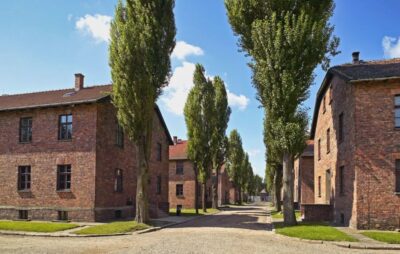
Auschwitz Guided Tour with Optional Hotel Pickup
Read our review →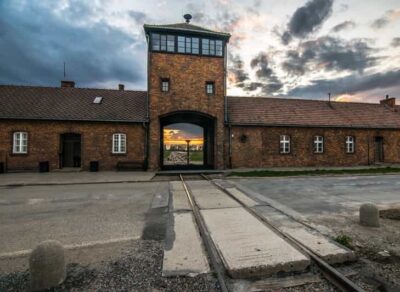
Auschwitz-Birkenau Guided Tour with Pickup & Lunch
Read our review →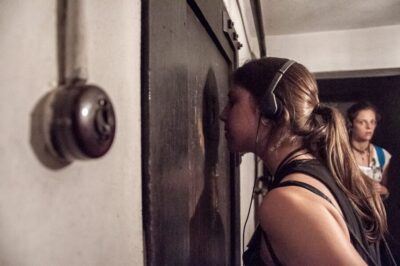
Auschwitz-Birkenau Guided Tour Pickup/Lunch Options
Read our review →
Krakow to Auschwitz Birkenau Guided Tour with Transfer and Ticket
Read our review →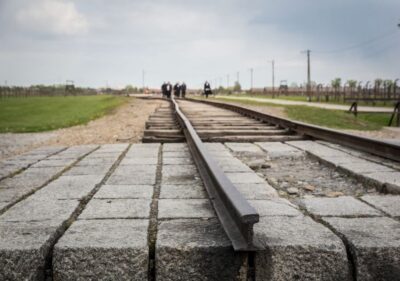
Browse the lists this tour appears in