
Reviewed · AUSCHWITZ-BIRKENAU MEMORIAL TOURS
Krakow to Auschwitz Birkenau Guided Tour with Transfer and Ticket
Auschwitz-Birkenau is not a sightseeing stop you simply check off. It is a difficult, important place where the scale of Nazi crimes becomes painfully clear through barracks, photographs, personal belongings, railway tracks, and the remains of gas chambers. This seven-hour guided trip from Krakow gives you a structured way to visit both camp sites without worrying about tickets or transport.
I like the reliable door-to-door setup and the chance to visit both Auschwitz I and Birkenau in one day. I also like the careful museum guidance, with guides such as Ava and Joanna praised for clear, sensitive presentations. The main drawback is that pickup times can shift, and the day may begin much earlier than the time shown during booking, so keep your schedule open.
Key points to know before booking
- Both camp sites are included: Visit Auschwitz I and the much larger Auschwitz II-Birkenau.
- Museum-trained guidance: The route is led by an authorized museum guide, with an interpreter used when needed.
- Transport from Krakow: Pickup and drop-off are offered from hotels, apartments, and hostels in a defined area.
- Small enough to manage: Groups are generally limited to 30 people, usually between 16 and 30.
- Bring food and sturdy shoes: Lunch is not included, and there is a great deal of walking with limited time for a proper meal.
- Expect a serious day: Much of the Birkenau visit is outdoors, and the subject matter is emotionally heavy.
Why visiting both Auschwitz sites matters
Auschwitz I and Auschwitz II-Birkenau are not interchangeable. Seeing both helps you understand how the camp system developed from a concentration camp complex into a vast killing center.
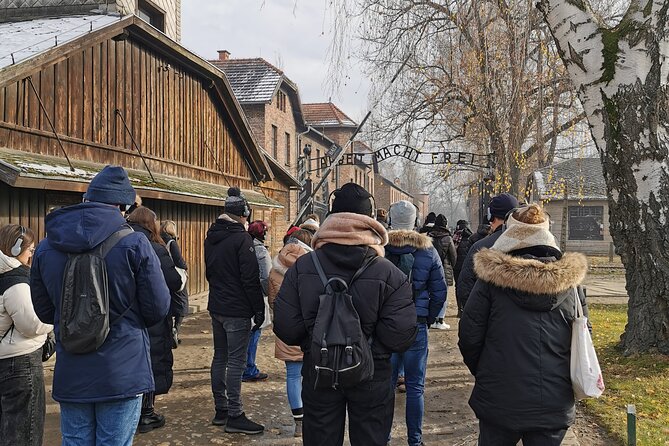
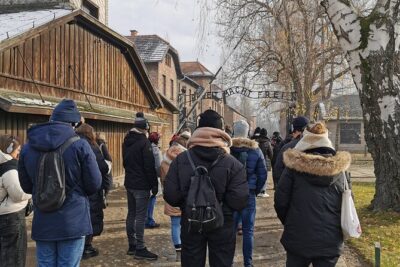
Auschwitz I is the older site and the one most people picture first. Its entrance gate carries the inscription Arbeit macht frei. The brick buildings now contain museum exhibitions, photographs, documents, and objects taken from prisoners. The surviving gas chamber is another central part of the visit.
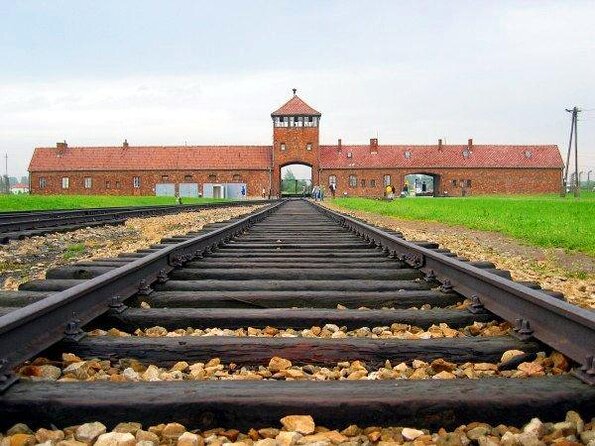
Birkenau is physically larger and more open. The railway tracks lead through the Death Gate toward the unloading ramp, where prisoners were separated after arriving by train. You will see barracks, the camp perimeter, the ruins of gas chambers and crematoria, and the memorial to the victims of the Holocaust.
I find the contrast between the two places especially important. Auschwitz I can feel enclosed and museum-like, while Birkenau makes the scale of the operation harder to grasp. You walk farther, see more open ground, and confront how much space the camp occupied.
More Auschwitz-Birkenau Memorial Tours in Krakow
- From Krakow: Auschwitz-Birkenau Guided Tour & Hotel Pickup
★ 4.5 · 33,358 reviews - From Krakow: Auschwitz-Birkenau Guided Tour & Hotel Pickup
★ 4.5 · 29,340 reviews - Krakow: Auschwitz Guided Tour with Optional Hotel Pickup
★ 4.5 · 15,280 reviews
The journey from Krakow takes about 90 minutes
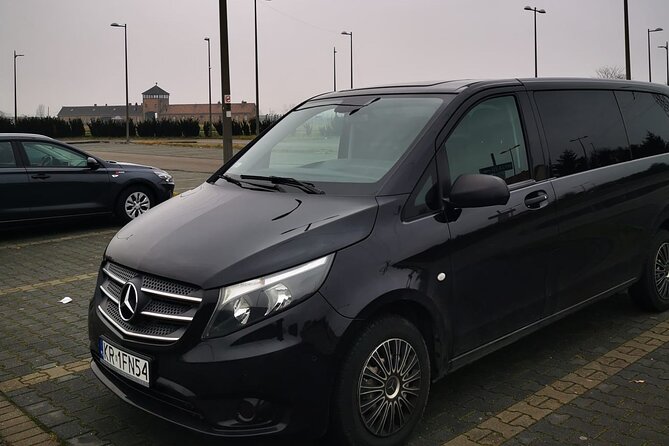
The trip begins with pickup at a previously arranged location in Krakow. If your accommodation lies inside a pedestrian zone or on a street with traffic restrictions, the minibus may not reach the front door. You will instead receive a nearby meeting point.
The company sends the driver’s details, phone number, and vehicle color before the excursion. Communication is handled through WhatsApp, Viber, Signal, or Telegram, with email used if you do not use those apps. This is useful because the exact pickup time can be affected by museum entry rules, traffic, and the number of people scheduled for the day.
Do not treat the advertised pickup time as immovable. One booking showed a 10 a.m. selection but resulted in a 5:45 a.m. pickup request. That kind of change can disrupt plans, so I would avoid booking a morning museum, flight, train, or other fixed appointment for the same day.
The drive takes about 1.5 hours each way, though weather and road conditions can add time. The vehicle is an air-conditioned minibus or minivan. Several passengers specifically appreciated clean, modern vans, comfortable Mercedes transport, smooth driving, and punctual collection.
Auschwitz I: the first 1 hour and 45 minutes
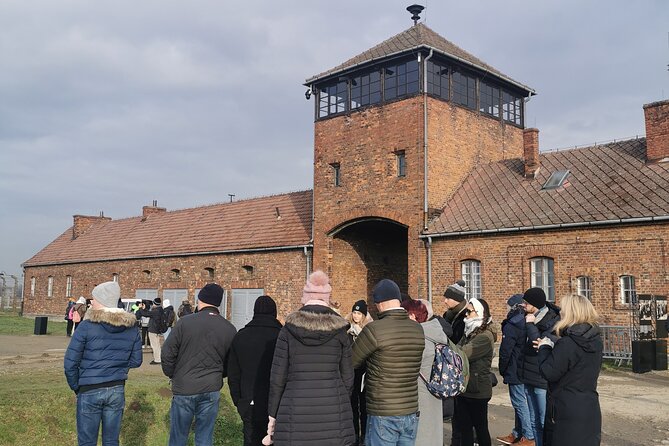
At Auschwitz, you meet the licensed English-speaking guide and enter through the museum system. Tickets are booked in advance, so you do not have to arrange admission at the ticket office or wait there to buy a ticket.
The first guided walk lasts less than two hours. Expect a steady route through the main sections of the former camp, with indoor exhibitions and outdoor paths. The guide explains the development of the camp, the treatment of prisoners, and the events connected to the Holocaust and World War II.
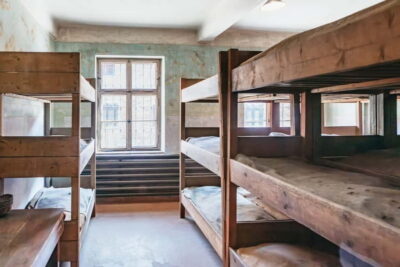
You will see the Arbeit macht frei gate, prisoner photographs and records, displays of belongings, and the last surviving gas chamber. The museum’s exhibits are direct and often upsetting. The power comes from specific evidence and personal traces, not from theatrical presentation.
The guide’s role matters here. A good explanation gives context to objects that might otherwise seem like a pile of artifacts. Several guides associated with this operation, including Ava, Joanna, Brigit, and Ana, are described as clear, empathetic, and strongly informed about the site. Your assigned guide can vary, but all official guides are trained by the museum and work within its rules.
At Auschwitz I, audio equipment and headphones may be used so you can hear the guide while moving through crowded spaces. This keeps the group together and prevents the guide from having to raise their voice inside the buildings.
Birkenau: a larger, more exposed site
After a break, the driver takes you a short distance to Auschwitz II-Birkenau. You meet the guide again near the entrance gate for a walk of a little more than an hour.
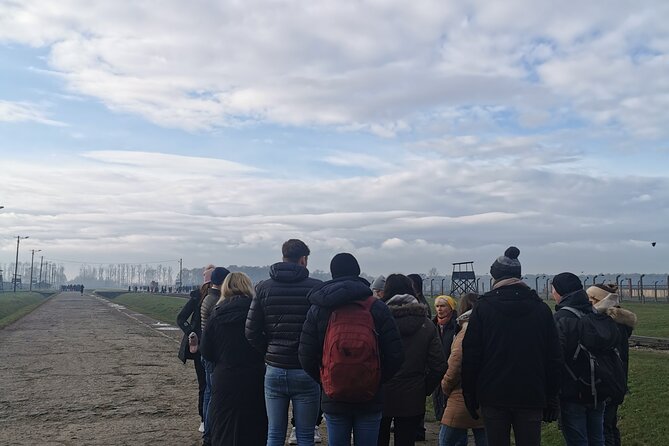
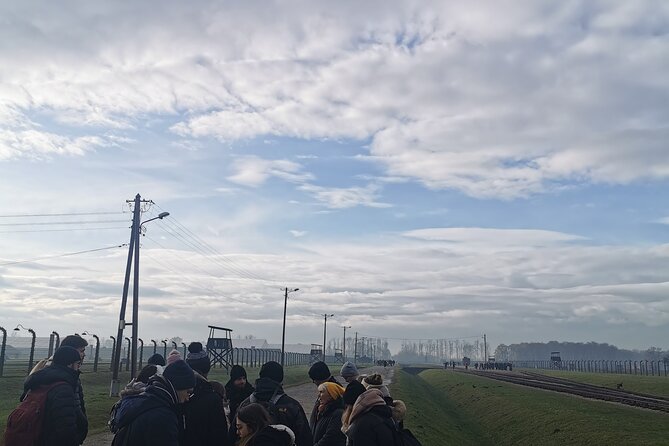
Birkenau requires more outdoor walking than Auschwitz I. The tracks run toward the former unloading platform, and the camp’s size is immediately apparent. The barracks, fences, towers, and open ground show how the site was built for mass imprisonment and murder on a huge scale.
The route includes the railway entrance, the unloading ramp, prisoner living buildings, the ruins of gas chambers and crematoria, and the Holocaust memorial. Some structures are preserved, while others survive only as ruins. The open setting can make the visit feel stark and exposed, especially in winter or on a hot, sunny day.
Plan to spend up to 70 percent of the day outdoors, particularly at Birkenau. Wear shoes with good support and bring water. In cold weather, add a warm coat, hat, and gloves. In rain, proper waterproof clothing will make the walk less punishing. The tour operates in all weather.
The route is set by the museum, not by the private company arranging your transport. That means the precise order and length of stops can change according to museum controls and crowd levels. This is normal for a site with strict capacity limits, but it also means you have little control over the day’s pace.
Same country, a completely different kind of day:
- Krakow–Zakopane: Cable Car, Chocholow Baths, Cheese & Vodka
★ 5.0 · 10,720 reviews - Krakow: Auschwitz-Birkenau Guided Tour with Pickup & Lunch
★ 4.5 · 9,800 reviews - From Krakow: Wieliczka Salt Mine Tour
★ 4.6 · 9,393 reviews - Krakow: Auschwitz-Birkenau Guided Tour Pickup/Lunch Options
★ 4.5 · 9,057 reviews
The emotional weight requires a slower pace
It is hard to describe Auschwitz as enjoyable, and it should not be treated like an ordinary attraction. The purpose of the visit is remembrance and learning. You may feel sad, angry, numb, or simply quiet afterward.
The guides are expected to present the material respectfully. The strongest parts of the experience come when the information is precise and human rather than sensational. One guide was praised for balancing education, reflection, and compassion, while another was valued for explaining the history in a calm, easy-to-follow way.
Give yourself room to react. Avoid planning an evening packed with activities if you know difficult historical sites affect you strongly. The return journey to Krakow may be quiet, and you might prefer a simple meal and rest afterward.
Museum rules reflect the seriousness of the place. Dress smart-casual and behave quietly. Eating, smoking, and disruptive behavior are not allowed on the museum grounds. Photography is generally permitted, but signs mark exceptions, and flash photography inside buildings is prohibited.
Lunch is the day’s weak point
Lunch is not included in the base price. There is limited time between Auschwitz I and Birkenau, and the site currently offers few substantial food choices. At the parking area, vending machines provide snacks, while a restaurant is under construction.
Bring a sandwich, snack, and water if you want to keep costs down. You may also be offered a packed lunch for an additional charge. The lunch boxes described for this trip include fresh baguettes and were considered convenient and good value, especially because there is no relaxed restaurant break in the middle of the tour.
I would decide before departure rather than count on finding food at the museum. You will be walking for several hours, and hunger is an avoidable distraction during a demanding visit.
Tickets and security are handled for you
The entry tickets are reserved in advance and included in the price. That is one of the strongest practical reasons to choose an organized trip. Auschwitz receives large numbers of people each day, and entry procedures can be difficult to manage without a guide.
Expect an airport-style security check before entering. The museum also requires the full names of everyone on the booking. Carry your passport or identification card, since it may be checked at admission. If you cannot provide the required identification, entry may be refused.
Large bags and backpacks are not allowed. The maximum permitted size is 30 by 20 by 10 centimeters. You can leave larger luggage locked in the vehicle, but bring only what you need for the walk.
The group size is normally 16 to 30 people. That is not a private tour, but it is within the standard size recommended by the museum. Headphones and a clear meeting routine help the group move through the site without constant confusion.
Is $35.07 good value?
At $35.07 per person, this is a low-cost way to combine transport, entry tickets, and official guidance. The price is particularly fair if your Krakow accommodation is outside the easy train or bus routes, or if you prefer not to manage two separate camp admissions yourself.
The value is not just the minibus. You also receive return transport, an English-speaking driver, entry fees, and guided visits at both locations. The company handles the booking details that can be difficult during busy periods.
The tradeoff is flexibility. You cannot choose your own pace, pause whenever you wish, or set a guaranteed return time. The group route and pickup schedule depend on museum capacity and daily operations. The tour also uses a shared vehicle, so pickup may take time if several Krakow accommodations are involved.
For a private, slower visit, this will not be the right format. For a first visit with limited time in Krakow, I think the combination is sensible and economical.
Who should book this Krakow Auschwitz tour?
This experience suits you if you want the practical side taken care of and prefer an English-speaking guide to explain what you are seeing. It is also a good fit if you are staying in Krakow and want hotel pickup rather than arranging a separate transfer.
You should be comfortable walking for several hours. The tour is not recommended for people with mobility issues, and Birkenau includes long outdoor sections over a large area.
Families with older children may find the educational format useful, but the subject matter is extremely serious. Think about the age and emotional readiness of anyone in your group before booking.
This is less suitable if you have a tight afternoon appointment. Pickup times can change, traffic can slow the drive, and museum restrictions can alter the timetable. Leave the rest of the day free.
Free cancellation is available if you cancel at least 24 hours before the start time. Changes or cancellations inside that window are not accepted for a refund.
What I would pack
Keep your bag small enough to meet the museum limit. I would bring:
- Water
- A sandwich or filling snack
- Comfortable walking shoes
- Weatherproof layers
- Identification
- Tissues
- A phone with the company’s messaging contact
Do not bring a large backpack and expect to carry it through the museum. Leave bulky items in the locked vehicle as instructed.
Should you book it?
I would book this tour if you want a well-organized, affordable visit to both Auschwitz I and Birkenau, with tickets and transport arranged in advance. Its strongest points are clear pre-trip communication, generally punctual drivers, comfortable vehicles, and official museum guidance delivered in English.
I would not book it if you need a fixed timetable, dislike group tours, or want a generous lunch break. Confirm the pickup details carefully, keep your entire day open, bring food, and prepare for a long and emotionally difficult visit.
For most first-time visitors to Auschwitz from Krakow, the convenience is worth the compromises. You get both sites, proper historical context, and a dependable way back to the city without having to solve the logistics yourself.
FAQ
How long does the Krakow to Auschwitz tour take?
The experience lasts approximately seven hours. The drive from Krakow to Auschwitz takes about 1.5 hours each way, though weather, traffic, and museum scheduling can cause delays.
Are Auschwitz and Birkenau both included?
Yes. The tour includes a guided visit to Auschwitz I lasting about 1 hour and 45 minutes, followed by a visit of roughly one hour at Auschwitz II-Birkenau.
Is hotel pickup available in Krakow?
Yes. Pickup is offered from hotels, apartments, and hostels within a defined area. If your accommodation is on a restricted or pedestrian-only street, pickup may be arranged at the closest accessible point.
Is lunch included?
No. Lunch is not included in the standard price. You can bring your own food or request a packed lunch for an additional fee. There is limited food available at the site.
What identification should I bring?
Bring your passport or identification card. The museum requires the full names of everyone on the booking and may check identification before admission.
Can I bring a large backpack?
No. Bags larger than 30 by 20 by 10 centimeters are not allowed inside the museum. Larger bags can be left securely in the locked vehicle during the visit.
More Private Drivers in Krakow
- Krakow to Auschwitz Birkenau Guided Tour with Transfer and Ticket
★ 5.0 · 8,197 reviews - From Krakow: Auschwitz Birkenau Tour with Transfer
★ 4.0 · 6,134 reviews - Krakow: Auschwitz-Birkenau Guided Tour with Ticket and Transfer
★ 4.5 · 3,784 reviews - Krakow to Wieliczka: Salt Mine Guided Tour with Ticket & Transfer
★ 4.5 · 3,193 reviews
Just added around Krakow
- Tour to Wadowice: Hometown of Pope Saint John Paul II★ 4.6 · 12 reviews
- The Jewish Quarter – Walking Tour★ 5.0 · 4 reviews
- From Kraków; to Białka Thermal Baths private tour★ 5.0 · 5 reviews
- St. Mary’s Basilica and more – a short walk with a guide★ 4.7 · 56 reviews
- Krakow: Auschwitz-Birkenau and Wieliczka Salt Mine Day Trip★ 4.7 · 84 reviews
- Krakow: Skip-the-Line Wawel Castle & Old Town Guided Tour★ 4.9 · 23 reviews
- Krakow: Schindler’s Factory Guided Tour★ 4.2 · 12 reviews
- Shooting Range Experience!★ 4.8 · 66 reviews
Auschwitz-Birkenau Memorial Tours, compared.
Auschwitz-Birkenau Guided Tour & Hotel Pickup
Read our review →Auschwitz-Birkenau Guided Tour & Hotel Pickup
Read our review →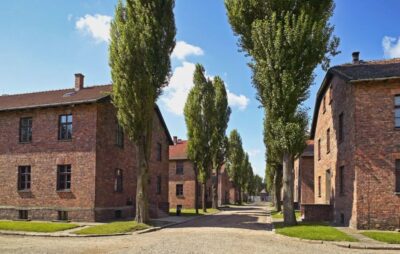
Auschwitz Guided Tour with Optional Hotel Pickup
Read our review →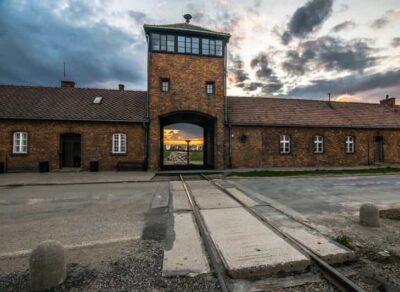
Auschwitz-Birkenau Guided Tour with Pickup & Lunch
Read our review →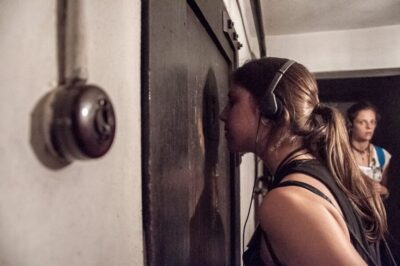
Auschwitz-Birkenau Guided Tour Pickup/Lunch Options
Read our review →
Krakow to Auschwitz Birkenau Guided Tour with Transfer and Ticket
Read our review →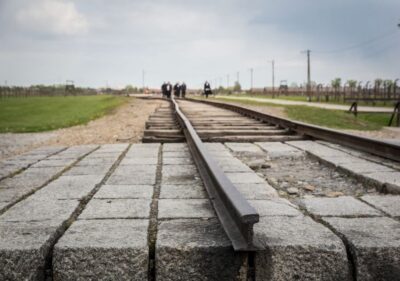
Browse the lists this tour appears in