
Reviewed · AUSCHWITZ-BIRKENAU MEMORIAL TOURS
From Krakow: Auschwitz-Birkenau Tour with Transportation
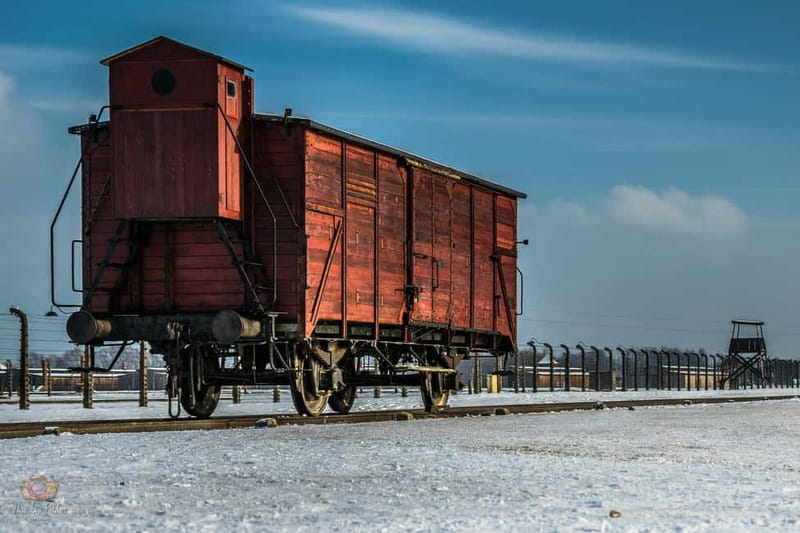
Auschwitz-Birkenau is not a sightseeing stop to rush through. It is a place of evidence, memory, and hard facts, and this day trip gives you time at both Auschwitz I and Auschwitz II-Birkenau without having to arrange transport yourself. The visit also includes the Judenrampe, where an original camp train car helps show how deportations connected to the camp.
I like the practical setup: a film plays during the roughly 75-minute ride from Krakow, and you receive clear instructions before entering the museum. I also like the choice between a professional guide and a booklet-led visit, which lets you balance cost with the amount of explanation you want. The main drawback is that pickup times can change, and the full day may run anywhere from 7 to 11 hours.
Key points to know before you book
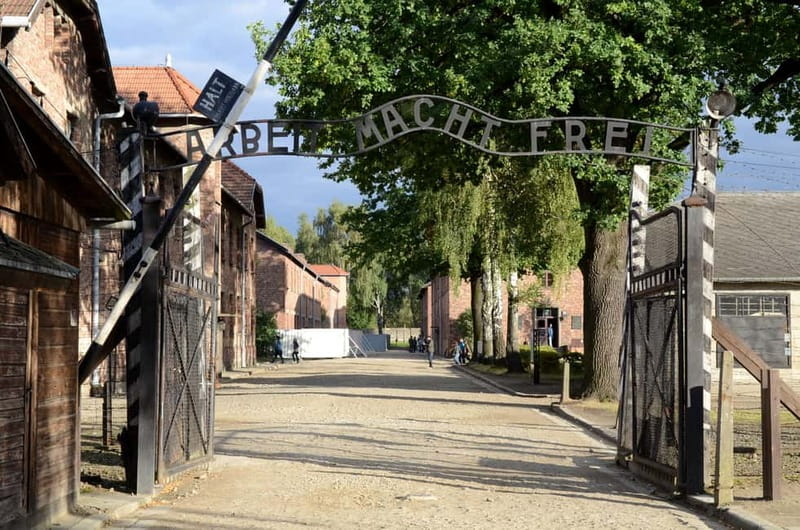
- See both camp sites: Visit Auschwitz I, with its preserved blocks and prison, then Auschwitz II-Birkenau, the much larger camp complex.
- Stop at the Judenrampe: Spend about 30 minutes near the original train car and the railway area used in the deportation process.
- Choose your level of guidance: Some options include a professional guide and skip-the-line entry, while others use a booklet and tour host assistance.
- Expect a serious full-day outing: The drive from Krakow takes about 75 minutes each way, with museum time and a short break between sections.
- Travel in a modern vehicle: The operator uses a van, minibus, or coach, with pickup from central Krakow meeting points.
- Plan for museum rules: Bring your passport or ID, wear comfortable shoes, and leave large luggage behind.
Why this Krakow day trip matters
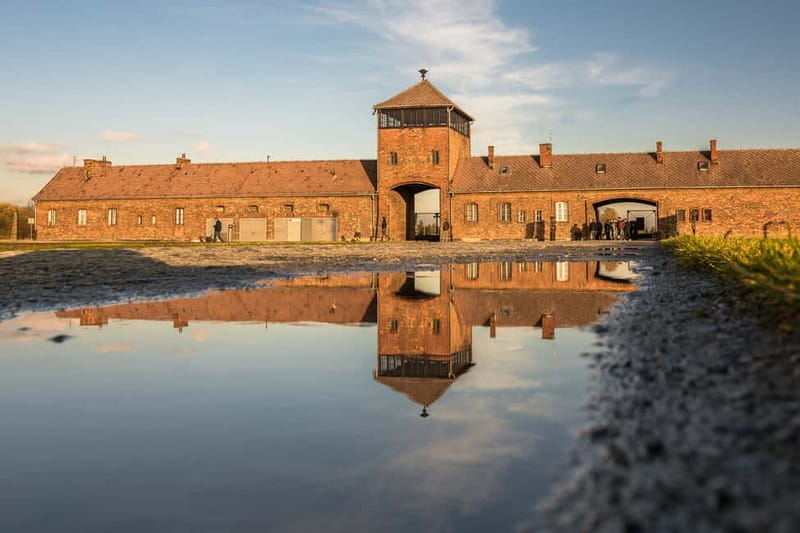
Auschwitz-Birkenau is about 70 kilometers from Krakow, so independent visits require careful planning around transport and museum entry. This tour takes care of the long road journey and gives you a tour host to help with timing, meeting points, and procedures.
The subject is painful, and the format matters. You are not simply walking through old buildings. At Auschwitz I, you see the first camp established by the Nazis for men and women. At Birkenau, you see the larger killing center and prisoner camp spread across nearly 200 hectares.
I appreciate that the trip begins with a documentary about the liberation of Auschwitz-Birkenau. It gives you a basic timeline before you arrive, so you can better understand what you are seeing. The film does not replace a guide, but it helps you arrive with some context rather than trying to absorb every fact at the gate.
The tour is also useful for first-time visitors who want a structured day. You are collected in Krakow, transported to the memorial, guided through the basic procedures, taken to the Judenrampe, moved between the two camp sites, and returned to the city. That structure reduces the chance of missing an important section or getting confused about the transfer between Auschwitz I and Birkenau.
More Auschwitz-Birkenau Memorial Tours in Krakow
- From Krakow: Auschwitz-Birkenau Guided Tour & Hotel Pickup
★ 4.5 · 33,358 reviews - From Krakow: Auschwitz-Birkenau Guided Tour & Hotel Pickup
★ 4.5 · 29,340 reviews - Krakow: Auschwitz Guided Tour with Optional Hotel Pickup
★ 4.5 · 15,280 reviews
Meeting in central Krakow
The stated meeting point is in front of the Radisson Blu Hotel at the tourist bus stop. Depending on your chosen option, you may be assigned another central Krakow pickup point, including Starowiślna 65, Floriana Straszewskiego 17, or Wielopole 2.
You should arrive 15 minutes before the confirmed time. Look for a vehicle with KrakowDirect markings. The transport may be a van, minibus, or coach, so do not expect one fixed vehicle type.
Pickup times deserve attention. The operator may adjust your departure time, usually by 30 to 60 minutes, with possible larger changes when needed. The available window is listed as 5:00 AM to 11:00 AM, and revised details may arrive by email or WhatsApp 12 to 24 hours before departure.
That flexibility is not ideal if you have a tightly packed Krakow schedule. It is sensible to keep the rest of your day open, especially because the museum controls the pace of the visit and the total outing can stretch toward 11 hours.
The 75-minute ride from Krakow
The journey to Auschwitz takes about 75 minutes. This is not wasted time. A documentary about the liberation of Auschwitz-Birkenau is shown on the way, giving you an introduction to the final stage of the camp’s existence and the evidence left behind.
The vehicles are described as modern, and the transport setup has received especially warm praise for being clean, comfortable, warm, and fitted with seat belts. One frequently praised vehicle was a Mercedes minibus, though your transport may instead be a van or coach.
Your English-speaking host handles practical matters during the journey. The driver may also explain the schedule and answer basic questions. Drivers and hosts named in recent feedback include Chris, Gregory, and Michael, also called Walker. Guides named Marcin and Lucas have led selected visits.
You should still treat the road time as part of a long day. If you are prone to motion sickness, prepare for the drive. The vehicle may be comfortable, but the route is not a short transfer.
The Judenrampe and original train car
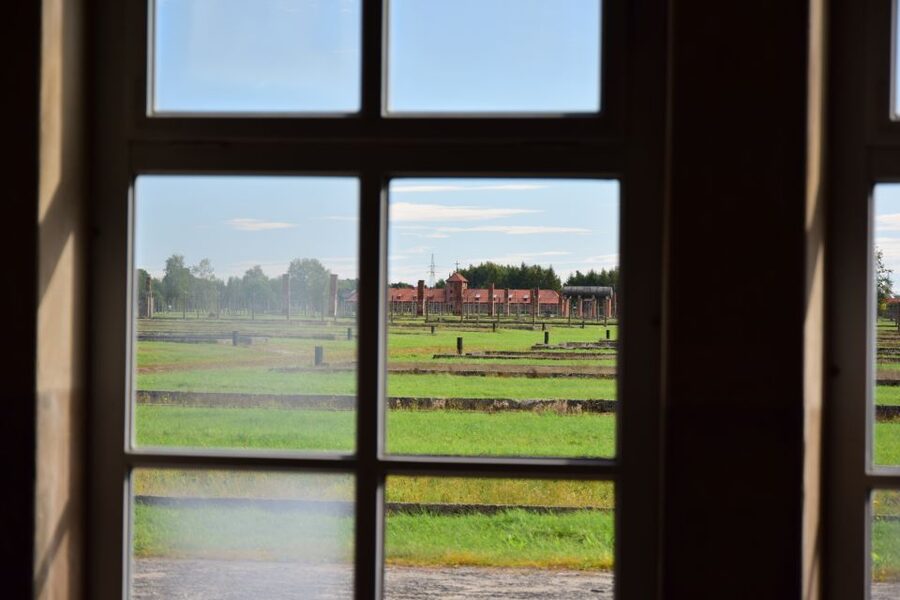
The first listed stop is the Judenrampe, with about 30 minutes for a self-guided visit. A short bus transfer of around 10 minutes then takes you to the main Memorial and Museum Auschwitz-Birkenau area.
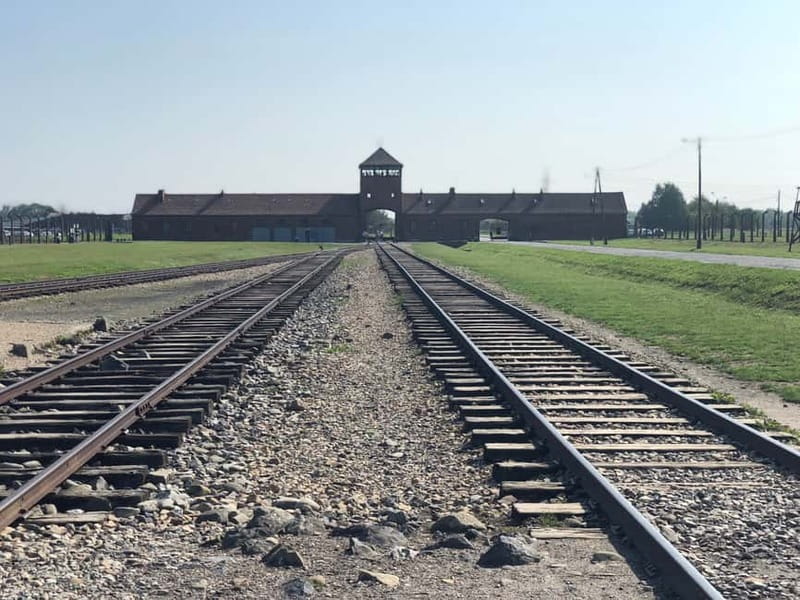
The Judenrampe is important because it helps you understand the arrival process. Deportation trains once stopped here, and the original camp train car gives the railway setting a physical presence. Rather than beginning with a room full of information panels, you first encounter an object and place connected to the movement of people into the camp system.
Thirty minutes is enough for a focused stop, but it is not a long independent study period. Listen carefully to the host’s instructions and use the booklet if your option includes one. The area is part of the overall visit, but it is not a substitute for the time at Auschwitz I and Birkenau.
This stop also shows why comfortable footwear matters. You will be outside and moving between parts of a large memorial area. The day is not designed for leisurely café breaks or frequent sitting.
Same country, a completely different kind of day:
- Krakow–Zakopane: Cable Car, Chocholow Baths, Cheese & Vodka
★ 5.0 · 10,720 reviews - Krakow: Auschwitz-Birkenau Guided Tour with Pickup & Lunch
★ 4.5 · 9,800 reviews - From Krakow: Wieliczka Salt Mine Tour
★ 4.6 · 9,393 reviews - Krakow: Auschwitz-Birkenau Guided Tour Pickup/Lunch Options
★ 4.5 · 9,057 reviews
Auschwitz I, the first camp site
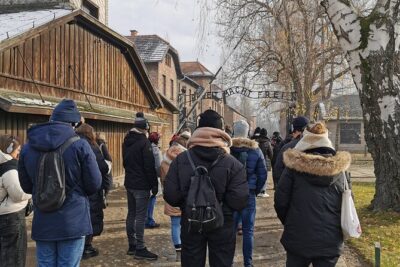
Your main visit begins at Auschwitz I. This was the first camp established here for men and women, and it became the administrative center for the wider camp complex.
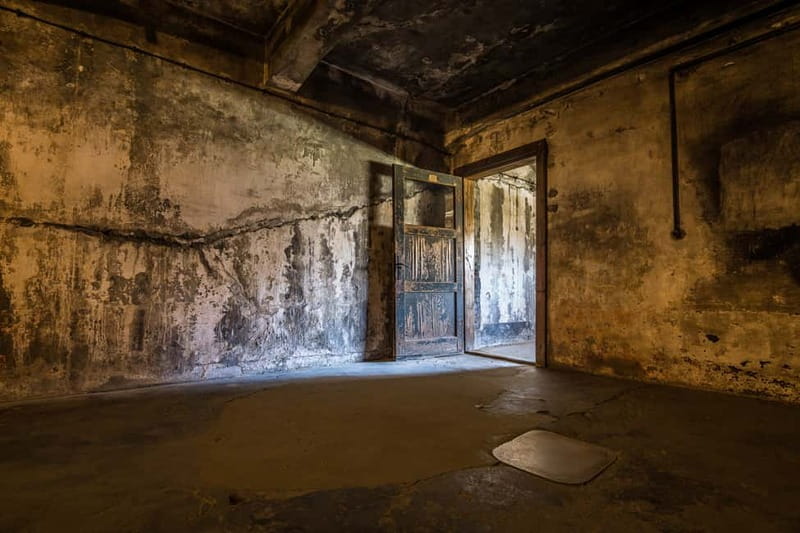
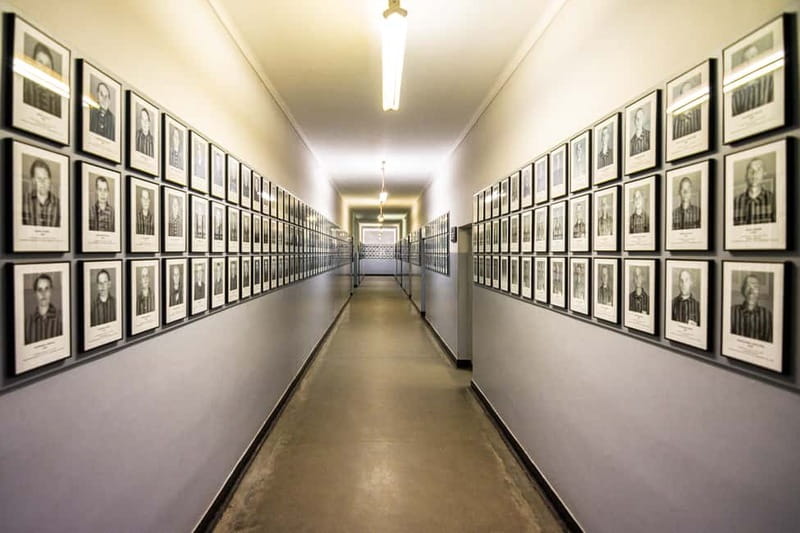
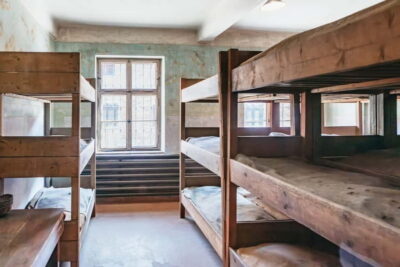
The preserved blocks make this section feel more enclosed and built-up than Birkenau. The buildings include the central camp prison in Block 11, the commandant’s office, and SS offices. The site also records early experiments with Zyklon B, the first mass killings of Jewish deportees, criminal experiments on prisoners, and executions by shooting.
A professional guide can help you connect the buildings to the wider system. On guided options, the museum visit is described as a 3.5-hour guided tour covering Auschwitz-Birkenau. The exact pace is controlled by the memorial’s visitor service and regulations, so the timing on your voucher should be treated as approximate.
On self-guided or booklet options, you receive a brochure in your selected language, when included in that option. It contains maps, descriptions, and a suggested route. This is useful if you prefer to read quietly and move at your own pace, though you will have less opportunity to ask questions than you would with a professional guide.
The choice comes down to how you process difficult places. I would favor the guided option if you want help understanding the sequence of events and the function of each building. The booklet option can suit you if you want a lower price and enough structure to avoid wandering without direction.
The short break between the two camps
After Auschwitz I, you get a short break before continuing to Birkenau. Do not expect a long meal stop or a relaxed lunch period. The schedule is shaped by museum rules and group movement.
Use this pause for water, a small snack, and a moment to collect yourself. The material is emotionally heavy, and the transition between the two sites gives you a little breathing room before the largest part of the visit.
The tour then uses a short bus transfer between the sites. This is helpful because Birkenau is spread over a very large area. Walking the entire distance from Auschwitz I would add unnecessary time and fatigue to an already long day.
Auschwitz II-Birkenau across nearly 200 hectares
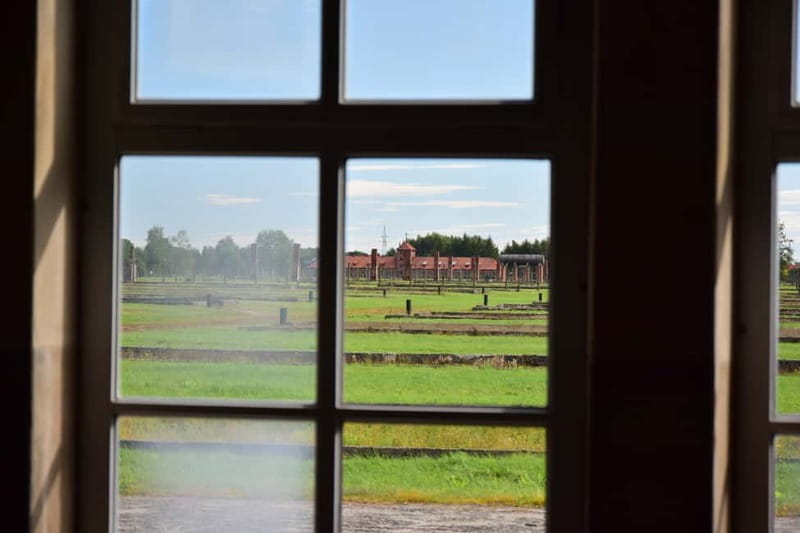
Birkenau is physically different from Auschwitz I. The grounds cover nearly 200 hectares, with long fencing, broad roads, rows of barracks, and open space that makes the scale of the camp easier to grasp.
The Nazis built most of the facilities for mass extermination here. Around one million Jews were murdered at Birkenau, and the camp also held Poles, Roma, and others. In 1944, more than 100,000 prisoners were held here, among nearly 300 mostly wooden barracks.
Much of what you see consists of ruins and preserved traces. Gas chamber remains, sites associated with human ashes, prisoner barracks, fencing, and roads all form part of the visit. The openness can be deceptive. You may walk across a broad area, but the layout was built to control movement and isolate people.
This is where a guide’s explanation can add real value. A professional guide can point out how the railway, barracks, fences, and killing facilities fit together. Without that framework, the size of the site may be clear while its purpose is harder to follow.
Still, the booklet route has an advantage. It lets you pause at your own speed and read the descriptions without trying to keep up with a group. The tradeoff is that a group visit may move on before you have finished every section, while a self-guided visit may leave you with questions.
The site is exposed, and the walking areas can be demanding for anyone with mobility problems. The activity is not recommended for people with mobility impairments or wheelchair users. Comfortable shoes are essential, and large bags or luggage are not allowed.
Guided visit or booklet option?
The booking choices matter more than the low starting price suggests. A transport-only option may include a host who assists with obtaining your ticket, but the entry ticket itself is not included in that option. Read the exact package carefully before paying.
Guided options include a professional guide and, where specified, skip-the-line tickets. They also provide the 3.5-hour guided visit. This is the simplest choice if you want the museum’s main points explained in a clear order.
Booklet options include a brochure in your chosen language, with maps, descriptions, and a suggested sightseeing route. This gives you a practical framework without the added cost of a full guided visit. The host remains available for basic assistance, but this is not the same as having a guide explain every room and outdoor section.
Groups can reach 30 visitors per guide. That is not a tiny private tour, so you should expect to stay with the group and follow the guide’s pace. A small-group option may be available, but confirm the exact option before booking.
Is $22 good value?
At about $22 per person, the advertised price is attractive for a round-trip journey from Krakow. You are paying for transport, coordination, the documentary, a tour host, and insurance. On guided options, the value can be stronger because professional guiding and skip-the-line entry are included when stated.
Do not use the $22 figure as the only comparison. The final cost depends on which package you select. The transport-only option specifically does not include the entry ticket, while guided and booklet packages have different inclusions.
For many people, the real value is time and reduced stress. You avoid arranging the road journey, finding the museum entrance, and working out the transfer between Auschwitz I and Birkenau. You also have a host who keeps the group moving and helps explain what happens next.
The price is less compelling if you want a private experience or long periods alone at individual exhibits. A group of up to 30 per guide cannot provide the same attention as a private guide. At a place this important, though, the basic transport and organization can be worth more than a small saving.
What to bring and what to leave behind
Bring your passport or ID card. The museum requires full names and contact details when you book, and the name on your reservation must match the identification you show at entry. A mismatch can result in refused entry.
Wear comfortable shoes. You will spend time walking outdoors and across a large former camp site, particularly at Birkenau.
Large bags and luggage are not allowed. Pack lightly and do not arrive with a suitcase. Alcohol and drugs are also prohibited.
Because the subject is serious, dress and behave with respect. The tour is educational and memorial in purpose, not entertainment. The documentary, buildings, ruins, and surviving objects call for quiet attention.
Who will get the most from this tour?
I would choose this trip if you are staying in Krakow and want to visit both camp sites in one organized day. It suits first-time visitors who value clear transport, a planned route, and help with museum procedures.
The guided version is best for you if you want historical explanation, have limited time, or prefer to ask questions as you go. The booklet version makes more sense if you want to spend less and are comfortable reading maps and descriptions independently.
This is not the right choice if you need a fully accessible outing, a private guide, or a relaxed schedule with lots of free time. The pickup may change, the drive is long, and the museum sets the pace.
The operator offers free cancellation up to 24 hours before departure and allows you to reserve now and pay later. Those policies are useful if your Krakow plans are still moving, but you should still monitor messages for any pickup change.
Should you book it?
Book this Auschwitz-Birkenau trip if you want a practical, affordable way to see both sites from Krakow, especially if you choose the guided package with entry arrangements included. The clean vehicles, clear host support, documentary, Judenrampe stop, and return transport make the day easier to manage.
Before booking, check three things: the exact package, the pickup location, and whether your name matches your ID. Then keep the whole day open, wear sturdy shoes, and prepare for a serious visit rather than a quick attraction stop.
FAQ
How long does the Auschwitz-Birkenau tour take?
The stated duration ranges from about 7 to 11 hours, depending on the selected option and the museum schedule. The total includes travel from Krakow, the Judenrampe stop, visits to Auschwitz I and Birkenau, breaks, and the return journey.
Where is the meeting point in Krakow?
The main meeting point is in front of the Radisson Blu Hotel at the tourist bus stop. Depending on your selected option, pickup may also be arranged at Starowiślna 65, Floriana Straszewskiego 17, or Wielopole 2.
Is transportation included?
Round-trip transportation from a Krakow meeting point is included. You may travel by van, minibus, or coach with KrakowDirect markings.
Is a professional guide included?
A professional guide is included only with selected guided options. Other packages use a booklet with maps, descriptions, and a suggested route, along with assistance from an English-speaking host.
What identification do I need?
Bring your passport or ID card. The full name supplied during booking must match the name on your identification, or entry may be refused.
Can I bring luggage or a large bag?
No. Luggage and large bags are not allowed. Bring only what you need for the visit, and wear comfortable shoes.
Just added around Krakow
- Tour to Wadowice: Hometown of Pope Saint John Paul II★ 4.6 · 12 reviews
- The Jewish Quarter – Walking Tour★ 5.0 · 4 reviews
- From Kraków; to Białka Thermal Baths private tour★ 5.0 · 5 reviews
- St. Mary’s Basilica and more – a short walk with a guide★ 4.7 · 56 reviews
- Krakow: Auschwitz-Birkenau and Wieliczka Salt Mine Day Trip★ 4.7 · 84 reviews
- Krakow: Skip-the-Line Wawel Castle & Old Town Guided Tour★ 4.9 · 23 reviews
- Krakow: Schindler’s Factory Guided Tour★ 4.2 · 12 reviews
- Shooting Range Experience!★ 4.8 · 66 reviews
Auschwitz-Birkenau Memorial Tours, compared.
Auschwitz-Birkenau Guided Tour & Hotel Pickup
Read our review →Auschwitz-Birkenau Guided Tour & Hotel Pickup
Read our review →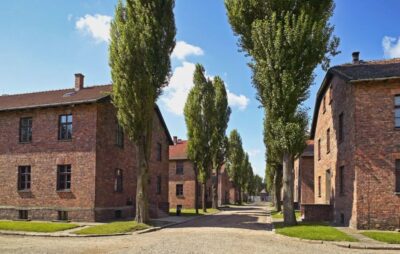
Auschwitz Guided Tour with Optional Hotel Pickup
Read our review →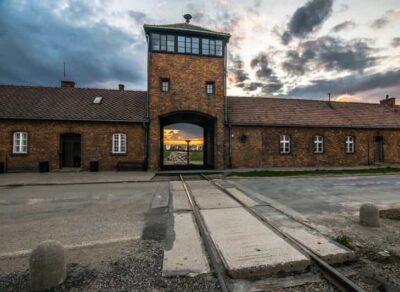
Auschwitz-Birkenau Guided Tour with Pickup & Lunch
Read our review →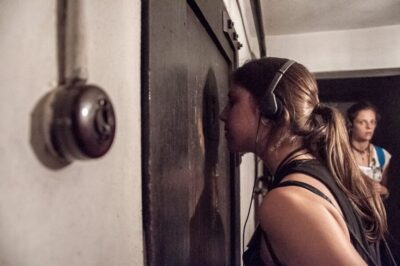
Auschwitz-Birkenau Guided Tour Pickup/Lunch Options
Read our review →
Krakow to Auschwitz Birkenau Guided Tour with Transfer and Ticket
Read our review →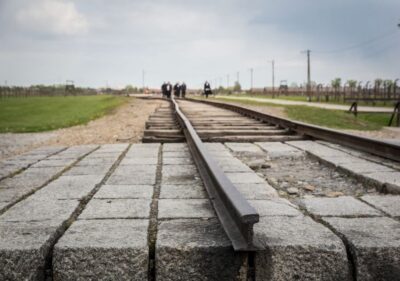
Browse the lists this tour appears in