
Reviewed · AUSCHWITZ-BIRKENAU MEMORIAL TOURS
From Krakow: Auschwitz-Birkenau Tour with Transportation
Auschwitz-Birkenau is not a sightseeing stop in the usual sense. It is a place of evidence, silence, and remembrance, where the surviving buildings and grounds make the Nazi system of imprisonment and mass murder painfully real. This tour takes you to both Auschwitz I and Auschwitz II-Birkenau in one organized day.
I like the direct transport from central Krakow, including the ride between the two museum sites. I also like having entrance tickets, a tour leader, and a portable headset arranged in advance, which removes much of the day’s practical hassle.
The main drawback is the pace. With many visitors and a fixed schedule, some parts can feel hurried, especially at Birkenau. You should also expect a physically tiring and emotionally heavy visit, not a casual day out.
Key points to know before booking
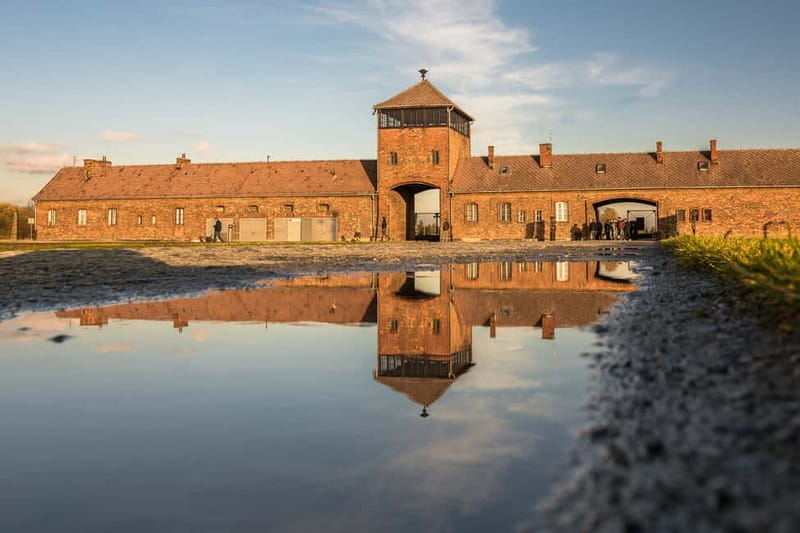
- Both camps are included: Visit Auschwitz I, with its prison blocks and exhibitions, then Auschwitz II-Birkenau, the much larger camp complex.
- Central Krakow meeting point: Meet at Plac Matejki 2, with no hotel pickup available.
- About 7.5 hours total: The day includes coach travel, museum entry, guided visits, and short breaks.
- A museum guide leads the camp visits: English and Spanish options are offered, with headsets to help you hear.
- Small bags only: Backpacks and handbags must be no larger than 30 by 20 by 10 centimeters.
- Best for mature visitors: Children under 14 are not accepted, and the subject matter calls for quiet attention and preparation.
Why Auschwitz and Birkenau require a different kind of tour
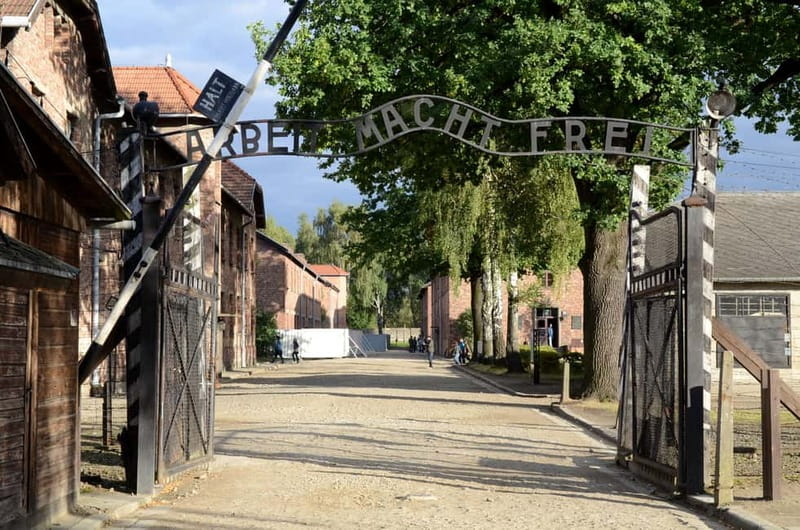
The Auschwitz-Birkenau Memorial and Museum preserves two connected but very different sites. Auschwitz I began in 1940, when the Nazi regime established a camp near Oświęcim to hold growing numbers of arrested Poles and others. The site followed the pattern of earlier Nazi camps, with brick buildings, prison blocks, administrative areas, and a central gate.
By 1942, the camp system had become central to the Nazi plan known as the Final Solution, the effort to murder Jews from across the territories controlled by the Third Reich. Auschwitz and Birkenau also formed part of the wider persecution and murder of Poles, Roma and Sinti, and many other people.
I find a guided visit especially valuable here because the buildings alone cannot explain the political decisions, camp organization, and human cost. A guide links the objects and places you see to the people who were imprisoned and killed there, while also helping you understand how Auschwitz changed over time.
This is not a place where a cheerful guide or a fast-moving attraction format would be suitable. The strongest departures described a careful guide who knew when to explain, when to answer questions, and when to allow silence. Past guides named in feedback include Mateusz and Vlad, but your guide will depend on the date and language you book.
More Auschwitz-Birkenau Memorial Tours in Krakow
- From Krakow: Auschwitz-Birkenau Guided Tour & Hotel Pickup
★ 4.5 · 33,358 reviews - From Krakow: Auschwitz-Birkenau Guided Tour & Hotel Pickup
★ 4.5 · 29,340 reviews - Krakow: Auschwitz Guided Tour with Optional Hotel Pickup
★ 4.5 · 15,280 reviews
Meeting at Plac Matejki 2 in Krakow
The tour begins at Plac Matejki 2, a central location that is intended to be easy to find. From the city center, the bus stop and office are on the right-hand side, and the office carries the Cracow City Tours logo.
There is no hotel pickup, so allow time to walk to the meeting point. The most useful practical detail is that this is the only departure point, and the coach goes directly toward the museum.
The meeting area can become confusing when several language groups and buses gather at once. One recent account described unclear lines and a disorderly boarding process. I would arrive early, look for staff and the correct bus, and confirm your language before getting on.
The tour is offered in English and Spanish. Check the booked language carefully. If you accidentally reserve the wrong day or language, correcting the mistake may be difficult because museum tickets are tied to visitor details.
The 100-minute coach ride to Oświęcim
The journey from Krakow takes about 100 minutes according to the planned schedule, though the exact time can vary. The coach is used not only for the trip from Krakow, but also for the transfer between Auschwitz I and Birkenau, then for the return trip.
A tour leader travels with the group and explains the day’s plan. On some departures, an introductory film has been shown during the ride. This can help prepare you for the subject, though older feedback noted that the screens were small and conversation on the coach could make the audio hard to hear.
The coach has been described as comfortable, and drivers such as Jakub and Martin received warm personal praise in past departures. That does not guarantee a particular driver, but it gives you a fair idea of the role the transport team plays: getting the group there on time, explaining the next step, and keeping the day moving.
Very early departures are sometimes available. One visitor who left around 4 a.m. initially found the start difficult, but felt the early arrival was worthwhile because it matched a favorable museum entry time. Another early departure returned to Krakow around midday, leaving the rest of the afternoon free.
If your day includes a train later on, confirm the exact departure and return times before booking. The published duration is 450 minutes, or 7.5 hours, but traffic, entry procedures, and group movement can affect the schedule.
Auschwitz I, prison blocks, and museum evidence
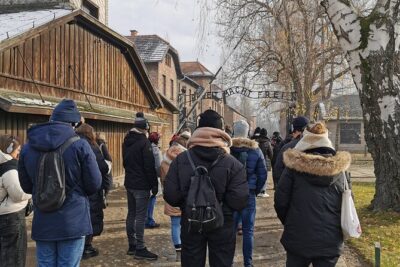
The first guided visit lasts about two hours. Auschwitz I is the more compact site, and its brick blocks create a very different feeling from the open spaces at Birkenau.
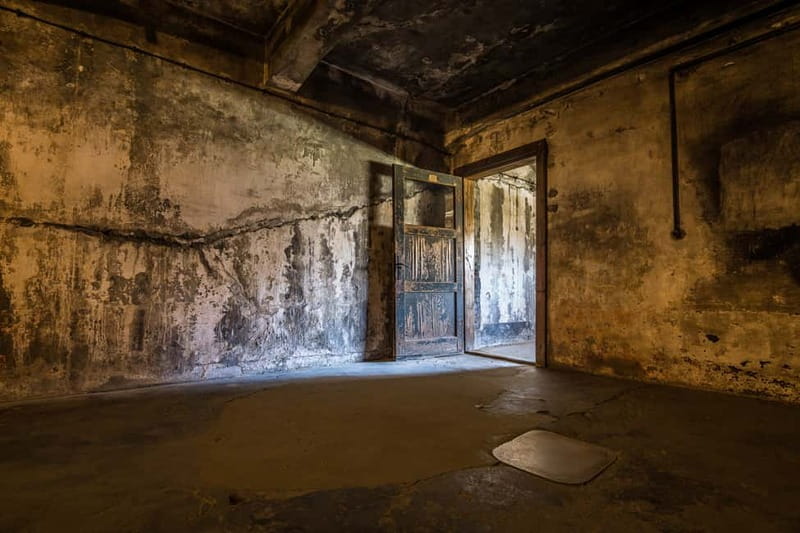
You will see the main gate and hear about the camp’s creation, its role as a prison, and the growth of the Nazi camp system. The route includes prison blocks, exhibitions, the gas chambers, and a crematorium, subject to the museum’s operating arrangements on the day.
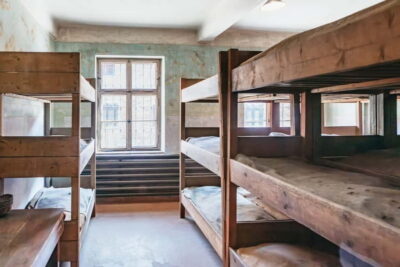
The blocks hold objects and displays that make the scale of the crimes difficult to dismiss as an abstract historical event. Your guide provides the political and historical setting, then connects that setting with individual lives and the daily conditions imposed on prisoners.
I would not rush this part emotionally, even if the walking pace is brisk. The tour is designed as an overview, so you are not likely to see every building or spend unlimited time in every exhibition. That is the tradeoff for visiting both sites in one day.
Headsets are supplied, which is important when several groups are moving through the same buildings. A good headset lets you stay near the guide without crowding around a single speaking point. It also helps when the site is busy, though a few past departures had technical problems, including sound cutting out or background breathing on the audio system.
Photography is allowed, but flash photography is not permitted inside the blocks. Use your camera with care and follow museum instructions. This is a memorial, not a backdrop for casual poses.
Same country, a completely different kind of day:
- Krakow–Zakopane: Cable Car, Chocholow Baths, Cheese & Vodka
★ 5.0 · 10,720 reviews - Krakow: Auschwitz-Birkenau Guided Tour with Pickup & Lunch
★ 4.5 · 9,800 reviews - From Krakow: Wieliczka Salt Mine Tour
★ 4.6 · 9,393 reviews - Krakow: Auschwitz-Birkenau Guided Tour Pickup/Lunch Options
★ 4.5 · 9,057 reviews
The transfer to Birkenau
After the Auschwitz I visit, the coach takes you to Auschwitz II-Birkenau. The plan includes a short break before or around the transfer, with time to use the toilet, rest, buy a book, or get something to eat.
Food and drinks are not included, so bring suitable refreshments if permitted during the travel portions, or plan to use the available break areas. Food is not allowed in the museum areas, and smoking is permitted only outside the museum.
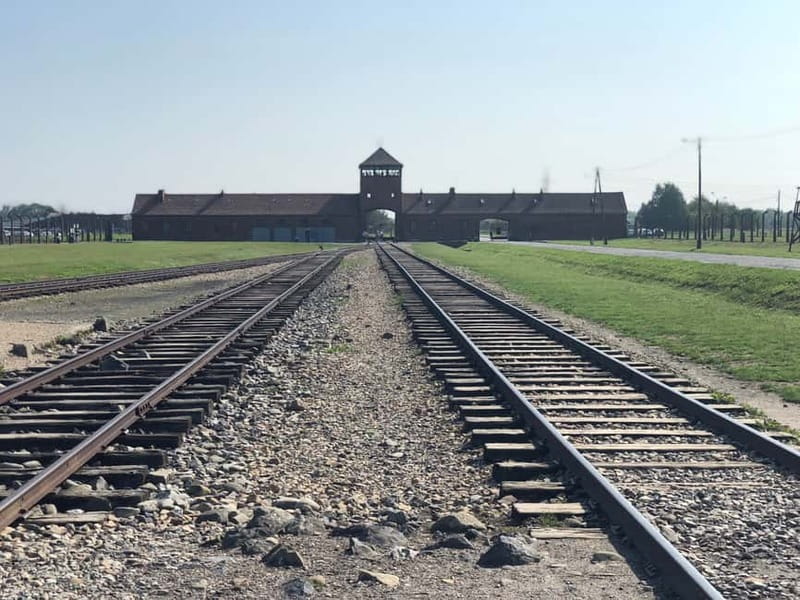
The transfer matters because the two sites do not feel interchangeable. Auschwitz I is built around enclosed blocks and museum rooms. Birkenau is much larger and more open, with long distances and a greater sense of the camp’s scale.
Birkenau and the scale of the camp
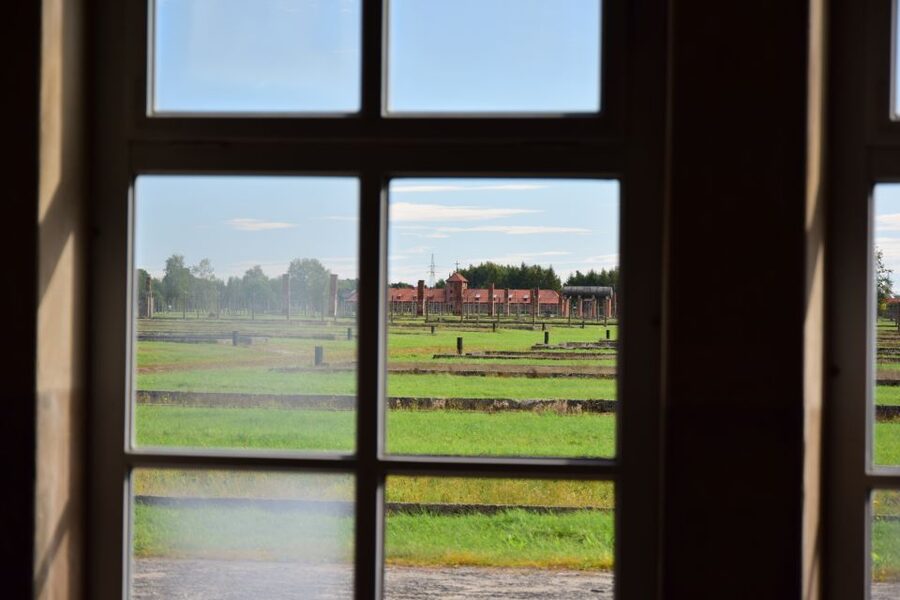
The guided visit at Auschwitz II-Birkenau lasts about 50 minutes. That is enough for an important overview, but it is also the part of the tour most likely to feel short.
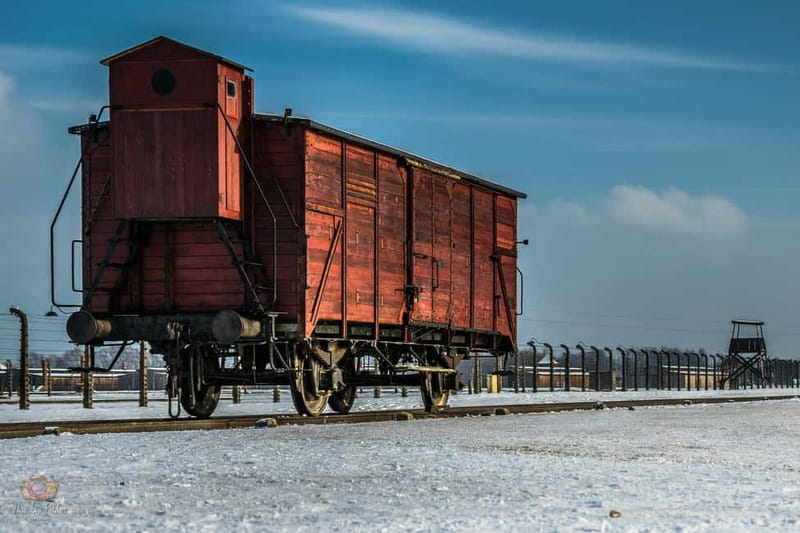
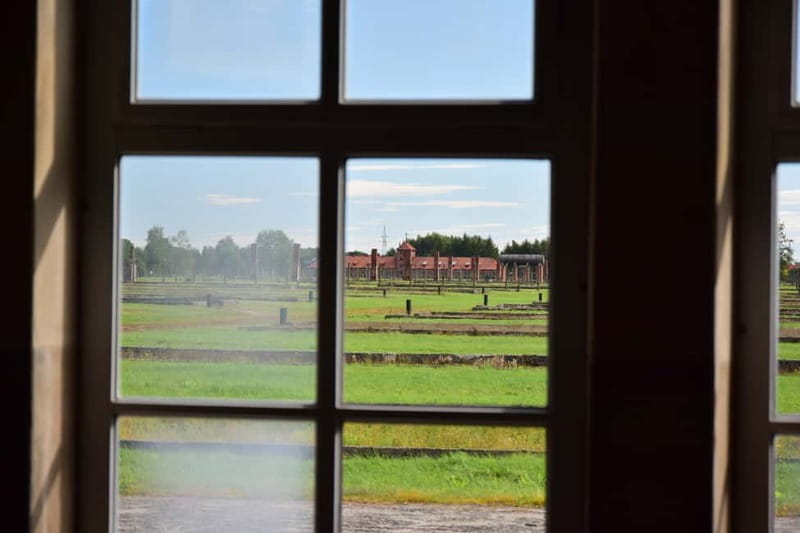
Birkenau’s size helps explain why the Nazi camp system became so deadly and industrialized. The open grounds, surviving structures, railway area, and remains of the camp make the site’s organization easier to grasp than photographs alone can.
Your guide links Birkenau to what you saw at Auschwitz I, explaining how the two sites worked together and how prisoners experienced the system. This connection is one of the strongest reasons to choose a tour that includes both camps rather than visiting only one.
Still, do not expect to walk every section of Birkenau. Past visitors have found that the guided route covers key areas rather than the entire site, and some felt the English visit ended sooner than other language groups. The fixed 50-minute period is a real limitation for anyone wanting a slow, detailed exploration.
I recommend treating Birkenau as a place for listening and taking in the scale, not as a checklist of buildings. You may have time for a few photographs, but the setting calls for restraint. The point is not to collect images. It is to understand what the site represents.
Breaks, walking, and the physical side of the day
The schedule includes short breaks of roughly 10 to 20 minutes. These pauses are useful, but they are not long meal stops. You will spend a good part of the day walking, standing, listening, and moving with a group.
Wear comfortable shoes and clothing suited to the weather. Winter departures can be especially cold, while summer visits may involve long periods outside. One past account specifically advised warm clothing for winter, and that remains sensible advice for an exposed memorial site.
Bring an official passport or ID card. Children need identification as well. The name entered during booking must match the name on the document used at entry. The museum can refuse admission if the details do not match.
Bags are tightly restricted. A backpack or handbag cannot exceed 30 by 20 by 10 centimeters, and large luggage is not allowed. You may be able to leave bags on the bus, but do not rely on carrying a suitcase into the museum. Pack light from the start.
The tour is not suitable for children under 14. That rule reflects both the museum’s requirements and the seriousness of what you will see and hear. For older teenagers, parents should still decide carefully whether the subject and pace are appropriate.
The guide makes the difference
The transport leader and the museum guide have different jobs. The tour leader manages the coach, tickets, meeting instructions, timing, and transfers. The museum guide leads the actual visits and explains the history inside both camps.
The strongest guide experiences have combined clear English with a respectful tone. One past guide, Mateusz, was praised for leading both Auschwitz and Birkenau, answering questions, and taking the right amount of time. Another visitor described a Polish guide whose personal connection to the subject made the explanations feel especially sincere.
Do not expect entertainment. A good guide here should be precise, calm, and willing to let difficult evidence speak for itself. The headset system allows the guide to speak quietly without shouting, though you should tell staff quickly if your device stops working.
Because the itinerary is shared, the quality of the visit can also depend on group behavior. Some people may take photographs in ways that feel careless or treat the site like an ordinary attraction. You can control your own conduct: listen, avoid flash, keep your voice low, and give other people space.
Is $86 good value?
At $86 per person, this is not the cheapest way to reach Oświęcim, but the price covers the parts that make a first visit simpler: entrance tickets, transport from Krakow, the transfer between the two museum sections, a tour leader, museum guidance, headsets, and insurance during the tour.
The value is strongest if you want a straightforward day without arranging regional transport or dealing with museum entry on your own. It is also useful if you have limited time in Krakow and want both Auschwitz I and Birkenau in one booking.
The price is less attractive if you want a long, independent visit with time to read every display or explore Birkenau at your own pace. The schedule is fixed, and the guided route focuses on the main areas.
Free cancellation is offered up to 24 hours before departure, and you can reserve now and pay later. However, museum tickets require full names and contact details, and the ticket conditions say museum tickets are non-refundable. Read the booking terms closely before submitting your identification details.
Who should book this Krakow Auschwitz tour?
I would choose this tour if you want:
- A single organized day from central Krakow
- Visits to both Auschwitz I and Auschwitz II-Birkenau
- English or Spanish guidance
- Help with entry procedures and transfers
- A fixed schedule that may leave part of the afternoon free
- An introductory visit rather than a full research-focused study day
I would look for a slower or more private option if you need extensive time in each exhibition, dislike group pacing, or want to explore every section of Birkenau. No format can make this an easy day, but a smaller or longer visit may suit you better.
Plan nothing demanding afterward if you can avoid it. Several hours of walking and concentrated attention can leave you tired, and the subject itself may stay with you long after you return to Krakow.
Should you book it?
Book this tour if you want the practical work handled for you and understand that the visit will be an overview. The coach, prearranged tickets, museum guide, headsets, and two-site route provide solid value for a first visit from Krakow.
Do not book it expecting a relaxed excursion or unlimited museum time. Auschwitz-Birkenau is a serious memorial, and the most useful preparation is to arrive on time, carry only a small bag, dress for the weather, and give the place the attention it demands.
FAQ
Where does the tour begin in Krakow?
The meeting point is Plac Matejki 2 in Krakow. From the city center, the bus stop and office are on the right-hand side, and the office is marked with the Cracow City Tours logo.
Is hotel pickup included?
No. Hotel pickup and drop-off are not included, and Plac Matejki 2 is the only meeting point.
How long does the tour last?
The stated duration is 450 minutes, or about 7.5 hours. The planned schedule includes coach travel, visits to both museum sites, breaks, and the return journey to Krakow.
Which languages are available?
The tour is offered in English and Spanish. Check that you reserve the correct language and date.
Are Auschwitz and Birkenau both included?
Yes. The visit includes Auschwitz I and Auschwitz II-Birkenau, with transportation between the two parts of the Memorial and Museum.
What is included in the price?
The price includes entrance tickets, transport to and from Oświęcim, transport between Auschwitz I and Birkenau, an English-speaking tour leader, a portable headset, and insurance for the tour.
Do I need identification?
Yes. Bring a passport, ID card, or driver’s license. Children must also bring a passport or ID card.
Can I bring a large backpack or suitcase?
No. Backpacks and handbags brought into the museum must not exceed 30 by 20 by 10 centimeters. Large bags and oversize luggage are not allowed.
Can I take photographs?
Yes, photography is allowed, but flash photography is not permitted inside the blocks. Follow the museum’s instructions and behave respectfully.
Is the tour suitable for young children?
No. Children under 14 are not accepted. The subject matter is also emotionally difficult, so older children and teenagers should be considered carefully by their parents.
Just added around Krakow
- Tour to Wadowice: Hometown of Pope Saint John Paul II★ 4.6 · 12 reviews
- The Jewish Quarter – Walking Tour★ 5.0 · 4 reviews
- From Kraków; to Białka Thermal Baths private tour★ 5.0 · 5 reviews
- St. Mary’s Basilica and more – a short walk with a guide★ 4.7 · 56 reviews
- Krakow: Auschwitz-Birkenau and Wieliczka Salt Mine Day Trip★ 4.7 · 84 reviews
- Krakow: Skip-the-Line Wawel Castle & Old Town Guided Tour★ 4.9 · 23 reviews
- Krakow: Schindler’s Factory Guided Tour★ 4.2 · 12 reviews
- Shooting Range Experience!★ 4.8 · 66 reviews
Auschwitz-Birkenau Memorial Tours, compared.
Auschwitz-Birkenau Guided Tour & Hotel Pickup
Read our review →Auschwitz-Birkenau Guided Tour & Hotel Pickup
Read our review →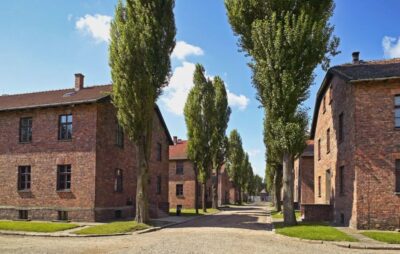
Auschwitz Guided Tour with Optional Hotel Pickup
Read our review →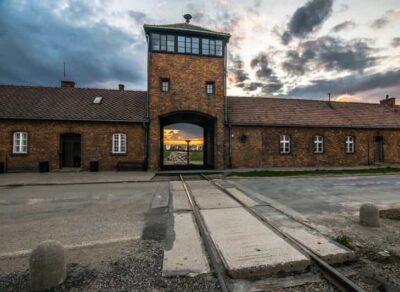
Auschwitz-Birkenau Guided Tour with Pickup & Lunch
Read our review →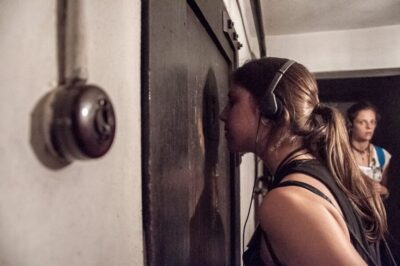
Auschwitz-Birkenau Guided Tour Pickup/Lunch Options
Read our review →
Krakow to Auschwitz Birkenau Guided Tour with Transfer and Ticket
Read our review →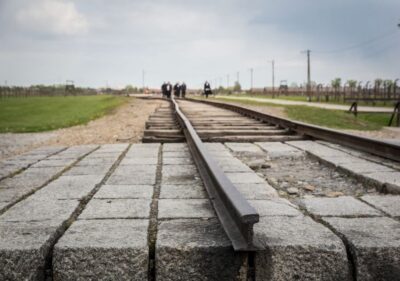
Browse the lists this tour appears in