

Reviewed · POLISH FOOD TOURS
Gdansk: 4-Hour Polish Food Tour
Polish food is far more than pierogi, and this four-hour walk gives you a generous introduction to the parts of the cuisine many visitors miss. You may taste cold cuts, cheeses, regional fish, soup, traditional main dishes, sweets, and a shot of Polish vodka, all while moving between four or five places in central Gdansk.
I like the small groups of up to eight and the way the guides connect each dish to Polish customs, family life, and history. I also like the sheer amount of food: 10 to 12 tastings are enough for a full meal with dessert, not just a few sample bites. The main drawback is that Polish cooking relies heavily on pork, so vegetarians may find much of the menu unsuitable.
Key points at a glance
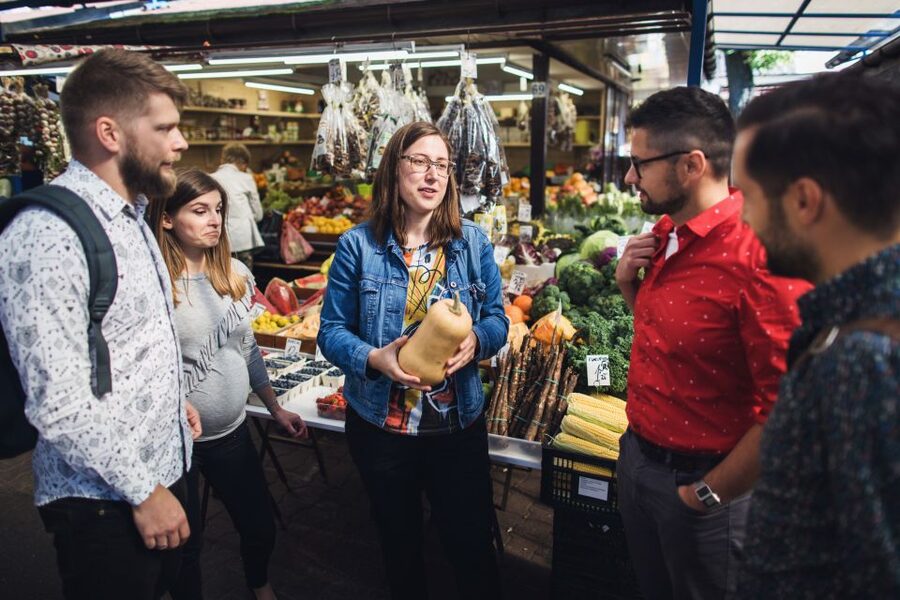
- Up to 12 tastings: Cold appetizers, cheeses, fish, soups, hot dishes, sweets, and a Polish vodka shot make this a full meal.
- Four to five central venues: You walk between carefully selected establishments while seeing parts of Gdansk’s city center.
- Guides who explain the why: Paulina, Eric, and Eryk have been praised for making food, history, and everyday Polish life easy to understand.
- A useful introduction beyond pierogi: You learn about bread, fermentation, preserved foods, and Poland’s changing food culture.
- Small English-speaking group: With no more than eight participants, it is easier to ask questions and keep the conversation personal.
- Come hungry: Eat breakfast, skip lunch, and tell the guide about allergies before the tour begins.
Starting opposite Gdansk Główny station
The meeting point is outside the main entrance of the Scandic Hotel at ul. Podwale Grodzkie 8. It is directly opposite Gdansk’s main railway station, Gdansk Główny, and beside the City Forum shopping mall.
That is a practical starting point. If you arrive by train, you do not need a long taxi ride or a complicated search through the old town. You can also reach the meeting point easily from central accommodations, though you should check the exact start time when booking because several departure times may be available.
From there, the tour continues on foot through central Gdansk. The walking matters because food is only half the experience. You get a look at the city as you move from one place to another, and the route helps break up what would otherwise be a very substantial meal.
The group is limited to eight people. That is small enough for a guide to explain an unfamiliar dish, answer questions, and keep the pace together. It also makes the tour feel more like a shared meal than a large procession following a flag.
More Polish Food Tours in Gdansk:
- Gdansk: Traditional Polish Food Private Tour
★ 4.6 · 33 reviews - Deluxe Polish Food Tour Experience in Gdansk
★ 5.0 · 10 reviews - Half-Day Polish Food Walking Tour with Guide and Dinner
★ 4.5 · 381 reviews
The first tastes: cold cuts, cheeses, and Polish hospitality
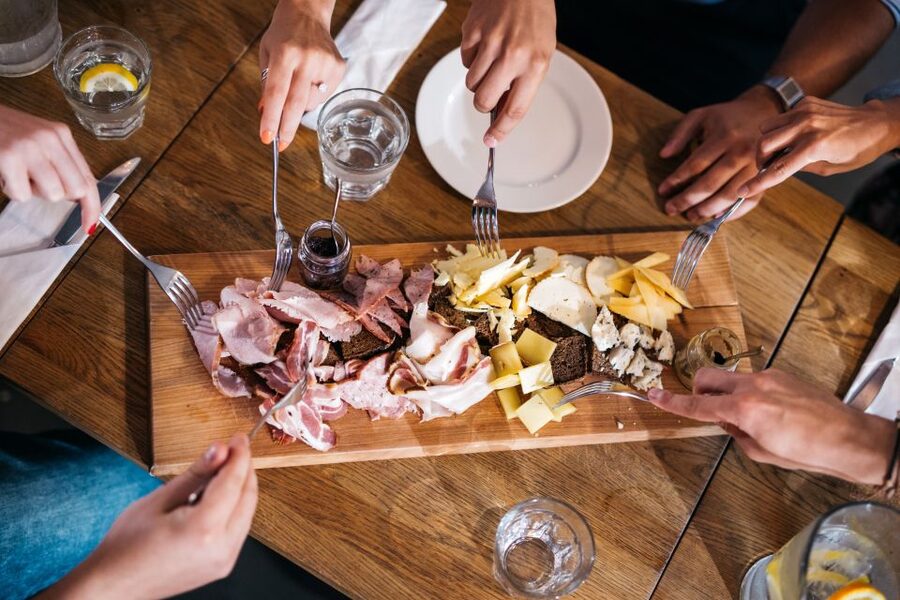
The opening part of the meal is likely to introduce you to cold appetizers, cheeses, and other foods served before a main course. These are useful first tastes because they show how Polish meals often begin with several items placed on the table for sharing.
You may encounter cold cuts, regional products, and cheeses rather than a single plated dish. The point is not simply to identify ingredients. Your guide explains how these foods fit into Polish homes, celebrations, and older food traditions.
One of the tour’s more interesting themes is the Polish attitude toward bread. You hear why people complain about the quality of bread even though bread remains central to the table. That small subject says a lot about local expectations: foods that seem ordinary to an outsider can carry strong memories and standards for people who grew up with them.
The guide also explains why some Polish people still feel nostalgic for food produced in the 1970s. This is not a simple claim that older food was better. It opens a conversation about shortages, familiar flavors, changing production methods, and the way national food memories survive political and economic change.
For you, this makes the tasting more useful than a standard restaurant meal. You are not just asking if you like a cheese or cold cut. You are learning why it matters.
Soup and traditional hot dishes

The tour then moves into warmer food, including traditional soups and hot main dishes. Polish soups can be especially helpful for first-time visitors because they show how practical cooking, preservation, and strong flavors meet in one bowl.
The exact menu can vary, but the experience includes several hot dishes alongside the earlier appetizers. You are given enough food to understand the meal as a whole, rather than sampling one famous item and moving on.
This is where the warning about portion size becomes important. Polish hosts have a reputation for serving enough food to make the table collapse, and this tour follows that generous spirit. You should eat breakfast, but skip lunch. Arriving after a large midday meal will make it difficult to try everything.
The food is based largely on pork. That makes the tour a better fit for people who want a traditional introduction to Polish cooking than for vegetarians seeking a broad meat-free menu. If you have allergies, tell the provider in advance so the menu can be adjusted where possible.
The tour is also a good setting for asking questions you may not think to ask in a restaurant. Your guide can explain how a dish is served, what it is associated with, and how Polish food has changed over time. Guides such as Paulina, Eric, and Eryk have been praised for making these explanations warm, clear, and entertaining.
Regional fish and the food of Pomerania
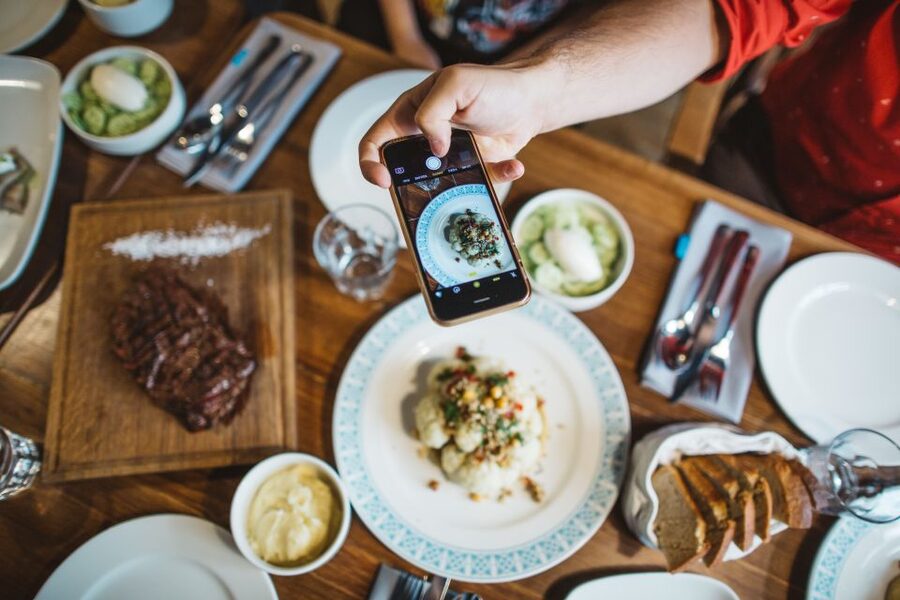
Gdansk sits in Pomerania, so regional fish forms part of the food story. Fish gives the tour a welcome change from the pork-heavy dishes and shows that local cuisine is not one fixed list of dumplings and stews.
The tasting may include fish prepared in a regional style, though the precise dish is not specified. That is worth keeping in mind if you are hoping for one particular seafood specialty. The appeal here is the wider picture: you get a sense of how the region’s location affects what people eat.
This section also helps correct a common outside view of Polish food. Many English-language menus focus on pierogi because they are familiar and easy to explain. On this walk, pierogi may be only one part of a much broader meal, or not the main focus at all.
I like that approach. A good food tour should give you the tools to order better during the rest of your stay. By the end, you should have a longer list of foods to look for and a better idea of what belongs to a traditional Polish table.
A few more Gdansk trips to weigh up
- Gdansk Food and Sightseeing Tour with Bart
★ 5.0 · 187 reviews - Gdansk Food and Sightseeing Tour with Bart
★ 5.0 · 88 reviews - #1 Polish Vodka Tasting Experience in Gdansk
★ 5.0 · 87 reviews - Gdansk: Polish Beer Tasting Tour
★ 4.7 · 81 reviews
Fermentation, preservation, and changing tastes
One of the most useful cultural lessons concerns fermented food. Your guide explains that fermented does not mean gone off, a point that can help if you are cautious about unfamiliar smells or sour flavors.
Fermentation is part of a broader Polish habit of preserving food and making good use of what is available. You may not love every taste, but the explanation gives the food a fair chance. It also helps you understand why sourness, pickling, and preserved ingredients appear so often in Central European cooking.
The discussion of older food production adds another layer. Poland’s food culture has been shaped by scarcity, state production, home cooking, modern shops, and changing expectations about quality. A simple bite can lead to a story about what people once had, what they missed, and what they now consider authentic.
This is the strongest part of the tour for anyone who wants more than a list of dishes. Guides do not just tell you a name and move on. They connect the food to daily life and national identity, while keeping the conversation approachable.
Sweets and the final vodka toast
After the savory courses, the tasting includes Polish sweets. This gives the meal a proper finish and helps explain why you should treat the tour as lunch or dinner rather than an appetizer crawl.
The exact desserts are not listed, so do not book expecting a particular cake or pastry. You can expect traditional sweet tastes as part of the 10 to 12 total dishes, with enough food to leave you very full.
The package also includes a shot of Polish vodka. Additional drinks are not included, though a drinks package may be available when you book. If you want beer, wine, soft drinks, or more vodka, plan to pay extra.
That distinction matters when judging the $119 price. The listed cost covers four hours, a small group, 10 to 12 food tastings, water at most venues, the vodka shot, and a written summary with food and restaurant suggestions. It does not cover every drink, hotel pickup, or drop-off.
For someone who would otherwise pay for several meals and spend time guessing what to order, that can be fair value. The price is less attractive if you eat very little, avoid pork, or mainly want a quick pierogi sample. The tour works best when you use it as a substantial meal and a food-focused introduction to Gdansk.
How the guides shape the experience
The guide is a major part of this tour. Paulina has been praised for her food knowledge, personal recommendations, and friendly manner. Eric and Eryk have also been described as warm, engaging, and good at explaining Polish food and history.
That consistency matters because the route itself is not the only product. The venues provide the food, but the guide gives the meal its shape. A dish that might seem plain can become memorable once you understand where it fits in Polish life.
The best guide style here appears to be conversational rather than formal. You can expect explanations about cuisine, history, lifestyle, and the places you visit, along with recommendations for the rest of your time in Gdansk.
The written summary at the end is another practical touch. It gives you a record of the route and tips on places to try later. If you enjoy a dish during the tour, this makes it easier to continue exploring on your own.
Who should book, and who should think twice
I would recommend this tour to first-time visitors who want a strong food introduction without spending days researching restaurants. It is also a good choice if you have only a short stay in Gdansk and want a meal, a walking route, and cultural context in one afternoon or evening.
It suits people who enjoy trying unfamiliar foods and asking questions. The small group is helpful for couples, solo visitors, and friends who prefer an informal setting over a large coach tour.
You should think twice if you are vegetarian. The cuisine is pork-based, and many dishes will not suit a meat-free diet. People with allergies should contact the provider before the tour, since adjustments may be possible but are not guaranteed for every dish.
You should also avoid scheduling this immediately after a large lunch. The amount of food is one of the tour’s strengths, but it can become a problem if you arrive full. Give yourself room to eat slowly and enjoy the explanations.
The tour is conducted in English. If you need hotel pickup or drop-off, you will need to arrange that yourself.
Is the $119 price worth it?
At $119 per person, this is not a cheap snack tour. It is a four-hour food experience with a full meal’s worth of tastings, a small group, multiple venues, a guide, water at most stops, vodka, and written recommendations.
The value depends on what you want from Gdansk. If you only want to sample one or two famous Polish dishes, you can spend less at a local restaurant. If you want to understand the wider cuisine, hear the stories behind it, and have a guide steer you toward foods you might not order alone, the cost makes more sense.
The 4.9 rating from 35 reviews reflects especially strong praise for the guides, food quality, personal atmosphere, and amount of information. That does not remove the pork and portion-size concerns, but it suggests the central promise is being met: a generous, well-explained introduction to Polish food in the middle of Gdansk.
Flexible booking also helps. You can reserve now and pay later, with free cancellation up to 24 hours before the start time. Keep in mind that availability and departure times should be checked before you commit.
Should you book the Gdansk Polish Food Tour?
Book it if you want to eat your way through Polish culture rather than simply order pierogi at a restaurant. The strongest reasons are the small English-speaking group, the broad range of dishes, and guides such as Paulina, Eric, and Eryk who make the food easier to understand.
Skip it if you are vegetarian, need a light meal, or prefer to choose every dish yourself. For everyone else, arrive hungry, have breakfast, skip lunch, and treat the $119 as the cost of a full meal plus a guided introduction to the food traditions of Gdansk.
FAQ
How long does the Gdansk Polish Food Tour last?
The tour lasts four hours.
How many food tastings are included?
You receive 10 to 12 food tastings, with up to 12 dishes in total. The food includes cold appetizers, hot soups, traditional dishes, regional fish, and sweets.
How many venues does the tour visit?
The group visits four to five carefully selected establishments in central Gdansk.
Is the tour conducted in English?
Yes. The tour has a live English-speaking guide.
How large is the group?
The group is limited to eight participants.
Is a vodka shot included?
Yes. One shot of Polish vodka is included. Additional drinks are not included.
Where is the meeting point?
Meet outside the main entrance of the Scandic Hotel at ul. Podwale Grodzkie 8. It is opposite Gdansk Główny main train station and beside the City Forum shopping mall.
Is the tour suitable for vegetarians?
Polish cuisine on this tour is based on pork, so many of the dishes may not be suitable for vegetarians.
Can food allergies be accommodated?
You should advise the provider about food allergies in advance so the menu can be adjusted where possible.
More Food in Gdansk
- Gdańsk: Authentic Polish Vodka & Food Experience
★ 4.9 · 50 reviews - Gdansk Traditional Food Tour with Old Town Sightseeing
★ 4.5 · 27 reviews - From Krakow: Polish Folk Show with All-You-Can-Eat Dinner
★ 4.5 · 1,593 reviews - Krakow Food Tasting Tour with Delicious Poland
★ 5.0 · 1,032 reviews
Just added around Gdansk
- Guided Winter Kayak Tour in Gdańsk & Hot Chocolate Treat★ 5.0 · 51 reviews
- Gdansk Highlights Bicycle Tour★ 5.0 · 65 reviews
- Electric Scooter Tour: Old Town Tour – 1,5-Hour of Magic!★ 5.0 · 19 reviews
- Elblag Canal Tour from Gdansk★ 4.5 · 22 reviews
- #1 Polish Vodka Tasting Experience in Gdansk★ 5.0 · 87 reviews
- Delicious Gdansk Craft Beer Tour★ 5.0 · 4 reviews
- DAILY Stutthof Concentration Camp with Guide and Transport★ 4.5 · 10 reviews
- Cruises on the Motlawa River★ 4.5 · 66 reviews
Polish Food Tours, compared.
Half-Day Polish Food Walking Tour with Guide and Dinner
Read our review →
Pierogi Cooking Class with Market Shopping and Local Snacks
Read our review →
Krakow Pierogi Cooking Class with Market Visit & Home-Cooked Meal
Read our review →
Food Tour of 10 Tastings with Pierogi, Vodka & More
Read our review →
Pierogi Cooking Class: Mastering the Art of Polish Dumplings
Read our review →
6-Course Full Polish Food Tour with Vodka Tasting
Read our review →
Browse the lists this tour appears in