
Reviewed · STUTTHOF CONCENTRATION CAMP TOURS
Private WW2 Tour of Westerplatte,Gdansk and Stutthof Including Lunch
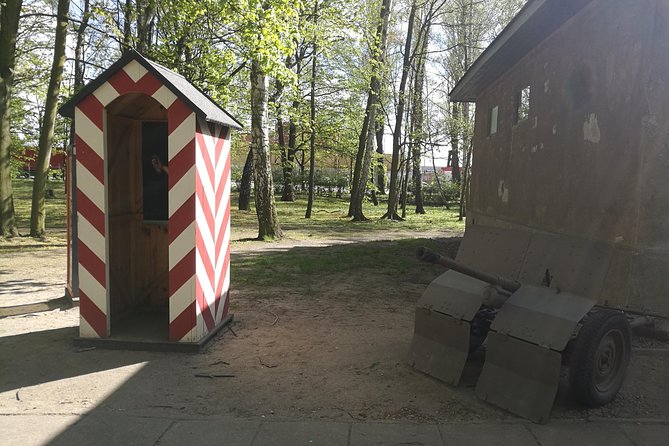
The hardest and most important stop here is Stutthof Concentration Camp, where two hours with an English-speaking certified guide gives the day its serious center. You then connect that story with the places where the war began in Gdansk: Westerplatte, the Polish Post Office, and several wartime remains in Old Town.
I like the private format, since Maciej can adjust the pace and answer questions without a large group pulling the day in different directions. I also like the Baltic beach lunch at Stegna. It gives you a quiet pause after Stutthof, with golden sand and sea air before the afternoon sites.
The main drawback is the length and emotional weight. This is a full history day, not a light city outing, and the Stutthof visit may be difficult. At $255.18 per person, it is also a serious spend, though private transport, guiding, admission, and lunch help explain the price.
Key points to know before booking
- Stutthof gets about two hours of guided attention, with admission included and the wider wartime setting explained during the drive.
- Maciej is the main guide named in the feedback, praised for clear English, strong command of Polish history, and an easy way with questions.
- Westerplatte connects directly to September 1, 1939, when the German battleship Schleswig-Holstein opened fire on the Polish depot.
- The Stegna beach stop includes lunch, a welcome change of pace beside the Baltic Sea.
- Hotel and Port of Gdansk pickup is available, making this useful if you do not want to arrange a rental car.
- The private setup suits families and mixed-age groups, especially when younger adults may need a clear story and room to ask questions.
Why this makes sense for a World War II day in Gdansk
Gdansk is not a place where World War II history sits in one museum. The story spreads across the city, the harbor, the Westerplatte peninsula, and the former Free City of Danzig. This tour gives you a way to connect those points instead of seeing them as separate monuments.
The opening drive to Stutthof is especially useful. During the roughly one-hour transfer, your guide explains the difficult political relationship between the Republic of Poland, Nazi Germany, and the Free City of Gdansk during the interwar period. That background matters because the war did not begin in a vacuum. Gdansk was a disputed, politically tense place before the first shots were fired.
I like this approach because it gives you the basic map before you reach the museum. You can ask questions in the minibus, then arrive with a better sense of why the area mattered to both Poland and Germany.
This is a private tour, so only your group takes part. That matters more than it might seem. A family can stop for clarification, a couple can spend longer at a difficult site, and a group with a particular interest in Polish heritage can guide the conversation toward names, places, and family connections.
The experience is offered in English and includes pickup from hotels in Gdansk and the Port of Gdansk. The stated price is $255.18 per person, and the tour is often reserved well ahead of time, with average bookings made 168 days in advance. That booking pattern suggests you should not leave it until the last morning of a short visit.
More Stutthof Concentration Camp Tours in Gdansk:
- Gdansk: Stutthof Concentration Camp Regular Tour
★ 4.7 · 361 reviews - Stutthof Concentration Camp English Tour with Gdansk Hotel pickup
★ 4.5 · 73 reviews - Stutthof Concentration Camp:Guided Tour with Transportation
★ 4.7 · 57 reviews
Stutthof: the day’s most serious stop
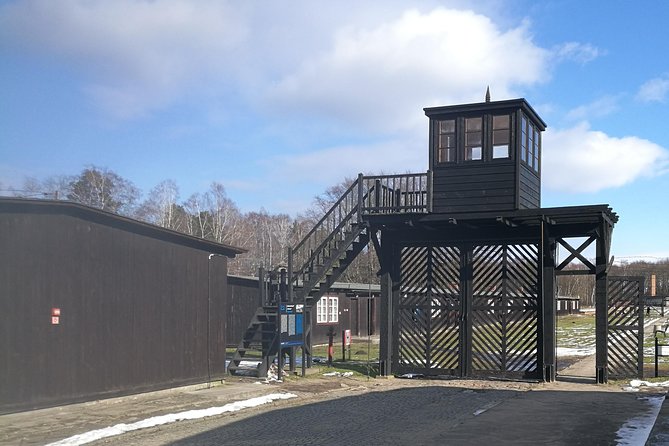
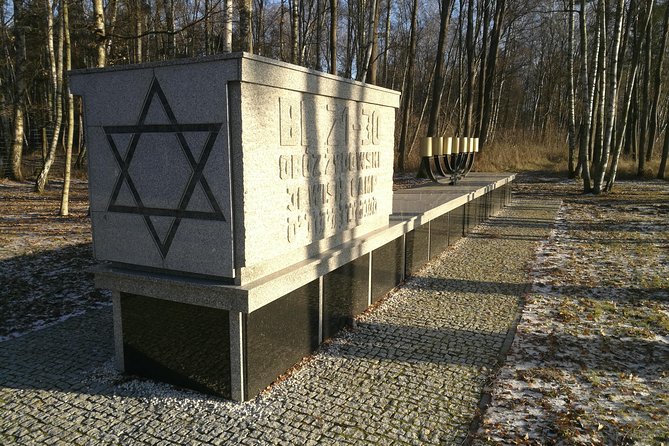
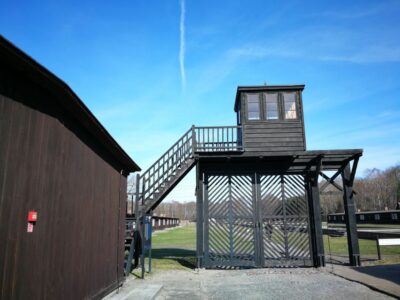
The tour begins with Stutthof Concentration Camp, reached by private minibus or minicoach. The transfer takes about an hour, followed by around two hours of guiding in the Stutthof Concentration Camp Museum. Admission is included.
You should approach this visit with patience. Stutthof is not a quick photo stop. The subject is painful, and the museum requires attention rather than cheerful sightseeing. The value of having a certified English-speaking guide is that you do not have to piece together the basic story alone while moving through the site.
Maciej has been praised for explaining major events clearly and for keeping the conversation open to questions. That is useful at Stutthof, where dates and political terms can otherwise blur together. The drive briefing also helps you understand how the camp fits into the wider history of the region.
Expect the Stutthof section to take about three hours including the transfer. The schedule gives the museum the largest block of time on the tour, which is appropriate. If your main goal is World War II history, this is the part that carries the greatest value.
The main consideration is emotional stamina. You may prefer a shorter city tour if you are traveling with very young children or if concentration camps are not a subject you want to visit. The tour description calls for moderate physical fitness, so plan for walking during the outdoor and museum portions.
Stegna beach adds breathing room
After Stutthof, you stop at Plaza Stegna for about an hour and a half. The plan is simple: see the Baltic Sea and have lunch by a golden sand beach.
This is a smart break in the day. A visit to Stutthof can leave you mentally tired, and the open coast gives you time to reset before returning to Gdansk. I would not book this tour expecting a long beach stay, though. The stop is part of a tightly planned history day, not a seaside holiday.
Lunch is included, which makes the $255.18 price easier to assess. You are paying not just for transport and guiding, but also for a meal and a private route that reaches places outside central Gdansk. The beach stop also adds a local contrast that a standard museum-to-museum tour would miss.
One useful detail comes from the guide’s flexibility. A party was taken to Stegna even after a change in the day’s plan, and the stop became a memorable part of the experience. That suggests you can discuss the order or emphasis of the day with Maciej, although you should not assume every change will be possible.
After lunch, you return to Gdansk by private minibus. The ride gives you another chance to ask questions before the final city stops.
Westerplatte and the first shots of World War II
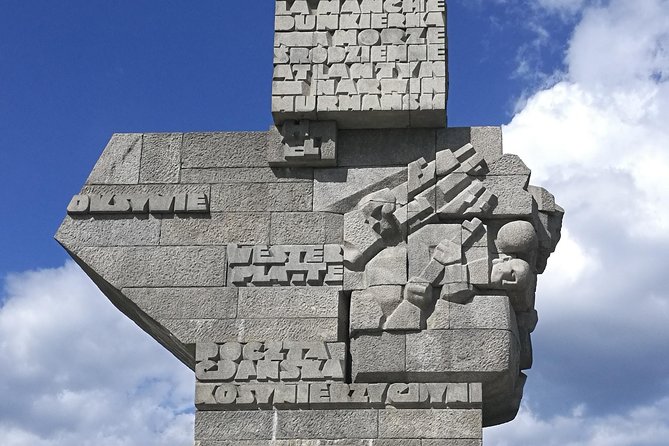
Westerplatte is the tour’s clearest link to September 1, 1939. From 1926 to 1939, the peninsula held the Polish Military Transit Depot, known as WST, within the territory of the Free City of Danzig.
The German battleship Schleswig-Holstein opened fire on the Polish garrison without warning. The Polish defenders held out for seven days. On September 7, Major Henryk Sucharski surrendered because ammunition and supplies were running low.
Your visit lasts about an hour, and there is no admission charge listed for this stop. The appeal is not only the date attached to the site. Westerplatte lets you picture the first military clash as part of a real place, rather than treating the beginning of the war as a line in a textbook.
The guide’s role is important here. Without context, you may see a peninsula and a few surviving structures. With the political background from the morning, the site becomes part of the larger argument over Gdansk and Polish sovereignty.
Westerplatte is also a good place to ask questions about the difference between the Free City and Poland. Those terms can be confusing, especially if you are encountering Gdansk’s twentieth-century story for the first time. Maciej’s clear explanations are one reason this tour works well for people who want more than dates and monuments.
A few more Gdansk trips to weigh up
- Malbork Castle and Westerplatte Tour with Lunch
★ 5.0 · 27 reviews - Gdansk: Malbork Castle & Westerplatte Tour with Local Lunch
★ 5.0 · 12 reviews - Krakow: Auschwitz-Birkenau Guided Tour with Pickup & Lunch
★ 4.5 · 9,800 reviews - Krakow: Auschwitz-Birkenau Guided Tour Pickup/Lunch Options
★ 4.5 · 9,057 reviews
The Polish Post Office and a smaller act of resistance
The Museum of the Polish Post Office, part of the Museum of Gdansk, marks another early act of World War II. The defense of the Polish Post Office in Danzig took place during the German invasion of Poland and was one of the first acts of the war in Europe.
The listed visit lasts about 30 minutes. You look at the historic building and the monument to the defenders of the Polish Post Office. That is a shorter stop than Stutthof or Westerplatte, but it adds an important civilian dimension to the day.
I like the way this stop broadens the story. Westerplatte focuses on a military depot. The post office brings you to a city building and the people defending it. Together, the two sites show that the opening of the war was not confined to one battlefield.
The schedule does not list admission as included for this stop. It describes a look at the building and monument, so you should not assume the plan includes a full interior museum visit unless your guide confirms it. That distinction matters if you are hoping to spend a long time inside.
Wartime traces in Gdansk Old Town
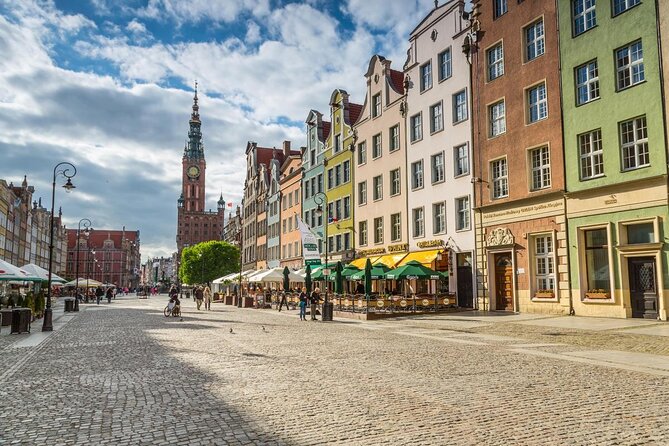
The final city portion looks at remains of World War II in Gdansk Old Town. The listed examples include Victoria Schulle, bunkers, and ruins from the 1940s. This section lasts about an hour.
It is a useful ending because it returns the story to the city itself. After seeing the camp and the military peninsula, you can look at wartime traces within Gdansk’s streets and buildings. The sites may not have the scale of Stutthof, but they help you understand that the conflict changed ordinary urban spaces as well.
The wider Old Town portion can also include additional locations, depending on the day’s pace. One full-day account included the old synagogue, Shakespeare Theatre, the Polish Post Office, Victoria School, the Kindertransport Memorial, Stutthof, Stegna, and Westerplatte. These extra references suggest Maciej may use the private format to add context beyond the fixed core route.
Still, you should treat those additional points as possible rather than guaranteed inclusions. The confirmed route names Old Town, Victoria Schulle, bunkers, and 1940s ruins. Ask at pickup if there are particular sites you want to prioritize.
Maciej’s guiding style and the private advantage
Maciej is the guide most closely associated with this experience. He is described as friendly, flexible, strong in English, and able to explain Polish history in a way that keeps both adults and young adults involved.
That last point matters for families. World War II history can lose younger listeners when it becomes a long string of dates. A private guide can respond to questions, use pictures, and adjust explanations instead of delivering the same speech to everyone.
The guide also appears comfortable handling a full day of conversation. Several accounts describe the day as flowing easily, with questions answered at each stop. You should still expect a serious, information-heavy experience. The friendly style makes the material easier to follow, but it does not make Stutthof a casual attraction.
A private tour can be especially useful if your family has Polish roots. You can ask about Gdansk, Danzig, interwar politics, and the wartime experiences of particular regions. The tour is not presented as a genealogy service, so do not expect family records or archive research, but the historical setting can give personal background a clearer place.
What the $255.18 price includes
At $255.18 per person, this is not a budget excursion. The price needs to be judged against what you would otherwise have to arrange yourself.
You receive hotel or Port of Gdansk pickup, private transport, an English-speaking guide, admission to Stutthof, lunch, and a route linking several places that are spread around the area. You also avoid the work of planning the drive to Stutthof, getting back to Gdansk, and fitting Westerplatte and the Old Town sites into the same day.
The value is strongest for a small private group. If several people share the vehicle and guiding, the personal service may make more sense than buying separate transport, museum visits, and meals. Group discounts are available, though the exact reduction is not stated.
The value is weaker if you only want to see Westerplatte. You could spend less time and money on a focused city outing. This tour earns its price through the combination of Stutthof, private service, historical explanation, and the Baltic coast stop.
The schedule is listed as approximately six to seven hours, while the individual portions add up to a long day once transfers and stops are counted. I would keep your day flexible and avoid booking a tight evening commitment.
Physical effort, timing, and practical planning
Pickup is offered from all hotels in Gdansk and from the Port of Gdansk. The morning departure window is listed as 8:30 to 10:30, Monday through Sunday. Your exact pickup time should be confirmed when you book.
You need a moderate level of physical fitness. The tour involves transfers, walking at Stutthof, moving around Westerplatte, and walking through Old Town. The data does not provide a detailed accessibility plan, so contact the provider if you have mobility needs.
The tour is offered in English and uses a mobile ticket. Confirmation is received at booking. Public transportation is nearby, but that matters less here because pickup and private transport are part of the experience.
Free cancellation is available if you cancel at least 24 hours before the start time. A cancellation inside that window is not refunded, and late changes are not accepted. The tour also requires a minimum number of people, so if the provider cancels for that reason, you are offered another date or experience, or a full refund.
Who should book this Gdansk history tour?
I would choose this for a first visit when World War II is a major reason for coming to Gdansk. It is also a good fit for people of Polish heritage, families who want a guided historical day, and anyone who prefers a private vehicle to a large coach.
You should book it if you want the full story, from interwar politics and the Free City of Danzig to Stutthof, Westerplatte, the Polish Post Office, and wartime traces in Old Town. The route has enough variety to keep the day from feeling like one long museum visit.
I would think twice if you want a relaxed holiday morning, a long beach afternoon, or a short tour with only the most famous Gdansk sights. Stutthof demands emotional attention, and the total day is busy.
With 12 five-star ratings and a full schedule led by Maciej, the tour has a strong record in the information provided. I would book it when you want clear explanations, private transport, and a serious look at Gdansk’s wartime past. I would skip it only if the subject matter or price does not fit your trip.
FAQ
How long does the tour last?
The experience lasts approximately 6 to 7 hours, although the listed stops and transfers make it sensible to allow a full day.
Where does pickup take place?
Pickup is available from all hotels in Gdansk and from the Port of Gdansk.
Is the tour private?
Yes. Only your group takes part in the activity.
Is the tour offered in English?
Yes. The tour includes an English-speaking guide, and Maciej is the guide named in the available information.
Is admission to Stutthof included?
Yes. Admission to the Stutthof Concentration Camp Museum is included.
Is lunch included?
Yes. Lunch is provided during the stop at Plaza Stegna near the Baltic Sea.
Does the tour visit Westerplatte?
Yes. You spend about one hour at Westerplatte, the site of the Polish Military Transit Depot and the opening attack on September 1, 1939.
What other Gdansk sites are included?
The route includes the Polish Post Office and its defenders’ monument, plus wartime remains in Old Town such as Victoria Schulle, bunkers, and 1940s ruins.
Can I cancel for a full refund?
Yes, if you cancel at least 24 hours before the experience begins. Cancellations made less than 24 hours before the start time are not refunded.
Just added around Gdansk
- Gdansk, Gdynia, and Sopot: 8-Hour Private Sightseeing Tour★ 4.9 · 13 reviews
- Westerplatte private tour led by Expert-Guide (door to door)★ 5.0 · 5 reviews
- Whisky Tasting in Gdańsk★ 5.0 · 3 reviews
- Gdansk EVERYDAY Vodka Tasting Tour★ 5.0 · 6 reviews
- Westerplatte – 2h private trip by luxury car|★ 5.0 · 4 reviews
- Torun – City of Copernicus Private Tour★ 4.5 · 5 reviews
- Undercover City Games: Gdynia★ 5.0 · 34 reviews
- 5 hours Individual trip to the Stutthof Concentration Camp★ 5.0 · 5 reviews
Stutthof Concentration Camp Tours, compared.
Stutthof Concentration Camp English Tour with Gdansk Hotel pickup
Read our review →
Stutthof Concentration Camp:Guided Tour with Transportation
Read our review →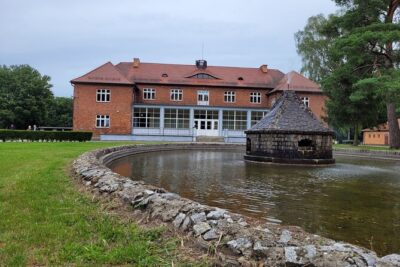
Stutthof Concentration Camp tour including transfer from Gdansk
Read our review →
Private transportation to the Stutthof Concentration Camp 4h
Read our review →
Stutthof Concentration Camp: Private Guided Tour with Transport
Read our review →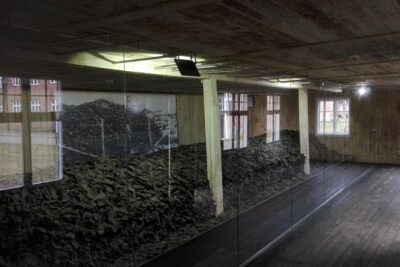
Stutthof Concentration Camp Regular Tour from Gdansk
Read our review →Browse the lists this tour appears in