
Reviewed · AUSCHWITZ-BIRKENAU MEMORIAL TOURS
Auschwitz and Birkenau Tour
Auschwitz and Birkenau are not sightseeing stops in the usual sense. They are difficult, necessary places, and this tour gives you a practical way to reach both sites in one day without arranging separate transport or admission. The preserved barracks, the iron gate at Auschwitz I, and the vast Birkenau grounds leave little room for abstraction.
I like the small minivan transport, which saves you the trouble of planning the trip from Krakow, and I like that admission to both camps and headsets for the guide are included. The main caution is scheduling: the museum can change the start time, sometimes with short notice, and that has caused some visitors to miss part of Birkenau or cancel their plans.
Key points at a glance
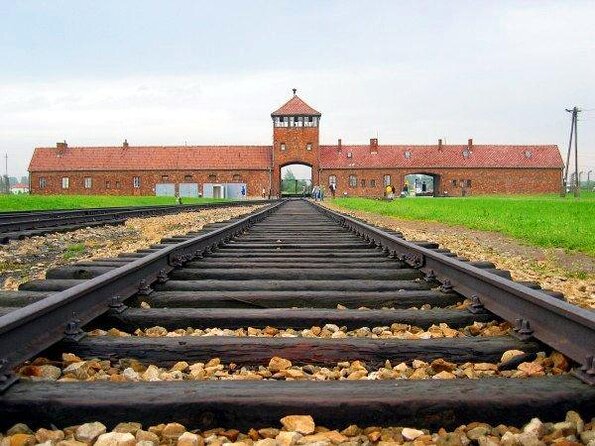
- Auschwitz I begins at the Arbeit Macht Frei gate, followed by brick barracks and the prison block known as Block 11.
- The only preserved gas chamber and crematorium on the Auschwitz I site is included in the visit.
- Birkenau is about 25 times larger than Auschwitz I, with a broad open site and ruins of four destroyed crematoriums and gas chambers.
- Transport, admission, hotel service, and headsets are included in the advertised price of $46.91 per person.
- The tour lasts about four to seven hours, depending on the museum-assigned start time and transport arrangements.
- Timing and guide quality can vary, so this tour suits flexible visitors more than anyone with a tight afternoon appointment.
Why Auschwitz and Birkenau should be visited together
Auschwitz I and Birkenau tell different parts of the same story. Seeing only Auschwitz I would give you the museum buildings and preserved interiors, but not the full scale of the Nazi extermination system. Birkenau provides that scale.
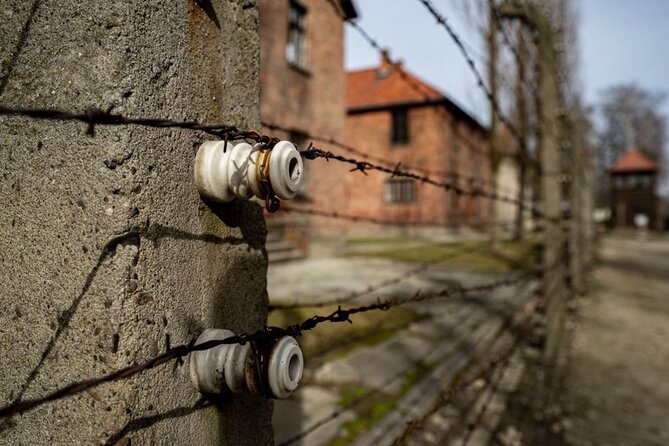
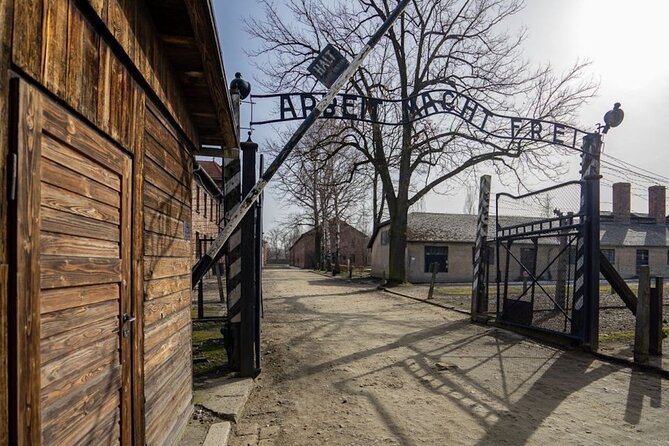
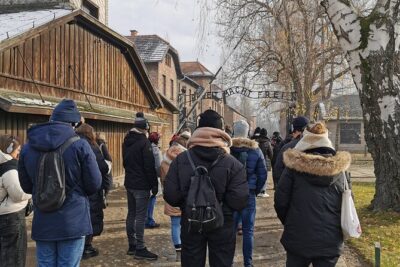
Auschwitz I is the older camp. Its brick barracks form a more compact setting, and the route moves through buildings that now hold exhibits and historical material. You pass beneath the infamous iron gate bearing the words Arbeit Macht Frei, then walk among 22 brick barracks that once held prisoners.
Birkenau is much larger and more exposed. The site spreads out behind its familiar entrance gate, with rows of wooden barracks, open ground, railway infrastructure, and the remains of crematoriums and gas chambers destroyed by the Nazis as they tried to conceal their crimes.
The contrast matters. Auschwitz I often feels close and enclosed, with rooms and objects that demand attention at short range. Birkenau can feel almost too large to take in at once. You need both places to understand the human scale of what happened.
More Auschwitz-Birkenau Memorial Tours in Krakow
- From Krakow: Auschwitz-Birkenau Guided Tour & Hotel Pickup
★ 4.5 · 33,358 reviews - From Krakow: Auschwitz-Birkenau Guided Tour & Hotel Pickup
★ 4.5 · 29,340 reviews - Krakow: Auschwitz Guided Tour with Optional Hotel Pickup
★ 4.5 · 15,280 reviews
Auschwitz I and the first two hours of the visit
Your visit to Auschwitz I starts at the main gate and continues through the camp’s brick buildings. The tour is guided, so you are not left to guess which structures matter or how they fit into the camp’s operation.
The most disturbing stop is Block 11, known as the prison within the prison. It held punishment cells, including dark chambers and standing cells. The building also saw the first attempts to murder people with Zyklon B.
That detail is not presented as an isolated fact. Block 11 helps explain how the camp’s system of punishment, imprisonment, forced labor, and mass murder developed. You should expect the guide to move at a steady pace, with stops for explanations rather than long periods to wander alone.
At the far end of Auschwitz I is the only preserved crematorium and gas chamber at the site. It is a stark, compact space, and it can be one of the most difficult moments of the morning or afternoon. The visit is emotionally heavy, so do not plan it as a casual gap between shopping and dinner.
A practical point: much of the Auschwitz I route takes place inside heated buildings, which can be welcome in cold weather. You still walk between buildings and across uneven ground, so wear flat, comfortable shoes.
Birkenau’s vast grounds and destroyed crematoriums
After Auschwitz I, the group travels by minivan to Auschwitz II Birkenau. The drive between the two sites is short compared with the journey from Krakow, but the change in setting is dramatic.
Birkenau was about 25 times larger than Auschwitz I and became the largest of the Nazi death camps. More than 1.1 million people were murdered there. The scale is difficult to grasp from photographs, but the open grounds and long rows of barracks make the size impossible to ignore.
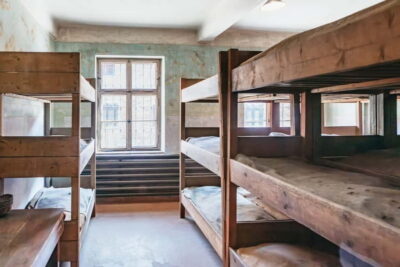
The camp had 62 wooden barracks, and many now survive only as damaged structures or foundations. At the far end are the ruins of four crematoriums and gas chambers destroyed by the Nazis before liberation.
Unlike the buildings at Auschwitz I, much of Birkenau is outdoors. You should be ready for wind, rain, heat, or cold, depending on the season. The Birkenau portion is often about an hour, and the explanations may take place without the same indoor setting or equipment used at Auschwitz I.
This is where good pacing matters. The grounds are large, and it is easy for a group to spread out. Keep close to the guide, watch where the group is moving, and do not assume you can catch up later. Some people have found the Birkenau explanations harder to follow when the group is large or the guide moves ahead before everyone has arrived.
Guides, headsets, and the quality of the explanation
The guide is the heart of this experience. A strong guide can provide clear context without turning the visit into a performance. The most effective approach here is calm, precise, and respectful.
Headsets are supplied so you can hear the guide while walking through the sites. This is a real advantage. At Auschwitz I, groups can gather near the same displays, and ordinary conversation can make a quiet guide difficult to follow. The microphone and headset setup solves much of that problem.
Still, the equipment does not guarantee a good explanation. There have been cases where the guide spoke too softly, used unclear pronunciation, or offered little chance for questions. Other departures have had guides who explained the sites clearly, answered questions, and handled the subject with empathy.
That inconsistency is the tour’s biggest quality risk. You are paying partly for interpretation, not just a ride and an entry ticket. If you cannot hear, tell the guide promptly. If the group is large, stay near the front and check that your headset is working before the walking tour begins.
The maximum group size is listed as 30 people. That is smaller than a large coach group, but it is still big enough to make movement and sound a concern, especially at Birkenau. A group of 30 can also slow down at gates, security areas, and narrow interiors.
Same country, a completely different kind of day:
- Krakow–Zakopane: Cable Car, Chocholow Baths, Cheese & Vodka
★ 5.0 · 10,720 reviews - Krakow: Auschwitz-Birkenau Guided Tour with Pickup & Lunch
★ 4.5 · 9,800 reviews - From Krakow: Wieliczka Salt Mine Tour
★ 4.6 · 9,393 reviews - Krakow: Auschwitz-Birkenau Guided Tour Pickup/Lunch Options
★ 4.5 · 9,057 reviews
Minivan transport from Krakow
The drive from Krakow takes a significant part of the day. The round trip can total roughly three hours, and the full experience is advertised at about four to seven hours. That range is wide because the final start time depends on museum authorities.
The air-conditioned minivan is useful because it avoids the work of arranging public transport or finding your way between the two camps. Hotel pickup and drop-off are included in the stated package, along with pickup and return from designated meeting points.
Pay close attention to the pickup instructions. Some bookings that appeared to include hotel pickup have instead required passengers to reach a shared meeting point. In other cases, the meeting point or departure time has changed the day before.
The operator has used WhatsApp to keep people informed, and direct communication can be helpful when a booking needs to be adjusted. One reported problem involved a taxi dropping passengers at the wrong meeting point, but the operator sent the guide to help locate them. That is encouraging, but you should still confirm the exact pickup place and time rather than rely only on the original booking details.
Transport comfort has not been uniform. One minivan had air conditioning working mainly for the front seats, leaving passengers in the back hot during the long return journey. If you are sensitive to heat or motion, consider asking about the vehicle and seating when confirming the departure.
Timing changes are the main booking concern
The museum controls the final tour start time, not simply the time you select during booking. The operator may ask you to start earlier or later, sometimes the day before. One change moved a departure two hours later, causing a visitor to leave before the Birkenau portion because of a work commitment.
That makes this a poor choice if you have a train, flight, work meeting, or fixed restaurant reservation soon afterward. Give yourself a generous buffer. The stated four to seven hours should be treated as a planning range, not a promise that you will be back at a precise hour.
There have also been cancellations and repeated schedule changes reported. Because the cancellation deadline is 24 hours before the start time, a late change can be particularly frustrating. If the operator contacts you about a new time, check at once whether the revised schedule still works.
The safest approach is to book this on a day when your Krakow plans are flexible. Do not place it beside another major commitment.
What the $46.91 price really covers
At $46.91 per person, the price is reasonable if you value convenience. You receive admission to Auschwitz I and Birkenau, round-trip transport in an air-conditioned minivan, a driver or guide, headsets, and hotel or designated-meeting-point service.
The price does not include food or drinks. The schedule can leave little time for a proper meal, with one account describing only about 15 minutes to eat. Bring water and a snack if permitted by the site rules, but do not expect a leisurely lunch break.
You are also paying for time saved. Reaching the camps independently requires transport planning, tickets, and coordination between the two sites. The tour takes care of those pieces, and advance-purchased tickets have helped avoid the worry of arriving without guaranteed admission.
Value drops quickly if the schedule changes, the guide cannot be heard, or you miss Birkenau. For that reason, I would choose this tour for convenience rather than for the lowest possible price alone. A dependable guide and a confirmed schedule matter more here than saving a few dollars.
Walking, weather, and emotional preparation
You need moderate physical fitness for this outing. There is a lot of walking, and the ground can be uneven. Flat shoes are the sensible choice.
Birkenau is especially exposed, with much of the visit outdoors. Bring clothing suited to the forecast and expect little shelter during the open-air portion. Auschwitz I includes heated interiors, but that does not remove the need for practical outdoor clothing.
This is not suitable for young children in the usual family-day-trip sense. The operator does not recommend it for children aged 14 and under, and children must be accompanied by an adult. The subject matter is severe, and even older teenagers may need some preparation before visiting.
Give yourself quiet time afterward. The tour is often described as life changing or harrowing, not because it offers entertainment, but because the places force you to confront documented mass murder at close range. Plan a calm evening rather than a packed schedule.
Who should book this tour
I would choose this tour if you are staying in Krakow, want to visit both camps in one day, and prefer someone else to handle transport and admission. It is also a practical choice if you want explanations in English and the reassurance of a headset.
It suits solo visitors and couples who do not want to manage the journey themselves. It can also work for small groups, provided everyone understands that the final start time may move.
I would hesitate if you need a guaranteed departure time, require a quiet vehicle, or expect a very small private group. I would also think twice if the tour operator cannot confirm hotel pickup clearly. The difference between pickup at your hotel and a citywide meeting point can affect the start of the day.
If guide quality is your top priority, ask how the guide is assigned and confirm the language before departure. English is offered, and other departures have included French, but the quality of delivery can differ.
Should you book the Auschwitz and Birkenau tour?
Book it if convenient transport, included admission, and a guided visit to both sites are your priorities. The combination gives you Auschwitz I’s preserved buildings and Birkenau’s enormous open grounds in one organized outing.
Do not book it alongside a fixed afternoon obligation. The museum can alter the start time, and the tour may take anywhere from four to seven hours. Confirm the pickup details, keep the whole day flexible, and wear comfortable shoes.
Despite the scheduling and guide risks, this remains a practical way to reach two places that should be seen together. Go prepared for a serious day, listen closely, and allow the sites to set the tone.
FAQ
How much does the Auschwitz and Birkenau tour cost?
The listed price is $46.91 per person. It includes admission to both sites, transport, a driver or guide, headsets, and pickup and drop-off service as specified.
How long does the tour last?
The experience takes approximately four to seven hours. The final duration depends on the museum-assigned start time, transport, and the pace of the visit.
Are both Auschwitz I and Birkenau included?
Yes. The visit includes Auschwitz I and Auschwitz II Birkenau, with transport between the two sites.
Is hotel pickup included?
Hotel pickup and drop-off are included in the stated tour features, but some departures use designated meeting points instead. Confirm the exact pickup arrangement before the day of the visit.
Is the tour offered in English?
Yes. English is one of the offered languages. Headsets are provided to help you hear the guide.
Is the tour suitable for children?
Children must be accompanied by an adult, and the tour is not recommended for children aged 14 and under.
Can I cancel for a full refund?
You can cancel up to 24 hours before the experience start time for a full refund. Cancellations or changes made less than 24 hours before departure are not accepted for a refund.
Just added around Krakow
- Tour to Wadowice: Hometown of Pope Saint John Paul II★ 4.6 · 12 reviews
- The Jewish Quarter – Walking Tour★ 5.0 · 4 reviews
- From Kraków; to Białka Thermal Baths private tour★ 5.0 · 5 reviews
- St. Mary’s Basilica and more – a short walk with a guide★ 4.7 · 56 reviews
- Krakow: Auschwitz-Birkenau and Wieliczka Salt Mine Day Trip★ 4.7 · 84 reviews
- Krakow: Skip-the-Line Wawel Castle & Old Town Guided Tour★ 4.9 · 23 reviews
- Krakow: Schindler’s Factory Guided Tour★ 4.2 · 12 reviews
- Shooting Range Experience!★ 4.8 · 66 reviews
Auschwitz-Birkenau Memorial Tours, compared.
Auschwitz-Birkenau Guided Tour & Hotel Pickup
Read our review →Auschwitz-Birkenau Guided Tour & Hotel Pickup
Read our review →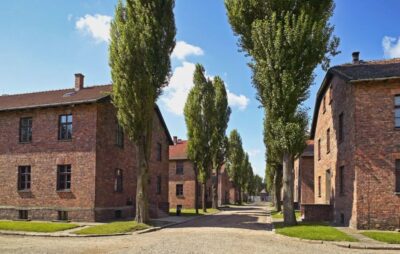
Auschwitz Guided Tour with Optional Hotel Pickup
Read our review →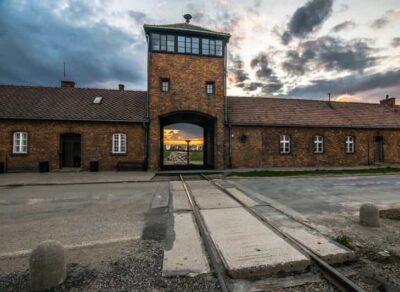
Auschwitz-Birkenau Guided Tour with Pickup & Lunch
Read our review →
Auschwitz-Birkenau Guided Tour Pickup/Lunch Options
Read our review →
Krakow to Auschwitz Birkenau Guided Tour with Transfer and Ticket
Read our review →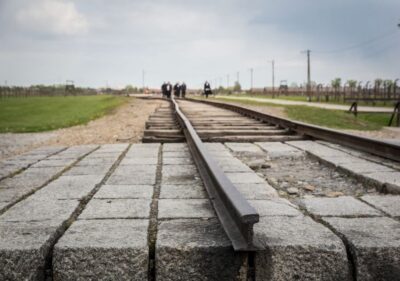
Browse the lists this tour appears in