
Reviewed · AUSCHWITZ-BIRKENAU MEMORIAL TOURS
From Krakow: Auschwitz & Birkenau Guided Tour with Pick up
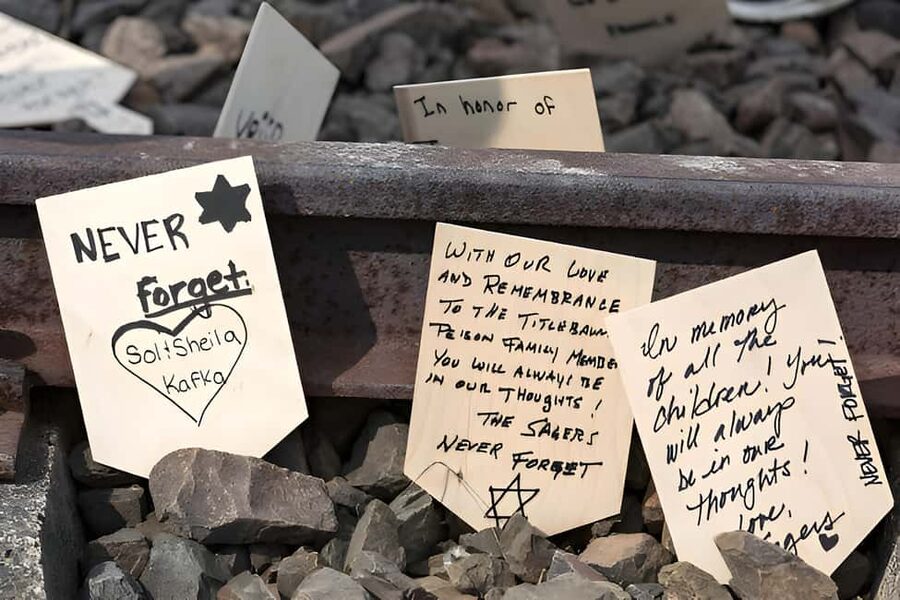
Auschwitz-Birkenau is not a sightseeing stop in the usual sense. It is a place where the physical remains, personal belongings, and quiet memorials force you to face what happened. This tour takes you through both camps, from the brick blocks of Auschwitz I to Birkenau’s vast railway ramp and ruined crematoria.
I like the museum-appointed guide, whose explanations give structure to a difficult visit, and I like the round-trip pickup from Krakow, which removes the need to arrange separate transport. Cyprian is specifically noted for clear English, patience, and careful explanations.
The main drawback is the long day and the fixed schedule. You spend about three hours walking through the two sites, with a short transfer between them, and the tour is non-refundable. Pickup times can also change because of museum guide availability.
Key points to know before booking
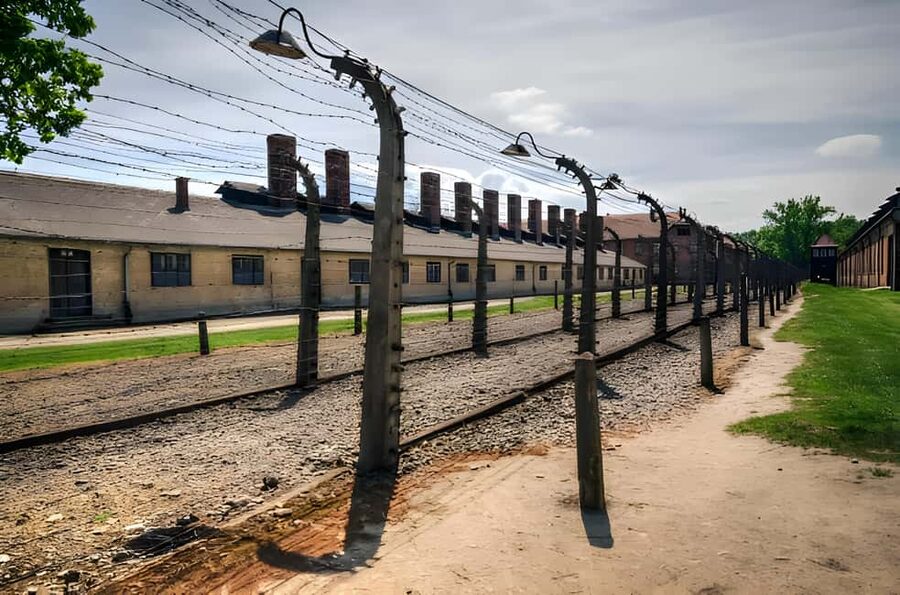
- Two very different camps: Auschwitz I has brick prison blocks and museum displays, while Birkenau shows the enormous scale of the extermination camp.
- Cyprian is a praised guide: His clear English and personal, attentive approach are useful during a complicated and emotionally heavy visit.
- A full day from Krakow: Allow 7.5 hours, including roughly three hours of road time.
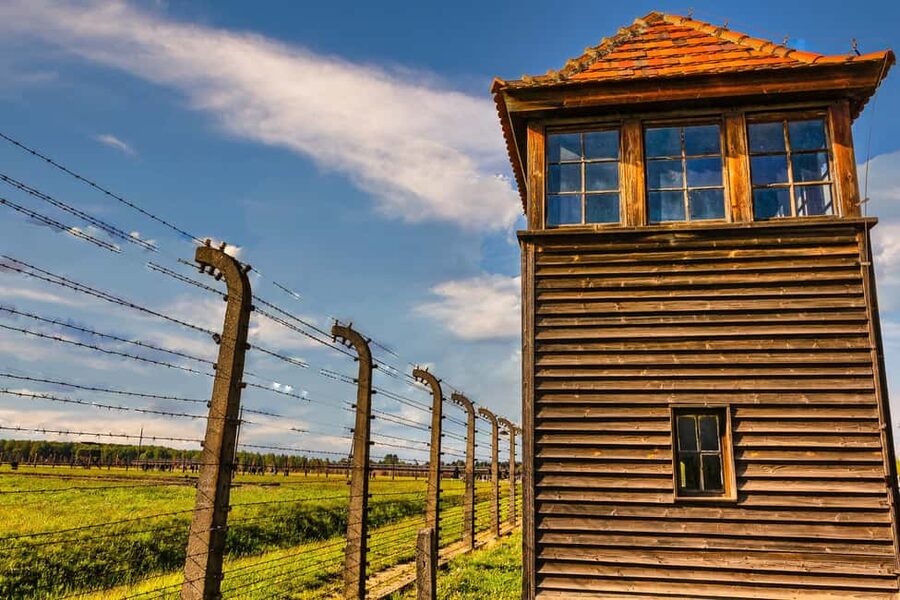
- The most striking scenes: Look for the Arbeit Macht Frei gate, prisoner belongings, the railway unloading ramp, wooden barracks, and ruined crematoria.
- Pickup is included: Wait in your hotel lobby or beside the entrance for a driver holding a Discover Cracow sign.
- Plan for practical limits: Bring your passport or ID, wear comfortable shoes, and note that the tour is not suitable for wheelchair users.
Why Auschwitz and Birkenau need to be seen together
Auschwitz and Birkenau are often spoken of as one place, but they feel quite different. Auschwitz I was the original camp complex, with brick barracks and a more compact layout. Many blocks now hold museum exhibitions, so this part of the visit gives you documents, photographs, letters, and personal possessions connected to people imprisoned there.
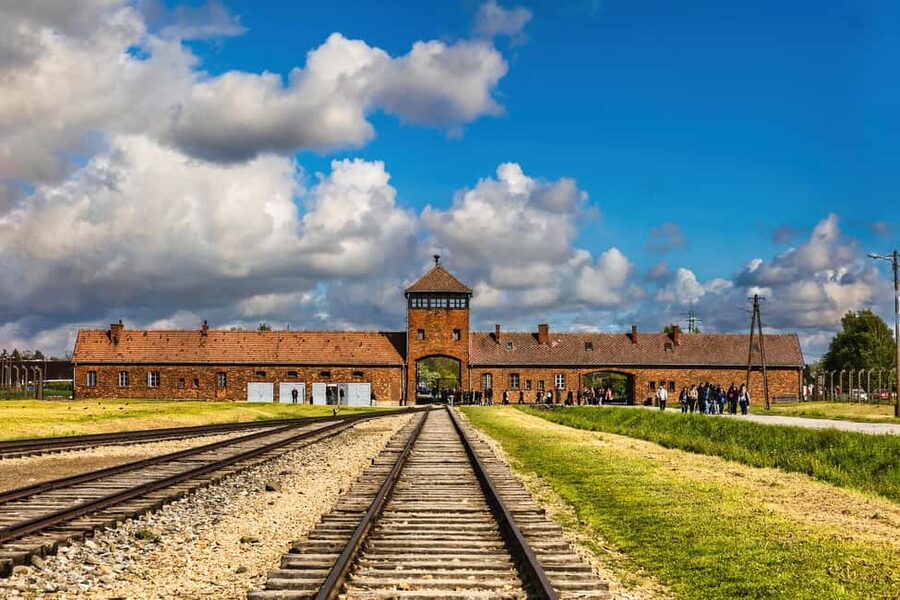
Birkenau, also called Auschwitz II, spreads across a much larger area. Its railway tracks run into the camp, and the remains of wooden barracks and destroyed crematoria make the scale of the killing system easier to grasp. Seeing only one site would leave out a major part of the story.
That is why I consider the two-part format important. Auschwitz I helps you understand the people and the machinery of imprisonment. Birkenau shows the size and purpose of the extermination camp. The contrast between the two makes the visit more meaningful, though also more demanding.
This is a memorial museum, not a place for casual photographs or fast sightseeing. You will need to give the setting your full attention. The guide’s role is especially valuable here because the sites contain many details that are difficult to understand without historical context.
More Auschwitz-Birkenau Memorial Tours in Krakow
- From Krakow: Auschwitz-Birkenau Guided Tour & Hotel Pickup
★ 4.5 · 33,358 reviews - From Krakow: Auschwitz-Birkenau Guided Tour & Hotel Pickup
★ 4.5 · 29,340 reviews - Krakow: Auschwitz Guided Tour with Optional Hotel Pickup
★ 4.5 · 15,280 reviews
Leaving Krakow by air-conditioned bus
The trip begins with pickup in Krakow and ends at Pawia 18b. The drive to the memorial takes about 1.5 hours, followed by a similar journey back. Round-trip transport saves you from arranging a separate bus or train connection, and the air-conditioned vehicle gives you a place to rest before and after the walking portions.
Pickup is intended to be simple, but you need to be in the right place. Wait in your hotel lobby or next to the entrance, and look for a driver carrying a Discover Cracow sign. Call the supplier the day before to confirm your pickup time. That small step matters because museum scheduling can cause the start time to change.
The time change is not a reason for a refund, so leave some flexibility in your Krakow plans. Do not book a tight restaurant reservation, airport transfer, or another major activity immediately afterward. The advertised duration is 7.5 hours, but a site visit of this importance deserves breathing room.
A practical concern arose on one cold day when the bus heater was not turned on and ticket collection took about 20 minutes outside. That may not happen on your departure, but it is a useful reminder to dress for waiting outdoors. Comfortable clothing and shoes are listed requirements, and warm layers make sense in cooler weather.
Auschwitz I and the Arbeit Macht Frei gate
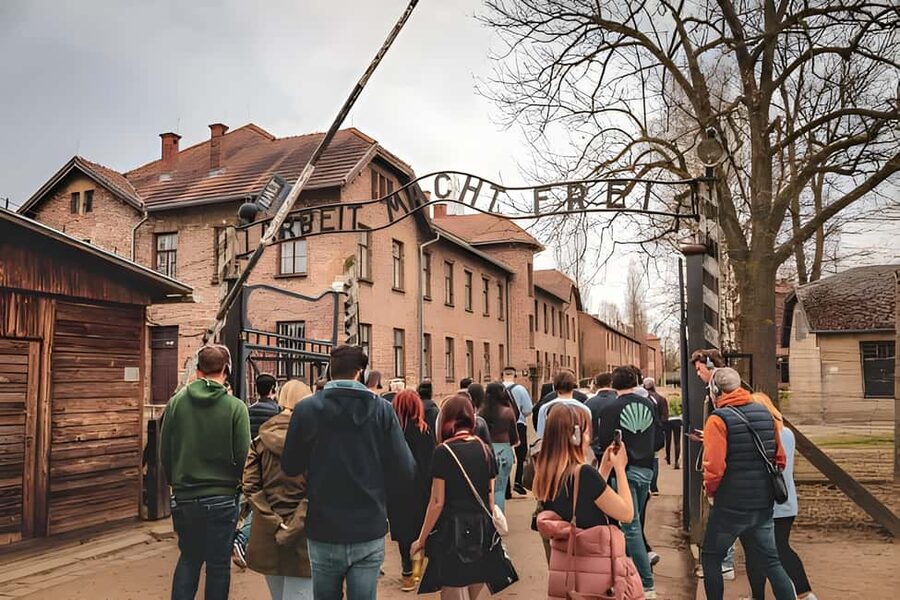
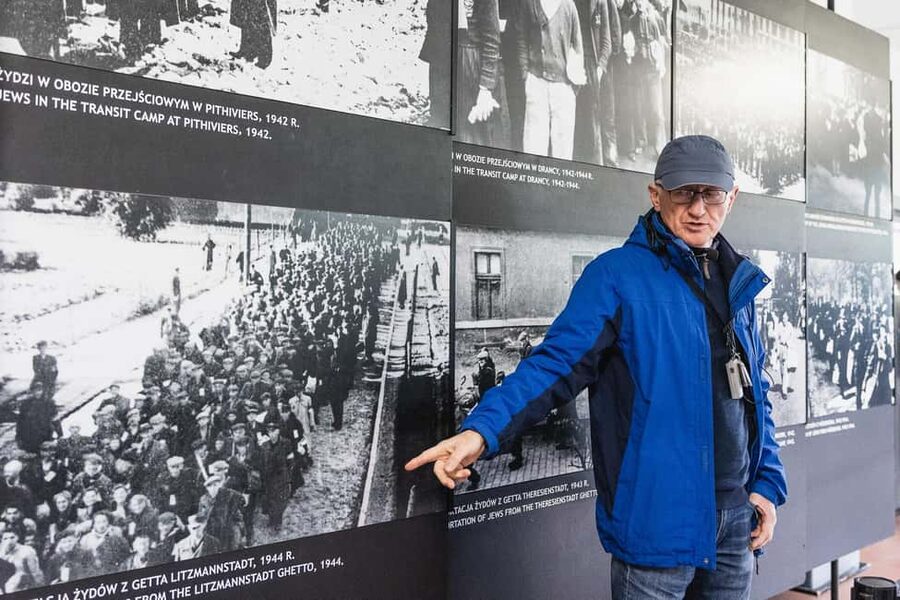
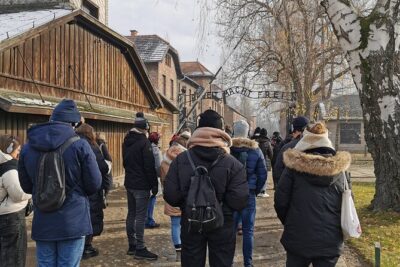
The first guided walking section lasts about 2.5 hours at the Memorial and Museum Auschwitz-Birkenau. You enter through the main camp, including the well-known Arbeit Macht Frei gate. Seeing the gate in person is unsettling because it is both a recognizable image and an actual entrance used by prisoners.
From there, the tour moves through the brick prison blocks. Several blocks contain museum displays that document the lives and deaths of people held at the camp. You can expect photographs, letters, and personal possessions, all of which turn broad historical facts into individual human stories.
The belongings are among the hardest parts of the visit. A suitcase, photograph, or letter may seem ordinary on its own, but together these objects show how people arrived with personal lives, families, and plans. The museum setting asks you to look closely without treating the material as spectacle.
Your guide explains how the camp operated and shares true accounts from the Second World War. The supplied headset lets you hear the guide clearly while moving through the blocks. That is a practical advantage, especially when the group spreads out or when several groups are visiting nearby.
The original gas chamber and crematorium are also part of the Auschwitz I visit. This section is stark and difficult. The guide’s job is not to soften what happened, but to explain it accurately and give the details a clear place in the wider story.
You will also stop at memorials honoring those who died. These pauses matter because the visit can otherwise become a rush from one building to the next. A good guide gives you time to listen, look, and understand why each site has been preserved.
The short transfer to Birkenau
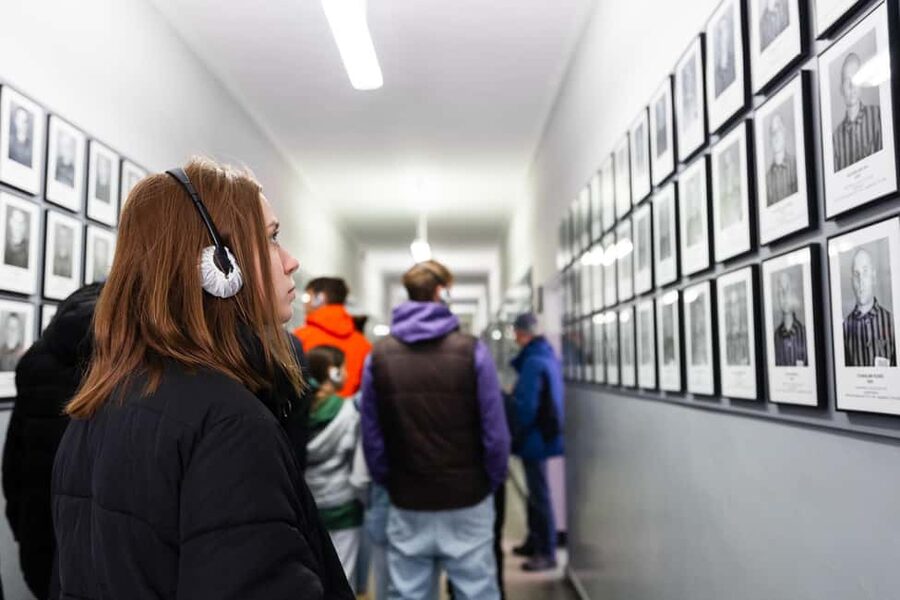
After Auschwitz I, you take a brief break before the short transfer to Birkenau. The drive between the sites takes about 15 minutes, and Birkenau is only a few kilometers away. This is not a second unrelated attraction. It is the next part of the same system, built on a much larger scale.
Use the break wisely. You may need water, a quick snack, or simply a few quiet minutes after the first camp. The day is emotionally tiring, and the second site includes more walking across exposed ground. Keep your shoes comfortable and make sure you have clothing suited to the weather.
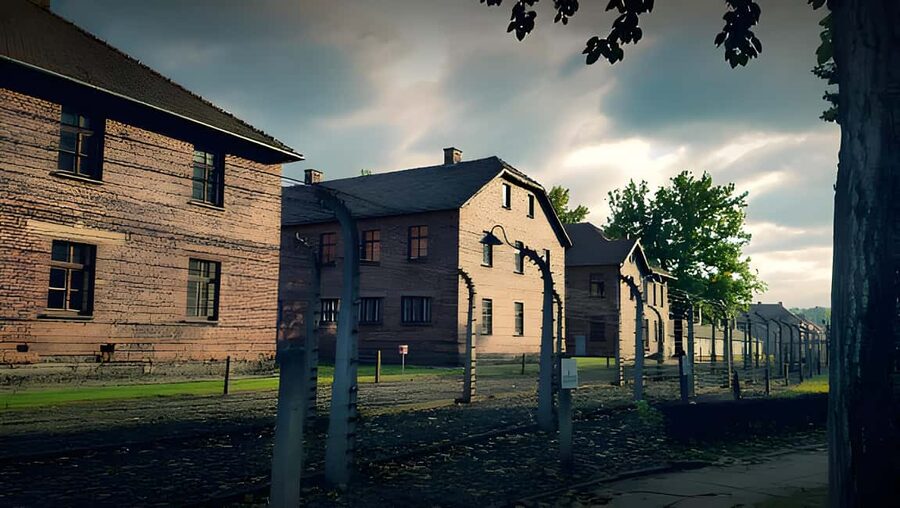
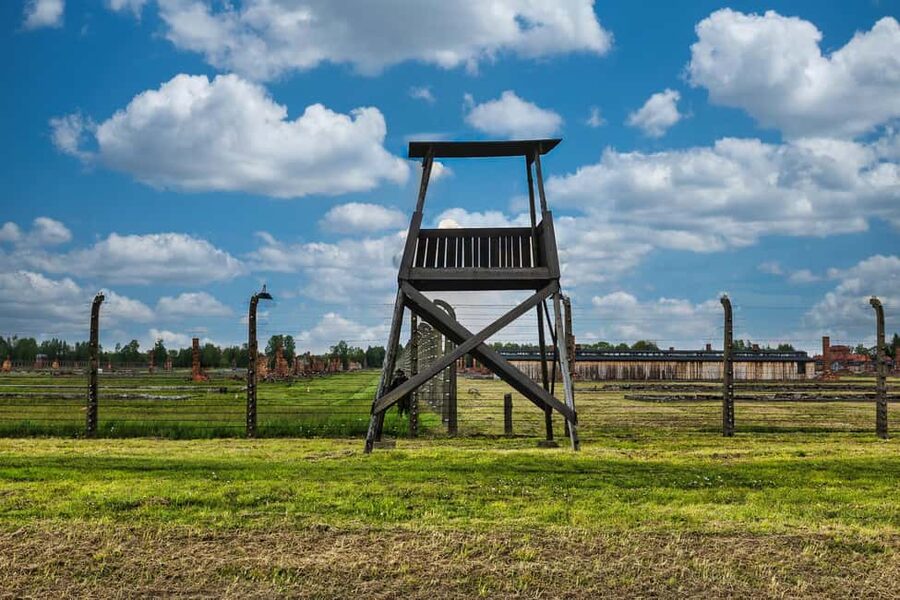
The change in setting is immediate. Auschwitz I has substantial brick buildings and museum rooms. Birkenau is wider, more open, and marked by long lines of tracks, barracks, fences, and ruins. That physical change helps explain how the two sites served different functions.
Same country, a completely different kind of day:
- Krakow–Zakopane: Cable Car, Chocholow Baths, Cheese & Vodka
★ 5.0 · 10,720 reviews - Krakow: Auschwitz-Birkenau Guided Tour with Pickup & Lunch
★ 4.5 · 9,800 reviews - From Krakow: Wieliczka Salt Mine Tour
★ 4.6 · 9,393 reviews - Krakow: Auschwitz-Birkenau Guided Tour Pickup/Lunch Options
★ 4.5 · 9,057 reviews
Birkenau’s railway ramp and unloading area
The Birkenau tour lasts about 1.5 hours. It begins around the railway tracks and unloading ramp where prisoners arrived by train. This is where people were divided into groups, with some selected for forced labor and others sent directly to the gas chambers.
The ramp is one of the most important places in the entire visit. It shows how transportation, selection, and mass murder were connected. Rather than hearing only about numbers, you can see the route people were forced to take when they arrived.
The scale can be difficult to absorb. Birkenau was built as an extermination camp, and the open space gives you a clearer sense of its size than the tighter layout at Auschwitz I. Your guide explains the process and the conditions without leaving you to guess what the remains mean.
The site is exposed and the ground may require steady walking. The tour is not suitable for wheelchair users, so anyone with mobility concerns should consider that limitation before booking. Bring your ID or passport as required for entry, and keep sharp objects, weapons, alcohol, and drugs out of your luggage.
Wooden barracks and the ruined crematoria
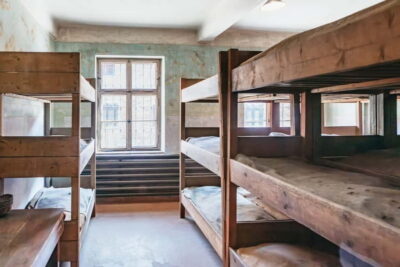
Inside Birkenau, you visit the wooden barracks where prisoners were held in extremely poor conditions. The buildings and remains make the daily reality more visible: overcrowding, harsh living conditions, and a total lack of privacy and comfort.
The guide connects these structures to the lives of the people forced to live there. That explanation is important because a barracks can otherwise look like an empty shell. You are not simply examining old wood and brick. You are seeing the remains of a place designed to control, exploit, and destroy human beings.
The ruins of the gas chambers and crematoria are another major stop. The Nazis destroyed much of this evidence as they tried to hide their crimes, but the remains are still visible. Your guide explains how these facilities were used and why the ruins matter.
There is no neat ending to this part of the visit. The destruction itself becomes part of the evidence. You see what remains, learn what was intended to be erased, and then continue to the memorial.
The International Memorial and the quietest part of the tour
The Birkenau visit concludes at the International Memorial. This is the natural point to stop absorbing facts and reflect on the people who were murdered. The guide provides context, but you also get a moment to process what you have seen.
I value this ending because the day should not finish with a hurried walk back to the bus. The memorial gives the visit a clear closing point. It recognizes the victims rather than allowing the camp to become only a collection of buildings and exhibits.
Afterward, you return to Krakow by bus. The 1.5-hour drive gives you time to sit quietly and think through the visit. You may find the ride back useful simply because there is no need to navigate or drive yourself.
The guide makes a major difference
The museum provides a professional English-speaking guide, and the tour also includes a professional tour leader who looks after the group during transport and transitions. Those are two useful roles. The museum guide focuses on the sites and their meaning, while the tour leader helps with the practical side of pickup, tickets, transfers, and returning to Krakow.
Cyprian is the guide name most strongly associated with this experience. His clear English, helpful manner, and careful explanations are particularly valuable at a place where vague commentary would weaken the visit. A guide who can tell true personal stories while keeping the tone respectful helps you understand the human cost without turning the tour into a lecture detached from the people involved.
Headsets are included, so you should be able to follow the commentary as the group walks. Bring your own patience, too. This is not a tour where you should expect constant entertainment or a light mood. The best guide here is one who keeps the facts clear and the tone appropriate.
Is the $89 price fair?
At $89 per person, the price includes round-trip transport from Krakow, admission to the memorial museum, skip-the-ticket-line entry, an English-speaking museum guide, a headset, and a tour leader. You are paying for convenience as well as the visit itself.
The transport is the main value for many people. A separate journey to Auschwitz-Birkenau would require more planning, and the pickup makes the day easier for first-time visitors to Krakow. You also avoid dealing with entry arrangements on your own.
The price is less attractive if you already have reliable transport and prefer to arrange museum admission independently. In that case, the included logistics may not matter as much. Still, the museum-appointed guide and the clear structure of visiting both camps are important parts of the cost.
The tour is non-refundable, so book only when your Krakow schedule is settled. Full names and contact details are required, and the name on your booking must match the ID you show at entry. That is not a minor detail. A mismatch can lead to refused entry.
Who should book this Auschwitz tour?
I would choose this tour if you want the practical work handled for you and you want both Auschwitz I and Birkenau in one day. It suits first-time visitors who value a guided explanation rather than simply walking through the grounds with a map.
It is also a good fit if you are staying in Krakow and do not want to rent a car or organize separate transport. The included pickup and return make the day straightforward, though you should confirm the meeting time in advance.
You should think twice if you need a flexible schedule, dislike fixed group tours, or want to spend a much longer time at either camp. The total visit is carefully timed, with about 2.5 hours at Auschwitz I and 1.5 hours at Birkenau. That gives you a solid introduction, but not unlimited time for every display.
This tour is not suitable for wheelchair users. It is also a poor choice for anyone looking for a light day out. Auschwitz-Birkenau requires respectful behavior, steady walking, and an honest willingness to confront painful history.
Should you book it?
Book this tour if you want a well-organized day from Krakow that covers both camps, includes museum entry, and gives you a clear English explanation of what you are seeing. The praise for Cyprian’s communication and care is a strong reason to value the guided format.
Skip it if you need cancellation flexibility or cannot manage a long day with outdoor walking. Otherwise, the $89 cost is reasonable for the transport, admission, museum guide, headset, and tour support. Confirm the pickup time, bring matching ID, dress for the weather, and leave the rest of your day open.
FAQ
How long does the Auschwitz and Birkenau tour take?
The full activity lasts about 7.5 hours, including transport from Krakow, the guided visit to Auschwitz I, the transfer to Birkenau, the second guided visit, and the return journey.
Where does pickup take place in Krakow?
Pickup is included in Krakow. Wait in your hotel lobby or beside the entrance, and look for the driver holding a Discover Cracow sign. You should call the supplier the day before to confirm the pickup time.
What transport is included?
The tour includes round-trip transportation by air-conditioned bus. The drive from Krakow to the memorial takes about 1.5 hours, and the return journey takes about the same amount of time.
What will I see at Auschwitz I?
You will visit the Arbeit Macht Frei gate, brick prison blocks, museum exhibitions with personal belongings and documents, the original gas chamber and crematorium, and memorial areas.
What will I see at Birkenau?
The Birkenau section includes the railway tracks and unloading ramp, wooden barracks, ruins of gas chambers and crematoria, and the International Memorial.
Is the tour conducted in English?
Yes. The tour includes a live English-speaking museum guide, along with a headset so you can hear the explanations clearly.
What should I bring, and who cannot join?
Bring a passport or ID card, comfortable shoes, and comfortable clothing. Weapons, sharp objects, alcohol, and drugs are not allowed. The activity is not suitable for wheelchair users.
Just added around Krakow
- Tour to Wadowice: Hometown of Pope Saint John Paul II★ 4.6 · 12 reviews
- The Jewish Quarter – Walking Tour★ 5.0 · 4 reviews
- From Kraków; to Białka Thermal Baths private tour★ 5.0 · 5 reviews
- St. Mary’s Basilica and more – a short walk with a guide★ 4.7 · 56 reviews
- Krakow: Auschwitz-Birkenau and Wieliczka Salt Mine Day Trip★ 4.7 · 84 reviews
- Krakow: Skip-the-Line Wawel Castle & Old Town Guided Tour★ 4.9 · 23 reviews
- Krakow: Schindler’s Factory Guided Tour★ 4.2 · 12 reviews
- Shooting Range Experience!★ 4.8 · 66 reviews
Auschwitz-Birkenau Memorial Tours, compared.
Auschwitz-Birkenau Guided Tour & Hotel Pickup
Read our review →Auschwitz-Birkenau Guided Tour & Hotel Pickup
Read our review →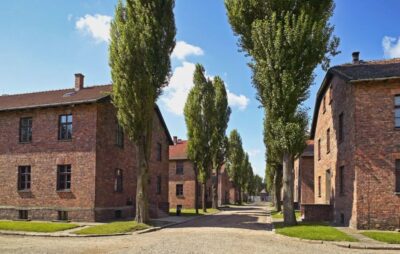
Auschwitz Guided Tour with Optional Hotel Pickup
Read our review →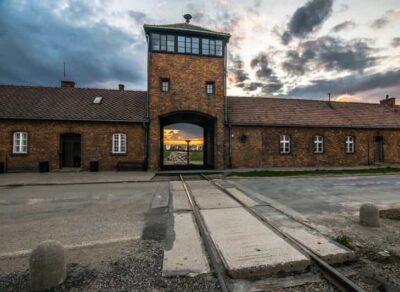
Auschwitz-Birkenau Guided Tour with Pickup & Lunch
Read our review →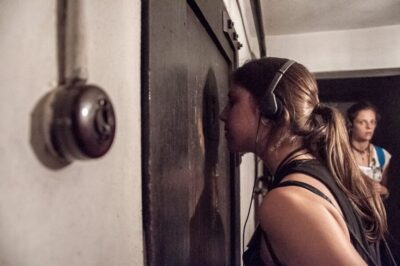
Auschwitz-Birkenau Guided Tour Pickup/Lunch Options
Read our review →
Krakow to Auschwitz Birkenau Guided Tour with Transfer and Ticket
Read our review →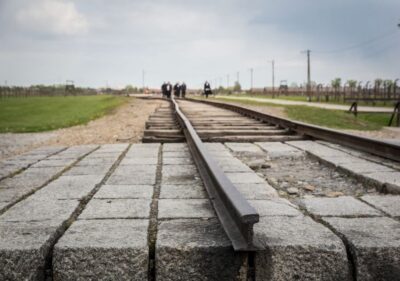
Browse the lists this tour appears in