
Reviewed · AUSCHWITZ-BIRKENAU MEMORIAL TOURS
From Krakow: Auschwitz-Birkenau Tour
Auschwitz-Birkenau is not a sightseeing stop in the usual sense. It is a preserved place of mass murder, where the remaining barracks, railway platform, gas chamber ruins, and personal traces of prisoners make the history painfully concrete. This 7-hour tour from Krakow gives you a structured way to visit both Auschwitz I and Auschwitz II-Birkenau.
I like the fact that transport, entrance tickets, and a live guide are included, so you do not have to piece together a serious visit on your own. I also like the clear historical focus: guide Beata, named in the tour information, leads a calm English-language account that begins with Poland and the Second World War. The main drawback is the tight schedule, especially for toilet stops, and the strict bag and identification rules require planning.
Key points to know before you book
- Two separate sites: Visit Auschwitz I and the much larger Auschwitz II-Birkenau complex during one organized day.
- About 60 kilometers from Krakow: Transport is included, making this easier than arranging your own connection to Oswiecim.
- A serious, guided visit: The tour explains the camps within the history of German occupation and totalitarian violence.
- Bring matching identification: Your full name on the booking must match your passport or ID card at entry.
- Pack very lightly: Bags larger than 30 by 20 by 10 centimeters are not allowed inside the museum.
- Allow seven hours: The day includes transport, entry procedures, guided touring, and both memorial sites.
Why Auschwitz-Birkenau requires a full day from Krakow
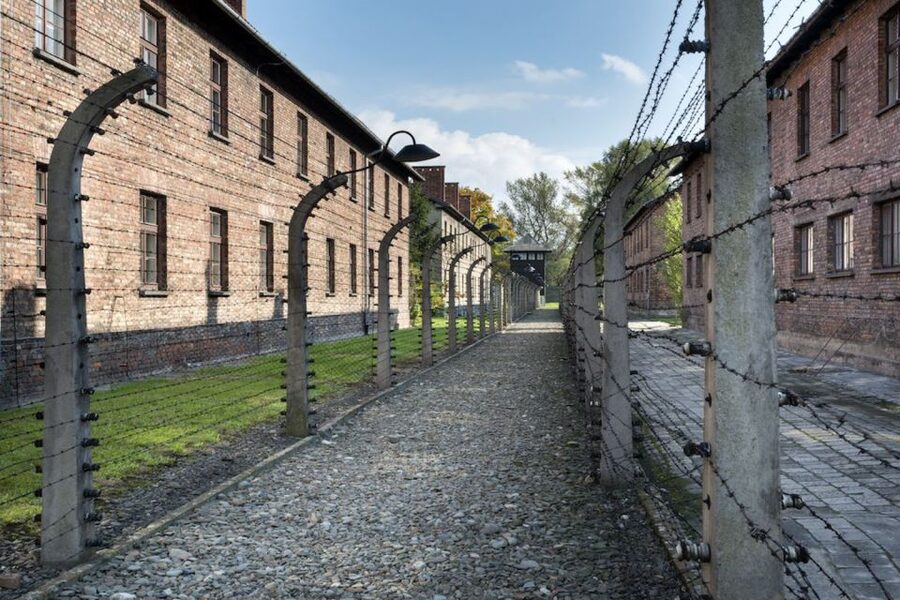
The town of Oswiecim lies around 60 kilometers west of Krakow. The distance looks modest on a map, but a visit to both museum sites takes time, and this tour is planned as a seven-hour outing rather than a quick stop.
In 1940, German authorities established a network of concentration camps here. Auschwitz became the largest German concentration camp complex, and more than 1.5 million prisoners were tortured and murdered during the Second World War.
That scale is difficult to grasp from numbers alone. The value of a guided visit is that you move through actual structures and surviving remains while someone explains what each place meant. You are not simply looking at old buildings. You are being asked to understand how a system of imprisonment, forced labor, terror, and murder operated.
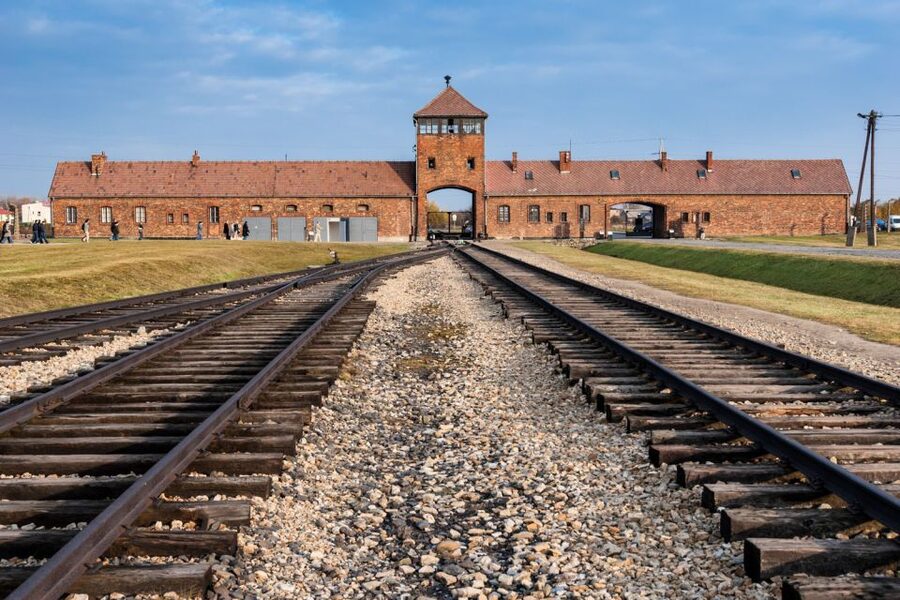
The memorial has been preserved as a place of memory. You will see ruins of crematoria and gas chambers, the railway platform where prisoners arrived, and objects connected with the former camp. Some areas are intact, while others remain as ruins because the German authorities destroyed evidence as the war ended.
This is an emotionally demanding experience. I would not plan a packed evening of entertainment immediately afterward. Give yourself quiet time after returning to Krakow.
More Auschwitz-Birkenau Memorial Tours in Krakow
- From Krakow: Auschwitz-Birkenau Guided Tour & Hotel Pickup
★ 4.5 · 33,358 reviews - From Krakow: Auschwitz-Birkenau Guided Tour & Hotel Pickup
★ 4.5 · 29,340 reviews - Krakow: Auschwitz Guided Tour with Optional Hotel Pickup
★ 4.5 · 15,280 reviews
Auschwitz I: the first camp and its museum buildings
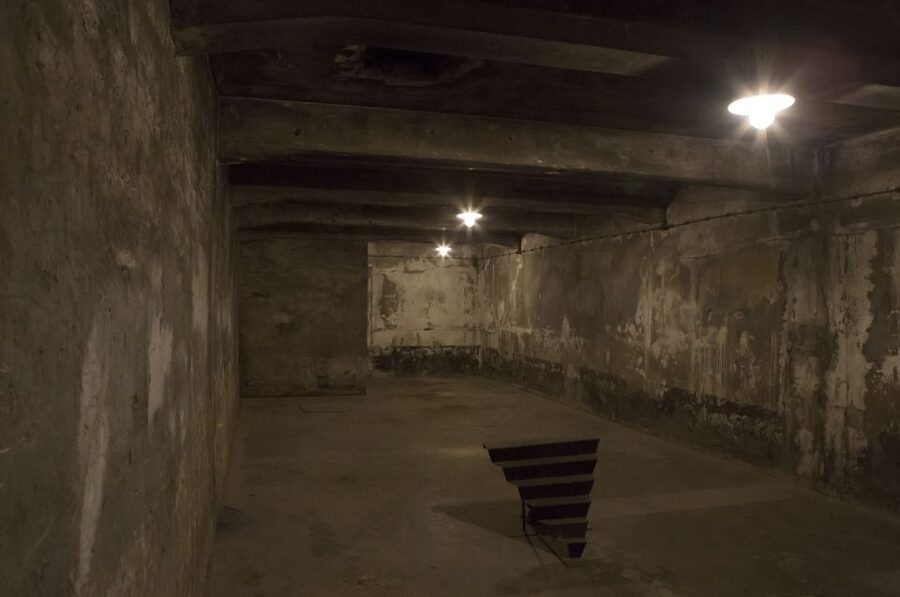
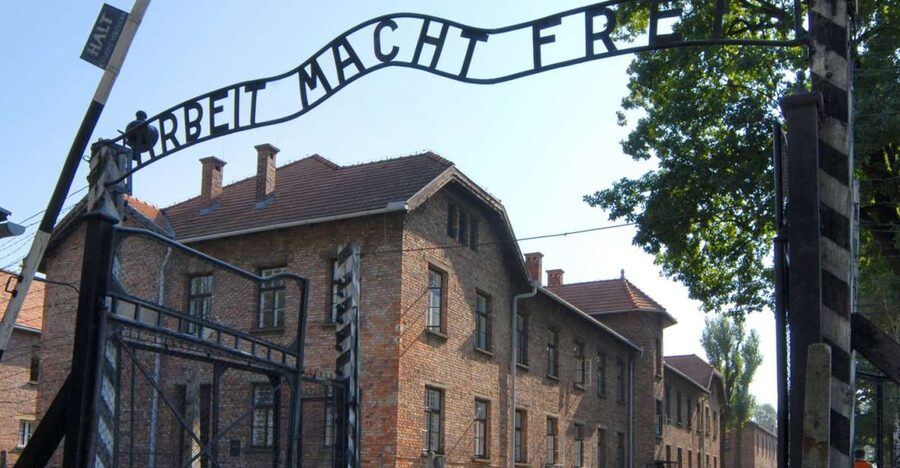
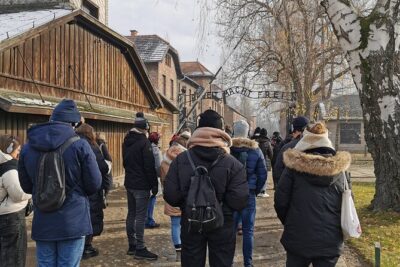
The visit includes Auschwitz I, the original camp site. Its brick buildings and controlled layout can make the place feel starkly orderly, which is part of what makes the setting so disturbing.
Inside the museum area, the tour gives you the historical frame needed to understand the site. The focus is not only on individual buildings, but also on the larger machinery of persecution created under German rule during the war.
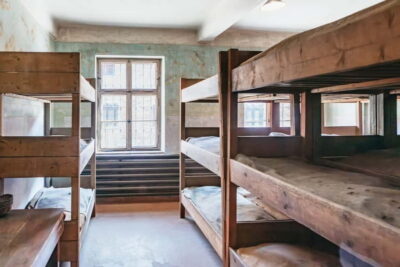
You can expect to see preserved camp structures and museum displays connected with the prisoners held there. The buildings are not presented as theatrical attractions. Their power comes from their ordinary physical details and from knowing how they were used.
A guide matters here because the meaning of the rooms and objects is not always obvious. A calm explanation can help you connect a building, a rule, or a piece of camp equipment with the lives destroyed by the system. Beata is one named guide associated with this experience, and her tour is described as covering Polish history from the beginning of the Second World War in clear English.
The pace may feel brisk. One Spanish-language assessment specifically wished for more time to look at individual things. That is a fair concern. A seven-hour excursion has to cover two large locations, so you should expect an organized route rather than unlimited time at every display.
Auschwitz II-Birkenau: scale, railway tracks, and ruins
Auschwitz II-Birkenau is the larger camp complex, and its open scale changes the mood of the visit. Here, the railway platform and broad camp grounds help show how many people were brought into the system.
The platform is one of the most important places on the tour. It connects the arrival of prisoners with the physical layout of the camp. Standing there, you can see why the site cannot be understood only through photographs or a short museum visit.
The ruins of crematoria and gas chambers are also preserved. These remains are not complete buildings, but they make clear how the Nazis tried to destroy evidence of mass murder. The ruined structures, open space, and rows of former camp buildings create a different experience from Auschwitz I, where the museum rooms feel more enclosed.
You may find the second site especially demanding because of its size and silence. It is not a place for rushing from one photo point to another. At the same time, the tour schedule means you may need to keep moving. Listen closely to the guide at each major stop, since you might not have enough free time to study every area independently.
What the guide adds to the memorial visit
This experience includes a live guide in Dutch, English, French, or Italian. That language choice is useful if you want historical explanation in a language you follow comfortably rather than relying on signs or a guidebook.
A good guide also helps keep the tone appropriate. Auschwitz-Birkenau is a place where a cheerful sightseeing style would feel out of place. The available feedback describes punctual transport, a guide who spoke slowly and clearly in English, and a strong educational focus.
The tour associated with Beata begins with the wider history of Poland and the Second World War before moving through the camp. That approach helps you understand that Auschwitz did not exist in isolation. It was part of a political and military system that targeted Jewish people and other groups under Nazi rule.
You should still treat the guide as a framework, not as a substitute for your own attention. The site contains more detail than any seven-hour visit can cover. If a particular subject matters to you, note it before the tour and listen for the relevant explanation.
Same country, a completely different kind of day:
- Krakow–Zakopane: Cable Car, Chocholow Baths, Cheese & Vodka
★ 5.0 · 10,720 reviews - Krakow: Auschwitz-Birkenau Guided Tour with Pickup & Lunch
★ 4.5 · 9,800 reviews - From Krakow: Wieliczka Salt Mine Tour
★ 4.6 · 9,393 reviews - Krakow: Auschwitz-Birkenau Guided Tour Pickup/Lunch Options
★ 4.5 · 9,057 reviews
Transport from Krakow and the seven-hour schedule
Transport to and from Krakow is included. This is one of the clearest advantages of booking an organized excursion, since you do not have to arrange the journey to Oswiecim separately or work out transfers between Auschwitz I and Auschwitz II-Birkenau.
Pickup is optional, depending on the option you choose. If hotel pickup is part of your booking, wait in the lobby by reception. If the property has no reception desk, wait in front of the main entrance. The driver will wait no more than 15 minutes after the stated departure time, so punctuality matters.
The exact meeting point can vary by booking option. Check your confirmation carefully rather than assuming every departure uses the same Krakow location.
A Swedish participant praised the punctual chauffeur and the clear English delivery, but also pointed out that the toilet stop was very short because of long queues. That detail is useful. Build in a toilet visit before departure, and do not count on having a relaxed break during the day.
Meals are not included. The supplied information does not promise a meal stop, so bring only what is permitted or plan to eat before and after the visit. Keep your expectations practical: this is a memorial tour with a tightly managed schedule, not a leisurely countryside excursion.
The strict entrance rules you need to follow
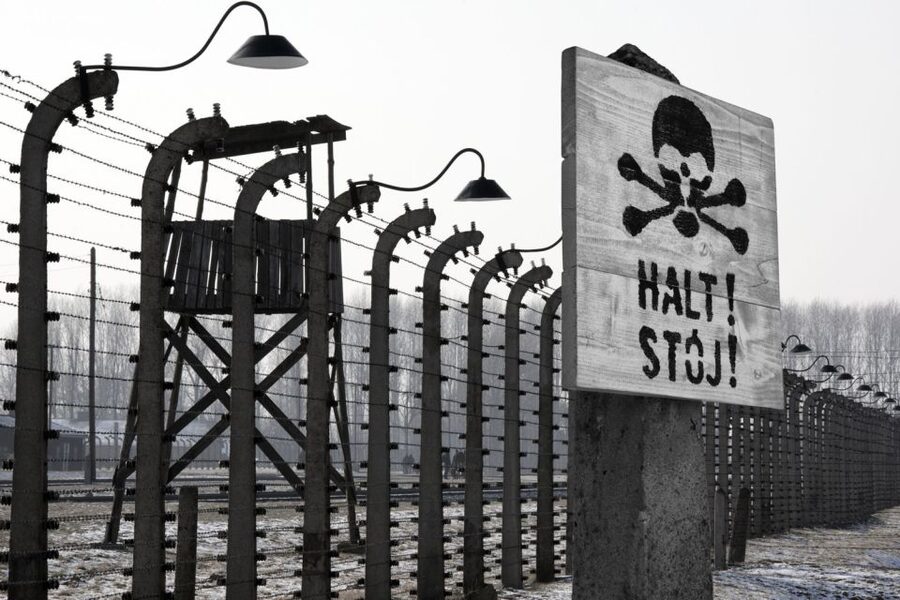
Auschwitz-Birkenau Memorial and Museum requires the full name and contact details of every participant at booking. Your name must match the passport or ID card you show at entry. If the details do not match, entrance may be refused.
Bring your passport or ID card. This is not an optional suggestion, and a photograph of an unrelated document should not be treated as a safe substitute.
Museum security also limits the size of bags. Backpacks or handbags cannot exceed 30 by 20 by 10 centimeters. You can leave larger bags in the vehicle or use available lockers, but it is much easier to arrive with a small bag from the start.
A compact bag for identification, water, and essential medication is the sensible choice. Do not bring a large daypack just because you expect a long outing. Pets are not allowed, and the experience is not considered suitable for pregnant women.
The tickets are non-refundable, and the activity itself is non-refundable. That makes accurate names, correct dates, and a firm plan especially important before paying.
Is $81 good value for this Auschwitz tour?
At $81 per person, the price includes round-trip transport from Krakow, entrance tickets, and a guided visit to both Auschwitz I and Auschwitz II-Birkenau. Those inclusions make the price easier to justify than a basic transfer alone.
The strongest value comes from convenience and structure. You get to the memorial, move between its two main sections, and return to Krakow without arranging several separate pieces. The guide also gives you historical context at a place where context matters greatly.
Still, value depends on what you want. If you prefer a slow, self-guided visit with long pauses at individual displays, the fixed seven-hour format may feel restrictive. The tour has to balance driving time, entry procedures, both sites, and a guide-led route.
I would see the $81 as a reasonable price for a first visit if you want transport and a guide in one booking. It is less appealing if you already have transport arranged or if you mainly want unscheduled time inside the museum.
Who should book this experience?
This tour suits you best if you are staying in Krakow and want a practical way to visit both memorial sites in one day. It also works well if you prefer historical explanation in English, Dutch, French, or Italian.
It is a good fit for people who want a respectful, organized first visit and do not want to manage transport to Oswiecim. The guide-led format can also help if you are unsure how to read the different buildings, ruins, and memorial spaces.
You should think twice if you need a slow pace, frequent breaks, or a flexible schedule. The Spanish-language feedback about moving too quickly is a useful warning. Long lines can also shorten toilet breaks, and the entire day carries a firm timetable.
This is not a light family outing or a casual day trip. The subject matter is severe, the setting is emotionally heavy, and the tour demands attention. I would choose it when your goal is learning and paying respect, not simply adding another attraction to a Krakow checklist.
Practical preparation for a respectful visit
Read a short account of the Second World War before you go. You do not need to become a historian, but knowing the basic timeline will help you follow the guide and understand why the two sites developed as they did.
Wear sensible clothing and shoes for a long day of walking, though the provided information does not specify a dress code. Keep your phone use discreet. The right approach is quiet attention rather than constant photography.
Eat before departure, since meals are not included. Use the toilet before pickup, especially because the available stop may be short and queues can be long.
Most important, enter with patience. You may wait at security or at an entry point, and you may have less time than you would like in some rooms. The guide and schedule are there to help you cover the essential places, but no short organized tour can explain every detail of Auschwitz-Birkenau.
Should you book this Auschwitz-Birkenau tour?
Book it if you want a well-organized first visit from Krakow with transport, tickets, and a live guide handled together. The two-site format, clear historical focus, and strong reports of punctual transport and understandable English make it a practical choice at $81.
Skip it if you need a very slow, private, or flexible experience. The seven-hour schedule is full, the toilet break may be rushed, and the non-refundable booking rules leave little room for mistakes.
For most people visiting Krakow who want to pay their respects and understand the site with proper context, this tour offers a sensible balance of access, guidance, and convenience. Just bring matching identification, a very small bag, and the right frame of mind.
FAQ
How long does the Auschwitz-Birkenau tour from Krakow last?
The tour lasts seven hours, including transport, entry, and guided visits to Auschwitz I and Auschwitz II-Birkenau.
How far is Auschwitz-Birkenau from Krakow?
The town of Oswiecim, where the camps are located, is about 60 kilometers west of Krakow.
What does the $81 price include?
The price includes transport to and from Krakow, entrance tickets, and a guided tour of Auschwitz I and Auschwitz II-Birkenau.
Are meals included?
No. Meals are not included in the activity price.
Which languages are available for the live guide?
The live guide is available in Dutch, English, French, and Italian.
Do I need to bring identification?
Yes. Bring a passport or ID card. The name on your document must exactly match the full name supplied during booking.
Can I bring a large backpack?
No. Backpacks or handbags brought into the museum cannot exceed 30 by 20 by 10 centimeters. Larger bags can be left in the vehicle or placed in available lockers.
Is hotel pickup available?
Pickup is optional and depends on the option booked. If included, wait in the hotel lobby by reception, or in front of the main entrance if the property has no reception desk.
What happens if I am late for pickup?
The driver will wait no more than 15 minutes after the specified departure time, so you should arrive at the meeting point punctually.
Can I cancel the activity or receive a refund?
No. The activity and museum tickets are non-refundable, so check your booking name, date, and plans carefully before purchasing.
Just added around Krakow
- Tour to Wadowice: Hometown of Pope Saint John Paul II★ 4.6 · 12 reviews
- The Jewish Quarter – Walking Tour★ 5.0 · 4 reviews
- From Kraków; to Białka Thermal Baths private tour★ 5.0 · 5 reviews
- St. Mary’s Basilica and more – a short walk with a guide★ 4.7 · 56 reviews
- Krakow: Auschwitz-Birkenau and Wieliczka Salt Mine Day Trip★ 4.7 · 84 reviews
- Krakow: Skip-the-Line Wawel Castle & Old Town Guided Tour★ 4.9 · 23 reviews
- Krakow: Schindler’s Factory Guided Tour★ 4.2 · 12 reviews
- Shooting Range Experience!★ 4.8 · 66 reviews
Auschwitz-Birkenau Memorial Tours, compared.
Auschwitz-Birkenau Guided Tour & Hotel Pickup
Read our review →Auschwitz-Birkenau Guided Tour & Hotel Pickup
Read our review →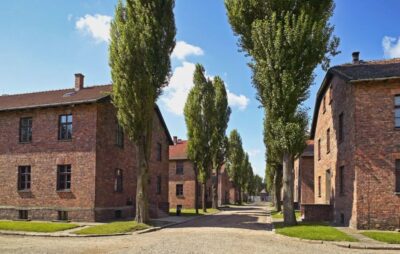
Auschwitz Guided Tour with Optional Hotel Pickup
Read our review →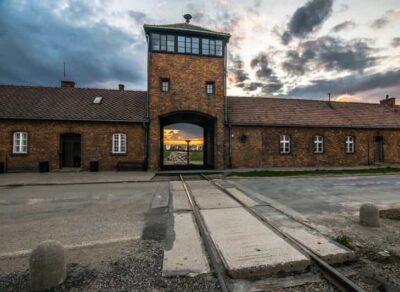
Auschwitz-Birkenau Guided Tour with Pickup & Lunch
Read our review →
Auschwitz-Birkenau Guided Tour Pickup/Lunch Options
Read our review →
Krakow to Auschwitz Birkenau Guided Tour with Transfer and Ticket
Read our review →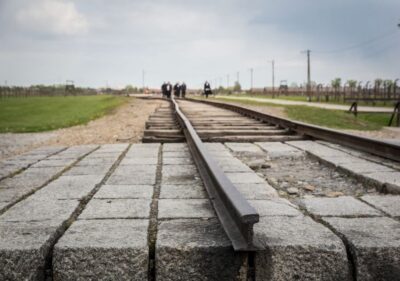
Browse the lists this tour appears in