Reviewed · GUIDED
Krakow: Former Concentration Camp Plaszow Guided Tour
Plaszow is not a polished museum with rooms full of exhibits. It is an open public space marked by memorials, information boards, ruins, and wide stretches of ground where a Nazi camp once operated. That can make the past hard to picture, which is exactly why a guide matters. Oskar Schindler’s story and the film Schindler’s List help connect the site to a wider story, but the tour keeps its focus on the victims and prisoners of Plaszow.
I like the way this experience explains the camp’s change from a forced labor camp into a concentration camp, and I like that it includes the Liban Quarry, where a replica camp was built for Spielberg’s film. Guides such as Olga have also brought a warm, personal touch, including family stories connected to the camp and help finding the right bus afterward.
The main consideration is the setting. There is no formal museum complex here, and the site is an open public area rather than a preserved camp with many original buildings. Two hours gives you a useful introduction, but the subject is heavy and the ground can feel exposed in poor weather.
Key points to know before you go
- Plaszow began as a forced labor camp in 1940, then became a concentration camp in 1941.
- The tour explains the deportation of Krakow’s Jews from the ghetto, beginning in 1942.
- Memorials and ruins replace a traditional museum, so a live guide provides much-needed context.
- The Liban Quarry replica was built for Schindler’s List, a short distance from the former camp.
- Guide Olga has offered unusually personal tours, including family connections and help with onward transport.
- The $23 price includes an English-speaking licensed guide, but not tram tickets.
Why Plaszow needs a guide
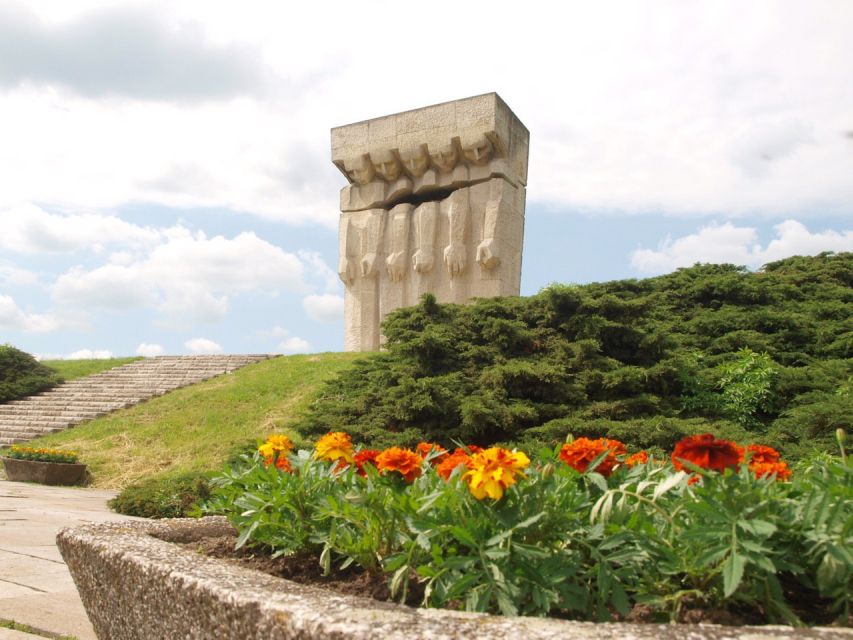
A visit to Plaszow can be confusing at first. The former camp is now an open public space, with information boards, memorials, and scattered ruins rather than a clearly marked sequence of buildings. Without context, you may see a broad stretch of ground and struggle to understand what happened there.
A guide turns those separate pieces into a story. You learn where the camp fit into Nazi rule in Krakow, how it developed, and why the site mattered to the city’s Jewish population. The walk also explains the forced labor carried out in the quarry and military factories, giving you a clearer sense of how prisoners were used.
I find that this approach is more useful than simply reading dates from signs. The guide can explain how the camp changed over time and help you connect the physical remains with the lives of the people imprisoned there. You are not just looking at ruins. You are learning how a functioning camp was organized and how its prisoners were treated.
The English-language tour lasts two hours. That is long enough for a serious introduction without turning into an all-day history lesson. Still, you should arrive ready to listen. This is not a light sightseeing stop, and the content deals directly with forced labor, deportation, imprisonment, and murder.
A few more Krakow trips to weigh up
- From Krakow: Auschwitz-Birkenau Guided Tour & Hotel Pickup
★ 4.5 · 33,358 reviews - From Krakow: Auschwitz-Birkenau Guided Tour & Hotel Pickup
★ 4.5 · 29,340 reviews - Krakow: Auschwitz Guided Tour with Optional Hotel Pickup
★ 4.5 · 15,280 reviews
From Krakow’s ghetto to the Plaszow camp
The tour begins at the entrance of Apteka Pod Orlem, where you look for the guide holding an excursions.city sign. This meeting point is tied to the history of Krakow’s Jewish ghetto, so the starting location helps set the scene before you reach Plaszow.
From there, the tour explains the deportation of Jews from the Krakow ghetto beginning in 1942. That background is important because it shows that Plaszow was not an isolated camp disconnected from the rest of the city. The ghetto, the camp, forced labor, and deportation formed part of the same system of Nazi control.
You will need tram tickets for the journey, as they are not included in the price. Check the meeting instructions carefully and allow enough time to reach the starting point. The activity ends back at the meeting point, so you are not left to work out a separate return route after the tour.
One useful detail from the experience is the care some guides take at the end. Olga has walked people to the nearest bus stop and helped them catch the correct bus back toward the Old Town. That is not a formal transport service, but it can be a real help if you are unfamiliar with Krakow’s public transport.
Seeing the former camp as it is today
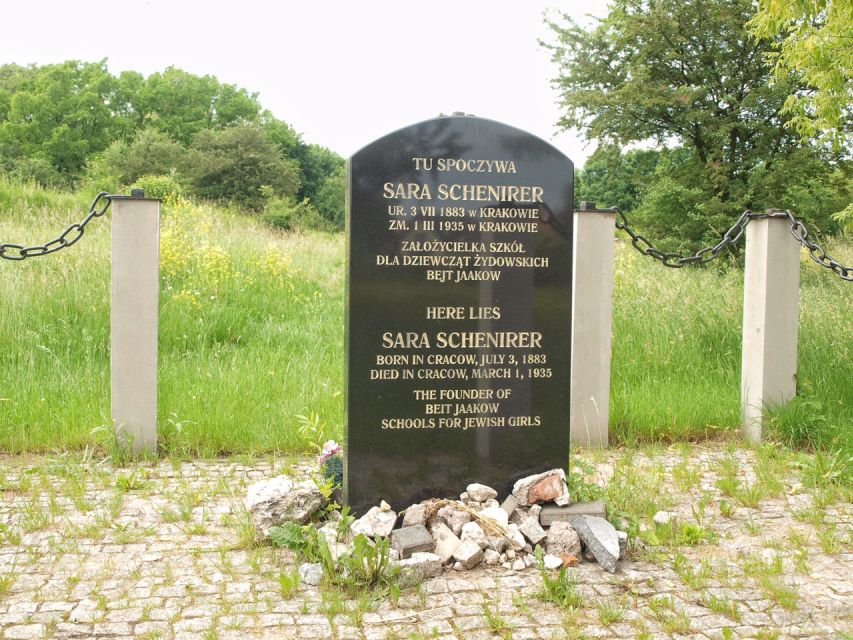
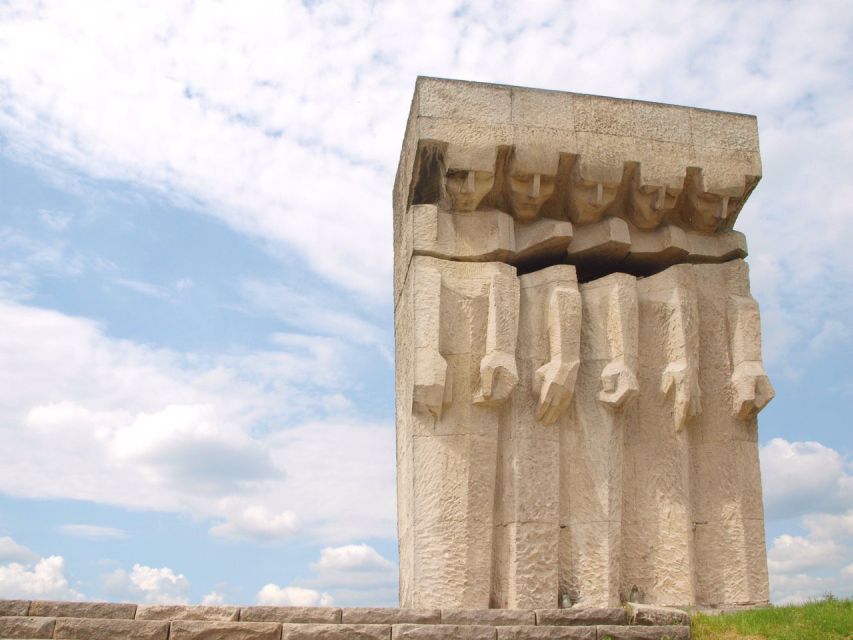
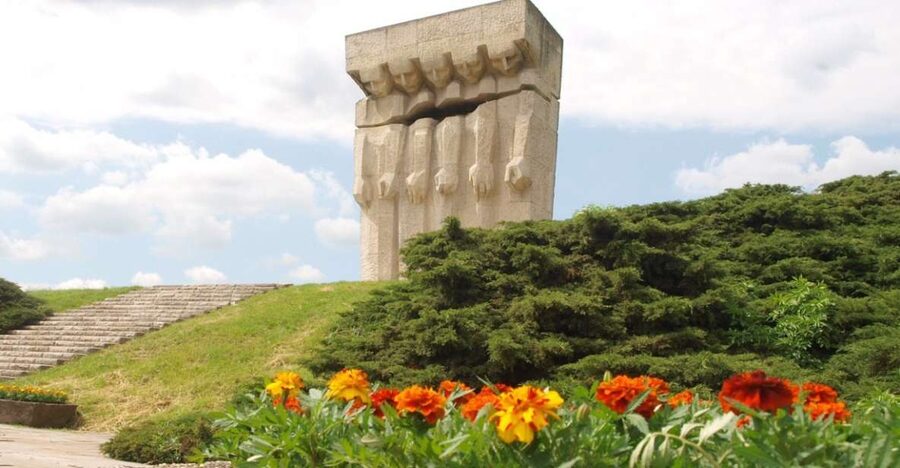
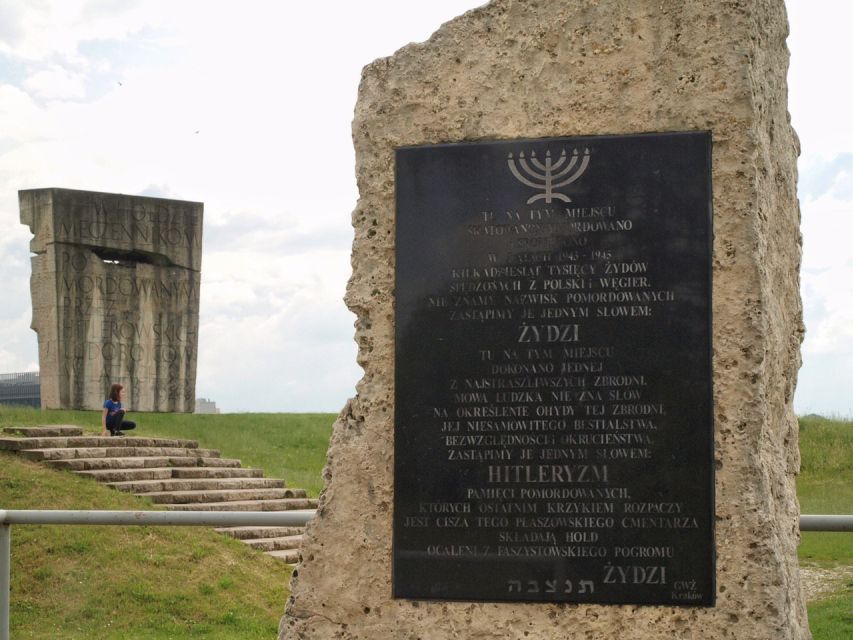
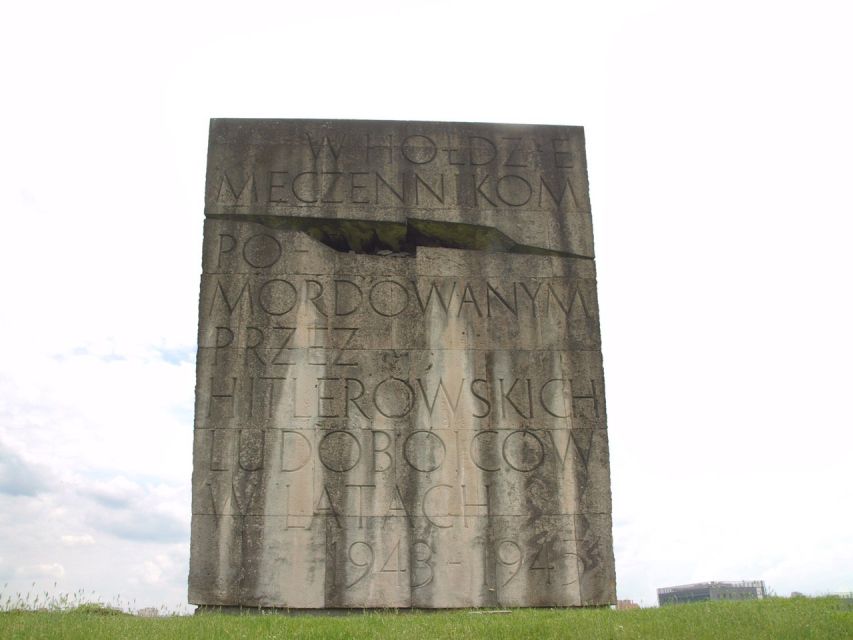
Plaszow’s present-day appearance can be unsettling in an unexpected way. It is now a large open public space rather than a fully developed museum. You may see information boards, memorials, building ruins, and broad areas where the original camp structures have disappeared.
That lack of preserved buildings is both the site’s weakness and one reason the guide is so valuable. A museum can show you an original barracks room or a labeled object. At Plaszow, you must use the guide’s explanation, memorials, and your own imagination to understand the scale and purpose of the place.
The tour visits different parts of the former camp and discusses what camp life was like. You learn about the work carried out at the quarry and in military factories, along with the conditions prisoners faced. The goal is not to make the site dramatic for its own sake. It is to show how ordinary work sites and camp administration were turned into tools of Nazi persecution.
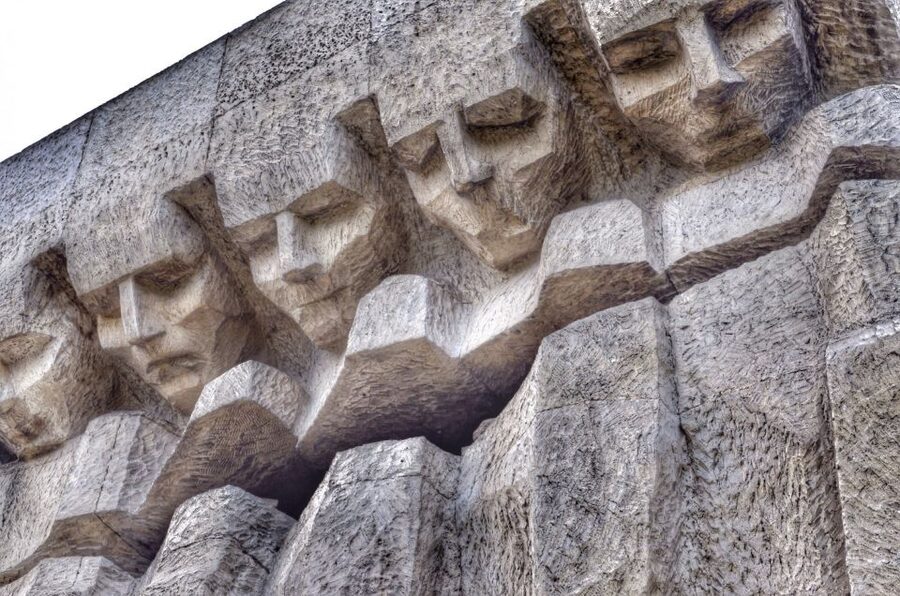
Several memorials are included in the visit. These provide places to pause and remember the victims, rather than treating Plaszow as just another historical stop on a city break. I appreciate that balance. The tour gives you facts, but it also leaves room for silence and reflection.
Wear clothing suited to the weather. The information specifically advises weather-appropriate clothing, and that matters more here than it would in an indoor museum. The site is open, so rain, cold, wind, or strong sun can affect your comfort during the two-hour walk.
The quarry and the labor system
The quarry is one of the most important parts of the story because it shows the practical side of imprisonment at Plaszow. Prisoners were put to work in difficult conditions, and the quarry was part of the forced labor system that helped support Nazi military needs.
The tour also covers military factories connected with the camp. Together, these locations help explain that prisoners were not held only for confinement. They were exploited for labor, often under brutal conditions, as the camp developed.
This section should be especially useful if you want more than a general account of the Holocaust in Krakow. The guide connects the camp’s physical locations with the economic and military purposes behind forced labor. You come away with a better understanding of how persecution was organized through work, transport, camp rules, and deportation.
At the same time, do not expect every original structure to remain. The current site has ruins and memorials, but not a complete set of preserved camp buildings. If you need a highly visual museum experience, Plaszow may feel sparse. If you want to understand a difficult historical site in its actual urban setting, the openness can make the visit more direct.
Same country, a completely different kind of day:
- Krakow–Zakopane: Cable Car, Chocholow Baths, Cheese & Vodka
★ 5.0 · 10,720 reviews - Krakow: Auschwitz-Birkenau Guided Tour with Pickup & Lunch
★ 4.5 · 9,800 reviews - From Krakow: Wieliczka Salt Mine Tour
★ 4.6 · 9,393 reviews - Krakow: Auschwitz-Birkenau Guided Tour Pickup/Lunch Options
★ 4.5 · 9,057 reviews
Oskar Schindler and the film connection
Oskar Schindler is a major part of the tour, but he is not the only subject. You learn about his life and his connection to the prisoners whose stories later became widely known through Schindler’s List.
The tour also explains how Plaszow appeared in the 1993 film. Near the former camp, at the Liban Quarry, you visit a replica of the camp built under Steven Spielberg’s direction for the movie. The replica is around a hundred meters from the former camp, making it a practical addition to the walk.
This is a useful distinction: the replica is connected to the film, while the former Plaszow camp is the actual historical site. Keeping those two places separate helps you avoid confusing movie scenery with surviving evidence.
Film fans will enjoy seeing how the movie used Krakow’s locations, but the tour does not reduce Plaszow to a film set. The main focus remains the Nazi camp, the people imprisoned there, and the historical events that shaped Krakow. The movie connection works best as a way into the subject, not as the entire reason to visit.
I also like that the tour discusses Schindler as a real person rather than treating him only as a heroic film character. You get a broader account of his life and the setting in which his actions took place.
What the $23 price gets you
At $23 per person, this is a reasonable price for a two-hour guided history walk, especially because the site can be difficult to read on your own. The fee includes a licensed English-speaking guide, and the value comes mainly from interpretation rather than admission to a large indoor attraction.
You are paying for someone to explain the camp’s development, identify the memorials, describe the labor system, and connect the site with Schindler and the film. That is important at Plaszow because the physical remains do not always explain themselves.
The price does not include tram tickets. Factor that into your budget, and remember that the tour begins at Apteka Pod Orlem rather than directly at the former camp. Reserve and pay later is available, which can help if your Krakow schedule is still changing. You can also cancel up to 24 hours before the activity for a full refund.
The published rating is 4.8 from 10 reviews. That is a small sample, so I would not treat the number as the whole decision. The strongest pattern is the praise for the guides, especially Olga, who has been described as warm, enthusiastic, attentive, and willing to help beyond the planned walk.
Who will get the most from this tour
This tour suits you if you want to understand Krakow during the Second World War and prefer a human guide to a self-guided visit. It is a strong choice for anyone interested in the Holocaust, Nazi occupation, forced labor, or the real locations connected with Schindler’s List.
You do not need to be a specialist. The experience has also worked well for people who simply want a clearer understanding of an important Krakow site. The guide explains the history in a way that can make an otherwise confusing open area easier to follow.
It may be less suitable if you are looking for entertainment, polished displays, or a short photo stop. The subject is serious, the site is exposed to the weather, and much of the experience depends on listening and reflection.
Families should consider the age and sensitivity of their children before booking. The supplied information does not give a recommended minimum age, so you should use your judgment based on the subject matter.
Practical advice for a respectful visit
Dress for the weather and choose comfortable clothing for an outdoor walk. The site is not presented as a conventional indoor museum, so you will be more comfortable if you prepare for changing conditions.
Arrive at the entrance of Apteka Pod Orlem and look for the guide with the excursions.city sign. The tour is in English, and a licensed guide leads the full experience.
Keep your schedule fairly open around the two-hour activity. Tram tickets are separate, and you may need a little extra time to reach the meeting point or continue to your next stop. The activity returns to the meeting point, which makes it easier to combine with other Krakow plans.
Most of all, bring patience. Plaszow is not a place that explains itself at a glance. Its memorials, ruins, and open spaces need time and context. A guide such as Olga can make that process more personal, but you should still expect a quiet and demanding visit rather than a typical sightseeing tour.
Should you book the Plaszow tour?
Book it if you want the former camp explained properly, especially if you have already seen Schindler’s List or plan to visit other wartime sites in Krakow. The guide adds real value because Plaszow has fewer preserved structures than many people expect.
The strongest reason to choose this experience is the combination of history, memorials, forced labor sites, Schindler’s story, and the nearby film replica in two hours. The main drawback is that the former camp is now an open public space, so you must be prepared to build the picture through the guide’s words rather than through a large museum collection.
At $23, it is a worthwhile addition to a Krakow itinerary for anyone seeking a serious, respectful account of the city’s wartime past. Go with weather-ready clothing, budget separately for tram tickets, and choose this tour for understanding, not spectacle.
FAQ
Where does the Plaszow guided tour start?
The tour starts at the entrance of Apteka Pod Orlem. Look for the guide holding an excursions.city sign.
Where does the activity end?
The tour ends back at the meeting point.
How long does the tour last?
The activity lasts two hours. Starting times are available when you check the booking calendar.
What language is the tour conducted in?
The tour is conducted in English by a live guide.
Is a guide included?
Yes. The price includes a licensed English-speaking guide.
Are tram tickets included?
No. Tram tickets are not included and must be arranged separately.
What should you wear?
Bring weather-appropriate clothing because the former camp is an open outdoor site.
Does the tour visit memorials?
Yes. The route includes several memorials dedicated to the victims of the camp.
Does the tour cover Oskar Schindler?
Yes. The guide discusses Oskar Schindler’s life and his connection to the history presented in Schindler’s List.
Does the tour include a film location?
Yes. You visit the replica of the camp built at the nearby Liban Quarry under Steven Spielberg’s direction for Schindler’s List.
Can you cancel for a refund?
You can cancel up to 24 hours in advance for a full refund. Reserve now and pay later is also available.
Just added around Krakow
- Tour to Wadowice: Hometown of Pope Saint John Paul II★ 4.6 · 12 reviews
- The Jewish Quarter – Walking Tour★ 5.0 · 4 reviews
- From Kraków; to Białka Thermal Baths private tour★ 5.0 · 5 reviews
- St. Mary’s Basilica and more – a short walk with a guide★ 4.7 · 56 reviews
- Krakow: Auschwitz-Birkenau and Wieliczka Salt Mine Day Trip★ 4.7 · 84 reviews
- Krakow: Skip-the-Line Wawel Castle & Old Town Guided Tour★ 4.9 · 23 reviews
- Krakow: Schindler’s Factory Guided Tour★ 4.2 · 12 reviews
- Shooting Range Experience!★ 4.8 · 66 reviews
Guided, compared.
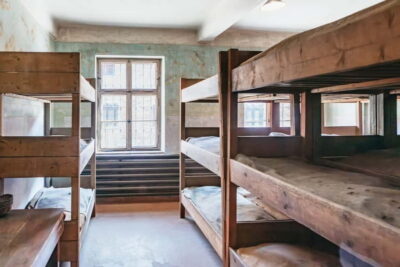
Auschwitz-Birkenau Guided Tour & Hotel Pickup
Read our review →Auschwitz-Birkenau Guided Tour & Hotel Pickup
Read our review →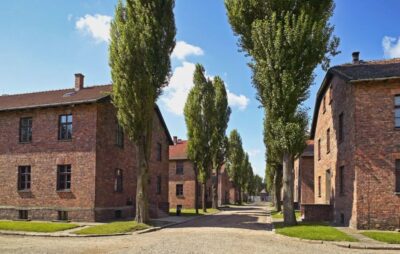
Auschwitz Guided Tour with Optional Hotel Pickup
Read our review →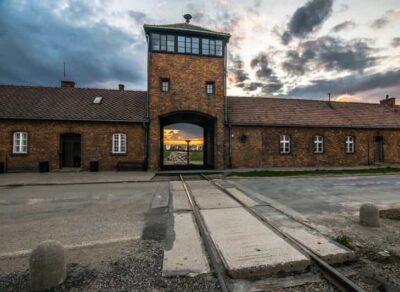
Auschwitz-Birkenau Guided Tour with Pickup & Lunch
Read our review →
Auschwitz-Birkenau Guided Tour Pickup/Lunch Options
Read our review →
Krakow to Auschwitz Birkenau Guided Tour with Transfer and Ticket
Read our review →