
Reviewed · AUSCHWITZ-BIRKENAU MEMORIAL TOURS
Krakow: Guided Auschwitz Birkenau Tour
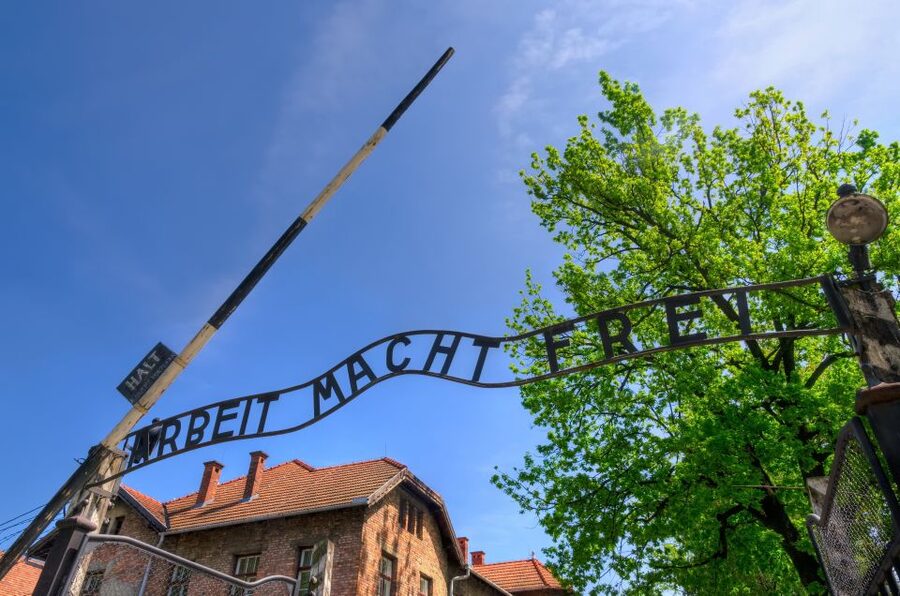
Auschwitz and Birkenau are not ordinary sightseeing stops. This is a serious, moving visit to the place where the Holocaust was carried out, and the guide-led format helps you understand what you are seeing instead of walking through the grounds without context. You visit both camp sites, including the prison blocks, death wall, railway ramp, barracks, gas chambers, and crematoria buildings.
I like the practical setup: round-trip transport from central Krakow removes the trouble of arranging your own journey to Oświęcim, and skip-the-line tickets simplify entry. I also like the museum guide system, with headsets used in the camps so you can follow the explanation even when other groups are nearby. The main drawback is that the museum controls the schedule, so your start time can change and the visit can feel brisk in busy periods.
Key points to know before you book
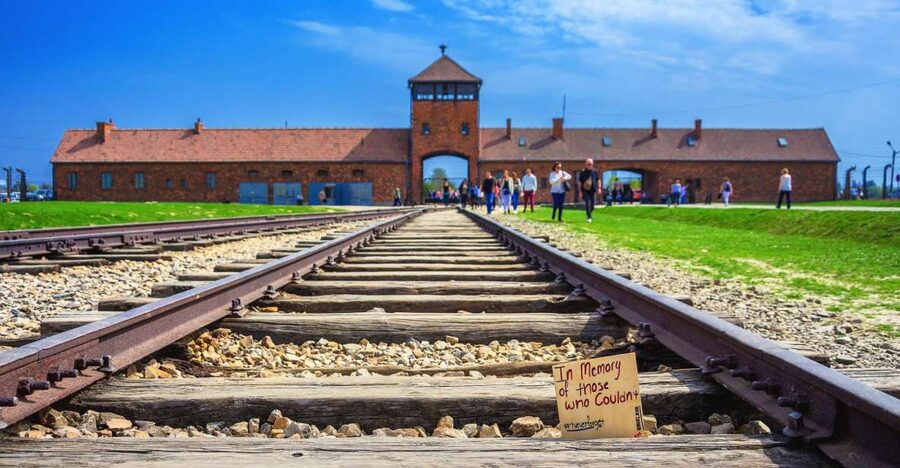
- Two distinct sites: Auschwitz I focuses on the preserved prison blocks and exhibitions, while Birkenau shows the huge scale of the camp, its barracks, railway ramp, and remains of the killing facilities.
- About 3.5 hours inside the museum: The guided portion is split into roughly two hours at Auschwitz I and 1.5 hours at Birkenau.
- A long day from Krakow: Allow between 210 minutes and seven hours, though the published route adds up to about six hours and 45 minutes before any changes.
- Central meeting point: The usual Krakow departure point is the parking area at Floriana Straszewskiego 14.
- Six tour languages: English, Polish, French, Italian, German, and Spanish are offered, but a language may switch to English if too few people book it.
- Bring ID and travel light: Your passport or ID must match the booking name, and bags larger than 30 by 20 by 10 centimeters must stay on the bus.
Why the guided format matters at Auschwitz
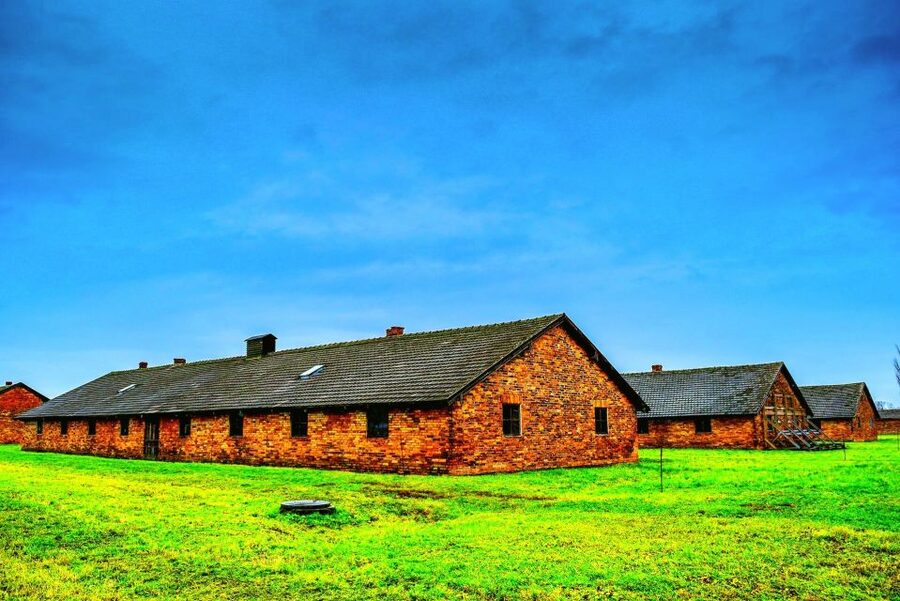
You can read about Auschwitz before arriving, but the physical site can be hard to interpret on your own. A guide gives dates, explanations, and human context to buildings that otherwise might look like rows of brick or wood structures. You are not simply shown where something happened. You are told how each part fitted into the camp system and how imprisoned people were treated.
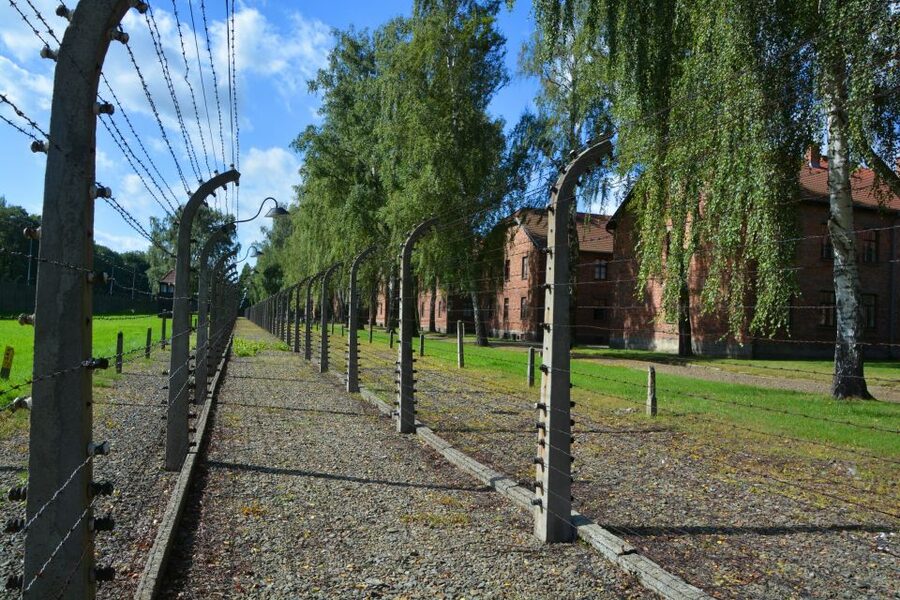
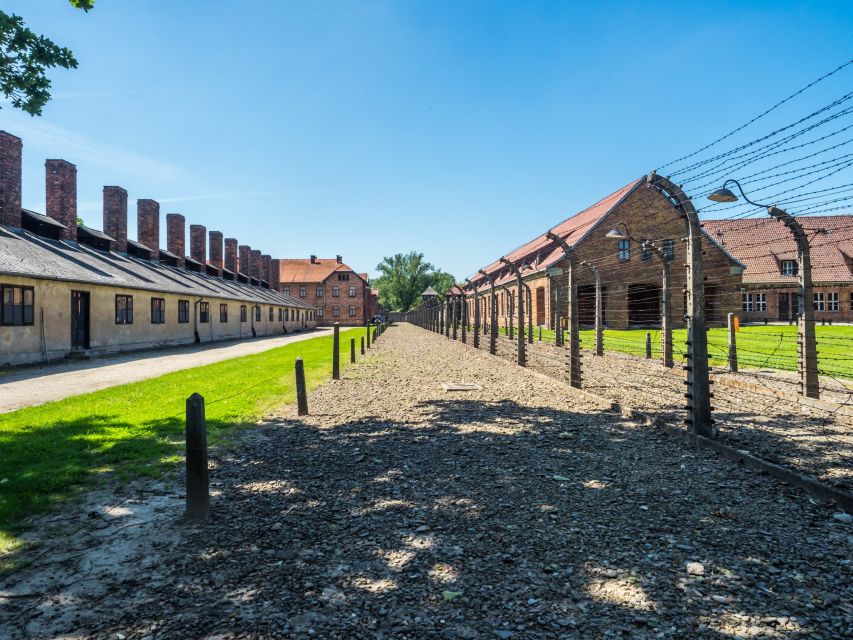
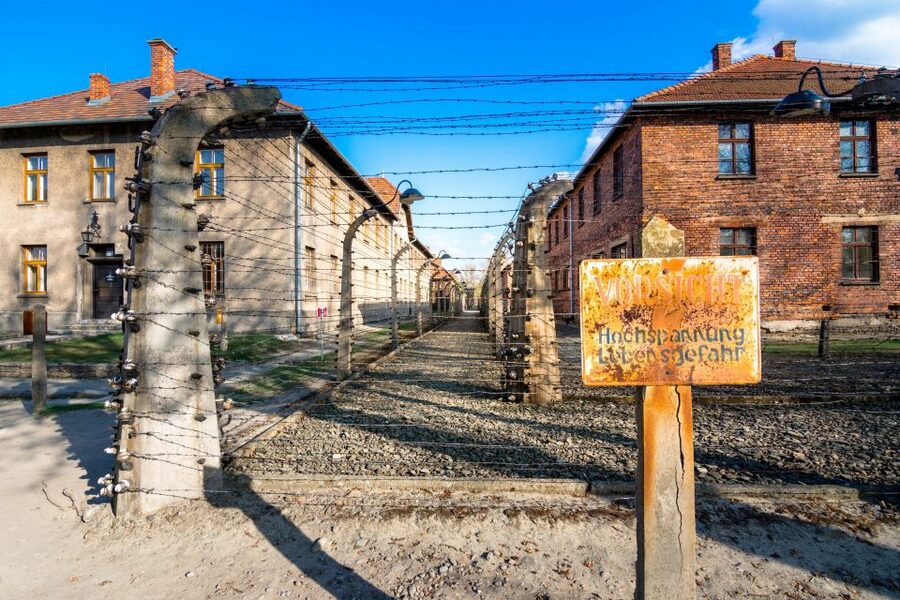
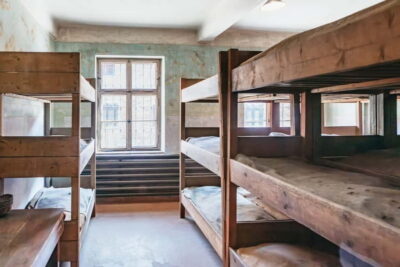
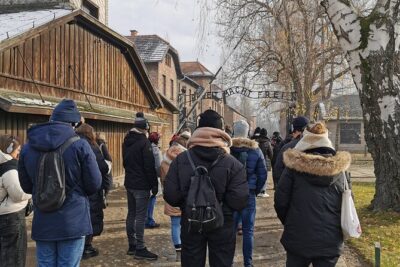
The first camp, Auschwitz I, contains many of the remaining prison blocks. These buildings now hold exhibitions, photographs, documents, and personal objects connected with daily life in the camp. You also see prisoner rooms and the death wall, places where the machinery of imprisonment becomes less abstract.
This is an emotional visit, and the guide’s manner matters. Past departures have included guides named Konrad, Martin, and Jan, with Konrad receiving particular praise for his clear explanations and calm help with the practical side of the day. You should expect the guide assigned by the museum to lead the camp visit, while the tour leader or driver handles meeting points, transport, and group movements.
The museum uses headphones for many guided groups. That small detail is valuable. You can hear the guide without crowding around one person, and you have a better chance of following the explanation when several groups are moving through the same building.
More Auschwitz-Birkenau Memorial Tours in Krakow
- From Krakow: Auschwitz-Birkenau Guided Tour & Hotel Pickup
★ 4.5 · 33,358 reviews - From Krakow: Auschwitz-Birkenau Guided Tour & Hotel Pickup
★ 4.5 · 29,340 reviews - Krakow: Auschwitz Guided Tour with Optional Hotel Pickup
★ 4.5 · 15,280 reviews
Auschwitz I: prison blocks, exhibitions, and the death wall
Auschwitz I is the more compact and built-up of the two sites. The remaining blocks create a powerful sense of confinement, and the exhibitions inside them add detail that the outdoor grounds cannot provide. You move through rooms where the size and contents of the displays make the treatment of prisoners painfully concrete.
The visit includes prisoner rooms, surviving camp structures, and the death wall. Some areas are visually difficult, so you should prepare yourself for a sober and upsetting experience. This is not a stop to rush through with a camera. The best use of your time is to listen carefully, take in the displays, and allow a little quiet between explanations.
The planned visit here lasts about two hours. That sounds generous, but it can pass quickly. The museum sets the pace and controls how groups move through the buildings. One practical consequence is that you may sometimes feel you are keeping up with the guide rather than stopping as long as you would prefer at every display.
That limitation is not really a fault of the transport company. Auschwitz is a busy memorial site with a set visitor system, and groups need to move in an orderly way. Still, if you prefer long, private pauses at each exhibit, a guided group may feel structured. You gain clear interpretation, but you give up some freedom to set your own rhythm.
The short transfer to Birkenau
After Auschwitz I, the coach takes you to Auschwitz II Birkenau. The transfer is listed as about 15 minutes. This is a useful pause between two very different parts of the memorial, especially after the intensity of the indoor exhibitions.
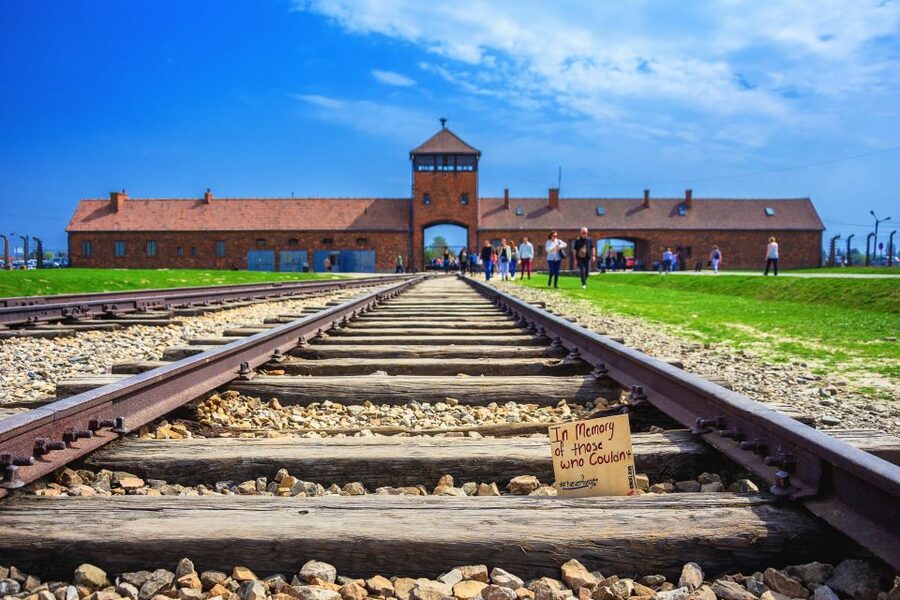
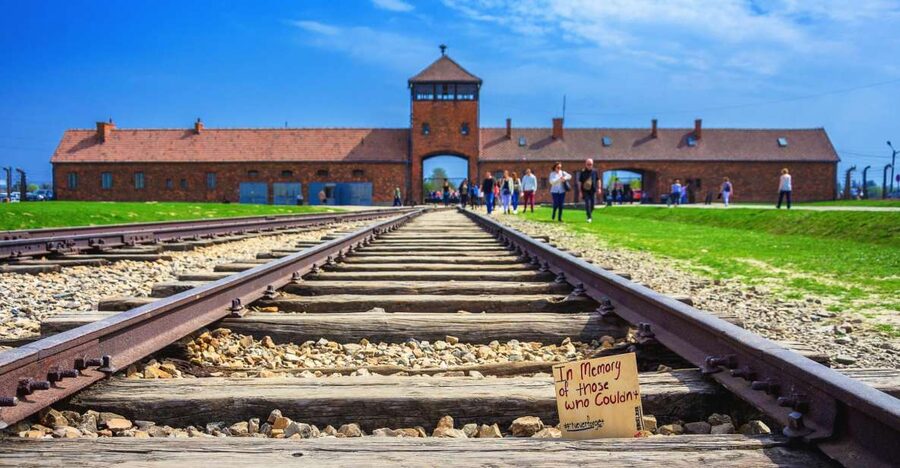
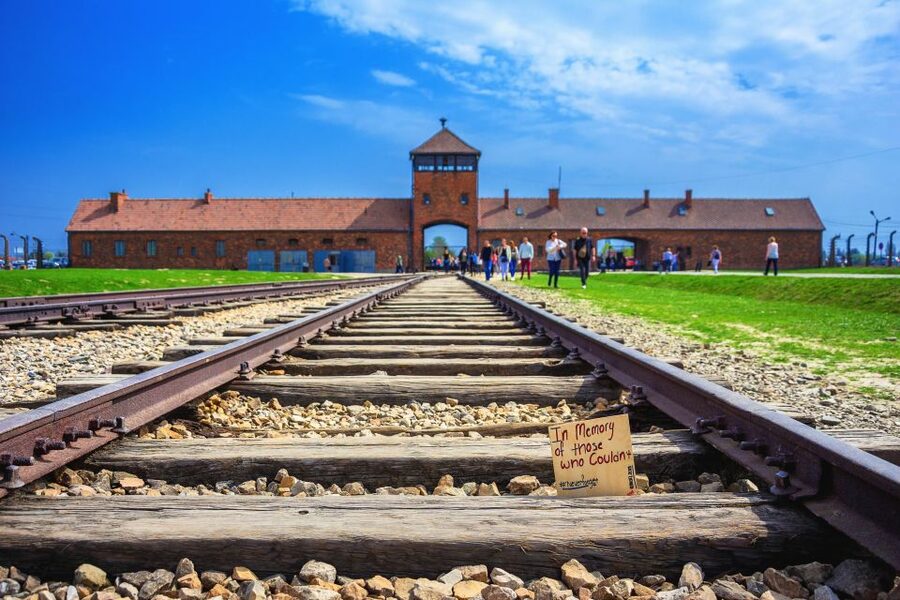
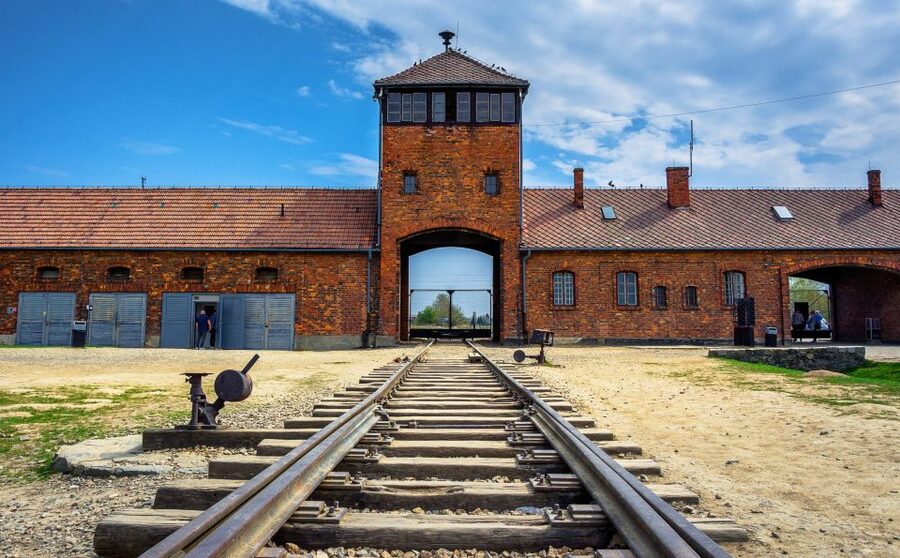
Birkenau is much larger and more open. The scale is the message. The railway ramp, rows of remaining barracks, and broad grounds show how the camp operated as a system built for mass deportation and murder. You can better grasp the size of the site here than at Auschwitz I, where the surviving blocks create a tighter, more enclosed experience.
The guide explains the role of the railway ramp and the way prisoners arrived. You also see the remains of gas chambers and crematoria buildings, along with other original objects connected with camp life. Much of Birkenau is outdoors, so comfortable clothing and suitable shoes matter. The ground may be uneven, and the total walking distance can reach around six kilometers.
Birkenau can feel quieter than the first camp, but do not mistake quiet for ease. The open space, long lines of barracks, and surviving structures require time to absorb. Your guide helps connect the physical remains with the people who were forced through this place.
Transport from Krakow and the real time commitment
The coach journey from Krakow takes about 1.5 hours each way. The route passes through towns and villages, and the air-conditioned vehicles described by past participants make the long ride more comfortable, especially in warm weather.
You meet at Floriana Straszewskiego 14, unless your selected option gives a different meeting arrangement. Pickup from the meeting point and return transport are included when that option is booked. The tour returns to Straszewskiego 14, not to individual hotels, so plan your evening from that location.
The published timing is not as tidy as a normal half-day excursion. The activity is advertised as lasting from 210 minutes to seven hours, and the detailed schedule adds up to roughly six hours and 45 minutes:
- About 1.5 hours by coach from Krakow
- About two hours at Auschwitz I
- About 15 minutes by coach to Birkenau
- About 1.5 hours at Birkenau
- About 1.5 hours back to Krakow
The museum can change the starting time. You might book a late-morning departure and then receive a much earlier time, so do not place an important dinner, train, or evening performance too close to the planned return. The sensible approach is to keep the whole day open.
One past departure included an additional 40-minute stop at an art exhibition, though this is not presented as a standard part of the current route. I would not build your plans around such a stop, but it is another reason to leave spare time.
Same country, a completely different kind of day:
- Krakow–Zakopane: Cable Car, Chocholow Baths, Cheese & Vodka
★ 5.0 · 10,720 reviews - Krakow: Auschwitz-Birkenau Guided Tour with Pickup & Lunch
★ 4.5 · 9,800 reviews - From Krakow: Wieliczka Salt Mine Tour
★ 4.6 · 9,393 reviews - Krakow: Auschwitz-Birkenau Guided Tour Pickup/Lunch Options
★ 4.5 · 9,057 reviews
Skip-the-line entry and museum-controlled timing
Skip-the-line tickets are useful here because arrival can involve security and waiting among many coaches. Skip-the-line does not mean you walk straight into a completely empty site. You still pass through the memorial’s security and visitor procedures, and there can be queues, but the reserved entry helps avoid arranging admission on your own.
The museum determines the pace and duration of the guided visit. This is important when comparing the tour with a private or self-directed visit. You receive a clear route and a professional explanation, but you cannot decide to spend an extra 20 minutes in one block or leave the group for a quiet walk.
Some people find the pace a little fast, particularly when they want more time to process the exhibitions. Others appreciate the structure because the site is large, solemn, and not easy to plan from scratch. I would choose the guided option if this is your first visit or if you want the main facts explained in a logical order.
Guide quality and language choices
The live guide is available in English, Polish, French, Italian, German, and Spanish. If the minimum number for your chosen language is not reached, the tour provider may run the visit in English instead. Keep that condition in mind if language is central to your booking.
The strongest part of the experience is the explanation at the camps. Guides such as Konrad have been praised for clear, detailed delivery and for helping with practical questions. Italian-speaking departures have also received good comments for friendly tour leadership and smooth transfers.
You should expect different people to handle different parts of the day. An English-speaking driver or tour leader may organize the coach and meeting points, while a museum guide leads the camp tour. That division is normal for this memorial and means the quality of the guided portion depends partly on the individual assigned that day.
The use of headphones helps, especially in larger groups. Still, you may need to stay alert at meeting points and follow instructions closely. The tour is organized around fixed entry times, so falling behind can create stress.
What the $69 price gets you
At $69 per person, the tour offers reasonable value if you want transport, admission, and an organized explanation in one booking. The distance from Krakow is significant, and the return coach alone saves you from arranging transport to Oświęcim and coordinating the two camp sites.
The price also covers skip-the-line tickets and a local guide in your chosen language, subject to the language condition. Food and drinks are not included, and hotel drop-off is not provided. You return to the central meeting point, so you should budget for your own snack and any onward transport in Krakow.
Value here is less about entertainment and more about reducing friction. You can focus on the memorial rather than train connections, driving, parking, and admission procedures. If you already have reliable transport and can secure a museum time yourself, an independent visit may offer more control. For most first-time visitors based in Krakow, the coach-and-guide package is the simpler choice.
Practical advice for a difficult day
Bring your passport or national ID card. Auschwitz-Birkenau requires every participant to carry identification, and the name on the booking must match the name on the document. A mismatch can lead to refused entry.
Travel with a small bag. The maximum hand luggage size is 30 by 20 by 10 centimeters. Larger luggage must remain on the coach, so do not arrive with a suitcase or a large daypack.
Wear comfortable clothes and shoes. You will walk a great deal, and the day includes both indoor exhibitions and open-air sections. Take water and a small snack for the coach, since food and drinks are not provided and the schedule may leave only a short break. Alcohol is forbidden throughout the tour.
The experience is not suitable for people with mobility impairments. The distance between sites, walking on the grounds, and movement through the preserved buildings can make the day demanding.
You may join the group directly at the museum, but you must contact the supplier at least 12 hours in advance. Do not simply miss the Krakow departure and expect to meet the group at the gate.
Finally, think about the subject before you go. The camps contain distressing material and memorial spaces. You do not need to arrive as an expert, but reading a short account of Auschwitz beforehand may help you understand the exhibits and use the guide’s explanations more fully.
Who should book this Auschwitz tour?
I would recommend it to a first-time visitor to Krakow who wants a serious, guided visit without handling the transport and admission details. It suits anyone who values a clear route, a museum guide, and the chance to see both Auschwitz I and Birkenau in one day.
It is also a good choice if you do not speak Polish and want to request English, French, German, Italian, or Spanish. Just remember that a low number of bookings can result in an English-language tour.
I would hesitate if you need a fixed departure time, dislike group pacing, or want long periods alone at each exhibit. The museum may change your start time, and the visit can feel hurried when several groups are moving through the same areas. It is also a poor fit if you have mobility limitations or must carry a large bag.
At $69, this is a practical, well-structured way to visit one of Europe’s most important memorials. Book it if you want the day handled for you and are prepared for a long, emotionally heavy visit. Keep your schedule open, bring matching ID, wear good shoes, and treat the place with the quiet attention it demands.
FAQ
Where does the tour start in Krakow?
The usual meeting point is the parking area at Floriana Straszewskiego 14. The exact meeting point may vary according to the option you book.
Where does the tour end?
The tour always ends at Straszewskiego 14 in Krakow. Hotel drop-off is not included.
How long does the experience last?
The stated duration ranges from 210 minutes to seven hours. The detailed route takes about 1.5 hours to Auschwitz, 3.5 hours visiting both sites, and 1.5 hours back to Krakow, with a 15-minute transfer between the camps.
Does the tour visit both Auschwitz I and Birkenau?
Yes. The route includes a guided visit of Auschwitz I, followed by a short coach transfer and a guided visit of Auschwitz II Birkenau.
Is transportation from Krakow included?
Round-trip transportation is included when you select the transport option. The coach leaves from the designated Krakow meeting point and returns there.
What languages are available?
Live guides are available in English, Polish, French, Italian, German, and Spanish. If too few people book a particular language, the tour may be conducted in English.
Do I need to bring identification?
Yes. Every participant must bring a passport or ID card. The name on the booking must match the name on the identification document.
Can I bring a large suitcase or backpack?
No large luggage is allowed inside the museum. The maximum hand luggage size is 30 by 20 by 10 centimeters. Larger items must remain on the coach.
Is food included?
No. Food and drinks are not included. Bring a small snack and water, and remember that drinking alcohol during the tour is forbidden.
Can the departure time change?
Yes. The Auschwitz Museum can change the tour start time. Keep the whole day free, since a scheduled time may be moved earlier or later.
Just added around Krakow
- Tour to Wadowice: Hometown of Pope Saint John Paul II★ 4.6 · 12 reviews
- The Jewish Quarter – Walking Tour★ 5.0 · 4 reviews
- From Kraków; to Białka Thermal Baths private tour★ 5.0 · 5 reviews
- St. Mary’s Basilica and more – a short walk with a guide★ 4.7 · 56 reviews
- Krakow: Auschwitz-Birkenau and Wieliczka Salt Mine Day Trip★ 4.7 · 84 reviews
- Krakow: Skip-the-Line Wawel Castle & Old Town Guided Tour★ 4.9 · 23 reviews
- Krakow: Schindler’s Factory Guided Tour★ 4.2 · 12 reviews
- Shooting Range Experience!★ 4.8 · 66 reviews
Auschwitz-Birkenau Memorial Tours, compared.
Auschwitz-Birkenau Guided Tour & Hotel Pickup
Read our review →Auschwitz-Birkenau Guided Tour & Hotel Pickup
Read our review →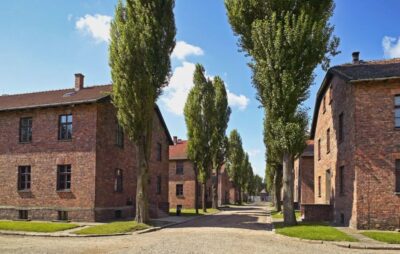
Auschwitz Guided Tour with Optional Hotel Pickup
Read our review →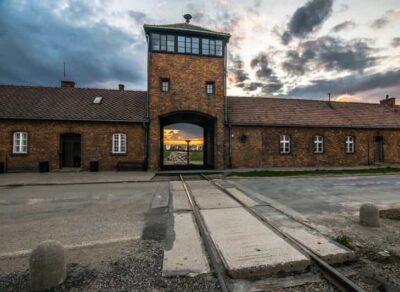
Auschwitz-Birkenau Guided Tour with Pickup & Lunch
Read our review →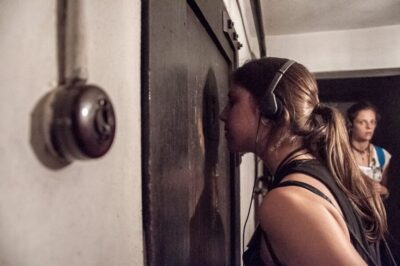
Auschwitz-Birkenau Guided Tour Pickup/Lunch Options
Read our review →
Krakow to Auschwitz Birkenau Guided Tour with Transfer and Ticket
Read our review →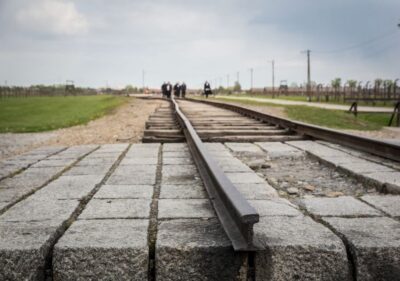
Browse the lists this tour appears in