Reviewed · PRIVATE
Krakow World War II Private Tour
Krakow’s World War II story is not confined to one museum. This private tour links Kazimierz, the former Jewish district, with the ghetto, Schindler’s Factory, a former concentration camp, and Gestapo cells. Taken together, these places show how ordinary city life was torn apart.
I like the private format, since your guide can explain difficult material at your pace instead of herding you from stop to stop. I also like that transport, entrance fees, and hotel pickup are included, which makes a five-hour schedule practical. The drawback is clear: this is a serious, sometimes painful day, not a light sightseeing outing, and the $294.37 per-person price is high unless you value personal attention and convenience.
Key points to know before booking
- Five important sites in one morning: The route connects Jewish Krakow, Nazi occupation, the ghetto, Płaszów, and the Gestapo headquarters.
- Private guide and driver: Only your party takes part, giving you room to ask questions and adjust the pace.
- Schindler’s Factory is a major stop: You have about 90 minutes in the museum, with a guide available there too.
- Hotel pickup and drop-off are included: You do not need to find a city meeting point or arrange transport between sites.
- The extended tour is worth considering: The five-hour version allows more context than the shorter three-hour option.
- Guides named in past bookings include Ada, Magda, and Zuzanna: Marcin has also served as a courteous driver who provided umbrellas during sudden snow squalls.
Why this Krakow tour works as a history lesson
The strength of this experience is its shape. You do not simply enter one museum, read a wall of dates, and leave. You move through places where Jewish life existed, where occupation changed daily routines, and where persecution became organized murder.
That order matters. Kazimierz gives you the setting of pre-war Jewish Krakow. Schindler’s Factory explains the occupation and the city’s wartime system. Płaszów shows the machinery of imprisonment and forced labor. Pomorska Street brings you into the Gestapo’s rooms, while Eagle Pharmacy brings the story back to people trapped in the Podgórze ghetto.
I find this kind of route especially useful if you have only one day to focus on Krakow’s wartime past. You will not get every detail of the city’s history, but you will see several places that are often treated as separate excursions.
The private setup also changes the feel of the day. You can ask how a location connects to the previous one, pause when a subject needs more explanation, or move along if a museum display becomes too heavy. Guides such as Ada, Magda, and Zuzanna have been singled out for their preparation, historical command, and strong English. Those personal skills matter here, because the subject calls for care as well as facts.
A few more Krakow trips to weigh up
- Krakow Airport Private Transfer
★ 5.0 · 2,227 reviews - Private Departure Transfer: Krakow City To Krakow Airport Balice
★ 4.5 · 367 reviews - Legendary Private Nowa Huta Communism Tour with Crazy Guides
★ 5.0 · 262 reviews
Kazimierz, where Jewish Krakow comes first
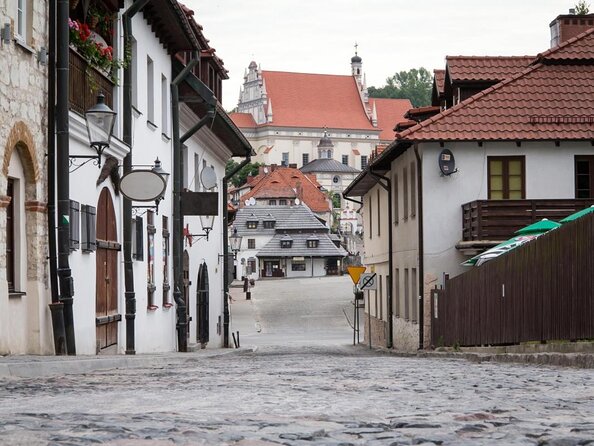
The tour begins in Kazimierz, once the center of Jewish life in Krakow for more than 500 years. About 40 minutes is allotted here, with no admission fee for this part of the visit.
This is a smart opening stop. Before you learn how Nazi policy destroyed the community, you see the district as a place of long-standing religious and social life. Synagogues and Jewish cemeteries remain, and the area gives you a physical sense of what existed before the war.
Your guide can help you read the district as more than a collection of old buildings. The surviving sites point to schools, worship, family life, burial customs, and a community that had developed over centuries. That context keeps the later stops from becoming a string of disconnected atrocities.
Forty minutes is enough for an introduction, but not for a full study of Kazimierz. If you want to explore every synagogue or cemetery at length, save extra time for another visit. On this tour, the purpose is to establish the human world that was later attacked.
Schindler’s Factory and Krakow under occupation
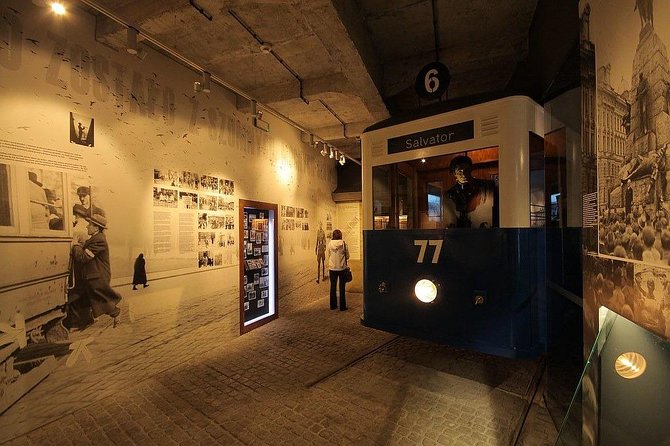
The longest museum stop is Oskar Schindler’s Enamelled Goods Factory, now part of the Museum of Krakow. You spend about 90 minutes here, and admission is included.
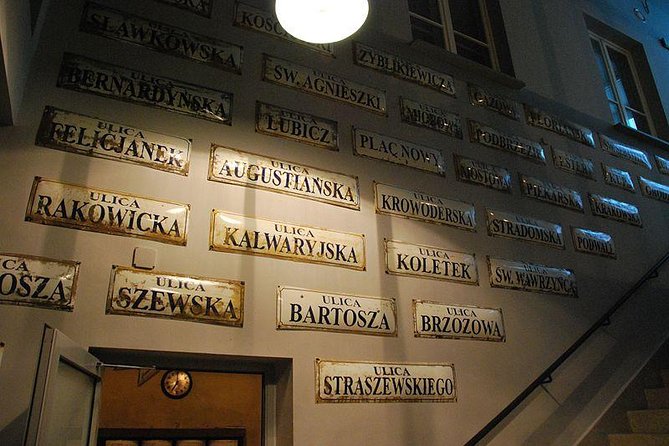
The permanent exhibition, Krakow During Nazi Occupation 1939 to 1945, places the city at the center of the story. That approach is useful. Instead of treating the war as a distant event led only by famous figures, the museum follows individual lives and the pressures of daily occupation.
You can expect material on the beginning of the war in 1939, the German occupation, and the changing rules that shaped ordinary life. Schindler’s name may draw you in, but the museum is not simply a film-themed tribute. Its wider focus is Krakow and the people caught in the occupation.
A private guide is particularly valuable here. Museums can overwhelm you with photographs, documents, objects, and dates. Your guide can point out what fits the route’s larger story and explain how the factory relates to the ghetto and the people Schindler tried to protect.
The 90-minute visit is substantial, though you should not expect to absorb every display in one pass. If you like to read every panel, you may wish for more time. The benefit of having a guide is that you receive a clear framework rather than trying to process the whole exhibition alone.
This is also the stop most likely to attract visitors focused on the film Schindler’s List. The tour’s value is broader than that connection. You learn about the city’s occupation, not only one industrialist and his workers.
Płaszów, a site that demands quiet attention
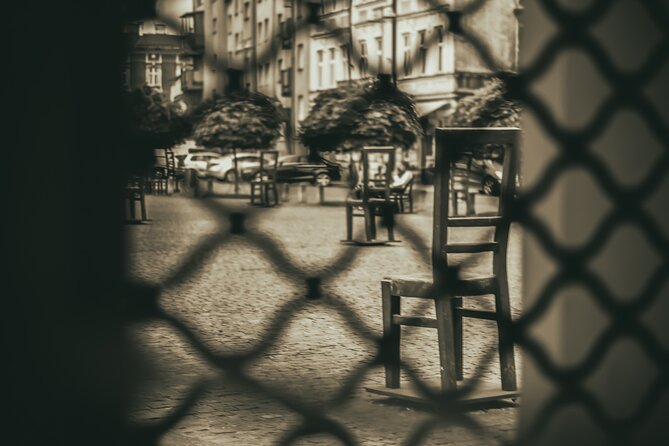
The route continues to Płaszów Concentration Camp, with about 30 minutes at the site. The camp was built in the summer of 1942 on the grounds of two former Jewish cemeteries. It expanded under the SS and became a concentration camp in 1944.
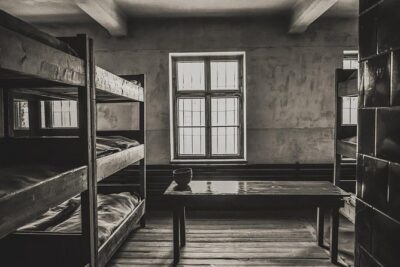
This stop is different from the museums. You are not entering a polished exhibition with a carefully arranged sequence of objects. You are confronting a place whose meaning comes from what happened there and from the fact that the original camp changed over time.
The former cemeteries are an important part of the site’s story. Their use in the camp’s construction shows the destruction of Jewish life in a direct, physical way. The location also helps explain that persecution was not confined to paperwork or city offices. It reshaped the ground itself.
Thirty minutes is a short visit, but the schedule keeps the day moving. You may find the stop emotionally demanding even though it is brief. Good footwear and clothing suited to the weather are sensible, since the tour operates in all conditions and the experience includes outdoor locations.
Do not expect Płaszów to function like a conventional museum. Its power comes from the setting and the explanation provided by your guide. If you need a long, quiet visit at a former camp site, this itinerary may feel compressed. If you want to place the site within a wider Krakow route, the half-hour stop makes sense.
Same country, a completely different kind of day:
- From Krakow: Auschwitz-Birkenau Guided Tour & Hotel Pickup
★ 4.5 · 33,358 reviews - From Krakow: Auschwitz-Birkenau Guided Tour & Hotel Pickup
★ 4.5 · 29,340 reviews - Krakow: Auschwitz Guided Tour with Optional Hotel Pickup
★ 4.5 · 15,280 reviews - Krakow–Zakopane: Cable Car, Chocholow Baths, Cheese & Vodka
★ 5.0 · 10,720 reviews
Pomorska Street and the Gestapo cells
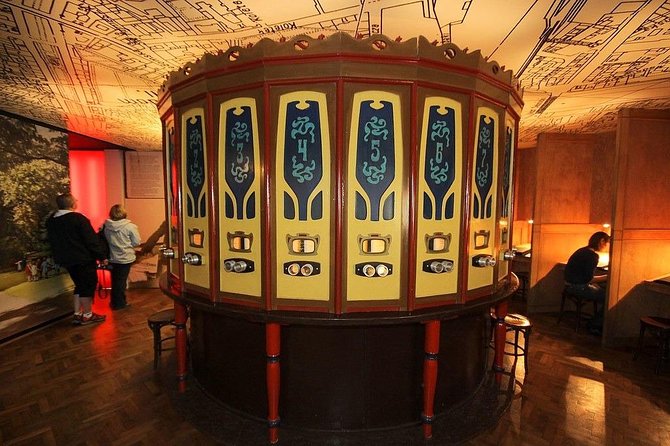
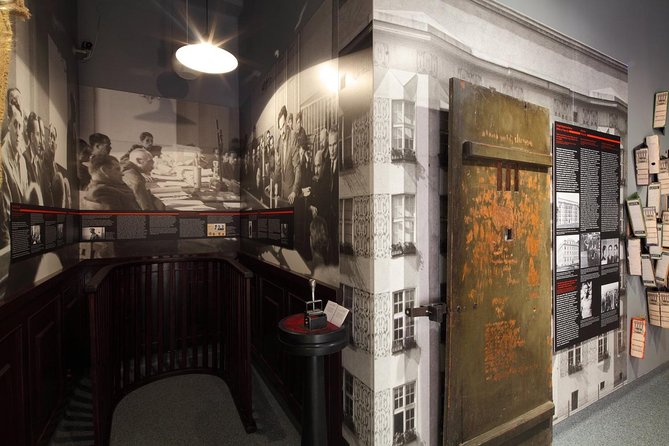
At Pomorska Street, you visit the former Gestapo headquarters. The museum contains documents, photographs, archive material, and objects connected with the German SS and its treatment of prisoners.
The most direct part of the visit is the old cells, where the Gestapo interrogated and tormented victims. This is a smaller and more enclosed setting than Schindler’s Factory. The rooms do not need a large exhibition to make the point. Their function is plain, and the physical space brings the machinery of repression close.
The stop lasts about 40 minutes, with admission included. I like the way it adds an institutional layer to the day. Płaszów shows a camp site, while Pomorska Street shows the offices and holding cells used to investigate, intimidate, and punish people.
Your guide’s role is important here because the material can be stark and fragmented. Documents and photographs mean more when you understand how the Gestapo operated in occupied Krakow. The stop also broadens the tour beyond Jewish history alone, giving you a clearer view of Nazi control over the city.
This is not a stop for casual browsing. The cells and photographs may be upsetting, and you should plan your attention accordingly. The tour does not soften the subject, but it gives you a structured way to approach it.
Eagle Pharmacy and the Podgórze ghetto
The final stop is Eagle Pharmacy, a branch of the Museum of Krakow. You have about 30 minutes here.
The museum uses photographs and information about life in the Podgórze ghetto. It also tells the story of the pharmacist who helped hundreds of Jews. That human scale gives the tour a strong ending. After seeing the larger systems of occupation, you focus on a workplace and one person’s actions within a trapped community.
The pharmacy is valuable because it connects survival, fear, and ordinary routines. A pharmacy is normally associated with care and practical help. In the ghetto, the setting took on a much more dangerous role, and the person working there became involved in helping people under Nazi persecution.
Half an hour will give you a focused visit rather than a long museum session. The stop is compact, but it ties together the ghetto, the Jewish community, and the individual choices that appear throughout the day.
What the private vehicle adds to the five-hour schedule
The tour includes pickup from your hotel, hostel, or private apartment, followed by drop-off at the end. You need to provide the accommodation name and full address when booking, especially if it is not shown in the booking system.
That arrangement saves time. The route includes sites in different parts of Krakow, so arranging your own transport could add delays and leave you watching the clock. With a guide and driver, you can focus on the places rather than on transfers.
The tour normally starts at 9:00 a.m., though the start can change because of attraction opening hours. You can request another start time, but it needs to be arranged in advance. Since this is a private activity, only your own group participates.
The weather note is worth taking seriously. The experience runs in all weather, and part of the itinerary is outdoors. A past guide and driver team, Magda and Marcin, supplied umbrellas during sudden snow squalls, but you should still dress for the forecast rather than depend on borrowed gear.
The private vehicle does not turn the day into a luxury outing. Its real benefit is control and efficiency. You are not waiting for a large group to board, and your guide can keep the route moving when the schedule is tight.
Is $294.37 per person a fair price?
At $294.37 per person, this is not a budget tour. The value depends heavily on your group size and priorities.
You are paying for roughly five hours, private transport, hotel pickup and drop-off, a private guide, and all listed entrance fees. You also receive a guided visit to Schindler’s Factory rather than simply being dropped at the entrance. For a small private group that wants a clear route and personal explanations, those inclusions can justify the cost.
The price is harder to defend if you are traveling alone or mainly want museum admission. You could potentially visit some locations independently for less, but you would need to arrange transport, manage opening times, and connect the historical pieces yourself.
I would judge the price by asking one question: do you want convenience and interpretation, or are you comfortable building the day on your own? If you want to cover all five locations in one organized morning, the private format has real value. If you prefer long, unhurried museum visits, the fixed schedule may not be the best use of your money.
Group discounts are offered, so larger private parties should check the final rate before deciding. The ability to share the guide with your own group also makes the experience more comfortable for families or friends who want to discuss difficult material privately.
Who should book this experience?
This tour suits you if you want a focused introduction to wartime Krakow and have limited time. It is also a good match if you prefer a private guide, need hotel transport, or want to ask questions without a large group around you.
History-focused visitors will appreciate the range of sites. The route covers Jewish life before the war, Nazi occupation, the ghetto, imprisonment, camp history, and individual acts of help. You receive more context than you would from visiting Schindler’s Factory alone.
The tour can also suit families with older children, provided everyone is prepared for the subject. The material is serious, and some locations may be upsetting. Adults should decide in advance how much detail is appropriate for their group.
You may want a different plan if your main interest is Jewish religious heritage, modern Krakow, or a leisurely museum day. Kazimierz receives only 40 minutes, and each other stop has a defined time. This is a connected overview, not an open-ended research visit.
The five-hour option is the stronger choice over a shorter three-hour version if your schedule allows. Those extra hours make room for Pomorska Street, Eagle Pharmacy, and a fuller look at the city’s wartime story.
Practical details before you go
Confirmation is normally provided at booking. If you book within 12 hours of departure, confirmation arrives as soon as possible and depends on availability.
The tour is offered in English. Most people can take part, but the supplied information does not provide detailed accessibility specifications for every site. If you have mobility needs, ask the provider before booking, since former camp grounds, historic buildings, and museum interiors may differ.
Free cancellation is available up to 24 hours before the start time for a full refund. Cancellations or changes made less than 24 hours before the experience are not accepted for a refund.
Should you book the Krakow World War II Private Tour?
Book it if you want an organized, private route through Krakow’s wartime sites and value a guide who can connect the places into one story. The strongest reasons are the five-stop plan, included transport, and the chance to have a guide such as Ada, Magda, or Zuzanna explain the museums and difficult history in clear English.
Think twice if the price is a concern, if you prefer to read museums at your own pace, or if a full day about Nazi occupation would be too heavy for your group. For most visitors seeking a serious first look at wartime Krakow, the five-hour version is the better choice than the shorter tour, provided you arrive ready for an emotional day.
FAQ
How long does the Krakow World War II Private Tour last?
The tour lasts approximately five hours.
What time does the tour normally start?
The normal start time is 9:00 a.m. The start time can change because of attraction opening hours, and you may request a different time in advance.
Is hotel pickup included?
Yes. Pickup and drop-off are included from your hotel, hostel, or private apartment. You need to provide the accommodation name and address if it is not listed.
Is this a private tour?
Yes. Only your own group and the guide and driver take part.
Are entrance fees included?
Yes. All listed entrance fees are included in the tour price.
Which places does the tour visit?
The route visits Kazimierz, Oskar Schindler’s Enamelled Goods Factory, Płaszów Concentration Camp, Pomorska Street, and Eagle Pharmacy.
Is the tour offered in English?
Yes. The experience is offered in English.
What happens if the weather is bad?
The tour operates in all weather conditions, so you should dress appropriately. The itinerary includes outdoor time, including the visit to Płaszów.
Just added around Krakow
- From Krakow: Zakopane and Dunajec River Rafting Tour★ 4.6 · 31 reviews
- From Krakow: Zakopane and Gubałówka Cable Car Private Tour★ 4.3 · 12 reviews
- From Krakow: Zakopane Full-Day Tour with Lunch Option★ 4.4 · 62 reviews
- From Krakow: Zalipie and Painted Village Guided Tour★ 4.0 · 4 reviews
- From Krakow: Zakopane Tatra Mountains & Hot Springs Tour★ 3.0 · 29 reviews
- From Krakow: Zakopane and the Tatra Mountains★ 4.7 · 36 reviews
- From Krakow: Hot Springs and Zakopane with Gubałówka★ 4.7 · 25 reviews
- From Krakow: Zakopane & Tatra Mountains Tour★ 3.8 · 42 reviews
Private, compared.
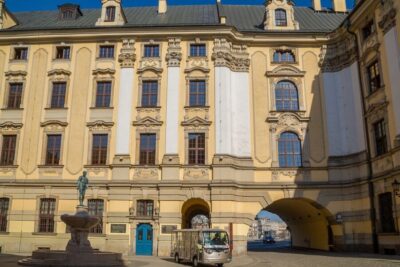
Private Tour: Warsaw City Sightseeing by Retro Fiat
Read our review →
Warsaw Ghetto Private Walking Tour with Hotel Pickup
Read our review →
Private Departure Transfer: Krakow City To Krakow Airport Balice
Read our review →
Legendary Private Nowa Huta Communism Tour with Crazy Guides
Read our review →
Skip-the-Line Wawel Castle Chambers Private Tour
Read our review →