
Reviewed · STUTTHOF CONCENTRATION CAMP TOURS
Stutthof Concentration Camp English Tour with Gdansk Hotel pickup
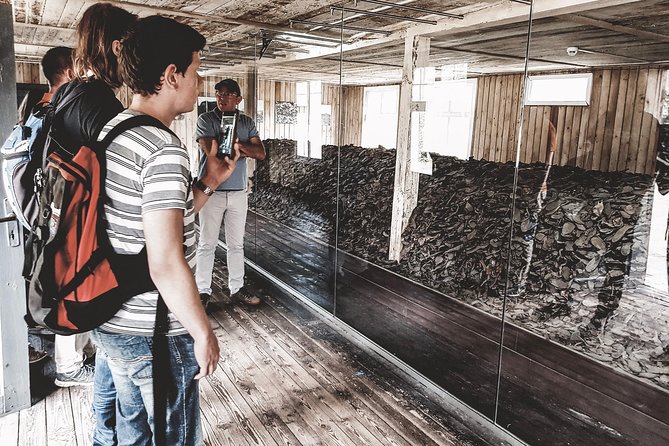
Stutthof is not a light sightseeing stop. It is a quiet, sobering place where the barracks, prison rooms, crematorium, and displays make Nazi persecution painfully real. This hotel-to-hotel tour from Gdansk removes the hassle of reaching a rural site by local transport, then gives you an English-speaking guide for the main visit.
I like the door-to-door pickup, especially if you are staying outside central Gdansk, and I like the useful commentary on the drive. Drivers such as Simon and Kristoffer have been praised for punctual service and for explaining places along the route. The main drawback is time: two hours at Stutthof can feel tight, particularly if you want to read every display alone.
Key points to know before booking
- About 45 to 60 minutes each way: The drive from Gdansk gives you a simple route to a site that is less convenient to reach independently.
- A two-hour visit at Stutthof: Most of this time is guided, with some personal time afterward, though the amount can vary.
- Hotel pickup in Gdansk: Pickup is arranged from hotels and other accommodations, usually between 7:30 and 9:00 in the morning.
- An English-speaking museum guide: Guides including Marek, Michael, Tomas, Anya, and Tomasz have led visits, with generally strong praise for their explanations and respectful manner.
- A short documentary before the visit: The film gives you basic context before you enter the former camp.
- A serious, physically demanding outing: Expect outdoor walking, uneven weather conditions, and a visit that may leave you needing quiet time afterward.
Why Stutthof matters near Gdansk
Stutthof was the first concentration camp established in occupied Poland. Its location outside the city means it does not fit easily into a casual day of old-town sightseeing, yet it offers an important way to understand the wartime persecution of Polish prisoners, Jewish prisoners, and people brought from other countries.
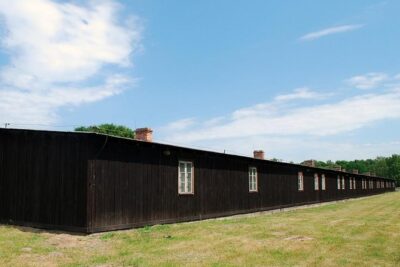
The site is smaller than Auschwitz, so the visit does not require a full day. That can be useful if you have limited time in Gdansk. It also means you should not expect the same scale or number of exhibits as at Poland’s larger camp memorials. Stutthof has its own weight, though. The preserved buildings and displays ask you to pay attention to ordinary details: rooms, belongings, work areas, and the machinery of imprisonment.
This is a memorial site, not an entertainment attraction. You will see material connected with suffering and murder, including the crematorium and gas chamber. I would not plan another packed activity immediately afterward. Give yourself room to think, especially if this is your first visit to a former concentration camp.
More Stutthof Concentration Camp Tours in Gdansk:
- Gdansk: Stutthof Concentration Camp Regular Tour
★ 4.7 · 361 reviews - Stutthof Concentration Camp:Guided Tour with Transportation
★ 4.7 · 57 reviews - Stutthof Concentration Camp tour including transfer from Gdansk
★ 5.0 · 34 reviews
Leaving Gdansk in a small air-conditioned vehicle
Pickup is offered from hotels and accommodations throughout Gdansk. The published start time is 8:00 am, while the pickup window runs from 7:30 to 9:00. Your exact collection time is confirmed the day before, so keep your phone or booking messages available and allow a little flexibility in the morning.
The vehicle is air-conditioned, and the group can be as large as 24 people. That is not a private tour, but it is far smaller and simpler than a large coach excursion. You do not need to find a railway station or bus stop, and you avoid the uncertainty of changing transport outside the city.
The drive generally takes about 45 minutes to an hour. That time is more useful than it may sound. Drivers have provided commentary about local places and older Polish history along the road, rather than simply treating the transfer as dead time. Christopher, Simon, and Kristoffer have each been singled out for friendly service and good local information.
Pickup details need care. If your accommodation is not already recognized by the operator, provide its full address when booking so the company can check access. There is also a meeting point at the Shakespeare Theater. Pickup from Sopot may be possible for an extra charge, but it is not presented as standard.
One practical warning: the tour requires a minimum number of participants. If that minimum is not reached, the company may offer another date or experience, or provide a full refund. One failed pickup complaint was answered with an explanation that the minimum had not been met and that alternative arrangements had been sent, so check your messages before the travel date.
The documentary sets the tone
Before entering the camp, you watch a short documentary. This is a sensible opening because it gives you a basic frame for the buildings and displays ahead. Stutthof is not a place where a quick glance tells you what each room meant. A little context helps you read the site with care.
The film is also a useful moment to adjust emotionally. The visit becomes more difficult once you move among authentic camp buildings and see the rooms connected with imprisonment and killing. You may appreciate having the subject introduced before the walking begins, rather than receiving all the information in scattered pieces.
The documentary is included in the tour price. Meals and drinks are not included, so bring anything you will need for the half-day outing. The tour description does not promise a meal stop, and the schedule is built around transport, the museum visit, and limited personal time.
Two hours inside the former camp
The guided portion lasts about two hours. You are introduced to a museum guide at Stutthof, then walk through important parts of the former concentration camp and museum area. The guide explains the purpose of significant rooms and connects the physical site with the people imprisoned there.
The best part of the visit is the added explanation. You can read information panels yourself, but a guide can show how separate rooms and displays fit together. Marek has been praised for his clear explanation of the camp. Michael has been described as engaging and able to explain the prisoners and camp leaders in a direct way. Tomas, Anya, and Tomasz have also received strong praise for their professionalism and English.
Guide quality is not perfectly consistent. One visitor found the English difficult to follow, while another felt the guide moved too quickly and repeated information. The company explains that official museum educators lead the camp visit and must follow museum schedules and regulations. That means the pace is not fully controlled by the transport company.
You should expect a focused route rather than unlimited wandering. Guides cover the main areas, including barracks and the buildings associated with the camp’s most disturbing crimes. Several people have felt that the guided visit moved too fast to read every panel or absorb each display. If you like to study museum text slowly, plan to use every minute of the personal time at the end.
Some groups have had around 30 minutes alone after the guided section. Others have had closer to 15 minutes. The included free time is a useful feature, but I would not book this tour assuming you will get an hour or more to explore independently. If private reading time matters most to you, ask the operator about the expected schedule before confirming.
Same country, a completely different kind of day:
- Gdansk: City Cruise on Historical Polish Boat
★ 4.8 · 2,913 reviews - Gdańsk: Sunset Cruise on a Historic Polish Boat
★ 4.9 · 977 reviews - Gdańsk City Sights & History Guided Walking Tour in English
★ 4.8 · 876 reviews - Gdansk: Firearm Shooting Experience with Instructor
★ 4.8 · 866 reviews
What the buildings and displays ask you to face
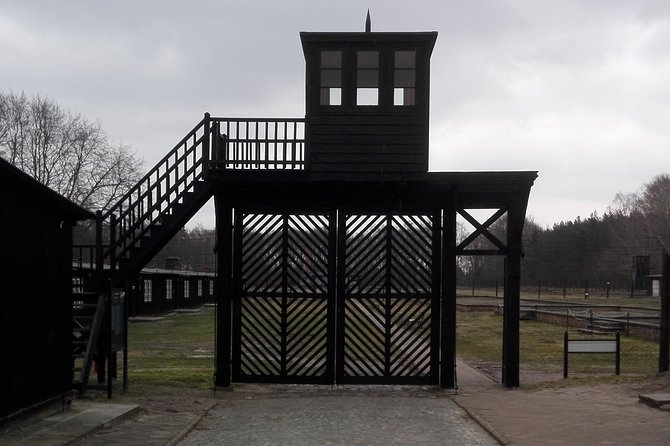
Stutthof’s power comes partly from its physical remains. This is not only a museum of photographs and written accounts. You move through the actual camp setting, with preserved structures and exhibits that make the system of imprisonment easier to grasp.
The displays help explain daily life for prisoners, while the guide provides the wider story. You might find the combination more affecting than either part alone. A panel can provide names and dates, while a room gives those facts a physical setting. The result is grim, but it is also educational.
The crematorium and gas chamber are particularly difficult stops. They should be approached with humility and no expectation of a dramatic presentation. Strong guides keep the focus on the people who were imprisoned and murdered, rather than turning the visit into spectacle.
The camp is maintained as a memorial. That care matters because the site is meant to preserve evidence and memory, not simply display old buildings. You will likely leave with a stronger sense of how organized and human-made the persecution was.
Walking, weather, and what to wear
This is an outdoor walking visit. Wear comfortable shoes, and dress warmly if the forecast is cold. A winter visit in heavy snow has been described as especially stark, but snow also makes walking harder and can make the two-hour route feel longer.
Bring a coat that works for standing and walking outside. The air-conditioned vehicle helps during the transfer, but much of the important visit takes place on foot around the camp. Comfortable shoes are more important than smart clothes.
Families should note that strollers are not permitted in most buildings, according to practical experience from the tour. A child carrier may work better for smaller children. The activity states that most people can participate, but the subject matter and walking make this a better choice for older children and adults who understand what they are visiting.
Photography may be important to you, but you will also need time to read and reflect. Since the independent portion can be short, do not assume you can photograph every display and take in all the text before departure.
Is $147.23 a fair price?
At $147.23 per person, this is not the cheapest way to reach Stutthof. The price includes transport in an air-conditioned vehicle, pickup and drop-off, taxes and other fees, insurance, the documentary, and an English-speaking guide for the camp visit.
The real value is convenience. You do not need to work out local bus connections, find the museum on your own, or arrange a separate guide. The driver collects you from your accommodation and returns you to the pickup location or a city-center drop-off point. For a first visit to Gdansk, that simplicity can be worth paying for.
The price also makes more sense if you are traveling with a small group and want a structured visit. You receive direct transport and guided context in one half-day package. If you are comfortable using local buses and prefer to spend several hours reading alone, independent travel may offer more control over your schedule.
The main value limit is the short personal time. You are paying for a guided two-hour museum visit, not a long, self-paced study session. I would consider the cost reasonable for visitors who value a clear route and easy transport, but less attractive for museum readers who want to linger over each exhibit.
Returning to Gdansk after a heavy morning
After the camp visit, you return to the pickup location or one of the company’s city-center drop-off points. The return drive generally takes another 45 minutes to an hour.
That simple return arrangement is one of the tour’s strongest practical features. You do not have to navigate public transport after an emotionally draining visit, and you can be dropped close to where you began or nearer the central part of Gdansk.
Tips and gratuities are not included. Meals and drinks are also not included. The tour lasts about four to five hours, so you still have part of the day available, but I would keep the rest of your plans flexible rather than booking something demanding immediately afterward.
Who should book this Stutthof tour?
I would choose this tour if you:
- Want to visit Stutthof without arranging local transport.
- Prefer explanations in English while walking through the site.
- Have four to five hours available from Gdansk.
- Want hotel pickup instead of a fixed meeting point.
- Are interested in World War II and the history of concentration camps.
- Prefer a structured introduction before spending a little time alone.
I would think twice if you need a slow, self-guided museum visit. The schedule is compact, and the guide may keep moving so the group reaches all major areas. The tour can also be emotionally intense, so it is not a good fit if you are looking for a casual attraction or a light half-day outing.
The best guides bring patience, clear English, and a sense of purpose. The strongest experiences have included drivers who explain the route and museum guides such as Marek or Michael who connect the displays to individual lives. Still, guide pace and English clarity can vary, so keep your expectations realistic.
Should you book it?
Book this Stutthof tour if convenience, transport, and an English-guided visit matter more to you than having several hours alone at the museum. The hotel pickup is valuable, the drive is straightforward, and the site offers a serious lesson that is difficult to replace with a book or city museum.
If you do book, wear warm comfortable clothing, confirm your pickup details the day before, and leave space in your schedule for the emotional weight of the visit. Cancel at least 24 hours before the start time for a full refund. If the minimum group size is not met, the company offers another option or a full refund.
FAQ
How long does the Stutthof tour take?
The full experience takes approximately four to five hours, including transport from Gdansk, the camp visit, and the return journey.
What time does pickup take place?
The listed start time is 8:00 am. Hotel pickups take place between 7:30 and 9:00, with the exact time confirmed the day before.
Can I be picked up from my Gdansk hotel?
Yes. Pickup is offered from hotels and accommodations in Gdansk. If your address is not on the operator’s list, provide it when booking so they can check whether pickup is possible.
Is pickup from Sopot available?
Pickup from Sopot may be possible if arranged in advance and may cost extra. It is not included as the standard Gdansk pickup service.
Is the tour conducted in English?
Yes. Transport is provided by an English-speaking driver, and an English-speaking guide leads the visit at Stutthof.
How much time do I spend inside Stutthof?
The advertised visit lasts two hours. Most of that time is guided, with some free time afterward, although the amount of independent time can vary.
Is food included?
No. Meals and drinks are not included in the price.
Can I cancel for a full refund?
You can cancel up to 24 hours before the experience start time for a full refund. Cancellations or changes made less than 24 hours before the start time are not refunded or accepted.
Just added around Gdansk
- Guided Winter Kayak Tour in Gdańsk & Hot Chocolate Treat★ 5.0 · 51 reviews
- Gdansk Highlights Bicycle Tour★ 5.0 · 65 reviews
- Electric Scooter Tour: Old Town Tour – 1,5-Hour of Magic!★ 5.0 · 19 reviews
- Elblag Canal Tour from Gdansk★ 4.5 · 22 reviews
- #1 Polish Vodka Tasting Experience in Gdansk★ 5.0 · 87 reviews
- Delicious Gdansk Craft Beer Tour★ 5.0 · 4 reviews
- DAILY Stutthof Concentration Camp with Guide and Transport★ 4.5 · 10 reviews
- Cruises on the Motlawa River★ 4.5 · 66 reviews
Stutthof Concentration Camp Tours, compared.
Stutthof Concentration Camp:Guided Tour with Transportation
Read our review →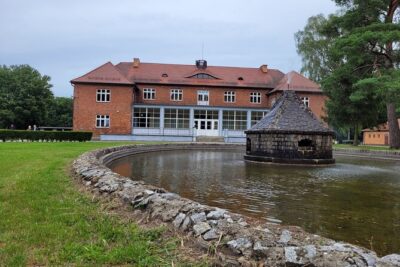
Stutthof Concentration Camp tour including transfer from Gdansk
Read our review →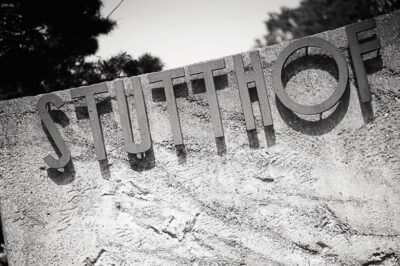
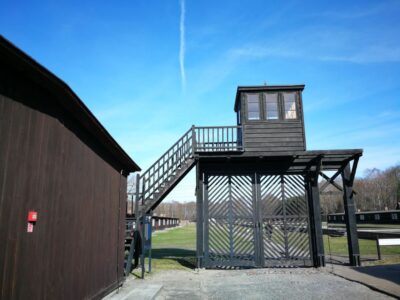
Private transportation to the Stutthof Concentration Camp 4h
Read our review →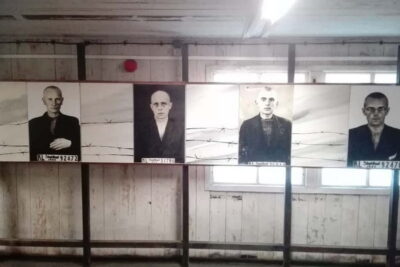
DAILY Stutthof Concentration Camp with Guide and Transport
Read our review →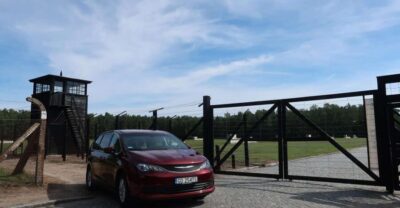
Gdansk and Stutthof Concentration Camp Private Tour
Read our review →Browse the lists this tour appears in