
Reviewed · SCHINDLERS FACTORY TOURS
Schindler’s Factory in Krakow: Guided Tour & Skip the Line Ticket
The most important thing to understand is that Schindler’s Factory Museum is mainly about wartime Krakow, not a long, film-style portrait of Oskar Schindler. You will see his office, factory products, and learn how his Jewish workers were protected, but much of the visit follows the city’s suffering under Nazi occupation and the later Soviet period.
I like the timed entry, which can save you from hunting for a hard-to-get museum ticket, and I like having a guide to explain what the photographs, recordings, rooms, and objects mean. Guides such as Marta, Natalia, Elizabeth, and Barbara have been singled out for clear, engaging presentations. The main concern is uneven organization: some groups have found the meeting point confusing, the pace too quick, or the guide difficult to hear.
Key points to know before booking
- Schindler’s story is only part of the museum: The main subject is Krakow during World War II and the years around it.
- Timed admission is the practical advantage: Entry is included, and the scheduled time helps with a popular museum where independent tickets can be difficult to secure.
- A good guide adds essential context: Marta, Natalia, Elizabeth, and Barbara have all been praised for clear explanations and strong English.
- The group can be as large as 25 people: Smaller groups are easier to hear and follow in the museum’s narrow rooms.
- Bring your passport or ID: Tickets are issued in each person’s full name, and museum staff may request identification.
- Allow extra time if possible: The advertised visit lasts about 1 hour 30 minutes, but the full display rewards a slower look.
What the Schindler Factory Museum really covers
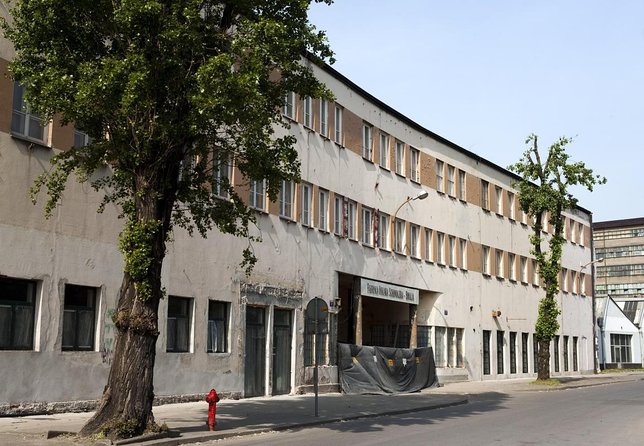
The museum occupies Oskar Schindler’s former enamelware factory at Lipowa 4, across the river from Krakow’s historic center. That setting gives the visit weight. You are not simply looking at a distant collection of wartime objects. You are entering the place where Schindler employed Jewish workers during the German occupation.
Still, the title can create the wrong expectation. If you come hoping for a detailed account of Schindler’s private life or a room-by-room recreation of the film Schindler’s List, you may be surprised. The museum uses Schindler and his factory as one thread in a much larger story about Krakow from the run-up to World War II through Nazi occupation and later Soviet rule.
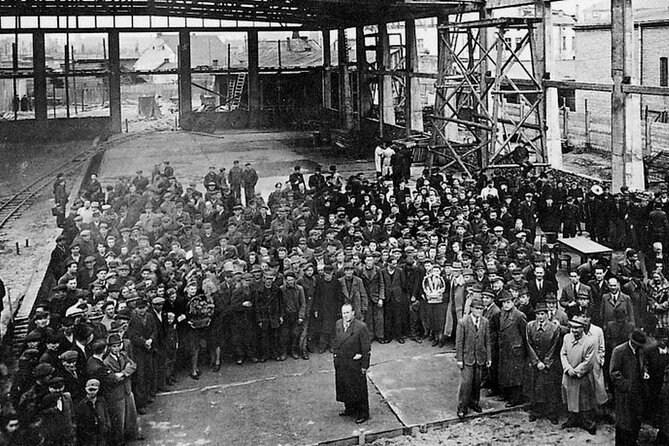
That broader focus is not a weakness. It gives you the setting needed to understand why Schindler’s actions mattered. His workers were producing pots, pans, tins, and other enamelware for the German army. Their employment offered protection from deportation to concentration camps, and roughly 1,200 Jewish workers became known as Schindlerjuden, or Schindler’s Jews.
A good guide makes those connections clear. Without one, you can still read the displays, but you may miss how one photograph, document, or factory object fits into the wider story of Krakow.
More Schindlers Factory Tours in Krakow:
- Krakow: Oskar Schindler’s Factory Entry Ticket & Guided Tour
★ 4.2 · 3,793 reviews - Krakow: Schindler’s Factory Tour with Entrance Ticket
★ 4.5 · 3,182 reviews - Krakow: Schindler’s Factory Skip-the-Line Ticket
★ 4.4 · 3,105 reviews
Meeting the guide at Lipowa 4
You make your own way to the museum. The meeting point is outside Oskar Schindler’s Enamel Factory at Lipowa 4 in Krakow. The museum is near public transportation, but you should arrive early enough to locate the guide without rushing.
This is one of the weaker parts of the experience. The guide may not always be easy to spot, and some groups have had trouble identifying the correct person among several tour leaders outside. A guide holding a sign, umbrella, or clear company marker would make the start simpler, but that is not guaranteed.
The practical lesson is straightforward: arrive early, keep your phone available, and do not assume the first guide you see is yours. The operator is Discover Cracow, but individual guides may be identified by name rather than by an obvious uniform or sign.
Once the group is together, the guide normally gives a short introduction to Schindler. You learn how Steven Spielberg’s 1993 Oscar-winning film brought his story to a worldwide audience. This opening helps separate the film’s dramatic image from the museum’s wider historical purpose.
The group limit is 25 people. That is manageable in theory, but it can feel crowded in narrow rooms. A group of 14 or fewer is much easier to hear and keep together, especially if the guide does not use audio equipment.
The first rooms: Krakow before and during the war
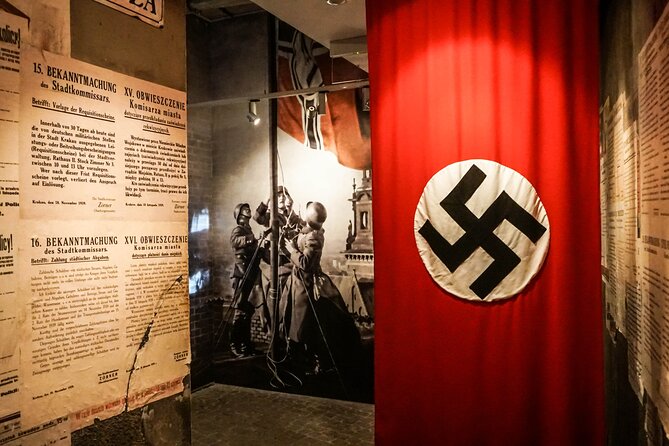
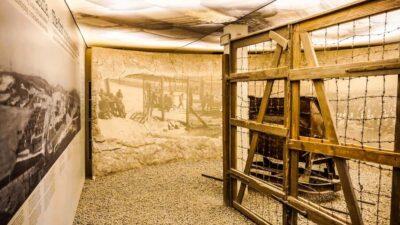
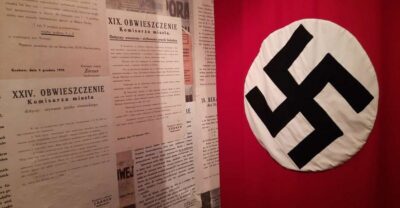
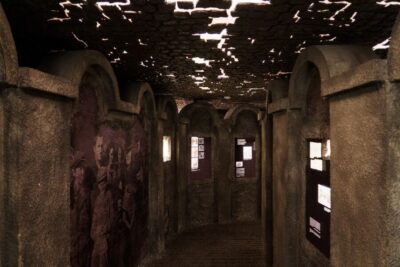
Inside, the museum leads you through Krakow’s wartime experience with photographs, documents, artifacts, film clips, and radio recordings. The displays show a city changed by occupation, with images of streets, prisons, resistance activity, and the fear that shaped daily life.
The museum does not present the war only through military dates. It places you among ordinary streets and people. Photographs of cobbled roads and occupied neighborhoods help you picture Krakow as a lived-in city rather than a page in a textbook.
Original film and radio recordings add another layer. They give the displays a human atmosphere, though this is a serious museum and the material can be upsetting. You should expect a sober visit rather than an entertaining attraction.
The guide’s commentary matters most here. A strong guide explains how each room marks a change in Krakow’s experience of the war. Natalia has been praised for presenting this material in a concise, well-paced way. Marta has also received strong praise for guiding groups through a busy museum without rushing them.
The downside is that pacing varies. Some guides move quickly from room to room, leaving little time to read the panels or study the photographs. If you are close to the guide, you will usually hear more. If the group spreads out, you may miss key explanations, particularly when no headphones are provided.
Schindler’s office and the factory story
The portion most closely tied to Schindler includes his office and examples of the goods made at the factory. You learn how Jewish employees produced enamelware for the German military and how their work helped keep them from being sent away.
This is the emotional center for people who came because of the film. Seeing Schindler’s office connects the historical figure to a real workplace. The factory products also make the story concrete. They show that this was a functioning industrial operation, not just a backdrop for a wartime rescue story.
But the Schindler material is not the largest part of the museum. You may spend more time learning about Krakow’s occupation than examining the factory itself. That is why I would describe this as a Krakow World War II museum with a Schindler focus, rather than a pure Schindler museum.
The guide can help you hold both ideas at once. You learn what Schindler did, why his workers were vulnerable, and how factory employment gave them a better chance of survival. You also see that his story cannot be separated from the laws, violence, forced labor, and deportations surrounding it.
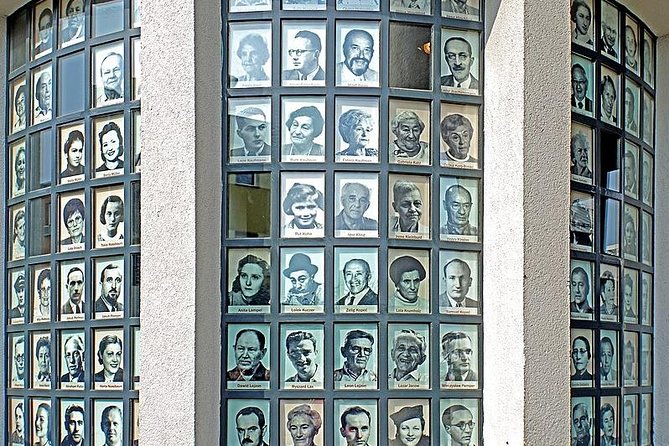
Several guides have made this section especially effective. Elizabeth has been praised for a friendly, fact-filled presentation, while Barbara has been noted for explaining why a guide changes the way you understand each room. One particularly valuable feature is the account of what happened to some of Schindler’s 1,200 Jewish employees after their time at the factory.
A few more Krakow trips to weigh up
- From Krakow: Wieliczka Salt Mine Tour & Skip the Line Ticket
★ 4.4 · 3,925 reviews - Auschwitz-Birkenau: Skip-the-Line Ticket and Guided Tour
★ 4.2 · 1,034 reviews - Auschwitz Birkenau Guided Tour/Skip The Line/PickUp/Guide ENG
★ 4.5 · 930 reviews - Wieliczka Salt Mine Tour from Kraków – Skip the Line Entry
★ 4.4 · 878 reviews
A guided visit or self-guided entry?
The experience gives you a choice between a self-guided visit and a guided option. Both include museum admission, but the value is different.
The self-guided choice suits you if you already know the basic story of Krakow during the war and prefer to set your own pace. You can spend more time with photographs and documents that interest you, rather than following a group from room to room.
The guided option is better if this history is new to you. The exhibits are arranged as a sequence, and a guide can explain how one stage of occupation led to another. You also have someone available to answer questions and point out the factory details that might otherwise blend into the larger exhibition.
I would choose the guided ticket for a first visit, but only if you accept two conditions. First, you may not have enough time to read every display. Second, the quality of the visit depends heavily on the assigned guide and the size of the group.
The strongest experiences have involved guides such as Marta, Natalia, Elizabeth, and Barbara, who were described as clear, friendly, and well prepared. Other groups have encountered rushed explanations, weak organization, or guides who moved ahead without checking that everyone could hear.
If you choose the guide, stay near the front. Ask questions early. If someone in your group needs the restroom, tell the guide before the group moves on. These small steps can prevent the common problems of losing contact or missing the next explanation.
How much time should you allow?
The tour is advertised at about 1 hour 30 minutes. The detailed route also describes roughly two hours inside, so I would keep at least two hours free around the appointment. You need time to reach Lipowa 4, find the meeting point, pass through entry, and deal with any delay at the start.
A ninety-minute guided route gives you the main story, but it will not let you read every panel carefully. One guide may keep a steady pace through the rooms, while another may pause longer for questions. Busy conditions and group size also affect how much you absorb.
If you have a strong interest in the occupation of Krakow, plan to return to any rooms you want to study after the guided portion, if museum access rules and your ticket allow it. The tour ends outside the museum, and the guide can provide directions toward the city center or your hotel, but the booking does not promise extra independent museum time.
The narrow rooms are another reason to avoid rushing. A group of 25 can stretch through a display area. You may hear the guide clearly in one room and struggle in the next. Several groups have specifically wished for headphones or a microphone.
Is the $35.70 price good value?

At about $35.70 per person, this is not the cheapest way to enter a museum. The price pays for more than the ticket, though. It includes timed admission, and that matters because independent museum tickets can be hard to obtain.
If you only want to walk through the exhibits at your own speed, the guided premium may not feel worthwhile. Much of the information is presented in the displays, and a poor guide can make the visit less satisfying than reading for yourself.
For a first-time visitor who wants a clear explanation of Krakow’s wartime story, the price is easier to justify. A good guide links the photographs, factory objects, office, recordings, and personal stories into one understandable visit. You are also paying to avoid the uncertainty of arriving without a guaranteed entry time.
The value depends on reliability. A missed guide, unclear meeting instructions, or a tour that becomes little more than ticket handoff can leave you paying a guided-tour price for independent admission. Confirm where to meet, keep the booking details handy, and arrive with the full names used at booking.
Who should book this Krakow tour?
I would recommend it to you if you want a serious introduction to Krakow under Nazi occupation and do not already know the history well. It also suits film fans who want to see Schindler’s office and understand the real setting behind Schindler’s List.
History-minded visitors should appreciate the photographs, documents, recordings, and personal stories. Families with older children may find the guided context useful, though the subject is difficult and the tour is not light entertainment.
I would be more cautious if your only goal is a detailed Schindler biography. The museum gives you important information about him and his workforce, but the main subject is the wartime city.
I would also think twice about the guided option if you need a slow, quiet visit. A self-guided entry may suit you better, provided you can obtain it, because you can pause at the exhibits rather than keep pace with a group.
Most people can participate, and the museum has lifts for visitors with mobility needs. Even so, the narrow exhibition spaces and quick movement between rooms may make the guided format less comfortable for some visitors.
Practical advice for a smoother visit
- Bring a valid passport or identity card. Museum tickets are issued in individual names, and staff may ask for identification.
- Provide the full name of every person when booking. This is not a casual open ticket.
- Arrive early at Lipowa 4. The start outside can be confusing.
- Keep close to the guide, especially in a larger group.
- Ask about headphones at the start if the guide is difficult to hear.
- Do not expect food or drinks to be included. They are not part of the experience.
- Keep your schedule flexible. The listed duration is approximately 90 minutes, while the route may take closer to two hours.
- Treat the museum as a history of Krakow during the war, with Schindler as one central figure, not the only subject.
Should you book Schindler’s Factory with a guide?
Book it if you want guaranteed entry and a clear explanation of Krakow’s wartime experience. The timed ticket is the safest reason to choose this option, and a strong guide can add real value. Marta, Natalia, Elizabeth, and Barbara are examples of the kind of guide who can turn a difficult exhibition into a clear, thoughtful visit.
Do not book it expecting a museum devoted only to Schindler or the film. Also avoid the guided upgrade if you dislike group pacing or need time to read every display.
My advice is to choose the guided visit for your first time, arrive early, stay near the guide, and allow two hours. If the price feels high, remember that you are paying mainly for reliable entry and historical context. The museum itself is the essential part. The guide is a worthwhile bonus when the meeting and pacing go well.
FAQ
Where does the tour start?
It starts outside Oskar Schindler’s Enamel Factory at Lipowa 4, 30-702 Krakow, Poland.
How long does the experience last?
The advertised duration is approximately 1 hour 30 minutes. The detailed route describes up to two hours of exploration, so you should leave extra time in your schedule.
Is admission to the museum included?
Yes. An entrance ticket is included with the experience.
Is the tour offered in English?
Yes. The available tour language is English.
Can I choose a self-guided visit?
Yes. The experience offers a choice between a self-guided visit and a guided visit.
What is the main focus of the museum?
The museum focuses mainly on Krakow during World War II and the years of Nazi and Soviet occupation. Schindler and his Jewish workforce are important parts of the story, but not the only focus.
Will I see Oskar Schindler’s office?
Yes. The route includes a visit to Schindler’s office, along with examples of products made at the factory.
How many people can join the tour?
The maximum group size is 25 people.
Do I need to bring identification?
Yes. Bring a valid passport or identity document because museum staff may request it. Tickets are issued using each participant’s full name.
Are food and drinks included?
No. Food and drinks are not included.
Where does the tour end?
The activity ends back at the meeting point outside the museum. The guide can provide directions toward the city center or your hotel if needed.
Is the experience refundable if I cancel?
No. The experience is non-refundable and cannot be changed after booking.
Just added around Krakow
- Tour to Wadowice: Hometown of Pope Saint John Paul II★ 4.6 · 12 reviews
- The Jewish Quarter – Walking Tour★ 5.0 · 4 reviews
- From Kraków; to Białka Thermal Baths private tour★ 5.0 · 5 reviews
- Krakow: Auschwitz-Birkenau and Wieliczka Salt Mine Day Trip★ 4.7 · 84 reviews
- St. Mary’s Basilica and more – a short walk with a guide★ 4.7 · 56 reviews
- Krakow: Skip-the-Line Wawel Castle & Old Town Guided Tour★ 4.9 · 23 reviews
- Krakow: Schindler’s Factory Guided Tour★ 4.2 · 12 reviews
- Shooting Range Experience!★ 4.8 · 66 reviews
Schindlers Factory Tours, compared.
Oskar Schindler’s Factory Entry Ticket & Guided Tour
Read our review →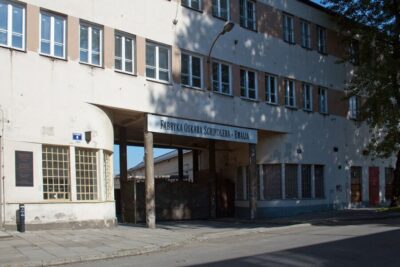
Schindler’s Factory Tour with Entrance Ticket
Read our review →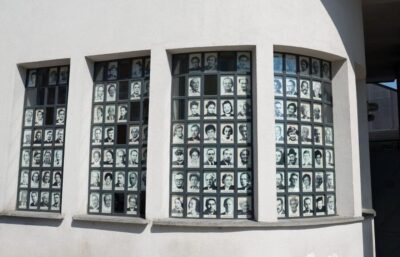
Schindler’s Factory Ticket with Guided Tour Option
Read our review →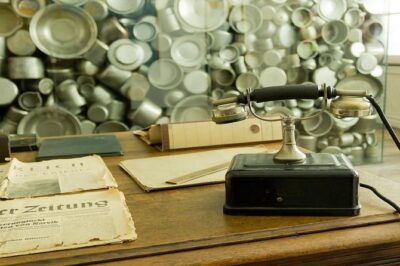
Krakow Schindler’s Factory Guided Tour with Admission Ticket
Read our review →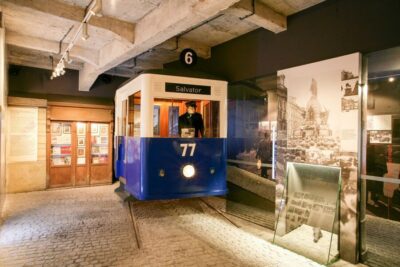
Schindler’s Factory Guided Tour with Entry Ticket
Read our review →
Browse the lists this tour appears in