
Reviewed · SCHINDLERS FACTORY TOURS
Krakow: Schindler’s Factory & Ghetto Guided Tour
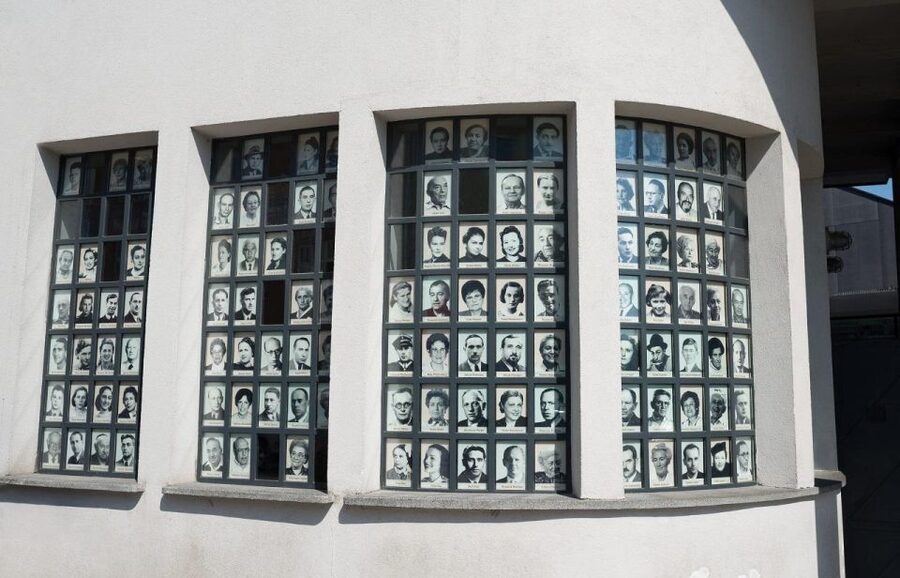
Schindler’s Factory is not really a factory visit. It is a powerful museum about Kraków under Nazi occupation, with Oskar Schindler’s story set inside the wider suffering of the city’s Jewish and non-Jewish population. The tour then carries that story outdoors, to the former ghetto walls, Ghetto Heroes Square, and the pharmacy that offered help when help was dangerous.
I like the strong museum guide work, especially when guides such as Phil, Alexandra, Joanna, and Alicja connect small objects and personal stories to the larger events. I also like the walking portion, because seeing the ghetto’s surviving traces gives the museum a real place and scale.
The main drawback is pace. A three-hour visit can feel tight in a museum packed with displays, and groups of around 20 people may crowd its narrow rooms. You will learn a lot, but you may not have time to read every panel or study every object.
Key points to know before booking
- The factory is now a museum: You will not see original enamel-making machinery. The focus is Kraków during the Nazi occupation from 1939 to 1945.
- The ghetto walk adds essential context: Visit the remains of the Ghetto Walls, Ghetto Heroes Square, and the Under the Eagle Pharmacy.
- Guides make the difference: Phil, Alexandra, Joanna, Alicja, Eva, and others have been praised for clear, passionate explanations and good use of headsets.
- Expect a serious, emotional visit: The exhibition deals directly with persecution, deportation, survival, and the destruction of Kraków’s Jewish community.
- Three hours is efficient, not leisurely: The museum takes nearly two hours, followed by a short break and the outdoor walk.
- Dress for the weather: The tour runs in rain or sunshine, and the second half takes place outdoors.
What the three-hour route actually feels like
This is a history tour in two parts. You begin inside Schindler’s Enamel Factory Museum, then continue on foot through Podgórze, the district where Kraków’s Jewish ghetto was created during the war.
The museum portion takes close to two hours. A short break usually separates the indoor and outdoor sections, giving you a chance to use the toilet, get a hot drink, or simply clear your head before continuing. The walking tour then brings the story back into the streets.
That order works well. The museum gives you dates, names, photographs, and personal accounts. The ghetto walk shows you where the events unfolded. I find that combination far more useful than seeing the museum alone and trying to picture the city from a floor plan.
The tour is led in one language only, selected when you book. Available languages are English, Italian, French, Spanish, and German. A live guide stays with the group, and several guides have used headsets or a microphone so you can follow without straining to hear.
More Schindlers Factory Tours in Krakow:
- Krakow: Oskar Schindler’s Factory Entry Ticket & Guided Tour
★ 4.2 · 3,793 reviews - Krakow: Schindler’s Factory Tour with Entrance Ticket
★ 4.5 · 3,182 reviews - Krakow: Schindler’s Factory Skip-the-Line Ticket
★ 4.4 · 3,105 reviews
Entering Schindler’s Factory Museum
The meeting point is in front of the main entrance, on the right-hand side. Look for the guide holding an excursions.city sign, and arrive at least 10 minutes early. This matters. Once the group has left, late arrivals cannot join and the ticket cannot be refunded.
The building once housed Oskar Schindler’s enamel factory, but the present-day attraction is a museum rather than a preserved working plant. There is no original production machinery to inspect. If you arrive expecting vats, tools, and a factory floor, you may feel misled unless you know this beforehand.
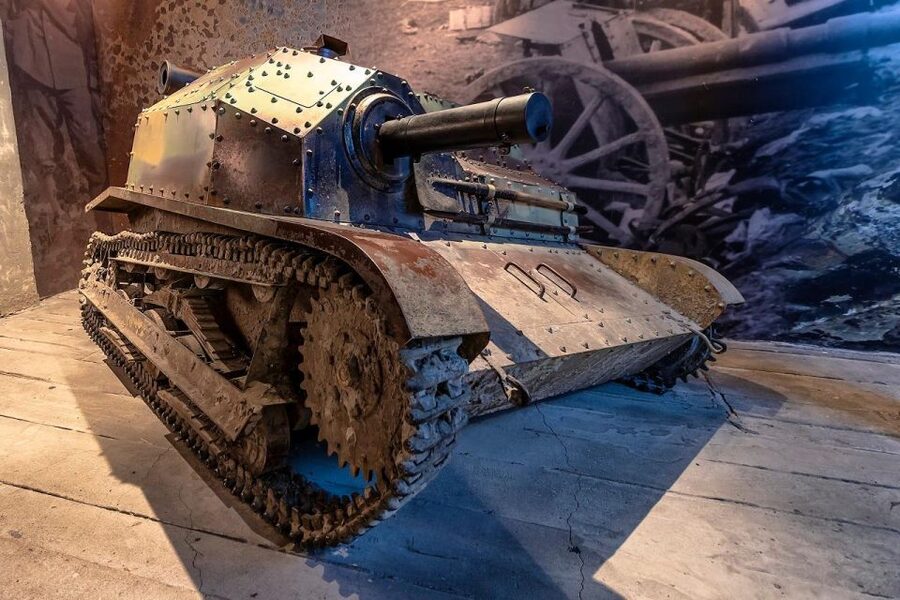
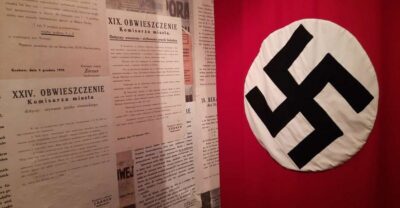
What you get instead is the exhibition Kraków under Nazi Occupation 1939 to 1945. It presents the occupation through the daily lives of people in the city. Schindler is important, but he is not the only subject.
That distinction matters. The film connection often brings people here, yet the museum is not simply a display about one heroic industrialist. It examines the machinery of occupation, the pressure placed on Polish residents, the persecution of Jewish families, deportations, and the destruction of a community.
Why the museum works better with a guide
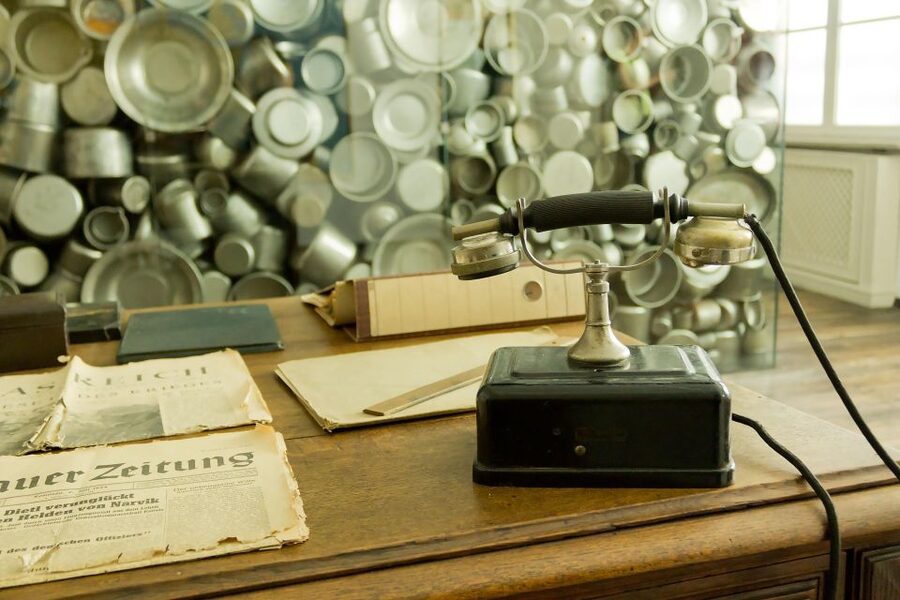
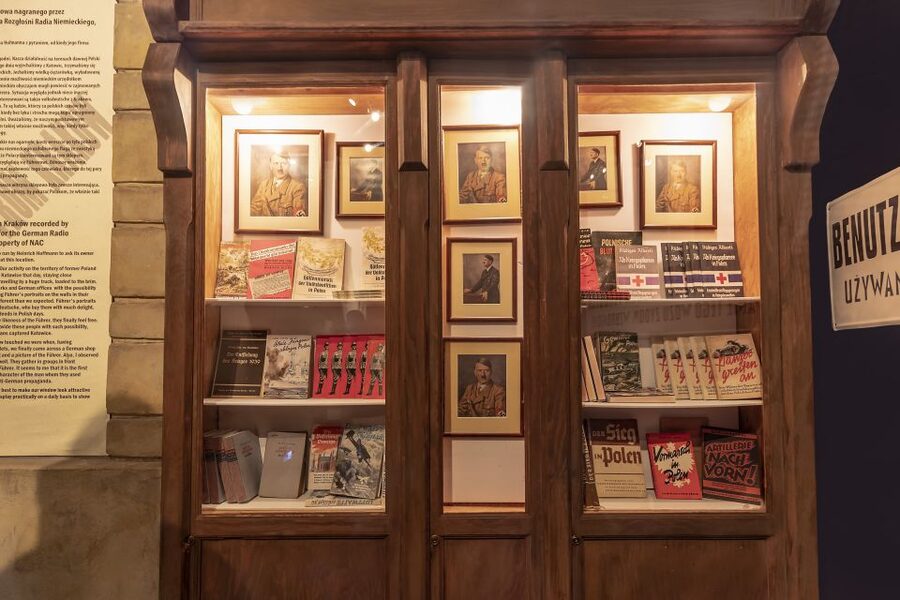
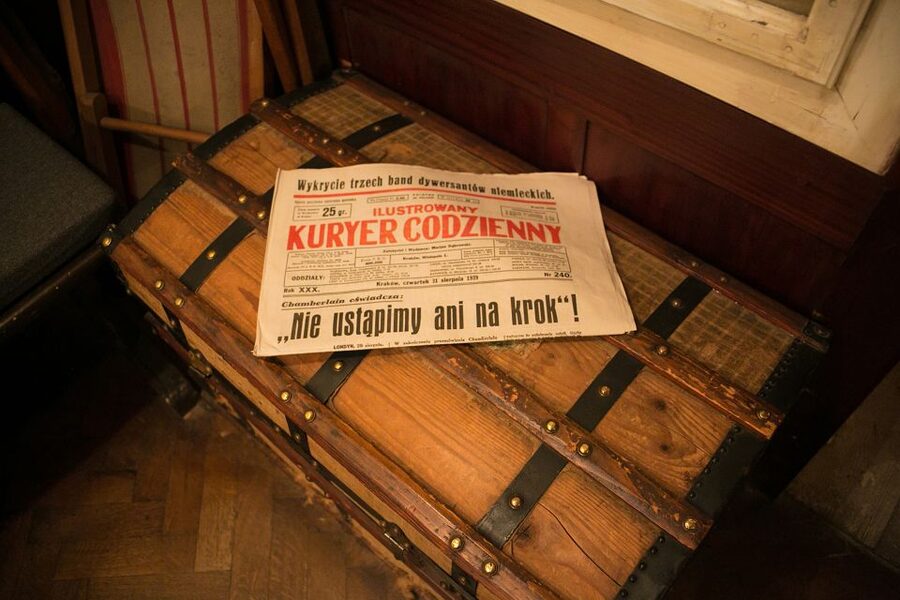
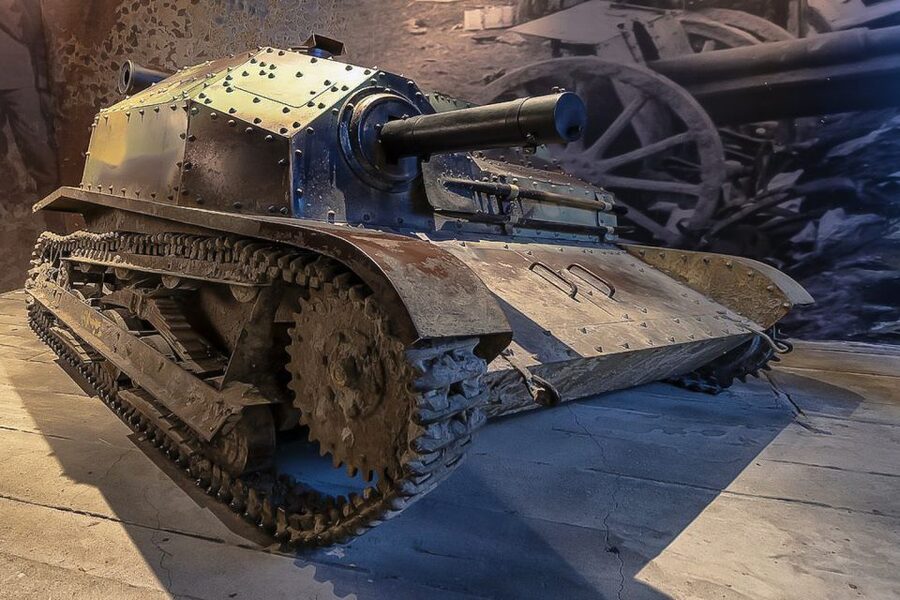
The museum contains a lot to absorb. There are photographs, documents, uniforms, weapons, toys, flags, household objects, and other original items. There are also reconstructed rooms and carefully arranged scenes that show how ordinary life was altered by Nazi rule.
You can visit independently, but I think a guide is useful here. Without help, it is easy to spend too long reading one panel and then rush past another room. A good guide sorts the essential points from the mass of material and explains how each part fits the story.
Guides including Phil and Alexandra have been especially effective at keeping the material clear without reducing it to a list of dates. They answer questions, add local context, and help you understand why particular photographs or objects matter. Joanna has also been praised for handling a large group while explaining both the museum and the ghetto.
Headsets can make a real difference. In a busy museum, you can look at an exhibit while still hearing the guide. That is much better than standing shoulder to shoulder around one person and trying to catch every sentence.
There is a trade-off. A guide-led visit is not designed for slow, private study. You may want to read every caption, pause over photographs, or take your own pictures. The group will keep moving. If you are the sort of museum visitor who wants to examine every label, plan to return independently if your schedule allows.
The exhibition’s narrow rooms and difficult subject
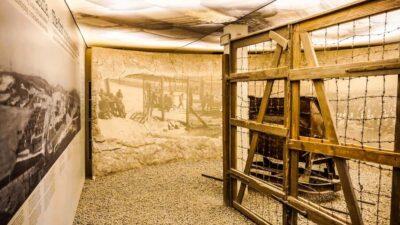
Much of the exhibition runs through narrow, dimly lit rooms. The design is deliberate. It creates a sense of confinement and pressure, echoing the uncertainty of life under occupation.
This is not a light museum visit. The subject includes violence, discrimination, forced separation, deportation, and the suffering of children and families. The design and stories can make the experience feel immediate rather than distant.
That emotional force is one reason the tour is memorable, but it is also something to consider before booking. You should expect a sobering visit, not a casual sightseeing stop. The guide’s role is important because clear explanation keeps the experience grounded in real people and events rather than turning it into spectacle.
The museum also puts Polish experiences into the picture. The occupation affected Jewish residents in the most devastating ways, while non-Jewish Poles also lived under control, fear, and severe restrictions. Several guides have made this distinction carefully, without treating the different experiences as identical.
More Jewish Ghetto Tours in Krakow:
- Krakow: Jewish Quarter and Former Ghetto Tour
★ 4.9 · 1,441 reviews - Krakow: Bike Tour of Old Town, Jewish Quarter and the Ghetto
★ 4.9 · 1,155 reviews - Krakow: Kazimierz, Schindler’s Factory & Ghetto Guided Tour
★ 4.8 · 460 reviews - Full Bike Tour – the Old Town, Jewish Qtr & the Ghetto NEW BIKES
★ 5.0 · 437 reviews
Oskar Schindler’s story in the wider picture
Schindler’s story is present, but the tour does not let it swallow the rest of the museum. You learn how his factory employed and protected more than a thousand Jewish workers.
That story is important precisely because it is shown beside the wider destruction. Schindler’s actions did not erase the scale of persecution or the loss of Kraków’s Jewish population. Instead, his factory becomes one example of how individual choices could offer protection within a system built on cruelty.
I appreciate that balance. You come away with more than a film-related legend. You see the limits of one person’s help, the risks involved, and the much larger forces that shaped the city.
One fair criticism is that some visitors would like still more time focused on Schindler himself. If your main interest is his personal life and business career, this may feel less detailed than expected. The museum’s main subject is Kraków during the occupation, with Schindler placed within that story.
Walking to the former Kraków Ghetto
After the museum, the tour moves outdoors into Podgórze, the area associated with Kraków’s Jewish ghetto. This is where the visit changes from a museum lesson to a physical reading of the city.
The first major stop is the remains of the Ghetto Walls. Even a surviving section can be difficult to look at without thinking about what the wall meant: confinement, separation, surveillance, and the forced reshaping of daily life.
Your guide explains how the ghetto functioned and points out important buildings and locations connected with the wartime period. The value here is not only in seeing old structures. It is in understanding that people lived, waited, worked, and suffered in the same streets you are walking through.
The outdoor part is also where weather matters most. In colder months, bring layers and suitable footwear. The tour operates in all conditions, so rain or wind can affect how much energy you have left after the museum.
Ghetto Heroes Square and the Chair Memorial
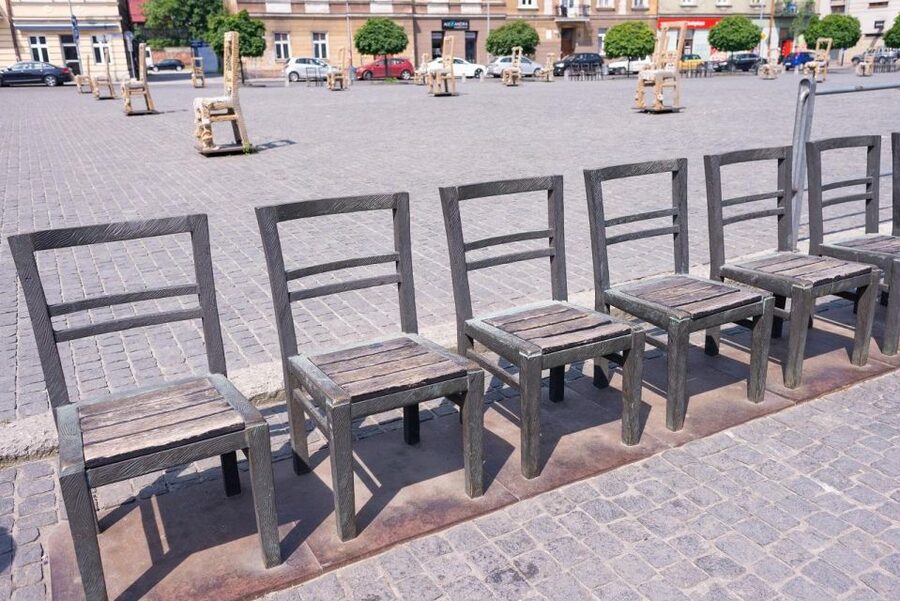
The route continues to Ghetto Heroes Square, one of the most moving places on the tour. Deportations to extermination camps took place here.
Today, the square is marked by the Chair Memorial. The chairs represent the lives lost, and their simple form is more effective than a crowded monument would be. Empty furniture suggests absence in a direct, almost domestic way.
This is a place where the guide’s explanation helps. Without context, you might see a series of chairs and move on. With the story of the square and the deportations, the memorial becomes a powerful link between an ordinary public space and the people who were forced to leave it.
Some departures take place in the evening. That can add a quiet mood, but darkness may make it harder to see the surrounding buildings clearly. If visual detail matters to you, a daylight starting time is the better choice when available.
Under the Eagle Pharmacy
Across from the square is the Under the Eagle Pharmacy. During the ghetto period, pharmacist Tadeusz Pankiewicz and his staff helped residents by keeping medicine available and offering a place where aid and hope could survive.
The pharmacy adds a personal scale to the tour. The museum explains systems and policies. This stop brings attention to people making difficult decisions in a specific building, under dangerous conditions.
It also prevents the walking tour from becoming a simple list of memorials. You hear about the role of an actual workplace and the people who used it to assist those trapped in the ghetto.
The route ends around Ghetto Heroes Square, which gives the outdoor portion a strong sense of purpose. You do not simply wander through a district and hear disconnected facts. The stops follow a clear line from confinement to deportation, remembrance, and acts of help.
Pace, group size, and the value of headsets
The tour lasts three hours, but that does not mean three relaxed hours. The museum alone can fill nearly two hours, and the ghetto walk comes afterward.
A large group can be the biggest practical weakness. Groups of about 20 have worked well with some guides, but narrow rooms can leave people at the back unable to see everything. You may also have to keep moving when you would prefer to stop.
On the other hand, larger groups can still function when the guide uses a proper microphone and keeps the pace under control. Several guides have been praised for doing exactly that. The best guides speak clearly, pause for questions, and make sure the group stays together.
If you want maximum time with each display, visit the museum separately. If you want the main story explained in a clear order, the guided format is likely the better use of your time.
Is $57 a fair price?
At $57 per person, this is not the cheapest way to spend three hours in Kraków. The price includes the guide, skip-the-line admission to Schindler’s Factory, and the walking tour of the ghetto. Hotel transport, food, and drinks are not included.
The value rests mainly in the guide. You are paying to avoid the ticket line, but the bigger benefit is having someone explain a dense museum and connect it with locations outside. The tour also removes the work of planning a meaningful route through Podgórze.
I consider the price fair for a first visit, especially if you have limited time in Kraków or want the wartime story presented in one continuous experience. It is less attractive if you prefer to read every display slowly or already know the city well enough to arrange the museum and ghetto independently.
You can reserve now and pay later, and cancellation is free up to 24 hours before the start time. Those terms help if your Kraków schedule is still changing, but the arrival rule remains strict: be there early.
Who should book this tour?
I would choose this tour if you want clear historical context, a serious museum visit, and a guided walk through the former ghetto in one afternoon or evening.
It suits first-time visitors, people with only a short stay, and anyone who finds large museums hard to navigate alone. The tour also works well for those who know Schindler from the film but want a broader account of Kraków’s wartime experience.
You may prefer a separate museum visit if you need a slow pace, want to photograph every display, or dislike staying with a group. The same applies if you expect a working factory with original machines. You will not find that here.
Bring comfortable shoes, layers, and patience. Allow yourself a little quiet time after the tour, since the subject is heavy and the amount of information is considerable.
Final verdict: book it for context, not machinery
I recommend this tour for the way it joins the museum to the streets of the former ghetto. The strongest guides, including Phil, Alexandra, Joanna, and Alicja, have shown how much difference a calm, clear storyteller can make in a crowded and information-heavy museum.
Book it if you want to understand more than Oskar Schindler. You will learn about Jewish life under persecution, the pressure placed on Kraków’s wider population, the meaning of the Chair Memorial, and the courage linked with Under the Eagle Pharmacy.
Skip it, or book the museum separately, if you need a leisurely visit with plenty of time for every caption. And adjust your expectations before arriving: this is a wartime museum in a former factory building, not a preserved factory floor.
FAQ
How long does the Schindler’s Factory and Ghetto tour last?
The tour lasts three hours. It includes the museum visit and a walking tour through the former Kraków Ghetto.
What is included in the price?
The price includes a live guide, skip-the-line admission to Schindler’s Factory, and the walking tour of Kraków Ghetto.
Does the tour include hotel pickup?
No. Hotel pickup and drop-off are not included. You meet the guide at the main entrance to Schindler’s Factory Museum.
Where is the meeting point?
Meet in front of the main entrance to Schindler’s Factory Museum, on the right-hand side. The guide will hold an excursions.city sign.
What languages are available?
Tours are available in English, Italian, French, Spanish, and German. Each group tour operates in one language, chosen when booking.
Will I see original factory machinery?
No. The building once housed Schindler’s factory, but it is now a museum and does not contain the original machinery.
How early should I arrive?
Arrive 10 minutes before the scheduled start. Latecomers cannot join after the group has left, and their tickets cannot be refunded.
Can I cancel the tour?
You can cancel up to 24 hours in advance for a full refund. You can also reserve now and pay later.
Just added around Krakow
- Tour to Wadowice: Hometown of Pope Saint John Paul II★ 4.6 · 12 reviews
- The Jewish Quarter – Walking Tour★ 5.0 · 4 reviews
- From Kraków; to Białka Thermal Baths private tour★ 5.0 · 5 reviews
- St. Mary’s Basilica and more – a short walk with a guide★ 4.7 · 56 reviews
- Krakow: Auschwitz-Birkenau and Wieliczka Salt Mine Day Trip★ 4.7 · 84 reviews
- Krakow: Skip-the-Line Wawel Castle & Old Town Guided Tour★ 4.9 · 23 reviews
- Krakow: Schindler’s Factory Guided Tour★ 4.2 · 12 reviews
- Shooting Range Experience!★ 4.8 · 66 reviews
Schindlers Factory Tours, compared.
Oskar Schindler’s Factory Entry Ticket & Guided Tour
Read our review →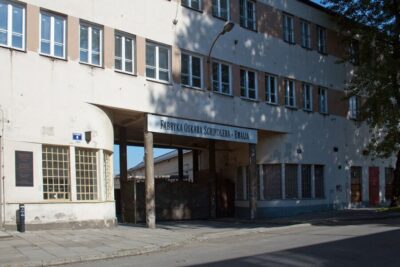
Schindler’s Factory Tour with Entrance Ticket
Read our review →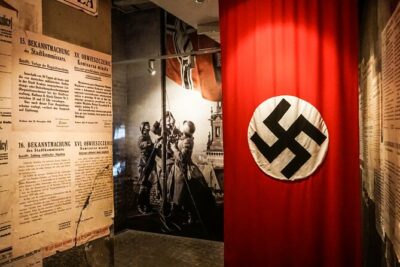
Schindler’s Factory in Krakow: Guided Tour & Skip the Line Ticket
Read our review →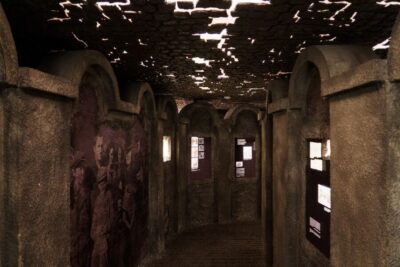
Schindler’s Factory Ticket with Guided Tour Option
Read our review →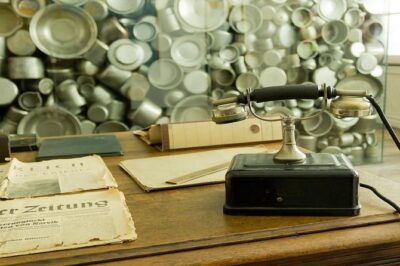
Krakow Schindler’s Factory Guided Tour with Admission Ticket
Read our review →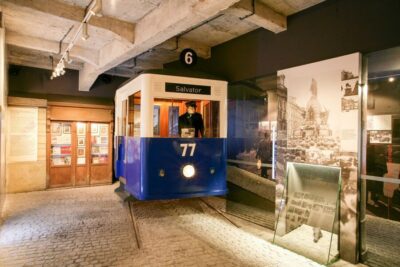
Schindler’s Factory Guided Tour with Entry Ticket
Read our review →
Browse the lists this tour appears in