
Reviewed · MUSEUMS
Warsaw: POLIN Museum of the History of Polish Jews Ticket
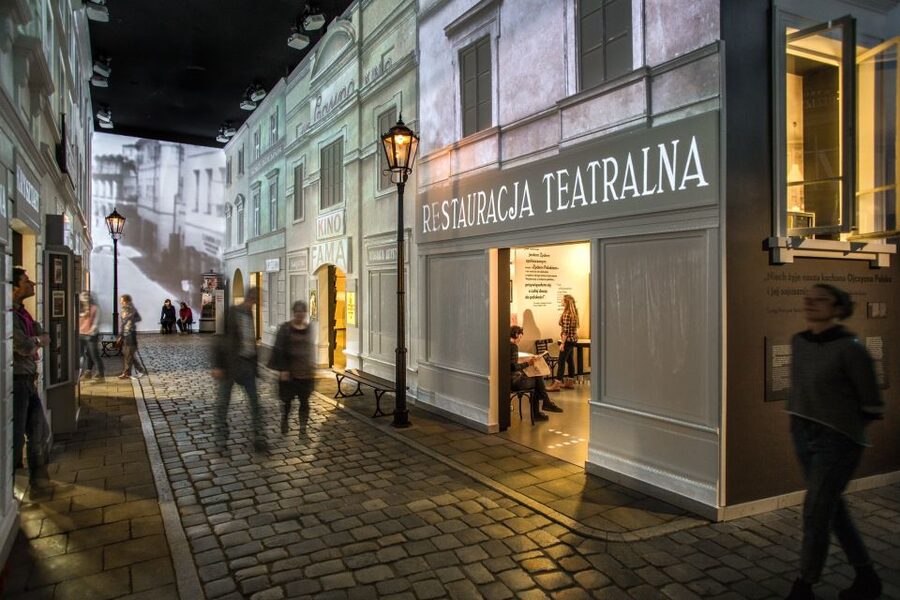
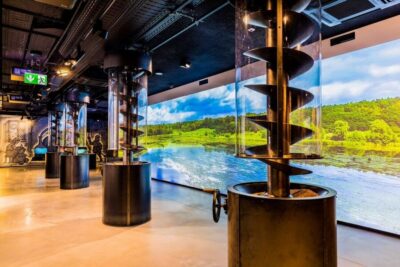
POLIN does something important from the moment you enter: it presents Jewish life in Poland as a thousand-year story, not only as a story of destruction. Reconstructed spaces, personal stories, sound, film, and hands-on displays carry you from the first Jewish communities to the postwar revival.
I especially like the excellent location-based audio guide and the museum’s effort to show daily life, politics, religion, work, and family alongside the Holocaust. The main drawback is simple: two hours is only a brisk visit. If you read carefully and use the interactive stations, plan on three to five hours, and possibly longer.
Key points to know before you go
- Eight galleries cover roughly 1,000 years, from the first Jewish communities in Poland to modern Jewish life.
- The audio guide is included and is available in Polish and English. It helps explain the galleries in a clear order.
- The museum is more than a Holocaust exhibit, with substantial sections on community life, religious practice, politics, work, and culture.
- Plan at least three hours if you want to read the displays and use the interactive features rather than simply walk through.
- You may leave for lunch and return the same day, which is useful because the museum restaurant offers a practical break.
- Entry is wheelchair accessible, but oversize luggage is not allowed, and electronic screening is required before the core exhibition.
Why POLIN deserves a place in your Warsaw plans
Warsaw has no shortage of museums, but POLIN fills a gap that a visit to the Warsaw Ghetto memorial or Auschwitz cannot fill on its own. Those places rightly focus attention on murder, resistance, and loss. POLIN gives you the long story before, during, and after the Holocaust.
That broader frame matters. Jewish people lived in Poland for centuries, formed towns and institutions, worked in many trades, developed religious traditions, took part in political movements, and helped shape Polish society. The Holocaust did not erase a brief episode. It shattered a major part of the country’s social and cultural life.
I find the museum strongest when it links ordinary lives to large events. Instead of presenting history as a list of dates, it shows how national policy, migration, urban growth, religious change, and war affected families and communities. You come away with a clearer sense of what was lost because you have first seen what existed.
The museum is not a light stop. The later galleries deal with persecution, the Holocaust, and the destruction of Jewish communities. Still, the presentation is direct rather than dependent on shock. There are places to sit, and you can pause when the material becomes heavy.
A few more Warsaw trips to weigh up
- Warsaw: Polish Vodka Museum Tour with Tasting
★ 4.6 · 788 reviews - Warsaw: Museum World of Illusion Entry Ticket
★ 3.9 · 666 reviews - Warsaw: Ghetto, Jewish Cemetery & POLIN Museum Private Tour
★ 4.8 · 132 reviews
Start with the first Jewish communities in Poland
The opening galleries take you back to the arrival and growth of Jewish communities in Poland. This part gives you the foundation for everything that follows, although it can feel slow if your main reason for coming is to study the twentieth century.
You learn how communities formed, how they related to rulers and local authorities, and how Jewish life developed within the wider Polish world. The displays use written material, images, objects, and recreated settings to make an early period easier to picture.
This is a useful correction to the common habit of treating Jewish history in Poland as beginning with the Second World War. The early sections show that Jewish settlement was not a footnote. Over time, communities developed their own religious, legal, educational, and social structures.
The amount of information can be demanding. If you try to read every panel at the same pace, you may use up your energy before reaching the nineteenth and twentieth-century galleries. I suggest using the audio guide for the main thread, then stopping at the objects and displays that catch your attention.
See Jewish life as daily life, not just theology
One of POLIN’s strongest features is its attention to ordinary experience. You are not asked to think only about famous rabbis, politicians, or victims. The displays also consider homes, work, education, worship, family life, and community customs.
That approach makes the past easier to understand. Religion mattered, but it existed alongside business, neighborhood life, arguments about modernity, and the practical work of raising children. The museum also shows that Jewish communities were never all alike. Political views, levels of religious observance, social class, and regional customs differed.
The interactive design helps here. You might listen to a short explanation, study a document, press a button, or inspect a reconstructed setting. These features give you more ways to learn than a long row of glass cases, though the number of options can sometimes feel like a lot at once.
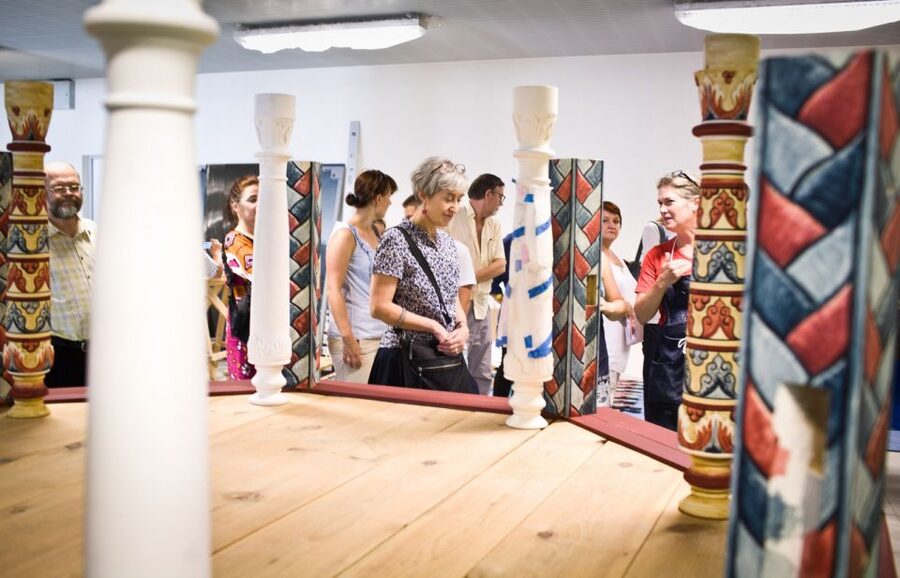
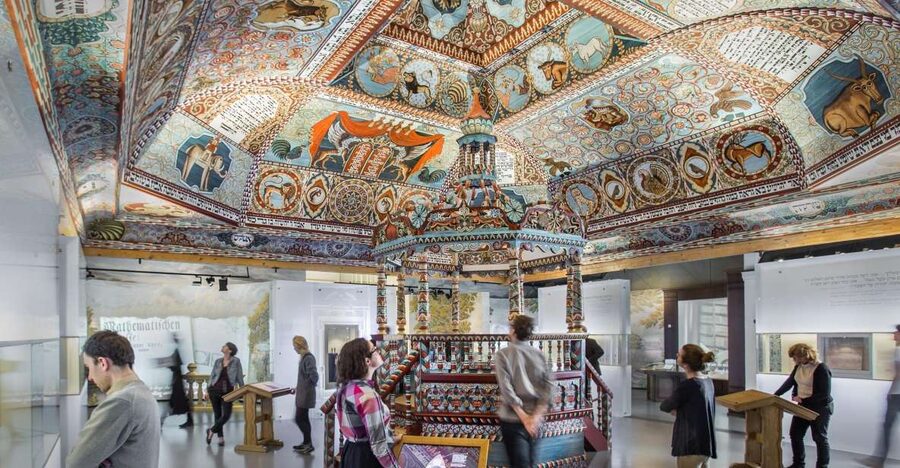
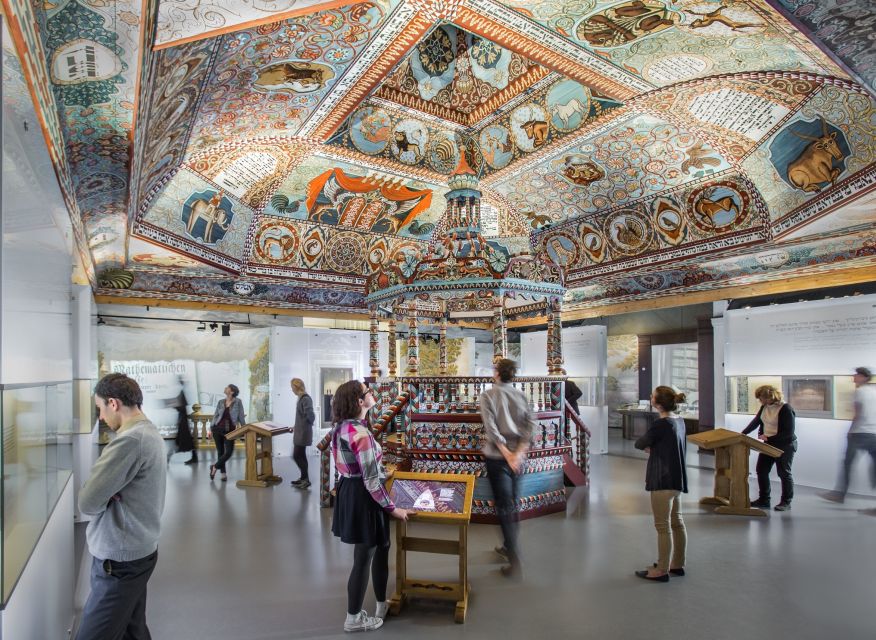
The reconstructed synagogue ceiling is one of the most memorable sights. It gives the building a strong visual center and helps you understand the importance of communal religious spaces. It is not simply decoration. It connects art, worship, craftsmanship, and local Jewish life.
Follow the changes of the nineteenth and early twentieth centuries
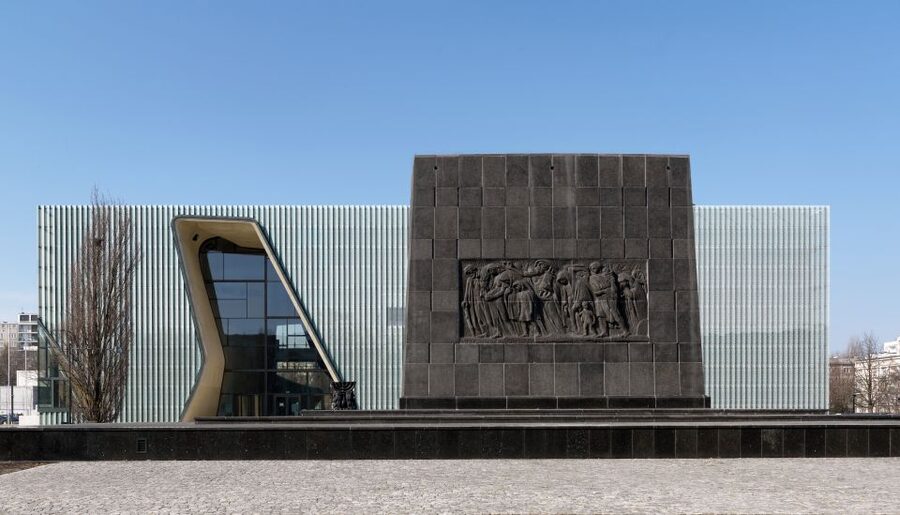
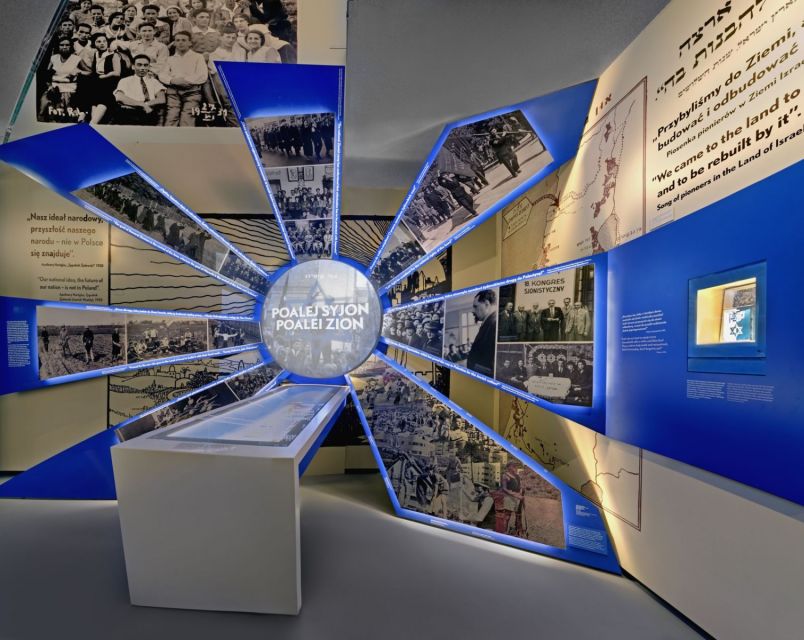
As you move forward, the museum turns to modernization, industrial growth, migration, and political change. This is where Jewish identity becomes especially complicated. People faced questions about language, education, tradition, citizenship, socialism, nationalism, and the place of religion in a changing society.
POLIN does not reduce these issues to one approved answer. You see that Jewish people in Poland held different ideas about how to live in the modern world. Some pushed for new political and social movements. Others placed greater weight on religious tradition or community autonomy.
This section rewards patience. It explains why Jewish life cannot be separated from the wider history of Poland and Europe. Urbanization and new forms of work changed communities. Political borders and government policies affected where people could live and what rights they held.
The museum’s strength is its balance. It gives attention to major figures, but it keeps returning to the effect of change on regular families and neighborhoods. If you are interested in Polish history beyond the Holocaust, this may become one of the most useful parts of the visit.
Same country, a completely different kind of day:
- Warsaw: Chopin Concert in the Old Town
★ 4.8 · 2,287 reviews - Warsaw: Traditional Galar Cruise on The Vistula River
★ 4.6 · 1,640 reviews - Warsaw: Old Town Highlights Walking Tour in English
★ 4.7 · 1,516 reviews - Warsaw Concert: Chopin – Painted by Candlelights with Wine
★ 4.8 · 1,442 reviews
Prepare for the Holocaust galleries
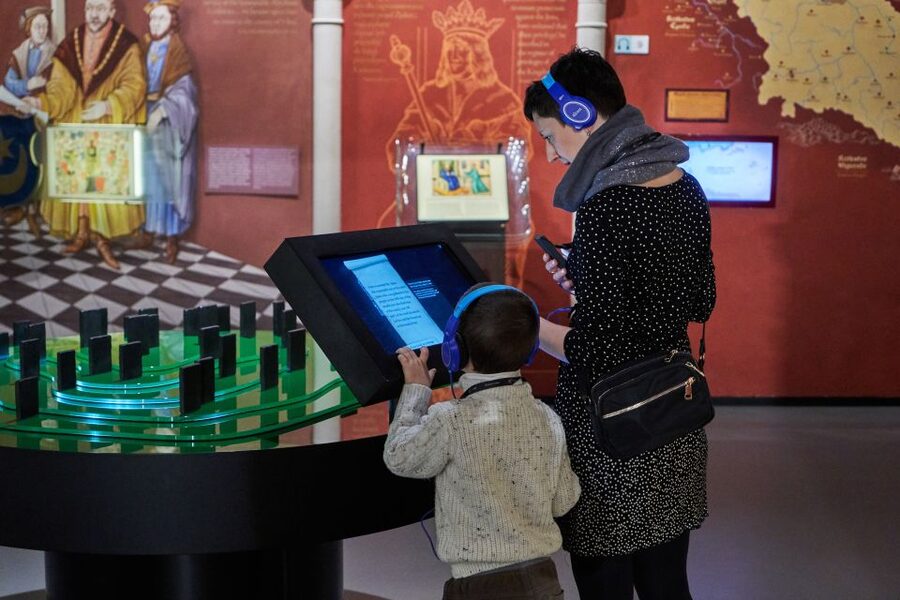
The Holocaust section is emotionally difficult, but the earlier galleries make it more meaningful. By this point, you have seen the communities as living societies with their own institutions, debates, and traditions. The destruction is therefore understood as the destruction of a world, not merely a statistic.
The displays explain how Nazi persecution developed and how the war changed daily life. You encounter personal accounts, documents, images, and information about the conditions imposed on Jewish people. The section also addresses the political and social consequences of the Holocaust, rather than treating it as an isolated event.
I recommend taking your time here, but not forcing yourself to read every item. The museum contains a great deal of material, and the emotional weight can build quietly. A seated pause is worthwhile, especially if you have already spent several hours in the earlier galleries.
This is also where the museum works well as a companion to other Warsaw sites. The Warsaw Ghetto Uprising monument outside becomes more meaningful after you understand the community and wartime setting. A visit to Auschwitz-Birkenau can also be placed in a wider frame by POLIN’s account of Jewish life before and after the German occupation.
One limitation is that some people may want still more survivor testimony and filmed interviews. The museum offers many forms of evidence, but a person who comes mainly for survivor video may find that emphasis less strong than expected.
Learn what remained after 1945
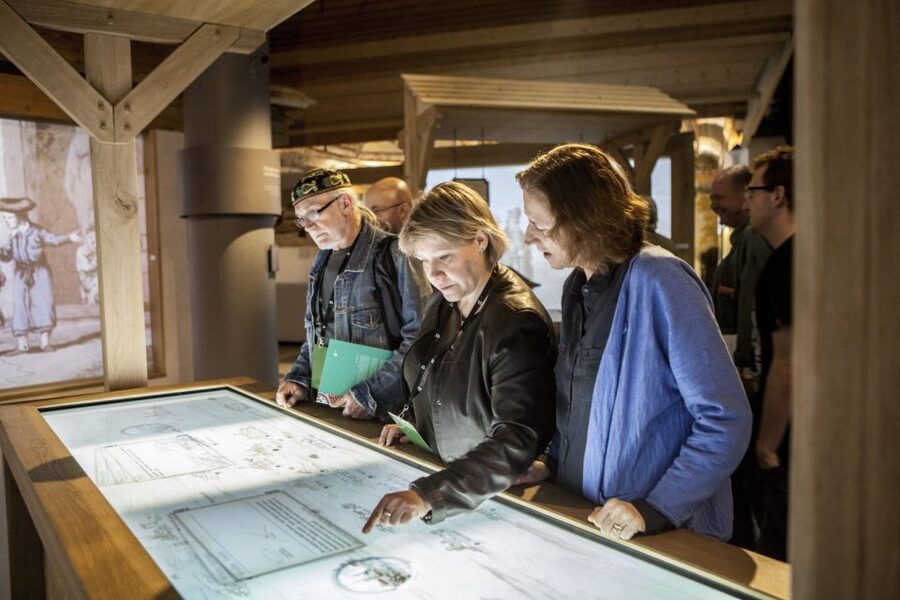
The story does not stop with liberation. POLIN examines the postwar period and the difficult question of how Jewish culture survived, changed, and began to reappear in Poland.
This final part matters because it avoids suggesting that Jewish life ended completely in 1945. The Holocaust destroyed communities on a vast scale, but memory, identity, scholarship, religious practice, and cultural activity continued in different forms.
The postwar material also reminds you that rebuilding a culture is not simple. It involves people who survived, people who returned, people who left, and later generations seeking to understand what had been lost. The museum connects this process to present-day Jewish life in Poland.
If you arrive expecting the entire visit to focus on the Holocaust, the later galleries may surprise you. That is one of the museum’s best choices. The story includes grief, but it also includes memory and renewal.
How the audio guide works in practice
The included audio guide is one of the ticket’s most useful features. It provides a clear path through the historical periods and helps you understand what deserves close attention. It is available in Polish and English, and the language options make it practical for international visitors.
The system can identify where you are in the museum and provide the relevant narration. That means you do not have to keep checking a map or search for the right track at every display. For a large museum with many sections, this saves time and mental effort.
The narration is detailed enough to give you structure, but you still need to look at the objects and text around you. I would not try to listen to every word while reading every wall panel. Choose one main source at a time, then return to the displays that interest you.
The audio guide is not a substitute for a personal guide. There is no guided tour included, and some people prefer being able to ask questions or discuss difficult points as they go. Still, at $12, having the audio guide included makes the ticket good value.
Allow three to five hours, not just two
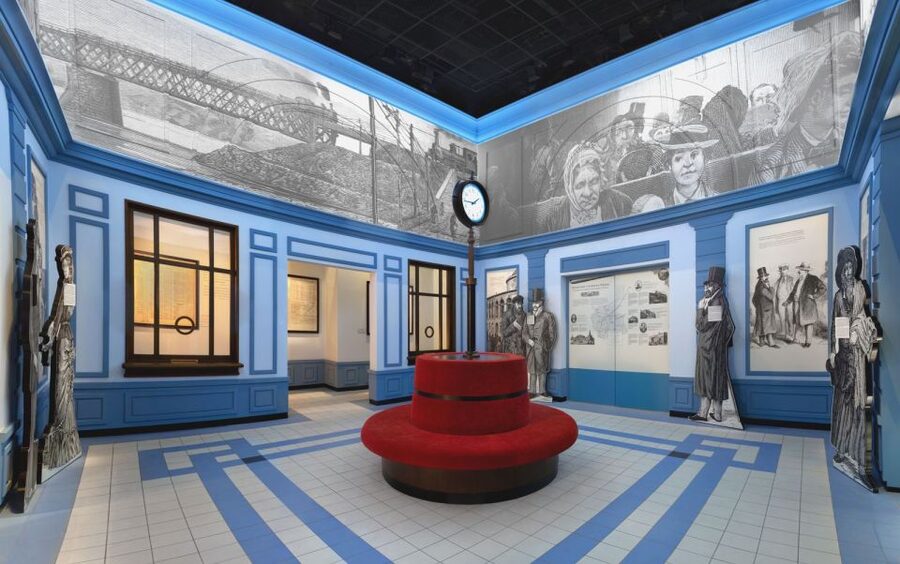
The stated estimate for the core exhibition is about two hours. That is possible if you move steadily and select the main displays. It is not enough for a careful reading of all eight galleries.
For a useful first visit, I would allow three hours. That gives you time to follow the audio guide, examine key artifacts, use several interactive displays, and stop in the Holocaust galleries without rushing. If museums are a major part of your trip, four or five hours is more realistic.
Some people spend six or seven hours because the material is extensive and the design encourages close attention. You do not need to match that pace. The point is to avoid scheduling a hard departure soon after arrival.
Comfortable shoes help. The museum provides seating throughout the route, including places where you can stop and reflect. You can also leave for lunch and return on the same day, which makes the one-day ticket more flexible than a standard single-entry museum visit.
The on-site restaurant has informal cafeteria-style service, generous portions, and good food according to the information provided. That makes a long visit easier, especially if you do not want to lose time finding another meal in the middle of the afternoon.
Ticket value, timing, and practical rules
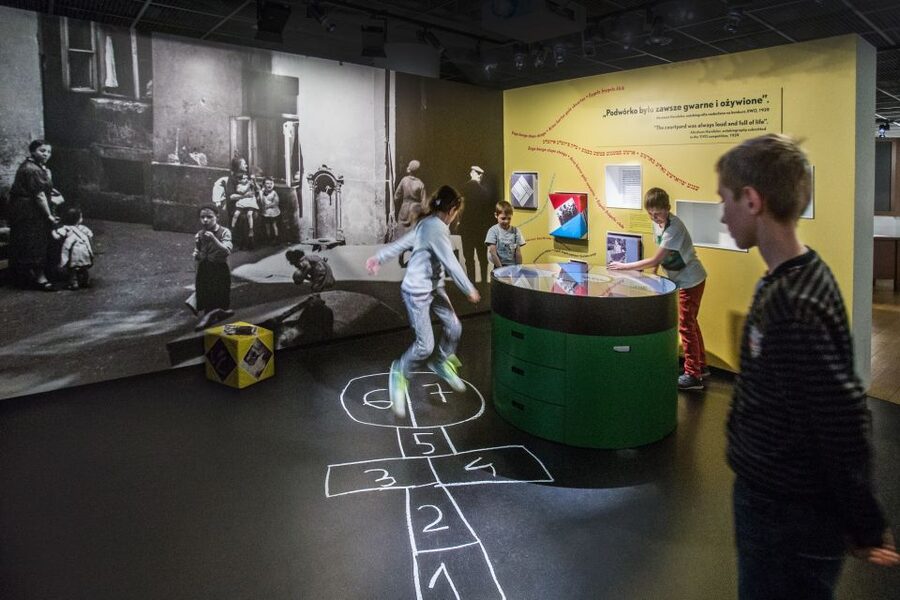
At $12 per person, this is a strong cultural buy for Warsaw. You receive entry to the permanent exhibition, access to a temporary exhibition if one is available, and the audio guide. A full day of access gives you room to visit at your own pace rather than racing through a timed presentation.
You may enter at your convenience during the valid day, but admission closes two hours before the museum’s closing time. Check the available starting times before booking, and do not arrive near the end of the day if you want to see the core exhibition properly.
The museum is closed on Tuesdays. Children aged seven and younger may enter free, while children aged twelve and younger must be supervised by an adult at all times.
Bring your voucher in a form you can access. Electronic scanning is required before you enter the core exhibition, and oversize luggage is not allowed. The museum is wheelchair accessible, which is important for anyone planning a long visit.
Free cancellation is available up to 24 hours before the visit, and you can reserve now and pay later. Those terms are helpful when your Warsaw schedule is still changing, but they do not replace checking the museum’s current rules before you go.
Who will get the most from POLIN
I recommend POLIN to anyone interested in Jewish history, Polish history, modern Europe, religion, migration, or the social effects of war. It also suits people who prefer museums that let them learn at their own speed rather than follow a fixed group.
Families with older children may find the interactive stations helpful, though the Holocaust material requires adult judgment and supervision. The museum offers enough visual and hands-on material to keep the visit from becoming a wall of text, but younger children may not have the attention span for the full route.
If you have only one hour in Warsaw, this is not the right choice. The museum needs time, and a rushed visit would give you only a fraction of its value.
If your main interest is the Holocaust alone, POLIN should be paired with other sites rather than treated as a complete substitute. Its great strength is the full timeline, including the centuries before the catastrophe and the difficult rebuilding afterward.
Should you book the POLIN Museum ticket?
Yes, if you can set aside at least three hours and want to understand Warsaw beyond its wartime memorials. The $12 ticket is excellent value, especially with the audio guide and the chance to return after a lunch break on the same day.
Book it if you want a carefully designed historical museum with objects, reconstructed spaces, personal accounts, and interactive media. Be ready for a serious visit, bring comfortable shoes, and use the audio guide as a framework rather than trying to absorb every word.
Skip it only if your schedule is too tight for a long museum or if you want a narrowly focused Holocaust memorial. For almost everyone else, POLIN gives essential context to Warsaw and to the history of Jewish life in Poland.
FAQ
How long should I spend at POLIN Museum?
The estimated time for the core exhibition is two hours, but three hours is a better minimum if you want to read displays and use the interactive features. Some people spend four to seven hours.
What does the ticket include?
The ticket includes access to the permanent exhibition, access to a temporary exhibition if one is available, and an audio guide.
Is a guided tour included?
No. A guided tour is not included. The ticket includes an audio guide instead.
What languages are available?
The activity information lists Polish and English. The audio guide is available in those languages.
Can I leave and return on the same day?
Yes. You may leave the museum for lunch and return, as long as you come back within the same day.
Is POLIN Museum open every day?
No. The museum is closed on Tuesdays.
When does admission close?
Admission to the museum’s core exhibition closes two hours before the museum’s closing time.
Is the museum wheelchair accessible?
Yes. The museum is wheelchair accessible.
Can children visit for free?
Children aged seven or younger may enter free of charge. Children aged twelve or younger must be supervised by an adult at all times.
Just added around Warsaw
- Taste of Poland, food tour and guided walk with 12 tasting★ 5.0 · 3 reviews
- Skip-the-Line Warsaw Royal Castle Private Guided Tour★ 5.0 · 4 reviews
- Secrets of Warsaw 4-hour Bike Tour★ 5.0 · 25 reviews
- Warsaw: Live Show at Sabat Theatre★ 4.5 · 11 reviews
- Private Warsaw City Tour★ 4.9 · 4 reviews
- Warsaw: WWII Private Tour by Retro Minibus with Hotel Pickup★ 5.0 · 7 reviews
- Private Tour From Warsaw: Łowicz Mazovian Countryside★ 5.0 · 10 reviews
- Packrafting kayaking guided tour Vistula river Warsaw Poland★ 4.5 · 14 reviews
Museums, compared.
Auschwitz-Birkenau Museum and Memorial Guided Tour from Krakow
Read our review →

Krakow Schindler’s Factory Museum Guided Tour in English
Read our review →
Auschwitz Birkenau Museum Guided Tour with Pickup
Read our review →
Browse the lists this tour appears in