
Reviewed · SCHINDLERS FACTORY TOURS
Krakow Schindler’s Factory Museum Guided Tour in English
Oskar Schindler’s Factory Museum is not mainly a tour of factory machinery or Schindler’s private life. It is a carefully arranged account of Krakow under Nazi occupation, with Schindler’s story woven through it. You move from the city’s prewar life into invasion, persecution, the Jewish ghetto, and the people Schindler helped save.
I like two things here. First, a guide gives the displays a human voice and explains how Schindler fits into the larger story. Second, the 90-minute route includes the office associated with Schindler and the film Schindler’s List, while keeping the focus on real events. The main drawback is that some guides move quickly, leaving little time to read every English panel afterward.
Key points to know before booking
- The museum covers Krakow from 1939 to 1945, not Schindler’s entire life.
- Schindler’s office is one of the key stops, but the original factory is not presented as a working industrial site.
- Guided visits vary by guide, with past guides including Mateusz, Maciek, Max, Lucie, Hania, Dominique, and Mitch.
- The 4 pm start and 90-minute length fit neatly into an afternoon of sightseeing.
- The group can include up to 20 people, though smaller groups make questions easier.
- Meet by the yellow umbrella at Lipowa 4, and arrange your own transport to and from the museum.
What the Schindler’s Factory Museum really tells you
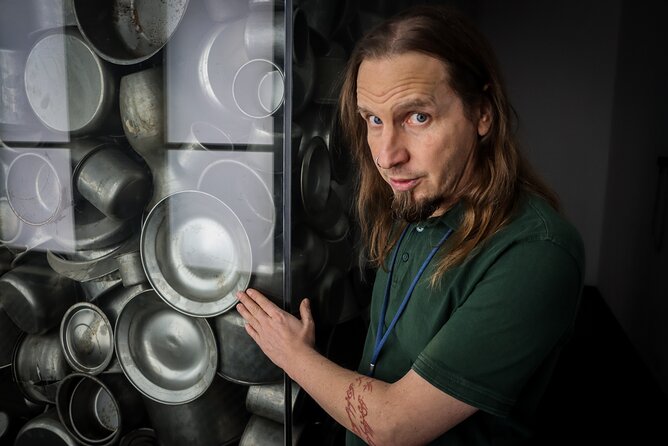
The name can set up the wrong expectation. You may picture an old factory floor, enamel pots, production equipment, and a full museum devoted to Oskar Schindler. That is not what this visit delivers.
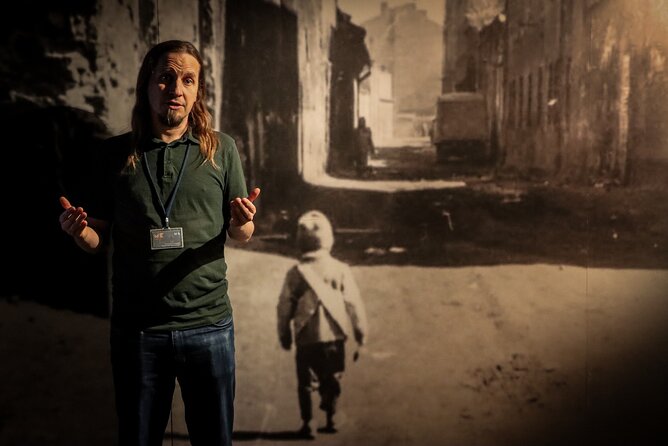
The museum uses the former administrative part of Schindler’s enamel factory for a permanent exhibition about Krakow during World War II. Schindler appears as an important figure, but he is not the sole subject. The larger story follows the city and its residents as German occupation reshaped daily life.
That wider focus is a strength. Schindler’s decision to employ and protect Jewish workers matters most when you understand the pressures around it. The tour places his actions alongside the occupation, the destruction of Jewish life, and the changing fortunes of Polish and Jewish residents.
You should book this experience expecting a museum tour with a Schindler connection, not a traditional factory tour. One part of the route takes you to Schindler’s office, and the setting connects with scenes familiar from Schindler’s List. Much of the visit, though, concerns wartime Krakow.
More Schindlers Factory Tours in Krakow:
- Krakow: Oskar Schindler’s Factory Entry Ticket & Guided Tour
★ 4.2 · 3,793 reviews - Krakow: Schindler’s Factory Tour with Entrance Ticket
★ 4.5 · 3,182 reviews - Krakow: Schindler’s Factory Skip-the-Line Ticket
★ 4.4 · 3,105 reviews
Entering the former enamel factory at Lipowa 4
The meeting point is Oskar Schindler’s Enamel Factory at Lipowa 4 in Krakow. You start at 4 pm and look for the guide holding a yellow umbrella. That detail matters because the museum is in a city setting and the guide’s meeting point may otherwise be easy to miss.
The ticket is included, and the tour is advertised as skip-the-line. You do not need to arrange a separate admission ticket for the museum. Hotel pickup is not included, so you need to make your own way there and return independently after the visit.
The site is near public transport, which makes the meeting point practical if you are staying in central Krakow. Leave enough time to arrive without rushing. A late arrival could be awkward once the group has entered the exhibition.
The maximum group size is 20 people. That is not a tiny private tour, but it is manageable in a museum. A smaller group is better, especially when you want to ask about a particular person, display, or event.
The first rooms: Krakow before and during the occupation
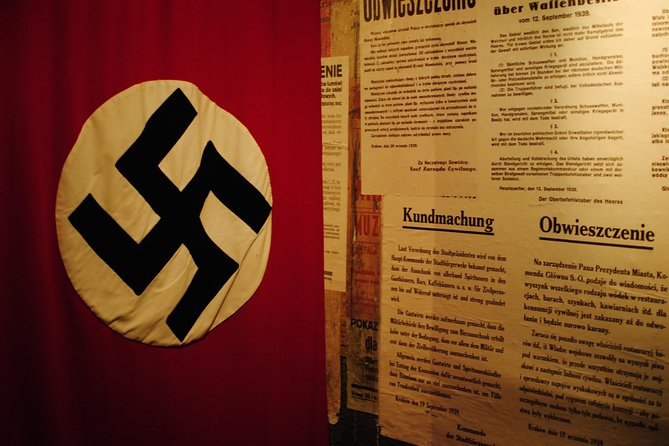
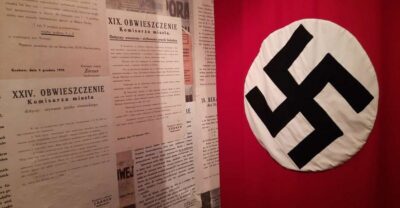
The tour begins by setting up Krakow before and during the German occupation. This opening material is important because it shows that the city was not simply a backdrop for Schindler’s actions. It had its own social, religious, political, and cultural life before the war transformed it.
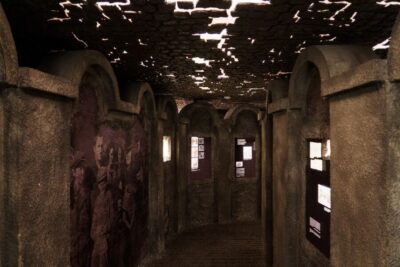
You will encounter exhibits and artifacts that explain how occupation affected ordinary routines. The point is not only what happened in major wartime events, but how control entered daily life. A good guide connects objects and displays to the decisions people had to make under pressure.
This is where the quality of the guide matters most. The English text in the museum can give you facts, but a guide can explain the order of events and show how one change led to another. Guides such as Mateusz and Lucie have been praised for keeping the story structured, answering questions, and adding personal or family stories where appropriate.
The subject is heavy, yet the best guiding style is not simply a list of dates and tragedies. Past guides have included humor, sharp observations, and plain explanations without making light of the suffering. That balance can make difficult material easier to follow.
Krakow’s Jewish experience and the cost of occupation
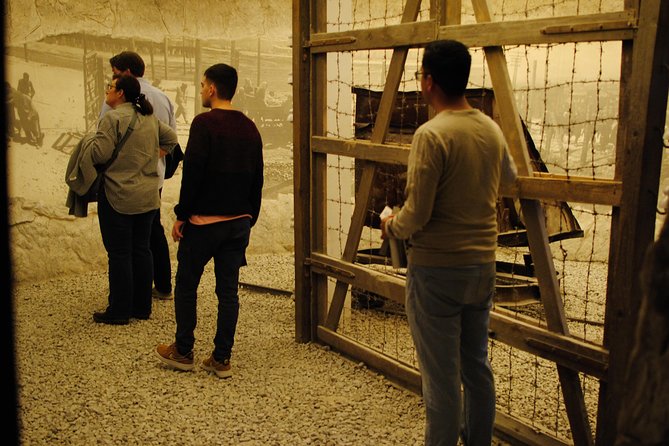
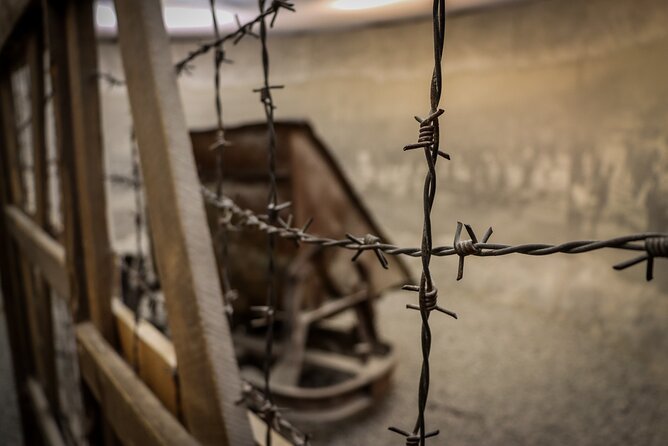
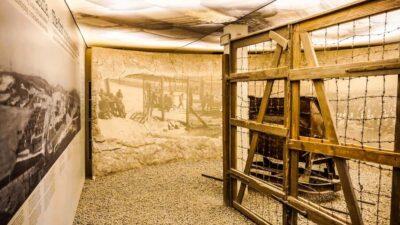
A large part of the museum concerns the Jewish experience in Krakow. The displays show how Nazi rule stripped away rights, separated communities, and turned familiar parts of the city into places of confinement and fear.
The museum’s approach is personal rather than abstract. You are not only hearing about military occupation. You are being shown how families, workers, neighbors, and entire communities were affected. The result is a broader understanding of what Schindler’s list of protected workers meant.
This section can feel familiar if you have already visited Auschwitz or taken other World War II tours. Even then, the Krakow setting adds useful context. Auschwitz presents a different part of the Nazi system. This museum helps you understand the city where people lived, worked, hid, were forced into the ghetto, and tried to survive.
You should allow the subject matter to set the pace. Some displays are intense, and the route involves a good deal of standing and listening. Comfortable shoes are sensible, though the main issue is not physical difficulty. It is the concentration required to absorb a serious and information-heavy visit.
A few more Krakow trips to weigh up
- Auschwitz-Birkenau Museum and Memorial Guided Tour from Krakow
★ 4.5 · 1,510 reviews - Krakow: Rynek Underground Museum Guided Tour
★ 4.6 · 1,122 reviews - Krakow: Auschwitz Birkenau Museum Guided Tour with Pickup
★ 3.6 · 544 reviews - Museum of illusions Entry Ticket
★ 4.5 · 521 reviews
Schindler’s office and the film connection
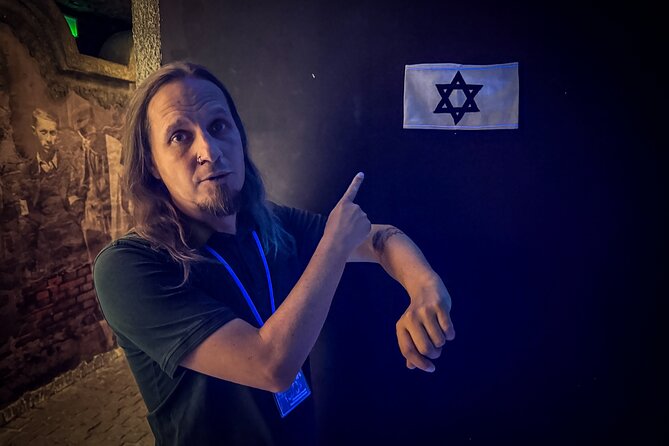
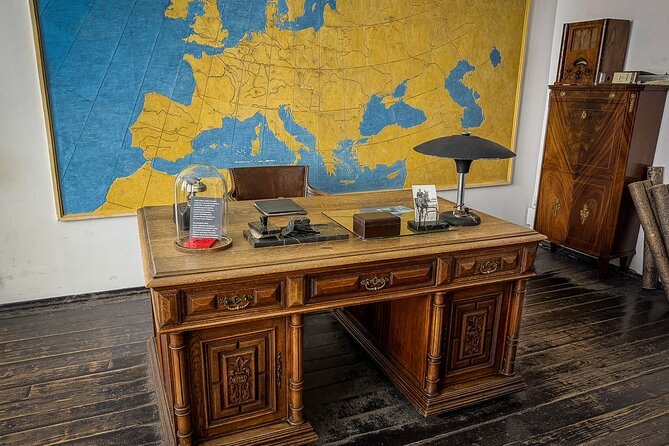
The section most visitors expect is the one linked directly to Oskar Schindler. You see his office, including the office associated with the film. These rooms offer a tangible connection between the real factory and the story many people first encountered through Schindler’s List.
The film can help you place the setting, but the museum does not turn the visit into a movie tour. The guide’s job is to separate film images from documented events and explain where Schindler belonged in the wartime story.
This distinction is useful. Schindler was not a simple, polished hero from the beginning. His motives and character were complicated, and his actions developed within a brutal system. The museum’s wider focus helps you consider both the man and the people whose lives were saved.
If your main goal is to learn exactly how the factory operated, you may find the visit limited. The original industrial experience is not the focus, and the factory machinery is not the centerpiece. The office is the strongest Schindler-specific stop.
Why a guide adds real value
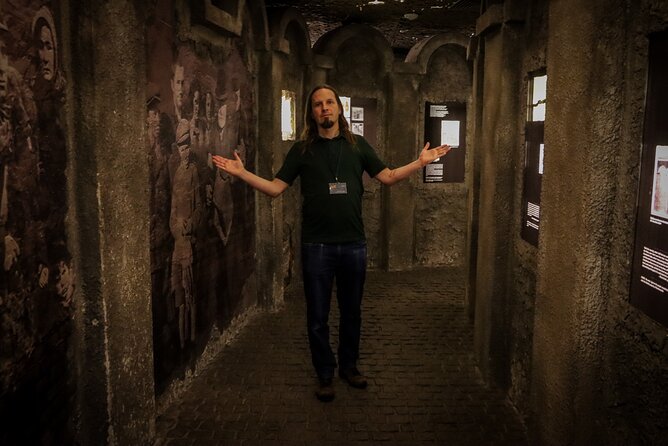
You can read much of the museum’s information in English on your own. Going solo gives you more time with individual panels and artifacts. It also lets you pause when you need a break.
The guided version offers something different: order, context, and a human explanation. A strong guide prevents you from getting lost in a large amount of material. You hear how Krakow changed, where Schindler fitted into that change, and why particular exhibits matter.
Past guides named Mateusz, Maciek, Max, Lucie, Hania, Dominique, and Mitch have led groups with different styles. Mateusz has been noted for answering questions without rushing. Lucie has been praised for a clear, structured delivery. Maciek and Mitch have been described as lively and direct. The guide you receive will vary, so do not book on the assumption that one named guide is guaranteed.
There is a real tradeoff. Some guides allow time to look closely and ask questions. Others move briskly through the museum. One practical point is worth confirming at the start: ask whether you can remain inside to continue reading after the guided portion. Some people have found that the tour exits the exhibition at the end, leaving no extra browsing time.
How the 90-minute timing works
The advertised duration is about one hour and 30 minutes. That is long enough for a clear guided route, but not long enough to study every display in detail.
I see the timing as a good introduction rather than a complete museum day. The guide can cover the major stages of Krakow’s wartime story and highlight Schindler’s role. You should not expect to read every panel, reflect at length in each room, and ask a long list of questions within the same 90 minutes.
The 4 pm departure is useful if you want to spend the morning and early afternoon elsewhere in Krakow. It also gives you time to visit related locations before the museum. The Jewish Ghetto Memorial and the remains of the Plaszow camp have been specifically suggested as places that can help connect the museum’s story to the city.
Do not try to squeeze the visit between several fixed appointments. The material deserves attention, and a guide may pause for questions. The group needs to stay together, so the pace is not entirely yours to control.
Price and what the $47.77 fee buys
At $47.77 per person, this is not the cheapest way to enter the museum. You are paying for more than admission, though. The fee includes the museum ticket, an English-speaking local guide, skip-the-line arrangements, and local taxes.
The value depends on how you like to visit museums. If you read quickly, prefer silence, and want to examine every object at your own speed, an independent visit may suit you better. If you want the wartime story explained in a logical sequence, the guide can justify the extra cost.
The strongest value comes from the context. Schindler’s name draws you in, but the museum contains a lot of information about Krakow, Nazi rule, and the Jewish community. Without a guide, you may understand individual displays but miss how they fit together.
A group of up to 20 can also make the price more attractive than a private tour. It is not intimate in every departure, but the format keeps the experience organized and gives you a professional guide without paying for one-to-one attention.
Who should book this Krakow tour
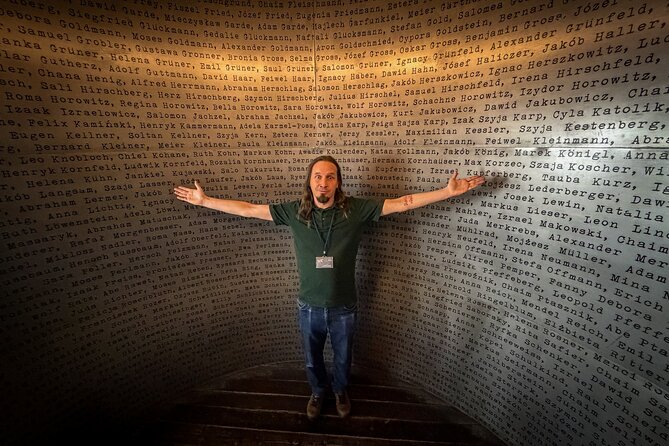
This experience suits you if you want a focused introduction to World War II in Krakow and prefer a guide to lead you through difficult material. It is particularly useful if Schindler’s story brought you to the museum but you also want the wider account of occupation.
It is a good choice for adults and older teenagers. Admission is recommended for young people aged 14 and above, which reflects the seriousness of the subject. Families should consider the child’s interest and maturity before booking.
You may prefer another format if you have already spent several days in war museums and want only Schindler’s personal story. The museum devotes much of its space to Krakow and its Jewish community, rather than a detailed biography of Schindler.
It can also be frustrating if you dislike standing, group pacing, or listening while other people ask questions. Most people can participate, but the visit is primarily a walking and standing museum tour.
Practical tips for a better visit
Arrive at Lipowa 4 early enough to find the yellow umbrella without stress. The meeting point is straightforward, but the tour does not include transport from your hotel.
Wear comfortable shoes and expect to stand for much of the 90 minutes. Keep questions in mind as you go, since the best guides make room for them, but remember that the group must keep moving.
If you want to read everything, plan for an independent museum visit instead, or ask at the beginning if you can continue inside afterward. The guided route may not leave time for every English-language panel.
Bring the right expectations. You will see Schindler’s office and learn about the people he saved, but the heart of the visit is Krakow during the war. That is not a disappointment unless you expected an industrial museum devoted only to Schindler.
The tour is often booked well ahead, with an average advance booking period of about 59 days. If your Krakow dates are fixed, reserving early is sensible. Free cancellation is available until 24 hours before the local start time. Changes or cancellations inside that window are not refundable, and the tour requires a minimum number of participants.
Should you book the English guided visit?
I would book this tour if you want the larger Krakow story, not just the Schindler movie connection. The best guides turn a dense museum into a clear account of occupation, persecution, survival, and moral choice. The office visit adds a direct link to Schindler, while the wider exhibits explain why his actions mattered.
I would skip it only if you want to explore every display at your own pace or expect a working-factory tour. For most visitors interested in Krakow’s wartime past, the guide is worth the added cost, provided you accept the fixed 90-minute pace and serious subject matter.
FAQ
Where does the tour begin?
It begins at Oskar Schindler’s Enamel Factory, Lipowa 4, 30-702 Krakow, Poland.
What time does the tour start?
The stated start time is 4 pm.
How long does the tour last?
The visit lasts approximately one hour and 30 minutes.
Is admission to the museum included?
Yes. The museum ticket is included in the tour price.
How do I find the guide?
Look for the guide holding a yellow umbrella at the meeting point.
Is the tour offered in English?
Yes. The tour is offered in English and includes a professional local guide.
Is transportation included?
No. Hotel pickup, hotel drop-off, and transportation to or from the museum are not included.
Can I cancel for a full refund?
Yes, if you cancel at least 24 hours before the experience start time. Cancellations or changes made less than 24 hours before the start are not refunded.
Just added around Krakow
- Tour to Wadowice: Hometown of Pope Saint John Paul II★ 4.6 · 12 reviews
- The Jewish Quarter – Walking Tour★ 5.0 · 4 reviews
- From Kraków; to Białka Thermal Baths private tour★ 5.0 · 5 reviews
- St. Mary’s Basilica and more – a short walk with a guide★ 4.7 · 56 reviews
- Krakow: Auschwitz-Birkenau and Wieliczka Salt Mine Day Trip★ 4.7 · 84 reviews
- Krakow: Skip-the-Line Wawel Castle & Old Town Guided Tour★ 4.9 · 23 reviews
- Krakow: Schindler’s Factory Guided Tour★ 4.2 · 12 reviews
- Shooting Range Experience!★ 4.8 · 66 reviews
Schindlers Factory Tours, compared.
Oskar Schindler’s Factory Entry Ticket & Guided Tour
Read our review →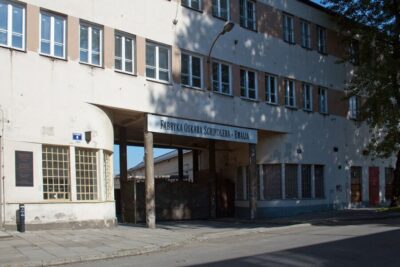
Schindler’s Factory Tour with Entrance Ticket
Read our review →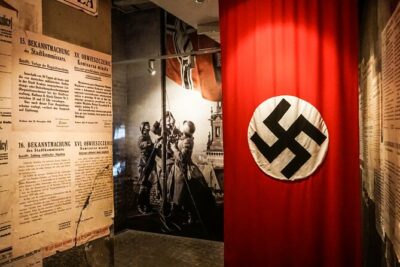
Schindler’s Factory in Krakow: Guided Tour & Skip the Line Ticket
Read our review →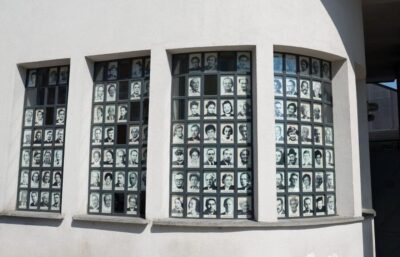
Schindler’s Factory Ticket with Guided Tour Option
Read our review →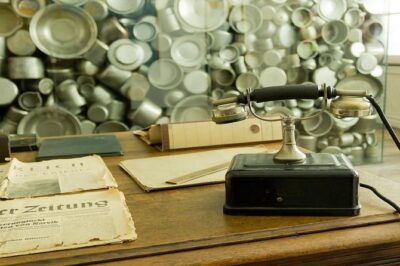
Krakow Schindler’s Factory Guided Tour with Admission Ticket
Read our review →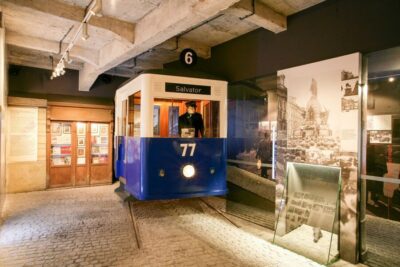
Schindler’s Factory Guided Tour with Entry Ticket
Read our review →Browse the lists this tour appears in