
Reviewed · POLISH VODKA TASTINGS
Warsaw: Praga District Tour with Vodka Museum and Tasting
Praga gives you a side of Warsaw that feels older, rougher, and more personal than the rebuilt center. On this private four-hour tour, you cross the Vistula to explore prewar tenements, courtyard shrines, and cobbled streets, then finish with three Polish vodka tastings at the Koneser center. I like the mix of street life and serious history, especially the stop at Żabiński Villa, where Jews were hidden during the German occupation. I also like having a private guide and hotel transport, which makes a scattered district easier to understand. The one drawback is that the tour covers a lot in four hours, so food at Bazaar Różyckiego and every street mural may receive only a quick look.
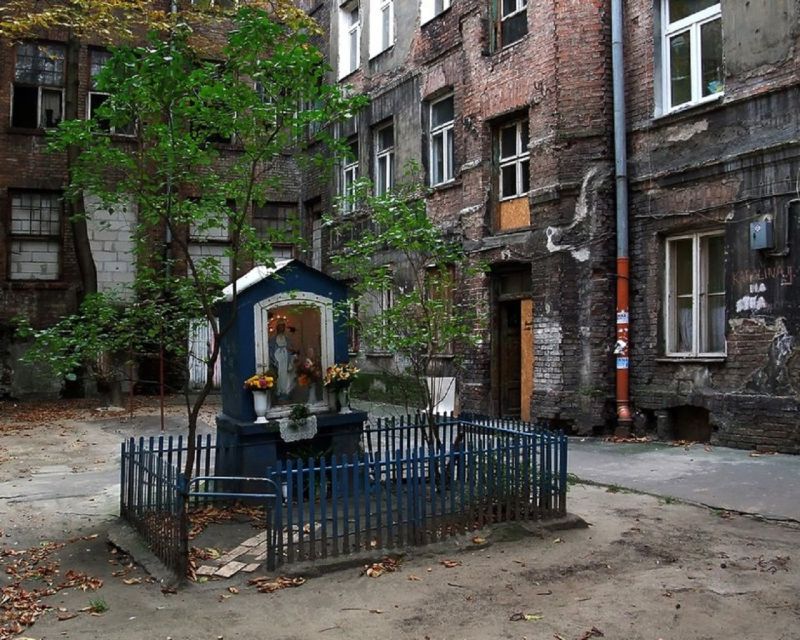
- Courtyard shrines reveal Praga’s private Catholic traditions, tucked behind old buildings rather than placed on grand avenues.
- Bazaar Różyckiego brings in local food, with pyzy and flaki connected to the district’s everyday cooking.
- Koneser turns vodka into a cultural subject, tracing more than 500 years of Polish production and custom.
- Żabiński Villa adds a quiet wartime story, linking Praga to the rescue of Jews from the Warsaw ghetto.
- A private vehicle and hotel pickup save time, especially when moving between churches, markets, and Koneser.
- The tour works well for curious first-time visitors, but its pace may feel brisk if you want long meals or extended photography stops.
Why Praga feels different from central Warsaw
Start at your hotel, where your guide meets you in the lobby. From there, transportation takes you across the Vistula River to Praga, the eastern part of Warsaw. The river crossing is more than a simple transfer. It marks a clear change in the city’s character.
Much of central Warsaw was destroyed during World War II and later rebuilt. Praga escaped that level of destruction, leaving more prewar streets, old tenement houses, and small architectural details in place. The district also had a long mix of Polish, Jewish, Russian, and other communities, with Catholic and Orthodox traditions visible in its churches and shrines.
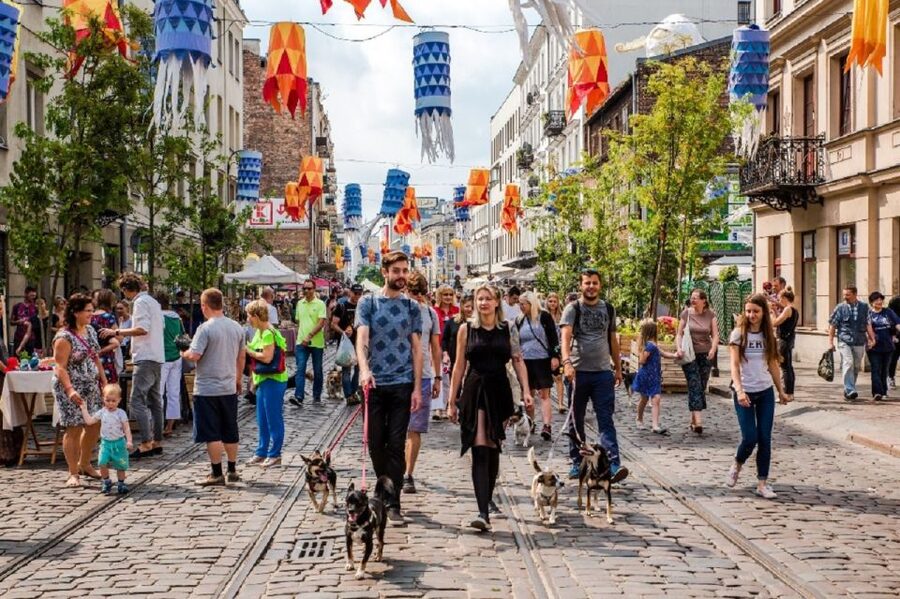
That does not mean Praga is a preserved museum piece. It is a living district with worn facades, newer creative spaces, old markets, and blocks built during the communist period. I like that contrast. You are not simply looking at restored monuments. You are seeing how several periods of Warsaw sit beside one another.
The private format matters here. Praga’s stories are easy to miss if you only follow a broad city-center route. With your own guide, you can ask why a building matters, stop for a photograph, or spend more time on a subject that catches your interest. The tradeoff is that the exact pace depends on your guide and your questions, so tell the guide early if you care most about architecture, wartime events, food, or modern redevelopment.
St. Florian’s Cathedral and St. Mary Magdalene
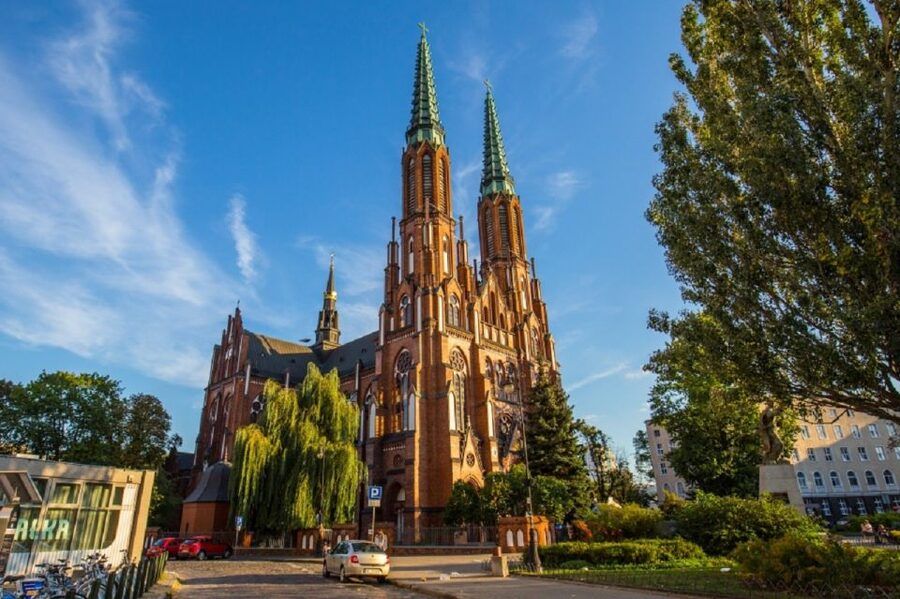
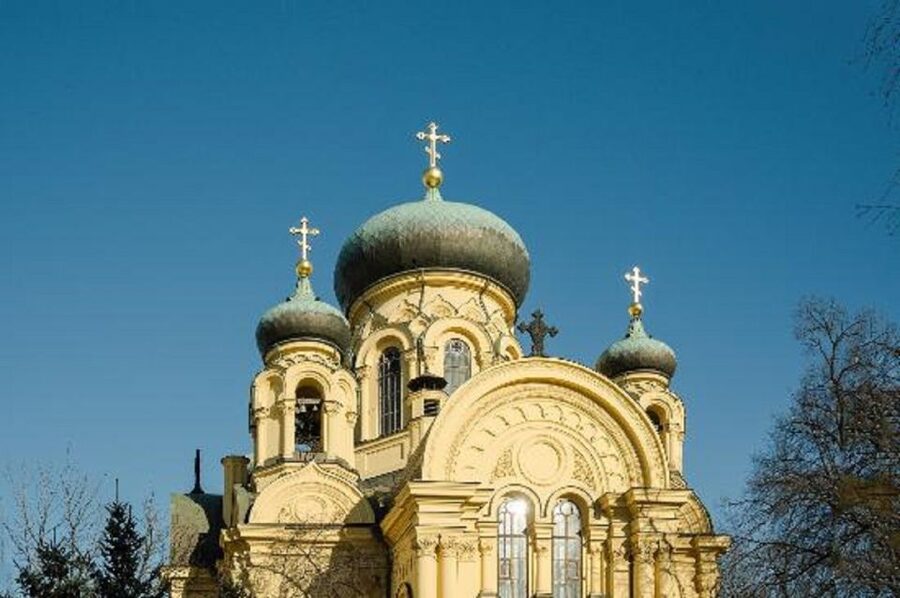
Two churches show Praga’s religious range. St. Florian’s Cathedral is Catholic, while the Cathedral of St. Mary Magdalene is Orthodox. Seeing both gives the district more depth than a standard walk through old streets.
St. Florian’s is one of Praga’s major Catholic landmarks. The Cathedral of St. Mary Magdalene represents the Orthodox community and helps explain why the eastern side of Warsaw cannot be reduced to one religious story. The tour treats these buildings as part of the neighborhood itself, not as isolated stops.
You should expect an outside look or a guided visit shaped by the day’s timing and access. The supplied details do not promise a formal interior tour of both churches, so do not book this expecting extended time inside each one. Their value is in the wider picture: Praga has long been a meeting point for different communities, faiths, and customs.
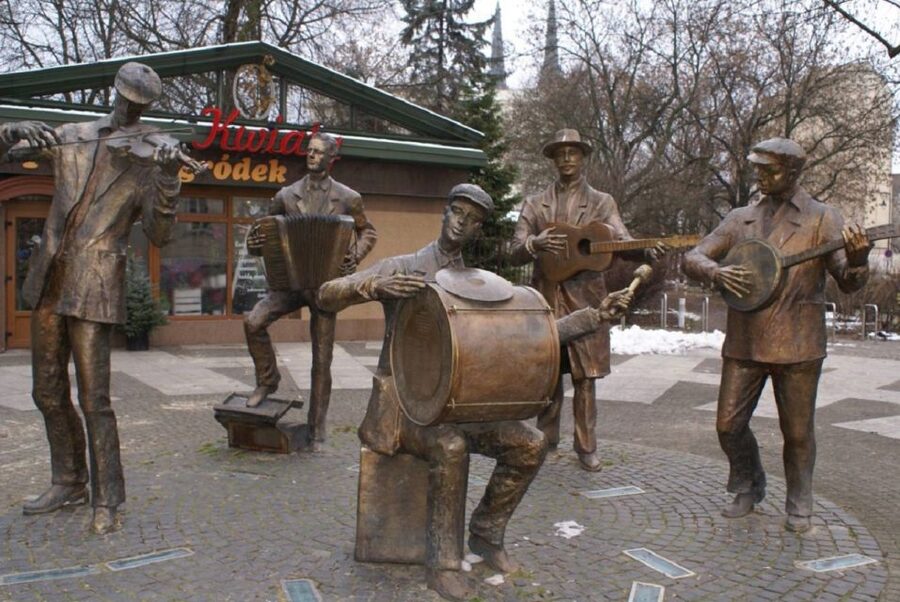
The Monument to the Prague Backyard Band adds a more informal note. It recalls the small musical groups associated with Praga’s courtyards and street culture. This is the sort of stop that helps you read the neighborhood at street level. Warsaw’s history is not only found in cathedrals and national monuments. It also survives in music, local gathering places, and the memory of ordinary residents.
More Polish Vodka Tastings in Warsaw
- Warsaw: Polish Vodka Museum Tour with Tasting
★ 4.6 · 788 reviews - Warsaw Vodka Night Private Tour by Retro Fiat
★ 5.0 · 27 reviews - Polish Vodka Tasting Warsaw
★ 4.8 · 25 reviews
Courtyards, shrines, and Ząbkowska Street
The walk through Praga includes Ząbkowska Street, one of the district’s best-known streets. Expect cobbled sections, old tenement houses, murals, and worn surfaces that give the area its unmistakable look.
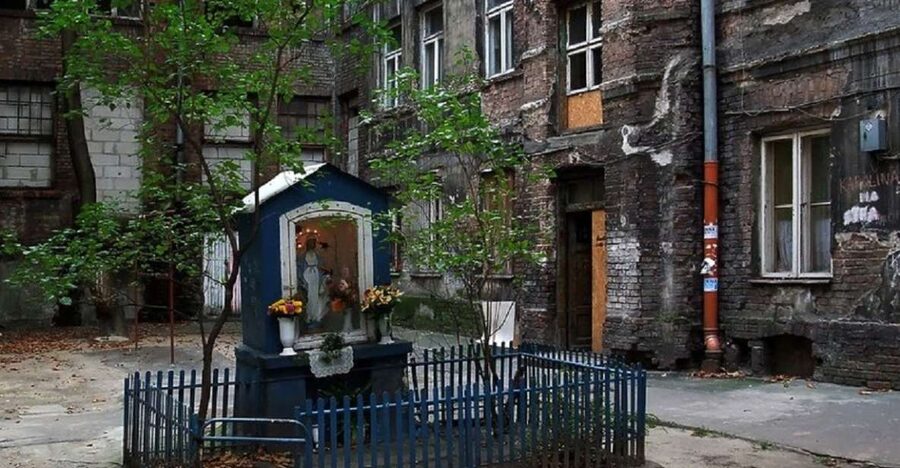
The small shrines are among the most interesting details. They are often placed in courtyards or against buildings, easy to miss unless someone points them out. These devotional corners show how residents used shared spaces for prayer and remembrance. They also make clear why this tour benefits from a local guide rather than a self-guided stroll with only a map.
Look closely at the walls. Original murals and painted surfaces appear among the older buildings, adding a layer of modern expression to the district. Some streets feel weathered rather than polished. That is part of the appeal, but it also means you should come ready for uneven ground and a setting that may feel less tidy than Warsaw’s central tourist areas.
A private tour gives you room to ask about the details that interest you. If you enjoy photography, say so. If you prefer stories about residents and daily life, say that too. The guide can shape the explanation in a way a fixed group tour usually cannot.
Several guides have received especially warm praise for their personal approach. Margarita has led the tour in Spanish, sharing both Warsaw’s past and her own experiences in the city. Paul has been described as bringing an energetic, refreshing approach to Praga, while a German-speaking guide adjusted well to a group of five. The guide’s name for your booking will depend on availability, but the language range is broad: English, Spanish, German, Russian, Polish, French, Italian, and Portuguese.
Bazaar Różyckiego and the taste of old Praga
Bazaar Różyckiego is described as Warsaw’s oldest market, and it gives the tour a useful change of pace. Instead of looking only at buildings, you get a sense of food and commerce in Praga.
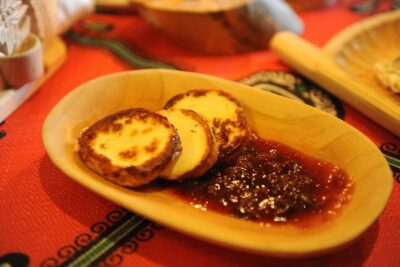
The planned food stop includes pyzy and flaki. Pyzy are potato dumplings, while flaki is a traditional tripe soup. These are not neutral choices for visitors who prefer mild, familiar food, but they are tied to old Polish cooking and the working character of the district. If you are curious about traditional dishes, this is one of the more distinctive parts of the outing.
Keep one practical point in mind: the tour information does not say that food purchases are included in the $81 price. The included tasting is the vodka museum degustation, with three shots of Polish vodka. Ask your guide how the market tasting works and carry a little money if you want to buy food.
The market may be a short stop rather than a long meal. Four hours must cover the churches, streets, courtyards, wartime site, Koneser, and vodka tasting. If you want to sit down for a full lunch, you may need to continue after the tour. One guide helped a party choose a traditional restaurant when the outing ended around lunchtime, so asking for a recommendation is sensible.
Soviet-era blocks and Soho’s post-industrial side
The tour also moves beyond the prewar streets to blocks from the communist period and Soho, a post-industrial zone. This section keeps the visit from becoming a simple nostalgia walk through old facades.
The communist-era blocks show how Warsaw changed after the war. They belong to a very different phase of city building, with practical housing and a more uniform architectural feel. Beside them, Soho represents a later use of industrial space. Together, these stops show Praga as a district shaped by survival, rebuilding, and new cultural activity.
The name Soho may suggest a particular kind of district, but you should not expect a replica of London or New York. Here it refers to a post-industrial area within Praga. Its importance comes from the contrast with the older streets and from the way former industrial spaces can take on new roles.
I appreciate this broader route because it gives you several versions of Warsaw in one outing: prewar Praga, wartime memory, communist construction, and post-industrial change. The drawback is simple. If you want a slow architectural study, the four-hour schedule may move too quickly between these periods.
Same country, a completely different kind of day:
- Warsaw: Chopin Concert in the Old Town
★ 4.8 · 2,287 reviews - Warsaw: Traditional Galar Cruise on The Vistula River
★ 4.6 · 1,640 reviews - Warsaw: Old Town Highlights Walking Tour in English
★ 4.7 · 1,516 reviews - Warsaw Concert: Chopin – Painted by Candlelights with Wine
★ 4.8 · 1,442 reviews
Żabiński Villa and the human cost of occupation
The stop at Żabiński Villa brings the tour into one of its most serious subjects. The villa is associated with hiding Jews from the Warsaw ghetto during the German occupation. It offers a personal setting for wartime history, away from the scale of a formal monument.
This part of the tour deserves quiet attention. The story is not presented only through dates and military events. It connects the danger of the occupation with individual choices, concealment, and the protection of people who faced persecution.
The supplied details identify the villa as a stop, but they do not promise entry into the building or a particular interior program. You may see the site and hear its story from the guide. Ask about access if entering the villa is important to you.
For many people, this will be the emotional center of the tour. It also helps explain why a Praga visit is valuable even if you have already seen Warsaw’s main wartime sites. The district reveals how large events touched homes, courtyards, and families.
Koneser and three Polish vodka tastings
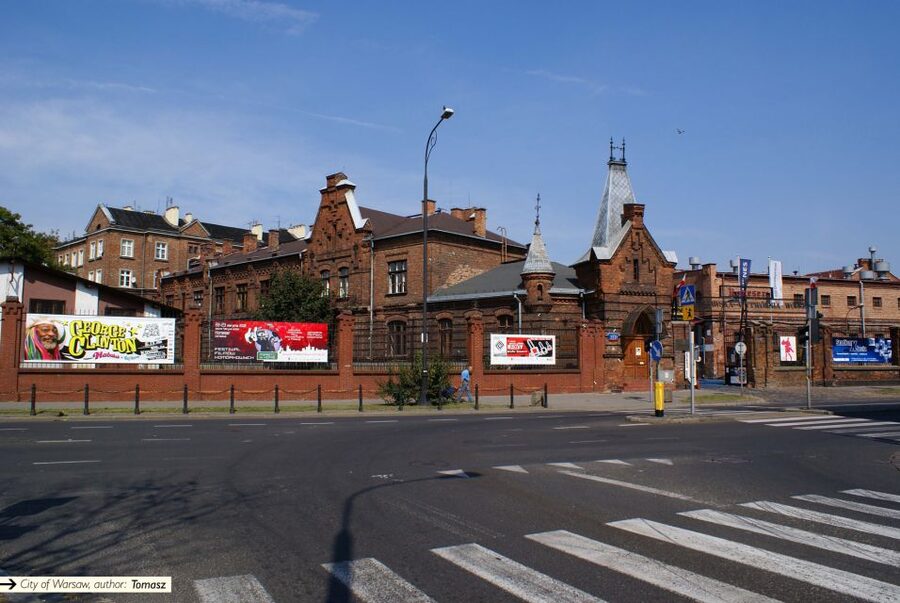
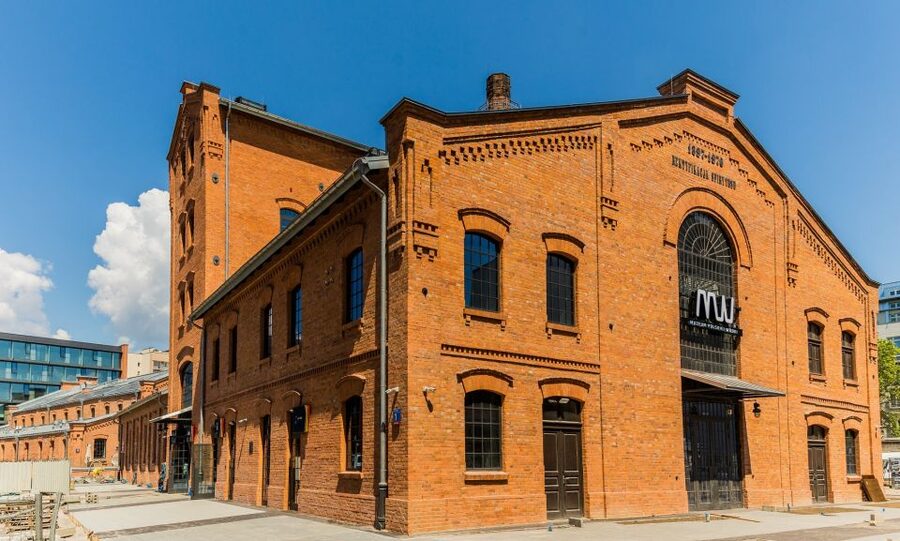
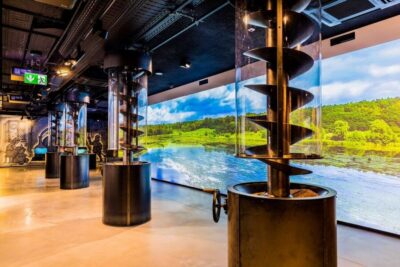
The tour ends at the Polish Vodka Museum in the renovated Koneser center. This is a useful final stop because it shifts from neighborhood walking to a structured exhibition.
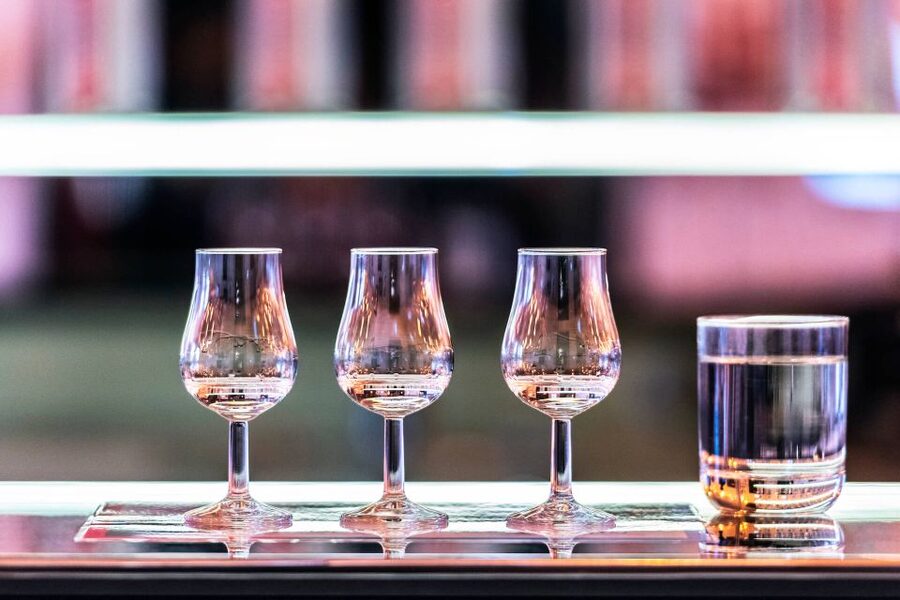
Inside, you explore more than 500 years of Polish vodka history and tradition through an interactive display. The museum explains how the drink became linked with Poland and what helped Polish vodka gain international recognition. You also learn the basics of alcohol tasting before trying three different Polish vodkas.
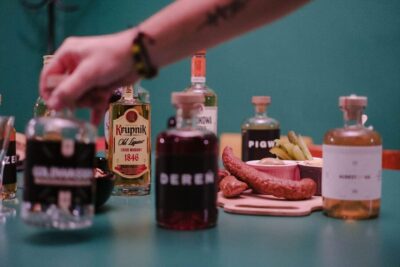
The tasting is three shots, not an open-ended drinking session. That distinction matters. You are there to compare and learn, not simply to drink. The museum setting gives the tasting a cultural frame, which makes it more useful than an unplanned stop at a bar.
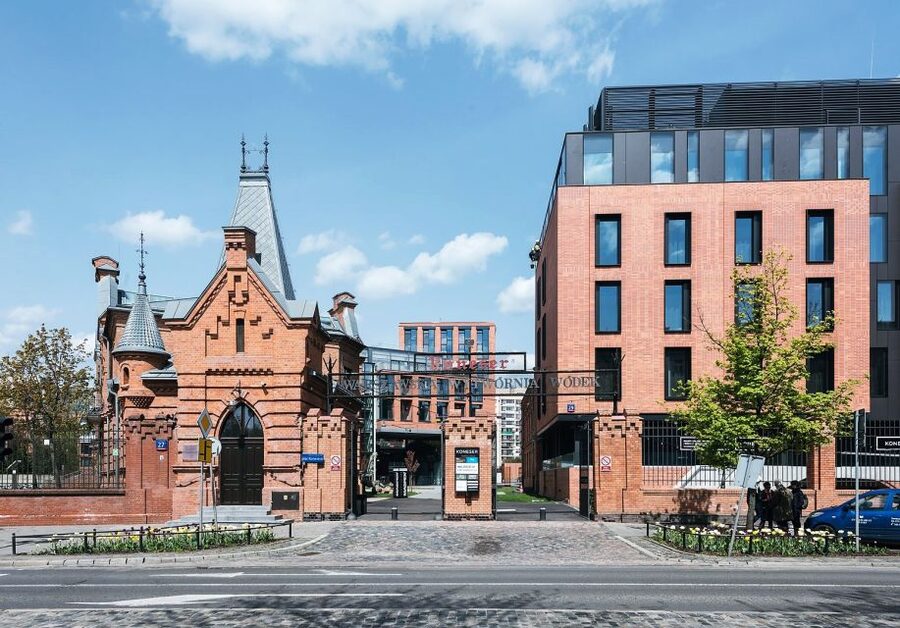
Koneser itself adds to the experience. Its renovated setting shows another stage in Praga’s change, with old industrial character adapted for modern use. After the rougher courtyards and prewar streets, the center feels more polished. That contrast is intentional and gives the tour a clear ending.
If you do not drink alcohol, this final stop may limit the tour’s appeal. The provided details do not specify an alternative tasting, so ask before booking if that matters to you. For drinkers and anyone interested in Polish food and customs, the museum gives the afternoon a memorable finish.
Is $81 a fair price for four private hours?
At $81 per person, the value depends mainly on your group size. For a private group, the price includes hotel pickup and drop-off, transportation, a guide, museum admission, and three vodka tastings. A party of several people can get strong value from the private format because the vehicle and guide are shared within your group.
A solo visitor or couple pays more per person for privacy, but the convenience is real. Praga is spread across several types of sites, and hotel pickup removes the need to plan the route between them. You also avoid spending time figuring out how to connect Ząbkowska Street, Bazaar Różyckiego, Żabiński Villa, and Koneser.
The price is less compelling if you want only a short neighborhood walk or if the vodka museum does not interest you. Food at the market is not listed among the included items, so budget separately for pyzy or flaki if you want to try them.
The tour allows free cancellation up to 24 hours before departure and offers reserve now, pay later booking. Pickup is optional, but if you select it, your guide waits in the hotel lobby with your name. Be ready on time, since a four-hour private tour has little room for a late start.
Wheelchair access is available. Since the route includes cobbled roads and older streets, confirm the practical details with the provider if you need a specific vehicle or have concerns about the walking surfaces.
Who will get the most from this Praga tour?
I would recommend this outing to you if you want Warsaw beyond the reconstructed center. It suits first-time visitors who need a clear introduction to Praga, as well as repeat visitors who have already seen the main Old Town sights.
It is especially useful for:
- People interested in wartime stories told through specific homes and sites
- Visitors who enjoy old buildings, murals, courtyards, and street details
- Anyone curious about Polish religious and cultural variety
- Small groups who want their own guide and vehicle
- Food-minded visitors willing to try pyzy or flaki
- Adults who want a museum-based vodka tasting with context
You may want another plan if your priority is a long market meal, extensive time inside churches, or a slow photography walk. The route is broad, and the museum tasting takes a fixed place at the end.
FAQ
How long does the Praga district tour last?
The tour lasts four hours.
What is included in the tour price?
The price includes hotel pickup and drop-off, transportation, a guide, entrance to the Polish Vodka Museum, and a degustation of three Polish vodkas.
Is the tour private?
Yes. The experience is arranged for a private group.
Which languages are available?
Guides are available in English, Spanish, German, Russian, Polish, French, Italian, and Portuguese.
Does the tour visit Bazaar Różyckiego?
Yes. The route includes Bazaar Różyckiego, described as Warsaw’s oldest market, with the opportunity to taste pyzy and flaki.
How many vodkas are included in the tasting?
The museum degustation includes three shots of Polish vodka.
Is hotel pickup available?
Yes. Your guide can meet you in the hotel lobby, and hotel pickup and drop-off are included when selected.
Is the tour wheelchair accessible?
Yes, the tour is listed as wheelchair accessible.
Should you book this Praga experience?
Book it if you want a private, story-led look at Warsaw’s eastern district and like the idea of ending in a museum rather than at another monument. The strongest reasons are the mix of courtyards, churches, market food, communist-era buildings, Żabiński Villa, and the Koneser tasting.
I would be more cautious if you dislike alcohol, need a long sit-down meal, or prefer to explore one small area at a very slow pace. For everyone else, $81 buys convenience, a flexible private guide, and a side of Warsaw that is difficult to understand from the Old Town alone. Ask your guide to balance the pace between the market, the wartime story, and the vodka museum, and you should get the most from the four hours.
More Museums in Warsaw
- Warsaw: POLIN Museum of the History of Polish Jews Ticket
★ 4.7 · 1,142 reviews - Warsaw: Museum World of Illusion Entry Ticket
★ 3.9 · 666 reviews - Warsaw: Ghetto, Jewish Cemetery & POLIN Museum Private Tour
★ 4.8 · 132 reviews - Warsaw: Cold War Museum Entry Ticket
★ 4.6 · 55 reviews
More Food & Drink in Warsaw
- Warsaw’s No 1 cooking class-Polish dumplings with liqueur tasting
★ 5.0 · 576 reviews - Half-Day Polish Food Walking Tour with Guide and Dinner
★ 4.5 · 381 reviews - Warsaw Food Tasting Tour with Delicious Poland
★ 5.0 · 277 reviews - Warsaw: Polish Food Tour
★ 4.1 · 216 reviews
Just added around Warsaw
- World War II Warsaw Old Town, Military Cemetery Walking Tour★ 4.7 · 3 reviews
- Warsaw: Wolf’s Lair & Swieta Lipka Small-Group Tour + Lunch★ 5.0 · 3 reviews
- Wilanów Palace: 2-Hour Guided Tour with Entrance Tickets★ 4.8 · 8 reviews
- Warsaw Zoo Skip-the-Line Entry Ticket with Private Transport★ 4.8 · 3 reviews
- Warsaw Wolf’s Lair with St. Lipka and Mamerki Private Guided★ 4.2 · 3 reviews
- Warsaw: Vistula River Cruise with Your Music & City Views★ 4.6 · 78 reviews
- Warsaw: Private Vodka Tasting Night with Snacks and Pickup★ 5.0 · 7 reviews
- Warsaw Private Wilanow Palace & Garden Tour★ 4.6 · 30 reviews
Polish Vodka Tastings, compared.
Zakopane: Cable Car, Chocholow Baths, Cheese & Vodka
Read our review →
Zakopane Cable Car, Vodka, Cheese & Hot Springs Tour
Read our review →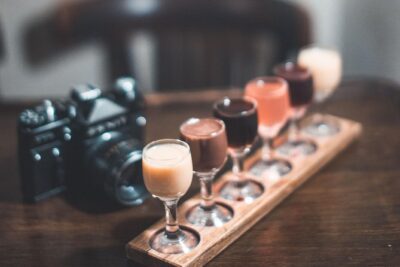
Food Tour of 10 Tastings with Pierogi, Vodka & More
Read our review →
Zakopane and Thermal Baths with Cable Car, Vodka, Oscypek
Read our review →
Browse the lists this tour appears in