
Reviewed · SCHINDLERS FACTORY TOURS
Krakow: Schindler’s Factory Guided Tour
Krakow’s Schindler’s Factory Museum does more than tell the story of one famous industrialist. Its rooms place you inside Nazi-occupied Krakow through recreated streets, a tram, a railway station, prison spaces, uniforms, flags, and personal objects. The result is a serious, highly visual tour that connects Schindler’s story with the wider fate of the city’s residents.
I like the strong museum design, which keeps the 90-minute visit moving through very different settings. I also like the live guiding, especially for putting the displays about the Jewish Ghetto and Płaszów in context. The main drawback is space: a large group can make narrow rooms hard to follow, and 90 minutes may not be enough to see every room at an unhurried pace.
Key points to know before you book
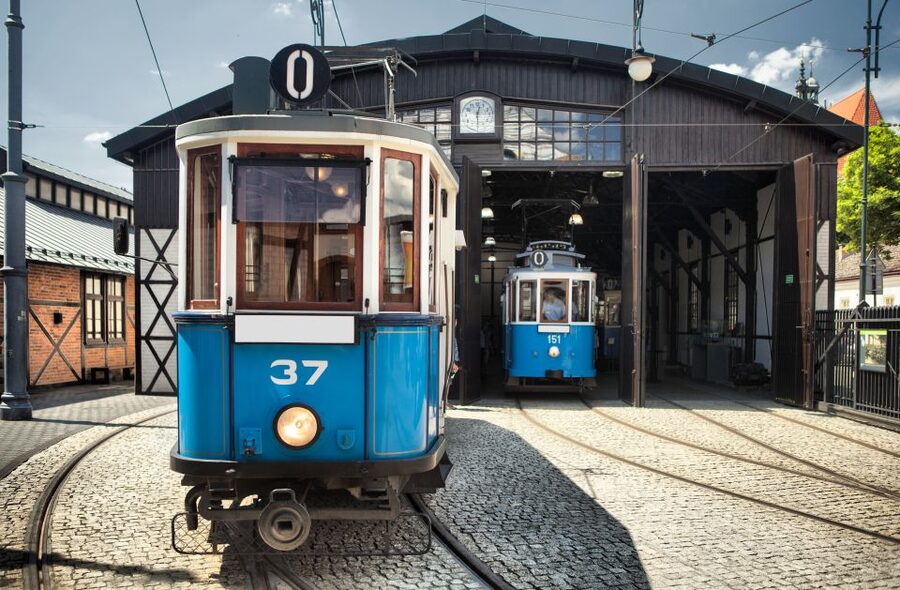
- Recreated Krakow in wartime: Walk through rooms styled as city streets, a tram, a railway station, a prison cell, and other wartime settings.
- More than an Oskar Schindler story: The tour covers ordinary life in Nazi-occupied Krakow as well as Schindler’s factory and office.
- A focused 90-minute visit: The guide keeps the story moving, but you may not enter every room or have time to read every display.
- Group size matters: The museum’s compact rooms can feel crowded when the group is large.
- Five guide languages: Tours are offered in English, Italian, Spanish, French, and German.
- Bring identification from 2026: Full participant names are required at booking, and you must bring a passport or ID for museum entry.
Why Schindler’s Factory works as a museum visit
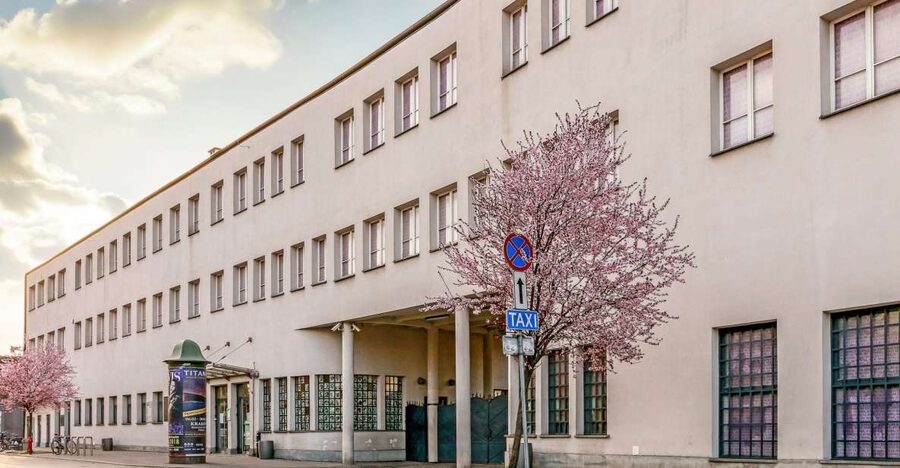
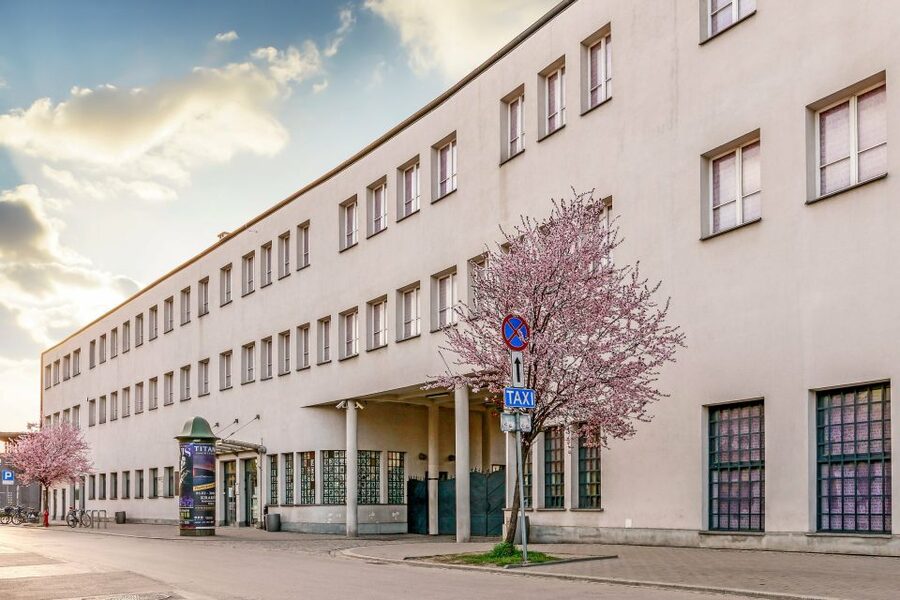
The museum is housed at Lipowa 4, in the former factory complex associated with Oskar Schindler. Yet the visit is not simply a preserved factory tour. The main exhibition uses rooms, objects, sound, images, and film to explain how Krakow changed under Nazi occupation.
That distinction matters. If you arrive expecting a long account of factory production, you may find the museum broader than its name suggests. The exhibition gives Schindler an important place, but it also follows the people of Krakow through restrictions, fear, displacement, and daily survival.
I find this approach useful because it prevents the story from becoming a single-hero tale. You learn about Schindler, but you also see the city around him and the wider events that shaped the lives of Jewish and non-Jewish residents.
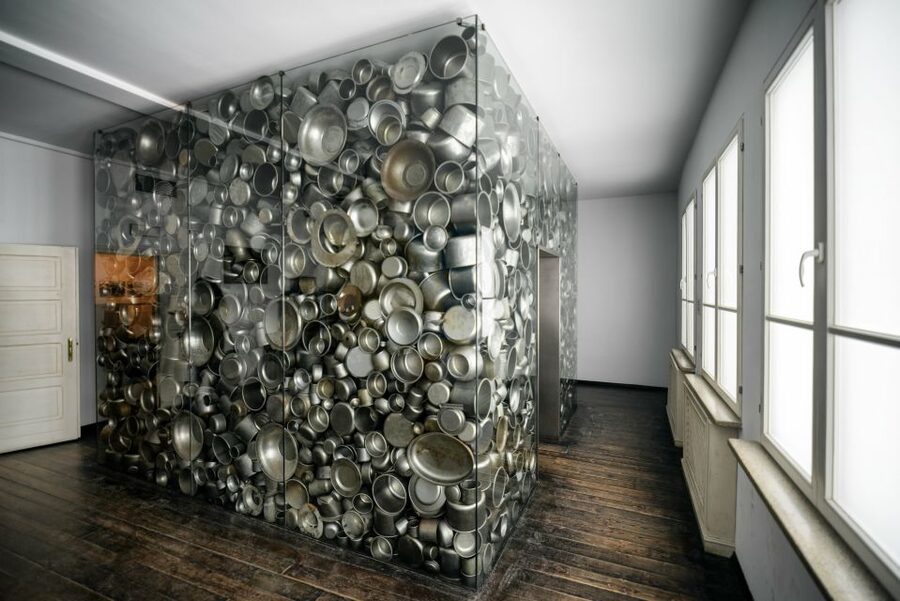
The museum is described as a relatively young institution, and its presentation feels modern rather than old-fashioned. Instead of placing objects in rows behind glass and asking you to read long labels, it builds scenes that you move through with a guide.
That design can be powerful, though it also asks something of you. The rooms are atmospheric and sometimes ominous. This is not a light sightseeing stop, and you should allow yourself a little quiet time afterward rather than rushing directly into another activity.
More Schindlers Factory Tours in Krakow:
- Krakow: Oskar Schindler’s Factory Entry Ticket & Guided Tour
★ 4.2 · 3,793 reviews - Krakow: Schindler’s Factory Tour with Entrance Ticket
★ 4.5 · 3,182 reviews - Krakow: Schindler’s Factory Skip-the-Line Ticket
★ 4.4 · 3,105 reviews
Starting at Lipowa 4
Your meeting point is near the main entrance at Lipowa 4, 30-702 Krakow. Look for the guide holding an excursion.city sign. The entrance detail is simple, but it is worth arriving with enough time to locate the correct doorway, especially if you are unfamiliar with this part of Krakow.
The ticket is included, so you are not buying admission separately at the museum. The tour also includes a live guide, with English, Italian, Spanish, French, and German listed as available languages.
The scheduled visit lasts 90 minutes. That is a sensible length for a guided introduction, but it is not a full afternoon museum session. One Italian-language tour was praised for moving directly from one important event to the next without unnecessary detours. That is a real advantage here: the subject is large, and a clear route helps you keep track of it.
The tradeoff is pace. One visitor found the tour too short, and another noted that not every room was visited. If you want to study every photograph, stop at each artifact, and read every panel, plan to return independently if your ticket arrangements allow it. This guided visit is best viewed as a structured first encounter.
The photo salon and the changing city
The route gradually takes you back into wartime Krakow. The photo salon is one of the early settings, introducing the city through images and visual material rather than beginning with a long lecture.
From there, the exhibition moves into recreated streets of Krakow. This shift from photographs to a built environment helps you understand that the occupation was not an abstract event far away. It changed familiar streets, public behavior, work, movement, and private life.
You might find the room-by-room layout more memorable than a conventional timeline. Each space has a different look and mood, so the museum does not feel like one long corridor of dates. A good guide becomes especially useful here, explaining how the individual settings fit together.
The guide also brings out details about ordinary life. You hear about more than military uniforms and official decisions. The exhibition asks you to consider what people ate, saw, feared, and tried to protect during a period when normal routines were being dismantled.
This is one of the tour’s strongest features. The displays give you the visual setting, while the guide supplies the connection between the objects and the people affected by them.
Uniforms, flags, weapons, and the officer’s room
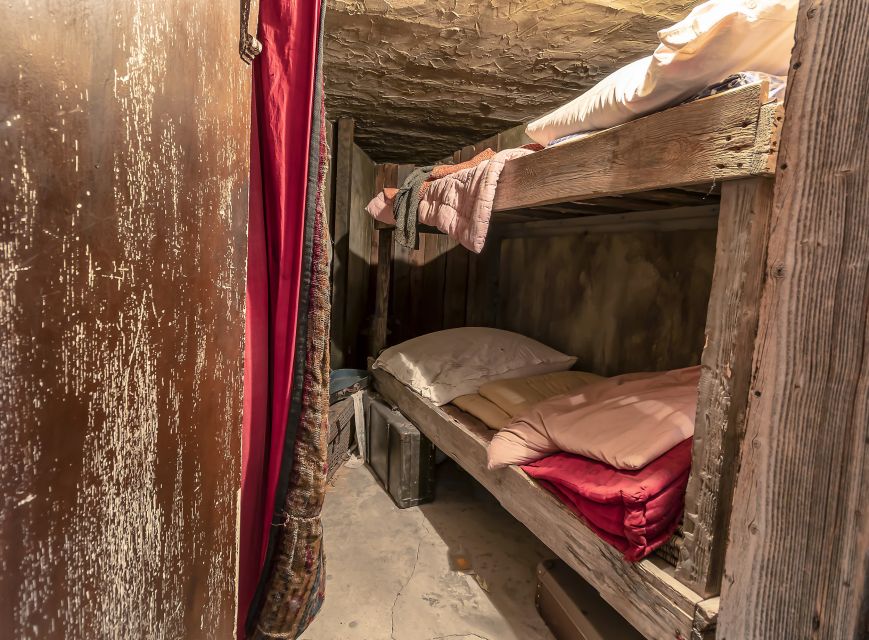
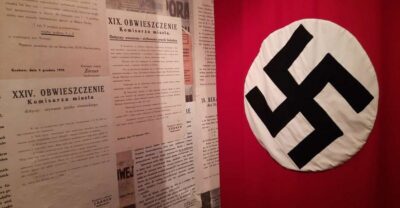
The exhibition includes uniforms, flags, and weapons, along with rooms designed to suggest the authority of the occupying regime. One striking setting has a swastika-patterned officer’s room.
This room is not important because it is decorative. Its value is in showing how power was displayed through symbols, uniforms, rooms, and official surroundings. You can feel the contrast between the controlled appearance of such spaces and the fear experienced outside them.
The museum also includes a prison cell. Moving from an official room to a confined cell changes the scale of the story. You are no longer looking only at institutions and leaders. The focus turns toward punishment and the individual experience of being held.
The guide’s role is crucial in these spaces. Without context, a recreated room can become just a dramatic set. With explanation, it becomes part of the larger story of occupation and control.
Still, the displays can feel heavy-handed if you prefer quiet historical museums. The setting is designed to create an atmosphere, and it does so. I would choose this tour for its emotional and visual presentation, not for a purely academic, object-by-object study.
A few more Krakow trips to weigh up
- From Krakow: Auschwitz-Birkenau Guided Tour & Hotel Pickup
★ 4.5 · 33,358 reviews - From Krakow: Auschwitz-Birkenau Guided Tour & Hotel Pickup
★ 4.5 · 29,340 reviews - Krakow: Auschwitz Guided Tour with Optional Hotel Pickup
★ 4.5 · 15,280 reviews - Krakow: Auschwitz-Birkenau Guided Tour with Pickup & Lunch
★ 4.5 · 9,800 reviews
The old tram and railway station
The old tram and railway displays add movement to the visit. A tram places you in the city itself, while the railway station broadens the story beyond Krakow’s streets.
These settings help show how transport and public spaces became part of wartime life. Rather than presenting the city as a collection of isolated rooms, the museum gives you a sense of movement through Krakow and onward to other locations.
The railway display also changes the mood of the route. Earlier rooms focus on streets, buildings, and daily routines. The station suggests departure, forced movement, and uncertainty. You do not need a long explanation to understand why the change in setting matters, but the guide helps link it to the events being discussed.
The compact scale of the museum is most noticeable in rooms like these. A large group may need to stand close together, and people at the back can have trouble hearing or seeing every detail. One French-language visit had excellent sound, which is encouraging, but group size still affects how easily you can follow the guide.
If you have a choice of tour time, ask for a smaller group when possible. The booking information does not promise a particular group size, so you should treat this as a practical concern rather than an included feature.
The Krakow Jewish Ghetto and Płaszów display
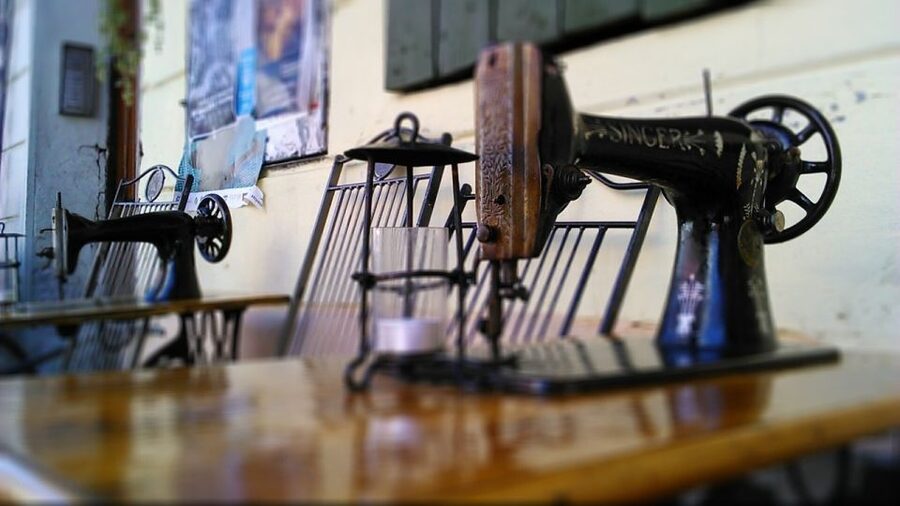
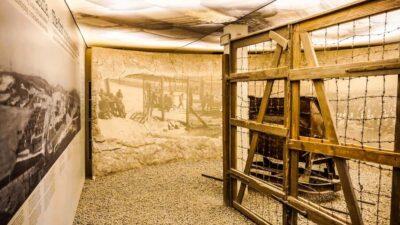
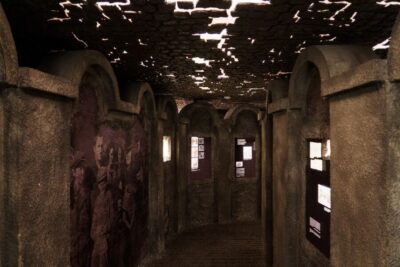
The route reaches rooms representing the grounds of the Krakow Jewish Ghetto and an area resembling Płaszów concentration camp. These are among the most serious parts of the visit.
The exhibition does not present these settings as ordinary museum rooms. Their stripped-back, controlled design supports the subject matter and marks a clear change from the recreated city scenes. The guide’s explanation helps you understand how the ghetto and camp fit into the story of occupied Krakow.
I appreciate that these sections are included in the same visit as the city streets and Schindler’s office. It shows the chain of events rather than isolating the famous factory owner from the people and places around him.
At the same time, the 90-minute limit becomes more noticeable here. The museum contains many rooms and themes, and the guide has to make choices. A fast-moving tour can give you a strong outline, but it may not leave enough time to pause at each display.
You should expect a guided selection rather than a complete, leisurely reading of the entire exhibition. If your main interest is the Jewish Ghetto or Płaszów, tell the guide at the start and ask how much time the route will give those sections.
Finding Oskar Schindler’s office
For many people, the main reason to visit is Oskar Schindler. The museum includes the former factory director’s office and the secretariat, so you do get a direct connection to the man whose story became widely known through film and historical accounts.
These rooms are valuable because they bring the famous name back into a real setting. Instead of encountering Schindler only as a character in a dramatic story, you see the spaces connected with his work at the factory.
The guide will include Schindler in the wider tour rather than treating his office as the whole visit. That is the right balance for most people. You learn why he matters, but you also see that the museum’s subject is Krakow during the war.
If you are booking mainly to see a preserved workplace and hear a long account of factory operations, keep your expectations measured. The tour places greater weight on the history of the city and its inhabitants. One useful improvement would be more time on the factory itself, but the existing visit still gives Schindler’s office and secretariat a clear place in the route.
How the guiding affects the experience
The guide can make or break a museum built around atmosphere. Here, the best parts of the experience depend on someone explaining what you are seeing and choosing which details deserve attention.
The guiding is offered in five languages. Italian-language feedback was especially positive, including praise for a Polish guide who spoke Italian clearly and made the subject engaging. French-language guiding was also noted for clear sound, which matters in a museum where rooms can be tight.
The strongest guiding style for this tour is direct and selective. One tour was appreciated for avoiding long digressions and focusing on the events that mattered most. That approach suits a 90-minute route.
You should also be ready for some variation. The exact museum schedule can affect the start time, and the route may not cover every room. From January 1, 2026, the chosen time is only approximate because of the museum’s scheduling, so do not build a tightly packed plan around the exact minute.
From the information available, no individual guide names are provided. You are booking a live guide in your selected language, not a named historian. That is worth knowing if you prefer a particular specialist.
Is $50 a fair price?
At $50 per person, this is not the cheapest way to enter a museum. The value depends on how much you want help making sense of a dense and emotionally difficult exhibition.
The price includes admission and a live guide, plus the convenience of a planned visit. For a first visit to Schindler’s Factory, that can be worthwhile. You avoid figuring out the exhibition alone, and you get a route through the most important themes in a fixed 90-minute block.
The value drops if you prefer to linger. A self-guided visit may suit you better if you want to read every caption, revisit the office, or spend extra time with the photographs and objects. The guided ticket is paying for structure and explanation, not unlimited museum time.
I would consider $50 reasonable for someone with limited time in Krakow, especially if the chosen language is important and you want the major story explained clearly. It is less compelling for a museum enthusiast who already knows the subject and wants to examine every room at their own pace.
Free cancellation up to 24 hours before the tour and the reserve-now-pay-later option reduce the risk of booking. From 2026 onward, enter every participant’s full name carefully and bring a passport or ID, since the museum’s personalized tickets can prevent entry without them.
Who should book this 90-minute tour?
I would recommend it to you if you want a serious introduction to Krakow during World War II and prefer a guide to connect the displays. It suits first-time visitors, people with a packed Krakow schedule, and anyone particularly interested in Schindler’s role.
It is also a good match if you learn best through places rather than long written panels. The tram, railway station, city streets, prison cell, ghetto spaces, and Płaszów display create a route you can remember.
You may want another plan if you need a quiet, slow museum visit. Large groups can be awkward in small rooms, and the tour may move too quickly for detailed reading. The experience is also emotionally demanding, so it is not an easygoing stop to squeeze between lunch and shopping.
The tour is available in English, Italian, Spanish, French, and German. Check the selected language carefully when booking. The listed provider is Thousand Miles Cracow Adventure Company, and the meeting point is outside the main entrance at Lipowa 4.
Should you book Schindler’s Factory Guided Tour?
Book this tour if you want the museum’s main story explained in a clear 90-minute route, with Schindler’s office placed beside the wider history of occupied Krakow. The multimedia rooms and recreated settings give the visit shape, while the guide adds the context that a quick solo visit may lack.
Skip it if you want to explore every room without a schedule or if crowded groups frustrate you. For most visitors seeking a focused introduction, though, the combination of admission, live guiding, and a carefully selected route makes this a useful Krakow history stop. Just allow more time elsewhere if you want to return to displays the guide passes quickly.
FAQ
How long does the Schindler’s Factory guided tour last?
The guided tour lasts 90 minutes. Starting times vary, so you need to check availability when booking.
What is included in the price?
The $50 price includes the entrance ticket to Schindler’s Factory Museum and a live guide.
Which languages are available?
Guiding is available in English, Italian, Spanish, French, and German.
Where do I meet the guide?
Meet near the main entrance to the Factory at Lipowa 4, 30-702 Krakow. The guide will hold an excursion.city sign.
Do I need identification to enter?
From January 1, 2026, you must provide the full names of all participants when booking and bring a passport or ID for museum entry. Without these documents, entry may be denied.
Can I cancel the booking?
Yes. You can cancel up to 24 hours in advance for a full refund. The reserve-now-pay-later option lets you book without paying immediately.
Just added around Krakow
- Tour to Wadowice: Hometown of Pope Saint John Paul II★ 4.6 · 12 reviews
- The Jewish Quarter – Walking Tour★ 5.0 · 4 reviews
- From Kraków; to Białka Thermal Baths private tour★ 5.0 · 5 reviews
- St. Mary’s Basilica and more – a short walk with a guide★ 4.7 · 56 reviews
- Krakow: Auschwitz-Birkenau and Wieliczka Salt Mine Day Trip★ 4.7 · 84 reviews
- Krakow: Skip-the-Line Wawel Castle & Old Town Guided Tour★ 4.9 · 23 reviews
- Krakow: Schindler’s Factory Guided Tour★ 4.2 · 12 reviews
- Shooting Range Experience!★ 4.8 · 66 reviews
Schindlers Factory Tours, compared.
Oskar Schindler’s Factory Entry Ticket & Guided Tour
Read our review →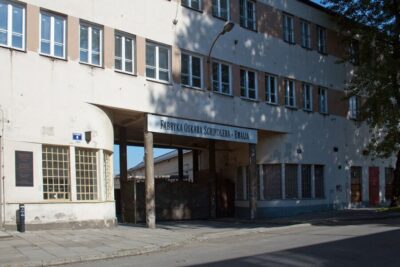
Schindler’s Factory Tour with Entrance Ticket
Read our review →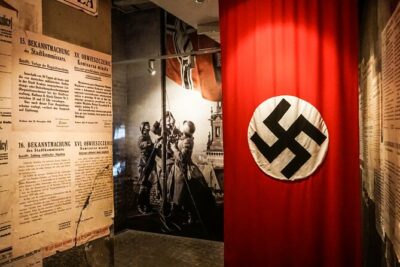
Schindler’s Factory in Krakow: Guided Tour & Skip the Line Ticket
Read our review →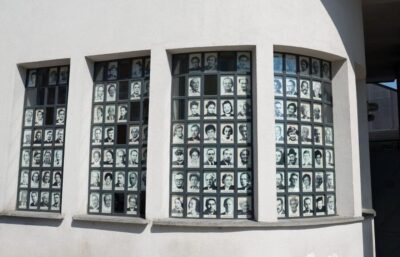
Schindler’s Factory Ticket with Guided Tour Option
Read our review →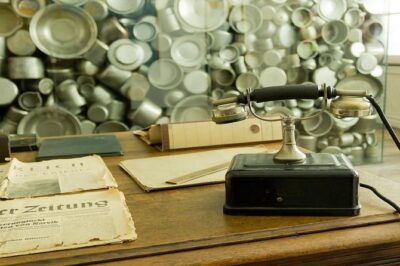
Krakow Schindler’s Factory Guided Tour with Admission Ticket
Read our review →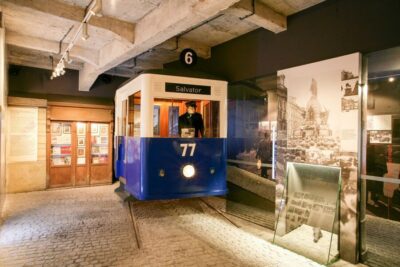
Schindler’s Factory Guided Tour with Entry Ticket
Read our review →Browse the lists this tour appears in