
Reviewed · SCHINDLERS FACTORY TOURS
Krakow: Schindler’s Factory Tour & Skip-the-Line Entry
The most important thing to know about this visit is that it is not mainly a tour about Oscar Schindler. His factory provides the setting, but the museum tells the wider story of Krakow between 1939 and 1945, including the lives of Polish and Jewish residents and the Nazi system that tore apart their long shared history. I like that wider focus, because it gives Schindler’s actions a proper setting rather than turning the museum into a film souvenir.
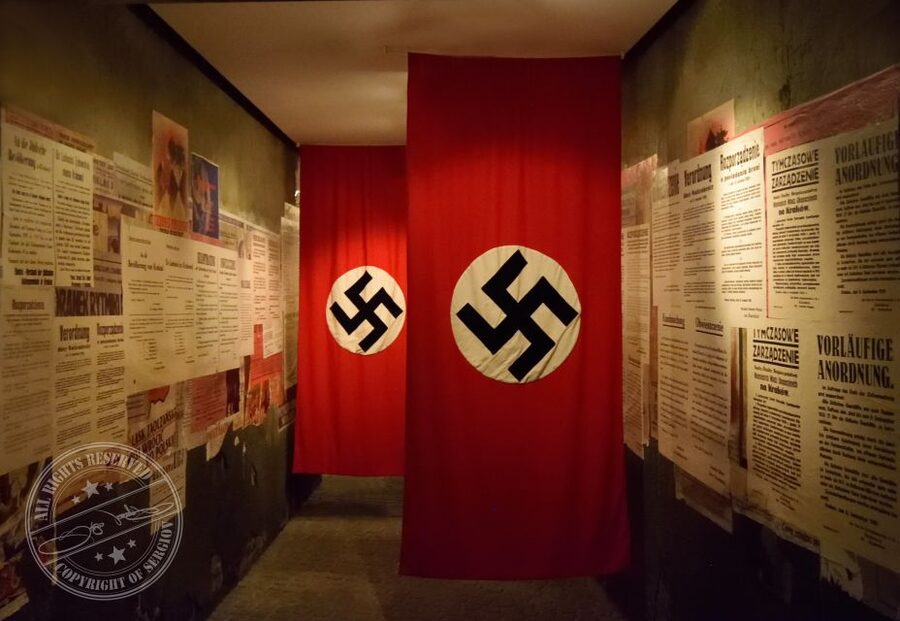
I also like the strong visual presentation, from the preserved office and the Survivor’s Ark made with enamel pots to the tram, recreated apartment, film footage, and Hall of Choices. The main drawback is that a 90-minute guided visit can feel brisk if you want to read every panel. Some guides continue speaking while you are looking at the displays, so you may need to choose between following the commentary and pausing over the text.
Key points to know before you book
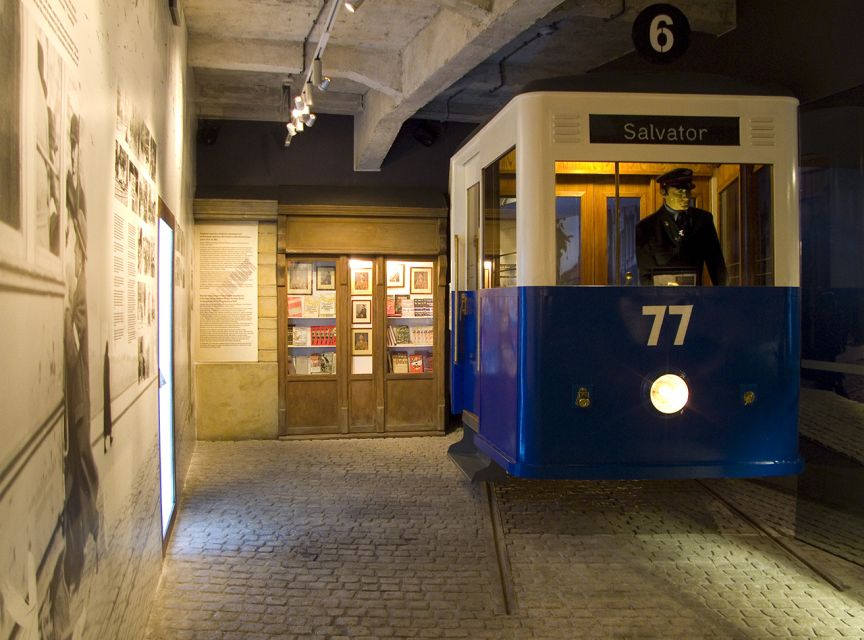
- Schindler’s office remains inside the former factory’s administrative building, giving the visit a direct link to the man made famous by Steven Spielberg’s film.
- The museum covers Krakow as a whole, not just Schindler and the people he protected.
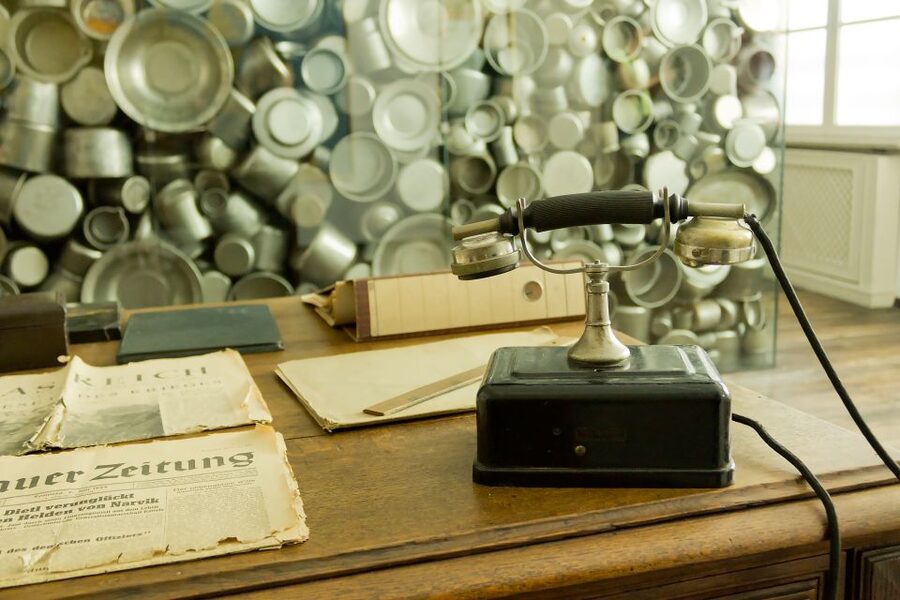
- The Survivor’s Ark uses thousands of enamel pots, a striking reference to the factory’s wartime production.
- A tram ride, Jewish apartment, documentary footage, and Plaszow camp artifacts make the exhibition feel more like a carefully staged journey than a standard display of objects.
- Skip-the-line entry matters, since museum admission is limited and places can be scarce.
- You need a passport or ID card, and large bags, food, and drinks are not allowed inside.
Why Schindler’s Factory tells a bigger story
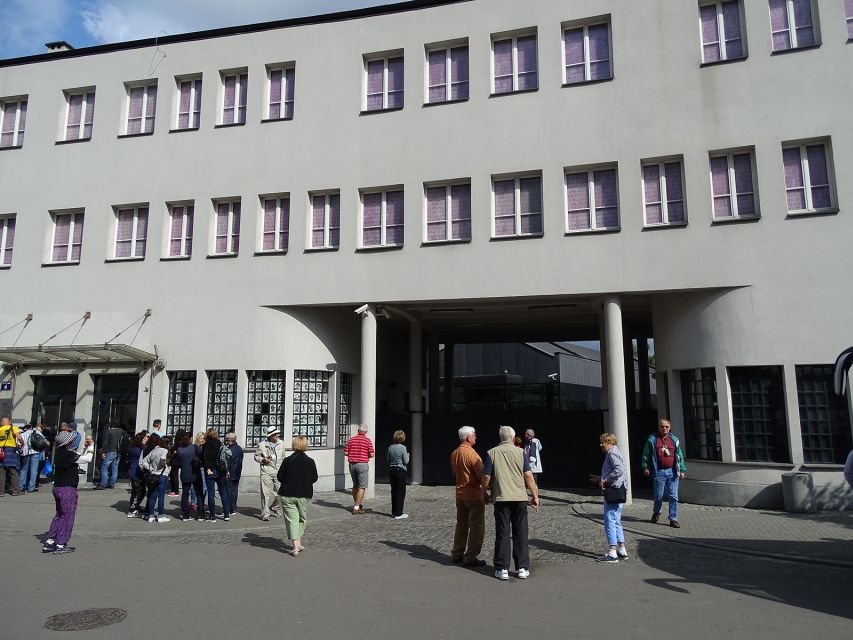
Oscar Schindler’s former enamel factory is one of Krakow’s most recognizable Second World War sites. The film Schindler’s List made the factory famous around the world, but the museum’s purpose is broader and more serious. You come here to understand what happened to Krakow’s people under Nazi occupation, not simply to retrace movie scenes.
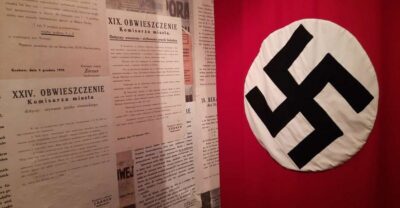
The exhibition presents the city before, during, and after the war years from 1939 to 1945. It deals with Polish residents, Jewish residents, and Nazi occupiers. That balance matters. The occupation did not affect one group in one simple way, and the museum tries to show how daily life, identity, fear, work, and survival changed under German rule.
I find this approach more useful than a narrow Schindler biography. You see why the factory mattered, but you also learn about the society around it. Schindler’s story becomes one part of a much larger account of persecution, compromise, courage, and loss.
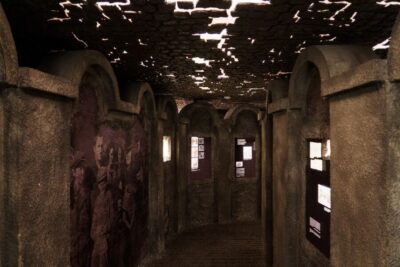
The museum is also theatrical in design. Stage designer Michał Urban and theatre director Łukasz Czuj helped shape a permanent collection that uses reconstructed spaces and dramatic settings. This gives the visit a strong visual rhythm, though it also means the museum sometimes feels more like a staged historical environment than a quiet archive.
More Schindlers Factory Tours in Krakow:
- Krakow: Oskar Schindler’s Factory Entry Ticket & Guided Tour
★ 4.2 · 3,793 reviews - Krakow: Schindler’s Factory Tour with Entrance Ticket
★ 4.5 · 3,182 reviews - Krakow: Schindler’s Factory Skip-the-Line Ticket
★ 4.4 · 3,105 reviews
Meeting the guide at Lipowa 4
The meeting point is Lipowa 4 in Krakow, at the front entrance of the museum. Wait outside for a guide holding an excursion.city sign. Since this is a popular museum with limited admission, arrive with enough time to locate the entrance and your group.
The advertised visit lasts 90 minutes, or 1.5 hours. That is enough time for a guided introduction to the main rooms and themes, but it is not enough for a slow reading of every caption. If you usually stop at every photograph, you may want to return independently if your ticket and schedule allow it, or accept that the guide will keep the group moving.
The guide is one of the main reasons to choose this format. The tour is offered in English, Spanish, Italian, French, and German. Past bookings describe guides who arrived on time, explained the subject clearly, answered questions, and adjusted their pace when needed. One particularly useful point for anyone with limited walking speed is that a guide was described as patient when the group moved slowly.
At the same time, a guide-led visit is not perfect for every museum style. One visitor found it difficult to read the displays at their own speed because the guide continued the narration. You can step aside briefly if a particular panel matters to you, but keep an eye on the group.
Schindler’s office and the Survivor’s Ark
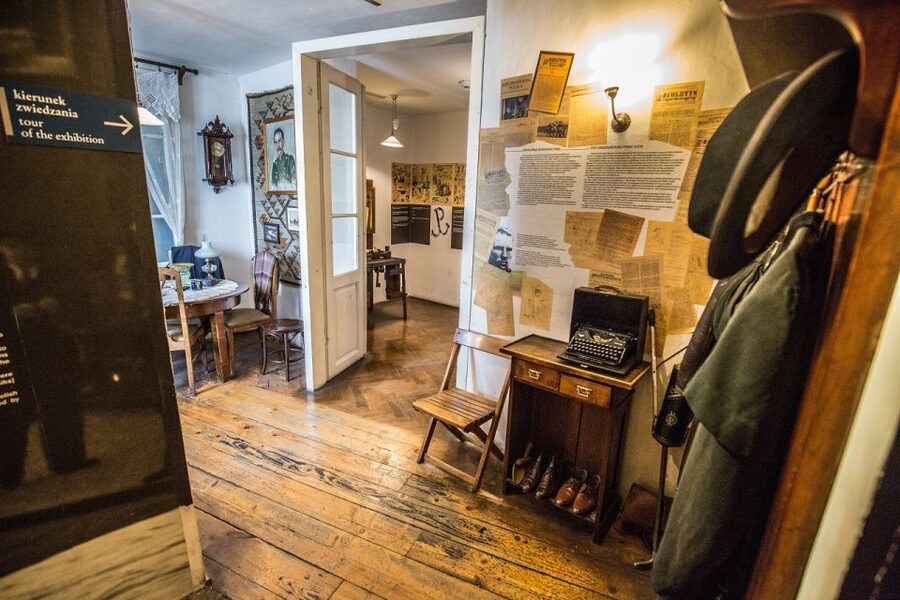
One of the first details to look for is Schindler’s preserved office in the factory’s administrative building. This is the most direct physical link to the industrialist whose wartime actions became famous through cinema.
The office is valuable because it is not just a film reference. It places Schindler in a real working environment, surrounded by the machinery of a factory and the bureaucracy of wartime production. The room helps you connect the personal story to the larger system of labor, administration, and occupation.
The Survivor’s Ark is another memorable piece. It is made from thousands of enamel pots, echoing the type of goods produced in the factory. The form is simple but powerful. It connects ordinary manufactured objects with the people whose lives depended on work, protection, and chance during the war.
You should not expect the museum to present Schindler as the sole subject. The factory is the doorway into the exhibition, but much of the visit explains Krakow’s social and political reality. If you book mainly to see a long series of rooms about Schindler himself, you may find the focus narrower than expected.
A tram ride through occupied Krakow
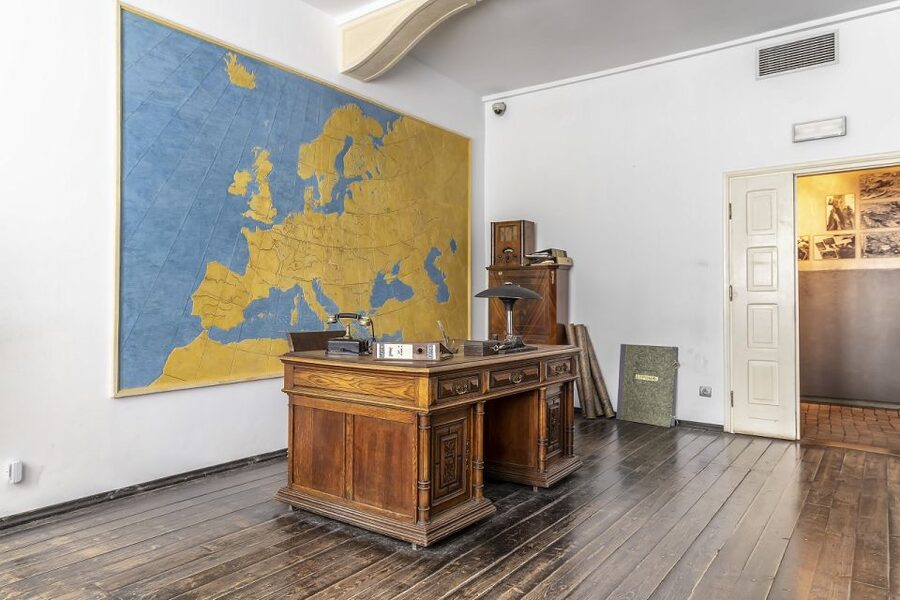
The museum recreates parts of Krakow’s historical city space in a theatrical way. One of the most distinctive features is a tram where you watch a documentary about everyday life in the city.
This is a smart choice for the museum because a tram suggests movement through the city while keeping you inside the exhibition. Instead of reading only about occupation, you get a sense of public life and routine. The documentary format also adds voices and images that printed labels cannot provide as directly.
The museum uses documentary photographs, eyewitness accounts, film documentaries, and multimedia presentations throughout the visit. These materials help place individual objects within daily life. You may see how a city’s familiar routines were altered by restrictions, fear, and violence.
There is a tradeoff. The exhibition asks you to absorb a lot in a short time, and the media installations compete with written displays for your attention. The guided format helps you understand the main message, but you will probably not examine every photograph and text panel closely during the 90 minutes.
A few more Krakow trips to weigh up
- From Krakow: Wieliczka Salt Mine Tour & Skip the Line Ticket
★ 4.4 · 3,925 reviews - Schindler’s Factory in Krakow: Guided Tour & Skip the Line Ticket
★ 4.5 · 1,714 reviews - Auschwitz-Birkenau: Skip-the-Line Ticket and Guided Tour
★ 4.2 · 1,034 reviews - Auschwitz Birkenau Guided Tour/Skip The Line/PickUp/Guide ENG
★ 4.5 · 930 reviews
The Jewish apartment and Krakow’s broken community
The visit includes a recreation of a typical Jewish apartment. This is one of the places where the museum shifts from public history to domestic life. An apartment can show the texture of ordinary existence more effectively than a list of dates, especially when the subject is a community whose homes and routines were violently disrupted.
The museum explains the centuries-long relationship between Polish and Jewish communities in Krakow before focusing on what the Nazi occupation changed. That context is important. You are not looking at an isolated wartime event, but at the destruction and forced transformation of an established city community.
The exhibition also tells the story of Polish residents, Jewish residents, and the Nazi occupiers. That means the tone is not a simple hero story. It asks you to consider different positions within an occupied city, including those who suffered, those who resisted, those who made difficult choices, and those who carried out the occupation.
Because the subject is painful, this is not a light sightseeing stop. The theatrical presentation can make the material feel immediate. I would schedule it when you have time afterward to think, rather than squeezing it between several cheerful attractions.
Plaszow camp artifacts and the Hall of Choices
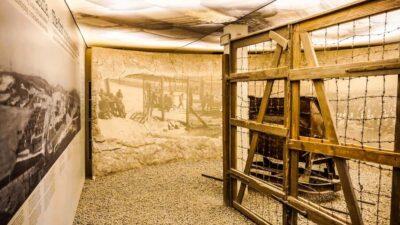
The museum includes artifacts from the Plaszow camp. Their importance comes from the way they connect the wider occupation of Krakow with the camp system and with the people whose lives were controlled by it. These objects are not presented as isolated curiosities. They form part of the museum’s account of persecution and survival.
The Hall of Choices is a sculptural installation about the ethical dilemmas people faced during the war. Its purpose is not to provide an easy answer to every decision. Instead, it asks you to consider how ordinary choices became dangerous under occupation.
This part may be especially useful if you want more than a sequence of military dates. The museum keeps returning to human decisions, pressure, fear, and responsibility. That can make the visit more demanding, but it also gives the subject more meaning.
The guide can help connect these installations to the wider story. Still, you should allow yourself a quiet moment in the Hall of Choices if the group permits it. A fast explanation can tell you what the installation represents, but a short pause helps you consider why it is there.
How much does the $49 price buy you?
At $49 per person, this is not the cheapest way to enter a museum. The price includes admission and a professional guide, plus skip-the-line access. Food and drinks are not included, though neither is especially relevant during a 90-minute museum visit.
The value depends on how you like to visit historic sites. If you want context, a clear route through the exhibition, and help making sense of the many photographs, films, and installations, the guided format can justify the extra cost. The guide keeps the visit focused and reduces the risk of missing the museum’s central themes.
If you prefer to read slowly and set your own pace, the price may feel less attractive. Several rooms contain substantial written information, and a guide may move on before you have finished. The best value comes when you treat this as a structured introduction rather than a chance to study every label.
Skip-the-line entry also has practical value. Admission is limited, places can be scarce, and booking ahead is wise. The time saved is not only about avoiding a queue. It protects a fixed part of your Krakow schedule, which matters when you are visiting several major sites.
You can cancel up to 24 hours before the visit for a full refund, and the reserve-now, pay-later option lets you hold a place without paying immediately. Those terms are useful if your plans are still changing.
Who will get the most from this 90-minute visit?
I would choose this tour if you want a clear introduction to Krakow during Nazi occupation and prefer learning from a guide rather than navigating a large museum alone. It suits first-time visitors who want the main story explained in a limited amount of time.
It is also a good fit if Schindler’s List prompted your interest, as long as you understand that the museum is not a movie-location tour. You will see Schindler’s office and the former factory, but the emphasis is the city’s wartime experience.
Families with older children may find the tram, apartment, film, and multimedia elements easier to engage with than a museum made only of text. The subject remains serious, so parents should decide if the material suits their children.
History-focused visitors may appreciate the broad treatment of Polish and Jewish life. However, if your priority is a detailed account of Schindler’s personal life, this visit may leave you wanting more. One clear theme from the experience is that the museum is really about Krakow in wartime, with Schindler as an important part of that story.
Practical details that can affect your visit
Bring a passport or ID card. Personalized museum tickets require the full names of everyone in the booking, and entry can be denied without the required identification.
Do not bring food or drinks into the museum. Large bags and luggage are also not allowed, so plan around that if you are arriving before a train or leaving Krakow afterward.
Tour times are listed when you check availability, but museum scheduling can affect the final time. From January 1, 2026, the chosen time is approximate and may change according to the museum’s schedule. Check your messages after booking, since one past booking involved two time changes.
Monday opening hours are reduced, with the museum closing at roughly midday according to one booking experience. Check the available time carefully before choosing Monday.
The meeting point is outside the main entrance, not at a separate city-center office. Look for the excursion.city sign. The experience provider is Cracow Local Tours.
Should you book Schindler’s Factory Tour?
Book it if you want a guided, visual, and emotionally serious account of Krakow from 1939 to 1945. The preserved office, enamel-pot ark, tram documentary, Jewish apartment, Plaszow artifacts, and Hall of Choices give the visit more range than a simple factory tour.
Choose a different format if you mainly want Oscar Schindler’s biography or enough time to read every display. At $49, the strongest value is the guide, the organized route, and the skip-the-line entry. For a first visit to the museum, those advantages make the tour a practical choice, especially when tickets are limited.
FAQ
Where does the tour meet?
Meet the guide at Lipowa 4 in Krakow, outside the front entrance of the Museum. The guide will hold an excursion.city sign.
How long does the guided visit last?
The guided tour lasts 90 minutes, or 1.5 hours.
What languages are available?
The tour is offered in English, Spanish, Italian, French, and German.
Is this mainly a tour about Oscar Schindler?
No. The factory and Schindler’s preserved office are important parts of the visit, but the museum mainly explains life in Krakow during the Nazi occupation from 1939 to 1945.
Is skip-the-line entry included?
Yes. Entrance fees and skip-the-line access are included.
What is included in the price?
The $49 price includes museum entrance and a professional guide.
Are food and drinks included?
No. Food and drinks are not included, and food and drinks are not allowed inside the museum.
Do I need identification?
Yes. Bring a passport or ID card. You must provide the full names of all participants when reserving, and personalized tickets may require identification for entry.
Can I cancel the booking?
Yes. You can cancel up to 24 hours in advance for a full refund. The reserve-now, pay-later option is also available.
Just added around Krakow
- Tour to Wadowice: Hometown of Pope Saint John Paul II★ 4.6 · 12 reviews
- The Jewish Quarter – Walking Tour★ 5.0 · 4 reviews
- From Kraków; to Białka Thermal Baths private tour★ 5.0 · 5 reviews
- St. Mary’s Basilica and more – a short walk with a guide★ 4.7 · 56 reviews
- Krakow: Auschwitz-Birkenau and Wieliczka Salt Mine Day Trip★ 4.7 · 84 reviews
- Krakow: Skip-the-Line Wawel Castle & Old Town Guided Tour★ 4.9 · 23 reviews
- Krakow: Schindler’s Factory Guided Tour★ 4.2 · 12 reviews
- Shooting Range Experience!★ 4.8 · 66 reviews
Schindlers Factory Tours, compared.
Oskar Schindler’s Factory Entry Ticket & Guided Tour
Read our review →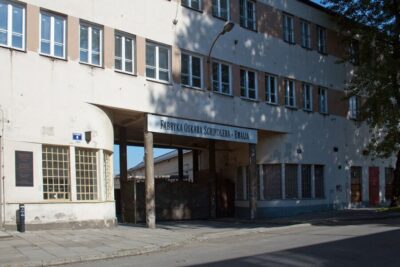
Schindler’s Factory Tour with Entrance Ticket
Read our review →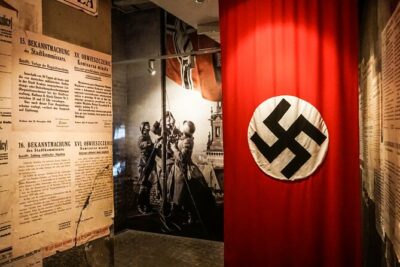
Schindler’s Factory in Krakow: Guided Tour & Skip the Line Ticket
Read our review →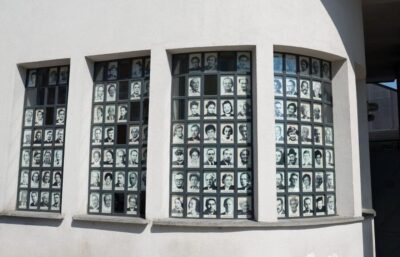
Schindler’s Factory Ticket with Guided Tour Option
Read our review →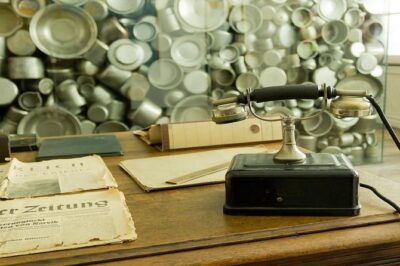
Krakow Schindler’s Factory Guided Tour with Admission Ticket
Read our review →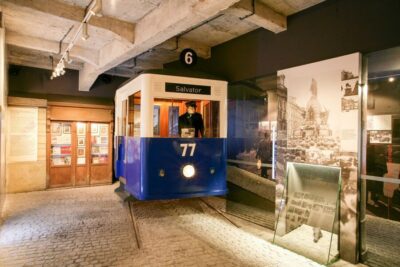
Schindler’s Factory Guided Tour with Entry Ticket
Read our review →Browse the lists this tour appears in