
Reviewed · WALKING TOURS
Krakow: Street Food Walking Tour
Krakow’s best food stories are often sold from a cart, counter, or market stall, not served under a silver dome. This 90-minute walk lets you sample obwarzanek, zapiekanka, pierogi, and Polish spirits while moving through the city center and Krakow’s old market district.
I like the mix of familiar Polish classics and less obvious bites, especially the chance to visit Stary Kleparz rather than simply eat in a restaurant. I also like that guides connect food with local history and customs. The main drawback is the short running time: at $35, this is a tasting tour, not a full meal, and the many food allergens make it unsuitable for some people.
Key points to know before booking
- Obwarzanek starts the story: Taste Krakow’s centuries-old ring-shaped bread, a local staple with real city identity.
- Stary Kleparz adds local flavor: The market stop gives you a chance to sample pierogi and regional products in a working food setting.
- Expect several small tastings: Zapiekanka, pickles, cured meats, sweets, and Polish alcohol are included.
- A good first-day activity: You’ll get ideas for places to eat and products to buy during the rest of your stay.
- Guide quality matters: Kinga has been praised for friendly, clear storytelling, though one guest found another guide’s local knowledge limited.
- Check the allergy warning carefully: Gluten, wheat, dairy, eggs, meat, sesame, nuts, and traces of these may be present.
Krakow classics in one short walk
I see this tour as a quick introduction to the way Krakow eats. You are not sitting through a long formal meal. Instead, you walk, stop, taste, and hear why certain foods matter.
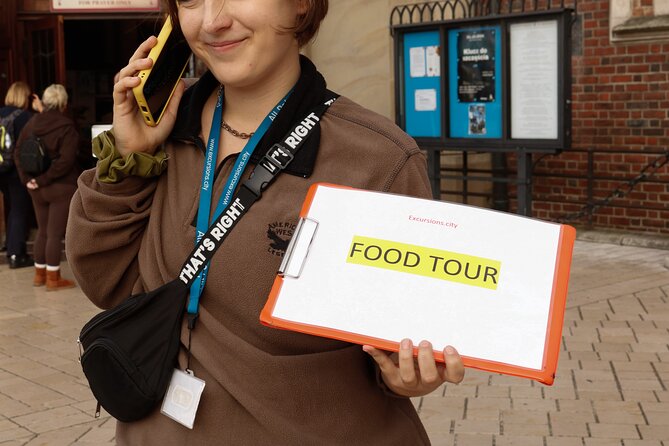
The route begins in the city center, with the meeting point in the Main Market Square in front of Saint Mary’s Church. Your guide carries a Food Tour sign. That is a sensible spot, but it can be crowded, so give yourself enough time to find the church and scan for the sign rather than arriving at the last minute.
The city center gives the tour a useful setting. You are surrounded by major sights, but the focus is on what people eat between meals, at markets, and from simple food counters. That makes the experience more grounded than a tour built around one restaurant reservation.
The language choices are English, French, and Italian. If you are hoping for a small group, the experience has at least once operated with only six people, which makes it easier to ask questions and stay close to the guide. Group size can vary, so I would not treat that small number as a guarantee.
A few more Krakow trips to weigh up
- Krakow: Zakopane, Thermal Springs, Cable Car, Local Tasting
★ 4.8 · 5,419 reviews - Krakow to Zakopane: Funicular, Tasting and Thermal Baths Day Trip
★ 5.0 · 1,189 reviews - Krakow Food Tasting Tour with Delicious Poland
★ 5.0 · 1,032 reviews
Obwarzanek, Krakow’s ring-shaped symbol
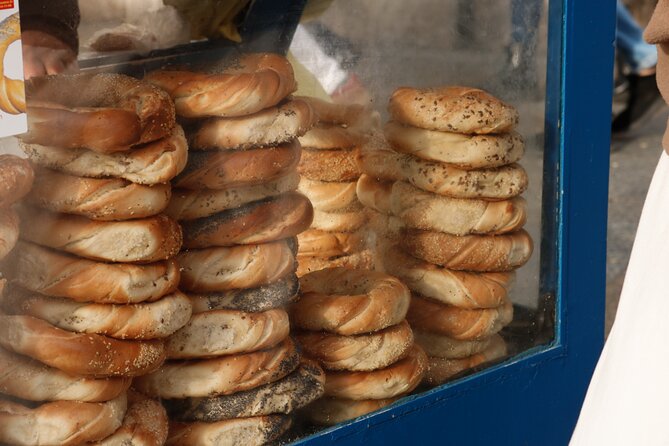
One of the first things you should expect is obwarzanek, often described as Krakow’s bagel. It is a ring of braided, boiled dough with a centuries-old place in the city’s food culture.
The comparison to a bagel helps you understand the shape, but obwarzanek has its own character. It is a simple street snack, usually bought from a stand and eaten while walking. That simplicity is part of the point. You are trying a food tied directly to Krakow’s streets, not a dish prepared only for tourists.
I like this opening because it gives you a reference point for the rest of the tour. Polish food can seem unfamiliar at first, but a portable bread snack is easy to understand. The guide can then place it in the wider story of Krakow and explain why it remains such a visible part of daily life.
Do not expect this one item to fill you up. Think of it as the first taste in a sequence, not breakfast or lunch.
Zapiekanka and the pleasure of simple street food
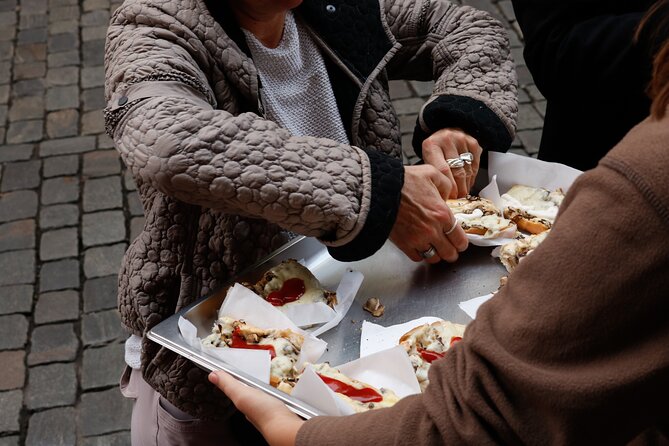
Zapiekanka is another major stop. This Polish open-faced baguette is topped with savory ingredients and served as a hot, casual snack.
It is a good example of how inexpensive street food can become part of a city’s identity. You get bread, toppings, and a format that is easy to eat. The dish is less about delicate presentation and more about satisfying hunger without ceremony.
The tour description does not specify every topping or the exact seller, so you should expect the classic format rather than a guaranteed recipe. That is useful to know if you have a particular version in mind. The guide’s role here is to explain the food and point you toward the places locals associate with it.
For me, this is one of the more practical tastings. If you like it, you can seek out another zapiekanka later. The tour is designed to give you a list of foods worth trying again, not just a one-time sample.
Pierogi at Stary Kleparz
The market visit is the most distinctive part of the route. Stary Kleparz is described as the oldest market in Krakow, and the tour includes a chance to taste traditional pierogi there.
Pierogi are Polish dumplings, usually filled with savory or sweet ingredients. The exact filling is not specified, so you should not book this expecting one particular flavor. Instead, treat the tasting as an introduction to a national favorite in a market setting.
I prefer this kind of stop to a staged dining room. A market shows you the food in the place where people shop and make choices. You can look at regional products, notice what is being sold, and ask the guide about ingredients and eating habits.
The market also gives the tour a useful second rhythm. The Main Market Square is a monumental city center. Stary Kleparz shifts the mood toward everyday food shopping. In 90 minutes, that contrast helps you see more than postcard Krakow.
One practical point: markets can be active places, and the tour does not promise a sit-down meal. You may be standing while tasting and walking between stops. Wear comfortable shoes and keep your expectations focused on small portions.
Same country, a completely different kind of day:
- From Krakow: Auschwitz-Birkenau Guided Tour & Hotel Pickup
★ 4.5 · 33,358 reviews - From Krakow: Auschwitz-Birkenau Guided Tour & Hotel Pickup
★ 4.5 · 29,340 reviews - Krakow: Auschwitz Guided Tour with Optional Hotel Pickup
★ 4.5 · 15,280 reviews - Krakow–Zakopane: Cable Car, Chocholow Baths, Cheese & Vodka
★ 5.0 · 10,720 reviews
Pickles, kiełbasa, and Polish pantry staples
The tasting list moves beyond the headline dishes. You will also sample pickled treats, cured meats, and sausages, including kiełbasa.
These foods explain a lot about Polish eating. Pickling gives vegetables a sharp, tangy flavor, while cured meats and sausage bring salt, smoke, and spice. They are strong tastes, and they may be more memorable to you than the milder bread-based snacks.
Kiełbasa is familiar to many people outside Poland, but tasting it alongside other local products gives you a better sense of how it fits into Polish food culture. The same goes for pickles. A small bite can be a useful guide when you later shop for food or choose dishes in a restaurant.
The market stop is especially valuable for this part of the tour. You can see products rather than only hear their names. If you find something you like, the tour may help you recognize it later, although the experience does not promise a dedicated shopping stop or a set amount of time for purchases.
The food is not likely to suit every palate. Pickled foods, strong sausage, and cured meat have clear, bold flavors. If you are cautious with unfamiliar foods, tell the guide what you can and cannot eat before tasting.
Polish sweets and a sip of local alcohol
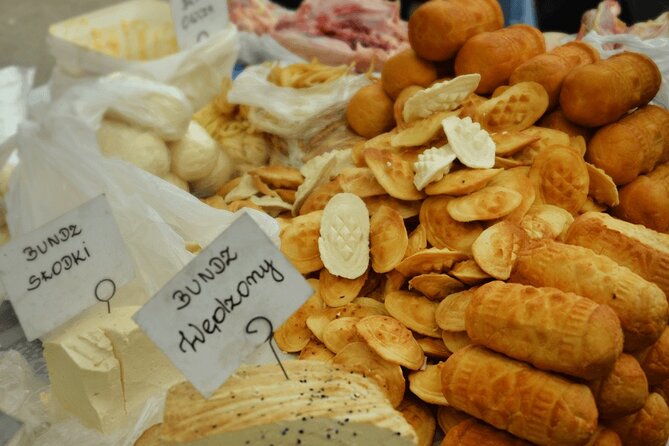
Traditional sweets round out the food stops. The supplied information does not name the desserts, so you should expect an introduction to iconic Polish treats rather than a specific pastry promised in advance.
Ending with sweets gives the tasting a welcome change of pace after the salty snacks and cured products. It also keeps the tour from presenting Polish cuisine as only meat, bread, and dumplings.
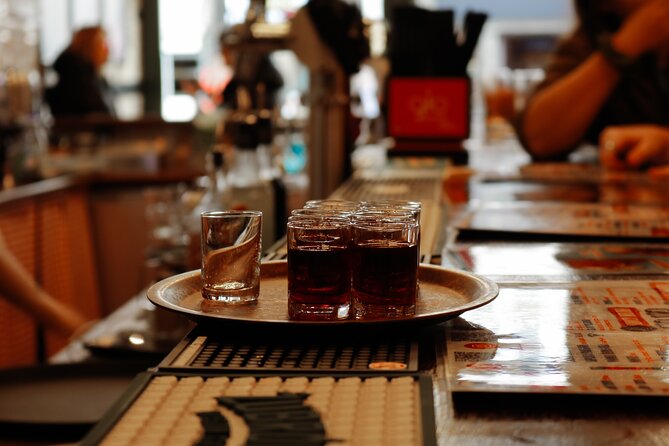
Polish alcohol is included as well, with traditional spirits offered as part of the culinary experience. This may be a small tasting rather than a full drink, and the details of the spirit are not specified. If you do not drink, ask the guide about the tasting and do not feel pressured to participate.
This part deserves attention from families and anyone avoiding alcohol. The tour is not described as adults-only, but alcohol is included. If that matters to you, confirm how the tasting is handled when booking.
Alcohol can also affect the value calculation. A guided tasting that includes spirits may appeal to you more than a simple street-food walk. If you do not drink, the tour can still work, but you are paying for an included element you will not use.
Food stories that add meaning to the stops
The strongest part of the experience may be the link between eating and place. One guide, Kinga, has been praised for being friendly, funny, and clear, with explanations about Krakow, Polish history, food, and drink.
A particularly useful topic was the importance of mushrooms in Poland. If you have heard about Polish forests or seen mushroom products in markets, that kind of explanation helps connect the country’s food traditions to the wider culture.
The tour also gives you room to ask questions. That matters in a small group, especially when you want to know what to order later, how a dish is traditionally eaten, or why a simple snack has lasted for generations.
I would keep one qualification in mind. Guide quality can vary. One person found a guide willing but short on useful information, especially compared with a strong city guide they had taken the day before. That does not cancel out the positive reports, but it means you should book this mainly for the food route and tastings, with guiding quality as an important bonus rather than a certainty.
Is $35 good value for 90 minutes?
At $35 per person, the price is reasonable if you want several tastings, a guide, and a market visit in one compact activity. You are paying for more than the cost of the food itself. The value comes from having someone organize the stops, explain what you are eating, and point you toward foods and places you can use later.
Still, you should not compare this with the price of a full Polish lunch. Ninety minutes is short, and the portions are tastings. If you are hungry, plan another meal afterward.
The tour has especially good value early in your stay. One person wished they had booked it on the first day because the information would have helped with later restaurant meals and shopping. I agree with that timing. A food tour is most useful before you have already made all your dining decisions.
The reserve-now, pay-later option also helps if your schedule is unsettled. You can reserve a place without paying immediately, and free cancellation is available up to 24 hours before the start time for a full refund. Check the available start times when choosing your date, since the exact schedule is not fixed here.
Who will enjoy this Krakow food tour?
I would recommend it to first-time visitors who want a fast introduction to Krakow’s everyday foods. It suits people who like to ask questions, try several small portions, and walk between sights rather than spend two hours at one table.
It also works well for mixed-age groups. A family group ranging from people in their sixties to adults in their thirties enjoyed the format, and a small group made it easy to stay involved.
You should consider it if you are curious about:
- Polish food beyond restaurant menus
- Market shopping and regional products
- Krakow’s casual street snacks
- The connection between food, history, and local customs
- A short activity that fits around sightseeing
It is not a good match if you need a wheelchair-accessible route, since the tour is not suitable for wheelchair users. It is also a poor choice for anyone with allergies or intolerances to gluten, wheat, dairy, eggs, meat, sesame, or nuts. Many of the products may contain these ingredients or traces of them.
Vegetarians and people with other dietary restrictions should ask before booking. The included list centers heavily on bread, dumplings, cured meats, sausage, and alcohol, and no tailored alternatives are promised.
My practical booking advice
Book this for the first or second day of your Krakow stay. You will still have time to return to a market, order a dish you discovered, or shop for products that caught your attention.
Meet in front of Saint Mary’s Church in the Main Market Square and look for the Food Tour sign. The location is easy to describe, but the square can be crowded, so allow a little extra time.
Wear shoes suited to 90 minutes of walking and standing. Eat lightly beforehand, because you will sample several foods, but do not expect the tastings to replace a meal.
If you are particularly interested in the historical side, ask questions. The best version of this tour seems to come when the guide connects the snacks to Krakow and Poland rather than simply naming each bite. Kinga has been singled out for doing that warmly and clearly, but your guide may be someone else.
Should you book the Krakow Street Food Walking Tour?
I would book it if you want a compact, social introduction to Polish street food and market culture. The range is strong for 90 minutes: obwarzanek, zapiekanka, pierogi, pickles, kiełbasa, sweets, and Polish alcohol give you a useful first taste of the country.
I would skip it if you need a full meal, require careful allergy accommodation, use a wheelchair, or want a guaranteed expert history lesson. For most visitors who can eat the food and enjoy walking, $35 is a fair price, especially when taken early enough to shape the rest of your Krakow dining plans.
FAQ
Where does the Krakow Street Food Walking Tour meet?
Meet in the Main Market Square in front of Saint Mary’s Church, also called Kościół Mariacki. The guide will be holding a Food Tour sign.
How long does the tour last?
The tour lasts 90 minutes. Starting times depend on availability.
Which foods are included?
Included tastings are obwarzanek, zapiekanka, pierogi, Polish alcohol, pickled treats, cured meats and sausages including kiełbasa, and traditional sweets.
Does the tour visit a market?
Yes. The route includes Stary Kleparz, described as the oldest market in Krakow, where you can taste traditional pierogi and see regional products.
Which languages are available?
The live guide is available in English, French, or Italian.
Is the tour suitable for people with food allergies or wheelchair users?
The tour is not recommended for people with allergies or intolerances to gluten, wheat, dairy, eggs, meat, sesame, or nuts because many foods may contain these ingredients or traces. It is also not suitable for wheelchair users.
More Walking Tours in Krakow
- Old Town Krakow & Wawel Castle Walking Tour
★ 5.0 · 1,508 reviews - Creepy Krakow: 2-Hour City Walking Tour
★ 4.7 · 1,131 reviews - Krakow: The Old Town Walking Tour
★ 4.8 · 794 reviews - Krakow: Kazimierz Jewish Quarter Walking Tour
★ 4.8 · 571 reviews
Just added around Krakow
- Tour to Wadowice: Hometown of Pope Saint John Paul II★ 4.6 · 12 reviews
- The Jewish Quarter – Walking Tour★ 5.0 · 4 reviews
- From Kraków; to Białka Thermal Baths private tour★ 5.0 · 5 reviews
- St. Mary’s Basilica and more – a short walk with a guide★ 4.7 · 56 reviews
- Krakow: Auschwitz-Birkenau and Wieliczka Salt Mine Day Trip★ 4.7 · 84 reviews
- Krakow: Skip-the-Line Wawel Castle & Old Town Guided Tour★ 4.9 · 23 reviews
- Shooting Range Experience!★ 4.8 · 66 reviews
- Krakow: Schindler’s Factory Guided Tour★ 4.2 · 12 reviews
Walking Tours, compared.
Gdańsk City Sights & History Guided Walking Tour in English
Read our review →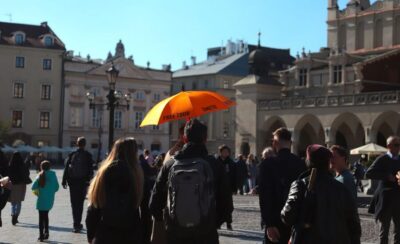
Browse the lists this tour appears in