
Reviewed · WARSAW TOURS
Warsaw: WWII Private Tour by Retro Minibus with Hotel Pickup
Warsaw’s WWII story becomes far more powerful when you leave the polished Old Town behind. This private tour takes you to preserved ruins, ghetto remnants, memorials, and bullet-marked buildings, using archival photographs to show what stood there before the city was destroyed.
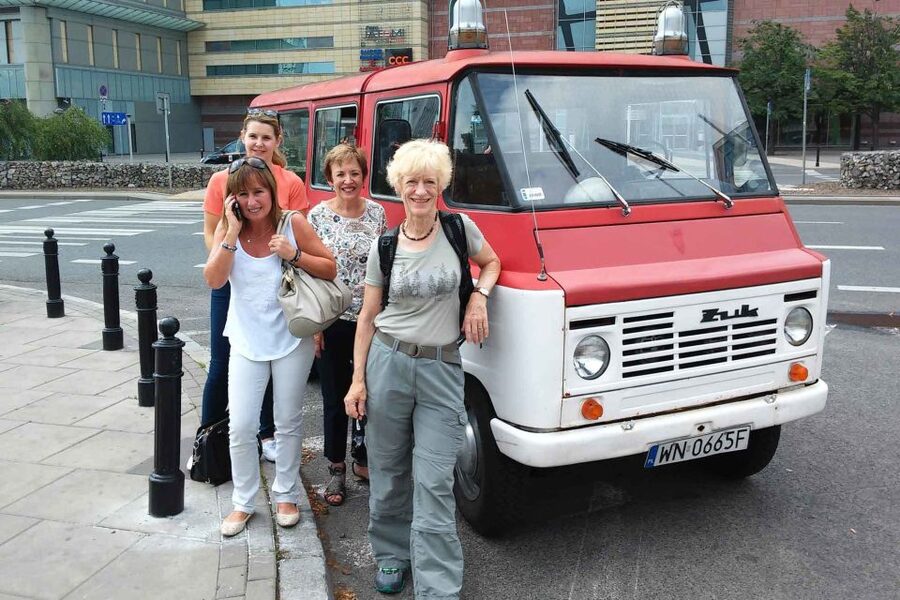
I like the small private group, which gives you room to ask questions, and I like the retro Żuk minibus, a practical bit of communist-era atmosphere that helps you cover a wide area. Guides including Konrad, Lucas, and Adam have been praised for clear storytelling and for making difficult history approachable. The main drawback is comfort: some historic minibuses have no air conditioning or seat belts, and hotel transfers count toward the three-hour tour.
Key points
- See the former Warsaw Ghetto in context: Visit a preserved piece of the Ghetto Wall, Waliców Street, Chłodna Street, and Muranów.
- Follow two separate uprisings: Learn how the 1943 Ghetto Uprising differed from the 1944 Warsaw Uprising.
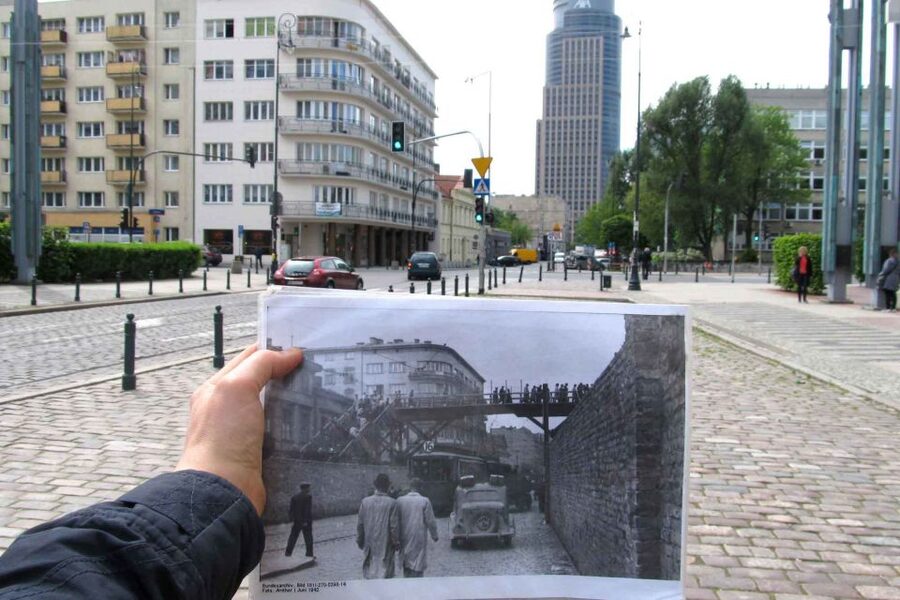
- Use archival images at modern street corners: Your guide helps you compare wartime photographs with the city you see today.
- Travel in a private retro Żuk: Each minibus carries up to eight people, with five vehicles available.
- Learn about both Nazi and Soviet rule: The route includes the Katyń memorial and the Monument to the Fallen and Murdered in the East.
- Plan for walking and weather: The minibus moves between locations, but you walk at every stop.
Why this tour changes the way you see Warsaw
A regular city sightseeing route can leave Warsaw’s WWII story in separate pieces: a museum here, a monument there, perhaps a rebuilt street in the Old Town. This tour connects those pieces. You learn how the international crisis before 1939 led to Germany’s invasion of Poland, while the Soviet Union occupied Poland’s eastern territories at the same time.
That opening matters. It gives you a frame for everything that follows: occupation, restrictions on daily life, mass deportations, the destruction of the Jewish community, armed resistance, and the Soviet political order that followed the war.
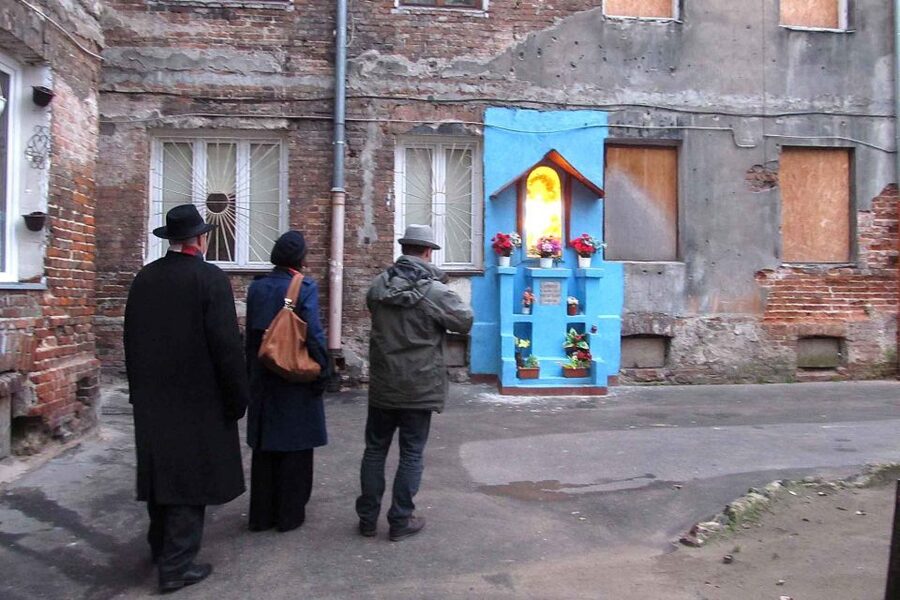
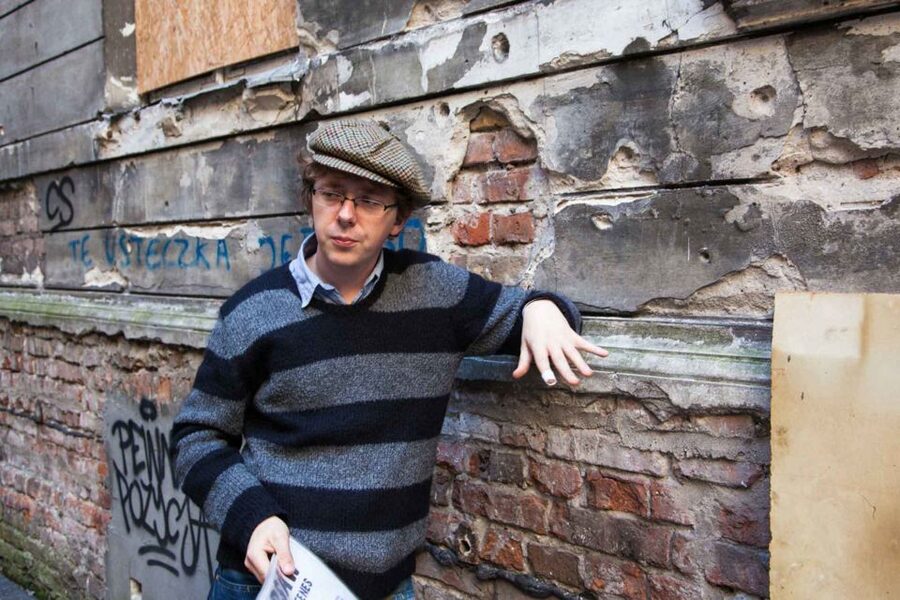
The route is not only about famous monuments. It brings you to places where the city’s wartime damage is still visible, including a ruined tenement house on Waliców Street and a fragment of the former Ghetto Wall. These are modest sites compared with a major museum, but they can make the past easier to picture.
I also like the use of archival photographs. You are not simply told that a street looked different. You can compare an image from wartime with the view outside the minibus. That simple act helps you understand how much was lost and how much of today’s Warsaw was rebuilt.
A few more Warsaw trips to weigh up
- Private Tour: Warsaw City Sightseeing by Retro Fiat
★ 5.0 · 562 reviews - Warsaw: Warsaw Ghetto Private Walking Tour with Hotel Pickup
★ 4.9 · 369 reviews - Private Tour: Warsaw’s Jewish Heritage by Retro Fiat
★ 5.0 · 208 reviews
Riding through history in a retro Żuk
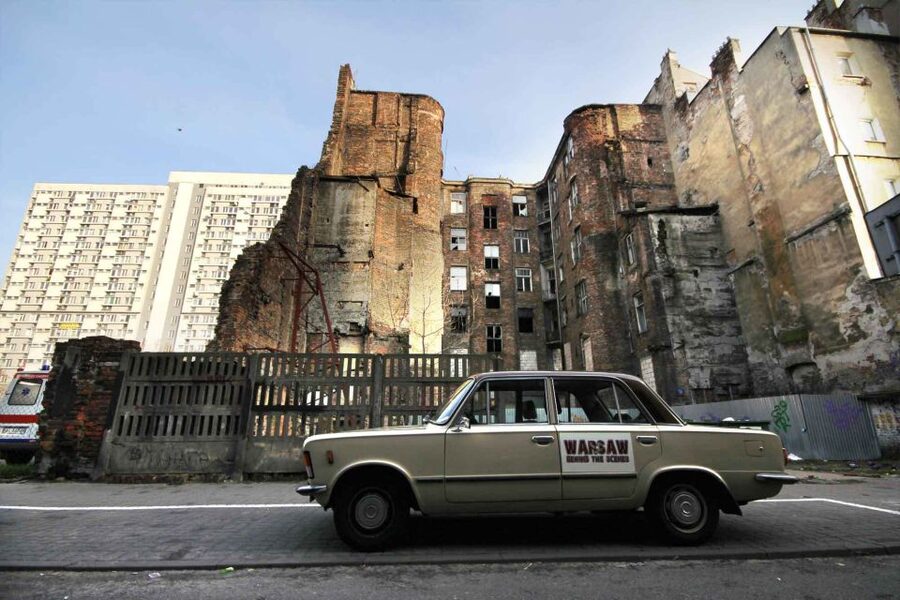
The vehicle is part of the character of the experience. You travel in a vintage Żuk minibus, a classic communist-era Polish vehicle. It is not a luxury coach, and that is worth knowing before you book. Its appeal is the atmosphere and the small scale, not modern transport comfort.
Each minibus holds up to eight passengers, and the tour operates with a fleet of five vehicles. Since this is a private group experience, you are not sharing the route with a large busload of people. That usually makes it easier to hear the guide and pause for questions.
The minibus is used mainly to move between locations. You will get out and walk at the stops, so comfortable shoes matter more than stylish clothes. Bring layers and dress for the forecast. The vehicles have heating for winter, but classic minibuses do not have air conditioning, and some do not have seat belts because of their historic design.
That trade-off will matter most in hot weather or for anyone who expects a polished modern vehicle. If the Żuk is a major reason you are booking, the unusual ride adds charm. If comfort is your first concern, you should treat the vehicle as a compromise.
Hotel pickup and drop-off are included for hotels and apartments within three kilometres of Warsaw’s city center. Remember that this transfer time is included in the three-hour tour. If you are staying farther away, meeting in the center may give you more time at the historical sites.
The Warsaw Ghetto, from the Wall to Chłodna Street
The tour gives major attention to the destruction of Warsaw’s Jewish community. Before the war, roughly 300,000 Jews lived in the city. In 1940, Nazi authorities created the Warsaw Ghetto and forced hundreds of thousands of people into severe, overcrowded conditions.
One of the most important stops is a preserved fragment of the former Ghetto Wall. It is easy to miss a small remnant in a modern city, which is why the guide’s explanation matters. You learn what the wall meant as a physical barrier and how the enclosed population was cut off from the rest of Warsaw.
At Waliców Street, you see one of the last ruined tenement houses intentionally left unrestored. This is not a grand monument with a polished finish. Its rough condition is the point. The building gives you a direct visual sense of destruction that a new memorial cannot quite reproduce.
The tour also explains the wooden ghetto bridge over Chłodna Street. The bridge was built high above normal street traffic to connect two sealed sections of the ghetto. From the ground, it is difficult to grasp the structure’s full meaning without help. Archival photographs let you see how it looked and why it became such a striking symbol of separation.
This part of the route is emotionally heavy. You are moving through ordinary streets where daily life continues, yet the guide is showing you how those same places were used to confine and control people. I would not schedule this as a light introductory outing if you want a cheerful first morning in Warsaw. It asks for attention and patience.
Muranów and the memory of the 1943 uprising
The Muranów district adds another layer to the story. Much of this area was built on wartime rubble, so the ground beneath today’s streets carries a physical connection to the destroyed city.
You visit the area around the Monument to the Ghetto Heroes and the POLIN Museum of the History of Polish Jews. The tour does not replace a full visit to POLIN, and the museum admission is not listed as part of the experience. Instead, you see the surrounding memorial area and learn why it matters.
This is also near the site of the first armed clashes of the 1943 Ghetto Uprising. The guide places that revolt within the wider story of Nazi persecution and the desperate resistance of people trapped inside the ghetto.
It is useful to keep the two Warsaw uprisings separate. The 1943 uprising was a Jewish revolt within the ghetto. The 1944 Warsaw Uprising was a broader Polish attempt to regain independence before the Red Army arrived. The tour treats them as connected parts of wartime Warsaw, but not as the same event.
For me, this is where the archival photographs are especially useful. Modern Muranów can look like a regular residential district. The photographs help you see the contrast between the current neighborhood and the destroyed ghetto area that came before it.
Same country, a completely different kind of day:
- Warsaw: Chopin Concert in the Old Town
★ 4.8 · 2,287 reviews - Warsaw: Traditional Galar Cruise on The Vistula River
★ 4.6 · 1,640 reviews - Warsaw: Old Town Highlights Walking Tour in English
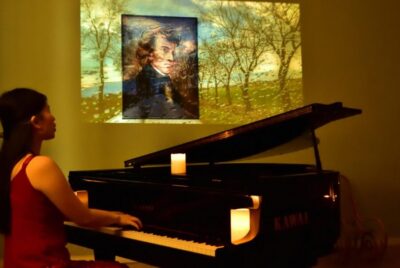
★ 4.7 · 1,516 reviews - Warsaw Concert: Chopin – Painted by Candlelights with Wine
★ 4.8 · 1,442 reviews
Soviet repression and the Katyń memorial
Warsaw’s WWII story did not end with Nazi occupation. The tour also covers Soviet crimes against Polish citizens, including mass deportations to Siberia and the Katyń massacres.
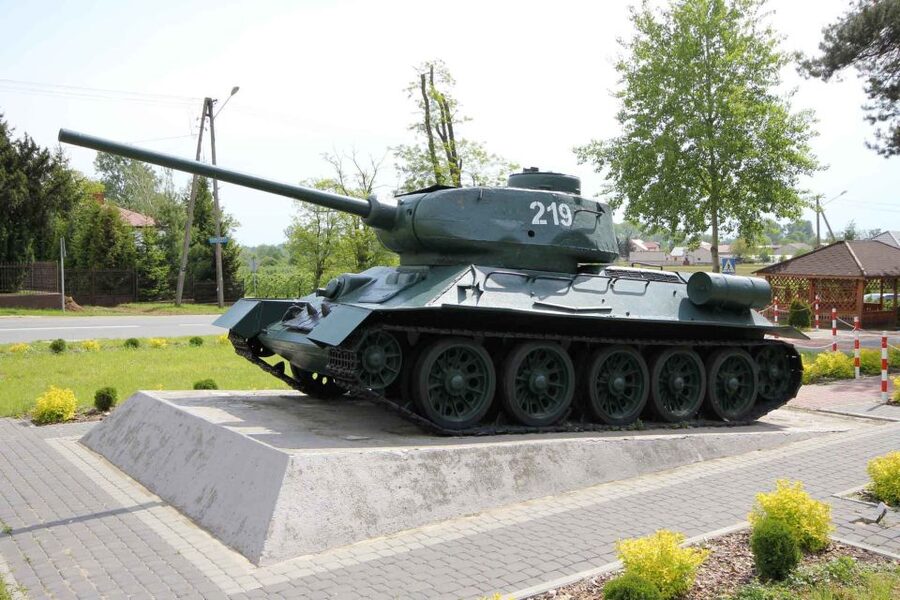
You visit the Monument to the Fallen and Murdered in the East, a memorial dedicated to those victims. This stop broadens the tour beyond the familiar story of Poland under Nazi Germany. You learn that Poland experienced two occupying powers and that the arrival of the Red Army did not simply mean a return to prewar independence.
That balance is important if you want to understand modern Polish memory. A tour that covers only Nazi crimes leaves out a major part of the country’s wartime experience and the political system that followed. Here, the guide explains how Soviet repression shaped Polish history alongside the German occupation.
The memorial is also a quieter change of pace after the intense Ghetto sites. It gives you room to consider the eastern territories, deportation, and the people whose fate was tied to Soviet policy rather than the events in central Warsaw.
The 1944 Warsaw Uprising and the city in ruins
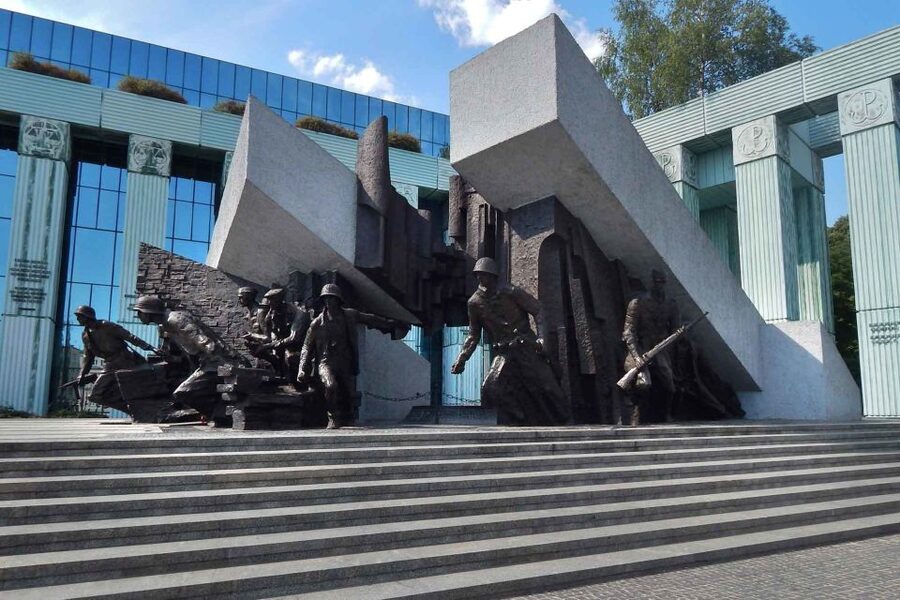
The final major chapter is the Warsaw Uprising of 1944. After years of occupation, Polish resistance forces made a last attempt to regain independence before the Red Army entered the city.
The uprising failed, and Nazi forces then deliberately destroyed much of Warsaw. The Soviet army entered the ruins in January 1945, beginning a new political era. The tour uses this sequence to show why the city you see today is largely a rebuilt Warsaw rather than an untouched medieval capital.
This section helps connect individual buildings and memorials to the fate of the whole city. You are not just hearing about fighting. You are learning how defeat led to systematic destruction and how the postwar city emerged from that ruin.
The guide’s storytelling style matters here. Lucas has been described as an engaging historian and storyteller, while Konrad has a reputation for mixing historical detail with humor and for connecting with different ages, even a quiet teenager. That gives you a clue about the tone: serious subject matter, but not a stiff lecture.
You should still expect a lot of facts. Catherine’s booking notes describe plenty of detail about Polish history before and after WWII, not just the military events. If you prefer a short list of famous sights with only basic explanations, this may feel dense. If you want the causes and consequences, the detail is the reason to book.
What the private format adds
The private format is one of the tour’s strongest features. A group of up to eight people fits the minibus and keeps the experience personal. You can ask for clarification when a timeline gets complicated, and the guide can spend more time on the parts that interest your group.
The small group also suits the subject. The former Ghetto Wall, a ruined tenement, and a memorial can lose their force when surrounded by a large crowd. A quieter setting makes it easier to listen and think.
This is not a fully walking tour, however. The vehicle covers the distance between stops, while you walk around at each location. That makes the three-hour schedule practical, but it also means you should expect movement in and out of the minibus.
The tour is available in English with a live local guide. The supplied guide names include Konrad, Lucas, and Adam, though you should not assume which person will lead your departure. Adam is associated with a route that covered many places, while Lucas and Konrad have each been praised for their ability to explain the subject clearly.
Is $165 per person a fair price?
At $165 per person, this is not a budget sightseeing ride. The value depends on what you want from Warsaw.
You are paying for a private group, an English-speaking guide, hotel pickup and drop-off within the stated radius, three hours of transport, and access to a route that links lesser-known physical traces with major memorials. You are also paying for interpretation. The locations themselves are not generally presented as ticketed attractions, so the main value lies in the guide’s historical framework and the convenience of reaching several areas in one outing.
I think the price makes more sense for two or more people who want a focused history tour without joining a large group. It is also useful early in a Warsaw visit because it gives you a map of the wartime city before you explore museums and memorials on your own.
The price is harder to justify if you only want a quick overview or plan to spend most of your time inside museums. In that case, a museum visit may offer better value for your interests. This tour works best as a guided field lesson across the city, not as a replacement for every Warsaw history attraction.
Who should book this Warsaw WWII tour?
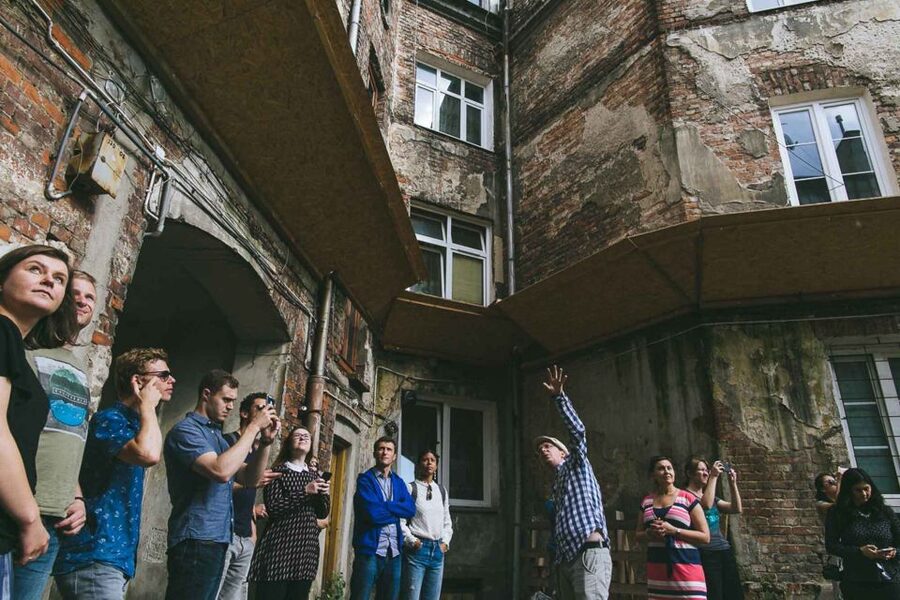
I would choose this experience for adults, older teenagers, history students, photographers interested in urban change, and anyone who wants context behind Warsaw’s memorials. The subject is serious, and the minimum age is 15, so it is not designed for young children.
You should be comfortable with walking, uneven outdoor conditions, and weather changes. Large bags and luggage are not allowed. Children under 150 centimeters need a booster seat under Polish law, and you must contact the operator in advance to check availability. The experience is not suitable for unaccompanied minors.
This is also a good option if you have limited time. Three hours will not cover every wartime site in Warsaw, but the route gives you a strong overview of Nazi occupation, the Jewish Ghetto, both uprisings, Soviet repression, and postwar destruction.
I would avoid booking it immediately after a long overnight journey if you know you struggle with dense historical information. The subject requires concentration, and the guide may cover events from before 1939 through the postwar period.
Practical advice before you go
Wear comfortable shoes and weather-appropriate clothing. You will not remain in the minibus for the whole tour, and the outdoor stops are central to the experience.
Meet in the city center instead of using hotel pickup if your accommodation is near the edge of the three-kilometre pickup area. Since transfers count toward the three-hour duration, a central meeting point can protect your sightseeing time.
Do not bring a suitcase or large bag. The historic minibus has limited space, and the rules specifically exclude luggage and large bags.
Keep your expectations realistic about the vehicle. The retro Żuk is part of the appeal, but it lacks some conveniences of a modern coach. In summer, the absence of air conditioning may be noticeable. In winter, heating is provided.
The tour offers free cancellation up to 24 hours before departure, and you can reserve now and pay later. Starting times vary, so check availability for your date.
Should you book it?
Book this tour if you want Warsaw’s WWII story explained across the actual city, with a private guide, archival photographs, and stops that go beyond the main tourist route. The Ghetto Wall, Waliców Street, Chłodna Street, Muranów, the Katyń memorial, and the Warsaw Uprising narrative give you a serious and well-connected three-hour introduction.
Skip it if you want a modern, air-conditioned vehicle, a relaxed sightseeing loop, or a light historical overview. The minibus can be basic, the topic is difficult, and hotel transfers may reduce time at the sites.
For the right audience, the combination of small-group attention, strong storytelling, and real wartime traces makes the $165 price easier to defend. I would book it early in a Warsaw stay, wear good shoes, and leave room afterward for a quieter museum visit or a walk through the rebuilt city.
FAQ
How long does the Warsaw WWII private tour last?
The tour lasts three hours. Hotel pickup and drop-off time count toward the total duration.
Is hotel pickup included?
Yes. Pickup and drop-off are available for hotels and apartments located within three kilometres of Warsaw’s city center.
What language is the tour conducted in?
The tour includes a live English-speaking local guide.
How many people can join the private tour?
Each retro minibus holds up to eight passengers. A fleet of five minibuses is available.
Which wartime sites are visited?
The route includes a preserved fragment of the former Ghetto Wall, Waliców Street, the area around Chłodna Street, Muranów, the Monument to the Ghetto Heroes, the POLIN Museum area, the Monument to the Fallen and Murdered in the East, and locations connected with the Warsaw Uprising.
Does the tour enter the POLIN Museum?
The tour visits the area around the Monument to the Ghetto Heroes and the POLIN Museum of the History of Polish Jews. Museum admission is not included in the stated inclusions.
Is the retro minibus air-conditioned?
No. The classic vintage minibuses are not equipped with air conditioning. Some vehicles do not have seat belts, while all vehicles have heating for winter.
Can children join the tour?
The tour is not suitable for children under 15 years. Children over 150 centimeters can be booked online, while children under 150 centimeters require advance contact with the operator to check booster-seat availability.
Just added around Warsaw
- Taste of Poland, food tour and guided walk with 12 tasting★ 5.0 · 3 reviews
- Skip-the-Line Warsaw Royal Castle Private Guided Tour★ 5.0 · 4 reviews
- Secrets of Warsaw 4-hour Bike Tour★ 5.0 · 25 reviews
- Warsaw: Live Show at Sabat Theatre★ 4.5 · 11 reviews
- Private Warsaw City Tour★ 4.9 · 4 reviews
- Private Tour From Warsaw: Łowicz Mazovian Countryside★ 5.0 · 10 reviews
- Packrafting kayaking guided tour Vistula river Warsaw Poland★ 4.5 · 14 reviews
- Lublin & Majdanek Small-Group Tour from Warsaw with Lunch★ 5.0 · 5 reviews
Warsaw Tours, compared.
Traditional Galar Cruise on The Vistula River
Read our review →
Warsaw Concert: Chopin – Painted by Candlelights with Wine
Read our review →
POLIN Museum of the History of Polish Jews Ticket
Read our review →
#1 Pub Crawl Warsaw with Optional Premium 1 Hour Open Bar
Read our review →
Browse the lists this tour appears in