
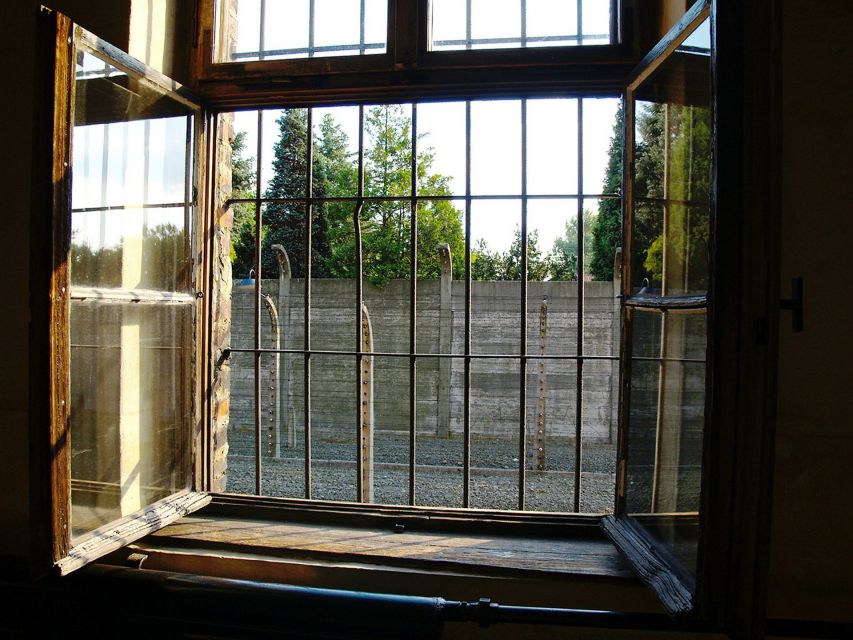
Reviewed · AUSCHWITZ-BIRKENAU MEMORIAL TOURS
Auschwitz-Birkenau Tour from Katowice with Private Transfers
Auschwitz-Birkenau is not a casual sightseeing stop. It is a place of murder, grief, and hard historical truth. This six-hour trip from Katowice gives you a structured way to visit the former Nazi concentration camp and extermination center, with an official guide explaining what happened in the barracks, gas chambers, and museum exhibits.
I like the private pickup and drop-off, which removes the worry of finding transport from Katowice. I also like the official 3.5-hour guided visit, since Auschwitz is far more meaningful when someone explains the site rather than leaving you to wander among buildings without context.
The main drawback is the fixed, non-refundable booking. You must enter the museum with identification that matches the booking name, and the day can feel tightly scheduled, especially if you want a proper meal afterward.
Key points at a glance
- A six-hour day from Katowice: Private car transport takes you from your accommodation to Auschwitz-Birkenau and back.
- A 3.5-hour official museum tour: Only authorized museum guides lead groups inside the memorial site.
- Two connected sites: You visit the original Auschwitz camp and the much larger Birkenau extermination center.
- Group size capped at 30: Headsets help you hear the English-speaking guide clearly.
- Tickets are arranged in advance: Skip-the-line entry saves time, but tickets cannot be refunded.
- Bring your passport or ID: The name on your booking must match your identification at entry.
Why Auschwitz-Birkenau Requires More Than a Quick Visit
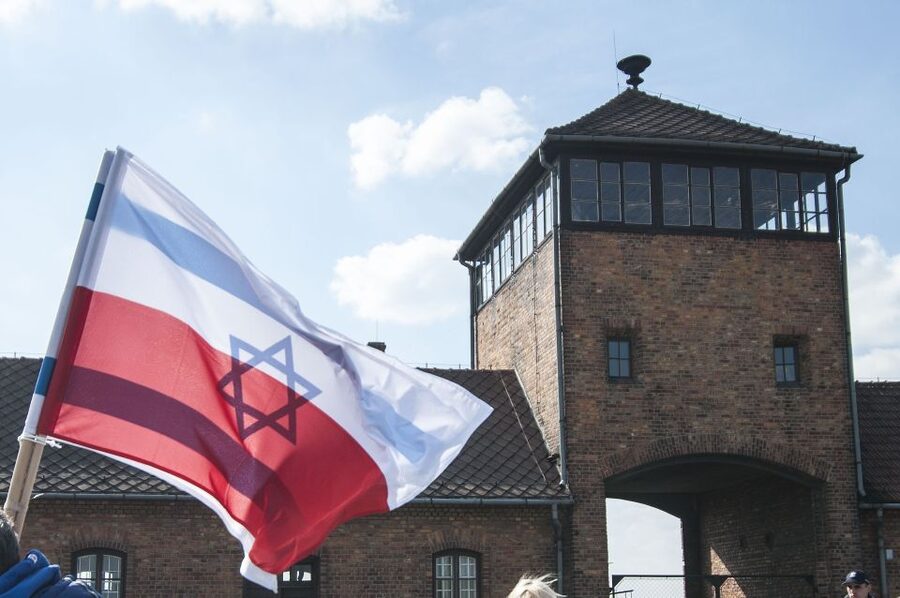
Auschwitz-Birkenau is often described as the largest former Nazi concentration camp and extermination center. From 1940 onward, the site became a place of imprisonment, forced labor, starvation, disease, torture, and mass murder. More than 1.1 million men, women, and children were killed there.
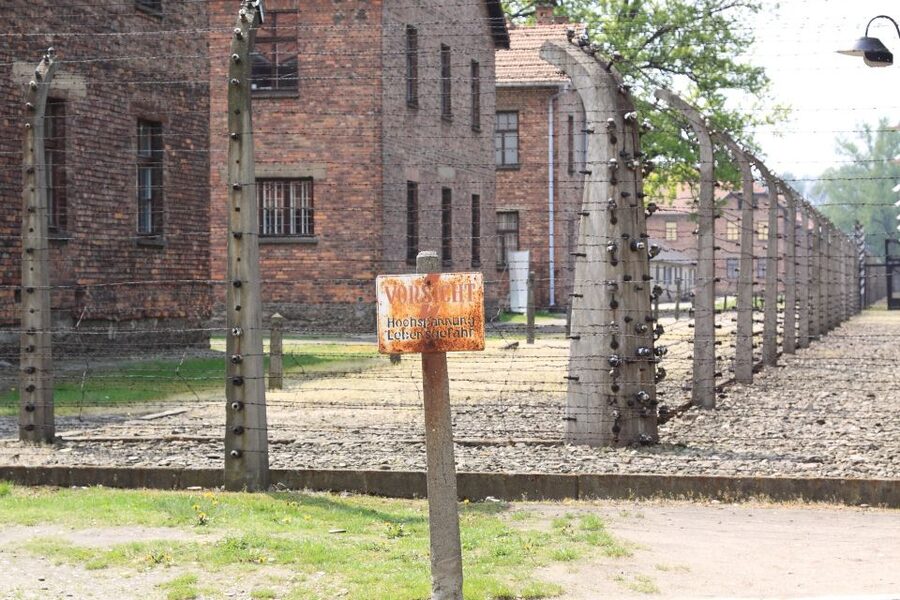
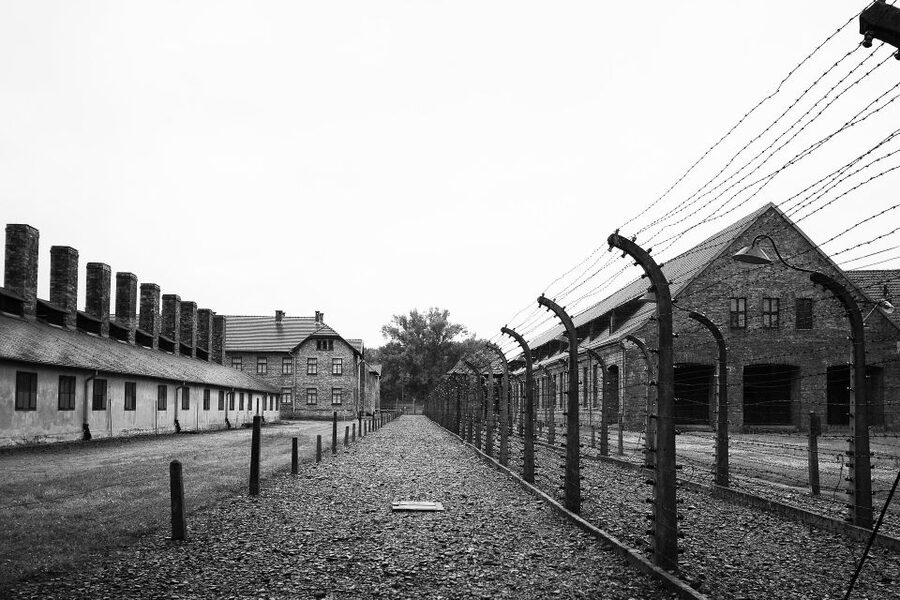
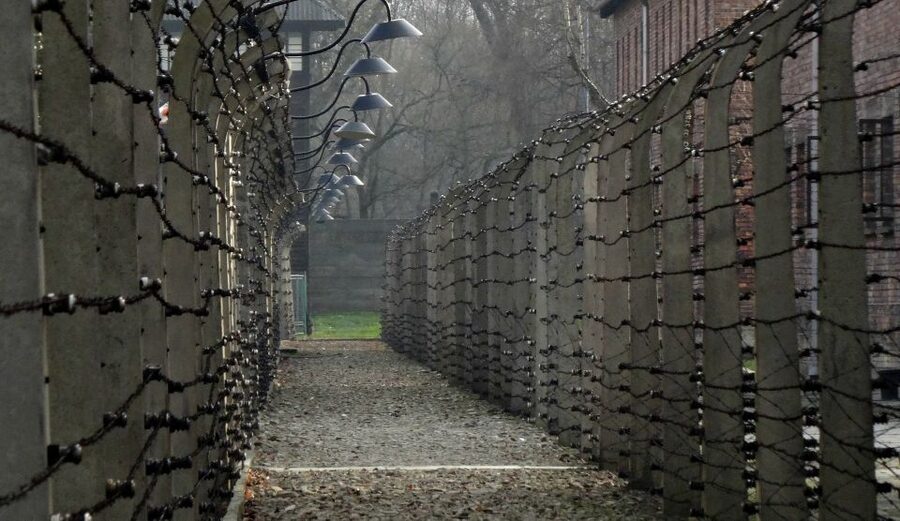
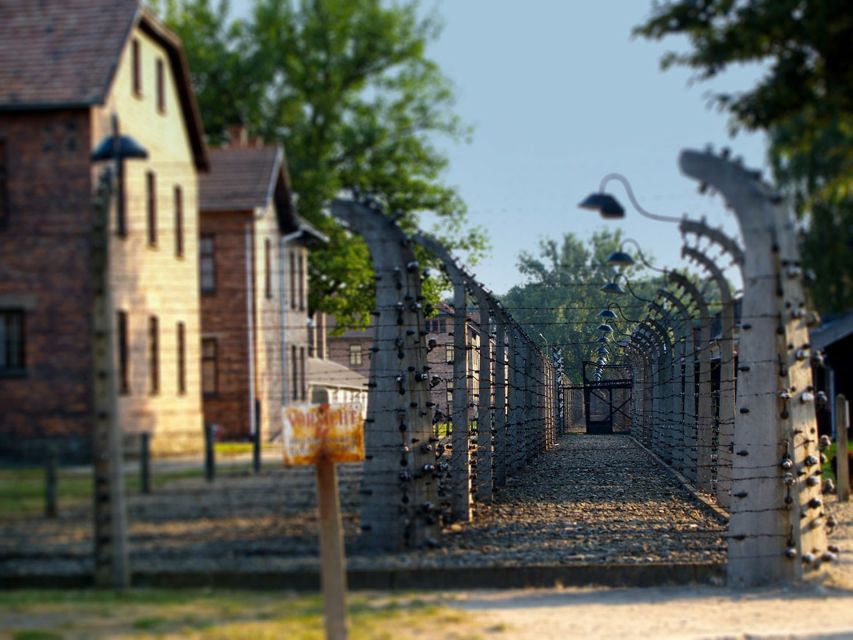
That number is difficult to grasp on its own. The power of the visit comes from seeing the physical remains and hearing the guide connect them to the people who were held there. Barracks, fences, camp roads, exhibits, and surviving structures make the history concrete.
I would not treat this as just another stop on a Poland itinerary. The subject is painful, and the visit can be emotionally exhausting. That is not a flaw in the tour. It is part of the reality of the place, and you should allow yourself quiet time afterward rather than scheduling a busy evening.
More Auschwitz-Birkenau Memorial Tours in Poland:
- From Krakow: Auschwitz-Birkenau Guided Tour & Hotel Pickup
★ 4.5 · 33,358 reviews - From Krakow: Auschwitz-Birkenau Guided Tour & Hotel Pickup
★ 4.5 · 29,340 reviews - Krakow: Auschwitz Guided Tour with Optional Hotel Pickup
★ 4.5 · 15,280 reviews
Leaving Katowice by Private Car
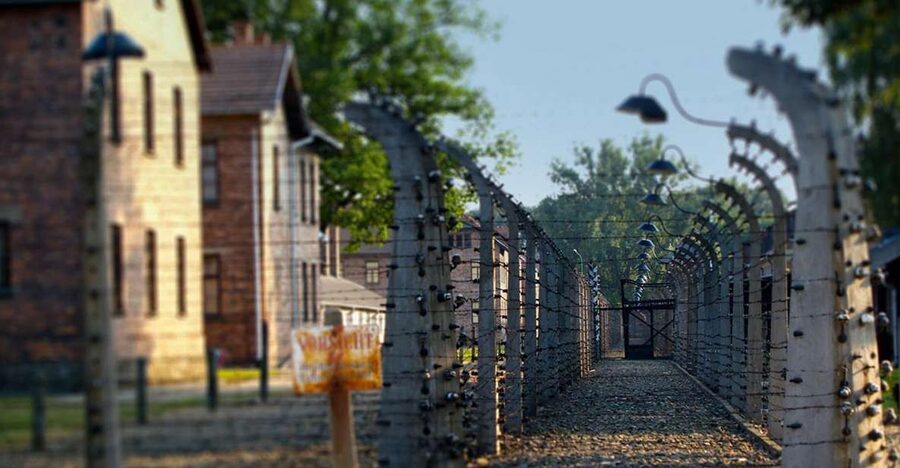
The day begins with pickup at your accommodation in Katowice. A private car takes you to Auschwitz-Birkenau, then returns you to the same city at the end of the visit.
This arrangement is useful if you are not renting a car. You do not need to work out a separate route, find parking, or coordinate public transport with a timed museum admission. For a serious historical site with timed entry, that simplicity has real value.
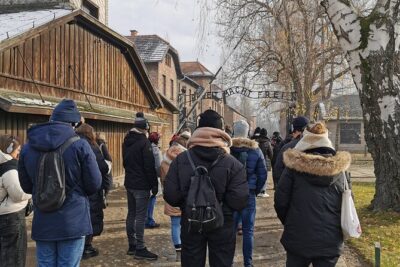
The car transfer is private, but the museum visit is not. Once you arrive, you join a group tour led by an official Auschwitz-Birkenau Museum guide. The group can include up to 30 people, and headsets are provided so you can follow the commentary.
That distinction matters. Your driver handles the road, but the driver does not lead the historical tour inside the museum. Only official museum guides can conduct group tours there, so your experience inside depends on the guide assigned by the museum.
The total outing lasts about six hours. The guided portion takes 3.5 hours, leaving the rest of the time for transfers, entry procedures, and moving between the two parts of the site. Starting times vary, so check availability before booking.
Auschwitz I: Barracks, Exhibits, and the Camp System
The first part of the visit takes place at Auschwitz I, the original concentration camp site. This is where the familiar image of the camp gate and its rows of brick buildings comes from.
Inside the former barracks, museum exhibits document the camp system and the people imprisoned there. The buildings are not empty shells. Their contents help show the scale of the Nazi persecution and the personal cost of the Holocaust.
You can expect the guide to explain how the camp operated, who was imprisoned there, and how the Nazi system used forced labor, terror, and organized murder. The value of a guided visit is especially clear here. Without context, a brick building can look like a brick building. With explanation, its rooms become evidence.
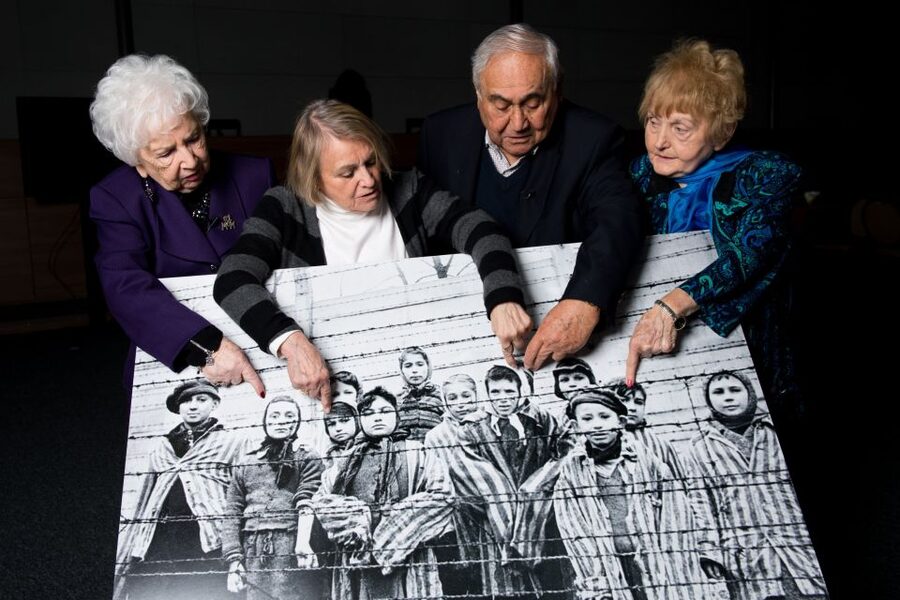
The site includes former prison barracks, museum displays, and gas chambers. Some exhibits are especially difficult because they present personal belongings taken from victims. The purpose is not shock for its own sake. These displays show that the victims were individuals, not an anonymous number.
Headsets are a practical help. A group of 30 people can spread out inside buildings, and you will not always be standing close to the guide. The English-language commentary lets you look at the exhibits while still following the explanation.
The pace is fairly purposeful. You are not given unlimited time to linger in every room, but the 3.5-hour tour covers both Auschwitz I and Birkenau. If you prefer a very slow, private visit with long periods of silence, a group tour may feel restrictive.
Birkenau: The Extermination Center
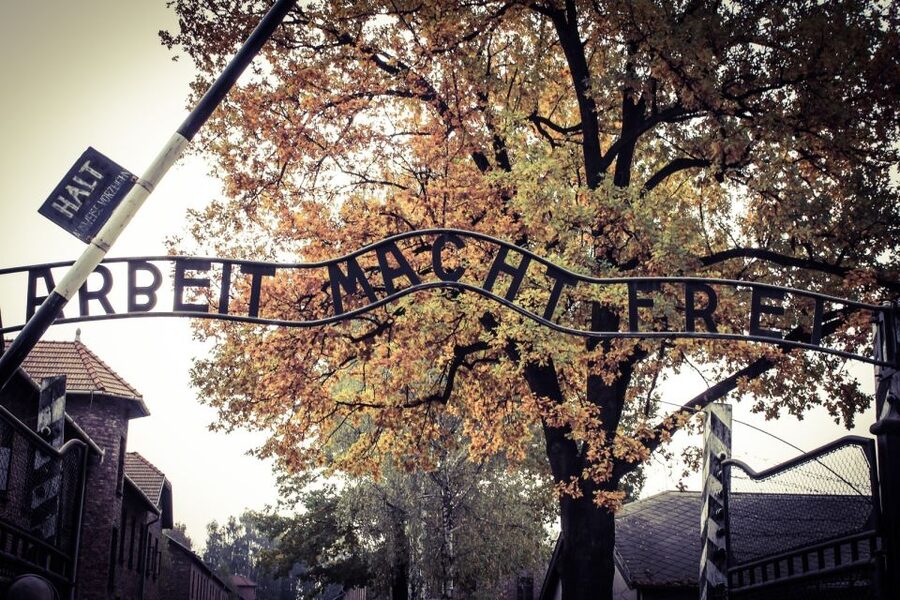
The second part of the visit takes you to Birkenau, also known as Auschwitz II. This is the larger site and the one most closely connected with the Nazi extermination program.
Birkenau’s scale changes the way you understand the camp. The grounds, barracks, fences, and open spaces show how a system built for mass imprisonment and killing could operate on an industrial scale. You are not simply looking at one building. You are seeing the remains of an enormous camp complex.
The guide explains the role of different areas and the events that took place there. The visit helps connect the visible structures to the people who were transported to the camp, selected, imprisoned, and murdered.
You may find this section even more emotionally demanding than Auschwitz I. The openness of the grounds does not make the place feel less severe. In some ways, the size makes the loss harder to process.
Do not expect a cheerful break between the two sites. The visit remains focused on the Holocaust, World War II, and the people responsible for the crimes. That seriousness is appropriate, but it is worth preparing yourself and anyone accompanying you, especially younger visitors.
A few more Poland trips to weigh up
- Krakow Airport Private Transfer
★ 5.0 · 2,227 reviews - Wroclaw: 2-Hour Private Guided Tour by Electric Car
★ 4.8 · 805 reviews - Private Tour: Warsaw City Sightseeing by Retro Fiat
★ 5.0 · 562 reviews - Warsaw: Warsaw Ghetto Private Walking Tour with Hotel Pickup
★ 4.9 · 369 reviews
What the Official Guide Adds
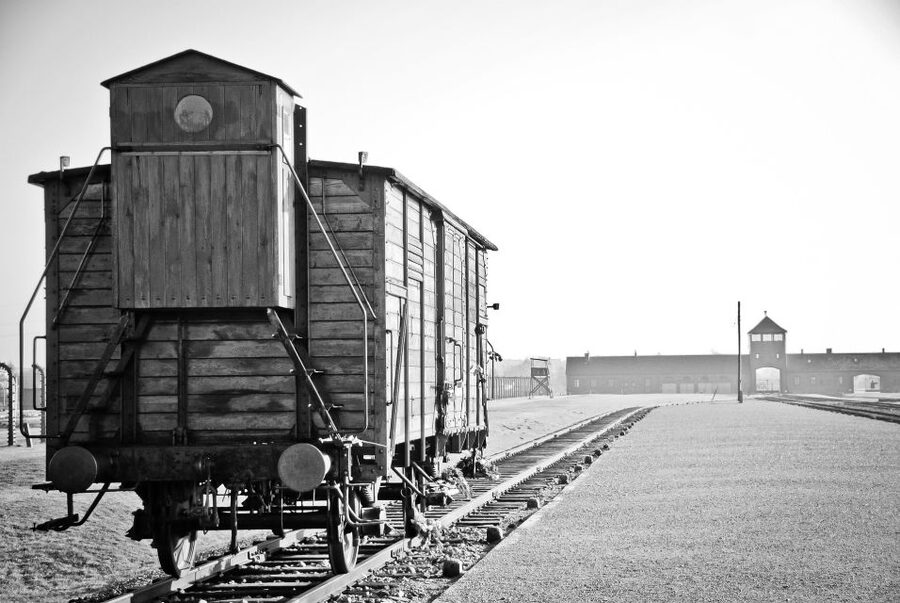
The guide is the heart of the museum portion. The service is listed with a five-star licensed guide and English-language live commentary, but no individual guide name is provided in the booking information. You should therefore expect an official museum guide rather than a named private historian.
That arrangement has both strengths and limits. The guide is authorized to lead groups through the memorial site and follows the museum’s established presentation. You receive a clear historical framework instead of relying on a driver or general sightseeing guide.
The group format keeps the price below that of a fully private museum tour, but it means you will share the experience with other people. The maximum group size is 30, and headsets help with sound. If you want the guide to adjust the pace around your particular interests, this is not the right format.
I would listen carefully even if you already know the basic story of Auschwitz. The site contains layers of information about imprisonment, forced labor, extermination, and the machinery of Nazi persecution. A good explanation helps you notice details that might otherwise pass without meaning.
Is $219 Per Person Fair Value?
The price is $219 per person. That includes private car transfers from Katowice, pickup and drop-off at your accommodation, skip-the-line museum tickets, the 3.5-hour group tour, an English-speaking licensed guide, and headsets.
The value depends on what you need. If you want the easiest possible connection from Katowice, the private vehicle is useful. You are paying for door-to-door transport as well as organized entry and the official guided visit. That can be worthwhile if you have limited time or do not want to piece together trains, taxis, and museum tickets.
If you already have reliable transport and can arrange museum entry yourself, the price may feel high. The private transfer is one of the main reasons to choose this option. The inside visit is a group tour, not a private tour designed only for you.
Tickets are non-refundable, and the activity itself is non-refundable. I would not book until your date and names are certain. The museum requires the name on the booking to match the identification presented at entry, and entrance may be refused if the details do not match.
Food, Timing, and the Practical Details
Lunch is not included. You are advised to bring a packed lunch to save time, although a small café at the museum sells snacks.
That advice is sensible. A six-hour outing with a 3.5-hour museum tour does not leave much room for a relaxed restaurant meal. One booking included a pleasant lunch afterward, but you should not count on a long meal during the scheduled visit.
Wear comfortable clothing and shoes suitable for walking around a historic site. The information provided does not give a precise distance or terrain description, so I would plan for a substantial amount of movement between buildings and areas.
The experience is listed as wheelchair accessible, but the memorial’s historic layout can make movement difficult for people with disabilities. Wheelchairs are available from the Visitor Service Center if reserved in advance. Contact the provider before booking if you need this support, rather than assuming equipment will be ready on arrival.
Identification is the most important practical tip. Bring the same ID connected to the booking, and check the spelling of every name before paying. This is not a place where a last-minute correction is guaranteed.
Who Will Get the Most from This Tour?
This trip suits you if you are staying in Katowice and want a direct, organized visit to Auschwitz-Birkenau without arranging each part yourself. It is also a good fit if you prefer historical sites with a guide and a defined route.
The tour works well for first-time visitors who want help understanding the camp system. The official guide, headsets, and access to both Auschwitz I and Birkenau give you a solid introduction in one half-day outing.
It may not suit you if you want a private guide, a flexible schedule, or an unhurried meal during the day. The group can reach 30 people, and the museum controls the guided format. You also need to be comfortable with a serious, emotionally difficult visit.
Families should consider the subject carefully. The tour concerns the Holocaust, mass murder, and extreme human suffering. The information provided does not set an age limit, but the content may be unsuitable for some children.
My Take on the Emotional Weight
The strongest praise for this experience concerns the emotional impact and the quality of the visit. One person described it as amazing and emotional, while another called the tour excellent and singled out the driver as a gentleman. Those comments fit the basic shape of the experience: the memorial does the emotional work, while the organized transport and guide make the day easier to manage.
I would keep expectations grounded. No tour can make Auschwitz comfortable, and a polished transfer does not soften the subject. What it can do is remove avoidable stress so you can focus on the site itself.
Plan some quiet time after returning to Katowice. You may feel tired, sad, angry, or simply silent. None of those reactions is unusual for a place built around such overwhelming evidence of human suffering.
Should You Book the Katowice Auschwitz Tour?
Book this tour if you want door-to-door transport, prearranged entry, and an official English-language museum tour in one package. The private car is especially useful from Katowice, and the two-site visit gives you a serious introduction to Auschwitz I and Birkenau.
Think twice if you need flexibility or a private guide. The $219 price is easier to justify when you value convenience and have no transport plan, but less attractive if you can arrange the journey and tickets independently.
Before booking, check the date, starting time, language, and name details. Bring matching identification and a packed lunch. If those conditions work for you, this is a practical way to visit one of Europe’s most important memorial sites with the historical context it demands.
FAQ
How long does the Auschwitz-Birkenau tour from Katowice last?
The full experience lasts about six hours. The guided group visit inside Auschwitz-Birkenau lasts 3.5 hours.
Is pickup included from Katowice?
Yes. A private car picks you up at your accommodation in Katowice and returns you there after the visit.
Is the museum tour private?
No. Transport is private, but the Auschwitz-Birkenau museum visit is a group tour limited to 30 people.
Who leads the tour inside Auschwitz-Birkenau?
An official museum guide leads the group inside the memorial site. The booking information lists live English-language guiding.
What does the price include?
The $219 price includes private car transfers, pickup and drop-off in Katowice, skip-the-line tickets, the 3.5-hour group tour, a licensed guide, and headsets.
Do I need to bring identification?
Yes. The name on your booking must match the identification you present at the museum entrance. Entry may be refused if the details do not match.
Is lunch included?
No. Lunch is not included. You can bring a packed lunch to save time, and a small museum café sells snacks.
Just added around Poland
- Guided Winter Kayak Tour in Gdańsk & Hot Chocolate Treat★ 5.0 · 51 reviews
- Gdansk Highlights Bicycle Tour★ 5.0 · 65 reviews
- Electric Scooter Tour: Old Town Tour – 1,5-Hour of Magic!★ 5.0 · 19 reviews
- Elblag Canal Tour from Gdansk★ 4.5 · 22 reviews
- #1 Polish Vodka Tasting Experience in Gdansk★ 5.0 · 87 reviews
- Delicious Gdansk Craft Beer Tour★ 5.0 · 4 reviews
- DAILY Stutthof Concentration Camp with Guide and Transport★ 4.5 · 10 reviews
- Cruises on the Motlawa River★ 4.5 · 66 reviews
Auschwitz-Birkenau Memorial Tours, compared.
Auschwitz-Birkenau Guided Tour & Hotel Pickup
Read our review →Auschwitz-Birkenau Guided Tour & Hotel Pickup
Read our review →
Auschwitz Guided Tour with Optional Hotel Pickup
Read our review →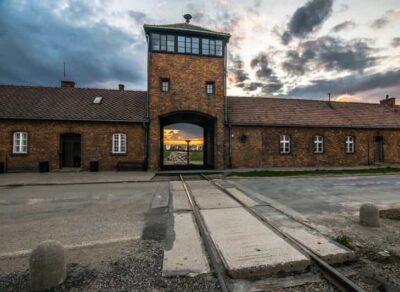
Auschwitz-Birkenau Guided Tour with Pickup & Lunch
Read our review →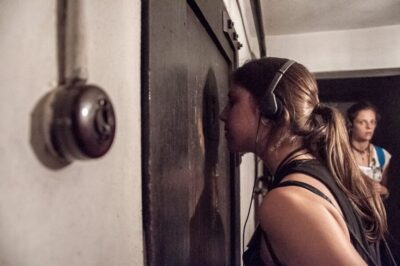
Auschwitz-Birkenau Guided Tour Pickup/Lunch Options
Read our review →
Krakow to Auschwitz Birkenau Guided Tour with Transfer and Ticket
Read our review →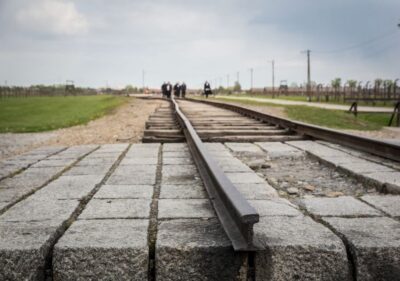
Browse the lists this tour appears in