
Reviewed · WALKING TOURS
Jewish Krakow Walking Tour
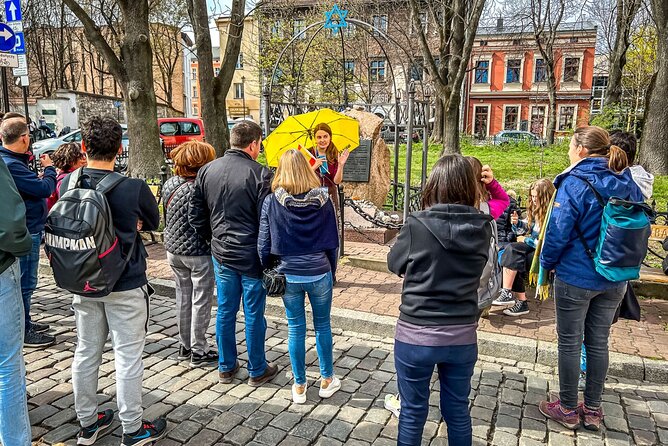
Krakow’s Jewish quarter is best understood through its people, not just its buildings. This 2.5-hour walk links synagogues, Szeroka Street, a Schindler’s List filming site, and the former ghetto, giving you the human story behind streets you could otherwise pass without noticing. I like the way guides such as Tom, Natalia, Lucy, and Jakob use personal stories instead of drowning you in dates. I also like that the route finishes at Plac Bohaterow Getta, close to Schindler’s Factory, so you can continue the subject on your own. The main drawback is that it is a group tour of up to 35 people, and one stop can involve standing still for quite a while.
Key points to know
- A 2.5-hour route with a strong narrative: You move from Jewish Krakow before World War II to Nazi persecution and the district’s later revival.
- Seven meaningful stops: The route includes the Old Synagogue, Szeroka Street, Remuh Synagogue, a market square, a film location, Plac Bohaterow Getta, and Eagle Pharmacy.
- The guide makes the difference: Past guides named Tom, Natalia, Lucy, Matt, and Jakob have been praised for clear, thoughtful storytelling.
- Mostly an outdoor walk: Admission fees are not included, and several sites are viewed from outside.
- The ending is useful for further sightseeing: Plac Bohaterow Getta is about 10 minutes from Schindler’s Factory on foot, according to the experience details.
- Check the language before booking: The experience is offered in English, but a Spanish-language booking problem was reported, so confirm your selected language carefully.
Why this walk matters in Krakow
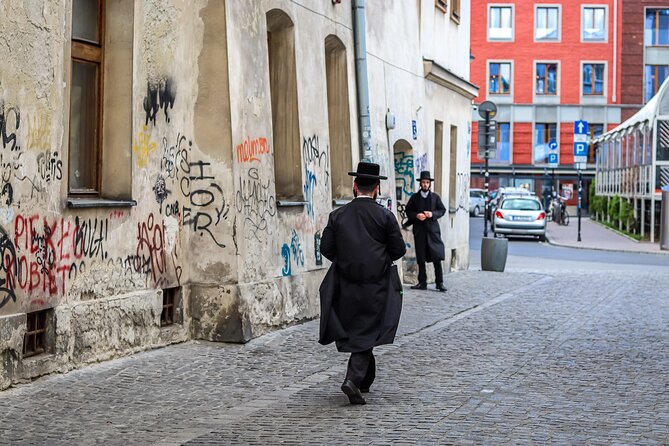
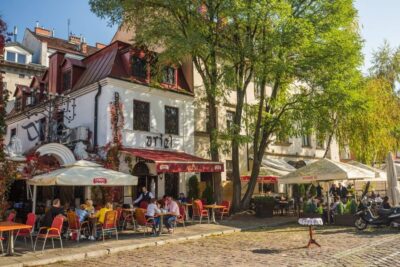
Kazimierz, Krakow’s historic Jewish quarter, can look like a pleasant district of cafés, bars, old walls, and restored buildings. That surface is only part of the story. The quarter was once the center of Jewish religious and communal life in Krakow, then suffered near-total destruction during the Nazi occupation. This walk helps you connect those two realities.
I like the route because it does not treat the Holocaust as an isolated museum subject. It begins with Jewish life, religious practice, and important local figures. Only then does it move into the ghetto and the crimes of the Nazi regime. That order matters. You first see what was built, celebrated, and lived in before the catastrophe.
The price is listed at $26.60 per person. For roughly two and a half hours with a local guide, that is a reasonable cost if you want structure and context rather than a casual stroll. The booking arrangement needs a little care, though. This is described as a general pay-as-you-wish walk, with the reservation fee covering the booking and the guide’s payment. The details also explain that you can arrange a smaller private tour separately. Read the payment terms closely so you understand what your reservation charge covers.
A few more Krakow trips to weigh up
- Old Town Krakow & Wawel Castle Walking Tour
★ 5.0 · 1,508 reviews - Creepy Krakow: 2-Hour City Walking Tour
★ 4.7 · 1,131 reviews - Krakow: The Old Town Walking Tour
★ 4.8 · 794 reviews
Starting at the Old Synagogue on Szeroka 24
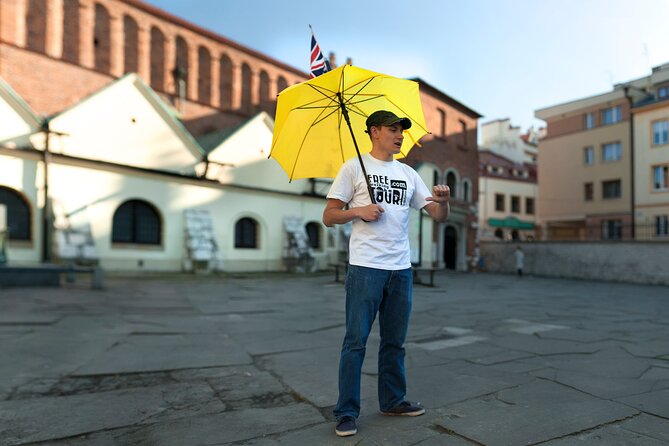
The meeting point is outside the Old Synagogue at Szeroka 24. This is a practical beginning because you start among the quarter’s most important religious buildings rather than at a random city-center meeting spot.
The Old Synagogue is described as the oldest synagogue in Poland. The guide introduces its architecture and explains what it meant to the local Jewish community. The stop lasts about 15 minutes, and the building is viewed from outside, so do not assume your admission is covered or that an interior visit forms part of this walk.
That outdoor introduction is useful even if you later visit the synagogue museum separately. A guide can point out architectural details and explain their purpose before you start looking at the district as a whole. You get the setting first, then the wider story.
Szeroka Street and the people of Jewish Krakow
Szeroka Street was the main street of the Jewish quarter. The walk spends about 10 minutes here, focusing on important people connected with the street and the community.
This is where the tour’s people-centered approach becomes most useful. Buildings can tell you when they were built, but stories about rabbis, families, and local figures show how the area functioned as a community. Past guides have been praised for presenting facts through individual lives rather than reciting a long list of names and dates.
You should expect to stand while listening. That is part of the format, and one account specifically found that too much time was spent stationary in one place. Comfortable shoes help, but so does knowing what kind of tour this is: it is a history walk with explanations at each stop, not a fast-paced photo tour.
Remuh Synagogue and the quarter’s religious life
The next stop is Remuh Synagogue, described as the private prayer house built for Krakow’s most significant rabbi. The planned visit lasts about 10 minutes, with admission not included.
The value here is the connection between a physical building and the religious figures who shaped the quarter. You get a sense that Kazimierz was not simply a neighborhood with several old synagogues. It was a place organized around worship, scholarship, family, and community institutions.
Since entry is not included, check current opening arrangements if seeing the interior is important to you. The supplied information only promises the tour stop, not an included admission ticket. That distinction matters when you are planning your day and budget.
Same country, a completely different kind of day:
- From Krakow: Auschwitz-Birkenau Guided Tour & Hotel Pickup
★ 4.5 · 33,358 reviews - From Krakow: Auschwitz-Birkenau Guided Tour & Hotel Pickup
★ 4.5 · 29,340 reviews - Krakow: Auschwitz Guided Tour with Optional Hotel Pickup
★ 4.5 · 15,280 reviews - Krakow–Zakopane: Cable Car, Chocholow Baths, Cheese & Vodka
★ 5.0 · 10,720 reviews
A market square, cafés, and the quarter’s revival
The route then visits a market square for about 10 minutes. This stop focuses on the revival and nightlife of the Jewish quarter.
This part gives the walk a change of mood. After learning about religious life and historical figures, you see the modern district as it functions today. The quarter’s restaurants, cafés, and evening activity are part of Krakow now, but the guide places that revival beside the area’s earlier life and wartime destruction.
One small detail from the walk’s practical side is worth noting: a group once stopped at Café Singer to warm up during a cold afternoon. That is not a scheduled feature or included refreshment, and food and drinks are not part of the price. Still, it shows why you should plan for weather and keep a café break in mind, especially in winter.
The Mrs. Dresner courtyard and a Schindler’s List location
The Mrs. Dresner courtyard and stairs are presented as a tucked-away location connected with Schindler’s List. The stop lasts around 10 minutes and explains both the filming site and the real events behind the movie.
You do not need to know the film to follow the tour, but watching Schindler’s List before arriving can add context. One guide specifically suggested doing so, and that is sensible advice if you are unfamiliar with the story. The film is difficult, but this stop can help you separate cinema from documented history.
The guide’s role is especially important here. A location can look ordinary when you see it alone. The explanation adds the link between the stairs, the film, and the real people affected by Nazi persecution. You should not expect a film-themed attraction with props or a formal exhibit. The point is the connection between a real place and the events represented on screen.
Plac Bohaterow Getta, the former ghetto square
The longest stop is Plac Bohaterow Getta, with about 50 minutes planned here. This was the main square of the World War II ghetto, in the district created by the Nazis.
The extended time is justified. This is not simply another address on the route. The square is where the guide brings together the earlier story of Jewish Krakow and the destruction of the community during the occupation. You learn about the ghetto as a system and about the people forced into it.
The tone is necessarily painful, but the best guides keep the focus on individual lives and human choices. Tom, for example, was praised for including stories of love and hope alongside the terrible facts. That balance does not soften the crimes. It helps you remember that the people discussed here were not only victims in a historical outline. They had families, relationships, work, faith, and plans.
Prepare for a substantial amount of standing at this stop. If cold, rain, or heat makes long explanations difficult for you, wear proper clothing and bring water. The tour operates in all weather, although the guide may shorten or end it if conditions threaten participants’ health or safety.
Eagle Pharmacy and the non-Jewish witness
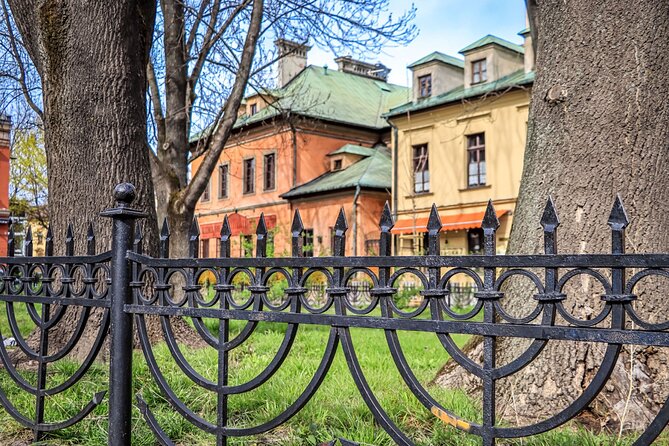
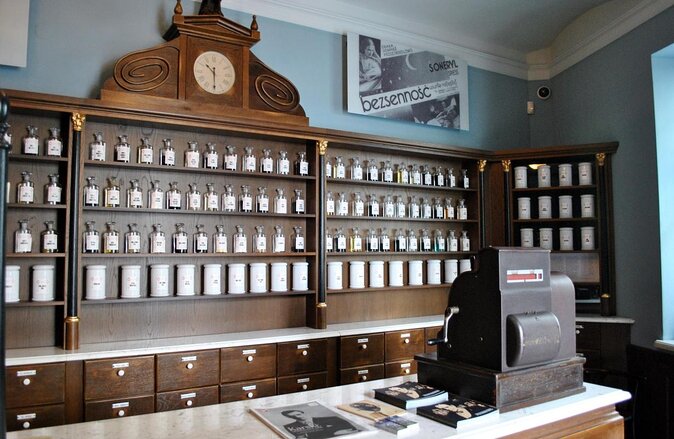
The final listed stop is Eagle Pharmacy, part of the Museum of Krakow. The guide discusses the only non-Jewish resident of the ghetto, who lived here and became an eyewitness to Nazi crimes. The exterior is viewed during the walk, and admission is not included.
This is a powerful closing point because it adds another perspective to the ghetto story. You are not only hearing about what happened to Jewish residents. You are also learning about the person who remained in the district and witnessed the regime’s actions.
The tour ends at Plac Bohaterow Getta rather than returning to the Old Synagogue. That is useful for planning. The experience details place Schindler’s Factory roughly 10 minutes away, so you can continue there after the walk if you still have time and energy. The factory museum is not part of the tour, and you will need to arrange its admission separately.
How the guides shape the experience
The guide is the main reason to book this walk instead of using a map and reading plaques. The named guides in the supplied feedback include Tom, Natalia, Lucy, Jakob, and Matt. Their styles differ, but the strongest pattern is clear storytelling delivered in a thoughtful, direct way.
Lucy was praised for avoiding a flood of dates and names. Natalia was described as easy to understand and attentive to the group’s experience. Jakob was singled out for a thoughtful and sensitive approach, while Tom was praised for continuing with energy in cold rain and for connecting the history with stories of hope.
That does not guarantee which guide you will receive. It does mean you should judge the walk as a guide-led narrative experience, not as a fixed audio tour. Group size can reach 35 people, so your position in the group may affect how easily you hear. Stay near the guide when possible, especially at busy outdoor locations.
The subject calls for care. You may find the tone serious for much of the second half. The strongest approach is neither theatrical nor detached. It gives you facts, explains the setting, and makes room for the lives behind the events.
Price, timing, and practical fit
At $26.60, the walk offers a relatively inexpensive way to organize several important sites into one historical route. You are paying for the local guide and the constructed narrative, not for meals, transport, hotel pickup, or museum admissions.
The tour lasts approximately 2 hours and 30 minutes. It begins at the Old Synagogue and ends at Plac Bohaterow Getta, so plan your route afterward from the finishing point rather than expecting to return to the start.
A maximum of 35 people is allowed. That is manageable for a street walk, but it is not an intimate private experience. If you want plenty of time for questions or a quieter pace, ask about the smaller private option mentioned in the booking details.
The tour requires moderate physical fitness. You will walk outdoors and stand during explanations. Children must be accompanied by an adult, and service animals are allowed. The route is near public transportation, which helps before or after the walk.
The experience is offered in English. Because a Spanish-language booking error was reported, confirm the language shown for your exact date before paying. If you do not understand English comfortably, the historical content will lose much of its value.
Free cancellation is available up to 24 hours before the start time. Cancellations made within 24 hours are not refunded, and late changes are not accepted. The tour also requires a minimum number of participants, so a cancellation by the operator would result in another date or experience, or a full refund.
Who should book this Jewish Krakow walk?
I would choose this tour if you want a clear introduction to Jewish Krakow and the wartime ghetto in one outing. It suits first-time visitors who want the district explained in place, rather than reading about it later from a hotel room.
It is also a good fit if Schindler’s List is part of your Krakow plans. The courtyard and stairs stop adds a real location, while the rest of the route keeps the film from becoming the entire story.
You may prefer another format if you dislike standing for explanations, need a private guide, or want to enter every synagogue and museum. This walk includes several exterior stops and does not include admission tickets. The group may also be too large for people seeking a quiet, personal discussion.
Should you book it?
Yes, if you want a serious, well-organized introduction to the Jewish quarter and the Krakow ghetto at a moderate price. The strongest value is not the number of stops. It is the way the route links Jewish community life, religious buildings, Nazi persecution, the ghetto, and modern Krakow.
Book with realistic expectations. Dress for outdoor weather, wear comfortable shoes, confirm the English language, and allow extra time afterward for Schindler’s Factory. If you can spare only one history walk in Krakow, this route gives you a strong foundation. If you want interiors, a small group, or a slower private conversation, request the private option instead.
FAQ
Where does the Jewish Krakow Walking Tour start?
The tour starts outside the Old Synagogue at Szeroka 24, 31-053 Krakow, Poland.
Where does the tour end?
It ends at Plac Bohaterow Getta in Krakow.
How long does the tour last?
The tour lasts approximately 2 hours and 30 minutes.
What language is the tour offered in?
The experience is offered in English. Because a Spanish-language booking issue was reported, confirm the language for your selected booking before you pay.
What is included in the tour?
A local expert guide and a carefully prepared historical narrative are included.
Are museum and synagogue admission tickets included?
No. Admission fees are not included. Several locations, including the Old Synagogue and Eagle Pharmacy, are viewed from outside.
Does the tour include food or drinks?
No. Food and drinks are not included.
Is hotel pickup available?
No. Hotel pickup and drop-off are not included.
How large can the group be?
The tour can have a maximum of 35 participants.
What happens if the weather is bad?
The tour operates in all weather, so you should dress appropriately. If conditions could threaten participants’ health or safety, the guide may shorten or end the tour.
Just added around Krakow
- Tour to Wadowice: Hometown of Pope Saint John Paul II★ 4.6 · 12 reviews
- The Jewish Quarter – Walking Tour★ 5.0 · 4 reviews
- From Kraków; to Białka Thermal Baths private tour★ 5.0 · 5 reviews
- St. Mary’s Basilica and more – a short walk with a guide★ 4.7 · 56 reviews
- Krakow: Auschwitz-Birkenau and Wieliczka Salt Mine Day Trip★ 4.7 · 84 reviews
- Krakow: Skip-the-Line Wawel Castle & Old Town Guided Tour★ 4.9 · 23 reviews
- Krakow: Schindler’s Factory Guided Tour★ 4.2 · 12 reviews
- Shooting Range Experience!★ 4.8 · 66 reviews
Walking Tours, compared.
Gdańsk City Sights & History Guided Walking Tour in English
Read our review →
Browse the lists this tour appears in