
Reviewed · HISTORICAL TOURS
Historic Heart of Warsaw Walking Tour
Warsaw’s old center is more than pretty façades and postcard squares. This walk links royal power, wartime destruction, Jewish history, science, and the city’s postwar rebirth in one compact route. The most striking feature is the range of stories, from King Sigismund’s column to the boundary of the former Warsaw Ghetto.
I like the route’s strong historical arc and the way it finishes at the Warsaw Uprising Monument instead of circling back to the start. I also like the human touch supplied by guides such as Olivia and Agnieszka, whose humor and clear explanations have made this tour especially memorable. The main consideration is pace: eleven stops in roughly two hours leaves little time for long visits inside museums or churches.
Key points at a glance
- A route through several eras: Royal Poland, medieval defenses, Maria Skłodowska-Curie, the Warsaw Ghetto, and the 1944 uprising all appear along the way.
- Two hours well used: The tour keeps moving, with short stops that help you get your bearings without taking up a full day.
- A small maximum group: No more than 15 people can join, though private or one-on-one departures may occur depending on the booking.
- English-speaking guides with personality: Olivia and Agnieszka are among the named guides, and humor is part of the experience.
- Useful extras: You receive visual aids, a Warsaw information pack, and suggestions for food, drinks, and further sightseeing.
- Admissions cost extra: The Royal Castle and Maria Skłodowska-Curie Museum are not included in the $28.75 price.
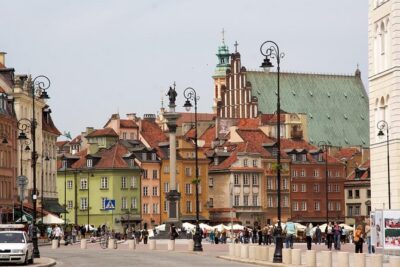
Start at Sigismund’s Column in Castle Square
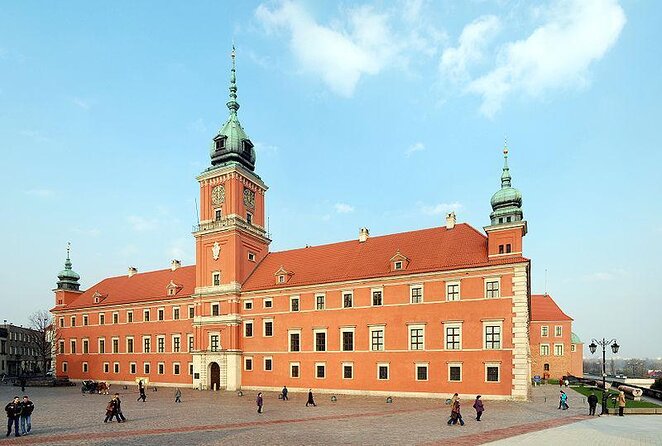
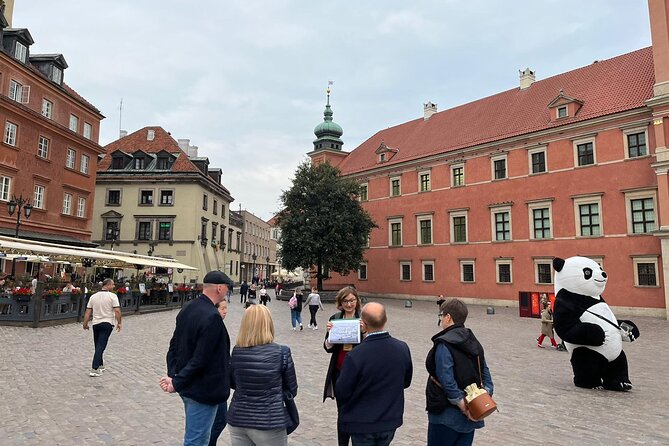
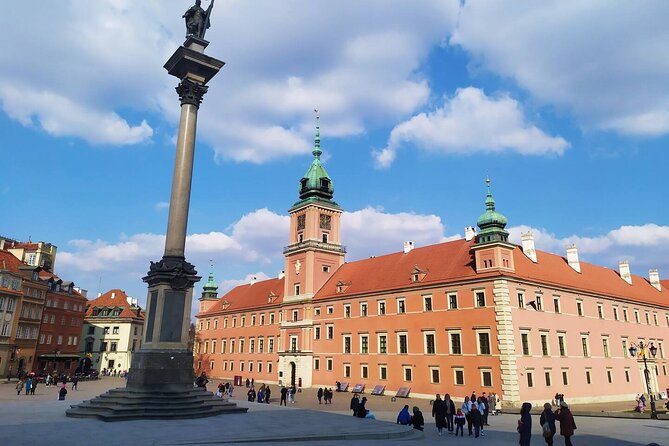
The tour begins at Sigismund’s Column in plac Zamkowy, the broad square in front of the Royal Castle. It is an easy meeting point to recognize, and the column gives your guide a natural place to explain how Warsaw’s royal center developed.
The monument shows King Sigismund III Vasa, the ruler who moved Poland’s capital from Kraków to Warsaw in the late sixteenth century. That single decision helps explain why Warsaw has a royal core despite its relatively modern appearance in many other parts of the city.
The Royal Castle is the first major stop, with about 15 minutes devoted to it. You will see the building from outside and hear about its role in Warsaw’s political story. The castle museum requires a separate admission ticket, so this tour is best viewed as an introduction rather than a substitute for a full indoor visit.
If you plan to return to the castle later, this opening talk gives you useful context before you enter. If you only have a short stay in Warsaw, the outside view and guide’s explanation may be enough to help you decide how to spend your remaining time.
A few more Warsaw trips to weigh up
- Warsaw: POLIN Museum of the History of Polish Jews Ticket
★ 4.7 · 1,142 reviews - Warsaw: Chopin Concert at Historical Venue in Old Town
★ 4.7 · 445 reviews - Small-Group Historical Guided Tour of Warsaw with pick up/drop off. Public Tour.
★ 4.5 · 343 reviews
Kanonia and the Wishing Bell
From Castle Square, the route moves into the older lanes near Saint John the Baptist Cathedral. Kanonia is a small square at the rear of the cathedral, and its tucked-away setting offers a quieter pause after the openness of Castle Square.
The guide spends about 10 minutes here. That is enough time to look around, hear the local story, and understand why this corner feels different from the main market area. You should not expect an extended architectural lecture, but the stop adds texture to the walk.
The Wishing Bell receives a shorter visit of about five minutes. This seventeenth-century bell has become a small ritual stop for people exploring the Old Town. The tour explains its place in local tradition, giving you a simple detail to remember and revisit if you have time after the walk.
These brief stops show the tour’s basic method: keep the route moving, but pause often enough to layer in small details. The tradeoff is that you will not linger at every corner.
Gnojna Góra gives you a different Warsaw view
Gnojna Góra is one of the most useful stops for getting your bearings. This lesser-known lookout point offers a view toward the Vistula River and the opposite bank.
The view helps you understand Warsaw’s position beside the river, rather than seeing the Old Town as an isolated cluster of monuments. Allow about 10 minutes here. That is enough for photographs and a short explanation, though the experience depends on weather and visibility.
I value this kind of stop because it breaks up the succession of streets and façades. It also gives the guide a chance to connect the Old Town with the wider city. You will not spend a long time at the overlook, so plan to return on your own if you want a slower look.
Old Town Market Square and Saint John’s Cathedral
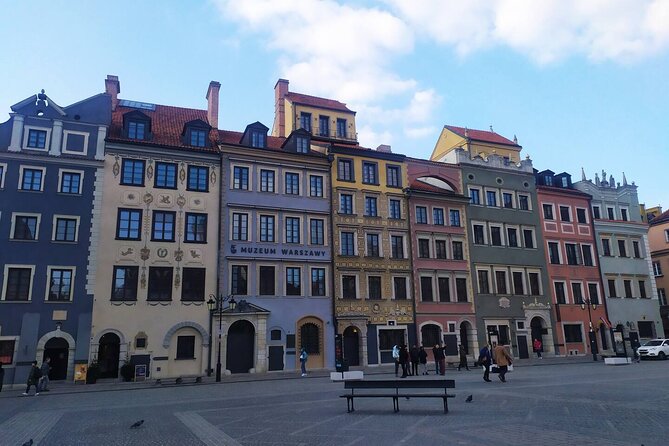
Rynek Starego Miasta, the Old Town Market Square, is the visual center of the walk. Colorful townhouses frame the square, and the Warsaw Mermaid monument provides the city’s most recognizable symbol.
The guide allows about 10 minutes here. You will hear how the square fits into Warsaw’s identity and can take in the restored appearance of the buildings. The square is attractive, but its real value comes from understanding that the old center was rebuilt after wartime destruction. Without that context, it can look simply charming. With it, the façades carry much more weight.
The next stop is the Archcathedral of Saint John the Baptist, described as Warsaw’s most important church. The visit lasts around 10 minutes. You will learn about the church’s role in the city and see why it matters beyond its religious function.
The tour information does not promise a full interior visit or a special admission arrangement, so treat this as a guided stop rather than a long church tour. Dress and behave appropriately if services are taking place.
Same country, a completely different kind of day:
- Warsaw: Chopin Concert in the Old Town
★ 4.8 · 2,287 reviews - Warsaw: Traditional Galar Cruise on The Vistula River
★ 4.6 · 1,640 reviews - Warsaw: Old Town Highlights Walking Tour in English
★ 4.7 · 1,516 reviews - Warsaw Concert: Chopin – Painted by Candlelights with Wine
★ 4.8 · 1,442 reviews
Medieval defenses at the Warsaw Barbican
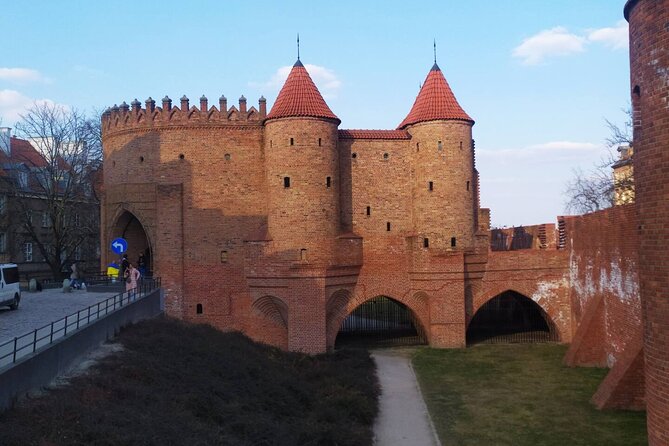
The Warsaw Barbican marks the transition from the Old Town’s civic center to its defensive edge. This fortified gateway and the remaining walls recall the medieval city that once needed protection behind them.
Only about five minutes are assigned here. That sounds brief, but the Barbican works well as a quick visual stop. You will understand how the old fortifications shaped the city’s edge and can explore more later if medieval architecture interests you.
The short timing also keeps the tour from becoming too heavy. Warsaw’s story has many serious chapters, and the Barbican provides a physical reminder of the earlier city before the route moves toward science and wartime memory.
Maria Skłodowska-Curie’s birthplace
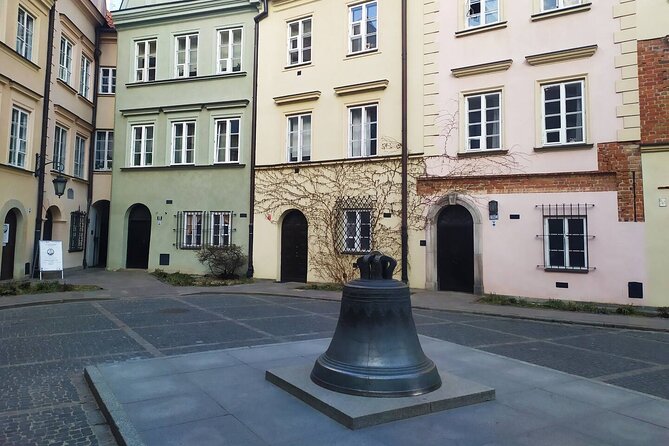
The Maria Skłodowska-Curie Museum is one of the more distinctive stops on the route. It occupies the birthplace of Maria Skłodowska-Curie, the Polish-born scientist who won two Nobel Prizes.
About 10 minutes are set aside for the museum. The admission ticket is not included, so you will need to pay separately if you want to go inside. During the walk, the guide introduces her connection to Warsaw and explains why her story belongs in a tour of the city’s historic center.
This stop adds welcome variety. Instead of focusing only on kings, churches, and military events, the route brings in science and an internationally important Polish figure. If you have a strong interest in her life, plan a separate museum visit because ten minutes is not enough for a detailed examination.
Warsaw Ghetto boundary markers
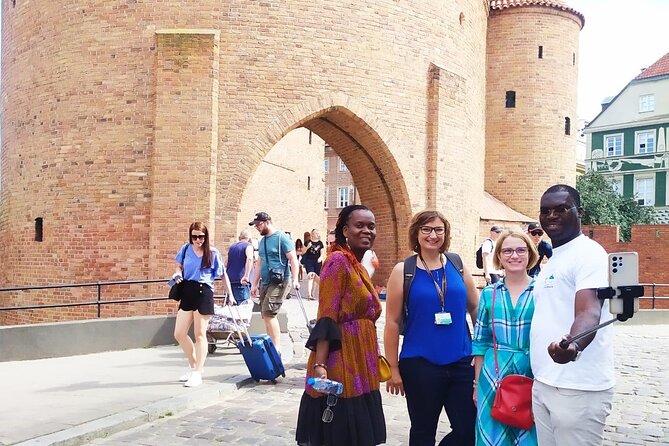
The mood changes at the Warsaw Ghetto boundary markers. Plaques mark the maximum perimeter of the ghetto established in 1940, making the former boundary visible within today’s city.
The stop lasts about 10 minutes. Its value is not in a grand structure, but in the way small markers connect the present street plan to a devastating period. You will hear about the ghetto’s place in Warsaw’s wartime story and see how the memory of that boundary remains part of the city.
This is a serious portion of the tour. The guide’s job here is to explain clearly and respectfully, and the route gives enough time to register the location without turning the experience into a long memorial visit. If you want a fuller understanding of Jewish Warsaw and the Holocaust, you will need additional sightseeing beyond this walk.
Finish at the Warsaw Uprising Monument
The final stop is the Warsaw Uprising Monument at plac Krasińskich. Dedicated to the Warsaw Uprising of 1944, it gives the tour a strong ending and places wartime resistance at the center of the final scene.
The stop lasts about 10 minutes. That is enough time for the guide to explain the monument and the uprising’s importance, while the setting provides a clear endpoint for the historical story that began with royal Warsaw.
The tour ends here, not back at Sigismund’s Column. The finish is about a 15-minute walk from the starting point, and the guide can explain how to return if you need to. This one-way design is practical if you plan to continue toward the northern part of the Old Town, but less convenient if you have left belongings near the meeting point.
What the $28.75 price really buys you
At $28.75 per person, this is a modestly priced orientation walk. You are paying mainly for the guide’s storytelling, route planning, visual aids, and the ability to connect places that might otherwise feel like separate sights.
The tour does not include entry to the Royal Castle or the Maria Skłodowska-Curie Museum. That keeps the base price down, but you should add those costs if you want indoor visits. Most of the stops are outdoor monuments, squares, viewpoints, plaques, and building exteriors, so the tour still works well as a first look at Warsaw without extra admission fees.
The included information pack adds value after the walk. It contains frequently asked questions, useful links, and suggestions for places to eat, drink, and visit. I would use those recommendations to turn the tour into a first-day plan rather than treating the two hours as a complete Warsaw program.
The tour is usually booked well ahead, with an average booking point of 68 days in advance. That does not mean you must book two months out, but it suggests that planning ahead is sensible, especially for a particular date or a small group.
Guide style and group size
The strongest feature is likely to be the guide. Olivia is described as funny and engaging, while Agnieszka is praised for explaining the city clearly, answering questions, and making the walk feel personal.
Those details matter because a history walk succeeds or fails on delivery. The route includes many short stops, so a guide who can tell a focused story without overloading you will make the experience much better. Humor can also help when the subject shifts between royal history, science, and painful wartime events.
The maximum group size is 15 people. That is small enough for a more personal walk than a large coach-style outing, though the actual group may be smaller. Some departures have been one-on-one, but you should not book expecting a private tour.
The tour is offered in English and includes visual aids. That is useful when discussing old boundaries, changing city plans, or people and events that are easier to understand with something to look at.
Who should book this Warsaw walk?
I would choose this tour for a first visit to Warsaw, especially if you want a clear introduction before deciding which museums and memorials deserve more time. It suits curious adults, couples, solo visitors, and families who can manage a two-hour walk.
It is also a good fit if you want history without spending the entire morning indoors. The route gives you royal landmarks, local traditions, views, science, Jewish history, and the 1944 uprising in one compact outing.
You may want another option if you need long museum visits, extensive time inside churches, or a tour focused only on one subject. The number of stops means the experience favors breadth over extended exploration.
The tour is wheelchair-friendly, service animals are welcome, and it operates near public transportation. Most people can participate. Still, if you have specific mobility needs, it is sensible to confirm the route details with the provider before booking, since the available information does not describe every surface or street condition.
Practical timing and cancellation
The stated duration is approximately two hours. The listed stop times add up to about 95 minutes, leaving the rest for walking between places, explanations, and transitions. Wear comfortable shoes and keep the schedule afterward flexible.
You receive confirmation at booking, and the activity is offered with a mobile ticket. Free cancellation is available if you cancel at least 24 hours before the local start time. Cancellations or changes made later are not refunded or accepted.
Should you book the Historic Heart of Warsaw Walking Tour?
Book it if you want a well-paced introduction to Warsaw’s central story, with a lively English-speaking guide and a route that keeps moving. Olivia and Agnieszka appear particularly well suited to the experience, bringing humor, clear explanations, and room for questions.
The tour is not a replacement for the Royal Castle, Maria Skłodowska-Curie Museum, or a full Warsaw Ghetto history program. It is a smart starting point that helps you understand what you are seeing, then decide where to spend more time.
At $28.75, the value is good for a two-hour, small-group orientation with practical follow-up suggestions. Book it early if your dates are fixed, and remember that the final stop is at the Warsaw Uprising Monument, about 15 minutes from the starting point.
FAQ
Where does the tour start?
It starts at Sigismund’s Column in plac Zamkowy, Warsaw, Poland.
Where does the tour end?
It ends in front of the Warsaw Uprising Monument at plac Krasińskich.
How far is the ending from the meeting point?
The ending is approximately a 15-minute walk from the starting point. The guide can provide directions back if needed.
How long does the tour last?
The tour lasts approximately two hours.
What language is the tour offered in?
The tour is offered in English.
How much does the tour cost?
The listed price is $28.75 per person.
Are Royal Castle admission tickets included?
No. Admission to the Royal Castle Museum is not included.
Is admission to the Maria Skłodowska-Curie Museum included?
No. The museum admission ticket is not included.
How large is the group?
The activity has a maximum of 15 participants.
Is the tour wheelchair-friendly?
Yes. The tour is wheelchair-friendly, and service animals are welcome.
Just added around Warsaw
- World War II Warsaw Old Town, Military Cemetery Walking Tour★ 4.7 · 3 reviews
- Warsaw: Wolf’s Lair & Swieta Lipka Small-Group Tour + Lunch★ 5.0 · 3 reviews
- Wilanów Palace: 2-Hour Guided Tour with Entrance Tickets★ 4.8 · 8 reviews
- Warsaw Zoo Skip-the-Line Entry Ticket with Private Transport★ 4.8 · 3 reviews
- Warsaw Wolf’s Lair with St. Lipka and Mamerki Private Guided★ 4.2 · 3 reviews
- Warsaw: Vistula River Cruise with Your Music & City Views★ 4.6 · 78 reviews
- Warsaw: Private Vodka Tasting Night with Snacks and Pickup★ 5.0 · 7 reviews
- Warsaw Private Wilanow Palace & Garden Tour★ 4.6 · 30 reviews
Historical Tours, compared.

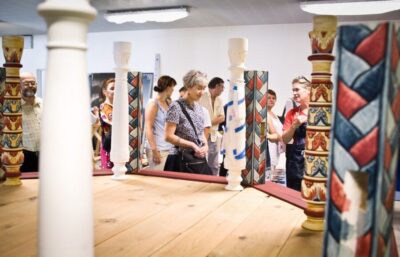
POLIN Museum of the History of Polish Jews Ticket
Read our review →
Gdańsk City Sights & History Guided Walking Tour in English
Read our review →

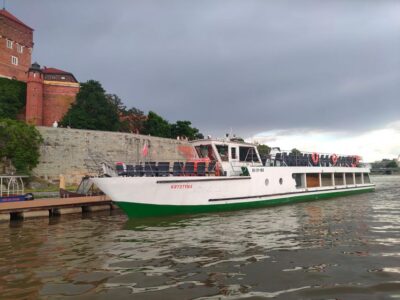
Small-Group Historical Guided Tour of Warsaw with pick up/drop off. Public Tour.
Read our review →Browse the lists this tour appears in