
Reviewed · MUSEUMS
Archdiocesan Museum in Krakow
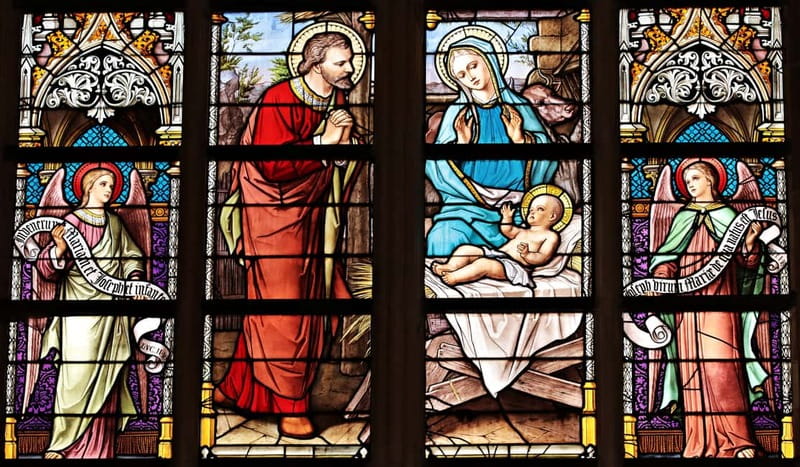
Krakow’s Archdiocesan Museum offers a quiet look at the city’s religious and artistic past, with about 600 works in 16 historic rooms. The setting on Kanonicza Street is part of the appeal: this is one of Krakow’s oldest and most atmospheric streets, right in the city center.
I like the museum for two clear reasons. First, the collection reaches from the 13th to the 19th century, so you can watch sacred art change across several hundred years. Second, the rooms contain gifts connected with Pope John Paul II, who served as archbishop of Krakow before becoming pope. The main consideration is that opening hours can change, and no transportation is included.
Key points to know before you go
- Sixteen historic rooms: The permanent exhibition is arranged in rooms furnished with baroque furniture, giving the art a period setting rather than a plain modern display.
- About 600 sacred works: Expect paintings, sculptures, and craftwork from the 13th through the 19th centuries.
- Pope John Paul II’s gifts: Items presented by the Holy Father add a personal Krakow connection to the collection.
- Central Kanonicza Street address: The museum is in one of Krakow’s oldest and most beautiful streets, close to the city’s major sights.
- Low individual admission: At about $2.41 per person, the museum is an inexpensive addition to a day in central Krakow.
- Part of the Krakow City Card: City Card holders enter free, and the card also includes access to many other museums and landmarks.
Kanonicza Street sets the tone
The museum is located on Kanonicza Street, a historic street in the heart of Krakow. Even before you enter, the location gives the visit a sense of place. This is not an isolated museum reached by a long ride across town. It sits among old buildings and important city sights, making it easy to add to a walking day.
That central position matters if you are planning a busy Krakow schedule. You can fit the museum between other attractions without setting aside an entire afternoon. Transportation is not included, but that is less of an issue here because the museum is presented as a central Krakow stop rather than a day trip.
I would treat Kanonicza Street as part of the experience. The museum’s subject is the artistic legacy of the Krakow bishopric, and the street helps connect that subject to the city around you. You are looking at religious art in the same historic city that shaped the clergy, patrons, and institutions behind it.
A few more Krakow trips to weigh up
- Auschwitz-Birkenau Museum and Memorial Guided Tour from Krakow
★ 4.5 · 1,510 reviews - Krakow: Rynek Underground Museum Guided Tour
★ 4.6 · 1,122 reviews - Krakow Schindler’s Factory Museum Guided Tour in English
★ 4.5 · 650 reviews
Sixteen rooms, six centuries of sacred art
The permanent exhibition contains approximately 600 works spread across 16 historic rooms. The collection includes paintings, sculptures, and craftwork, with dates ranging from the 13th to the 19th century.
That broad time span is useful because it gives you more than a single style or period. You can compare how religious subjects were presented at different points in Polish and European art. A visit here is less about one famous masterpiece and more about seeing a large body of sacred work in one place.
The 16-room layout also changes the pace of the visit. Instead of one huge gallery, you move through a sequence of historic interiors. The rooms are furnished with baroque furniture, so the displays have a period character that supports the subject of the collection.
I like this arrangement for visitors who enjoy context. A work of art can feel detached when it hangs alone on a bright white wall. Here, the historic rooms help you think about the setting in which religious art was displayed and valued.
Still, you should set your expectations correctly. The available information does not identify individual masterpieces, room-by-room themes, or a named guide. If you want a detailed explanation of every object, check whether guiding or additional interpretation is available when you book. The basic admission is an entry ticket, not a clearly described guided tour.
What the collection tells you about Krakow’s clergy
The museum’s purpose is to present the artistic legacy of the Krakow bishopric and help you understand the history of the Polish clergy. That makes this more than a general art stop. The collection connects religious objects with the people and institutions that shaped Krakow’s public and cultural life.
You can expect the subject to be strongly tied to Catholic history. The works are sacred art, and the museum’s focus is the Krakow archdiocese. If you have limited interest in religious art, you may find the collection more specialized than other central Krakow museums.
For the right visitor, that focus is exactly the point. Krakow’s churches, bishops, and clergy played an important role in the city’s identity, and this museum gives you a way to examine that story through objects. Paintings, sculptures, and craftwork can show what religious communities valued, displayed, and preserved across the centuries.
The museum also belongs to the authority of Krakow’s metropolitan bishop, Stanisław Dziwisz. That institutional connection is relevant because it explains why the museum can present works tied to the Krakow bishopric and gifts associated with Pope John Paul II.
Pope John Paul II’s personal Krakow connection
One of the most important features is the collection of gifts from Pope John Paul II. Before becoming pope, he was closely connected with Krakow, and the museum’s displays give that connection a physical form.
These objects are likely to interest visitors who want more than general religious art. They add a modern and personal layer to a collection that otherwise reaches back to the 13th century. You move from older sacred works to items connected with one of Poland’s best-known religious figures.
The information provided does not list each gift or explain its exact history, so you should not expect a detailed catalogue from the basic description alone. Even so, this part of the collection can help you connect Krakow’s older church traditions with its more recent past.
I would make these displays a priority if your trip includes Wawel, Krakow’s churches, or other places connected with John Paul II. The museum is not presented as a standalone John Paul II exhibition, but his gifts are an important part of what gives this visit a distinctly Krakow character.
Same country, a completely different kind of day:
- From Krakow: Auschwitz-Birkenau Guided Tour & Hotel Pickup
★ 4.5 · 33,358 reviews - From Krakow: Auschwitz-Birkenau Guided Tour & Hotel Pickup
★ 4.5 · 29,340 reviews - Krakow: Auschwitz Guided Tour with Optional Hotel Pickup
★ 4.5 · 15,280 reviews - Krakow–Zakopane: Cable Car, Chocholow Baths, Cheese & Vodka
★ 5.0 · 10,720 reviews
A baroque setting rather than a modern gallery
The rooms are furnished with baroque furniture, which changes how the museum feels. The furniture is not just background decoration. It places the artworks in interiors that reflect the older world of the bishopric and the church.
This can be a strong point for you if you prefer historic houses and period rooms to modern exhibition halls. The setting makes the visit feel connected to the building and its past. It also provides a visual break from the usual sequence of paintings arranged in neutral galleries.
There is a tradeoff. Historic rooms can be less straightforward than a modern museum layout, especially if you want a simple chronological route. The available details do not specify room labels or a suggested order, so take your time and follow the museum’s own arrangement.
The 16-room format is also helpful for pacing. You can pause in rooms that interest you and move along when a particular group of objects is less familiar. Since the ticket is inexpensive, you do not need to force the visit into a long stay to feel you received good value.
How long should you allow?
The ticket is described as valid for one to two days, with starting times dependent on availability. That wording suggests you should check the selected option carefully when booking rather than assume one fixed entry time.
No exact visit length is provided. With 16 rooms and about 600 works, I would plan enough time to look properly rather than treat the museum as a five-minute stop. Your ideal visit will depend on how closely you study religious art and how much time you spend with the John Paul II material.
The museum works well as part of a flexible central Krakow day. You can place it alongside other sights covered by the Krakow City Card, or buy the low-cost entry on its own if this is the only museum on your plan.
Opening hours deserve attention. They may differ from the times shown when you book, and some Krakow museums do not operate on Mondays. Check the official museum website shortly before you go, especially if Monday is your planned museum day.
Is the $2.41 ticket good value?
At about $2.41 per person, individual admission is inexpensive by museum standards. The value comes from the combination of location, collection size, and historic setting. You receive access to 16 rooms and approximately 600 works without committing to a costly attraction.
The price is particularly appealing if you already plan to walk through central Krakow. There is no included transportation, but the museum’s location means you are paying mainly for entry rather than for a transfer or packaged excursion.
City Card holders enter free. The Krakow City Card also provides access to 36 museums and landmarks, including Schindler’s Factory, the Rynek Underground Museum, the Princes Czartoryski Museum, the Gallery of 19th-Century Polish Art in the Sukiennice, the Old Synagogue, and the Town Hall Tower.
The card can be a good deal if you plan to visit several listed sites within one to three days. It is less useful if you only want this museum and one or two other attractions. Compare your planned admission costs before buying the pass.
Students can receive a discount, but you must carry a valid student ID and show it when requested. The exact discounted price is not provided, so check the available option before purchase.
How it compares with Krakow’s other museums
The Archdiocesan Museum serves a different purpose from many of the other museums included with the City Card. Schindler’s Factory focuses on wartime Krakow, the Rynek Underground explores the city beneath the main market square, and the Princes Czartoryski Museum is known for Leonardo da Vinci’s Lady with an Ermine.
The Archdiocesan Museum is smaller in subject, but broad in date range. Its focus is sacred art and the Krakow clergy, not a general survey of Polish history or a single famous object.
That makes it a good choice for a visitor building a varied museum day. You can pair a religious-art visit with a historical or Jewish heritage museum and get a broader picture of Krakow. It is also a sensible pick if you have already seen the major market square sights and want something quieter.
I would not rank it above Krakow’s biggest headline museums for every visitor. If your time is very limited and you want one famous work or one major historical story, another museum may come first. But the low price and central setting make this an easy addition, especially for anyone interested in church art, Polish Catholic history, or John Paul II.
Who will enjoy this museum most?
This museum suits you best if you like:
- Sacred paintings, sculptures, and church craftwork
- Historic interiors and baroque furniture
- Krakow’s religious institutions and clergy
- Pope John Paul II’s connection with Krakow
- Quiet cultural stops in the city center
- Using a City Card to visit several museums
Families can also consider it, though the subject may appeal more to older children and adults who enjoy art or history. The available information does not describe child-specific displays or activities, so do not plan on an entertainment-focused museum visit.
Art students and visitors interested in church art may find the date range especially useful. The exhibition lets you see works from the 13th through the 19th centuries in one setting, although the available details do not identify artists or individual works.
Practical planning before your visit
Check the official website for current opening hours. This is the most important practical tip because hours can change, and Monday operation is not guaranteed across the City Card museums.
Confirm the meeting point for the option you book. The meeting point may vary, and the activity ends back at that meeting point. Since transportation is not included, plan your own route to Kanonicza Street.
If you are using the Krakow City Card, bring the card and confirm that it is valid for the dates of your visit. If you are using a student discount, carry your student ID.
The activity offers free cancellation up to 24 hours before the scheduled visit for a full refund. That gives you some flexibility if your Krakow plans change, but it does not remove the need to check hours before setting out.
The experience has a 4.7 out of 5 rating from 12 ratings, with the available written comment simply calling it formidable. That is a positive signal, though the small number of ratings means I would place more weight on the museum’s location, subject, and low cost when deciding.
Should you book the Archdiocesan Museum?
Book it if you want a compact, affordable museum with a clear Krakow identity. The combination of 600 sacred works, 16 historic rooms, and John Paul II’s gifts gives you plenty of substance for a central-city stop.
It is an especially good choice for City Card holders, church-art enthusiasts, and visitors who want to understand the role of Krakow’s clergy. The baroque furnishings and Kanonicza Street location add atmosphere without requiring a full-day commitment.
Skip it if your Krakow schedule is already packed and your main goal is modern art, wartime history, or a single world-famous masterpiece. Also check the opening hours first, since changing schedules could make an otherwise easy visit inconvenient.
For most visitors with an interest in Krakow’s religious and artistic past, the low price makes this a sensible addition. I would place it after the city’s essential headline sights, then use it as a calm and thoughtful stop among the busier attractions.
FAQ
Where is the Archdiocesan Museum in Krakow?
The museum is on Kanonicza Street in the heart of Krakow. Kanonicza Street is one of the city’s oldest and most beautiful streets.
What can I see inside the museum?
You can see approximately 600 sacred works, including paintings, sculptures, and craftwork from the 13th through the 19th centuries.
How many rooms does the exhibition include?
The permanent exhibition is arranged in 16 historic rooms furnished with baroque furniture.
Does the museum display gifts from Pope John Paul II?
Yes. The exhibition includes gifts from the Holy Father John Paul II.
Is admission included with the Krakow City Card?
Yes. Krakow City Card holders receive free admission to the Archdiocesan Museum.
How much does individual admission cost?
The listed price is about $2.41 per person. Student discounts are available, but students must show a valid student ID when asked.
Is transportation included?
No. Transportation is not included, so you must make your own way to the meeting point on Kanonicza Street.
Can I cancel for a refund?
Yes. You can cancel up to 24 hours in advance for a full refund.
Just added around Krakow
- Tour to Wadowice: Hometown of Pope Saint John Paul II★ 4.6 · 12 reviews
- The Jewish Quarter – Walking Tour★ 5.0 · 4 reviews
- From Kraków; to Białka Thermal Baths private tour★ 5.0 · 5 reviews
- St. Mary’s Basilica and more – a short walk with a guide★ 4.7 · 56 reviews
- Krakow: Auschwitz-Birkenau and Wieliczka Salt Mine Day Trip★ 4.7 · 84 reviews
- Krakow: Skip-the-Line Wawel Castle & Old Town Guided Tour★ 4.9 · 23 reviews
- Krakow: Schindler’s Factory Guided Tour★ 4.2 · 12 reviews
- Shooting Range Experience!★ 4.8 · 66 reviews
Museums, compared.
Auschwitz-Birkenau Museum and Memorial Guided Tour from Krakow
Read our review →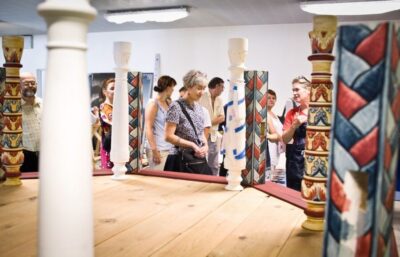
POLIN Museum of the History of Polish Jews Ticket
Read our review →

Krakow Schindler’s Factory Museum Guided Tour in English
Read our review →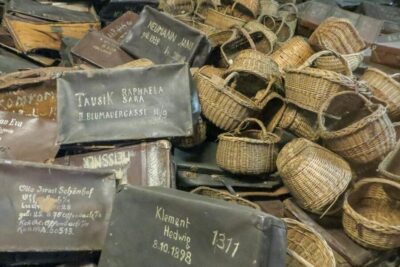
Auschwitz Birkenau Museum Guided Tour with Pickup
Read our review →
Browse the lists this tour appears in