Reviewed · WARSAW TOURS
Treblinka Half Day Guided Tour
Treblinka is not a place of grand ruins or dramatic buildings. Its power comes from what is missing: the Germans destroyed much of the camp to hide their crimes, leaving a stark memorial field, a small museum, and a guided visit that asks you to picture what can no longer be seen. This private six-hour tour from Warsaw gives you time to take in that difficult setting without managing trains, roads, or local transport.
I like the tour’s three-hour stay at Treblinka, which gives the museum and memorial proper time. I also like the video introduction and guided walk, especially because the site has so few original structures. Guide Artur receives particularly warm praise for explaining the place with care. The main drawback is clear: if you expect preserved barracks, fences, or large collections, Treblinka may feel sparse.
Key points to know before booking
- A private tour for your group: You will not be combined with other groups, and pickup is offered from Warsaw.
- About three hours at the memorial: This includes time for the museum, introductory material, and a walk around the former camp site.
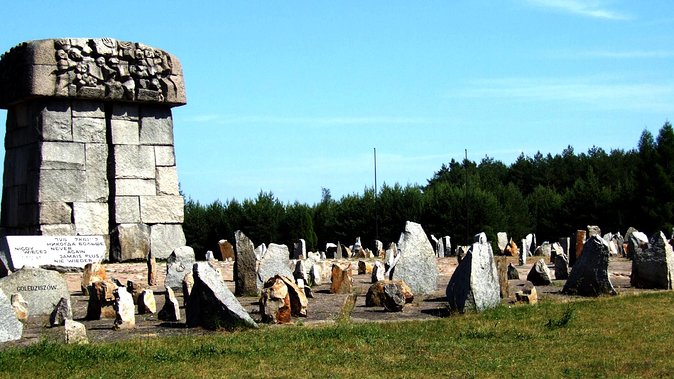
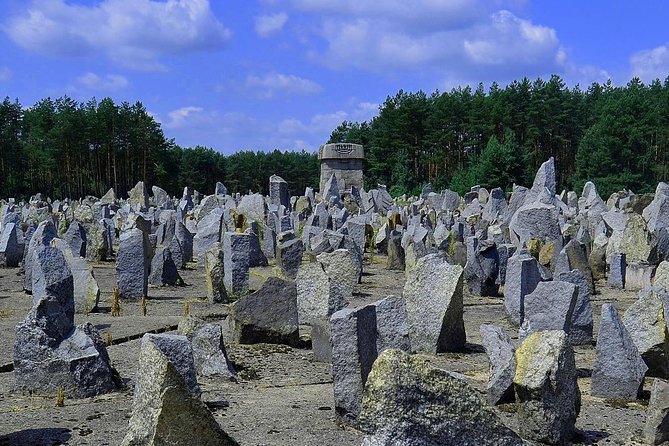
- The site is deliberately stark: Most original structures were destroyed, so the memorial carries much of the historical weight.
- An English-speaking guide leads the visit: Artur is specifically praised for his explanations and preparation.
- A long road trip, but a simple day: Allow about 90 minutes each way between Warsaw and Treblinka.
- Best for serious historical interest: Read about the Warsaw Jewish Ghetto and Treblinka before you go for a clearer sense of the camp layout.
Why Treblinka feels different from Auschwitz
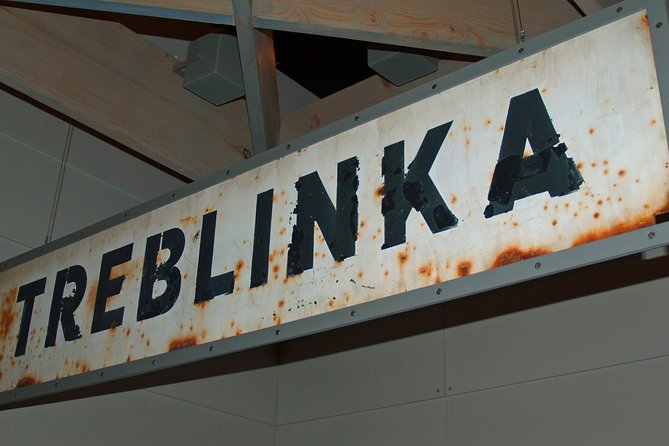
Treblinka was a German extermination camp established in 1942 near the village of Treblinka, north-east of Warsaw in Poland’s Masovian region. The site is associated with the murder of an estimated 700,000 to 900,000 people, making it one of the largest German wartime killing centers, after Auschwitz-Birkenau in scale.
That number is almost impossible to grasp at first. The physical setting makes the task harder, not easier. At many famous camp sites, preserved buildings and rows of barracks give you a visible structure to follow. At Treblinka, the absence of those buildings is part of the story. The Germans dismantled and concealed the camp, leaving behind a place that must be understood through the memorial, museum material, and careful explanation.
I think that makes a guide especially useful here. Without context, you may see a broad, quiet site marked by stones and wonder what happened where. With preparation, the memorial becomes a map of a destroyed killing center. You can connect the grounds to the deportations, the Warsaw Jewish Ghetto, and the machinery of mass murder rather than treating the visit as a quick stop at a monument.
The Treblinka Museum of Struggle and Martyrdom was founded in 2006 to commemorate the victims. It does not offer a large collection. That is worth knowing before you pay for the trip, since the museum and memorial are the heart of the visit rather than supporting pieces for a preserved camp complex.
A few more Warsaw trips to weigh up
- 3-Hour Guided Cycling Tour of Warsaw
★ 4.9 · 624 reviews - Warsaw: Old Town Guided Walking Tour
★ 4.9 · 599 reviews - Half-Day Polish Food Walking Tour with Guide and Dinner
★ 4.5 · 381 reviews
The 90-minute drive from Warsaw
The day begins with pickup in Warsaw at 8:30 am. From there, you have roughly an hour and a half on the road to Treblinka, followed by a similar drive back after the visit. With about three hours at the site, the full outing lasts approximately six hours.
That driving time shapes the experience. This is not a quick museum visit that fits neatly between breakfast and lunch. You are giving most of a day to a place outside Warsaw, and the road journey can feel long because the destination is intentionally quiet and removed from the capital.
Still, private transport makes the plan straightforward. You do not need to work out a connection, rent a car, or watch the clock for a return departure. Pickup is offered for all participants, and only your group joins the activity. That private format is useful for a solemn visit, since you can move at a pace that suits your group rather than following a large mixed party.
The start time also gives the day a clear rhythm. You leave Warsaw in the morning, arrive with several hours available at the site, and return in the afternoon. Since the exact pickup arrangements are not detailed beyond the offer of pickup, check the meeting instructions after booking.
The museum and video introduction
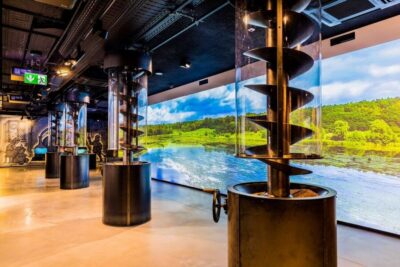
The visit at Treblinka begins with preparation rather than sending you straight into the memorial grounds. A video introduction helps establish what the camp was and how it functioned before you walk through the site.
I see real value in this order. At a place with few surviving structures, preparation is not a bonus. It gives you the basic layout and historical frame needed to understand the memorial. The first part of the visit can also help you process the difference between Treblinka and places where physical remains do much of the explaining.
The museum itself is small, with few objects. That limitation may disappoint you if you are expecting rooms filled with documents, personal belongings, or large displays. It is better to think of the museum as a concise introduction and memorial space, not a full-day institution.
You may want to read about the Warsaw Jewish Ghetto and Treblinka before leaving Warsaw. This is one of the most useful ways to prepare. Prior knowledge can help you follow the camp’s layout and understand why the memorial’s markers matter, even when the original buildings are gone.
Walking the Treblinka Memorial
The guided walk is the emotional center of the tour. Instead of touring preserved camp buildings, you move through a memorial area that marks the former killing center and its victims. The setting is minimalist by design, and that simplicity can be both its strength and its challenge.
A guide can point out what cannot be seen. The absence of fences, barracks, and camp machinery does not mean the site lacks historical information, but you need someone to connect the ground beneath your feet with the camp that once occupied it. A thoughtful explanation can keep the visit from becoming a vague walk through a field of stones.
Artur is praised for providing an excellent and detailed visit. If he leads your group, expect the video, museum, and walk to work together rather than feel like three unrelated parts. Since guides can vary, the experience depends in part on who is assigned, but the tour is built around an informative walk rather than independent sightseeing.
You should also allow yourself quiet time during the memorial visit. This is not a stop where you need to fill every minute with photographs or conversation. The memorial’s scale and sparse design require attention, and a slower pace can make the visit more meaningful.
Same country, a completely different kind of day:
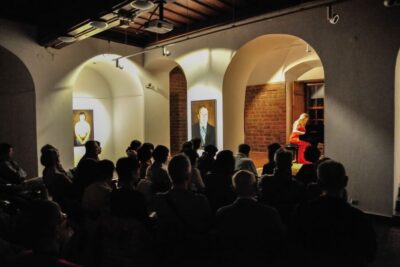
- Warsaw: Chopin Concert in the Old Town
★ 4.8 · 2,287 reviews - Warsaw: Traditional Galar Cruise on The Vistula River
★ 4.6 · 1,640 reviews - Warsaw: Old Town Highlights Walking Tour in English
★ 4.7 · 1,516 reviews - Warsaw Concert: Chopin – Painted by Candlelights with Wine
★ 4.8 · 1,442 reviews
What you will not see at Treblinka
Set your expectations before booking. Treblinka has very few original remains, and the museum has only a small number of objects. You will not be touring a largely intact camp complex.
That is the most important practical warning about this experience. If your idea of a concentration camp visit depends on preserved buildings, you may leave feeling that there was not enough to see. The memorial cannot recreate the camp in the same way as a surviving site, and no tour operator can add physical remains that are no longer there.
Yet the lack of structures is also historically important. The destruction of the camp was part of the effort to conceal the genocide. The site asks you to confront an absence created by the perpetrators, while the memorial and museum work to preserve the memory of those killed.
I would compare Treblinka with Auschwitz-Birkenau only to clarify the difference, not to rank the experiences. Auschwitz offers a large number of surviving structures and collections. Treblinka offers a more stripped-back encounter, where the guide’s words, the introductory material, and the memorial itself carry much of the explanation.
Is $189.44 a fair price?
The listed price is $189.44 per person. That is a substantial cost for a half-day outing, especially when the museum itself is small and much of the time is spent in the vehicle.
The value comes from the private setup and the transport from Warsaw. You are paying for a dedicated excursion, an English-speaking guide, pickup, the museum admission, and the return journey. For a group that wants a simple, organized visit without arranging a car, those elements can make the price easier to justify.
The group discount option may also improve the value if several people are booking together. Since only your own group participates, the cost buys more than admission. It gives you a focused visit with a guide who can adapt explanations to your group’s questions and pace.
On the other hand, this is not the right purchase if you want a packed sightseeing day with many attractions. The itinerary has one purpose: reaching Treblinka, understanding the site, and returning to Warsaw. The price is easier to defend for visitors who consider this memorial a priority and less attractive for anyone uncertain about spending six hours on a solemn historical visit.
Who will get the most from this tour?
I would choose this tour if you are staying in Warsaw and want to understand the German occupation and the destruction of Jewish communities beyond the city itself. It is also a strong fit if you prefer a private arrangement, need pickup, or do not want to handle the transport on your own.
The experience suits visitors who are willing to prepare before arrival. Reading about the Warsaw Jewish Ghetto and Treblinka can help you understand the memorial’s layout and make the guided explanations easier to follow. You do not need to arrive as a historian, but some background will help.
I would be more cautious if you have limited interest in 20th-century history or if you need frequent visual exhibits to hold your attention. The museum is small, the site has little left standing, and the subject is painful. This is a serious visit, not a general day trip with light sightseeing.
The private format can work well for families or small groups, but the material is difficult. The tour data says most people can participate, and no special participation restriction is stated. Even so, I would consider the emotional weight of the site when deciding who in your group should come.
How to prepare for a meaningful visit
Start with the Warsaw Jewish Ghetto and Treblinka. Even a short reading can give you a basic sense of the people who were deported, the role of the camp, and the reason the memorial cannot be read like an ordinary building-by-building tour.
Expect the video to do important work. It prepares you for a place where evidence is limited on the ground. Pay attention to the explanation of the former layout, since that information may help you understand the memorial markers later.
Keep your schedule light after returning to Warsaw if you can. The visit lasts only about six hours, but its subject may leave you wanting quiet time rather than another busy attraction. I would not plan it as a rushed item between several unrelated bookings.
Finally, decide in advance how you want to use your three hours at the site. You can follow the guide closely, ask questions, and take time to reflect. The tour works best when you treat the memorial as a place of remembrance rather than a checklist stop.
Booking details and cancellation
The tour is offered in English, and a mobile ticket is available. Confirmation is sent within 48 hours of booking, subject to availability, so do not assume that an immediate booking means an instant final confirmation.
Free cancellation is available when you cancel at least 24 hours before the start time. Cancellations made less than 24 hours before the experience, along with late changes, are not refunded or accepted. The cut-off uses local time in Poland.
The experience provider is Poland Travel. Since pickup is offered for all participants, review the final pickup information carefully once your booking is confirmed.
Should you book the Treblinka half-day tour?
Book it if you want a private, guided visit to one of Poland’s most important memorial sites and you value clear preparation over preserved buildings. The video, small museum, and three-hour guided visit form a sensible structure, and Artur has shown how much a good guide can add.
Do not book it expecting a large collection or a camp complex with many original structures. Treblinka is sparse, and that fact can leave you disappointed if you arrive without warning.
For me, the tour makes the most sense for a visitor who has already seen Warsaw’s Jewish history or plans to study it before the trip. The drive is long, the subject is heavy, and the physical evidence is limited. But with the right expectations, the quiet memorial and careful explanation can make this a valuable use of a day in Warsaw.
FAQ
How long does the Treblinka tour take?
The experience lasts approximately six hours. This includes about 90 minutes of driving from Warsaw, three hours at the Treblinka Memorial, and about 90 minutes driving back to Warsaw.
What time does the tour start?
The listed start time is 8:30 am.
Is pickup from Warsaw offered?
Yes. Pickup is offered for all participants. Final pickup details are provided as part of the booking information.
Is this a private tour?
Yes. Only your group participates in the activity.
Is admission to the Treblinka Memorial included?
Yes. Admission to the Treblinka Memorial is included in the tour.
Can I cancel for a full refund?
Yes, if you cancel at least 24 hours before the experience start time. Cancellations made less than 24 hours before the start time are not refunded, and late changes are not accepted.
Just added around Warsaw
- World War II Warsaw Old Town, Military Cemetery Walking Tour★ 4.7 · 3 reviews
- Warsaw: Wolf’s Lair & Swieta Lipka Small-Group Tour + Lunch★ 5.0 · 3 reviews
- Wilanów Palace: 2-Hour Guided Tour with Entrance Tickets★ 4.8 · 8 reviews
- Warsaw Zoo Skip-the-Line Entry Ticket with Private Transport★ 4.8 · 3 reviews
- Warsaw Wolf’s Lair with St. Lipka and Mamerki Private Guided★ 4.2 · 3 reviews
- Warsaw: Vistula River Cruise with Your Music & City Views★ 4.6 · 78 reviews
- Warsaw: Private Vodka Tasting Night with Snacks and Pickup★ 5.0 · 7 reviews
- Warsaw Private Wilanow Palace & Garden Tour★ 4.6 · 30 reviews
Warsaw Tours, compared.
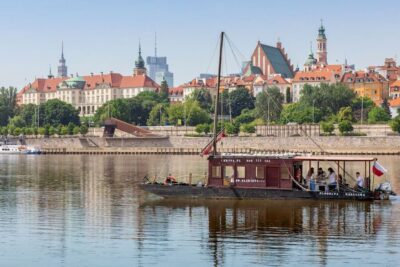
Traditional Galar Cruise on The Vistula River
Read our review →
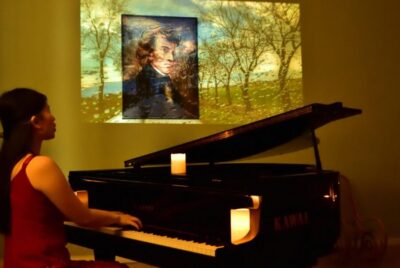
Warsaw Concert: Chopin – Painted by Candlelights with Wine
Read our review →
POLIN Museum of the History of Polish Jews Ticket
Read our review →
#1 Pub Crawl Warsaw with Optional Premium 1 Hour Open Bar
Read our review →