
Reviewed · MUSEUMS
Warsaw Uprising Museum (1944) : PRIVATE SERVICE /inc. Pick-up/
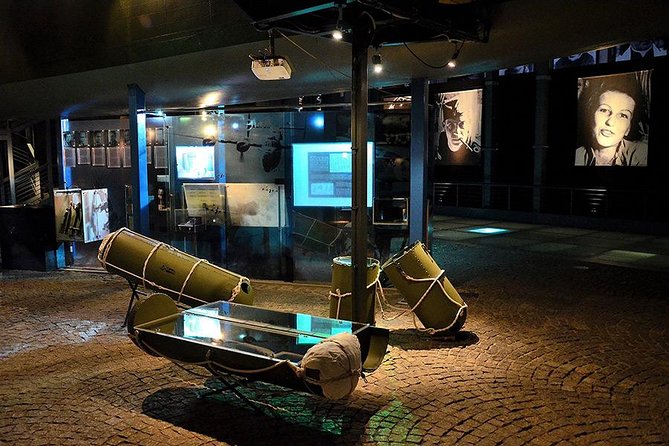
The Warsaw Uprising Museum takes you into the terrible summer of 1944, when Polish resistance fighters rose against German occupation and Warsaw paid a crushing price. It is not a quiet display of old objects. Multimedia exhibits, photographs, personal stories, and the wider story of occupation and postwar communist rule make the visit feel immediate. The private door-to-door ride is the first thing I like, since you do not have to find the museum or arrange a taxi home. I also like the wide choice of audio-guide languages, which lets you take the exhibition at your own pace.
The second strong point is control. Your car is for your group only, with pickup from your hotel or apartment and return to any location in Warsaw. The main drawback is the price of $95.03 per person for a roughly two-hour service, especially for a pair. You should also allow extra museum time if you want to follow the displays properly, since many visitors spend two or three hours inside.
Key points to know before booking
- Private transport for two to six people: No shared vehicle or extra stops for other customers.
- Hotel and apartment pickup: Provide your address when booking, then wait outside the building entrance for the driver holding a card with your name.
- More than a one-hour museum visit: The scheduled museum time is 1 hour 15 minutes, but the exhibition can easily take two or three hours.
- Audio guides in many languages: English, Polish, German, French, Spanish, Italian, Russian, Chinese, Japanese, Ukrainian, and many others are available.
- Optional personal museum guide: A licensed guide for your group costs an additional €99, payable on the day, with several language choices.
- A serious, emotional subject: This is a place for understanding wartime Warsaw, resistance, civilian suffering, and the difficult years after 1945.
Why this museum matters in Warsaw
Warsaw in 1944 was a major European city with grand tenements, churches, businesses, schools, and a large Jewish population. The German occupation had already brought terror and destruction, but the Warsaw Uprising pushed the city into an even more brutal phase.
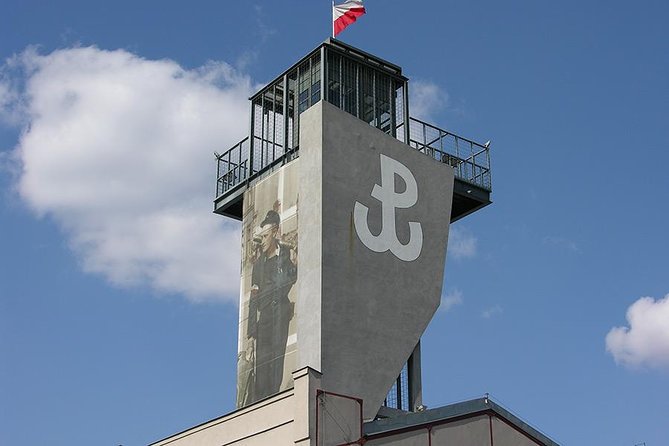
The Polish underground began the uprising on August 1, 1944, hoping to free Warsaw before Soviet forces took control of the city. The fighting lasted more than two months. The result was military defeat, mass death, and the near-total destruction of Warsaw by German forces.
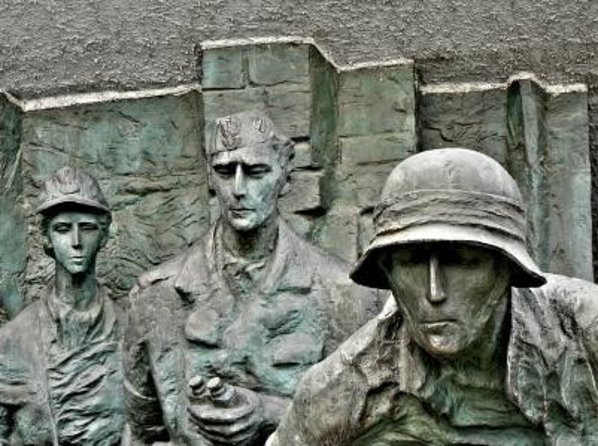
The museum connects that event to the years around it. You are not shown only weapons and battle plans. The exhibition also deals with daily life under occupation, the complex international situation, the destruction of the city, and the treatment of uprising participants after the war under communist rule.
That wider frame matters. Without it, the uprising can look like a simple story of brave fighters against a clear enemy. The museum asks harder questions about timing, political choices, civilian suffering, and the price of an attempt to regain freedom. I find that makes the visit more useful than a basic military display.
A few more Warsaw trips to weigh up
- Warsaw: POLIN Museum of the History of Polish Jews Ticket
★ 4.7 · 1,142 reviews - Warsaw: Polish Vodka Museum Tour with Tasting
★ 4.6 · 788 reviews - Warsaw: Museum World of Illusion Entry Ticket
★ 3.9 · 666 reviews
Getting there by private car
The transport is the practical reason to choose this experience instead of arranging the visit yourself. You do not need to navigate Warsaw public transport, search for a meeting point, or call for a taxi after the museum closes.
You provide your hotel or apartment address when booking. On the day, the coordinator or driver waits before entering the building, holding a card with your name and surname. That detail is worth noting if you are staying in an apartment, since the driver is not necessarily meeting you in a hotel lobby.
The vehicle is private for your group, with a maximum of six people and a minimum of two per booking. You can return to your accommodation or another address in Warsaw that you specify. For a small family, older relatives, or anyone who prefers not to manage local transport, this is a real convenience.
There is one practical caution. One person who used a taxi found that the museum has no taxi rank, so arranging the ride back can be awkward. This private service removes that problem, but you still need to be ready at the correct entrance. Confirmation is sent within 48 hours, subject to availability, so check that your pickup details are correct.
Entering the Warsaw Uprising Museum
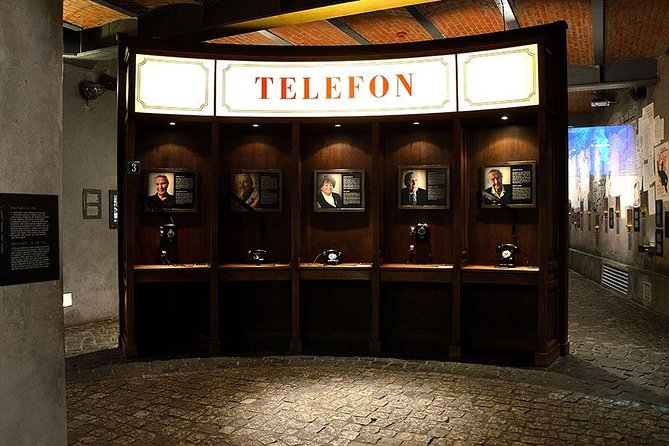
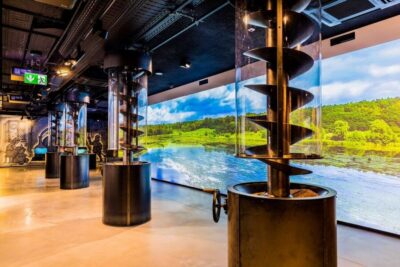
The museum is built to tell a difficult story through sound, images, objects, and text rather than through rows of isolated cases. The exhibition covers the uprising itself, but it also shows how ordinary people lived during the occupation and what happened to the resistance generation afterward.
A visit begins with the basic question: why did the Poles rise? The answer is not presented as a simple burst of patriotism. Years of occupation, fear, underground organization, and hope for liberation all shaped the decision. The museum also makes clear that freedom was not guaranteed by taking up arms.
The design can feel forceful. Photographs from wartime Warsaw and the Warsaw Ghetto appear throughout the exhibition. Some displays are distressing, and the story never softens the cruelty of occupation or the cost paid by civilians. I would not plan this as a light morning activity before lunch with young children unless you already know they can handle graphic wartime material.
The exhibition has enough material for different kinds of visitors. If you have a strong interest in military history, you can spend time with the resistance, weapons, communications, and battle story. If your interest is social history, focus on the photographs, personal accounts, and the daily choices made by people living under occupation.
Allow more than 1 hour 15 minutes
The official museum portion lasts about 1 hour 15 minutes, and admission is included. That is enough for a brisk first look, but it is not generous if you read every panel or stop at the audiovisual displays.
I would plan on at least two hours inside if your schedule allows. Some people spend three hours and still find plenty to examine. The exhibition is large enough that you may lose track of time, particularly if you listen to the audio guide and pause for photographs or film material.
The main challenge is finding the best route through the displays. The museum is well put together, but the flow is not always obvious. If you prefer a clear chronological explanation, the optional licensed guide may be worth the extra €99 per group. That fee is not per person, which makes it more reasonable for a group of four to six.
The guide option is available in English, German, French, Russian, Italian, or Spanish. If you do not add a personal guide, the audio guide gives you more independence and is available in a much wider selection of languages, including Azerbaijani, Bulgarian, Chinese, Croatian, Czech, Danish, Finnish, Georgian, Hebrew, Indonesian, Japanese, Macedonian, Dutch, Portuguese, Romanian, Slovak, Slovenian, Swedish, Ukrainian, and Hungarian.
Same country, a completely different kind of day:
- Warsaw: Chopin Concert in the Old Town
★ 4.8 · 2,287 reviews - Warsaw: Traditional Galar Cruise on The Vistula River
★ 4.6 · 1,640 reviews - Warsaw: Old Town Highlights Walking Tour in English
★ 4.7 · 1,516 reviews - Warsaw Concert: Chopin – Painted by Candlelights with Wine
★ 4.8 · 1,442 reviews
What the displays do well
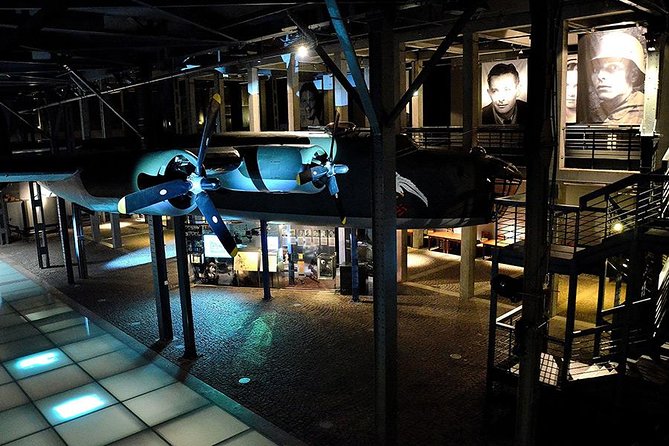
The museum’s strongest feature is the way it links public events with private lives. You learn about resistance activity, but you also get a sense of the pressure on ordinary women and men who had to find food, communicate secretly, care for the wounded, or decide how much risk to take.
Photographs are an important part of the visit. Images connected to the Warsaw Ghetto help place the uprising in the wider story of German persecution and the destruction of Warsaw’s Jewish community. The exhibition also shows how the city itself was damaged, bringing home the scale of what was lost.
The story does not end when the fighting ends. The museum follows the fate of resistance participants under postwar communist rule. That section is easy to overlook if you are focused only on the 1944 battle, but it explains why the uprising and its participants could not be discussed freely for many years.
I also appreciate that the museum leaves room for moral and political questions. Was the expected chance of liberation worth the cost? What choices were available to Polish leaders? How did the international situation shape events? You may not leave with simple answers, but you will understand why the subject remains so charged.
The limits of the museum experience
This is not an essential stop for every visitor to Warsaw. If your main interest is art, architecture, food, or royal history, other city museums may suit you better. The uprising display is especially strong for people interested in wartime Poland, resistance movements, military history, and the experience of civilians under occupation.
The presentation can also feel intense. The sounds, images, and subject matter create a tense visit rather than a detached academic one. That is part of its power, but it can also be tiring.
A second limitation is the balance between information and direction. There is a lot to read and see, yet the logical path is not always clear. You may need to slow down and decide how to move through the rooms instead of expecting a perfectly marked route.
That is why the listed duration should be treated as a minimum. A rushed visit may leave you with striking images but little sense of how the events connect. If you only have 75 minutes, use the audio guide selectively and focus on the main chronological sections.
Is $95.03 per person good value?
At $95.03 per person, this is not the cheapest way to visit one Warsaw museum. The admission itself is only one part of what you are paying for. The rest covers private transport both ways, a driver or coordinator, the convenience of hotel pickup, and the ability to return to a chosen address.
For two people, the price may feel high compared with taking public transport or a taxi. The value improves for a group of four to six, since the private vehicle cost is spread across more people. It also makes more sense if you are staying outside the central area, have limited time, or do not want to deal with an uncertain taxi pickup afterward.
The optional personal guide costs an additional €99 per group. For two people, that is a substantial extra charge. For six people, it becomes a more manageable way to add explanation and a clearer route through the exhibition.
I would compare the total price with your own transport costs, not with the museum ticket alone. If you are comfortable finding the museum and arranging your return, booking admission separately may be better value. If door-to-door service saves you stress and time, the premium can be justified.
Who should book this private visit?
I would recommend it most strongly to:
- Couples or families who want private transport rather than a shared tour
- Groups of up to six who can split the transport cost
- People staying in apartments or locations where finding a taxi may be difficult
- Visitors with a serious interest in the Second World War and modern Polish history
- Anyone who wants an audio guide in a language other than English or Polish
- Visitors with a tight schedule who want transport organized around a fixed museum stop
I would think twice if you dislike emotionally heavy museums or want a quick, simple attraction. The museum can take much longer than expected, and its subject is painful. It rewards patience, but it is not casual sightseeing.
Booking and cancellation details
A minimum of two people is required, and no more than six can book together. Most people can take part, and the activity is private, so only your own group rides in the vehicle.
Free cancellation is available if you cancel at least 24 hours before the local start time. Changes or cancellations made inside that 24-hour window are not accepted for a refund.
Give the operator the full hotel or apartment address. On the day, wait outside the building entrance, not simply somewhere on the street. If you want the licensed museum guide, request that option at booking so the operator can arrange it.
Should you book the Warsaw Uprising Museum private tour?
Book it if you want a serious look at Warsaw’s wartime story and value private door-to-door transport more than the lowest possible price. The museum is informative, visually powerful, and broad enough to cover resistance, civilian life, the Warsaw Ghetto, postwar communist repression, and the destruction of the city.
Skip the private service if you are happy using local transport and prefer to spend your budget on several attractions. You can also skip the optional personal guide if you are comfortable with an audio guide and taking your own route.
My practical advice is simple: book this for the transport and the convenience, then plan at least two hours for the museum. The 1 hour 15 minute visit is possible, but it will feel rushed. For a group of four to six, the price is easier to justify. For two people, choose it only if the private ride and return arrangement solve a real problem.
FAQ
How long does the Warsaw Uprising Museum visit last?
The museum portion is scheduled for about 1 hour 15 minutes, but you should allow two hours if possible. Some visits take three hours because of the large amount of information and multimedia material.
Is transport private?
Yes. Pickup and return transport are provided by a personal driver, and no other clients share the car. The maximum group size is six people.
Where does pickup take place?
Pickup is from your hotel or apartment. You must provide the address when booking. The driver or coordinator waits before entering the building and holds a card with your name and surname.
Is a museum guide included?
An audio guide is included, with many language choices. A licensed personal guide dedicated to your group is not included. That option costs an additional €99 per group and is available in English, German, French, Russian, Italian, or Spanish.
How much does the experience cost?
The listed price is $95.03 per person. The price includes admission, private transport, taxes, local charges, the audio guide, and the driver or coordinator.
Can I cancel for a refund?
You can cancel for a full refund up to 24 hours before the local start time. Cancellations or changes made less than 24 hours before the start are not refunded.
Just added around Warsaw
- World War II Warsaw Old Town, Military Cemetery Walking Tour★ 4.7 · 3 reviews
- Warsaw: Wolf’s Lair & Swieta Lipka Small-Group Tour + Lunch★ 5.0 · 3 reviews
- Wilanów Palace: 2-Hour Guided Tour with Entrance Tickets★ 4.8 · 8 reviews
- Warsaw Zoo Skip-the-Line Entry Ticket with Private Transport★ 4.8 · 3 reviews
- Warsaw Wolf’s Lair with St. Lipka and Mamerki Private Guided★ 4.2 · 3 reviews
- Warsaw Private Wilanow Palace & Garden Tour★ 4.6 · 30 reviews
- Warsaw: Vistula River Cruise with Your Music & City Views★ 4.6 · 78 reviews
- Warsaw: Private Vodka Tasting Night with Snacks and Pickup★ 5.0 · 7 reviews
Museums, compared.
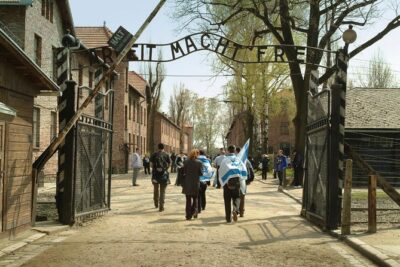
Auschwitz-Birkenau Museum and Memorial Guided Tour from Krakow
Read our review →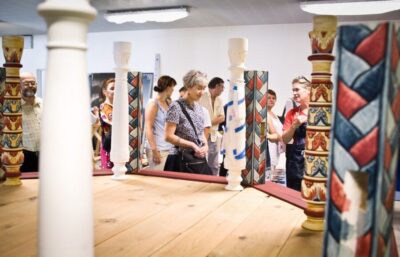
POLIN Museum of the History of Polish Jews Ticket
Read our review →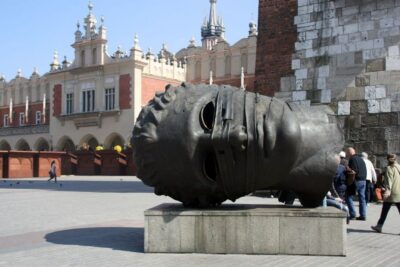


Krakow Schindler’s Factory Museum Guided Tour in English
Read our review →
Auschwitz Birkenau Museum Guided Tour with Pickup
Read our review →
Browse the lists this tour appears in