
Reviewed · HISTORICAL TOURS
Warsaw: Communist History Self-Driving Tour
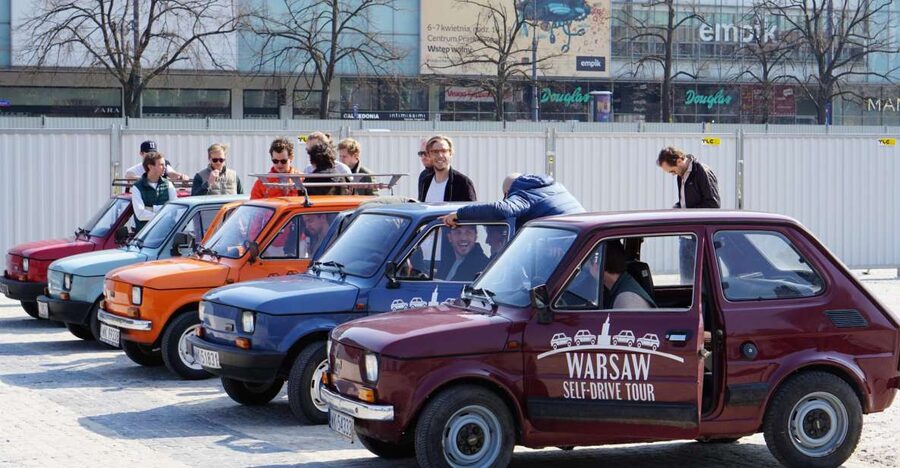
Warsaw’s communist past is far more fun to explore from behind the wheel of a tiny Fiat 126p Toddler than from a museum label. You drive the streets yourself, stop at major landmarks, and hear the sort of stories that turn concrete buildings into reminders of daily Polish life.
I like the mix of hands-on driving and serious history, and I like that the route includes places you may not think to visit on your own, such as Constitution Square and the Muranów housing blocks. The main consideration is that this is half walking and half driving, so it is not a pure sightseeing drive. You also need a valid driver’s license and must leave a 500 PLN security deposit.
Key points about the Warsaw Communist History Tour
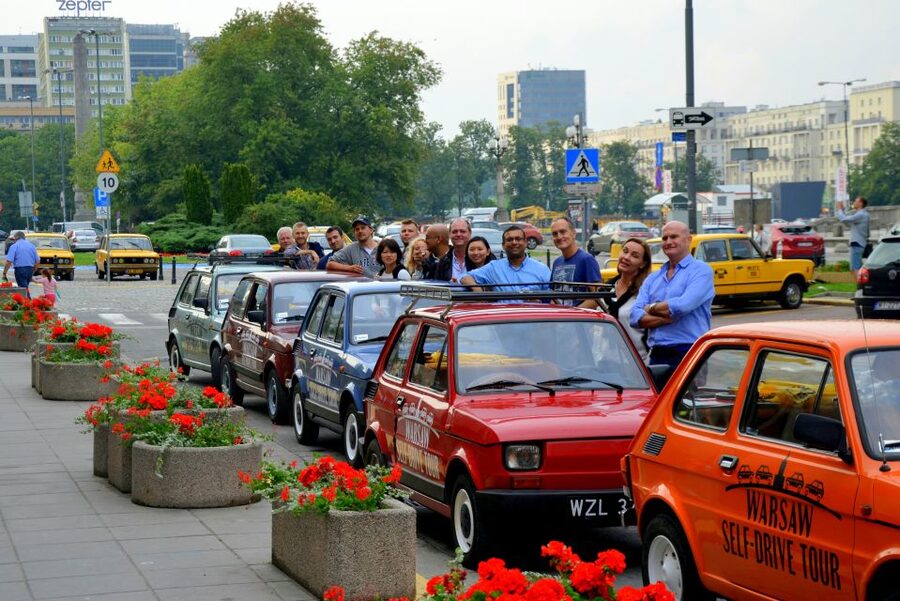
- You drive the Fiat 126p yourself: A 20-minute lesson comes first, making the small manual car part of the experience rather than just a photo prop.
- The Palace of Culture anchors the route: Learn why Warsaw’s giant Stalin-era tower was called Stalin’s Gift and how its construction shaped the city.
- Constitution Square shows planned communist architecture: The square and nearby housing district offer a clear look at the scale and style of postwar urban planning.
- Muranów adds everyday context: The communist-era apartment blocks help you see where ordinary Varsovians lived, not just where officials worked.
- The guide shapes the history: Guides including Jacob, Jonas, Agata, and Alek have been praised for warmth, clear explanations, and adapting the conversation to guest interests.
- The ending is distinctly Polish: The tour finishes with a traditional vodka shot for participants aged 18 and over.
Starting beside Warsaw’s Palace of Culture
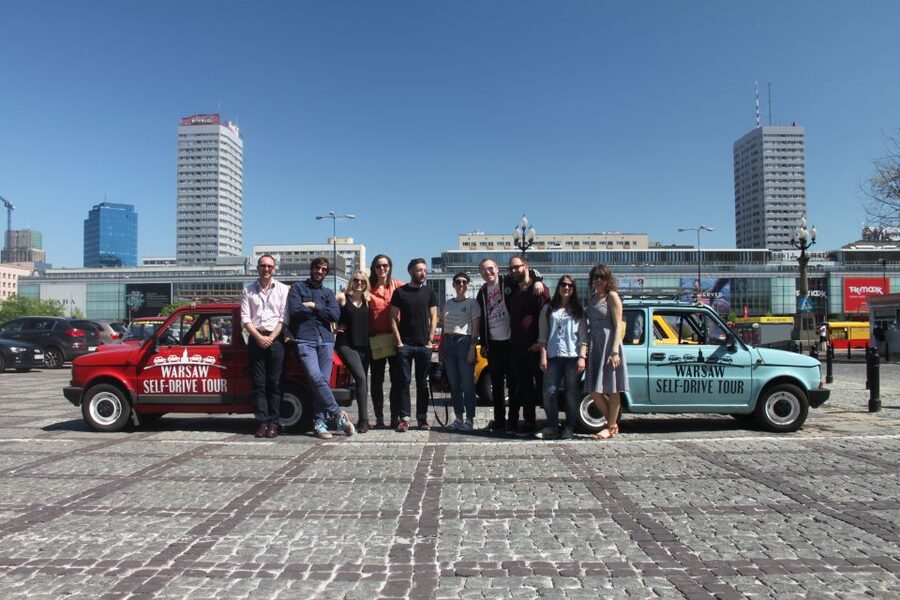
You meet at Parade Square, on the back side of the Palace of Culture and Science near the Tourist Information office on the Emilii Plater Street side. This is a useful starting point because the building itself is the first major lesson in Warsaw’s communist story.
The Palace of Culture and Science is hard to miss. Its broad base, ornate details, and high central tower dominate the center of Warsaw. It was built during the Stalin era as a gift from the Soviet Union, though many Poles saw it as a reminder of Soviet power rather than a generous present.
Your guide explains the building’s construction, its political meaning, and the way its reputation has changed over time. That background matters. The palace is not simply an old building to photograph. It helps you understand how architecture was used to project authority and reshape the capital after the Second World War.
The meeting point is central, but you should still allow time to find the correct side of the building. The Palace of Culture occupies a huge block, and the specified meeting place is at the rear, not just anywhere around Parade Square.
A few more Warsaw trips to weigh up
- Warsaw: POLIN Museum of the History of Polish Jews Ticket
★ 4.7 · 1,142 reviews - Warsaw: Chopin Concert at Historical Venue in Old Town
★ 4.7 · 445 reviews - Small-Group Historical Guided Tour of Warsaw with pick up/drop off. Public Tour.
★ 4.5 · 343 reviews
Learning to handle the Fiat 126p Toddler
The driving lesson lasts about 20 minutes. That is enough time to introduce the car and help you get comfortable before heading into Warsaw’s streets. You need to bring a valid driver’s license, which is checked before the tour begins.
The Fiat 126p is the star of the outing. In Poland, it is widely known by the affectionate nickname Maluch, meaning little one, though this experience uses the English name Toddler. The car is small, old-fashioned, and intentionally unlike a modern rental vehicle. That is exactly why it works so well here.
You are not simply riding through a historic district while someone else does the work. You handle the car, which gives the tour a playful edge and makes the city feel closer. The car also connects neatly with the subject. A Fiat 126p was part of ordinary life for many Polish families during the communist period, when private cars were far less common and consumer goods could be difficult to obtain.
The practical side deserves attention. Driving an old compact car is part of the charm, but it may not feel as easy as driving a current automatic vehicle. If you are nervous, use the lesson to ask questions and get a feel for the controls. Comfortable shoes are recommended, and large bags or luggage are not allowed.
Seeing the Palace of Culture as a political symbol
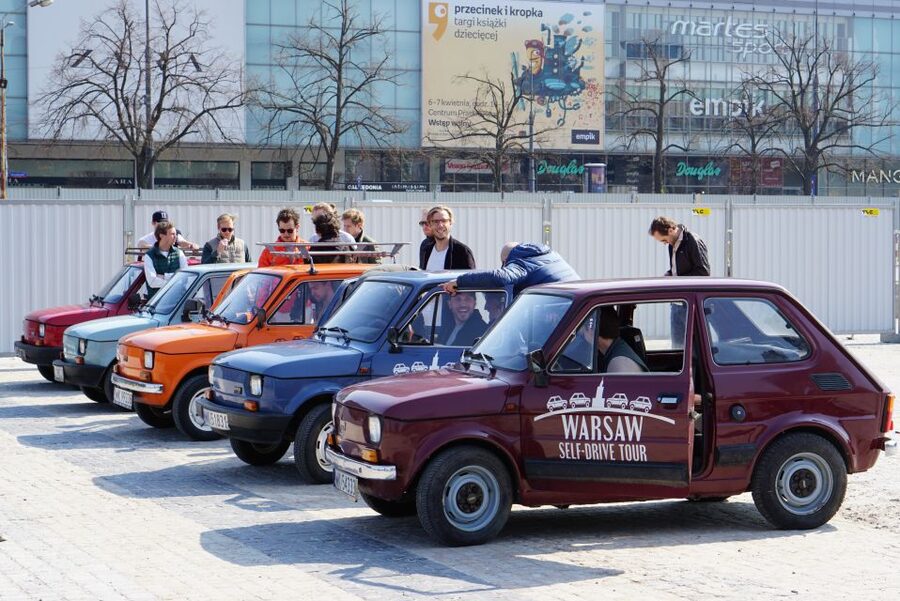
The Palace of Culture and Science receives more attention than a quick outside stop. You learn about its construction and hear stories from its past, including why the nickname Stalin’s Gift carries such mixed feelings.
For a first-time visitor, the building can seem almost theatrical. It is enormous beside the surrounding streets, and its decoration differs sharply from much of modern Warsaw. The guide’s explanation gives you a way to read the architecture instead of treating it as an odd landmark in the middle of town.
This stop is especially useful if you are interested in how Poland changed after the communist period. The palace remained in place even as the political system changed around it. It is both a functioning part of modern Warsaw and a reminder of an era many Poles remember with complicated emotions.
Do not expect a long formal museum visit here. Entrance fees are not included, and the experience is built around seeing the site, discussing its past, and moving through the city. The value comes from the guide’s interpretation and the wider route.
Constitution Square and the shape of Stalin-era Warsaw
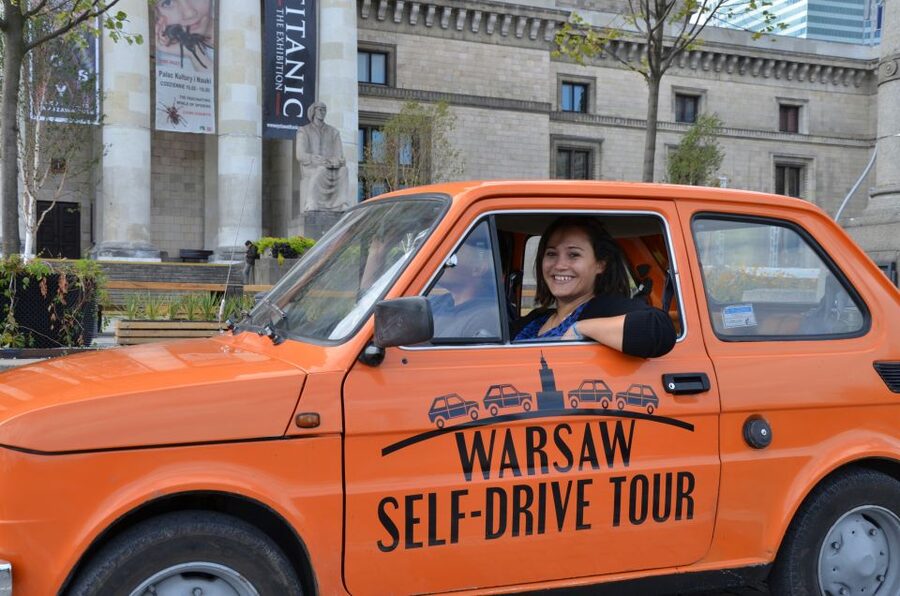
Constitution Square gives you one of the clearest views of representative Stalin-era urban design in Warsaw. Its broad layout and surrounding buildings were planned to communicate order, scale, and state power.
As you drive and walk through the area, your guide points out details that are easy to miss when you pass through alone. The architecture was not designed merely to house people. It also created a public setting suited to official ceremonies and political display.
I like this part of the route because it moves the story beyond famous monuments. You begin to see how a political system reached into streets, apartment blocks, public squares, and the daily movement of residents. A city can tell you what its leaders wanted people to feel, and Constitution Square makes that message unusually plain.
The broad spaces can also feel different from the intimate streets elsewhere in Warsaw. That contrast helps you understand the period’s approach to city planning. It is a strong stop for visitors who want more than a list of dates and political names.
Same country, a completely different kind of day:
- Warsaw: Chopin Concert in the Old Town
★ 4.8 · 2,287 reviews - Warsaw: Traditional Galar Cruise on The Vistula River
★ 4.6 · 1,640 reviews - Warsaw: Old Town Highlights Walking Tour in English
★ 4.7 · 1,516 reviews - Warsaw Concert: Chopin – Painted by Candlelights with Wine
★ 4.8 · 1,442 reviews
The former Communist Party headquarters
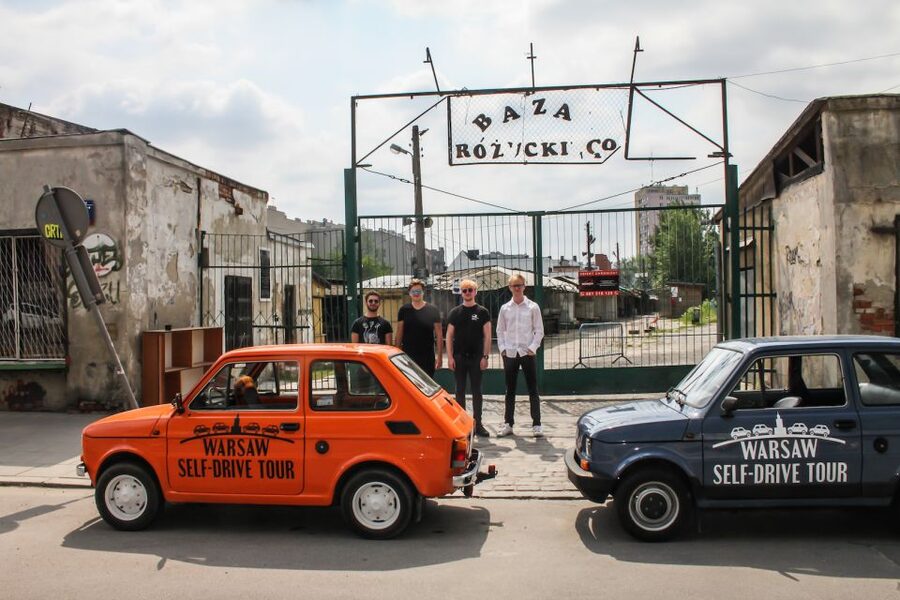
The route includes the House of the Communist Party, where you hear about its role during the communist era and what the building is used for today. This is an important stop because it connects the political leadership with the physical city around it.
The guide’s stories are a major part of the appeal here. Instead of only hearing when the building was constructed, you get context about who worked there, how power operated, and how the site fits into present-day Warsaw.
The exact focus can change with your guide and your interests. Jonas, Jacob, Agata, and Alek are among the guides associated with especially warm and informative outings, and the experience can be adjusted to the topics you want to discuss. One recent participant particularly valued having the history tailored to personal interests, which is useful if you want to focus on architecture, political life, or ordinary family routines.
This is also where the tour’s conversational format works better than a fixed audio guide. You can ask what has changed, what remains controversial, and how the building is viewed now. The answers help keep the past connected to the city you are visiting today.
Muranów and the apartment blocks of daily life
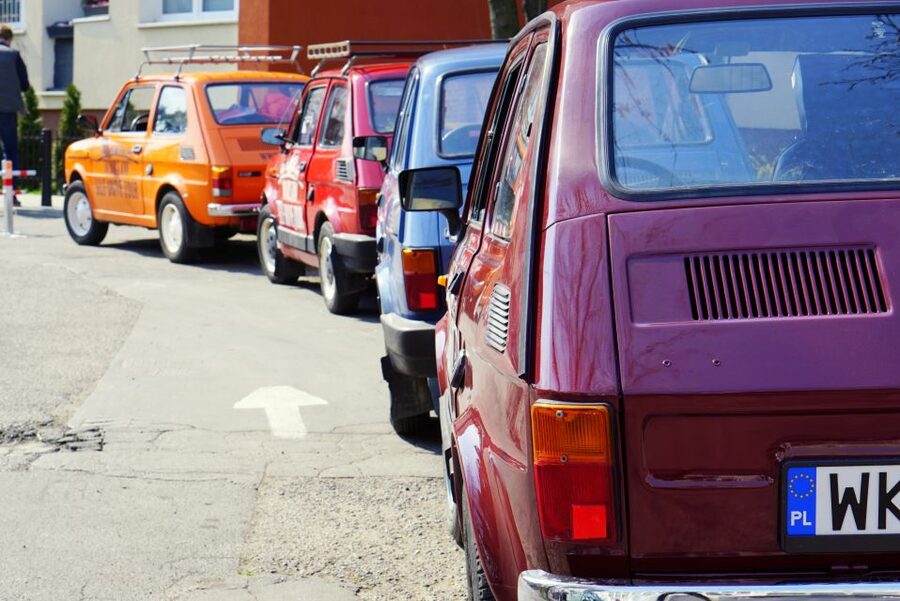
The Muranów district brings the tour down to the level of ordinary homes. Here you see communist-era housing blocks and hear about the people who lived in them.
A tour focused only on government buildings can make communism seem like a story about officials and grand projects. Muranów adds the daily side: apartment living, shared urban spaces, and the practical realities of life in planned housing districts.
The blocks are not presented as isolated monuments. They are part of a living neighborhood, which makes the stop more useful for understanding how the era shaped routines. Your guide explains how life has changed since communism and what those changes mean for Polish identity today.
This section is also a reminder that Warsaw’s history is layered. The city suffered enormous destruction during the Second World War, then underwent a major rebuilding effort under a communist government. The housing districts reflect that postwar push to provide homes while also fitting into a much larger state plan.
You should expect some walking here. The tour is described as half driving and half walking, though the guide can adapt it to suit your requirements. Wear comfortable shoes, especially if you want to focus closely on the buildings and public spaces rather than simply seeing them from the car.
Stories about Polish life after communism
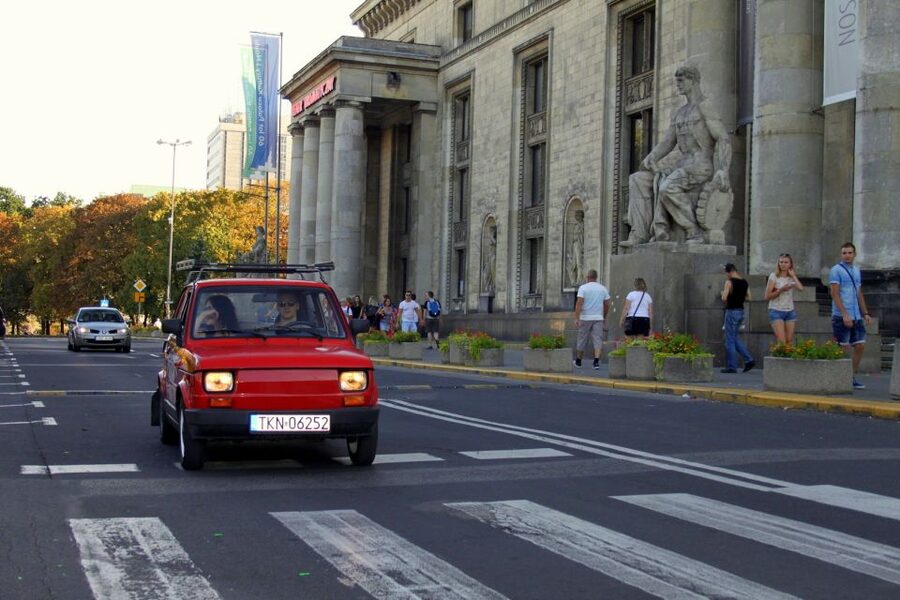
The tour is not limited to architecture. While you are on the road, the guide shares entertaining facts about Varsovian life during the communist era, explains how the city has changed, and discusses what it means to be Polish today.
That wider conversation is one of the strongest reasons to choose this experience. A landmark can show you what a government built, but personal stories help explain how people experienced that system. You may hear about shortages, changing habits, family life, and the difference between official messages and private reality.
The tone is not presented as a dry lecture. The outing is meant to be lively, and the positive comments about guides such as Jacob, Jonas, Agata, and Alek point to a friendly style with room for questions. The mix of humor and history also suits visitors who might not normally choose a political history tour.
At the same time, you should know what you are booking. This is a history-focused experience with cultural commentary, not a general tour of every famous sight in Warsaw. If you want the Old Town, royal residences, or major museums, you will need separate plans.
Why the small car changes the experience
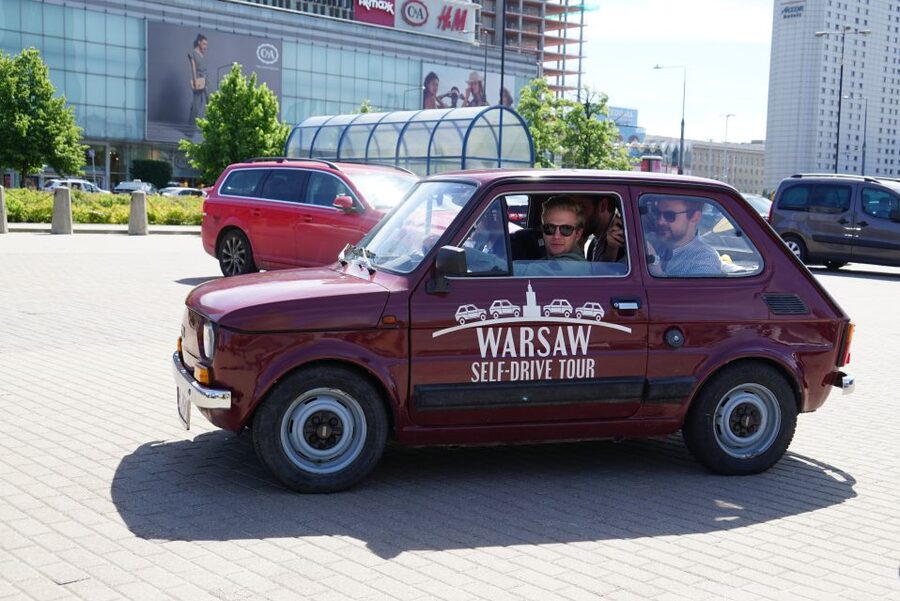
The Fiat 126p gives the tour a social and physical quality that a standard minibus cannot match. You sit close to the street, travel at a relaxed pace, and become part of the scenery rather than watching it through a large window.
The car is also a conversation starter. It makes the historical subject approachable, especially for people who might find political history intimidating. You get a memorable activity while learning why the vehicle mattered to ordinary Polish families.
There are limits. The car is small, so it is not suited to carrying luggage or large bags. A minimum of two people per booking is required, and the 500 PLN deposit can be a significant temporary hold on your funds, even though it is refunded after the tour.
The $69 price is fair if you value the driving element, a private-feeling guide conversation, and the themed route. It is less compelling if you are mainly looking for cheap transportation between landmarks. You are paying for the car, the guide, the lesson, the stories, and the photos emailed afterward, not just for admission to a building.
A vodka finish and what is included
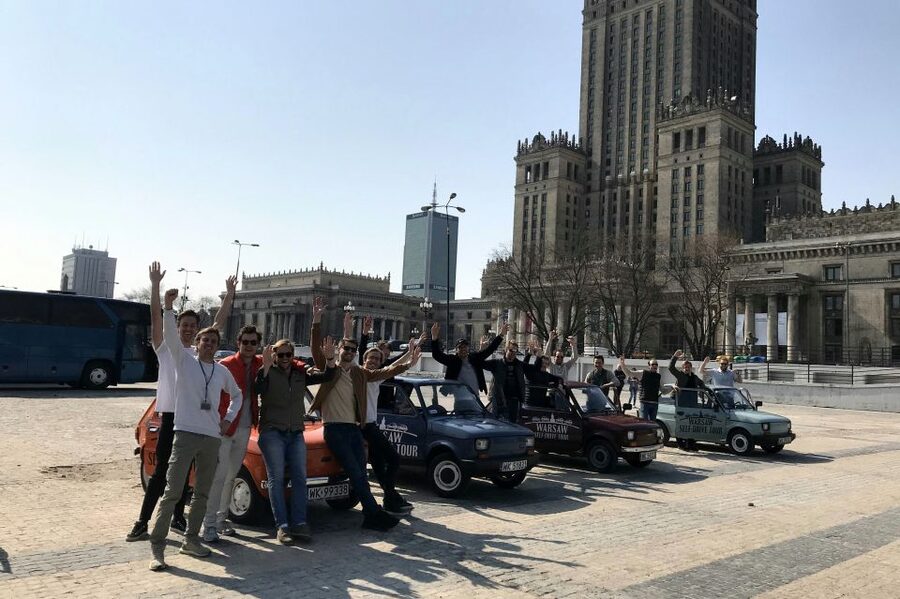
The tour ends with a traditional Polish vodka shot for participants aged 18 and over. It is a small detail, but it gives the outing a clear cultural finish and keeps the mood light after the heavier political material.
The vodka is included, along with the 2.5-hour self-driving tour, professional local guide, 20-minute driving lesson, and photos sent by email after the experience. Entrance fees are not included, though the described route does not depend on a long paid attraction visit.
You should bring your driver’s license and comfortable shoes. Pets and large bags are not allowed. Hotel pickup and drop-off are also not included, so plan your own way to and from the Palace of Culture.
The tour is offered in English or Polish. If you need a different pace or prefer more walking or less walking, the route can be adapted to suit your requirements. Ask about this before setting off rather than waiting until the tour is underway.
Who will get the most from this tour
I would choose this for couples, friends, and curious first-time visitors who want a city tour with a strong sense of place. It is also a good match for anyone who enjoys unusual vehicles, urban architecture, or modern European history.
You do not need to be an expert on Poland. The guide supplies the background and links the buildings to everyday life. The best fit is someone who enjoys asking questions and does not mind a tour that mixes driving, walking, stories, and occasional political discussion.
Families may enjoy the novelty of the car, but the adult vodka tasting means the ending is not designed for children. Anyone with driving concerns should take the lesson seriously and confirm that they are comfortable with the vehicle before proceeding.
If you want a polished, fast-moving city tour that covers many unrelated attractions, this may feel too specialized. If you want to understand why Warsaw looks the way it does and have a good story to tell afterward, the subject and format work very well.
Should you book the Fiat 126p history tour?
Book it if you want Warsaw’s communist past explained through real streets, major political buildings, housing districts, and the experience of driving a car tied to everyday Polish life. The strongest parts are the guide-led stories, the Palace of Culture, Constitution Square, and the chance to see Muranów from a more personal angle.
Skip it if you dislike driving older cars, cannot provide a valid license, need room for luggage, or want a standard sightseeing route. For most people who enjoy history with a little humor and hands-on fun, $69 is a reasonable price for 150 minutes of guided driving, walking, and local context.
The main practical tip is simple: arrive at the correct side of the Palace of Culture, bring your license, wear comfortable shoes, and keep your bags small. Ask for the subjects that interest you most. Guides such as Jonas, Jacob, Agata, and Alek have shown that the conversation can be shaped around your questions, which is where this experience earns its value.
FAQ
Where does the Warsaw Communist History Tour meet?
The meeting point is at the Palace of Culture and Science on Parade Square. Your guide meets you at the back of the building near the Tourist Information office on the Emilii Plater Street side.
How long does the experience last?
The tour lasts 150 minutes, or 2.5 hours. This includes a 20-minute driving lesson.
Do I drive the Fiat 126p myself?
Yes. You drive an iconic Fiat 126p Toddler around Warsaw after receiving the driving lesson.
Do I need a driver’s license?
Yes. You must bring a valid driver’s license, and it is checked before the tour begins.
Is a security deposit required?
Yes. A 500 PLN security deposit is required and is refunded after the tour.
Which languages are available?
The live tour guide is available in English or Polish.
Is the tour only a driving experience?
No. The tour is half walking and half driving, though it can be adapted to suit your requirements.
What is included in the price?
The price includes the 2.5-hour self-driving tour, local guide, 20-minute driving lesson, photos emailed afterward, and a vodka shot for participants aged 18 and over. Hotel transfers and entrance fees are not included.
Just added around Warsaw
- World War II Warsaw Old Town, Military Cemetery Walking Tour★ 4.7 · 3 reviews
- Warsaw: Wolf’s Lair & Swieta Lipka Small-Group Tour + Lunch★ 5.0 · 3 reviews
- Wilanów Palace: 2-Hour Guided Tour with Entrance Tickets★ 4.8 · 8 reviews
- Warsaw Zoo Skip-the-Line Entry Ticket with Private Transport★ 4.8 · 3 reviews
- Warsaw Wolf’s Lair with St. Lipka and Mamerki Private Guided★ 4.2 · 3 reviews
- Warsaw: Vistula River Cruise with Your Music & City Views★ 4.6 · 78 reviews
- Warsaw: Private Vodka Tasting Night with Snacks and Pickup★ 5.0 · 7 reviews
- Warsaw Private Wilanow Palace & Garden Tour★ 4.6 · 30 reviews
Historical Tours, compared.
POLIN Museum of the History of Polish Jews Ticket
Read our review →
Gdańsk City Sights & History Guided Walking Tour in English
Read our review →

Small-Group Historical Guided Tour of Warsaw with pick up/drop off. Public Tour.
Read our review →Browse the lists this tour appears in