
Reviewed · WARSAW TOURS
Warsaw Must-Sees: 4-Hour Private Tour by Retro Fiat
Warsaw’s past comes into focus from the back seat of a Fiat 125p, the boxy Polish car that once filled the city’s streets. This private four-hour ride links the rebuilt Old Town, Communist-era avenues, the former Jewish Ghetto, Praga, and Łazienki Royal Park without making you cross the city on your own.
I like the custom itinerary, which lets you spend more time on Jewish Warsaw, Praga street art, or the classic sights you have not yet seen. I also like the small local touches: a Polish vodka shot, a sweet doughnut, and guides such as Konrad, Karol, Hanna, and Alex who bring personal stories into the historical explanation.
The main drawback is the car itself. A vintage vehicle is charming, but it can be noisy, and one past participant found the fumes uncomfortable. You will also do a moderate amount of walking, though the route can be adjusted.
Key points to know before you book
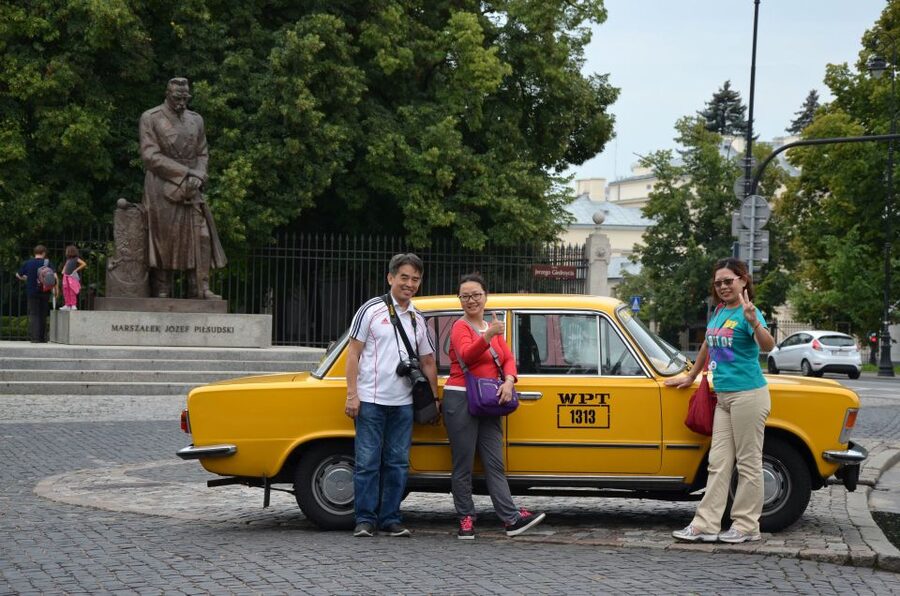
- A real Warsaw time machine: The Fiat 125p connects the modern city with everyday life during Poland’s Communist years.
- A private route, not a fixed script: Ask to focus on the Warsaw Ghetto, Praga, street art, Łazienki, or sights you missed.
- A strong first-day introduction: Four hours gives you a useful citywide picture before you explore on foot.
- History with room for conversation: Your English-speaking guide discusses World War II, Communism, Polish identity, and life in Warsaw today.
- Half driving, half walking: Wear comfortable shoes and tell the guide if you need less walking.
- Good extras for the price: Hotel pickup and drop-off, transport, a vodka shot, a Polish sweet, and photos sent afterward are included.
Why the Fiat 125p makes this Warsaw tour different
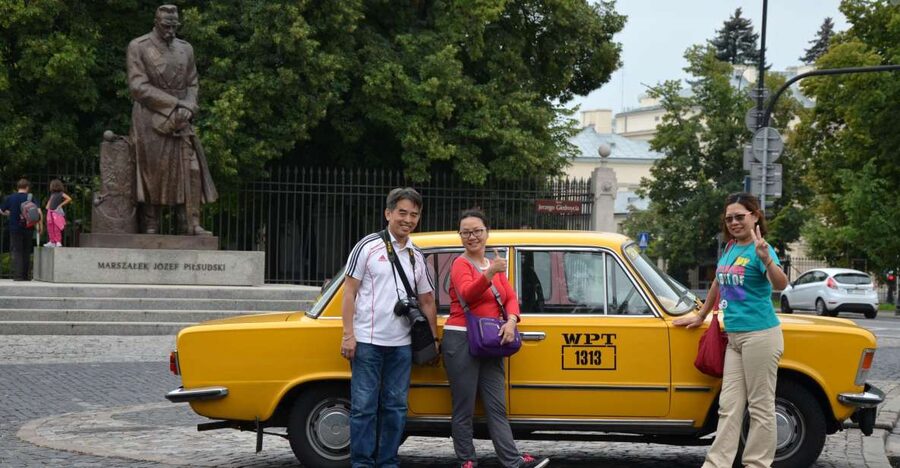
Many city tours use a large coach or a standard van. This one uses a Polish-built Fiat 125p, an iconic car from the 1980s. Its simple shape and old-fashioned interior are not just decoration. The car gives you a physical link to the period when Warsaw was shaped by state planning, shortages, Soviet influence, and gray concrete apartment blocks.
You may attract a few curious looks as you pass through the city. That is part of the fun. The car is a conversation starter, and your guide can explain what the vehicle meant to Polish families and how daily life changed after Communism ended.
For groups of more than four people, transport changes to a blue vintage minivan. That keeps the private format, but the experience will feel less like a personal ride in a historic car. If the Fiat itself is the main reason you want to book, check the vehicle arrangement for your group before paying.
The car is comfortable enough for the four-hour route, but do not expect modern soundproofing or limousine smoothness. The engine noise and fumes can be noticeable. If you are sensitive to exhaust or prefer a quiet ride, this is worth considering. The charm comes with a little mechanical character.
A few more Warsaw trips to weigh up
- Private Tour: Warsaw City Sightseeing by Retro Fiat
★ 5.0 · 562 reviews - Warsaw: Warsaw Ghetto Private Walking Tour with Hotel Pickup
★ 4.9 · 369 reviews - Private Tour: Warsaw’s Jewish Heritage by Retro Fiat
★ 5.0 · 208 reviews
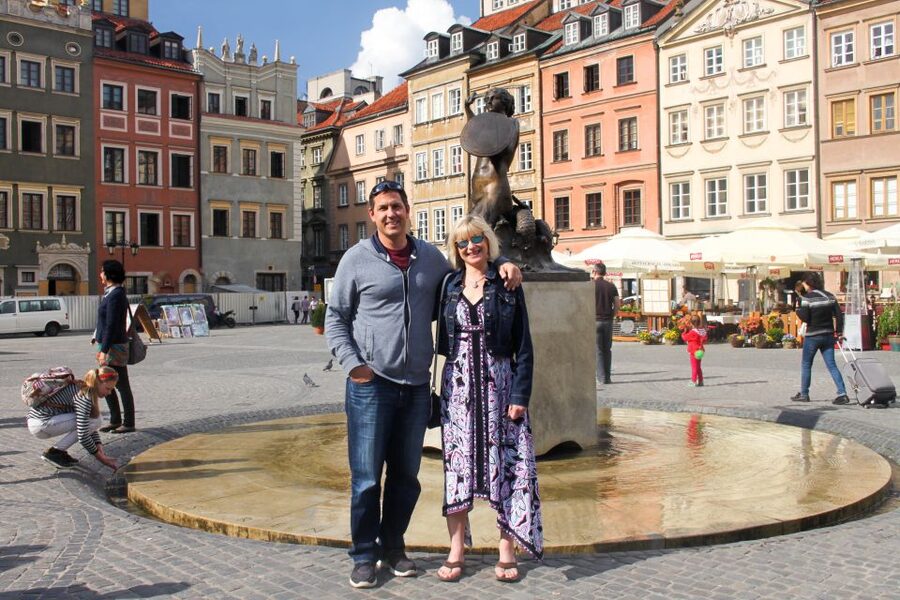
Starting at Warsaw’s rebuilt Old Town
Your guide picks you up at your central Warsaw hotel, or another point in the city center, at a time you choose from the available departures. The Old Town is usually the natural starting point because it gives you the essential lesson of Warsaw: much of what looks old is actually a careful postwar reconstruction.
After World War II, Warsaw’s historic center was left in ruins. The Old Town was rebuilt from plans, paintings, photographs, and surviving architectural details. Your guide explains how the reconstruction created a place that feels historic while also carrying a very modern story of national recovery.
You can expect to see the Royal Castle, churches, public squares, and the colorful streets of the UNESCO-listed Old Town area. The tour does not simply point out pretty facades. It helps you understand why this part of Warsaw matters so much to Polish identity.
The Royal Route then links the Old Town with churches, parks, and palaces farther south. From the car, you cover ground quickly. On foot, you get enough time to look closely and hear the explanation without spending the whole afternoon on one square.
If you have only one day in Warsaw, this opening section is useful. It gives you the postcard sights while also explaining the destruction and rebuilding that define the city.
Seeing the Palace of Culture and Science in context
The Palace of Culture and Science is Warsaw’s most recognizable Communist-era building. Its huge scale makes it easy to spot from many parts of the center, but seeing it with a guide gives the structure more meaning than a quick photo stop.
The palace was presented as a gift from the Soviet Union and became a powerful symbol of Poland’s postwar political reality. It still divides opinion. Some people see an important part of the city’s past; others see an unwanted reminder of Soviet control.
The tour also takes in Constitution Square and nearby housing blocks from the Communist period. These areas help you read the city beyond its medieval center. You will see the monumental planning, broad avenues, and large residential buildings that shaped ordinary Warsaw life.
This is one of the tour’s strongest features because the guide can connect architecture with people. You hear about what it meant to live under Communism, how Poland changed over time, and what being Polish means today. Guides including Konrad, Karol, and Alex have been praised for explaining these subjects clearly and personally, but the exact guide depends on the departure.
A respectful look at the former Jewish Ghetto
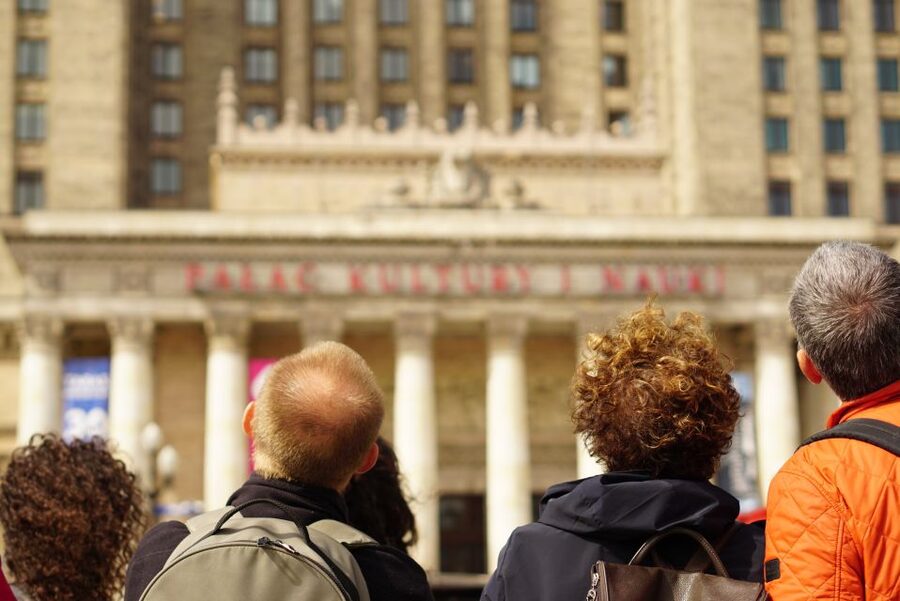
The former Jewish Ghetto is not a sightseeing stop in the casual sense. You will see a fragment of the ghetto wall and hear about the Jewish population that was confined there during the German occupation and the destruction that followed.
A guide is especially useful here because very little of the original district remains in one obvious, intact area. The wall fragment can look modest, yet it points to a much larger story. The surrounding streets have changed, and a short explanation helps you understand what was once located there.
The tour can be tailored to spend more time on the ghetto and the Warsaw Uprising. One past departure was adjusted specifically for this focus, allowing more attention to the city’s wartime experience. If this subject matters to you, say so when arranging the tour rather than hoping the standard route will provide enough time.
The commentary is intended to be thorough and sensitive. Still, four hours covers many parts of Warsaw, so this tour is an introduction rather than a full study of Jewish Warsaw or the Uprising. You may want a separate museum visit if you want a longer, quieter treatment of the subject.
Same country, a completely different kind of day:
- Warsaw: Chopin Concert in the Old Town
★ 4.8 · 2,287 reviews - Warsaw: Traditional Galar Cruise on The Vistula River
★ 4.6 · 1,640 reviews - Warsaw: Old Town Highlights Walking Tour in English
★ 4.7 · 1,516 reviews - Warsaw Concert: Chopin – Painted by Candlelights with Wine
★ 4.8 · 1,442 reviews
Grzybowski Square and the surviving synagogue
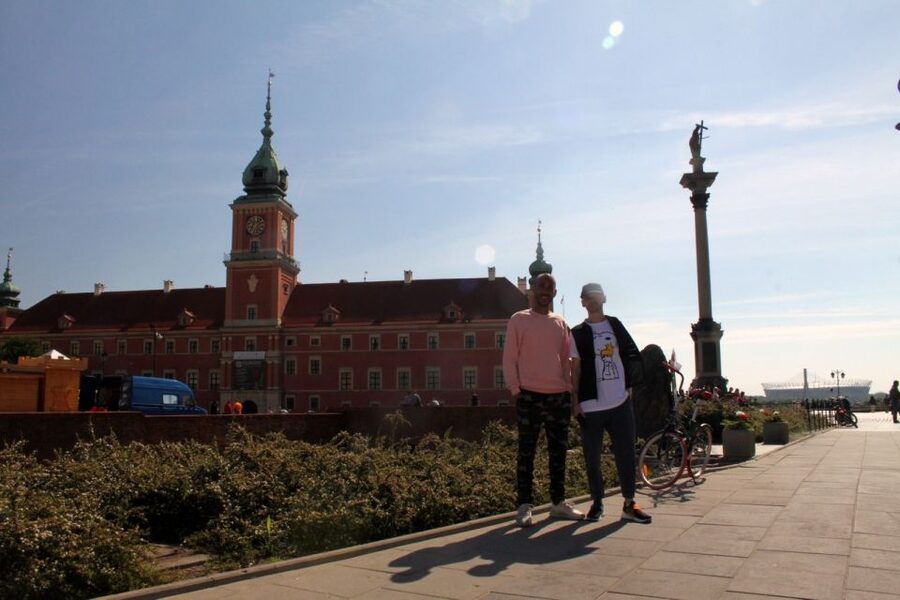
Grzybowski Square adds another important layer to the city’s Jewish history. It is home to the only synagogue in Warsaw said to have survived World War II. The stop helps connect the former ghetto with the Jewish life that remains in the city today.
This is a good example of why a private vehicle works well. You can move between districts while continuing the conversation, rather than spending time figuring out public transport or walking long stretches between separate historical sites.
Your guide can also answer questions about Poland’s wartime experience, postwar politics, and the changing city. The experience works best when you treat it as a discussion, not just a checklist of monuments. Come with questions. Guides are used to adapting the conversation to your interests.
Crossing into Praga for a different side of Warsaw
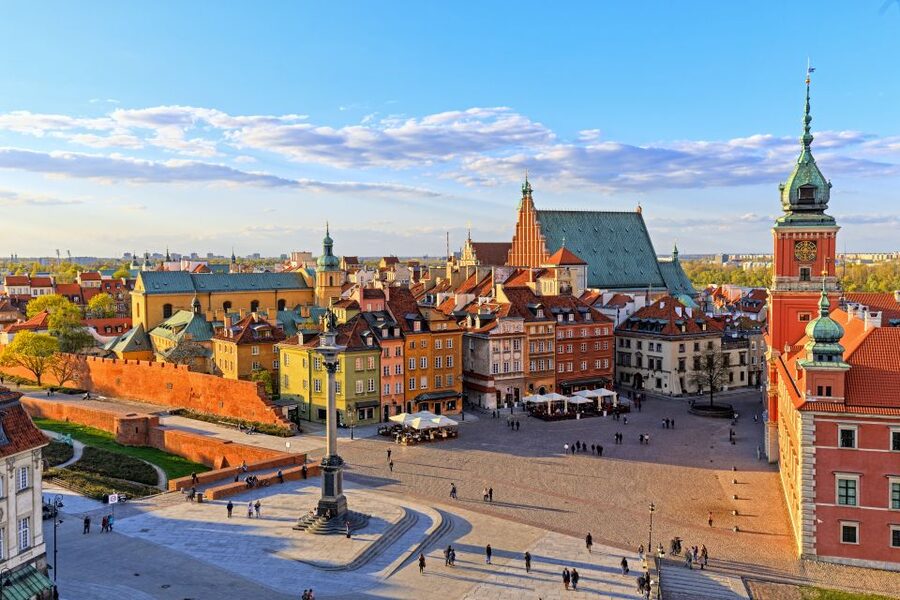
On the east side of the Vistula River, Praga feels different from the polished center. The district was once run-down, and it now has bohemian bars, cafés, and street art. The tour gives you a quick look at this changing neighborhood without pretending it is simply another Old Town.
Praga is valuable because it shows Warsaw as a living city. You see an area shaped by hardship, later neglect, and newer creative energy. The contrast with the reconstructed center is sharp. One side presents a carefully restored image of the past; the other shows layers of ordinary urban life and change.
The itinerary can include street art, cafés, and local food stops. One custom route included a coffee break and a Polish jagodzianka, a sweet pastry filled with bilberries. The standard inclusions specify a Polish sweet, usually described as a doughnut, but treats can vary by arrangement, so ask if a particular pastry matters to you.
Praga is also a strong choice if you have already spent time in the Old Town. You can request less time on the familiar sights and more time across the river. The private format makes that possible.
Finishing in Łazienki Royal Park
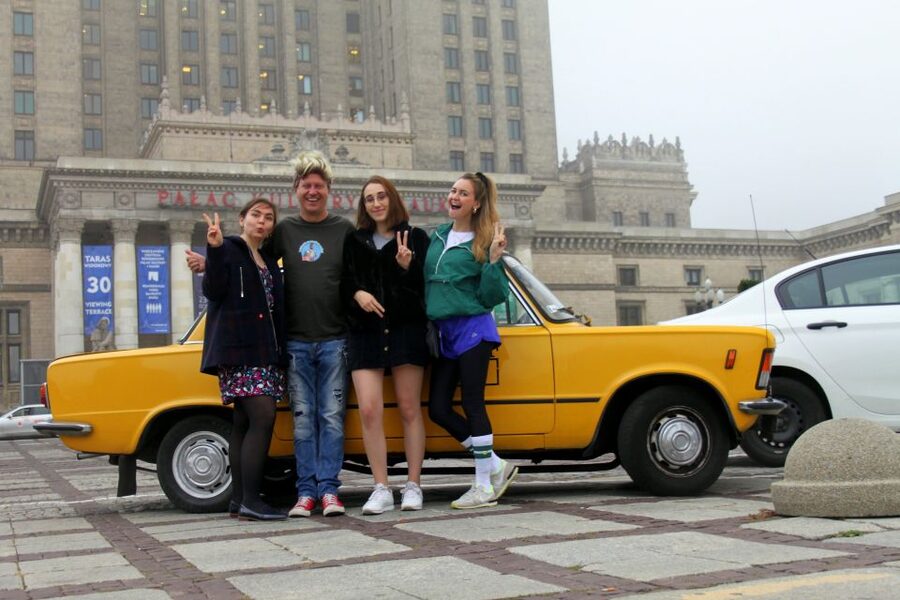
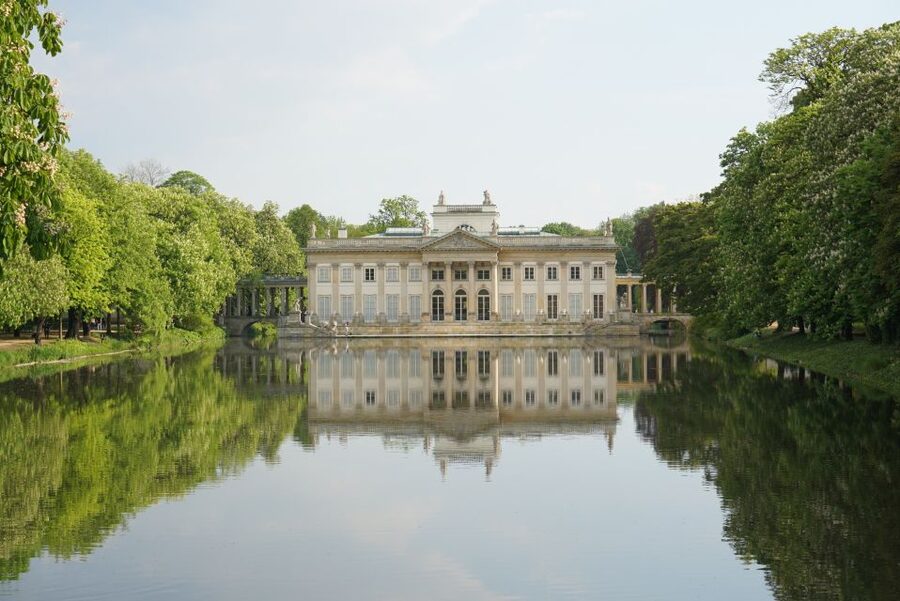
Łazienki Royal Park gives the tour a calmer final chapter. After the heavy subjects of war, occupation, and Communism, the park offers paths, greenery, palaces, and a more elegant view of Warsaw.
The park is home to royal buildings and landscaped grounds. A walk here shows why Warsaw is not only a city of monuments and difficult twentieth-century history. It also has grand residences, public gardens, and pleasant spaces for a slower look.
You should wear comfortable shoes because the tour is roughly half driving and half walking. The amount of walking can be adapted, and a previous route was changed to suit a companion who could not walk far. Still, tell the provider about mobility needs before the day begins so the guide can plan sensible stops.
The park is a good place to finish because it leaves you with an attractive, less hurried impression of the city. Depending on the route and daylight, your guide may adjust the sequence to make better use of the light.
What the guide adds to four hours
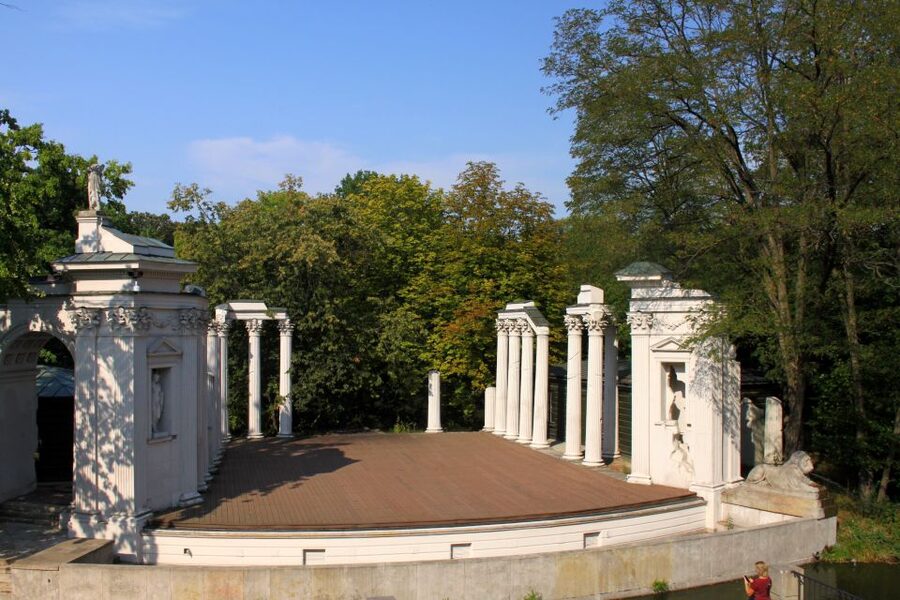
The car gets you around, but the guide determines how much you learn. This is a private tour, so you can ask direct questions and change the emphasis as you go. The commentary covers Warsaw’s buildings, Polish history, Communist life, the wartime period, and modern Polish identity.
Guides named in past departures include Konrad, Karol, Hanna, Alex, Martin, and Jacob, also called Kuba. Their approach may differ, but the central advantage remains the same: you are not sharing the conversation with a large busload of strangers.
The best use of the time is to tell your guide what you already know and what you want to understand. First-time visitors may want the Old Town, Palace of Culture, and Łazienki. Repeat visitors may prefer Praga, the former ghetto, street art, or Communist housing.
A four-hour route cannot give every stop a long visit. You will see more of Warsaw than you could comfortably cover on foot, but some stops are brief. Think of this as a city orientation with selected walks, not a museum tour or a series of extended guided visits.
Vodka, doughnuts, and the small local touches
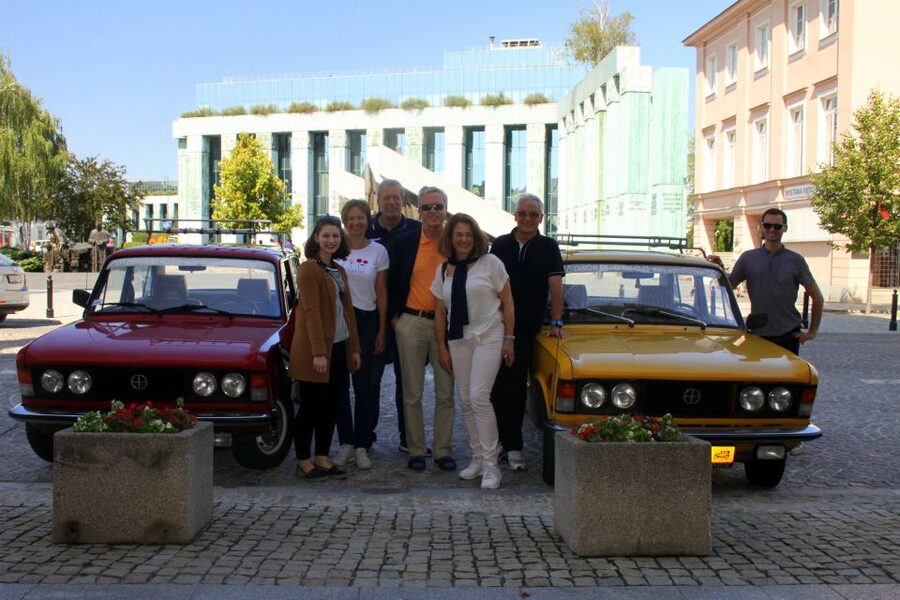
A Polish vodka shot and a sweet snack are included during the ride. These extras add warmth without turning the tour into a food experience. The vodka is a taste of local tradition, while the doughnut or other Polish sweet gives you something simple to enjoy between stops.
Meals are not included, so eat beforehand or plan food separately. The four-hour duration is long enough that you may want a proper meal around the tour, especially if you are booking a morning or afternoon departure.
Photos from the tour are emailed afterward. That is a useful extra if you want pictures of the car and the day without asking someone else to take them. It also adds value for people who enjoy the visual side of a classic vehicle tour.
Is $105 per person good value?
At $105 per person, this is not the cheapest way to see Warsaw. You are paying for a private guide, a historic vehicle, hotel pickup and drop-off in the center, flexible timing, two small refreshments, and photos afterward.
The value is strongest for two people or a small private group. A standard group tour may cost less, but it will not normally let you change the route around your own interests. A taxi can move you between sights, but it will not give you sustained historical commentary or help you understand the links between Old Town, Communist Warsaw, the ghetto, and Praga.
The tour is also efficient. In four hours, you cover districts that are spread across the city. That matters if you have one day, a short stay, or limited energy for navigating public transport.
For a larger group, the per-person price may feel easier to justify, though groups over four use the blue vintage minivan instead of the Fiat 125p. If you want long visits inside museums or palaces, spend your money elsewhere. If you want a personal overview with transport and local context, the price is reasonable.
Practical advice before your departure
Choose this tour early in your Warsaw stay if you can. It will help you decide which areas deserve a second visit, and you can ask the guide for ideas for the rest of your time.
Wear comfortable shoes, even if you prefer riding. The tour includes walking in the Old Town, the former ghetto area, Praga, and Łazienki Royal Park. The route can be adapted, but it is not a fully vehicle-based sightseeing trip.
Tell the guide your priorities at pickup. Say clearly if you want more World War II history, Jewish Warsaw, Communist architecture, Praga, parks, or general orientation. A private tour gives you much better results when you take part in shaping it.
Pets are not allowed. Cancellation is free up to 24 hours before departure, and you can reserve now and pay later, which helps if your Warsaw plans are still moving around.
Who should book this retro Fiat tour?
I would recommend it to first-time visitors who want to see the main parts of Warsaw quickly, couples looking for an unusual private outing, and anyone interested in the city’s twentieth-century story. It also suits people who enjoy talking with a local guide instead of simply following a flag through the center.
It is a particularly good choice for a short layover. One past booking even involved airport pickup, luggage drop-off at a hotel, and a city tour, though the regular arrangement specifies pickup and drop-off at a hotel or other central Warsaw point.
You should think twice if you dislike old vehicles, engine noise, or a mixed driving and walking format. You may also prefer a specialist museum tour if your main goal is an extended study of the Warsaw Ghetto, the Uprising, or Jewish history.
Should you book it?
Book this tour if you want maximum city coverage in four hours, a private English-speaking guide, and a memorable way to connect Warsaw’s restored center with its Communist and modern districts. The custom route is the biggest practical advantage.
Skip it if you want to linger at each sight, avoid walking, or ride in a quiet modern car. For everyone else, the Fiat, vodka, doughnut, and strong historical focus make this a personable introduction to a complicated city. Its current rating of 4.9 out of 5 from 123 bookings reflects how consistently the experience delivers on that promise.
FAQ
How long is the Warsaw retro Fiat tour?
The tour lasts four hours.
What vehicle is used?
Groups of up to four people travel in a historic Fiat 125p from the 1980s. Groups over four are driven in a blue vintage minivan.
Is the tour private?
Yes. It is a private group tour with a private local guide.
Is hotel pickup included?
Yes. Pickup and drop-off are included from your hotel or another point in central Warsaw.
What language does the guide speak?
The listed tour language is English.
Can I choose the starting time?
You can select from the available starting times, and pickup is arranged for a time of your choosing.
Can the route be customized?
Yes. You can ask to visit places of particular interest, and the tour can be adapted to your preferences.
How much walking is involved?
The tour is approximately half walking and half driving and requires a moderate amount of walking. The route can be adjusted to suit your requirements.
What food or drinks are included?
A Polish vodka shot and a Polish sweet, described as a doughnut, are included. Meals are not included.
What is the cancellation policy?
You can cancel up to 24 hours before the tour for a full refund. You can also reserve now and pay later.
Just added around Warsaw
- Taste of Poland, food tour and guided walk with 12 tasting★ 5.0 · 3 reviews
- Skip-the-Line Warsaw Royal Castle Private Guided Tour★ 5.0 · 4 reviews
- Secrets of Warsaw 4-hour Bike Tour★ 5.0 · 25 reviews
- Warsaw: Live Show at Sabat Theatre★ 4.5 · 11 reviews
- Private Warsaw City Tour★ 4.9 · 4 reviews
- Warsaw: WWII Private Tour by Retro Minibus with Hotel Pickup★ 5.0 · 7 reviews
- Private Tour From Warsaw: Łowicz Mazovian Countryside★ 5.0 · 10 reviews
- Packrafting kayaking guided tour Vistula river Warsaw Poland★ 4.5 · 14 reviews
Warsaw Tours, compared.
Traditional Galar Cruise on The Vistula River
Read our review →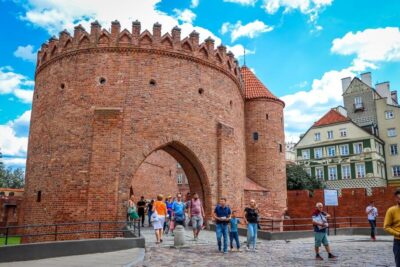
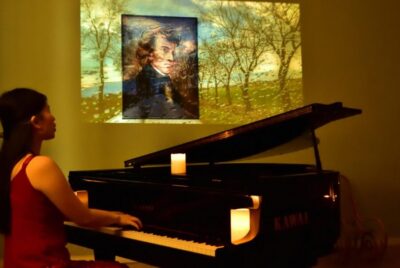
Warsaw Concert: Chopin – Painted by Candlelights with Wine
Read our review →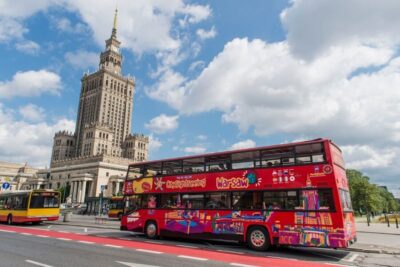
POLIN Museum of the History of Polish Jews Ticket
Read our review →
#1 Pub Crawl Warsaw with Optional Premium 1 Hour Open Bar
Read our review →
Browse the lists this tour appears in