
Reviewed · WARSAW TOURS
From Warsaw: Treblinka Extermination Camp Private Tour
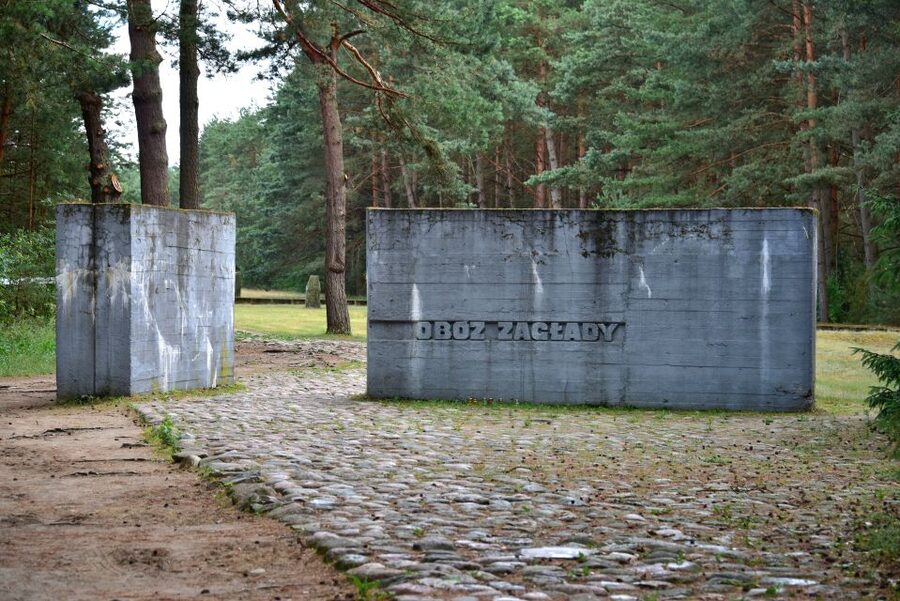
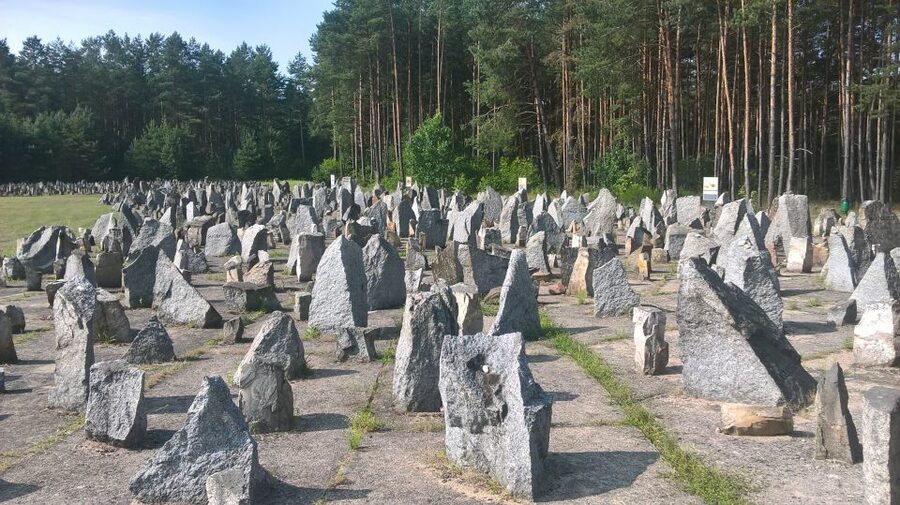
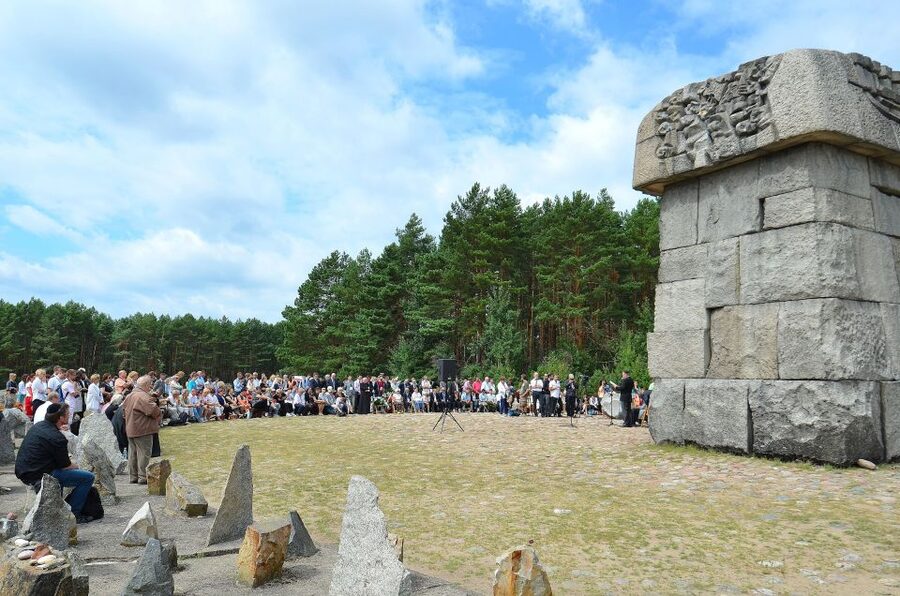
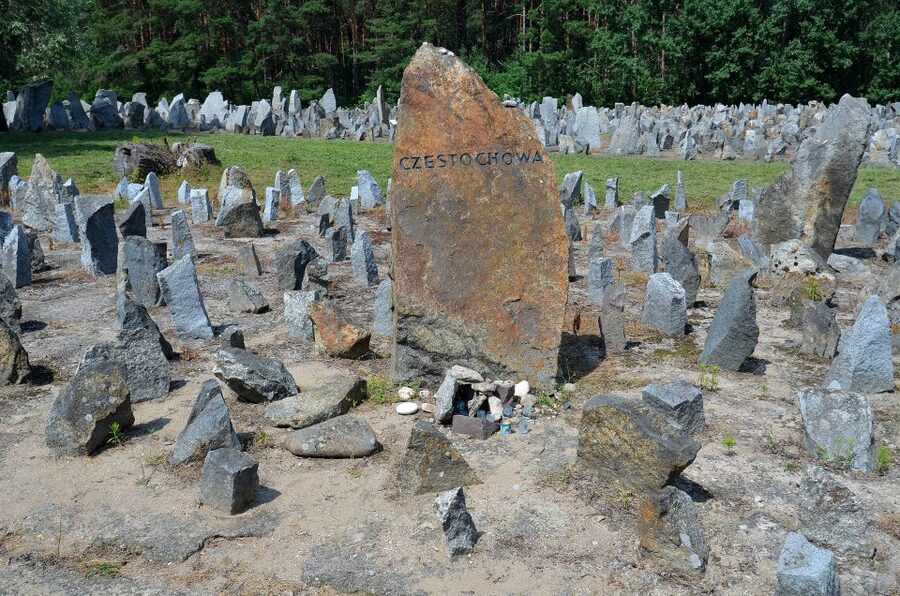
Treblinka is not a grand museum complex. It is a quiet forest site where the absence of buildings becomes part of the story. You walk through a place designed to erase evidence, then face the vast memorial of 17,000 quarry stones, each suggesting a gravestone and many marking the towns from which victims were deported. I like that the tour visits both Treblinka I, the penal labour camp, and Treblinka II, the extermination camp. I also like having a private guide rather than trying to make sense of this difficult place alone.
The five-hour plan is practical: hotel pickup in Warsaw, private air-conditioned transport, a licensed guide, and return to your accommodation. The main consideration is emotional, not logistical. This is a serious memorial visit with gruesome subject matter, and the quiet setting can make the experience feel even heavier. It is not a casual half-day outing.
Key points to know
- Two camps in one visit: Learn how Treblinka I and Treblinka II served different purposes within the Nazi camp system.
- A private, guided experience: English, German, Polish, Italian, Spanish, French, and Russian guiding is available.
- A powerful memorial: The stone field at Treblinka II replaces the destroyed camp with a stark symbol of loss.
- A simple Warsaw departure: Pickup and drop-off at your accommodation remove the need to arrange transport.
- A short but intense schedule: The tour lasts five hours, including the journey from Warsaw and the visit.
- Past guide strengths: Guides named Yon and Jan have been praised for clear historical explanations, while driver Michael was noted for safe, courteous service.
Why Treblinka feels different from Auschwitz
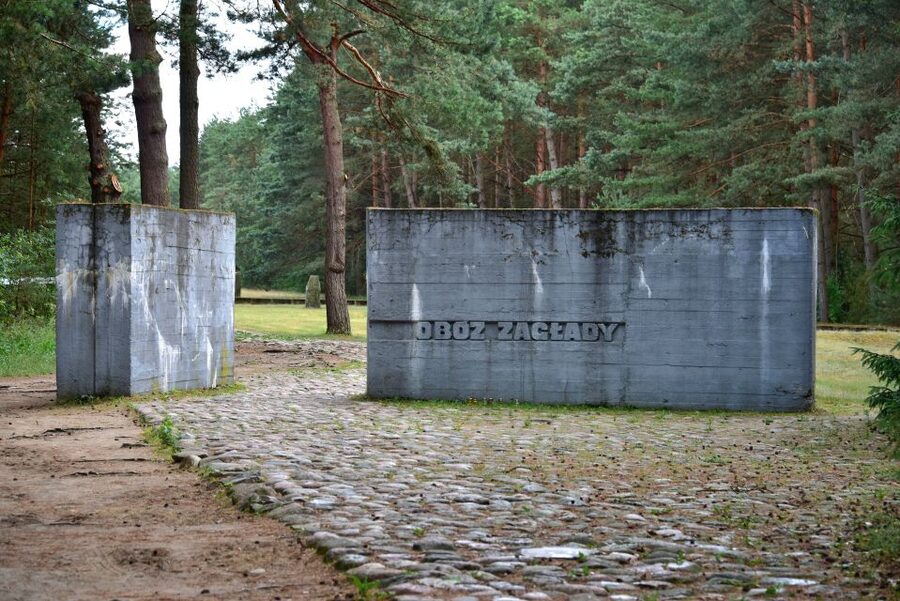
If Auschwitz-Birkenau is the best-known Nazi camp memorial in Poland, Treblinka offers a different kind of encounter. Much of the original camp was destroyed by the Nazis, so you do not walk through long rows of surviving barracks and exhibits. Instead, you see a quiet wooded area, traces of the former camp sites, and a memorial designed to make absence impossible to ignore.
Treblinka II was part of Operation Reinhard, the Nazi operation to murder the Jewish population of occupied Poland. The camp’s gas chambers were used to kill an estimated 700,000 to 900,000 Jews. Treblinka I served as a penal labour camp, where prisoners were forced to work under brutal conditions.
That distinction matters. You are not simply visiting one camp with two names. You are seeing two connected but different parts of the Nazi system. Your guide can explain how forced labour, deportation, mass murder, and the destruction of evidence worked together.
I find the setting especially important. The forest is quiet, and the lack of a large built museum can feel disorienting. You may need to listen closely and give yourself time to process what you are seeing. The site asks you to use your imagination, but the guide supplies the historical facts needed to keep that imagination grounded.
A few more Warsaw trips to weigh up
- Private Tour: Warsaw City Sightseeing by Retro Fiat
★ 5.0 · 562 reviews - Warsaw: Warsaw Ghetto Private Walking Tour with Hotel Pickup
★ 4.9 · 369 reviews - Private Tour: Warsaw’s Jewish Heritage by Retro Fiat
★ 5.0 · 208 reviews
Leaving Warsaw in a private car
The tour begins with pickup at your accommodation in Warsaw. You travel in a private air-conditioned vehicle with an English-speaking driver, then return to the same accommodation at the end.
That arrangement is one of the strongest practical features. Treblinka is outside Warsaw, and arranging public transport would add planning and uncertainty to a day already focused on difficult subject matter. With private transport, you do not need to work out connections, find the entrance, or manage the return journey after an emotionally demanding visit.
The driver is not necessarily the guide. The format includes an English-speaking driver and a private tour guide, so you should expect those roles to be separate. Michael has been praised for being pleasant, courteous, and safe behind the wheel. That kind of calm service matters on a day when your attention should be on the destination.
The supplied duration is five hours, which includes transportation and the visit. This is useful if you have limited time in Warsaw, but it also means the schedule is fairly compact. You will not have the unhurried pace of a full-day historical excursion. Bring water and snacks, since those are specifically recommended, and check your email the day before for important pickup information.
Treblinka I and the penal labour camp
Your guide first shows you Treblinka I, the penal labour camp. This was not the extermination site described in the most familiar accounts of Treblinka, but it was part of the same machinery of Nazi terror.
The camp held prisoners who were forced to work in harsh conditions. Understanding Treblinka I gives you a wider view of persecution. Nazi camps were not all created for the same purpose. Some exploited labour, some imprisoned people, and some were built mainly for mass murder. At Treblinka, these functions existed close together.
This stop may feel less visually dramatic than Treblinka II. There are not the same instantly recognisable structures you might associate with Auschwitz. That can make the guide’s explanation especially valuable. A good guide helps you understand what the site meant, where the camp fit into the system, and why the Nazis later tried to destroy evidence of their crimes.
Guides named Yon and Jan have been praised for detailed explanations of Treblinka. One particularly moving account describes an 80-year-old guide whose personal connection to Polish history added a human voice to the visit. You should not assume that a particular guide will lead your tour, but the operator offers several languages and a private format that allows room for questions.
Treblinka II and the field of stones
Treblinka II is the emotional centre of the visit. The camp was built for mass murder, and the Nazis later dismantled it and attempted to conceal what had happened. Today, the memorial uses stone, space, and silence rather than reconstructed buildings.
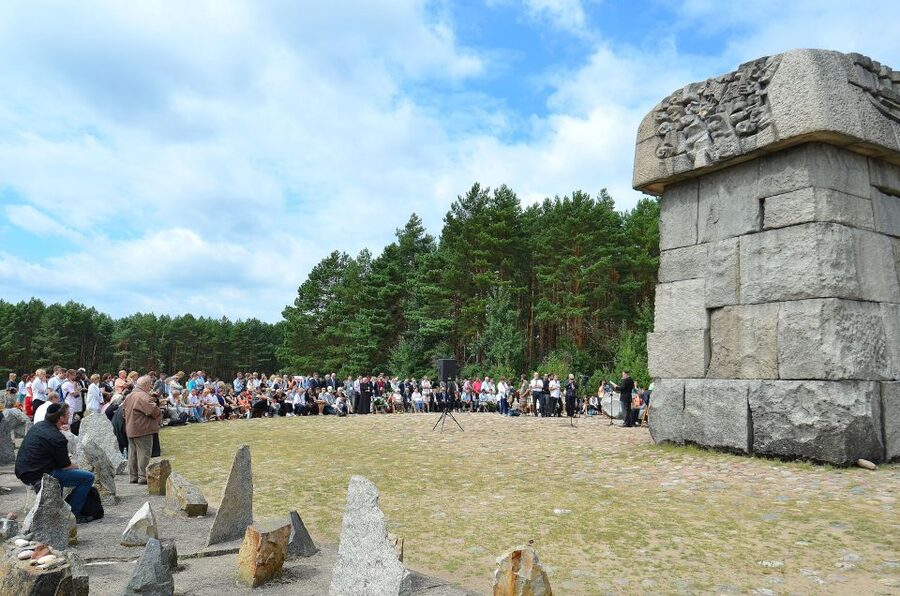
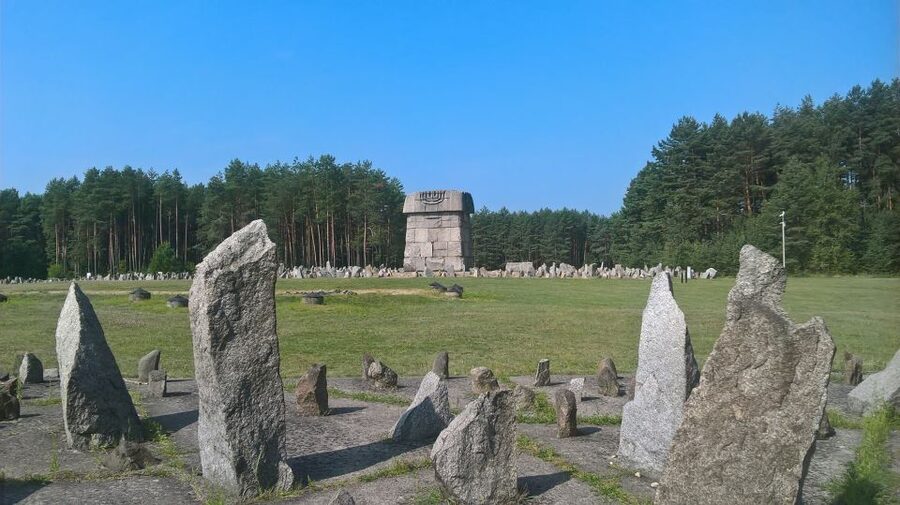
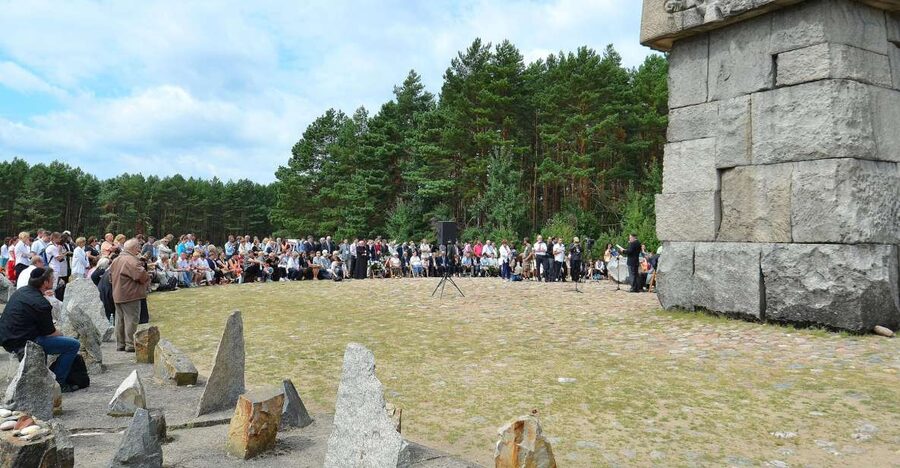
The most striking feature is the field of 17,000 quarry stones. They suggest gravestones, while inscriptions indicate the places from which Holocaust trains departed. This turns geography into remembrance. A town name that may once have been unfamiliar becomes part of the memorial, linking distant communities to this forest in Mazovia.
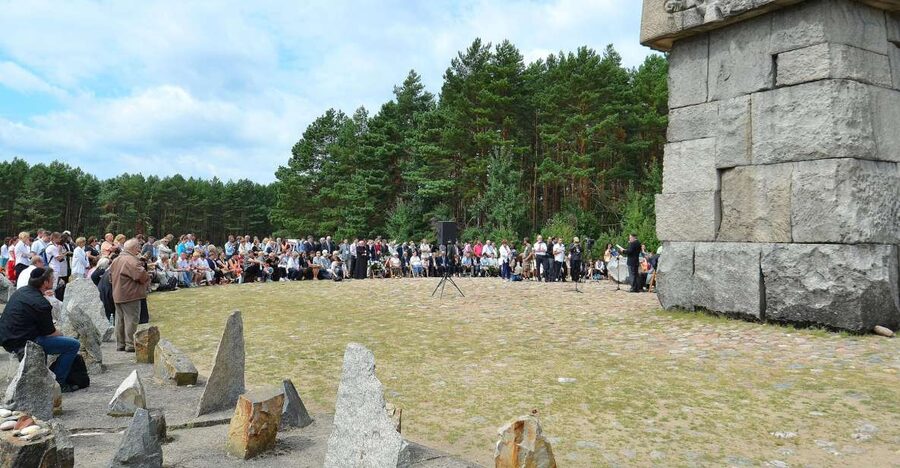
You should allow yourself time here. The memorial is not a quick photo stop. Its scale communicates the number of people killed, but the individual place names bring that scale back to human communities. Your guide can explain the symbolism and connect the memorial to the deportations that brought Jews from across occupied Poland and beyond.
The open site also creates a contrast with the violence that took place there. You may hear birds or wind through the trees. That calm is not comforting in a simple way. It can make the historical facts harder to avoid because there is no busy museum route to distract you.
Same country, a completely different kind of day:
- Warsaw: Chopin Concert in the Old Town
★ 4.8 · 2,287 reviews - Warsaw: Traditional Galar Cruise on The Vistula River
★ 4.6 · 1,640 reviews - Warsaw: Old Town Highlights Walking Tour in English
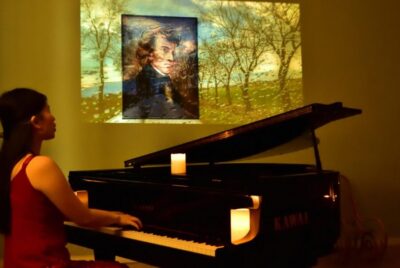
★ 4.7 · 1,516 reviews - Warsaw Concert: Chopin – Painted by Candlelights with Wine
★ 4.8 · 1,442 reviews
Learning about Operation Reinhard
The guide’s historical explanation is central to the value of this tour. Operation Reinhard was the deadliest phase of the Nazi Final Solution, and Treblinka was one of its key killing centres.
You will learn about the Nazi plan to murder Jews during World War II, the role of deportation trains, and the operation of the gas chambers. The subject is grim, but the tour is not meant to shock you with spectacle. The point is to understand how an organised system turned prejudice into deportation, confinement, and mass murder.
The supplied information describes Treblinka II as the second-largest Nazi concentration camp in Europe after Auschwitz-Birkenau. More precisely, Treblinka II is generally discussed as an extermination camp, and that difference is worth keeping in mind when comparing the two sites. Auschwitz included concentration, forced labour, and extermination functions across a large complex. Treblinka II was built mainly for killing.
A private guide can adjust the amount of detail to your interests and questions. Erica specifically praised Yon for being informative and tailoring the visit. That flexibility is useful here. Some people want a clear account of the camp’s operation, while others need more time with the memorial and less graphic explanation.
The prisoner uprising and the human story
The visit also covers the prisoners who organised an uprising at Treblinka. This is an important part of the story because it shows resistance in a place designed to strip people of all control.
The uprising did not erase the camp’s crimes, but it challenged the Nazi plan to leave no witnesses and no physical evidence. Your guide can place the revolt within the final period of the camp’s operation and explain why its aftermath affected the site’s appearance today.
This human element keeps the visit from becoming only a lesson in numbers. The figures are almost impossible to grasp, even when they are stated plainly. Stories of resistance, however, give you a way to think about the people who were imprisoned there as individuals capable of courage, planning, and solidarity under extreme conditions.
Treblinka requires respectful attention. Photography may be possible in parts of the site, but you should treat the entire visit as a memorial rather than a sightseeing stop. The quiet, private format encourages that approach.
What the private format adds
A private tour is more expensive than joining a large group. At $333 per person, the price is significant, especially for a solo visitor. The value improves if two or more people share the experience and want private transportation, a dedicated guide, and pickup from Warsaw.
You are paying for more than admission. The package includes the car, driver, guide, regular tickets to Treblinka I and II, and hotel return. The lack of ticket-line hassle is convenient, though the site itself is not presented as a crowded attraction where queue time is likely to dominate your day.
The main benefit is control. You can ask questions without waiting for a whole group, and the guide can respond to your level of interest. You can also remain focused on the memorial rather than thinking about transport.
There are limits. Five hours is enough for a purposeful visit, but not for a slow, exhaustive study of every aspect of Treblinka. If you want a long museum session, extensive archival research, or a wider Mazovia history tour, you may find this format too brief. The information provided does not promise a meal, so carry food and water.
Language, access, and booking flexibility
Live guiding is offered in English, German, Polish, Italian, Spanish, French, and Russian. Choose carefully when booking, especially if you want the historical discussion in a language other than English.
The tour is listed as wheelchair accessible. Since the site includes outdoor memorial areas, you should still check the day’s arrangements if you have specific mobility needs. The available information confirms accessibility, but it does not provide detailed surface or route information.
You can cancel up to 24 hours before departure for a full refund. The reserve-now-and-pay-later option lets you hold a place without paying immediately, which is useful when your Warsaw schedule is still taking shape. The starting time depends on availability, so check the schedule before building other plans around the tour.
Who should book this Treblinka visit?
I would recommend it most strongly to you if you want to understand the Holocaust beyond the best-known Auschwitz route. Treblinka’s quieter setting and largely absent camp structures create a different kind of memorial experience.
It suits visitors who value historical explanation, private transport, and a serious tone. It is also a good choice if you have only half a day and do not want to rent a car or arrange several connections from Warsaw.
Families with older teenagers may find the visit meaningful, but the subject is extremely difficult. The information includes graphic facts about gas chambers and mass murder, so parents should decide in advance how much detail is suitable.
You may want to skip it if you are looking for a light outing, a scenic forest walk, or a flexible day with several unrelated attractions. Treblinka is not entertainment, and its power depends on your willingness to give it your full attention.
Should you book the five-hour tour?
Book this tour if you want a private, well-organised way to visit Treblinka from Warsaw and learn how Treblinka I, Treblinka II, and Operation Reinhard fit together. The strongest reasons are the hotel pickup, the dedicated guide, the two camp sites, and the chance to ask questions in a quiet setting.
Think carefully about the price if you are alone. At $333 per person, this is a premium half-day experience. It becomes easier to justify when shared with companions, particularly because private transport and a guide are included.
Bring water, snacks, and a respectful frame of mind. If you want a memorial visit that is direct, historically focused, and far removed from mass tourism, this is a thoughtful choice from Warsaw. If you prefer a longer museum-based day with more surviving structures, compare it with other Holocaust memorial sites before booking.
FAQ
How long does the Treblinka tour last?
The tour lasts five hours, including transportation from Warsaw, the visit to Treblinka I and Treblinka II, and the return journey.
Does the tour include pickup in Warsaw?
Yes. Pickup and drop-off at your accommodation in Warsaw are included.
What type of transportation is provided?
You travel in a private, air-conditioned car with an English-speaking driver.
Is a tour guide included?
Yes. A live private tour guide is included, along with regular tickets to Treblinka I and Treblinka II.
Which languages are available for the guided tour?
Guiding is available in English, German, Polish, Italian, Spanish, French, and Russian.
What are Treblinka I and Treblinka II?
Treblinka I served as a penal labour camp. Treblinka II was an extermination camp and part of Operation Reinhard.
What will I see at Treblinka II?
You will see the memorial marked by 17,000 quarry stones, which symbolise gravestones. Inscriptions identify places connected with Holocaust train departures.
Is the tour wheelchair accessible?
Yes, the activity is listed as wheelchair accessible.
What should I bring?
Bring water and snacks. You should also check your email the day before the tour for important information.
What is the cancellation policy?
You can cancel up to 24 hours in advance for a full refund. A reserve-now-and-pay-later option is also available.
Just added around Warsaw
- Taste of Poland, food tour and guided walk with 12 tasting★ 5.0 · 3 reviews
- Skip-the-Line Warsaw Royal Castle Private Guided Tour★ 5.0 · 4 reviews
- Secrets of Warsaw 4-hour Bike Tour★ 5.0 · 25 reviews
- Warsaw: Live Show at Sabat Theatre★ 4.5 · 11 reviews
- Private Warsaw City Tour★ 4.9 · 4 reviews
- Warsaw: WWII Private Tour by Retro Minibus with Hotel Pickup★ 5.0 · 7 reviews
- Private Tour From Warsaw: Łowicz Mazovian Countryside★ 5.0 · 10 reviews
- Packrafting kayaking guided tour Vistula river Warsaw Poland★ 4.5 · 14 reviews
Warsaw Tours, compared.
Traditional Galar Cruise on The Vistula River
Read our review →
Warsaw Concert: Chopin – Painted by Candlelights with Wine
Read our review →
POLIN Museum of the History of Polish Jews Ticket
Read our review →
#1 Pub Crawl Warsaw with Optional Premium 1 Hour Open Bar
Read our review →
Browse the lists this tour appears in