
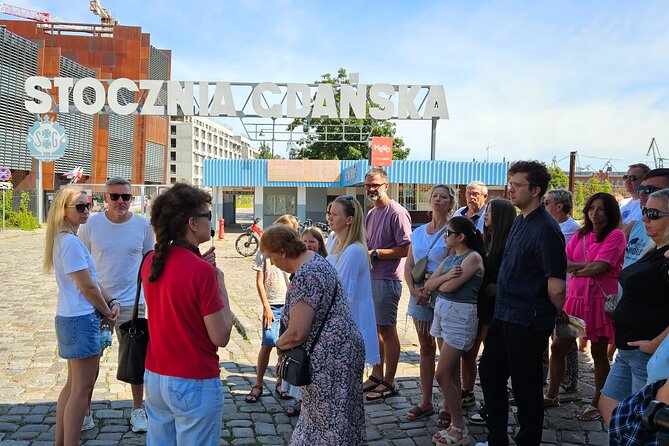
Reviewed · GDANSK TOURS
Gdansk: European Solidarity Centre Guided Tour
The European Solidarity Centre tells the story of how ordinary Polish workers challenged communism and helped change Europe. You move through recreated strikes, multimedia displays, and the round-table negotiations that made Gdańsk a key place in the fight for freedom.
I like the modern, hands-on presentation and the way the tour connects Polish events to movements elsewhere in Eastern Europe. The main drawback is its pace: 150 minutes is useful for a guided visit, but the subject is serious and dense, and you will need to climb and descend staircases.
Key points
- See the former workers’ struggle brought to life through recreated strike scenes and interactive displays.
- Follow Lech Wałęsa and Polish workers as they confronted the communist system.
- Examine the round-table negotiations, a key moment in Poland’s road toward political change.
- Connect Solidarity with wider European events, including freedom movements across Eastern Europe.
- Use the guide to make sense of a large museum, with English and Polish tours available.
- Allow 150 minutes, arrive at least 10 minutes early, and leave large bags behind.
Why Gdańsk is the right place for this story
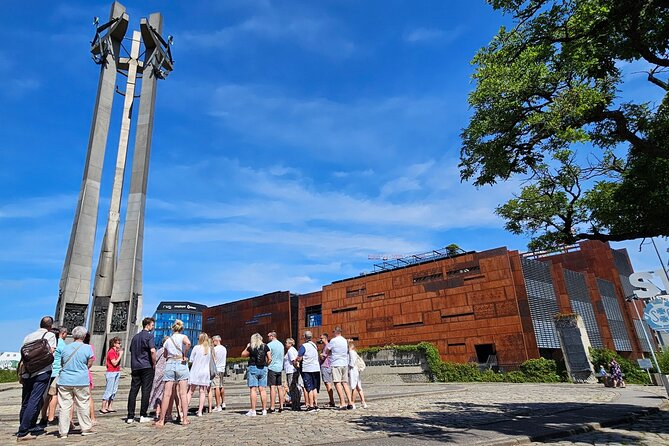
The European Solidarity Centre is not simply a museum about political leaders. Its central subject is the power of organized workers, citizens, and communities who refused to accept the communist system as permanent.
That focus gives the visit unusual force. You are not just looking at dates and official speeches. You are asked to follow the pressure built by strikes, public demands, negotiations, and collective action.
Gdańsk matters because the Solidarity movement grew from the city’s working-class setting. The tour places Lech Wałęsa and Polish workers at the center, but it also shows that this was not the work of one famous person alone.
I find that distinction important. A museum built only around Wałęsa could turn the story into a hero portrait. This experience instead points you toward the larger group effort and the risks taken by people who wanted greater freedom.
The subject is political, but the tour also raises questions that remain current: How do people organize when institutions are against them? What makes a protest grow? How can negotiations turn public pressure into lasting change?
Those questions give the visit value beyond a single chapter of Polish history.
A few more Gdansk trips to weigh up
- Gdańsk City Sights & History Guided Walking Tour in English
★ 4.8 · 876 reviews - Gdansk: Guided Round-Trip Cruise to Westerplatte
★ 4.3 · 865 reviews - Gdansk: City Sightseeing Tour by Golf Cart/Buggy Guided Tour
★ 4.9 · 510 reviews
Beginning with strikes, workers, and communist rule
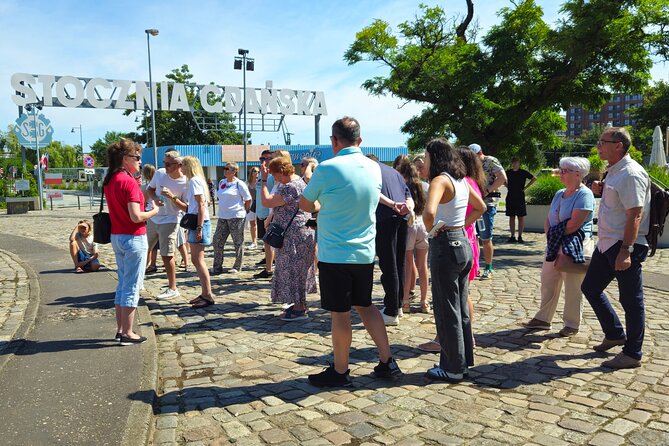
Your guide leads you into a story shaped by conflict between workers and the communist state. Recreated strike scenes help turn an abstract political struggle into something you can picture.
These displays are useful because the system itself can be hard to grasp if you did not grow up with it. Terms such as communism, censorship, state control, and opposition can sound distant in a textbook. Here, the focus stays on people and their decisions.
The displays present Polish workers as active participants rather than background figures. You see how a labor dispute could become part of a larger demand for rights and political change.
A guide adds value at this stage by explaining links between the objects, images, and events. Without help, a museum with a large amount of material can become a blur of names and dates. With a live guide, you can ask questions and keep the main story in view.
The tour is available in English or Polish, which makes the choice simple for many visitors. The quality of the experience will depend partly on the guide assigned to your time. One guide named in a recent booking was Marta, who received especially warm praise for making the visit emotional and memorable, but you should not assume that every departure has the same guide.
Following Lech Wałęsa without losing the wider movement
Lech Wałęsa is an important figure in the Centre’s story, and the tour follows his role alongside that of Polish workers. You will learn how his public leadership connected with a much broader effort.
This is one of the better reasons to choose a guided visit. A famous name can make a historical story easy to enter, but it can also oversimplify events. The guide can help you understand where Wałęsa fits within the wider movement rather than presenting him as the sole force behind change.
The story gains power when you see the contrast between an individual public figure and the many people needed to keep a movement alive. The Centre’s exhibits point toward cooperation, pressure from below, and the courage required to act when the government held most of the official power.
You may find that the visit asks you to think less about one dramatic victory and more about persistence. The fight against communism was not presented as a quick event with a neat ending. It involved fear, organization, negotiation, and long-term commitment.
That approach makes the experience useful for adults who already know something about twentieth-century Europe. It also gives first-time learners a clear human entry point.
Recreated scenes and multimedia displays
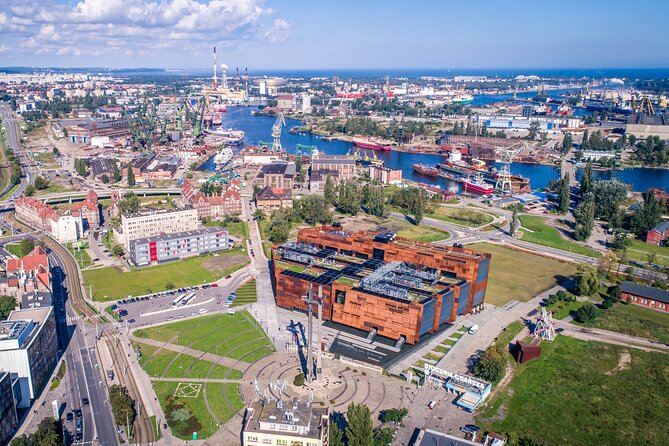
The Centre uses more than printed panels. Recreated strikes, multimedia displays, and other visual material help you grasp the mood and pressure around the movement.
I like this format for a museum subject that could otherwise become heavy. Political history often depends on documents that require patience and background knowledge. A visual display can give you a faster sense of place and action before the guide adds the details.
Still, modern presentation does not mean the visit is light. The subject involves repression, conflict, and the cost of standing up to authority. Expect moments that are reflective rather than entertaining.
The multimedia elements also support different learning styles. You might respond most to images and recreated settings, while another person in your group may prefer the political explanations or the broader European context.
The best way to handle the visit is to let the guide establish the main thread, then spend a little extra time with the displays that catch your attention. A 150-minute tour gives you enough time for a structured visit, but not unlimited time for every panel and screen.
If you want to read every item in detail, you may need a separate return visit. The guided format is better for understanding the main story and seeing the Centre’s most important material without getting lost.
Same country, a completely different kind of day:
- Gdansk: City Cruise on Historical Polish Boat
★ 4.8 · 2,913 reviews - Gdańsk: Sunset Cruise on a Historic Polish Boat
★ 4.9 · 977 reviews - Gdansk: Firearm Shooting Experience with Instructor
★ 4.8 · 866 reviews - Gdańsk: Sightseeing EcoCruise around the Old Town of Gdansk
★ 4.6 · 719 reviews
The round-table negotiations and the turn toward change
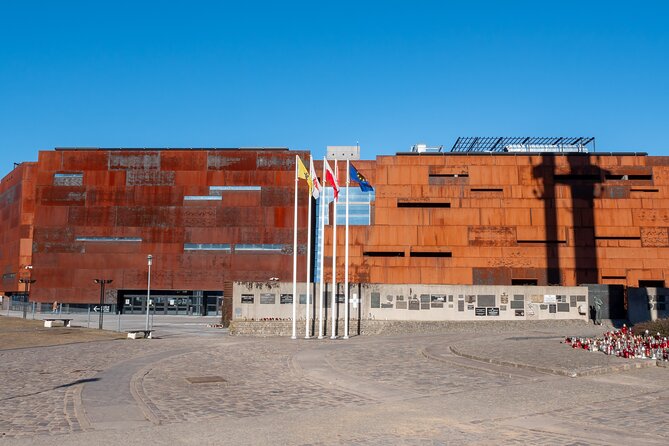
The round-table negotiations are one of the most important points in the tour. This part of the visit shows how confrontation can move into formal discussion, and how political change can come through negotiation as well as protest.
The round table has strong visual power because it represents a shift in method. Earlier displays focus on strikes, pressure, and opposition. Here, the story turns toward talks between people connected to the communist authorities and those demanding change.
Your guide can explain why this moment mattered and how it fits into Poland’s wider break with the old system. The negotiations are not treated as a simple victory scene. They belong to a complicated process in which agreements, compromises, and public pressure all played a role.
I would pay close attention here, even if you are more drawn to the dramatic strike displays. The round-table section helps explain how a movement can influence government without ending its work at the moment of protest.
It also gives the visit a practical lesson. Social change is not always a single march or speech. It can involve long arguments, difficult deals, and people deciding when to push and when to negotiate.
From Poland to freedom movements across Eastern Europe
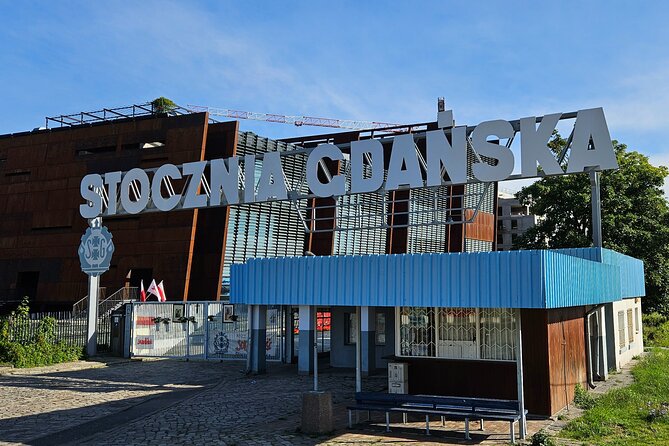
The Centre does not keep Solidarity inside Poland’s borders. Exhibits show how its example influenced movements across Eastern Europe.
This wider view makes the visit more useful for anyone interested in the fall of communist rule across the region. Poland becomes the starting point, not the entire destination.
You can see how an organized challenge in one country could give hope to people elsewhere. The connection matters because political movements rarely develop in total isolation. Ideas travel through people, news, images, and examples of what might be possible.
The guide helps you keep this connection clear. Without that context, it would be easy to treat each Eastern European movement as a separate national story. The Centre instead asks you to consider the links between them.
For a visitor with limited time in Gdańsk, this broader section adds real value. You get a local story and a European one in the same 150-minute visit.
It also prevents the museum from becoming only a memorial to one past struggle. Solidarity becomes an example of how people in one place can affect political thinking far beyond their own city.
A museum that keeps asking present-day questions
The Centre also functions as a place for discussion about social justice and human rights. Workshops, film screenings, and thought-provoking exhibits address the continuing fight for freedom.
The exact content of these activities can vary, so you should think of them as part of the Centre’s wider role rather than a guaranteed element of this particular guided tour. The fixed part is the guided entrance to the Centre and its main historical exhibits.
What you can expect is a museum that treats history as something with an ongoing meaning. The Solidarity story is not locked safely in the past. It raises questions about rights, power, public action, and the responsibilities of citizens today.
That makes the experience a good choice if you prefer museums that leave you with something to discuss. It may be less suitable if you want a quick collection of famous objects with minimal explanation.
I also appreciate that the subject is not reduced to a feel-good story. The idea that ordinary people achieved extraordinary things is inspiring, but the route to change involved pressure and uncertainty. The Centre’s format gives you room to think about both the hope and the difficulty.
What the 150-minute format gives you
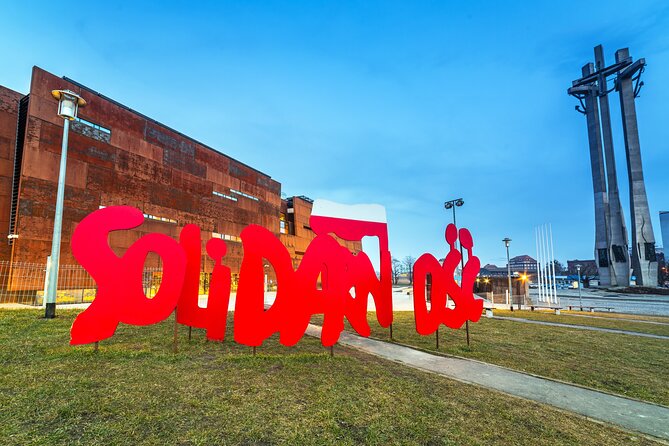
Two and a half hours is a useful middle ground. You get a proper guided visit rather than a rushed walk through the entrance exhibits, but the experience still fits into a busy Gdańsk schedule.
I would reserve the tour for a morning or afternoon when you can stay focused. The material is not difficult because of physical distance alone. It asks you to follow a sequence of political events and understand how one development led to another.
The guide keeps the visit moving. That matters because a museum with recreated scenes, screens, documents, and political explanation can easily take much longer on your own.
The tradeoff is that a fixed guided pace may not match your personal interests. You might want more time with the displays about workers, while another person may prefer the international material or present-day human rights themes.
Think of the tour as a strong first visit. It should give you the structure and context needed to return independently if you want a slower look.
The experience includes the entrance ticket and a professional guide. Transportation, food, and drinks are not included, so you need to arrange your own way to the meeting point and plan any refreshments separately.
Is $83 a fair price?
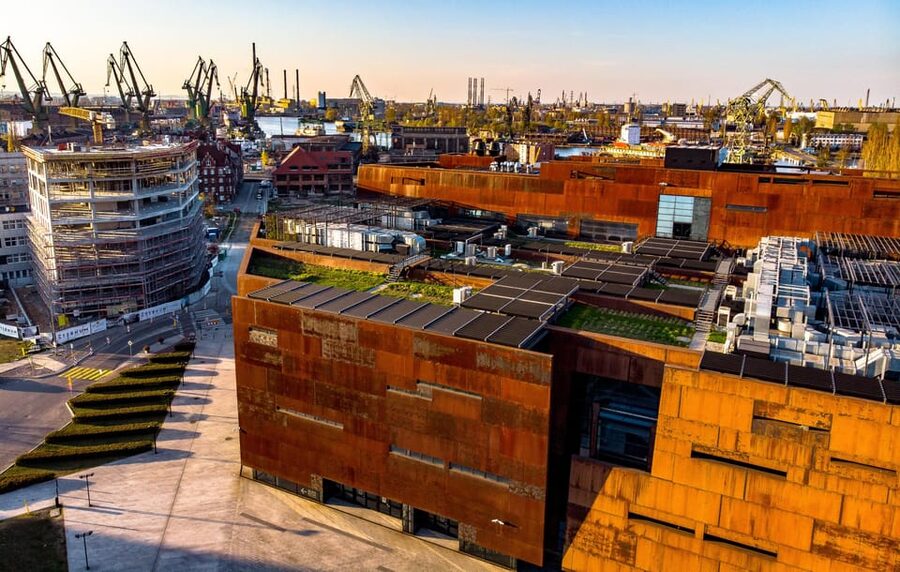
At $83 per person, this is not a bargain museum entry. The price makes the most sense if you value guided context, a skip-the-ticket-line entry, and a planned 150-minute visit.
You are paying for more than access to the building. The guide helps connect the strikes, Wałęsa, the round-table negotiations, and Solidarity’s influence across Eastern Europe. That can save you time and prevent the story from becoming a pile of disconnected exhibits.
The value is strongest for first-time visitors to the Centre, people with limited time, and anyone who wants explanations in English or Polish. If you enjoy reading every panel at your own pace and already know the history, independent admission might suit you better, though this tour’s exact alternative price is not provided here.
A high-quality guide is important at this price. The available feedback points in two directions: one recent experience praised the organization, modern presentation, emotional impact, and guide Marta, while another said the guide could have been better. One customer also raised an organizational complaint and chose to remain neutral until it was resolved.
That mixed detail is worth taking seriously. The Centre itself is the main attraction, but the guided element can vary. The 4.9 rating from 14 reviews suggests a strong overall response, yet a small review sample cannot guarantee that every guide or departure will feel identical.
Planning the visit without small surprises
Arrive at least 10 minutes before the start. The meeting point can vary according to the option you book, so check your confirmation rather than heading straight to a familiar location.
The starting time may shift slightly because of guide availability. If you have a train, flight, meal reservation, or another timed activity immediately afterward, leave a cushion.
Do not bring luggage or large bags. This is especially important if you are arriving from the station or checking out of accommodation. Plan to store large items elsewhere before meeting the group.
The tour involves climbing and descending staircases. The activity is listed as wheelchair accessible, but the stair information means you should confirm the route and access arrangements in advance if you use a wheelchair or have difficulty with stairs.
You must be at least 18 to book on your own, or be accompanied by an adult. Food and drinks are not included, so handle those before or after the visit rather than expecting a break during the tour.
Free cancellation is available up to 24 hours in advance for a full refund. You can also reserve now and pay later, a useful option if your Gdańsk plans are still moving around.
Who should book this guided visit
I would recommend it to you if you want a clear introduction to the Solidarity movement and prefer a guide to explain the political setting.
It suits:
- First-time visitors to the European Solidarity Centre
- People interested in Poland’s modern history
- Anyone studying the end of communism in Eastern Europe
- Visitors who prefer English or Polish explanation
- Couples and families with older children who can handle serious material
- People working with a fixed 150-minute schedule
You may prefer another approach if you dislike guided pacing, want to examine every display at length, or already have a strong understanding of the movement.
The emotional tone also matters. This is not a light sightseeing stop. You will encounter stories about repression, protest, courage, and social justice. That seriousness is part of the value, but it may not fit a day when you only want easy entertainment.
Should you book the European Solidarity Centre tour?
Book it if you want the story behind the exhibits, not just admission to a museum. The guide-led format links Gdańsk’s workers’ strikes with Lech Wałęsa, the round-table negotiations, and the wider influence of Solidarity across Eastern Europe.
At $83, I would choose this tour when your time is limited or when historical context matters more than saving money. I would be more cautious if you are a museum regular who prefers total independence, since the guide quality and pacing may not match every visitor’s preferences.
Arrive early, bring no large bag, allow for stairs, and keep a little extra time around the start and finish. If those practical points work for you, this is a serious, well-focused visit that can change how you understand both Gdańsk and the wider struggle for freedom.
FAQ
How long does the European Solidarity Centre guided tour last?
The tour lasts 150 minutes, or two and a half hours.
What languages are available?
The live tour guide is available in English or Polish.
Is admission to the European Solidarity Centre included?
Yes. The entrance ticket and professional guide are included.
Is transportation included?
No. Transportation, food, and drinks are not included.
Do I need to arrive early?
Yes. You should arrive at the meeting point at least 10 minutes before the activity begins. The meeting point may vary based on the option booked.
Can I cancel for a full refund?
Yes. You can cancel up to 24 hours before the activity for a full refund. You can also reserve now and pay later.
Just added around Gdansk
- Guided Winter Kayak Tour in Gdańsk & Hot Chocolate Treat★ 5.0 · 51 reviews
- Gdansk Highlights Bicycle Tour★ 5.0 · 65 reviews
- Electric Scooter Tour: Old Town Tour – 1,5-Hour of Magic!★ 5.0 · 19 reviews
- Elblag Canal Tour from Gdansk★ 4.5 · 22 reviews
- #1 Polish Vodka Tasting Experience in Gdansk★ 5.0 · 87 reviews
- Delicious Gdansk Craft Beer Tour★ 5.0 · 4 reviews
- DAILY Stutthof Concentration Camp with Guide and Transport★ 4.5 · 10 reviews
- Cruises on the Motlawa River★ 4.5 · 66 reviews
Gdansk Tours, compared.
Gdańsk City Sights & History Guided Walking Tour in English
Read our review →
Sightseeing EcoCruise around the Old Town of Gdansk
Read our review →

Browse the lists this tour appears in