
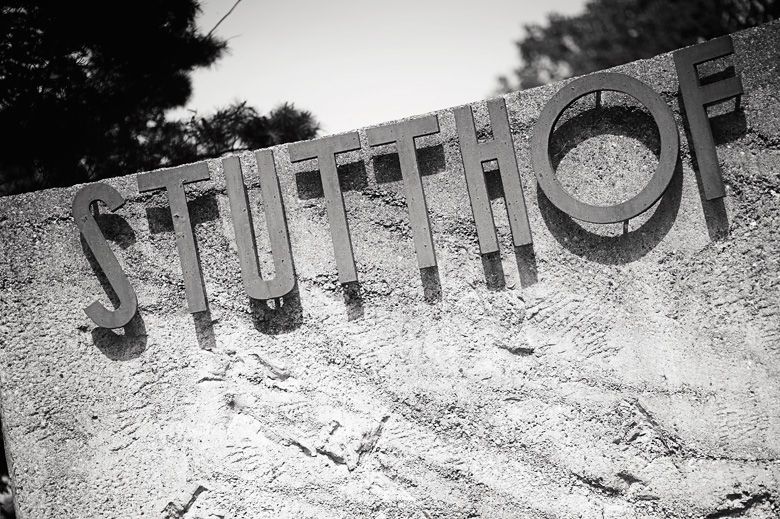
Reviewed · STUTTHOF CONCENTRATION CAMP TOURS
Stutthof Concentration Camp Half-Day Private Tour
Stutthof is not a casual sightseeing stop. It is a preserved place of terror, where a guide helps you understand how Nazi persecution reached Pomerania and how more than 110,000 people from 26 countries suffered here. I like the private format, which gives you room to ask difficult questions without being swept along by a large group. I also like that transport, parking, admission, and a museum guide are bundled together.
The main consideration is emotional: the gas chamber, crematorium, starvation, forced labor, and mass murder are presented in a direct and upsetting way. This tour is not suitable for children under 13, and even adults should leave enough quiet time afterward rather than rushing straight into another busy activity.
Key points to know before booking
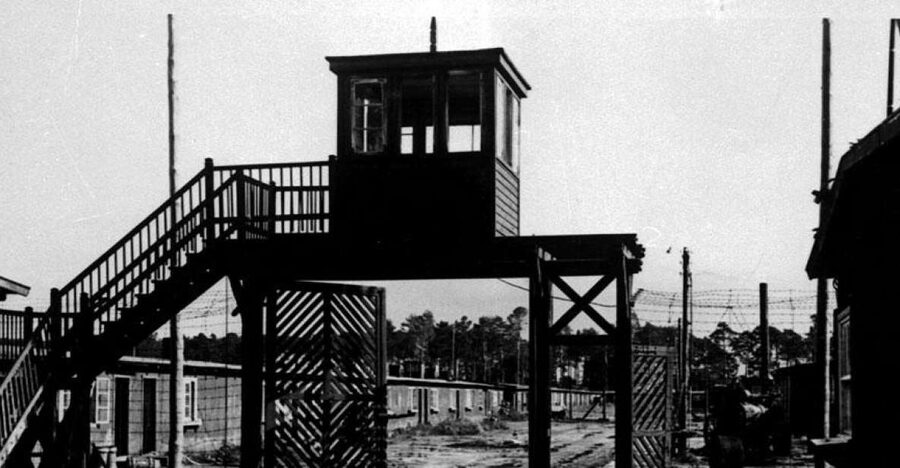
- Stutthof was the first Nazi concentration camp established on Polish territory, opening in 1939.
- A private guide gives you time for questions, with tours offered in English, German, or Polish.
- The five-hour outing includes transport from Gdańsk, Sopot, or Gdynia, museum admission, parking, and a short break.
- The tour visits the camp’s most sobering sites, including the gas chamber, crematorium, commander’s villa, and victims’ monument.
- The $461 rate covers a group of up to three, making the cost easier to justify for a small private party than for a solo visitor.
- The museum recommends the experience for ages 13 and older because of its graphic and distressing subject matter.
Why Stutthof deserves serious time
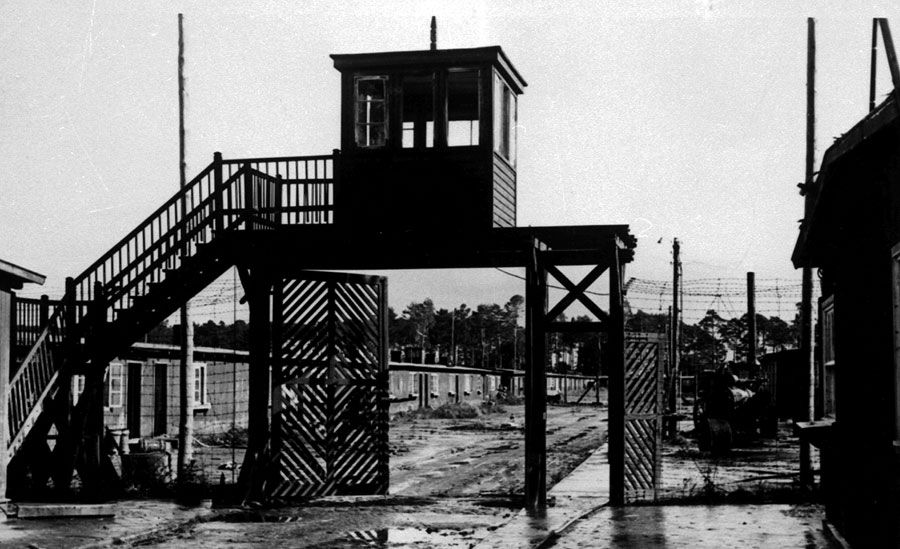
Stutthof began in 1939, shortly after the Nazi occupation of Poland. It was first planned for roughly 3,000 prisoners, including Jewish people and Polish intellectuals from Pomerania and the Free City of Gdańsk.
That early purpose matters. This was not an isolated prison created far from ordinary life. It was part of the Nazi campaign against local Polish society and Jewish communities, and it grew as persecution spread across Europe.
Over time, more than 110,000 people from 26 countries passed through Stutthof. Prisoners faced forced labor, starvation, torture, disease, executions, and murder in gas chambers. The camp remained in operation longer than any other Nazi concentration camp established in occupied Poland.
I find that context especially useful before arriving. Without it, the barracks, fences, and empty yards can seem like disconnected structures. With it, you begin to see how the camp changed from an early detention site into a much larger system of imprisonment and killing.
The museum now preserves the grounds as a place of education and remembrance. You are not simply looking at old buildings. You are moving through evidence of a system that treated human beings as disposable.
More Stutthof Concentration Camp Tours in Gdansk:
- Gdansk: Stutthof Concentration Camp Regular Tour
★ 4.7 · 361 reviews - Stutthof Concentration Camp English Tour with Gdansk Hotel pickup
★ 4.5 · 73 reviews - Stutthof Concentration Camp:Guided Tour with Transportation
★ 4.7 · 57 reviews
The one-hour ride from Gdańsk
The tour begins with pickup at your hotel or apartment in Gdańsk, Sopot, or Gdynia. The drive to Stutthof takes about an hour in the supplied van, followed by the museum visit and return journey.
Private transport is a real advantage here. Stutthof is outside the main city sightseeing circuit, so you avoid arranging your own route, finding parking, and working out how much time to leave for the return trip. Parking fees are included, as are entrance tickets.
The drive also gives the guide a useful chance to set the scene. One Swedish visitor specifically praised the driver for explaining the area along the way, not just handling the road. That sort of introduction can help you shift mentally from a city break in Gdańsk to a place that requires a much quieter frame of mind.
The transport is described as comfortable and well kept, although the exact vehicle can vary. A small private van also makes the journey easier for families or friends who want to remain together rather than split up in a large excursion group.
The roughly five-hour schedule is efficient, but do not confuse efficient with light. About two hours are set aside for the guided museum visit, with around 30 minutes for a break at Morska 32 before the return to Gdańsk. The travel time takes up much of the day, so plan this as a major half-day commitment.
Walking through the old and new camp quarters
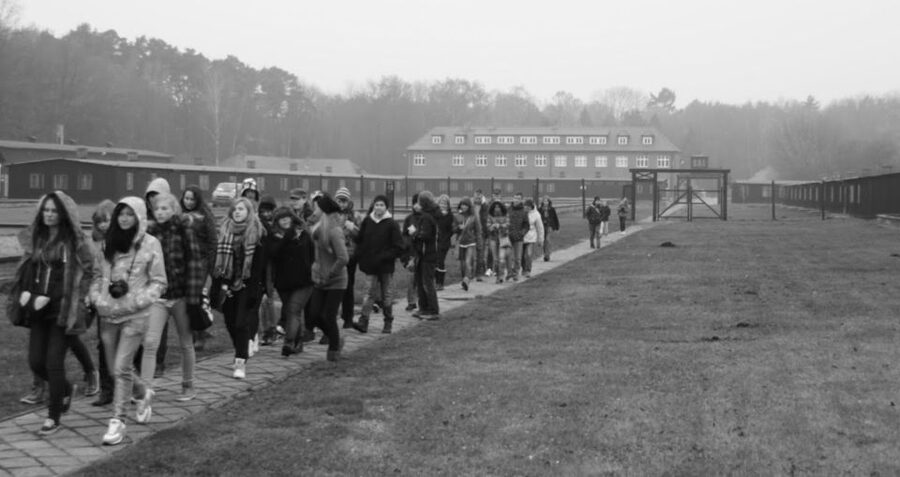
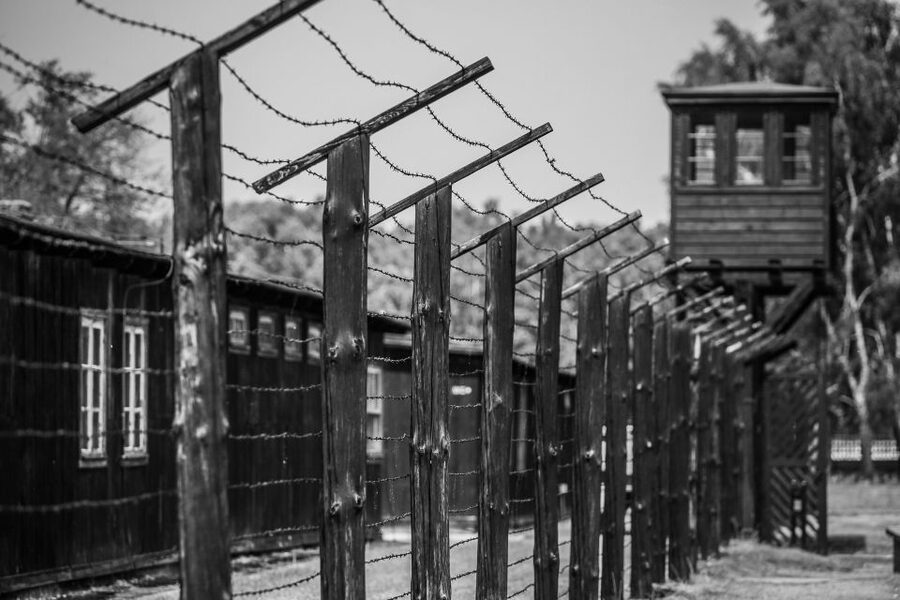
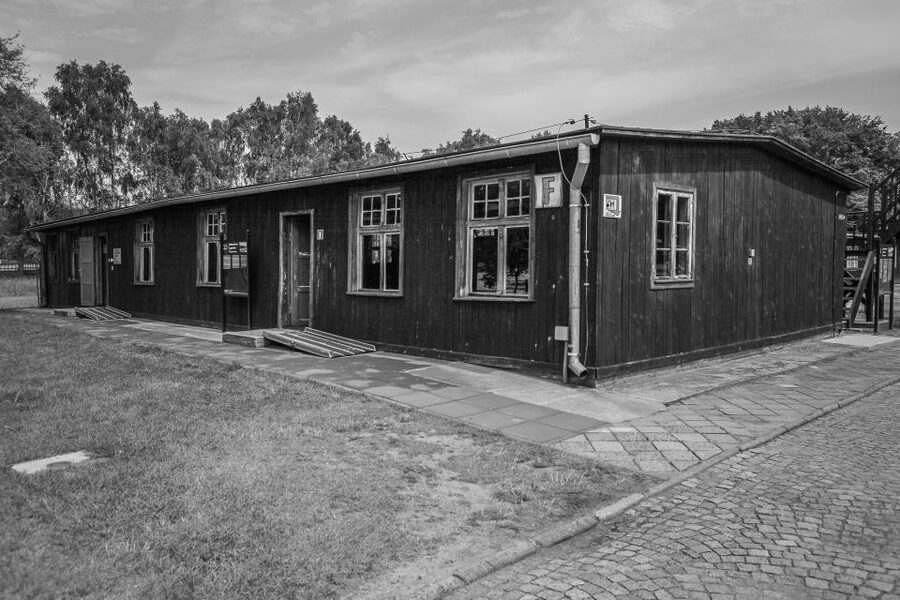
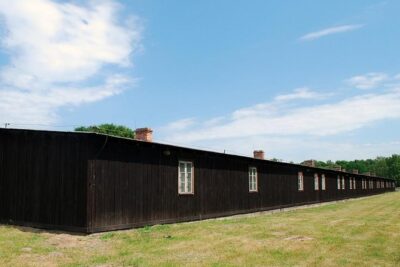
The guided visit covers both the old and new camp quarters. This is one of the most useful parts of the tour because it shows the camp’s growth and changing function.
The original section helps you understand the camp’s beginnings. The newer quarters reveal the scale that Stutthof reached as more prisoners were brought in. You can compare the two areas while the guide explains the persecution of Pomerania and the wider occupation of the region.
A guide adds value here because bare buildings rarely explain themselves. You need dates, purpose, and human context to understand why one area was built, who was sent there, and how the camp’s machinery of control worked.
Expect a sober walk rather than a fast sequence of photo stops. Some buildings and spaces are stark, and the lack of decoration is part of the impact. I would keep your phone away unless you have a clear reason to use it. This is a place for attention, not a collection of backdrops.
The private arrangement is particularly helpful in these quarters. You can pause when something needs explaining, ask about a term or event, and move at a pace that suits your group. The guide is not forced to keep a large crowd moving.
The commander’s villa and the machinery of power
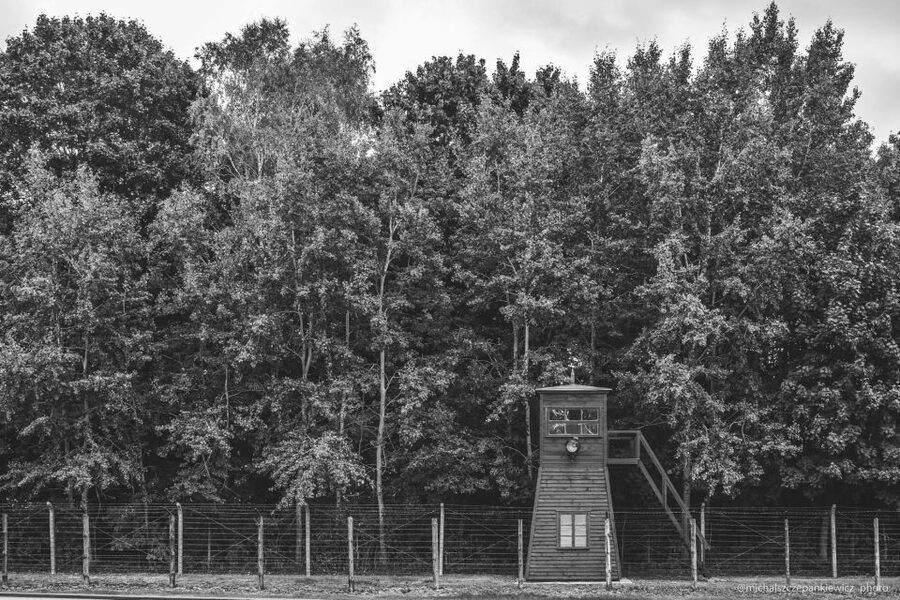
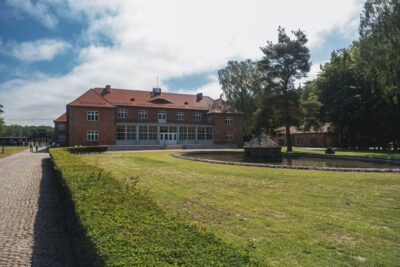
The commander’s villa offers a different kind of evidence. It places the person in charge of the camp close to the suffering carried out under his authority.
The contrast between an administrative or residential space and the prison buildings makes the structure of the camp easier to grasp. Stutthof was not chaos. It was organized, managed, and supplied with people whose work helped keep the system running.
Your guide can connect the villa with the wider chain of command and occupation, which is why this stop matters beyond the building itself. It helps you consider how mass persecution depended not only on direct violence, but also on offices, orders, transport, labor, and routine administration.
Do not expect a richly furnished historic house visit. The value lies in what the site represents and how it fits with the rest of the camp. A short explanation here can sharpen your understanding of responsibility and complicity.
A few more Gdansk trips to weigh up
- From Gdansk: Half-Day Malbork Castle Tour with Audioguide
★ 4.7 · 174 reviews - Gdansk Old Town Half-Day Private Walking Tour
★ 4.9 · 62 reviews - From Gdansk: Malbork Castle Half-Day Private Tour
★ 4.8 · 29 reviews - From Krakow: Wieliczka Salt Mine Half-Day Guided Tour
★ 4.5 · 724 reviews
The gas chamber and crematorium
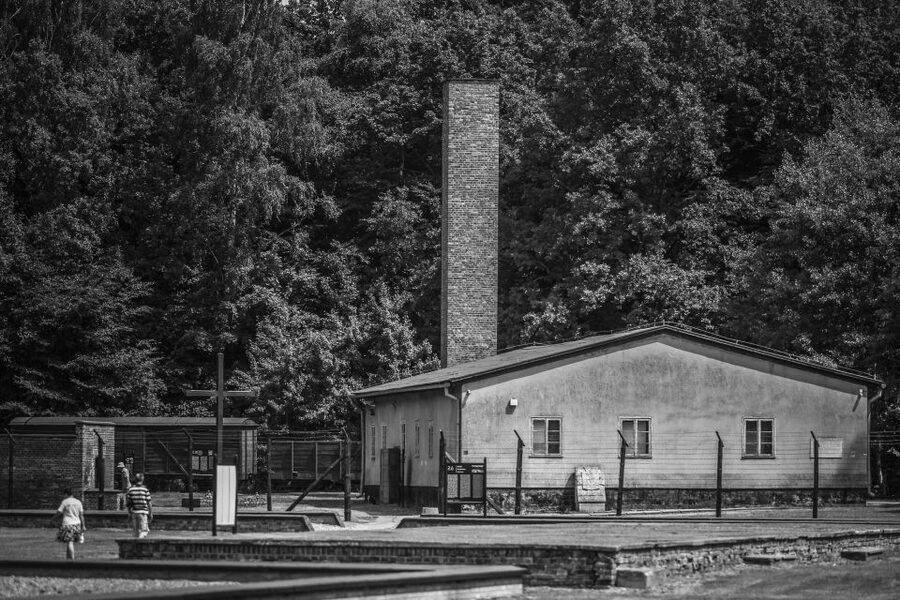
The gas chamber and crematorium are the most emotionally difficult stops. The tour includes both, along with an account of the mass murder carried out at Stutthof.
This is where the visit moves from the history of imprisonment to the mechanics of killing. The buildings are physical reminders that the camp was not only a place of forced labor and starvation. It also became a site where people were deliberately murdered.
You may find the guide’s explanation more affecting than a general museum label because it connects the rooms and equipment to the people who were targeted. The supplied description is clear about the terrifying nature of these stories, so you should not book this portion expecting a softened presentation.
I recommend listening carefully and giving yourself time afterward. The tour includes a break, but the schedule does not promise a long period for private reflection at every stop. If you know that you need more time in places of atrocity, tell your guide. The private format should make that conversation easier.
The museum may also offer a documentary screening about the camp’s history. This is described as optional, so ask the guide whether it fits your schedule and emotional energy. A film can add testimony and archival context, but after the gas chamber and crematorium, some people may prefer silence.
Paying respects at the victims’ monument
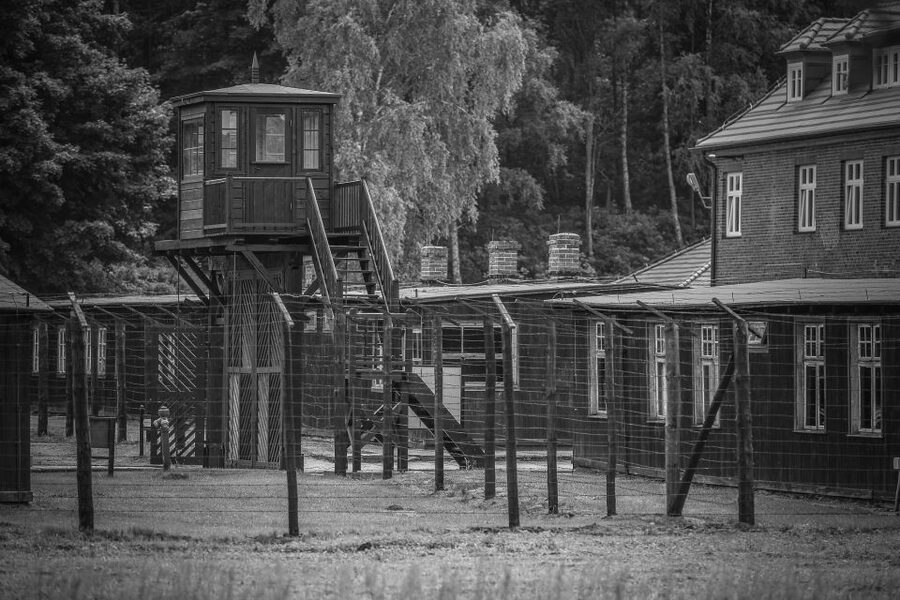
The final visit to the monument for the camp victims gives the tour a clear place of remembrance. It is not simply another historical object. It is where the experience turns toward the people who were imprisoned and killed.
I appreciate having this kind of closing point on a difficult tour. The visit does not end only with statistics or descriptions of camp operations. It ends by directing attention back to the victims.
Use this stop to slow down. You may want to stand quietly, read the available information, or speak with your guide about what you have seen. A private group can make this easier because you are not trying to match the pace of dozens of other people.
The monument cannot make the subject less painful, and it should not. Its role is to help you leave with remembrance rather than with only images of buildings and machinery.
What the private guide changes
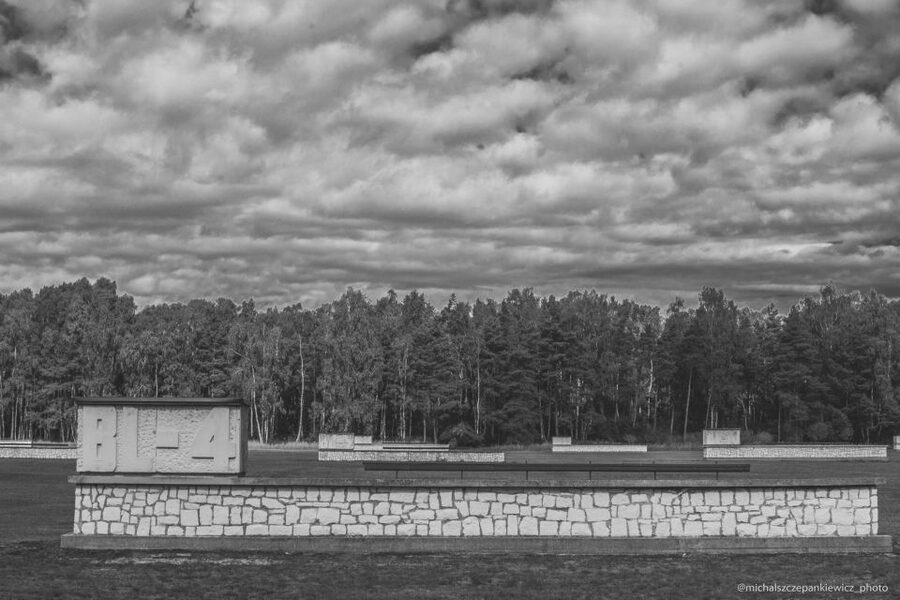
The strongest reason to choose this tour over a standard group outing is the guide-to-group relationship. The tour is private, and the guide is available in English, German, or Polish.
The guide leads the museum visit and answers questions throughout. That is important at Stutthof, where the basic facts can raise hard questions about the occupation of Pomerania, the treatment of Jewish people and Polish intellectuals, forced labor, and the camp’s expansion.
Several bookings were made by small groups of four or six, while the stated price covers up to three people. That suggests you should check the exact cost for a larger party before booking rather than assume the same rate applies. For a group of up to three, the $461 total works out to about $154 per person if fully shared. It is a serious price, but it includes private transport, a private museum guide, admission, and parking.
For one person, the cost is difficult to call economical. For three people, it becomes more reasonable, especially if you value a direct pickup and a flexible question-and-answer format. A large shared bus trip may cost less, but it will not offer the same privacy or control over the pace.
The most repeated praise is directed at the guides and drivers. The feedback describes the guide as well prepared, clear, engaged, and willing to make room for questions. The driver also received praise for being pleasant and giving useful information during the ride. Those details matter more here than cheerful entertainment or elaborate sightseeing commentary.
Timing, age, and emotional preparation
The full outing lasts about five hours. The stated schedule includes approximately one hour to reach Stutthof, two hours for the guided museum visit, a 30-minute break, and the return journey to Gdańsk.
Check the available starting times before you book. The exact departure time is not fixed in the supplied information, and the best choice depends on how you want to arrange the rest of your day.
Children under 13 should not join. This is not merely a rule to work around. The museum material includes graphic and emotionally intense content, and many adults will find the visit difficult.
I would avoid scheduling a celebratory dinner, a spa treatment, or a packed city tour immediately afterward. The tour may take only half a day on paper, but its subject can stay with you much longer.
Wear practical clothing and shoes suitable for walking around historic camp grounds. The supplied details do not specify accessibility arrangements, so contact the operator directly if anyone in your group has mobility needs or requires a particular vehicle setup.
Who will get the most from this visit
This tour suits you if you want a serious historical experience connected to Gdańsk and the Pomeranian region. It is especially useful if you prefer asking questions, need explanations in English, German, or Polish, or want the privacy of traveling with your own party.
It is also a good choice for visitors who do not want to manage a complicated independent trip outside the city. Pickup from Gdańsk, Sopot, and Gdynia removes much of the transport work.
The tour may not suit you if your time in the area is very limited, if you find concentration camp memorial sites too distressing, or if you are looking for a lighter historical attraction. Stutthof is not an add-on between shopping and dinner. Give it the attention it requires.
The optional documentary may suit visitors who want more historical material, but it is not essential for everyone. The grounds, buildings, guide commentary, and museum admission already make this a full experience.
Cancellation and booking details worth noting
You can cancel up to 24 hours before departure for a full refund. The reserve-now-and-pay-later option also lets you hold a place without paying at the time of booking, which is useful when your Gdańsk plans are still changing.
Pickup is available from hotels or apartments in Gdańsk, Sopot, and Gdynia. Provide the exact pickup address when booking, and check the group-size price carefully if you have more than three people.
The tour has a 4.8 rating from 29 verified bookings. The most praised features are consistent: the private format, the guide’s command of the subject, the chance to ask questions, and the comfortable transport. The only caution is not about service quality. It is the nature of the place itself.
Should you book the Stutthof private tour?
Book it if you want a well-organized, serious visit to one of Poland’s most important memorial sites and can share the $461 group price with up to two other people. The private guide, direct pickup, included admission, and room for questions make the cost easier to defend than a bare transport transfer.
Skip it if you are not ready for graphic material about mass murder, or if your schedule cannot spare five hours and some quiet time afterward. For the right visitor, this is a valuable and carefully focused way to understand Stutthof, the persecution of Pomerania, and the human cost of Nazi occupation.
FAQ
How long does the Stutthof private tour take?
The tour lasts approximately five hours, including transport from the Gdańsk area, a guided museum visit of about two hours, a 30-minute break, and the return journey.
Where can pickup be arranged?
Pickup is available from hotels or apartments in Gdańsk, Sopot, and Gdynia. You provide the address when booking.
What languages are available?
The live guide is available in English, German, or Polish.
What does the price include?
The price includes private transport, a private museum tour guide, entrance tickets to the Concentration Camp Museum, and parking fees. The stated price of $461 covers a group of up to three people.
Is the tour suitable for children?
No. The experience is not suitable for children under 13 because the museum material is graphic and emotionally intense.
Can I cancel or pay later?
You can cancel up to 24 hours in advance for a full refund. The reserve-now-and-pay-later option allows you to book without paying immediately.
Just added around Gdansk
- Guided Winter Kayak Tour in Gdańsk & Hot Chocolate Treat★ 5.0 · 51 reviews
- Gdansk Highlights Bicycle Tour★ 5.0 · 65 reviews
- Electric Scooter Tour: Old Town Tour – 1,5-Hour of Magic!★ 5.0 · 19 reviews
- Elblag Canal Tour from Gdansk★ 4.5 · 22 reviews
- Delicious Gdansk Craft Beer Tour★ 5.0 · 4 reviews
- DAILY Stutthof Concentration Camp with Guide and Transport★ 4.5 · 10 reviews
- #1 Polish Vodka Tasting Experience in Gdansk★ 5.0 · 87 reviews
- Cruises on the Motlawa River★ 4.5 · 66 reviews
Stutthof Concentration Camp Tours, compared.
Stutthof Concentration Camp English Tour with Gdansk Hotel pickup
Read our review →
Stutthof Concentration Camp:Guided Tour with Transportation
Read our review →
Stutthof Concentration Camp tour including transfer from Gdansk
Read our review →
Private transportation to the Stutthof Concentration Camp 4h
Read our review →
DAILY Stutthof Concentration Camp with Guide and Transport
Read our review →
Gdansk and Stutthof Concentration Camp Private Tour
Read our review →Browse the lists this tour appears in