
Reviewed · WALKING TOURS
Jewish Krakow Walking Tour in English
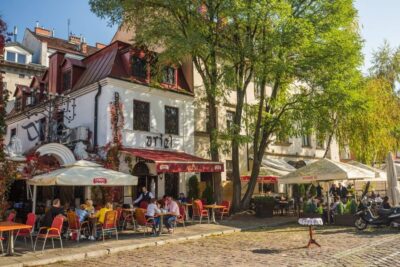
Krakow’s Jewish quarter is not just a pretty collection of old synagogues. It is a place where centuries of Jewish life, wartime terror, and present-day renewal sit close together. This 150-minute walking tour connects those stories in a way that is hard to grasp from a map or guidebook alone.
I like the strong focus on Jewish life before World War II, not only the Holocaust. I also like that the route continues into Podgórze, the former Jewish Ghetto, so you see where the destruction took place rather than hearing about it in the abstract. The main consideration is the walk itself: cobblestones, a long route, and a finish across the river from the starting point.
Key points to know before you go
- Seven historic synagogues: See the surviving buildings that helped make Kazimierz the center of Jewish Krakow.
- A prewar story first: Learn about the community, culture, and religious life that existed before 1939.
- Kazimierz to Podgórze: The route links the old Jewish district with the former World War II Ghetto.
- Guides who bring the subject to life: Past guides have included Max, Maciek, Pawel, Lucy, Tom, and Mateusz.
- A serious but well-paced walk: The tour includes time to pause, and one group stopped for coffee or mulled wine halfway through.
- Practical value: The $26 price covers the reservation and guide payment, with free cancellation up to 24 hours before the start.
Starting beside the Old Synagogue
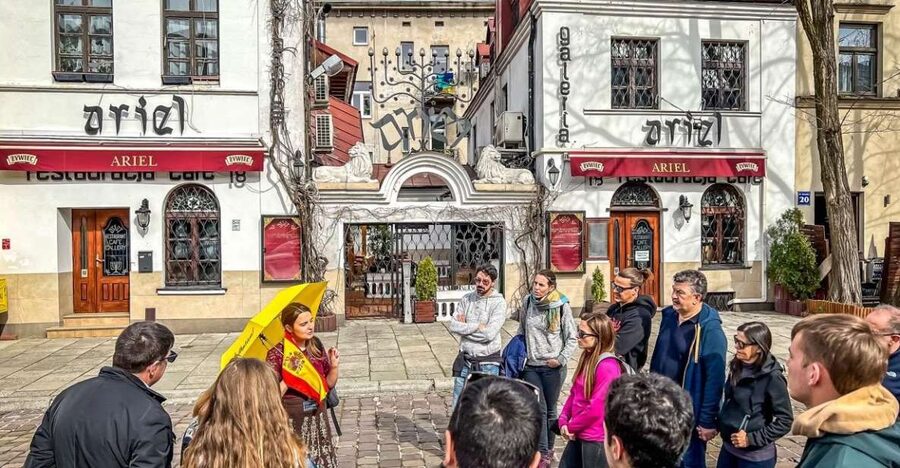
You meet on the steps in front of the Old Synagogue, on the main street of Kazimierz. Arrive 10 minutes early. This is sensible advice because the meeting place can be harder to spot in rain or among the foot traffic, and one person needed quick directions after getting turned around.
The Old Synagogue is an apt starting point. It places you in the heart of the former Jewish district, where religious buildings, streets, and surviving traces of community life are close at hand. You are not beginning with a distant lecture. You are standing at one of the places that shaped Jewish Krakow.
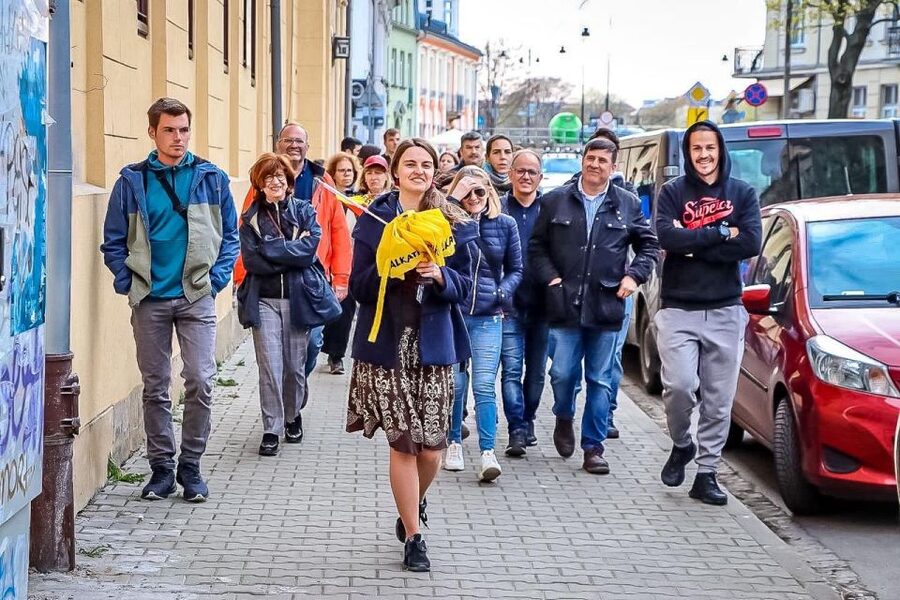
The guide is the key to making this opening work. The best guides on this tour have included Max, Maciek, Pawel, Lucy, Tom, and Mateusz, among others. Their approach is described as clear, friendly, and often lightly humorous, which matters here. The subject is painful, but a guide who can speak naturally keeps the history from becoming a list of dates.
A few more Krakow trips to weigh up
- Old Town Krakow & Wawel Castle Walking Tour
★ 5.0 · 1,508 reviews - Creepy Krakow: 2-Hour City Walking Tour
★ 4.7 · 1,131 reviews - Krakow: The Old Town Walking Tour
★ 4.8 · 794 reviews
Kazimierz before the war
The first part of the walk explains how Krakow became a major center of Jewish life. Poland was once home to one of the largest Jewish populations in the world, and Krakow was an important center of that civilization.
That context gives Kazimierz more meaning than its attractive streets and old façades might suggest. You learn about a community that had its own religious institutions, customs, neighborhoods, and cultural life. The seven ancient synagogues are especially important because they survived World War II and the Holocaust, even though the community that built and used them suffered catastrophic destruction.
I appreciate this order. If a tour begins only with Nazi persecution, you see Jewish people as victims and miss the society that existed before the war. Here, the earlier story gives weight to everything that follows. You can better understand what was lost because you first learn what had been built.
The tour is primarily an outdoor walking experience. The information says seven synagogues are part of the historical setting, but it does not promise entry into all of them. If entering a working synagogue is important to you, keep your expectations clear. One person specifically wished the walk included a visit to a practicing synagogue, even for a few minutes.
The surviving synagogues and Jewish art
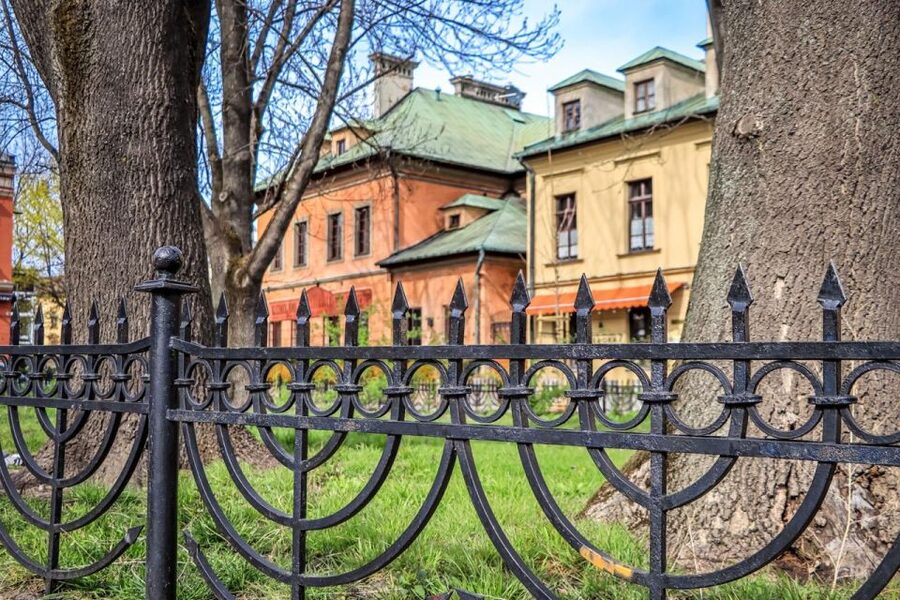
Kazimierz is especially rewarding for visitors interested in Jewish art and architecture. The synagogues provide physical evidence of the district’s former role, while the guide explains why each site matters.
Do not expect every building to deliver the same visual punch. The value here comes from the connection between place and story. A synagogue is not simply an old building to photograph. It represents worship, education, family life, and the daily routines of a community that was later torn apart.
This is where a good guide makes a major difference. On your own, you might walk past a doorway or wall without knowing its purpose. The tour points out places that are easy to miss and explains their role in the district. You also get a sense of how contemporary Krakow has brought Jewish culture back into public view.
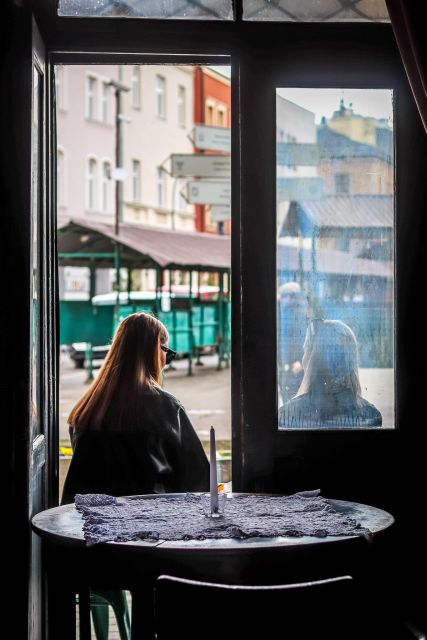
Present-day Kazimierz is now one of Krakow’s cultural centers and home to a small Jewish community. The tour treats this revival as part of the story, not as a replacement for the past. That balance is important. The district is not frozen in 1942, but neither should its present-day cafés and cultural venues erase what happened here.
From community life to wartime destruction
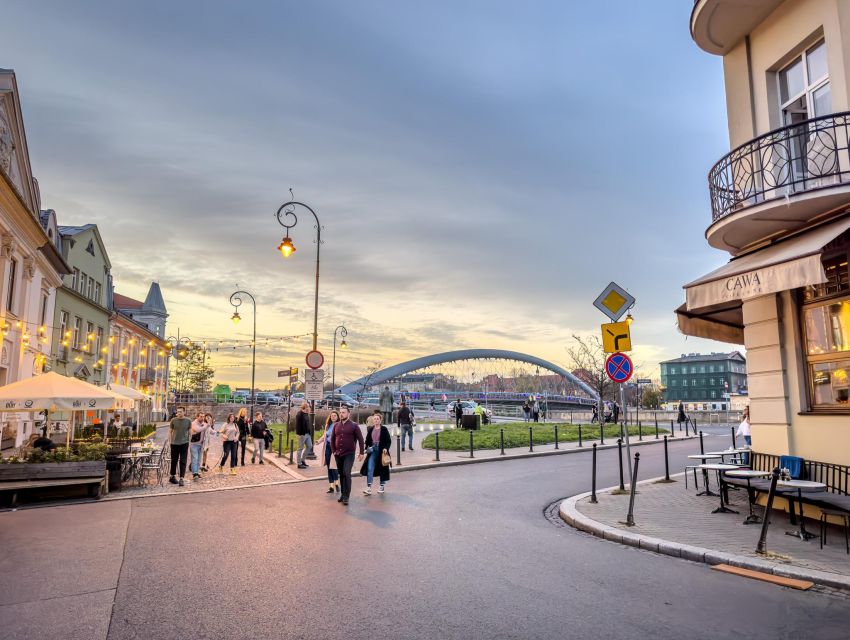
The walk then turns to World War II and the Holocaust. This is the emotional center of the experience, and the route helps you understand the change through actual streets and buildings.
The guide explains the death and destruction that affected Krakow’s Jewish population. You also learn about the places connected with the Holocaust, rather than receiving only a general account of events in Poland.
The tone matters. The strongest guiding reported on this tour combines careful facts with human feeling. Maciek, for example, was praised for passionate storytelling, while Pawel was described as deeply engaged with the subject. That kind of delivery can make difficult material easier to follow without making it feel casual or theatrical.
You should allow yourself time after this part of the walk. The tour is informative, but it is also moving. It is not a light sightseeing stroll, even when the guide uses humor to keep the group attentive.
Same country, a completely different kind of day:
- From Krakow: Auschwitz-Birkenau Guided Tour & Hotel Pickup
★ 4.5 · 33,358 reviews - From Krakow: Auschwitz-Birkenau Guided Tour & Hotel Pickup
★ 4.5 · 29,340 reviews - Krakow: Auschwitz Guided Tour with Optional Hotel Pickup
★ 4.5 · 15,280 reviews - Krakow–Zakopane: Cable Car, Chocholow Baths, Cheese & Vodka
★ 5.0 · 10,720 reviews
Crossing to Podgórze and the former Jewish Ghetto
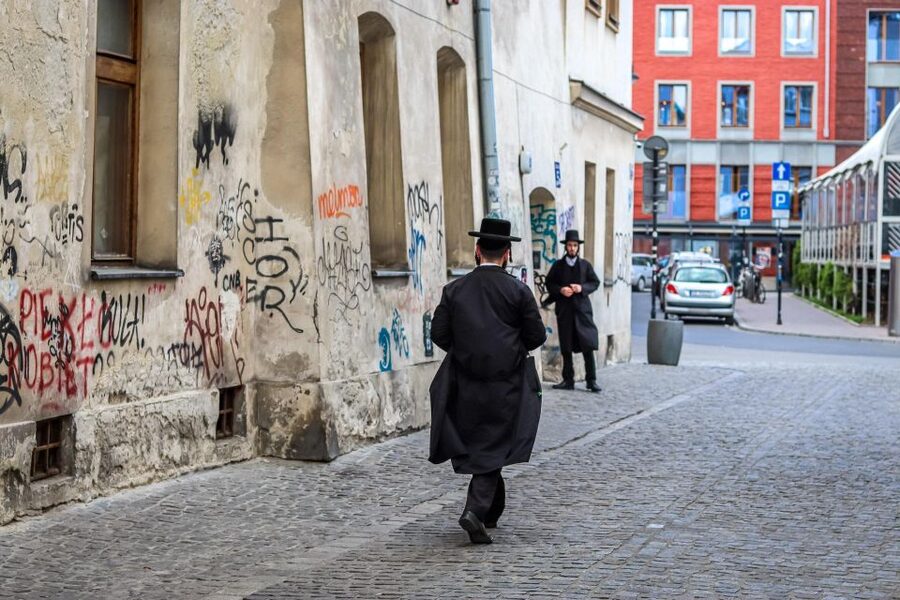
A major strength of this experience is that it continues beyond Kazimierz into Podgórze. Podgórze was the site of Krakow’s former Jewish Ghetto during World War II, and the route brings you to the area where the tragedy unfolded.
This change of district gives the tour a clear structure. Kazimierz shows the older Jewish quarter and the community that existed before the war. Podgórze shows the machinery of forced separation and persecution. You are able to connect the two parts of the story geographically.
The former ghetto area still contains buildings that witnessed events between 1941 and 1943. That does not mean every stop is preserved as a museum site. Instead, the guide helps you read the streets and remaining structures as historical evidence.
There is one practical limitation to note. The walk may not include a remaining section of the original ghetto wall, even though it is reportedly only about 200 meters farther at the end. If seeing that wall is important to you, ask the guide where it is and consider walking there afterward. It is a small detour, but it can make the former ghetto feel more tangible.
A route that takes about two and a half hours
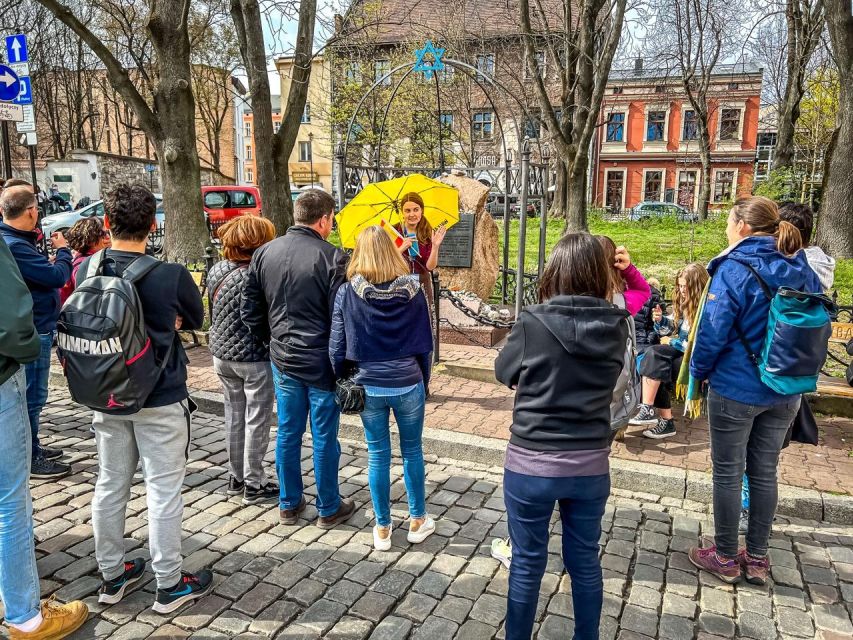
The stated duration is 150 minutes. That is long enough to cover both Kazimierz and Podgórze, but it is also long enough to tire young children or anyone unused to walking on uneven streets.
The pace has generally been described as comfortable rather than strenuous. One guide was praised for setting a pace that worked well, and another group had a break for coffee before continuing toward the Jewish quarter. A stop like that can be useful, especially on a cold or wet day, though you should not treat the café pause as a guaranteed part of every departure.
One family with a four-year-old decided to leave after the break because the child was tired. That is useful guidance for parents. The subject matter may also be difficult for young children, so consider your child’s age and attention span before booking the full walk.
Wear comfortable shoes. Much of the route is on cobblestones, and the distance is more important than the sightseeing pace might suggest. Rain can also make the meeting point and walking surfaces less convenient.
The activity is listed as wheelchair accessible, but the route includes cobblestones and a substantial outdoor walk. If you use a wheelchair, contact the provider before booking to confirm that the exact route and current conditions suit your needs.
What the guide adds for your money
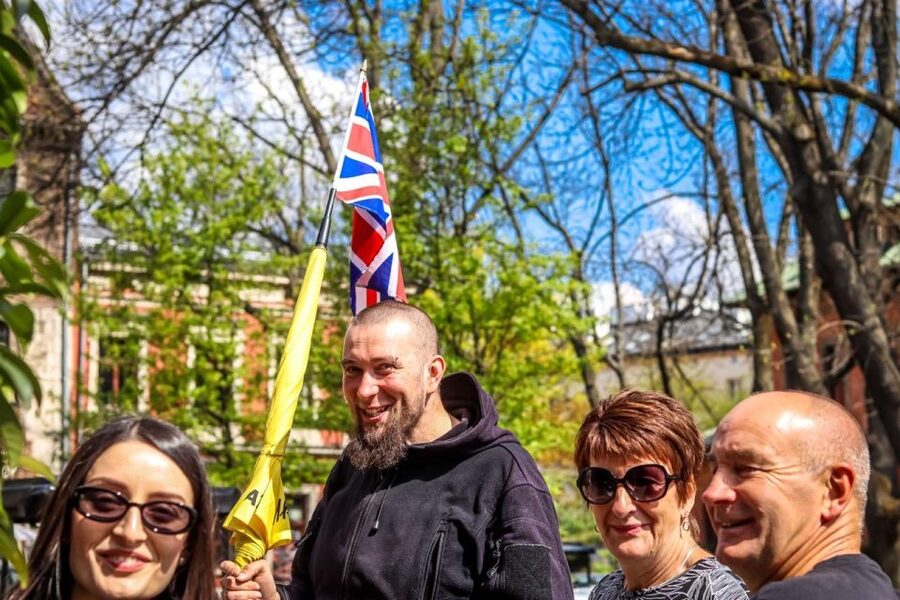
The price is $26 per person. For a 150-minute guided walk across two historically important districts, that is a reasonable price, especially if you value interpretation rather than simply collecting photographs.
The booking arrangement needs a close look. This is described as a general pay-as-you-wish tour, but in this booking the amount paid covers the reservation fee and the guide’s payment. You should not assume that the advertised price is only a token deposit or that another payment is automatically expected at the end.
One person was unhappy about being asked to pay the guide after already paying through the booking platform. The supplied instructions say the booking amount covers the reservation and guide payment, so clarify this before the tour if the payment arrangement is unclear. It is better to settle that question in advance than to let money distract from the experience.
Compared with a sightseeing vehicle, the walk gives you more contact with the streets and a better chance to hear the guide’s explanation at each stop. It also costs less than many private or specialized history tours. The tradeoff is simple: you must walk, and you will not be returned to the Old Synagogue.
Where the tour ends and how to plan afterward

The walk finishes across the river, in or near Podgórze, rather than bringing you back to the starting point. This caught one person by surprise, so plan your next move before you set off.
Hotel pickup and drop-off are not included. You are responsible for reaching the Old Synagogue at the start and arranging your onward route after the tour. Since the final area is different from Kazimierz, avoid scheduling a tight appointment immediately afterward.
The finish can also be useful for planning. You may want to continue exploring Podgórze, visit another nearby sight, or simply take a break before returning to the center. The important point is to treat the activity as a one-way walking route, not a loop.
How the storytelling feels in practice
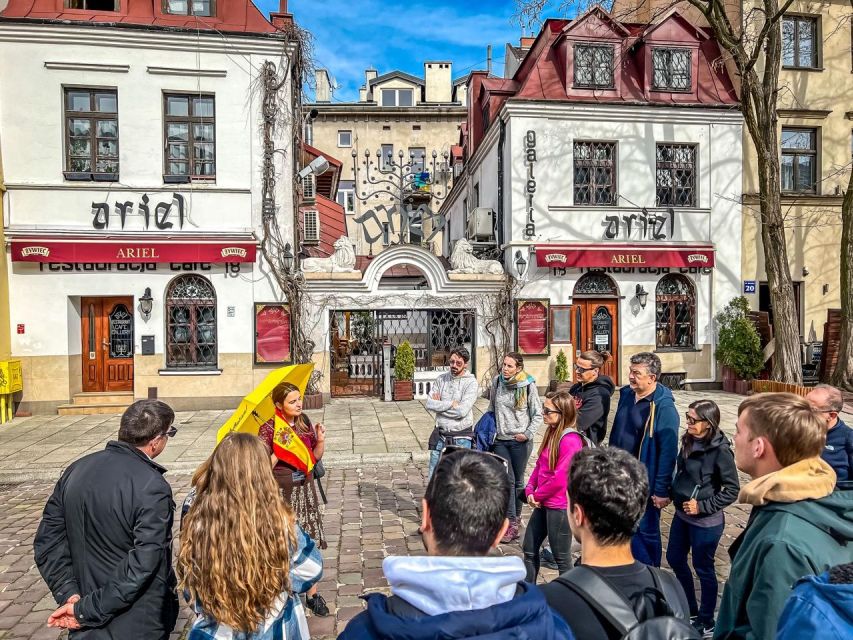
The strongest feature of this tour is the guide’s narrative. Again and again, the guides are described as well-informed, friendly, amusing, and able to answer questions without losing the group.
That combination is valuable. A dry lecture would make two and a half hours feel heavy. A guide who relies only on jokes would not suit the subject. The best balance is serious history, clear explanations, and enough warmth to keep you engaged.
You may receive a different guide on your departure. Names associated with especially strong tours include Max, Maciek, Pawel, Tom, Michael, Damian, Natalia, Krzysztof, Johanna, Victoria, and Mateusz. The individual style will vary, but the consistent goal is to explain Jewish Krakow before, during, and after the Holocaust.
This is also a good introduction before visiting Auschwitz. One person scheduled Auschwitz for the following day and found the Krakow walk useful preparation. The tour does not replace a visit to Auschwitz, but it gives you local context about Krakow’s Jewish population and the wartime setting.
Who should book this walking tour?
I would choose this experience if you want more than a quick look at Kazimierz. It suits first-time visitors who want a clear account of Jewish life in Krakow, the Holocaust, and the district’s present-day renewal.
It is also a good fit if you prefer walking and conversation to a vehicle tour. The route lets you see how the different parts of the city relate to one another, and the guide can explain details you would likely miss alone.
You may want a different option if you need a short activity, dislike cobblestones, or want guaranteed synagogue interiors. The tour is also not ideal for very young children who tire easily or may not be ready for the subject.
Book at least one day ahead if your plans are firm, but the free cancellation policy gives you flexibility. You can cancel up to 24 hours before the activity for a full refund, and you can reserve now and pay later.
Should you book the Jewish Krakow Walking Tour?
Yes, if you can comfortably walk for two and a half hours and want the full story of Krakow’s Jewish districts. The best reasons to go are the clear route from Kazimierz to Podgórze, the attention to Jewish life before the war, and guides who explain painful history with care.
Before booking, remember three things: wear good shoes, arrive early at the Old Synagogue, and plan your return from the far end of the route. If you want to see the surviving ghetto wall or enter a practicing synagogue, ask about those details separately.
At $26, this is a sound choice for an informative, place-based introduction to Jewish Krakow. It asks for time and attention, but it gives you a much fuller understanding of the streets than a quick ride through the district can provide.
FAQ
How long is the Jewish Krakow Walking Tour?
The tour lasts 150 minutes, or two and a half hours.
What language is the tour conducted in?
The tour is conducted in English with a live English-speaking guide.
Where does the tour begin?
You meet on the stairs in front of the Old Synagogue on the main street in Krakow’s Jewish Quarter.
How early should I arrive?
Arrive 10 minutes before the scheduled starting time.
Does the tour include hotel pickup and drop-off?
No. Hotel pickup and drop-off are not included.
What areas does the walk cover?
The route covers Kazimierz, Krakow’s historic Jewish district, and Podgórze, the area of the former World War II Jewish Ghetto.
Does the tour visit seven synagogues?
The tour explores the historical Jewish district and its seven surviving ancient synagogues. The supplied information does not promise entry into each synagogue.
Is the tour wheelchair accessible?
Yes, the activity is listed as wheelchair accessible. The route also includes cobblestone streets, so confirm the current route if accessibility is important to you.
What does the $26 price cover?
The amount covers the reservation fee and the guide’s payment for this booking. The tour is described as a general pay-as-you-wish tour, so clarify the payment arrangement if needed.
Can I cancel the booking?
Yes. You can cancel up to 24 hours before the activity for a full refund. You can also reserve now and pay later.
Just added around Krakow
- Tour to Wadowice: Hometown of Pope Saint John Paul II★ 4.6 · 12 reviews
- The Jewish Quarter – Walking Tour★ 5.0 · 4 reviews
- From Kraków; to Białka Thermal Baths private tour★ 5.0 · 5 reviews
- St. Mary’s Basilica and more – a short walk with a guide★ 4.7 · 56 reviews
- Krakow: Auschwitz-Birkenau and Wieliczka Salt Mine Day Trip★ 4.7 · 84 reviews
- Krakow: Skip-the-Line Wawel Castle & Old Town Guided Tour★ 4.9 · 23 reviews
- Krakow: Schindler’s Factory Guided Tour★ 4.2 · 12 reviews
- Shooting Range Experience!★ 4.8 · 66 reviews
Walking Tours, compared.
Gdańsk City Sights & History Guided Walking Tour in English
Read our review →
Browse the lists this tour appears in