
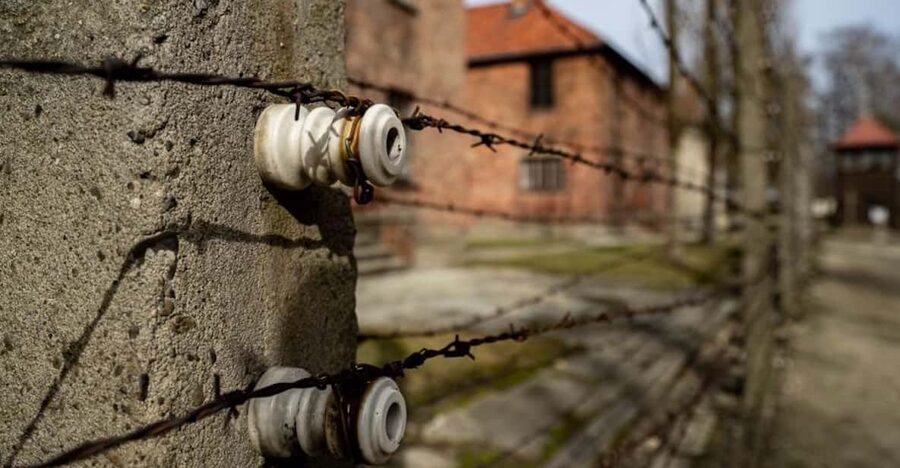
Reviewed · AUSCHWITZ-BIRKENAU MEMORIAL TOURS
Auschwitz-Birkenau Skip-the-Line Ticket and Guided Tour
Auschwitz-Birkenau is not a sightseeing stop in the usual sense. It is a place of remembrance, and the official guide gives you the historical framework needed to understand what you are seeing. I especially like the reserved entry and the included transfer between Auschwitz I and Birkenau. They remove two practical worries from a difficult day. The main drawback is that the tour time can change, sometimes with less than a day to rearrange transport plans.
I also like the headsets, which help you follow the guide in a group of up to 30 people, and the steady focus on documented history rather than spectacle. Guides including Magdalena, Oskar, Aga, Jakob, and Mary have been praised for speaking clearly and answering questions. Plan for a lot of walking, little sitting, cold or wet weather, and a short break between the two camps.
Key points to know before booking
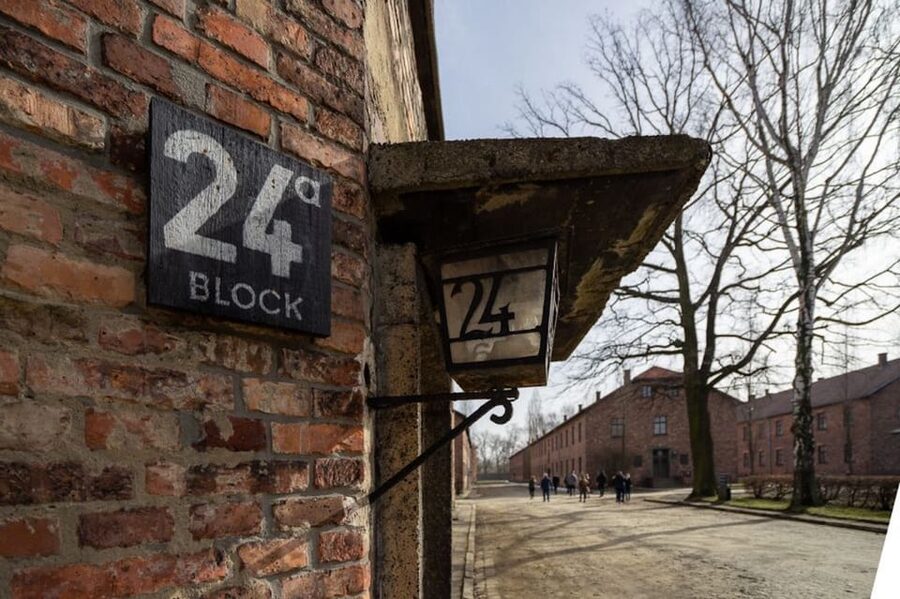
- Two camps in one visit: See Auschwitz I for about 1.5 to 2 hours, then Auschwitz II-Birkenau for 60 to 75 minutes.
- Official museum guide: Your tour is led by an authorized Auschwitz-Birkenau guide, with English, French, and German available.
- Transport between camps included: The transfer from Auschwitz I to Birkenau is covered, but transport from Krakow or another city is not.
- Skip-the-line entry saves effort: Tickets are booked in advance, so you avoid buying an entrance ticket on arrival.
- Expect a serious walking tour: The pace is set by the memorial’s visitor service, and rest time is limited.
- Bring matching identification: Your full name on the booking must match the passport or ID you show at the entrance.
Auschwitz-Birkenau is a guided history visit, not a casual outing
The value of this four-hour tour comes from having someone explain the site as you move through it. Auschwitz I and Auschwitz II-Birkenau are not interchangeable museum rooms. They are separate parts of a vast memorial complex, and seeing both helps you understand how the camp system developed during World War II.
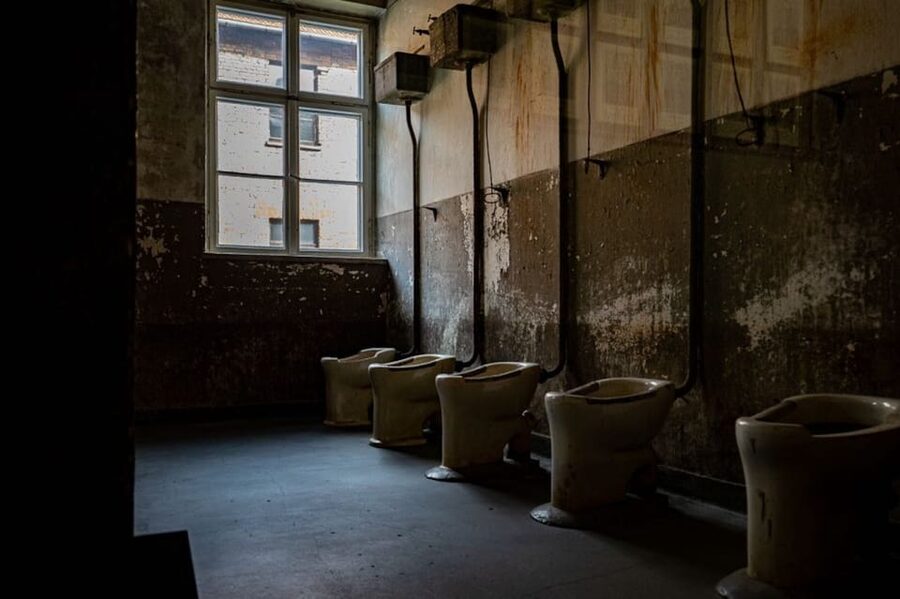
At Auschwitz I, you spend roughly 1.5 to 2 hours. The original camp buildings now hold museum exhibitions, historical material, and objects connected with the people imprisoned and murdered there. The setting is more contained than Birkenau, so the guide can pause at important buildings and explain the role each part played.
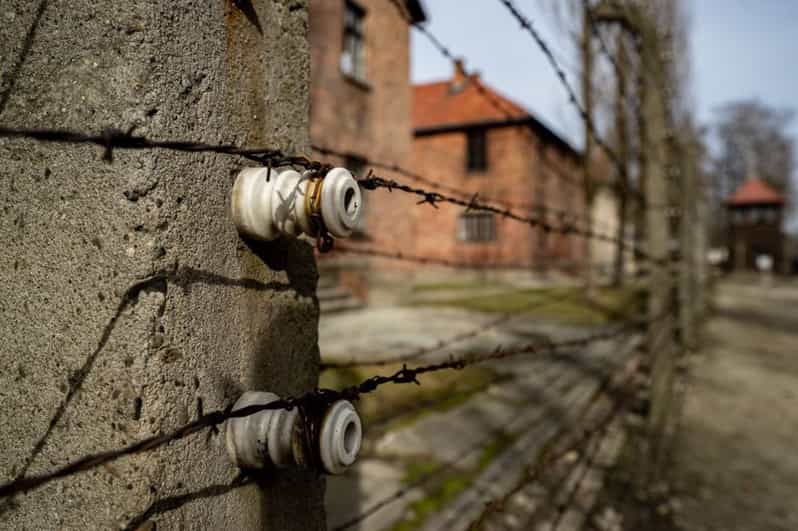
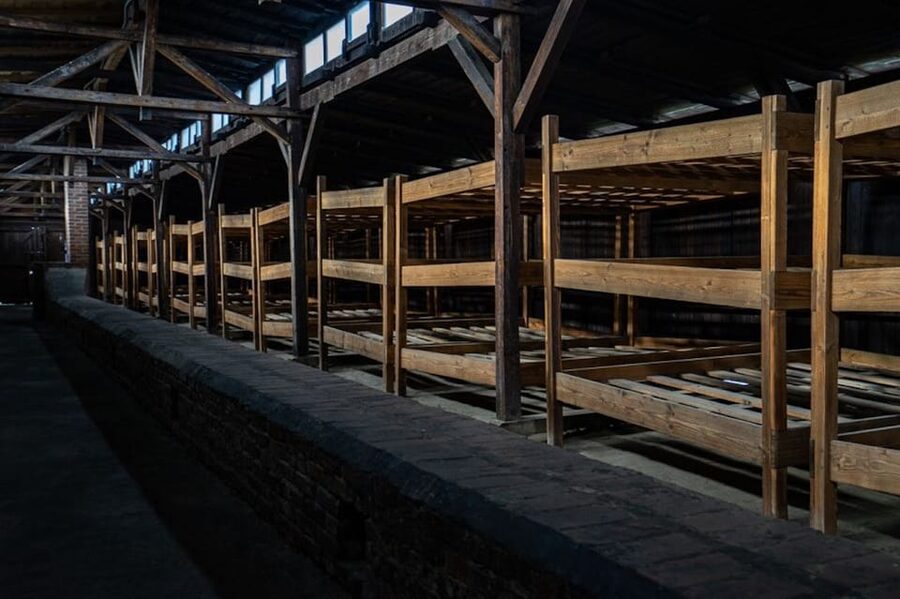
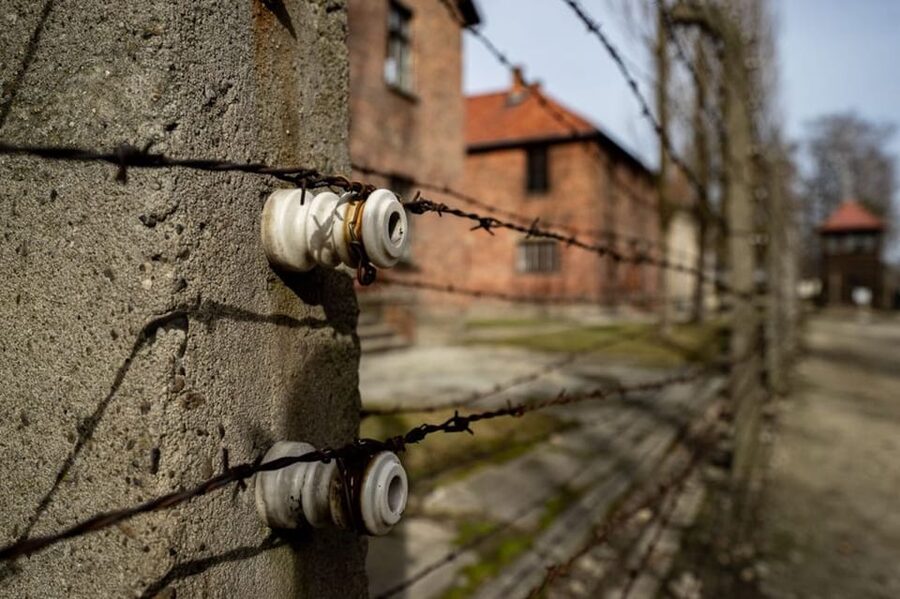
The second section, Auschwitz II-Birkenau, lasts about 60 to 75 minutes. Here, the scale of the site becomes much clearer. The open grounds, railway area, barracks, and perimeter fencing show the size and purpose of the camp in a way that photographs cannot fully convey. The openness also brings practical problems: there is little shelter, limited seating, and nowhere to escape bad weather during the walk.
The tour lasts around four hours, but the time inside each area is controlled by the memorial’s visitor service. Your guide cannot simply extend a stop because the group wants more time. That can feel brisk, especially if you want to read every display, but it also keeps the visit moving and allows the site to manage large numbers respectfully.
More Auschwitz-Birkenau Memorial Tours in Oswiecim
- Auschwitz-Birkenau Skip-the-Line Guided Tour
★ 4.3 · 3,617 reviews - Auschwitz-Birkenau: Skip-the-Line Entry Ticket & Guided Tour
★ 4.4 · 3,052 reviews - Auschwitz-Birkenau: Skip-the-Line Entry Ticket & Guided Tour
★ 4.4 · 1,038 reviews
What happens at the meeting point
You meet the local host at the designated point, marked by a logo board on the main building. The host takes care of the initial organization, gives you advice on planning your museum visit, and brings you toward the entrance and official guide.
This first meeting is the part that needs the most patience. The exact meeting point can be unclear, especially if you arrive by public transport. A few people have found themselves waiting for further instructions or unsure which side of the building to use. I recommend arriving early, finding the main building, and looking for the logo board rather than assuming the bus stop or entrance will identify the tour group.
The host is not the person who gives the full museum tour. After the initial handoff, you join the official guide assigned by the memorial. That distinction matters because the guide’s pace, route, and break times are governed by the museum’s visitor service.
Keep your passport or ID card easy to reach. Auschwitz-Birkenau requires the name on the booking to match the identification presented at entry. A mismatch can lead to refusal, and the ticket cannot be refunded. Weapons, sharp objects, alcohol, drugs, large bags, and luggage are not allowed. Sleeveless shirts are also listed among the prohibited clothing items.
Auschwitz I: the first 90 to 120 minutes
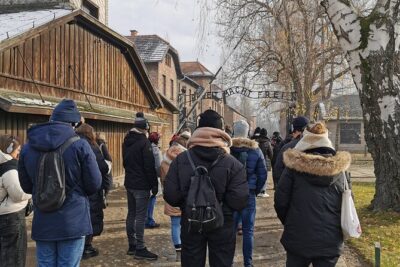
Auschwitz I is often the more structured part of the visit. The former camp buildings create a sequence of stops, and the guide explains the history of the site as you move through them. You will hear about the camp’s role during World War II and the lives of prisoners who were forced to live there.
The museum displays are difficult, and the guide’s job is to give them context without turning the visit into a rushed list of facts. This is where the headset helps. In a group of up to 30 people, you may not always be close enough to hear a quiet voice, especially when the group is moving between buildings. The audio equipment lets you keep listening while standing a few steps away.
The best guides make room for questions while keeping a respectful tone. Oskar has been praised for being open to questions and presenting the material with feeling. Aga has been noted for the emotion in her voice, while Jakob has been described as clear and well informed. These personal qualities matter here. A dry recitation would make it harder to understand the human cost of the place.
Allow yourself to feel affected. This is not a stop where you need to keep a cheerful holiday pace or fill every silence. You may find that the amount of information is demanding, especially when combined with walking and standing. The tour is designed around the main points, so anyone wanting to study each exhibition in detail may need a separate visit.
The transfer to Birkenau and the short break
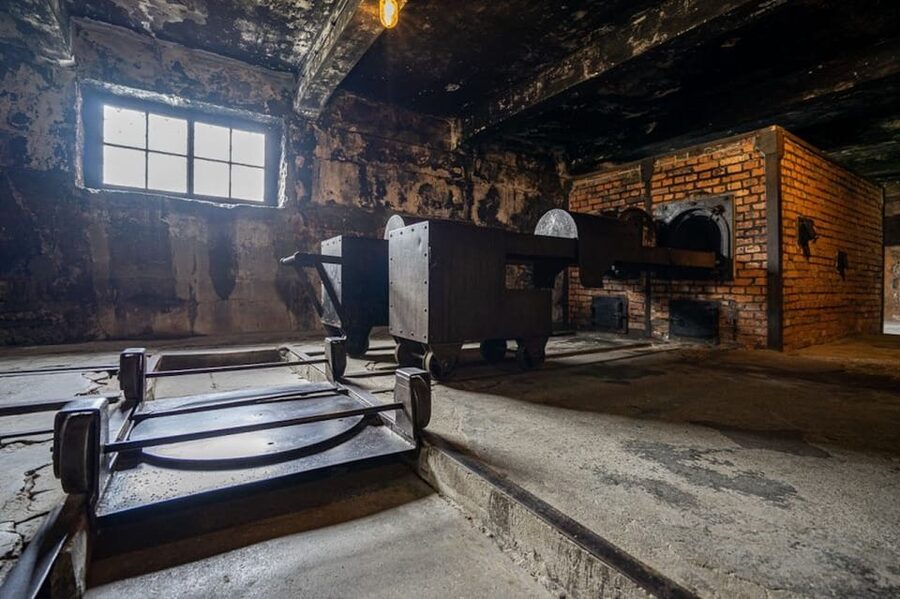
Transportation between Auschwitz I and Auschwitz II-Birkenau is included. This is a useful detail, but it is easy to misunderstand when planning the day. It does not mean pickup from your hotel in Krakow or transport from another city. You must arrange your own way to the meeting point.
The break between the two camps can be very short. In some schedules, you may have only enough time to use the bathroom before the group moves on. After close to two hours of walking and listening, that matters. Bring water and use every available pause, because food and drinks are not included and the timetable may not offer a long meal stop.
The changeover can also expose a gap in the directions. If you have booked this experience separately from transport to the memorial, confirm exactly where you need to arrive and what the included transfer covers. A clear plan is especially important if you are using public transport from Krakow.
Same country, a completely different kind of day:
- Auschwitz-Birkenau: Guided Tour with Fast Track Ticket
★ 3.9 · 433 reviews - Auschwitz-Birkenau: Guided Tour and Skip-The-Line Ticket
★ 4.4 · 215 reviews - Krakow: Auschwitz-Birkenau Private Guided Tour
★ 4.3 · 167 reviews - Auschwitz-Birkenau: Museum Entry Ticket with Guided Tour
★ 4.2 · 146 reviews
Auschwitz II-Birkenau: scale, space, and weather
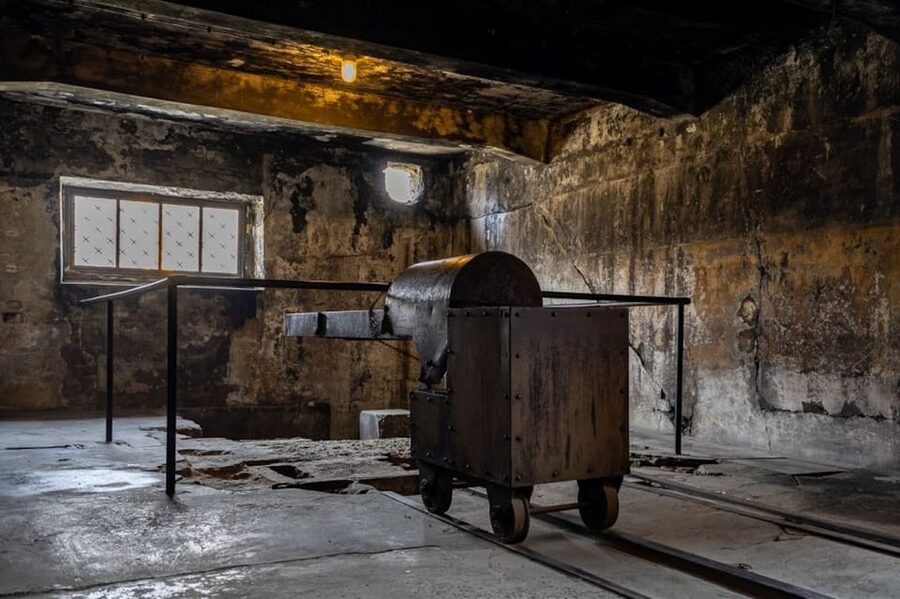
Birkenau gives the visit a different physical character. The site is much more open, and the distance between key areas makes the walking feel longer. You spend about an hour to 75 minutes here, following the guide through the memorial grounds and learning how this part of the camp functioned.
There is little shade or cover. Rain, wind, snow, and strong sun can affect your comfort, while the ground may be uneven. In winter, prepare for extreme cold rather than ordinary city sightseeing weather. One January visitor found the conditions especially severe. Wear warm layers, sturdy shoes, and weather protection. In wet weather, an umbrella or waterproof jacket is useful, but keep your hands free enough to walk safely and listen.
The lack of seating is a real consideration for anyone with limited stamina. The camps are not adapted for wheelchair use, and the pace can be difficult if you need regular assistance. If you decide to go with mobility concerns, bring someone who can help you. The tour operator and guide cannot change the memorial’s established pace or duration.
Birkenau is also where respectful conduct matters most visibly. This is a memorial and cemetery, not a backdrop for playful photos. You should follow the guide’s instructions, keep your voice low, and treat the railway area, barracks, and remains with care.
The guide makes the difference
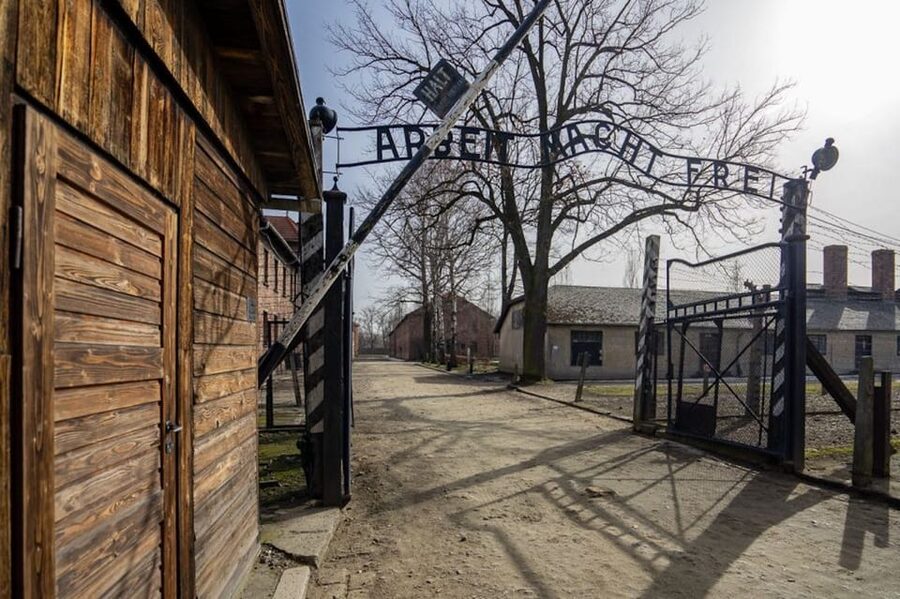
The strongest part of this experience is the quality of the official guide. The guide does not just point out buildings. A good one explains what happened there, connects individual places with the wider events of World War II, and answers questions without losing sight of the people involved.
Several named guides have received warm praise for their approach. Mary has been described as doing a strong job with organization and explanation. Magdalena has been praised for answering questions and giving a clear account of the site. Guides such as Oskar, Aga, Jakob, and Mike have also been singled out for clear English, strong command of the subject, and a respectful manner.
That does not mean every guide will speak at the same speed or with the same pronunciation. If you choose a language other than English, French, or German, check availability before booking. In any language, the headset helps, but you should still stay close enough to follow the group.
The group size can reach 30 people. That is large enough to make private conversation with the guide unlikely, but small enough to remain manageable when everyone stays together. If you prefer a quiet, personal visit, a private tour may suit you better. If you want structure and context without having to research every building yourself, this group format is practical.
Is the $55 price good value?
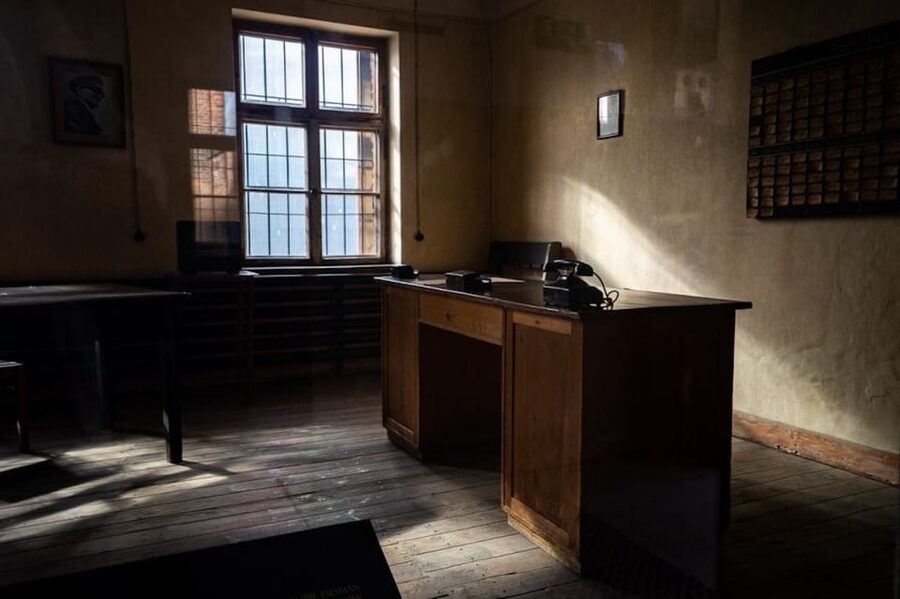
The listed price is $55 per person. That includes skip-the-line admission, pre-booked tickets for both camps, the official museum guide, headset, transportation between Auschwitz I and Birkenau, a local host, and booking fees.
The comparison that matters is not just the museum’s ticket price. Official entry times can be limited, and advance booking is important. If you wait too long, you may have to pay more through a third-party booking service or change your whole day around the remaining slots. One person initially disliked paying above the basic retail price, then found the reserved ticket and organization worth the extra cost.
I see the value in this package if you are visiting on a tight schedule, are unsure how the two camps connect, or want a guide to explain the setting. You are paying for planning and access as much as for the ticket itself. The price is less attractive if you already have an official ticket, are comfortable arranging the site transfer, and want to move at your own pace.
You still need to pay for your own transport to the meeting point, parking if you drive, and all food and drinks. Hotel pickup from Krakow is not part of this package. Check carefully for any separate transport option before you pay for a taxi or train, since the meeting point may not be close to where your local bus leaves you.
Timing changes can affect your whole day
The tour time is not guaranteed. Because of the memorial’s scheduling requirements, the operator may move your visit and contact you the day before. Changes from late morning to early afternoon, or from mid-morning to very early morning, have occurred.
This is the biggest practical weakness. A time change can disrupt train tickets, bus reservations, airport plans, or another Krakow activity. One change required an extremely early start and new train arrangements. Another was communicated in good time, but still altered the day’s plans.
Do not book this tour with a tight connection afterward. Keep your schedule flexible and check your messages the day before. If you are arranging public transport, leave room for changes rather than buying a nonrefundable connection based on the original start time.
Late arrivals cannot be accommodated. That rule is strict for good reason, since the museum controls entry and the group cannot wait indefinitely. Arrive with time to find the logo board, confirm the group, and pass through the entry process.
Who will get the most from this tour?
I would choose this tour if you want the memorial explained in person and prefer not to handle several separate bookings. It suits first-time visitors, people with limited time in southern Poland, and anyone who wants the official guide to connect Auschwitz I and Birkenau into one historical visit.
It also works well for families with older teenagers who are ready for serious subject matter. The experience is emotionally heavy, so you should decide in advance how much detail your group can handle. The guide can explain the place, but no tour can make the material easy.
You may want a different plan if you need wheelchair access, regular seating, a long lunch break, or a fixed start time. You may also prefer an independent visit if you need several hours to read every display. The four-hour tour focuses on the main points, not a slow, open-ended museum day.
Practical advice for a respectful visit
Wear comfortable shoes. You will walk several kilometers across two sites, often on outdoor paths, with long periods of standing and listening.
Dress for the forecast, but prepare for worse conditions at Birkenau. Winter requires serious layers. In rain, bring waterproof clothing. In bright weather, remember that the open grounds offer little shade.
Carry only what is allowed. Large bags and luggage are prohibited, and the visit works better when you are not managing heavy belongings. Bring your passport or ID, but keep it secure and available for inspection.
Eat before arriving if your schedule allows. Food and drinks are not included, and the interval between camps may be only long enough for a bathroom stop.
Most of all, treat the memorial as a place of mourning. Photography and sightseeing are not the whole point. Listen, avoid loud conversation, and give the space the attention it deserves.
Should you book the Auschwitz-Birkenau guided tour?
Book it if you want reserved entry, an official guide, and the camp-to-camp transfer in one arrangement. At $55, it is a sensible convenience fee when tickets are scarce or when you do not want to work out the site logistics yourself.
I would not book it if your day depends on an exact tour time, you need an accessible route, or you want long breaks and independent reading time. The possibility of a schedule change is real, and the walking can be tiring.
For most first-time visitors who can manage the pace, this tour offers a clear and respectful way to see both Auschwitz I and Birkenau. Just arrive early, bring matching identification, dress for outdoor conditions, and leave space in your day for the memorial’s schedule.
FAQ
How long does the Auschwitz-Birkenau tour last?
The activity lasts about four hours. The guided visit itself is around 3.5 hours, with roughly 1.5 to 2 hours at Auschwitz I and 60 to 75 minutes at Auschwitz II-Birkenau.
Does the ticket include skip-the-line entry?
Yes. The package includes skip-the-line admission and pre-booked tickets for both Auschwitz I and Auschwitz II-Birkenau.
Is transportation from Krakow included?
No. Transport to the meeting point from Krakow or another city is not included. The package does include transportation between Auschwitz I and Birkenau.
What languages are available?
The live tour guide is available in English, French, and German.
Do I need to bring identification?
Yes. Bring a passport or ID card. The full name on your booking must exactly match the name on the identification you present at entry.
Can I bring luggage or a large bag?
No. Luggage and large bags are not allowed. Weapons, sharp objects, alcohol, and drugs are also prohibited. Sleeveless shirts are listed as not allowed.
Can the tour start time change?
Yes. The preferred tour time is not guaranteed, and the operator may contact you the day before with a new time. A time change does not qualify for a refund.
Is the visit suitable for wheelchair users?
The camps are not adapted for wheelchair use. If you decide to attend, the provided information advises going with someone who can assist you.
More Skip the Line in Oswiecim
- Oswiecim: Auschwitz-Birkenau Skip-the-Line Entry Tickets
★ 4.0 · 63 reviews - From Krakow: Wieliczka Salt Mine Tour & Skip the Line Ticket
★ 4.4 · 3,925 reviews - Krakow: Schindler’s Factory Skip-the-Line Ticket
★ 4.4 · 3,105 reviews - Schindler’s Factory in Krakow: Guided Tour & Skip the Line Ticket
★ 4.5 · 1,714 reviews
Just added around Oswiecim
- RoundTrip from Krakow to Auschwitz + Entrance Tickets★ 4.9 · 10 reviews
- Oswiecim: Auschwitz-Birkenau Skip-the-Line Entry Tickets★ 4.0 · 63 reviews
- Krakow Auschwitz-Birkenau Memorial Guided Tour Meeting Point★ 4.7 · 20 reviews
- From Krakow: Wieliczka Salt Mine & Auschwitz Guided Trip★ 4.5 · 5 reviews
- From Krakow: Roundtrip Transportation to Auschwitz Birkenau★ 4.8 · 30 reviews
- Auschwitz-Birkenau Museum Tour from Krakow★ 4.6 · 25 reviews
- Auschwitz-Birkenau: Memorial Entry Ticket and Guided Tour★ 3.9 · 54 reviews
- Auschwitz-Birkenau: Entry Ticket with Guided Tour★ 4.5 · 105 reviews
Auschwitz-Birkenau Memorial Tours, compared.
Auschwitz-Birkenau Guided Tour & Hotel Pickup
Read our review →Auschwitz-Birkenau Guided Tour & Hotel Pickup
Read our review →
Auschwitz Guided Tour with Optional Hotel Pickup
Read our review →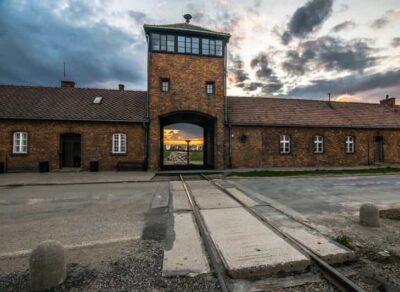
Auschwitz-Birkenau Guided Tour with Pickup & Lunch
Read our review →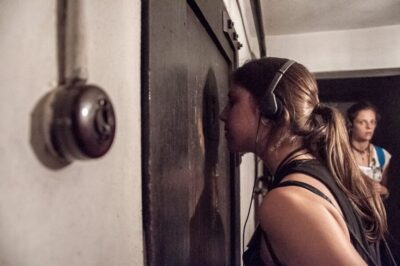
Auschwitz-Birkenau Guided Tour Pickup/Lunch Options
Read our review →
Krakow to Auschwitz Birkenau Guided Tour with Transfer and Ticket
Read our review →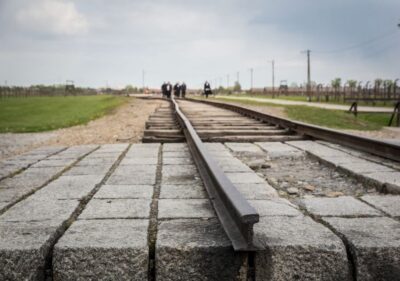
Browse the lists this tour appears in