
Reviewed · MUSEUMS
Krakow: Museum of Jan Matejko Entry Card (3-Day Krakow Card)
Jan Matejko House lets you walk through the rooms where Poland’s best-known historical painter lived and worked. You see more than finished art here: family furniture, personal objects, fabrics, weapons, and keepsakes help turn a national figure into a real person. The card then opens 37 Krakow museums, including Schindler’s Factory and the Princes Czartoryski Museum.
I like the way the house connects Matejko’s paintings to his daily life, and I like the freedom of using one card for several museums instead of buying separate tickets. The main drawback is the confusing validity wording: the promotion refers to three days, while the activity details say the card is valid for two days from first activation. Confirm this before you pay.
Key points at a glance
- Matejko’s birthplace and first workshop: Walk through the family home where the painter lived and created his work.
- Personal objects over polished biography: Furniture, relatives’ belongings, artistic crafts, clothing fabrics, weapons, and ethnographic souvenirs add everyday detail.
- One card, 37 museums: Use it at major sights such as Schindler’s Factory, Rynek Underground, MOCAK, and the Old Synagogue.
- Plan around museum hours: Some museums close on Mondays, and final admission is often 90 minutes before closing.
- Collect before you start: Pick up the Krakow Card at Krakville Tours, Sienna 17, open daily from 10:00 AM to 7:00 PM.
- Check the validity carefully: The detailed terms state two days from first activation, counted by calendar day rather than by 24-hour periods.
Entering Jan Matejko’s Krakow home
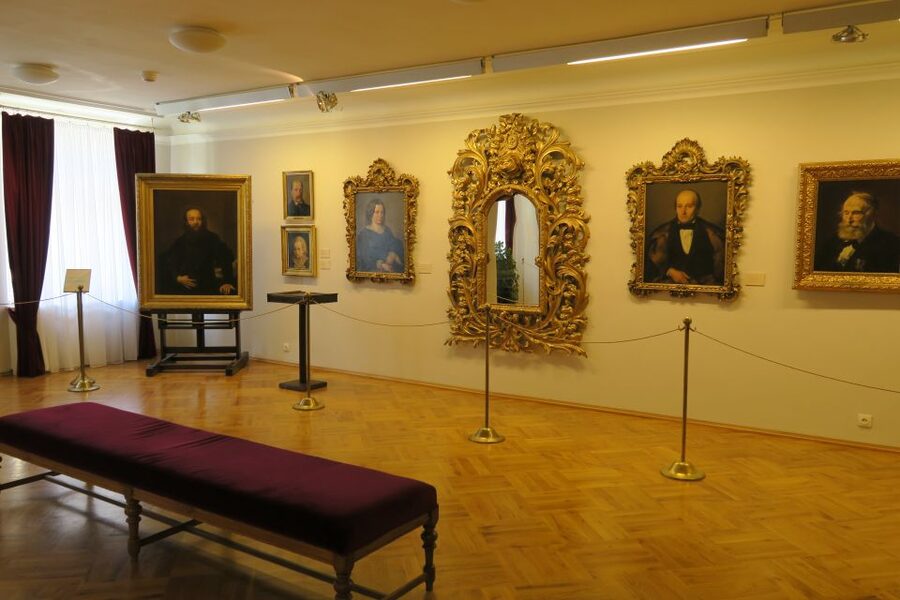
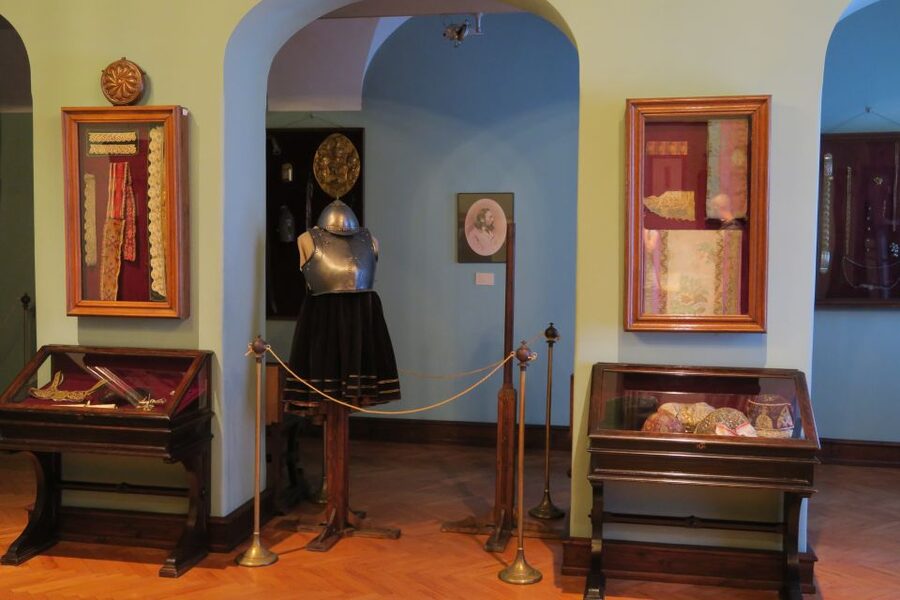
The Jan Matejko House is the emotional center of this experience. Matejko is known for paintings of Poland’s kings and major historical events, but this visit shifts your attention from public images to private life.
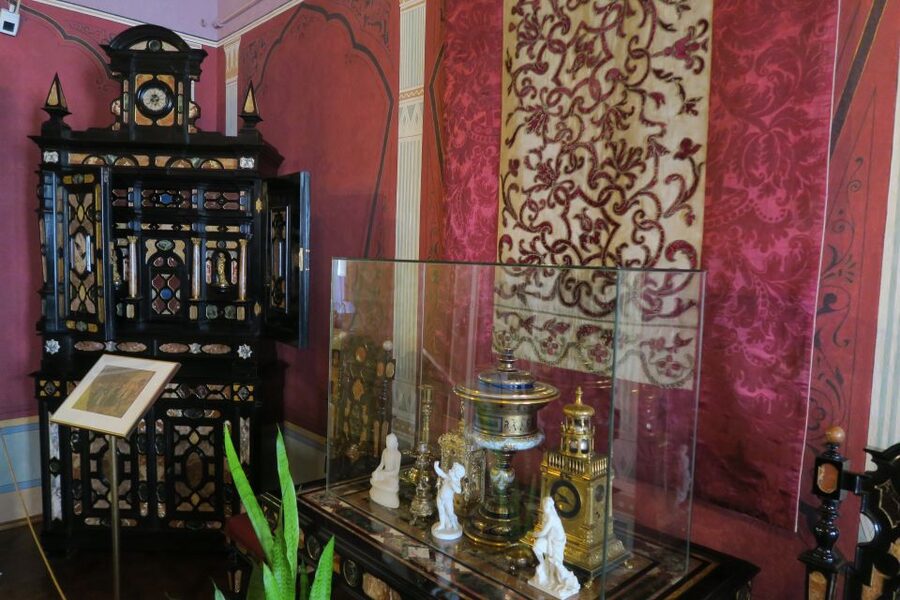
You walk through the house where he was born and where his first workshop was located. The point is not simply to look at a famous artist’s address. The rooms help you picture how Matejko and his family lived, surrounded by the objects that shaped his work and his view of Poland.
I find this kind of museum more revealing than a gallery filled only with framed masterpieces. A painting tells you what the artist wanted the public to see. A family home shows the habits, tastes, and surroundings that sat behind the finished work.
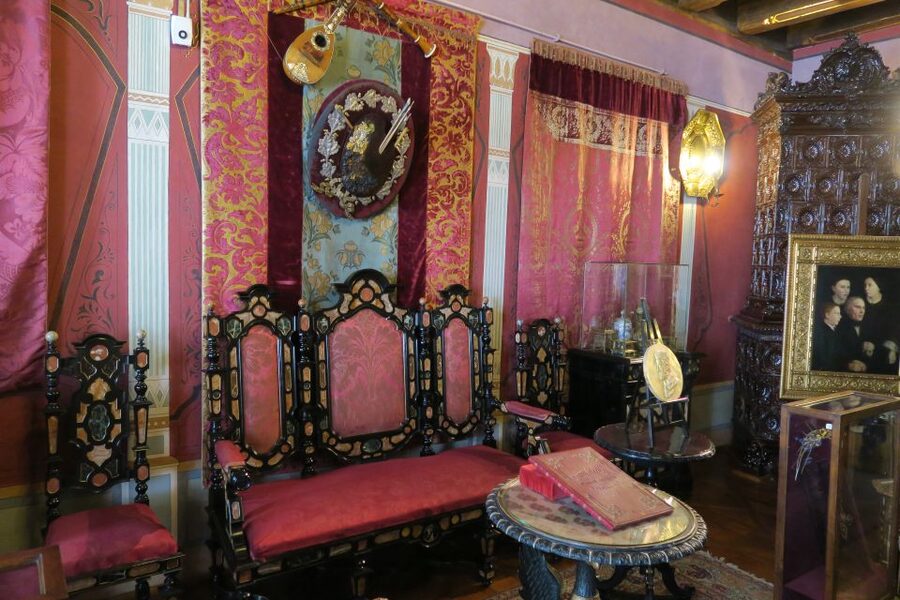
The museum’s collections include everyday objects, furniture, family memorabilia, artistic crafts, fabrics, weapons, and ethnographic souvenirs. These items may seem modest beside a grand historical canvas, but they give the visit its human scale.
One especially useful idea to keep in mind is Matejko’s role as a painter of Polish history. His work helped people picture rulers and national figures as real human beings rather than distant symbols. Seeing his home gives you another way to think about that mission.
A few more Krakow trips to weigh up
- Auschwitz-Birkenau Museum and Memorial Guided Tour from Krakow
★ 4.5 · 1,510 reviews - Krakow: Rynek Underground Museum Guided Tour
★ 4.6 · 1,122 reviews - Krakow Schindler’s Factory Museum Guided Tour in English
★ 4.5 · 650 reviews
What the rooms reveal about Matejko
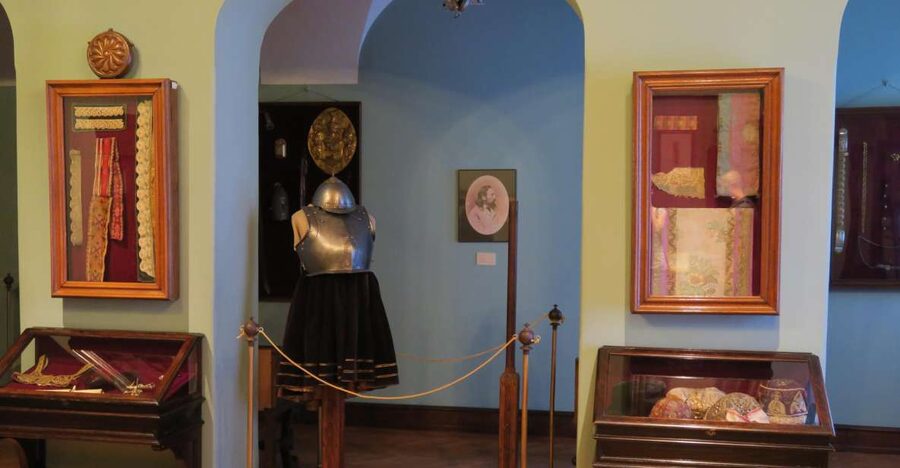
The strongest feature here is the sense of continuity between home and studio. You are not looking at an isolated exhibition assembled in a neutral building. You are moving through the setting of family life and early artistic work.
The supplied experience information does not provide a room-by-room route, so you should not expect a fixed guided itinerary or a named guide. This is a self-directed museum visit. Take your time with the objects and read the displays closely, because the value lies in the small connections between them.
Look for details that show how a working family lived. Furniture and household items help you imagine the daily rhythm of the home. Fabrics and artistic craft point to the visual world around Matejko. Weapons and ethnographic objects suggest the broad range of material he collected and studied.
The museum also contains memorabilia left by relatives. That makes the visit feel less like a formal tribute and more like a family archive. The strongest praise for this part of the experience comes from its ability to make daily life imaginable: the house gives you a clear sense that a real painter and his family occupied these rooms.
You should allow enough time to look without rushing. The card offers many other museums, but the Matejko House deserves more than a quick checkmark if you care about artists, domestic history, or the way national identity is built through art.
Using the card beyond the Matejko House
The Krakow Card is designed for a museum-heavy visit. It includes free entry to 37 museums, with Jan Matejko House among them. There is no guided tour, and transportation is not included in the stated package, so you are responsible for planning how to move between sites.
The card can save money if you visit several museums during its validity period. It also saves the trouble of purchasing separate admission at every stop. The practical value depends on your pace. If you visit only the Matejko House and one other museum, the $53 price may not look attractive. If you use the card for a full day of museums and another morning or afternoon, the calculation becomes more favorable.
You also get the convenience of skipping the ticket line where the card is accepted. That does not remove the need to check opening hours or possible museum restrictions. A free admission card is useful only when the museum is open and fits your schedule.
The card’s validity is counted in days, not hours. The detailed information says it is valid for two days from first activation and lasts until the end of the day, rather than for 48 hours from the exact activation time. For example, activating it late in the afternoon still uses that calendar day. The promotional wording calls it a three-day Krakow Card, so I would verify the exact validity at booking and collection.
The museums worth building your plan around
The list is broad enough to suit different interests. You can focus on Polish art, Jewish history, military history, archaeology, modern art, or Krakow’s medieval center.
Schindler’s Factory is one of the best-known choices on the card. It connects Krakow with the Second World War and the story associated with Oskar Schindler. If this is a priority, check its opening time before activating the card so you do not waste one of your museum days.
Rynek Underground Museum takes you below Krakow’s central market area. It is a good choice if you want the city’s medieval past explained through an unusual setting rather than only through above-ground buildings.
At the Princes Czartoryski Museum, you can see Leonardo da Vinci’s Lady with an Ermine. That single work may be enough to justify making room for the museum, especially if you want a major European painting within a Krakow-focused plan.
The Gallery of 19th-Century Polish Art in the Sukiennice is another natural companion to Matejko House. It keeps you in the world of Polish painting and gives you a broader view of the period and artistic culture surrounding Matejko.
At the Main Building of the National Museum, you can continue with Polish art on a larger scale. The Stanisław Wyspiański Museum and Józef Mehoffer House offer further artist-focused stops, while the Szołayski House, Hipolit House, and Krzysztofory Palace add different historical and cultural viewpoints.
For modern work, choose MOCAK, the Museum of Contemporary Art in Krakow. The Centre for Documentation of the Art of Tadeusz Kantor, known as Cricoteka, adds archives, office material, and documentation connected with Kantor’s work.
Same country, a completely different kind of day:
- From Krakow: Auschwitz-Birkenau Guided Tour & Hotel Pickup
★ 4.5 · 33,358 reviews - From Krakow: Auschwitz-Birkenau Guided Tour & Hotel Pickup
★ 4.5 · 29,340 reviews - Krakow: Auschwitz Guided Tour with Optional Hotel Pickup
★ 4.5 · 15,280 reviews - Krakow–Zakopane: Cable Car, Chocholow Baths, Cheese & Vodka
★ 5.0 · 10,720 reviews
Jewish, military, and social history stops
The card includes several museums that help you see Krakow through communities and institutions rather than famous paintings alone.
The Old Synagogue and Galicja Jewish Museum are key stops for Jewish history in Krakow and the former Galicia region. The Eagle Pharmacy also connects with the city’s wartime Jewish story. These museums work well together, but you should check the hours for each before setting out.
The Museum of the Home Army dedicated to General Emil Fieldorf Nil focuses on Polish wartime resistance and military history. Pomorska Street offers another important wartime site, while the City Defence Walls, Barbican, Arsenal, Town Hall Tower, and Legends of Cracow give you different ways to understand the old city.
The card also covers the Archdiocese Museum, Bishop Erazm Ciołek Palace, and Celestat. Each has a different subject, so you may want to choose based on your interests rather than attempting every museum.
Families and visitors interested in local culture can consider the Seweryn Udziela Ethnographic Museum and its Esterka’s House location. These stops complement Matejko House because they focus on objects, customs, and daily life rather than only on major historical figures.
Archaeology, aviation, and Krakow’s outer sights
The Archaeological Museum has three listed locations: the Main Building, Nowa Huta Branice, and the underground section beneath the Church of Saint Adalbert. Because these are separate sites, check the exact opening hours and locations before planning them on the same day.
The Polish Aviation Museum is a strong choice if you want a break from old churches, paintings, and city-center history. It gives the card a wider range and can be especially appealing if you have a clear interest in aircraft.
Kościuszko Mound adds an outdoor stop to a museum pass otherwise centered on indoor exhibitions. Wear comfortable shoes, as the activity specifically recommends them, and remember that weather can affect how pleasant an outdoor visit feels.
The Zwierzyniec House and Podgórze Museum take you beyond the most familiar central attractions. They can help you see Krakow as a collection of neighborhoods and local stories, not just a compact old town.
A practical two-day museum strategy
If the card is indeed valid for two calendar days, planning matters. Do not activate it casually at the end of an afternoon unless you already intend to visit a nearby museum that day.
One sensible approach is to use the first day for central museums. Start at Jan Matejko House, then choose the Gallery of 19th-Century Polish Art in the Sukiennice, Rynek Underground, the Town Hall Tower, or the Princes Czartoryski Museum, depending on their hours.
Use the second day for museums that need more planning, such as Schindler’s Factory, the Old Synagogue, the Galicja Jewish Museum, MOCAK, the Polish Aviation Museum, or Kościuszko Mound. You will not sensibly fit all 37 sites into two days, so select a few that match your interests.
The best plan is not the one with the longest list. It is the one that avoids crossing the city repeatedly and leaves enough time to look properly. Museum fatigue is real, and Matejko House works better when you are not racing through it to reach your eighth stop.
Some museums close on Mondays. Last admission is usually 90 minutes before closing, but hours can change. Check each museum’s official website before you activate the card, then collect it from Krakville Tours at Sienna 17 between 10:00 AM and 7:00 PM.
Price, convenience, and who gets good value
At $53 per person, this is a pass for people who plan to use it. I would not buy it solely for entry to Jan Matejko House. Its value comes from combining that visit with several of the larger museums, especially Schindler’s Factory, Rynek Underground, the Princes Czartoryski Museum, MOCAK, or the National Museum.
The card is also useful for visitors who prefer flexibility. You can decide which museums appeal to you after seeing the city’s rhythm, rather than committing to a separate ticket for every stop. The skip-the-ticket-line benefit can save time, though it does not replace checking schedules.
Children up to three years old receive free admission to the museums and public transportation. The activity is not considered suitable for children under three, so families should take that policy into account. Large bags, luggage, pets, and smoking are not allowed in the activity setting.
Admission to Wawel Cathedral buildings is not included and requires an extra fee. Do not assume that every major Krakow sight is covered simply because the museum list is long.
Should you book the Jan Matejko House and Krakow Card?
Book it if you want to pair one intimate artist’s home with a serious museum schedule. The Matejko House gives the card a personal starting point, while the wider pass lets you move into wartime history, Jewish heritage, Polish art, archaeology, aviation, and modern culture.
Skip it if your Krakow plans are mostly outdoor sightseeing, if you will visit only one or two museums, or if your schedule does not allow two full calendar days of use. I would also confirm the validity period before booking, since the three-day wording conflicts with the detailed two-day terms.
For the right visitor, the best part is not simply free admission. It is the chance to connect a national painter’s public work with the rooms, belongings, and family setting behind it, then use the same card to build a broader picture of Krakow.
FAQ
Where do I collect the Krakow Card?
You collect it at Krakville Tours, located at Sienna 17. The stated collection hours are 10:00 AM to 7:00 PM daily.
How long is the card valid?
The detailed activity information says the card is valid for two days from first activation. Its validity is counted by calendar days and lasts until the end of the day, not for a fixed number of hours. The promotion also uses three-day wording, so confirm the exact period before booking.
How many museums are included?
The card provides free entry to 37 museums in Krakow. The listed sites include Jan Matejko House, Schindler’s Factory, Rynek Underground Museum, MOCAK, the Old Synagogue, and the Princes Czartoryski Museum.
Is a guided tour included?
No. Guided tours are not included, so you visit Jan Matejko House and the other museums independently.
Is transportation included?
Transportation is not included in the activity package. Children up to three years old receive free admission to public transportation, as well as free museum admission.
Is Wawel Cathedral included?
No. Admission to Wawel Cathedral buildings requires an extra fee and is not covered by this card.
Just added around Krakow
- Tour to Wadowice: Hometown of Pope Saint John Paul II★ 4.6 · 12 reviews
- The Jewish Quarter – Walking Tour★ 5.0 · 4 reviews
- From Kraków; to Białka Thermal Baths private tour★ 5.0 · 5 reviews
- St. Mary’s Basilica and more – a short walk with a guide★ 4.7 · 56 reviews
- Krakow: Auschwitz-Birkenau and Wieliczka Salt Mine Day Trip★ 4.7 · 84 reviews
- Krakow: Skip-the-Line Wawel Castle & Old Town Guided Tour★ 4.9 · 23 reviews
- Krakow: Schindler’s Factory Guided Tour★ 4.2 · 12 reviews
- Shooting Range Experience!★ 4.8 · 66 reviews
Museums, compared.
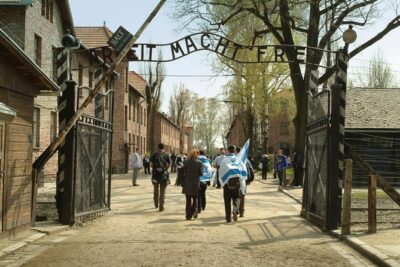
Auschwitz-Birkenau Museum and Memorial Guided Tour from Krakow
Read our review →
POLIN Museum of the History of Polish Jews Ticket
Read our review →


Krakow Schindler’s Factory Museum Guided Tour in English
Read our review →
Auschwitz Birkenau Museum Guided Tour with Pickup
Read our review →
Browse the lists this tour appears in