
Reviewed · GDANSK TOURS
Gdańsk: World War II Tour
Gdańsk is where the Second World War began, and this private tour takes you straight to the places where that story became real. You’ll visit Westerplatte, the Polish Post Museum, and the Main City while following Poland’s experience of occupation, resistance, destruction, and rebuilding.
I like the private format, which lets your guide adjust the pace and explain details without a large group getting in the way. I also like the focus on local voices and hard places, from Westerplatte to the city’s wartime collapse in 1945.
The main drawback is its price: $195 per person is a serious spend, especially for a 210-minute tour. The route also does not include the Museum of the Second World War, a notable omission if you want a full museum treatment of the conflict.
Key points to know before booking
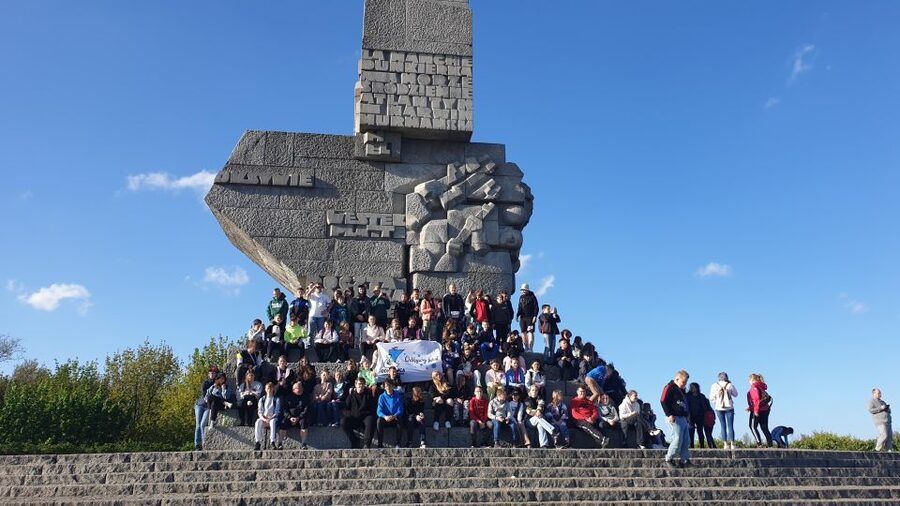
- Westerplatte comes first, giving you a direct connection to the opening shots of the war.
- The Polish Post Museum adds a personal story of resistance and human courage.
- The one-hour Main City visit looks beyond pretty façades to Gdańsk’s destruction and rebirth.
- Private pickup and transport make the route easier than arranging several separate visits.
- Bożena, Roxana, and Sebastian are named guides praised for clear explanations, warmth, and flexibility.
- Bad-weather clothing matters, and the tour is not suited to people with mobility impairments.
Why Gdańsk makes such a strong Second World War setting
Many European cities tell the story of the Second World War through memorials and museums. Gdańsk lets you connect the story to exact places, changing political borders, and the city’s own difficult identity.
Before the war, Gdańsk was the Free City of Gdańsk, a special political territory with a largely German-speaking population and a complicated relationship with Poland. That setting helps explain why the city was so important and why its wartime story cannot be reduced to one nation’s viewpoint.
Your guide links the Free City period with the attack of the Red Army and the destruction that came in 1945. You are not only looking at military events. You are also following what happened to civilians, national communities, buildings, and a city forced to rebuild itself.
I find this approach more useful than a simple list of battles. It gives you a way to understand Gdańsk as a place shaped by competing powers and ordinary people caught between them.
The tour is also described as an off-the-beaten-track way to see the city. That does not mean every stop is obscure. It means the route adds wartime meaning to places you might otherwise pass without much thought.
Other Gdansk days people book alongside this one:
- Gdansk: City Cruise on Historical Polish Boat
★ 4.8 · 2,913 reviews - Gdańsk: Sunset Cruise on a Historic Polish Boat
★ 4.9 · 977 reviews - Gdańsk City Sights & History Guided Walking Tour in English
★ 4.8 · 876 reviews
Westerplatte, where the war story begins
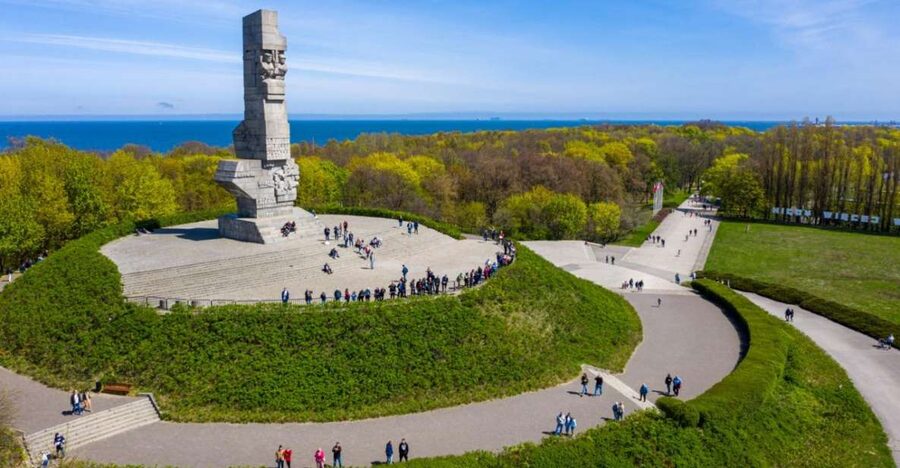
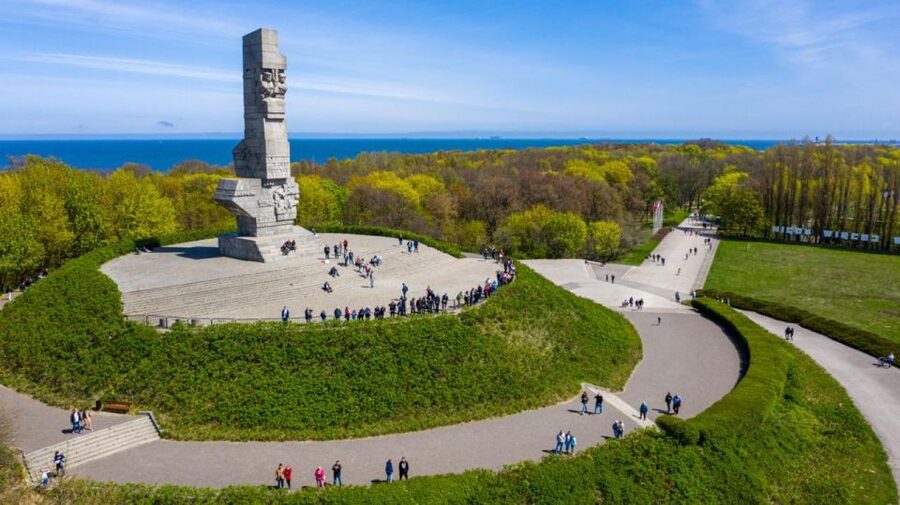
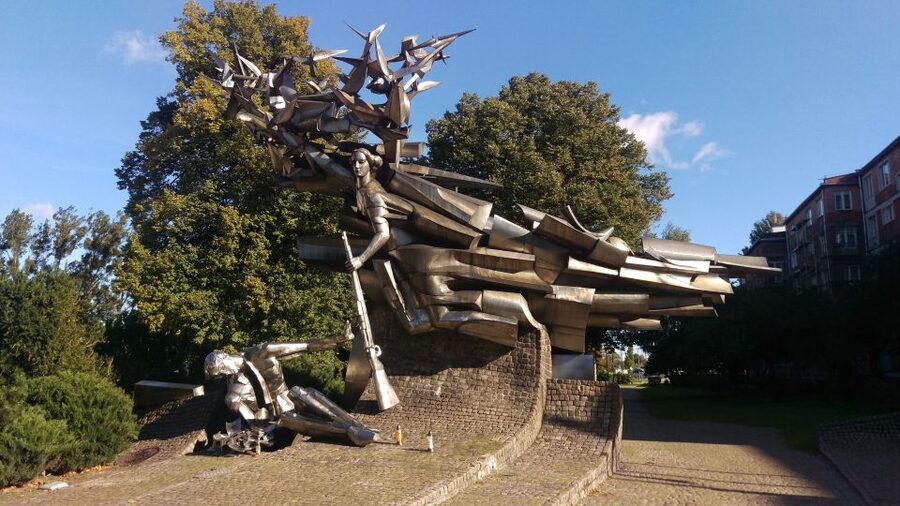
The first major stop is Westerplatte, with about one hour set aside for a guided visit. This is the emotional anchor of the tour because Gdańsk is widely identified as the place where the Second World War began.
At Westerplatte, your guide explains the opening conflict and the role of the site in Poland’s national memory. The visit gives you a physical starting point for the war rather than beginning with dates in a museum gallery.
Expect a site where the subject matter carries more weight than entertainment. The value comes from standing in the place connected with the first fighting and hearing how the events are understood from the Polish point of view.
Your guide may also connect Westerplatte with the wider story of Gdańsk and Poland. This is where a private tour helps. You can ask why the location mattered, how the Free City shaped the setting, and how the first attack fits into the larger sequence of events.
Allow for outdoor conditions. The tour provider specifically recommends clothing suited to bad weather, and Westerplatte is the part of the day where that advice matters most. Bring a rainproof layer and comfortable shoes, even if the forecast looks kind when you leave your accommodation.
The mobility warning also deserves attention. This tour is not suitable for people with mobility impairments, so ask for full details before booking if walking or uneven ground could be a problem.
The Polish Post Museum and the human side of resistance
The next stop is the Museum of the Polish Post, with around 30 minutes of guided touring. The shorter visit does not make it unimportant. It shifts the focus from a military outpost to people working and resisting in an urban setting.
This stop helps you see how wartime events affected institutions and individuals inside the city. Instead of treating the conflict as something that happened only at front lines, the museum points toward the danger faced by civilians and public workers.
Half an hour is enough for a focused introduction, but it is not a long museum session. If you prefer to read every display and examine each room at length, you may find this portion too brief. The guide-led format is designed to give you the key story and keep the full route moving.
I would pay close attention to how your guide frames the Polish experience here. The tour is not built around a neutral-sounding sequence of dates alone. It explores national conflict, human loss, and the choices made by people under pressure.
A private guide can also make this stop easier to understand if you are unfamiliar with Polish history. Names, borders, and political labels can pile up quickly in Gdańsk. A clear explanation at the right moment is worth more than a room full of information you have not had time to place.
The Main City, rebuilt after the 1945 catastrophe
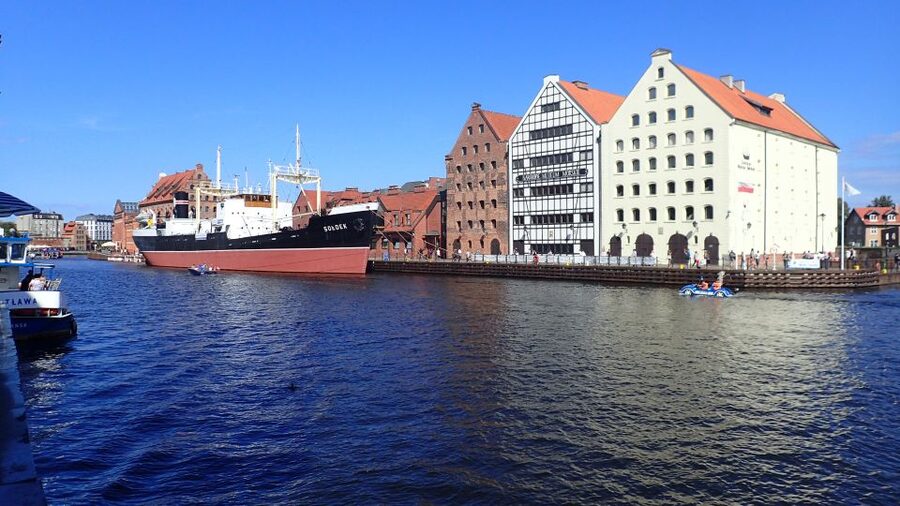
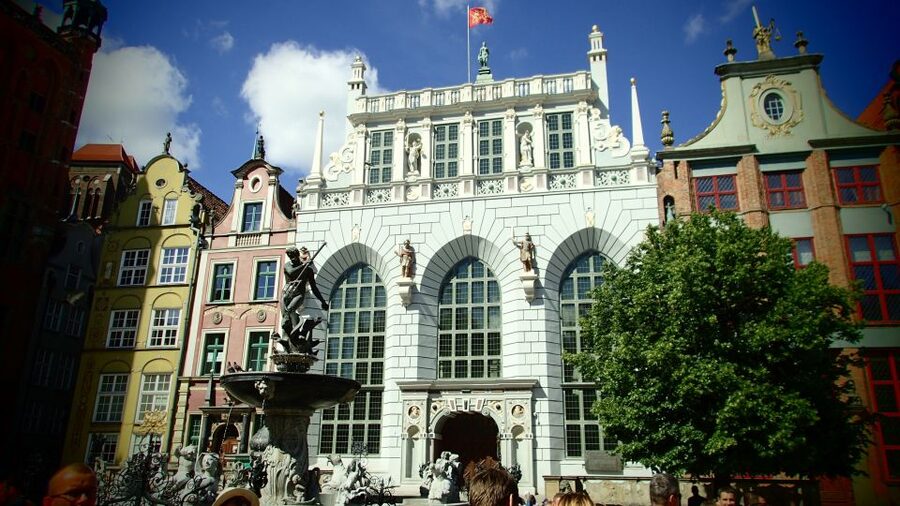
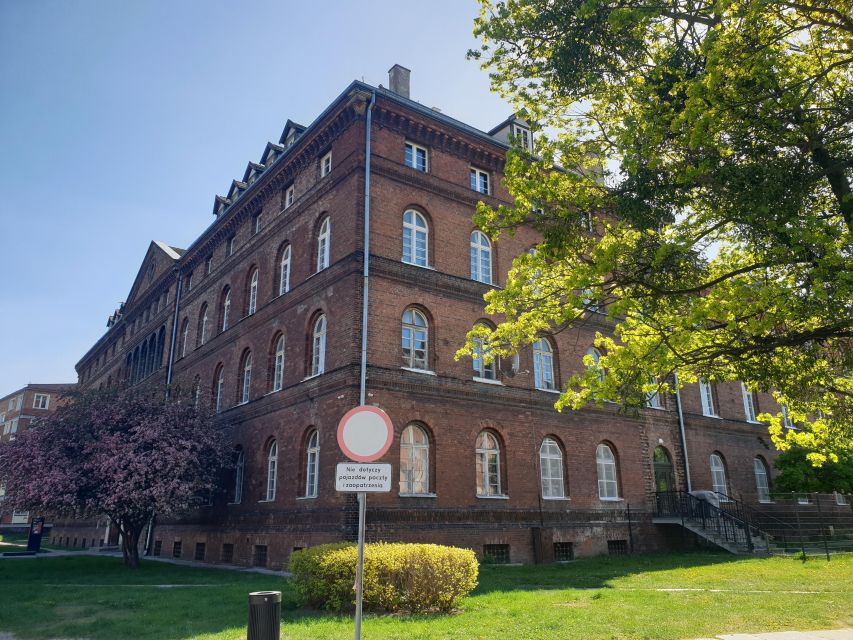
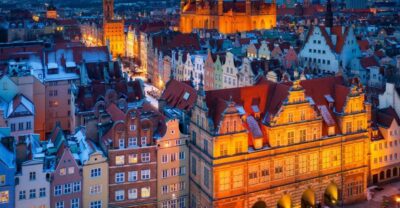
The Main City receives about one hour of guided attention. This part of the tour brings the war story into the center of Gdańsk, where architecture and city life make the damage and rebuilding easier to grasp.
The key point is that Gdańsk’s tragedy came to a head in 1945. The city did not suffer military operations at the very beginning of the war in the same way as some other places, but its final wartime period was devastating.
As you move through the Main City, your guide explains how Gdańsk was affected by the attack of the Red Army and what followed. The historic-looking streets you see today are tied to a story of destruction and reconstruction, not uninterrupted survival.
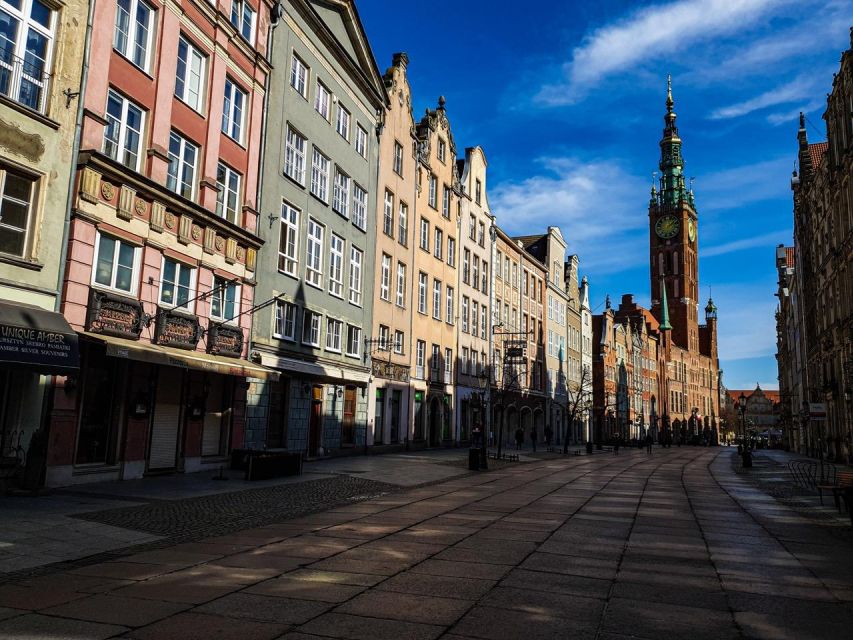
That context changes the way you look at the city. A handsome façade is no longer only a pretty photo. It becomes part of a difficult question: what was destroyed, what was rebuilt, and how did the city’s identity change afterward?
The route also refers to places such as Gradowa Mountain as part of the broader story. The supplied schedule does not list a separate guided stop there, so you should not book this expecting a dedicated visit to every location named in the tour description. Ask the operator if Gradowa Mountain is important to your plans.
The Main City section is likely to suit you if you want history tied to streets rather than a long indoor museum visit. It may be less satisfying if you want detailed architectural analysis or extended time at every historical site.
Same country, a completely different kind of day:
- Gdansk: Firearm Shooting Experience with Instructor
★ 4.8 · 866 reviews - Gdansk: Guided Round-Trip Cruise to Westerplatte
★ 4.3 · 865 reviews - Gdańsk: Sightseeing EcoCruise around the Old Town of Gdansk
★ 4.6 · 719 reviews - Main Town Gdańsk Walking Tour
★ 5.0 · 644 reviews
A Polish viewpoint with room for questions
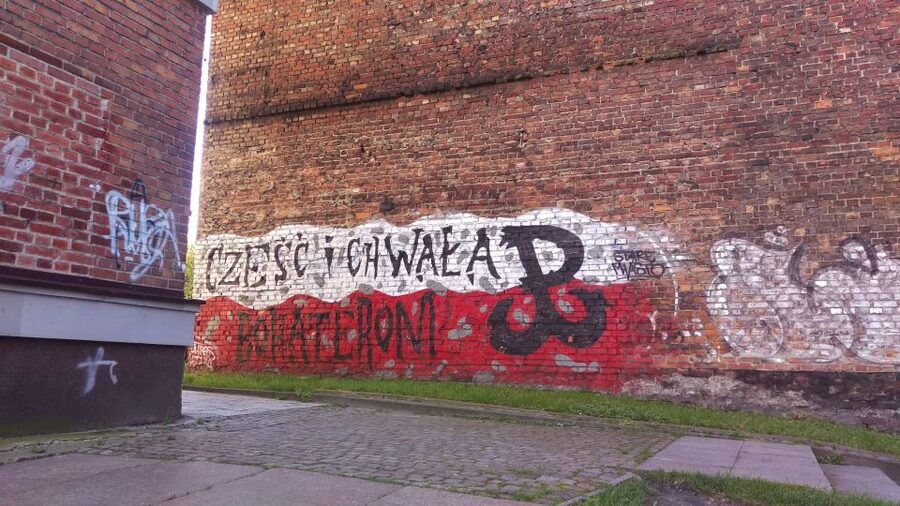
The tour’s stated aim is to tell Gdańsk and Poland’s wartime story through Polish eyes. That is an important part of its character.
You will hear about many nations, heroes, and human tragedies. The route treats Gdańsk as a meeting point of competing national claims, rather than presenting the city as a simple backdrop to German or Polish history alone.
I like that the tour connects national events with personal loss. The best guide-led history does not just tell you what happened. It helps you understand why the events still matter to the people who live with their memory.
The named guides give you useful clues about the guiding style. Bożena is praised for being professional, friendly, punctual, and able to adjust to guests’ needs. She is also described as clearly proud of Gdańsk, which can add warmth to a subject that is otherwise heavy.
Roxana is described as pleasant and well informed, while Sebastian Malyszczyk is noted for explaining the history clearly and with passion. Guide availability can change, so you should not assume one particular person will lead your tour. Still, these comments point to the sort of personal, engaged guiding you can expect from Poland By Locals.
An evening departure is possible, depending on availability. One booking used an evening tour and had a private visit with Bożena. Check the available starting times before you plan around a sunset or dinner reservation.
How the 210-minute schedule works
The advertised duration is 210 minutes, or three and a half hours. The formal visits total about two and a half hours:
- Westerplatte: about one hour
- Museum of the Polish Post: about 30 minutes
- Main City: about one hour
The remaining time covers pickup, driving, and movement between sites. That matters because this is not three and a half hours of continuous walking or museum time. You spend part of the tour in a car or minivan, using the vehicle to connect places that are spread around Gdańsk.
Pickup and drop-off at your accommodation in Gdańsk are included. A central pickup location is also possible. This saves you the trouble of finding Westerplatte on your own and makes the tour practical if you are still learning the city.
Transport also gives you a break between outdoor sections. The guide can continue the story while you move through the city, though the exact amount of conversation in the vehicle will depend on the guide and traffic.
The private group arrangement is especially useful for couples, families, or a small group with a shared interest in wartime history. You can ask for clarification, spend longer on a point that matters to you, or move on when the subject has been covered.
At 210 minutes, the tour is long enough to create a connected story but short enough to fit into a day of sightseeing. You will not get the full treatment of every Gdańsk wartime site, and that is the trade-off.
Is $195 per person fair value?
At $195 per person, this tour is not a budget sightseeing option. Its value depends heavily on group size and on how much you want private guiding.
For one person or a couple, the cost may feel high for three and a half hours, especially because museum admission details are not listed separately and the Museum of the Second World War is not part of the route. You are paying for a private guide, vehicle, hotel pickup, local interpretation, and a carefully connected route.
For a larger private group, the cost may make more sense if the price is fixed per person but the group can share the same guide and transport. You avoid separate taxis, route planning, and the risk of reaching Westerplatte without understanding what you are seeing.
The included water is a small practical touch, but it is not the reason to book. The main value is time and interpretation. Gdańsk’s wartime story has political and geographical complications, and a good guide can keep those threads clear.
If your priority is the lowest possible cost, use public transport and visit sites independently. If your priority is a private, English or Polish guided route with pickup, this option offers convenience that an independent visit will not.
The strongest reason to pay the premium is flexibility. Bożena was specifically praised for adjusting to individual needs, and that is the sort of benefit a private booking can provide. The weakest reason is expecting a complete museum-focused account of the war, since the schedule is spread across several sites and the major Second World War Museum is absent.
Who will get the most from this tour?
You should consider booking if you:
- Have a strong interest in the Second World War and want to see key locations in person.
- Prefer a guide to explain political history and local memory.
- Want hotel pickup and transport rather than arranging the route yourself.
- Are visiting Gdańsk for the first time and want historical context before exploring alone.
- Enjoy small private tours where you can ask questions and adjust the pace.
- Want a Polish viewpoint alongside the military timeline.
You may want another option if you:
- Need step-free access or have a mobility impairment.
- Want a long visit to the Museum of the Second World War.
- Prefer to spend most of your time inside museums.
- Are watching your budget closely.
- Want a detailed stop at every location connected with the tour’s wider description.
Bring weather-ready clothing. The tour includes outdoor places, and the provider specifically advises dressing for poor weather. English and Polish guiding are available, and pickup is included at your accommodation or a central Gdańsk location.
Free cancellation is available up to 24 hours before the tour for a full refund. You can also reserve now and pay later, which helps if your Gdańsk plans are still shifting.
Should you book the Gdańsk World War II Tour?
Book it if you want a private guide to connect Westerplatte, the Polish Post Museum, and the Main City into one clear Polish wartime story. The combination of local transport, outdoor sites, and personal explanation is the real appeal.
I would not book it as your only Second World War activity in Gdańsk. Add the Museum of the Second World War separately if you want a broader museum record and more time with exhibits.
For a history-minded visitor who values personal guiding, this is a focused and worthwhile half-day. The strongest guide feedback centers on clear explanations, warmth, punctuality, and pride in Gdańsk. Just weigh the $195 cost against your group size, dress for bad weather, and confirm the route if Gradowa Mountain or a particular guide matters to you.
FAQ
How long does the Gdańsk World War II Tour last?
The tour lasts 210 minutes, or three and a half hours.
Which places are visited?
The scheduled visits are Westerplatte, the Museum of the Polish Post, and the Main City in Gdańsk.
Is pickup included?
Yes. Pickup and drop-off are included at your accommodation in Gdańsk or at a central location.
What languages are available?
The live tour guide is available in English or Polish.
Is this a private tour?
Yes. The activity is arranged for a private group, with transportation in a car or minivan.
Is the tour suitable for people with mobility impairments?
No. The activity is listed as unsuitable for people with mobility impairments. Dress for bad weather, since the route includes outdoor touring.
Just added around Gdansk
- Guided Winter Kayak Tour in Gdańsk & Hot Chocolate Treat★ 5.0 · 51 reviews
- Electric Scooter Tour: Old Town Tour – 1,5-Hour of Magic!★ 5.0 · 19 reviews
- Elblag Canal Tour from Gdansk★ 4.5 · 22 reviews
- Gdansk Highlights Bicycle Tour★ 5.0 · 65 reviews
- #1 Polish Vodka Tasting Experience in Gdansk★ 5.0 · 87 reviews
- Delicious Gdansk Craft Beer Tour★ 5.0 · 4 reviews
- DAILY Stutthof Concentration Camp with Guide and Transport★ 4.5 · 10 reviews
- Cruises on the Motlawa River★ 4.5 · 66 reviews
Gdansk Tours, compared.
Gdańsk City Sights & History Guided Walking Tour in English
Read our review →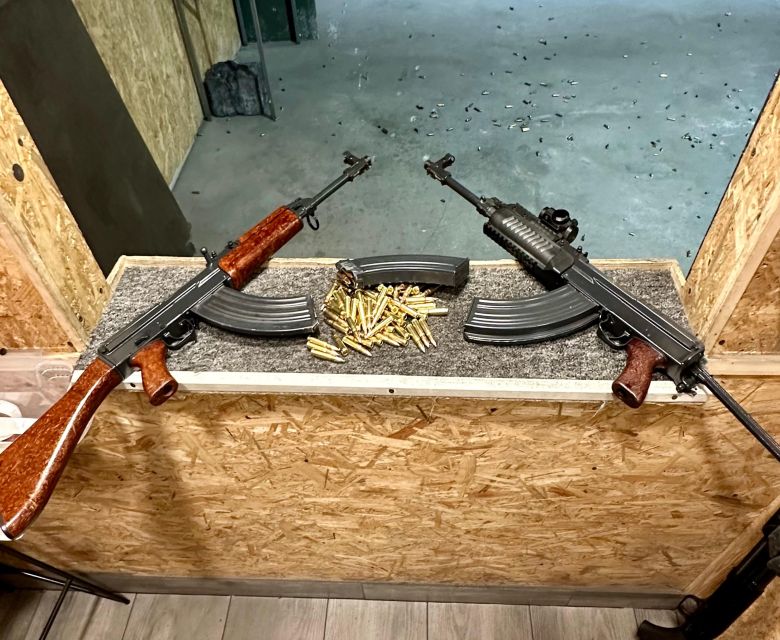
Sightseeing EcoCruise around the Old Town of Gdansk
Read our review →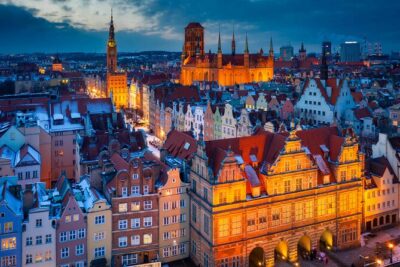

Browse the lists this tour appears in